

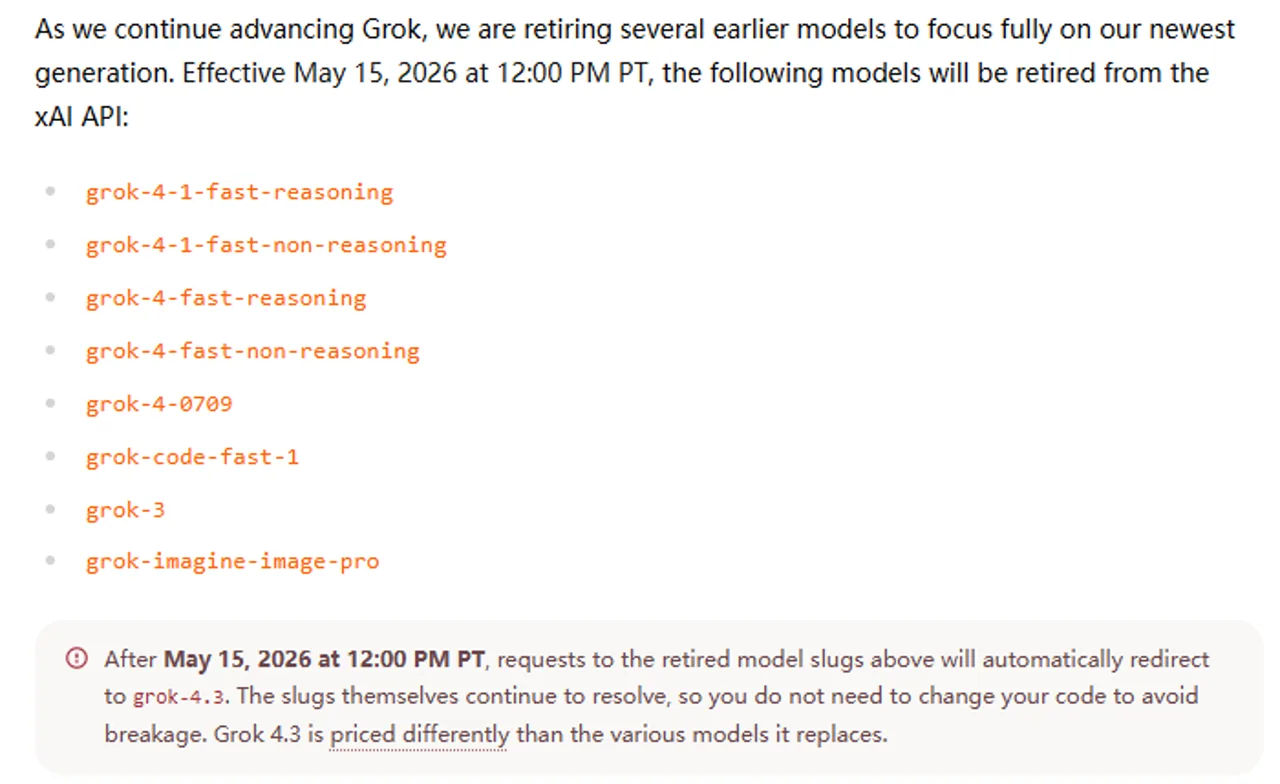
アプリの開発やエージェントの予算策定をお考えですか?まずは、実際に運用するモデルから始めましょう。その 2026年5月15日 移行に関するお知らせ それによると、元の「Grok 4 ID」は、わずかな推論で「Grok 4.3」に解決されるようになった。古いIDへの呼び出しが成功したとしても、もはやそれが元のモデルによって提供されたことを証明するものではない。.
APIの利用状況は、Grokのコンシューマー向けサブスクリプションとは別に計測されます。. Grok のサブスクリプションおよび利用料金 チャットプランについて解説しています。これらの月額料金は、xAIとの直接連携のためのトークンクレジットではありません。.
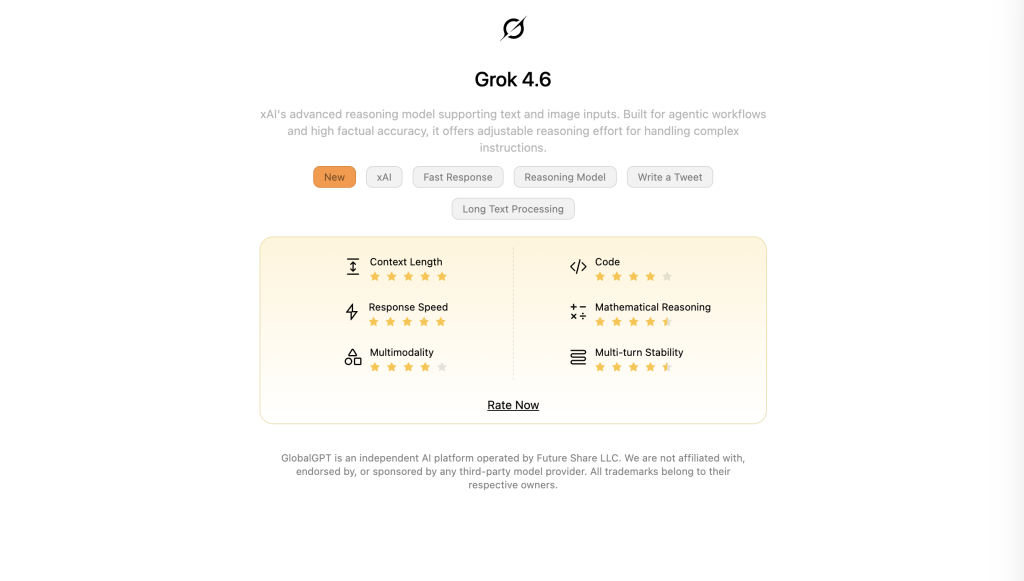
アプリに実装する前に、プロンプトを試してみたいですか? GlobalGPTでGrok 4.6を試してみてください チャットベースのワークフロー向けです。独自の統合やxAIへの直接課金には、xAI APIキーをご利用ください。この記事はGlobalGPTによって公開されています。製品リンクには紹介追跡機能が組み込まれています。.
Grok 4 APIの価格設定:現在の料金と廃止された旧料金
以下の表では、 2026年9月8日時点のxAIの定価. 各金額は、100万トークンあたりの米ドル額です。入力、キャッシュされた入力、出力はそれぞれ別々の課金対象となるため、単一の「100万単位あたりの価格」という総合的な数値では、ワークロードのコストが不明確になってしまいます。.
100万トークンあたりの米ドル · 標準処理
grok-4.3
オリジナルの Grok 4 リダイレクト先
コンテキスト 1,000,000トークン
プロンプト < 200K
- インプット
- $1.25
- キャッシュされた入力
- $0.20
- 出力/推論
- $2.50
プロンプト >= 200K
- インプット
- $2.50
- キャッシュされた入力
- $0.40
- 出力/推論
- $5.00
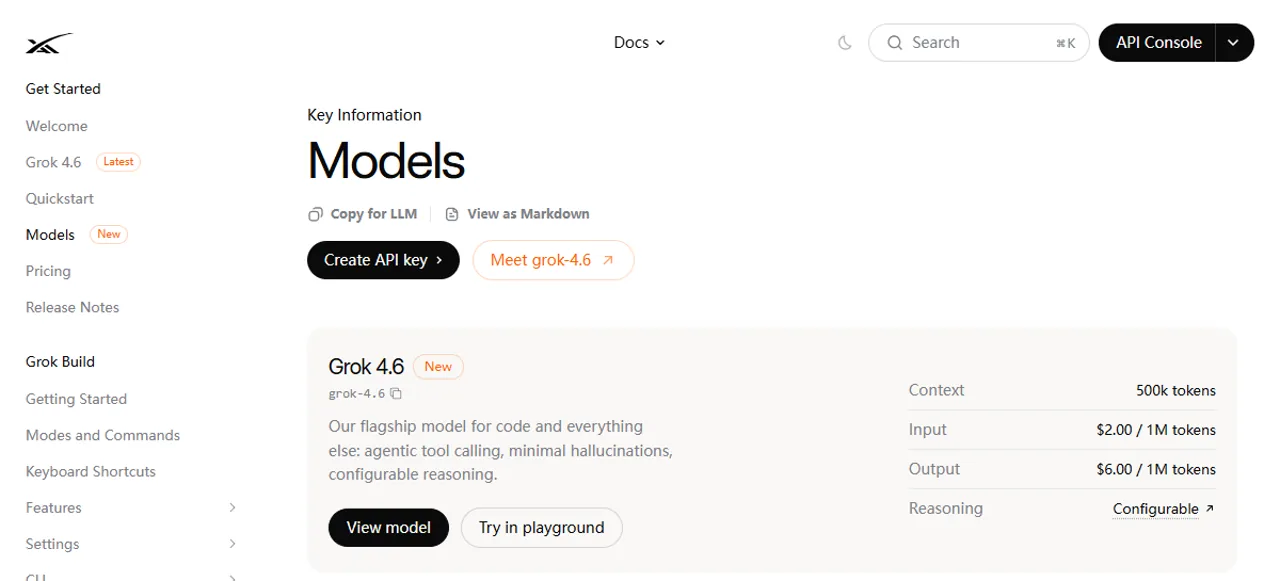
grok-4.6
現在のフラッグシップ
コンテキスト 50万トークン
プロンプト < 200K
- インプット
- $2.00
- キャッシュされた入力
- $0.50
- 出力/推論
- $6.00
プロンプト >= 200K
- インプット
- $4.00
- キャッシュされた入力
- $1.00
- 出力/推論
- $12.00
grok-4.5
現行世代の以前のオプション
コンテキスト 50万トークン
プロンプト < 200K
- インプット
- $2.00
- キャッシュされた入力
- $0.30
- 出力/推論
- $6.00
プロンプト >= 200K
- インプット
- $4.00
- キャッシュされた入力
- $0.60
- 出力/推論
- $12.00
プロンプトが20万トークンに達すると、そのリクエスト内のすべてのトークン(出力を含む)に対して、ロングコンテキスト料金が適用されます。.
その他にリストされている Grok 4 ファミリーの ID は以下の通りです。 grok-4.20-0309-reasoning, grok-4.20-0309-非推論版 そして grok-4.20-multi-agent-0309. それぞれに1Mトークンのコンテキストウィンドウがあり、Grok 4.3と同じショート/ロングトークンレートが設定されています。単位価格の一致は、特にマルチエージェント処理において、トークン消費総量の一致を意味するものではありません。.
コーディングに特化した代替案としては、, grok-build-0.1 256Kのコンテキストウィンドウを持ち、ショートコンテキストの入力/キャッシュ/出力レートは$1.00/$0.20/$2.00であり、 200Kのプロンプト閾値では、それぞれ$2.00/$0.20/$2.00に上昇します。より広範な動作やユースケースについては、当社の Grok 4.6のレビュー.
当初の$3/$15の価格は、どうなったのでしょうか?
当社のものを含む、以前の参考文献 Grok 4 API 統合ガイド, 、元のGrokについては、入力トークン100万枚あたり$3、出力トークン100万枚あたり$15と記載されています。これは過去の価格であり、廃止されたIDに対する本日の請求額ではない点にご留意ください。 旧公式モデルURLは現在、一般的なモデルカタログにリダイレクトされるため、これは新たに検証されたアーカイブ価格表ではありません。.
について オリジナル Grok 第4回告知 256,000トークンのコンテキストウィンドウについて説明しています。この過去の容量や、以前のFastモデルの価格・閾値は、置き換えの予算に反映させてはなりません。その正確なルールについては、 grok-4-0709 現在は Grok 4.3 で、推論の負荷が低く、Grok 4.3 の料金体系で請求されます。.
Grok 4 はモデル名ですが、Grok は一般消費者向け製品の名称でもあります。当社の 「Grok 4」とは何かについての説明 この製品に関する背景情報を提供します。新しいコードを作成する際は、サポート終了時のリダイレクトに頼ったり、プロバイダーのエイリアスが変更されないことを前提としたりせず、サポート対象のモデルを明示的に選択してください。.
入力、キャッシュされた入力、および推論が法案にどのような影響を与えるか
1件の依頼、3回の少額請求
キャッシュされていない入力
(I – C) × 投入率
I = すべてのプロンプトトークン;C = キャッシュされたプロンプトトークン。.
キャッシュされた入力
C × キャッシュレート
キャッシュされたトークンは入力の一部であり、追加の入力ではありません。.
請求対象の生産高
O × 出力率
Oには、エンドポイントが出力内にそれを報告する場合の推論が含まれます。.
米ドル建てのトークン推定値 = [(I – C) × 入力レート + C × キャッシュ済み入力レート + O × 出力レート] / 1,000,000。. その後、該当する工具代、保管料、その他の費用を加算します。計算を行う前に、キャッシュされたトークンを含む合計額のプロンプトを使用して、ロングコンテキストのレートを選択してください。.
入力には、モデルに送信されたメッセージ、指示、および会話履歴が含まれます。キャッシュ機能では、リクエスト間で同一の開始プレフィックスが再利用されます。これは自動的に行われ、xAIでは再利用性を高めるために会話識別子の使用を推奨しています。一見似たようなプロンプトであっても、キャッシュヒットが保証されるわけではありません。 プロンプトのキャッシュに関するドキュメント そのマッチングの挙動について説明しています。.
「チャット補完」では、次のように読みます。 prompt_tokens_details.cached_tokens; 「レスポンス」では、次のように読み替えてください input_tokens_details.cached_tokens. . キャッシュの使用状況と価格に関する参考情報 billsは、推論トークンを完全な完了率で算出します。出力の合計にすでに推論が含まれている場合、追加すると 推論トークン そうすると、また重複してカウントされてしまいます。.
Grok 4.6 は、推論の負荷レベルとして「低」、「中」、「高」、「x高」に対応しています。ドキュメントに記載されているデフォルトは「高」であり、推論を無効にすることはできません。Grok 4.3 は、「なし」、「低」、「中」、「高」に対応しています。 そのため、厳密な抽出作業では「none」設定の Grok 4.3 を評価する価値がありますが、Grok 4.6 では、表示される回答が短い場合でも、より多くのトークンを消費する可能性があります。詳しくは 推論設定 および上記のGrok 4.3のモデル項目。.
ツール呼び出し、バッチ処理、および優先度指定のリクエスト
によると、 公式ツール価格表, 、Web検索、X検索、およびコード実行は、それぞれ1,000回の呼び出しごとに$5、あるいは1回の呼び出しごとに$0.005のコストがかかり、さらにトークンの消費があります。1つのリクエストで複数のツールを呼び出すことができます。 検索呼び出しが10回行われると、モデルトークンに先立って$0.05が加算されます。ツールを有効にしても、それが何回使用されるかはわかりません。.
ファイル添付の検索は、1,000件あたり$10、コレクションの検索は1,000件あたり$2.50かかります。保存されたファイルやコレクションには、日ごとの保存料およびダウンロード料も発生します。 画像や動画には独自の料金単位が適用されるため、テキストのみのトークン見積もりにはこれらを含めないでください。当社の Grok 画像・動画ワークフローチュートリアル その発電ルートをカバーするものです。.
について バッチAPI Grok 4.3 および記載されている 3 つの Grok 4.20 バリアントに対して、20% トークンの割引が適用されます。 この割引は、入力、キャッシュされた入力、出力、および推論トークンに適用されます。Grok 4.6のモデルページには、Batch APIが非対応と記載されています。一律で50%の割引を適用したり、掲載されているすべてのモデルがバッチ処理に対応していると想定したりしないでください。.
優先処理 返される際に、キャッシュされたトークンや推論トークンを含め、標準のトークン単価の2倍の費用がかかります。 サービス階層 確認する 優先順位. デフォルトのティアにフォールバックした場合は、標準料金が適用されます。優先度は「チャット完了」および「返信」に適用され、「バッチAPI」には適用されません。.
APIコストに関する3つの具体的な事例
これらは参考価格の見積もりであり、実際の請求書に基づくものではありません。以下のすべてのリクエストは、標準的な処理、テキストのみ、ツールの使用なし、ストレージなし、再試行なし、税金なしという条件に基づいています。「出力」には、課金対象となる推論が含まれます。最初の2つのワークロードは、プロンプトが20万トークン未満であることを前提としています。.
リクエスト1件あたりのコストおよび10,000リクエストあたりのコスト
Grok 4.3 · キャッシュなし
$0.005 / リクエスト
入力2,000 × $1.25 + 出力1,000 × $2.50 を 1M で割る。リクエスト10,000件 = $50。.
Grok 4.6 · キャッシュなし
$0.010 / リクエスト
入力2,000 × $2 + 出力1,000 × $6、これを1Mで割る。リクエスト10,000件 = $100。.
Grok 4.6 · 90% 入力キャッシュ済み
$0.0073 / リクエスト
200 非キャッシュ × $2 + 1,800 キャッシュ × $0.50 + 1,000 出力 × $6 を 1M で割った値。10,000 リクエスト = $73。.
キャッシュヒット率が高いことは、ワークロードが入力が主体である場合に最も効果を発揮します。 前述の Grok 4.6 の例では、90% の入力トークンがキャッシュされているにもかかわらず、キャッシュによって 1 回の呼び出しあたり $0.0027、つまり合計で 27% が節約されています。 出力負荷は $0.006 のままです。節約効果は、キャッシュされた部分だけでなく、リクエスト全体に対して評価してください。.
200Kのプロンプト制限は、リクエスト全体に影響を与える可能性があります
もう1つの入力トークンが価格のしきい値を超えた
199,999 プロンプト・トークン
$0.459998
Grok 4.6: (199,999 × $2 + 10,000 出力 × $6) / 1M。キャッシュなし。.
200,000 プロンプトトークン
$0.920000
Grok 4.6: (200,000 × $4 + 10,000 出力 × $12) / 1M。キャッシュなし。.
主な 価格表には、「20万トークン以上の長文」という表現が明示的に使用されています。“ また、プロンプトが閾値に達すると、すべてのトークンに対して高い料金率が適用されると記載されています。モデルの詳細説明には「20万を超える」とあります。予算を正確に200,000に設定する場合は、料金表に明記された境界値を使用してください。安い料金率が引き続き適用されるとは想定しないでください。.
月次予測を行う際は、ワークロード、コンテキストバンド、キャッシュヒットパターン、推論設定ごとに、リクエスト量を個別に推定してください。予想される再試行回数とツール呼び出し回数を加算します。その後、その推定値と、小規模なパイロット実施後に得られた実際のコストデータを比較してください。「1コールあたりのコスト(セント)」という数値は、その前提条件が本番環境と一致している場合にのみ有用です。.
コンテキスト、出力、レート制限、および支出制限はそれぞれ異なります
スケーリングを行う前に確認すべき4つの制限事項
コンテキストウィンドウ
ご要望により
Grok 4.3:1Mトークン。Grok 4.6:500K。これは月間割り当てではありません。.
出力予算
回答ごとに
サポートされている出力上限を設定してください。コンテキスト容量が、その程度の目に見える出力を保証するものではありません。.
RPS / TPM
スループット
1秒あたりのリクエスト数および1分あたりのトークン数。いずれもチームティアの範囲内である必要があります。.
支出管理
お金
プリペイド残高、自動チャージ、および請求書による決済の各限度額は、それぞれ異なる資金調達方法を制御します。.
一般市民 レート制限テーブル Grok 4.3については、Tier 0の仕様として1秒あたり37リクエスト、1分あたり1,000万トークンと記載されています。Grok 4.6については、1秒あたり150リクエスト、1分あたり5,000万トークンと記載されています。 これらは公開された時点でのティアの記載であり、すべてのキーが同じ利用可能容量を持つことを保証するものではありません。現在のモデルへのアクセスおよび制限については、チームのコンソールを最終的な判断基準としてください。.
ティアは、2026年1月1日以降のAPI利用額の累計に基づいて決定されます: ティア0から4までは、$0、$50、$250、$1,000、$5,000となります。 リクエストは、1分あたりのリクエスト予算を60で割った値を用いて1秒あたりの上限が設定されるため、1分分の割り当てを一度に使い切ることはできません。入力、出力、推論、およびキャッシュされたトークンは、たとえ一部のコストが低くても、すべてTPMの計算対象となります。.
確認したGrok 4.3および4.6のモデルページには、個別の最大出力値は記載されておらず、コンテキストサイズのみが記載されています。現在の レスポンスエンドポイントのリファレンス 定義する max_output_tokens 出力と推論の合計予算として設定します。設定されていない場合のデフォルト値は 128,000 ですが、より長い生成結果を得るために、これより大きな値を設定することも可能です。このデフォルト値は、128,000 個の回答トークンが表示されることや、コンテキストの許容量が無制限であることを保証するものではありません。明示的に予算を設定し、不完全な応答を確認してください。.
xAIの請求に関するドキュメント プリペイド残高と月次請求を区別します。この機能はデフォルトでは無効になっています。自動チャージ機能によりプリペイド残高を補充することができ、この機能には独自の閾値と月間利用限度額が設定されています。請求限度額は後払い利用を管理するものであり、プリペイドでの購入、チャージ、リクエストに対する単一の包括的な上限とは異なります。.
初めての連携を行う際は、まずは少額のプリペイド残高から始め、自動チャージの設定を慎重に確認してください。連携を記述せずに日常的なチャットを利用したい場合は、別の Grokの使い方ガイド 製品のワークフローを網羅しています。チャットサブスクリプションとAPIチームでは、制御方法が異なります。.
2つの実際のGrok 4.6タスク:使用状況の記録から読み解くこと
2026年9月7日に実施済みのテスト2件を、以下のBroly集計APIを通じて再利用しました。 https://anywhere.broly.ai/v1, 、チャット補完機能を使用して。リクエストされた内容と返された結果の両方 grok-4.6; 上流モデルの同一性は独立して検証されていません。これらはGrok 4.6ゲートウェイの結果であり、オリジナルのGrok 4テストやモデル間の比較結果ではありません。.
各タスクは、以下のように1回実行されました。 temperature=0, max_tokens=2048 そして stream=false. ツールや明示的な推論処理の設定は送信されませんでした。両方のリクエストに対して、同じシステム指示が使用されました: