As of July 27, 2026, OpenAI’s current Deep Research instructions let you start by typing /Deepresearch, selecting Diepgaand onderzoek from the + tools menu, or choosing it from the sidebar. Pick the public web, uploaded files, enabled apps, or specific sites; review the proposed plan; then let ChatGPT build a cited report. Usage depends on your plan and country, and the in-product counter shows the tasks remaining on your account.
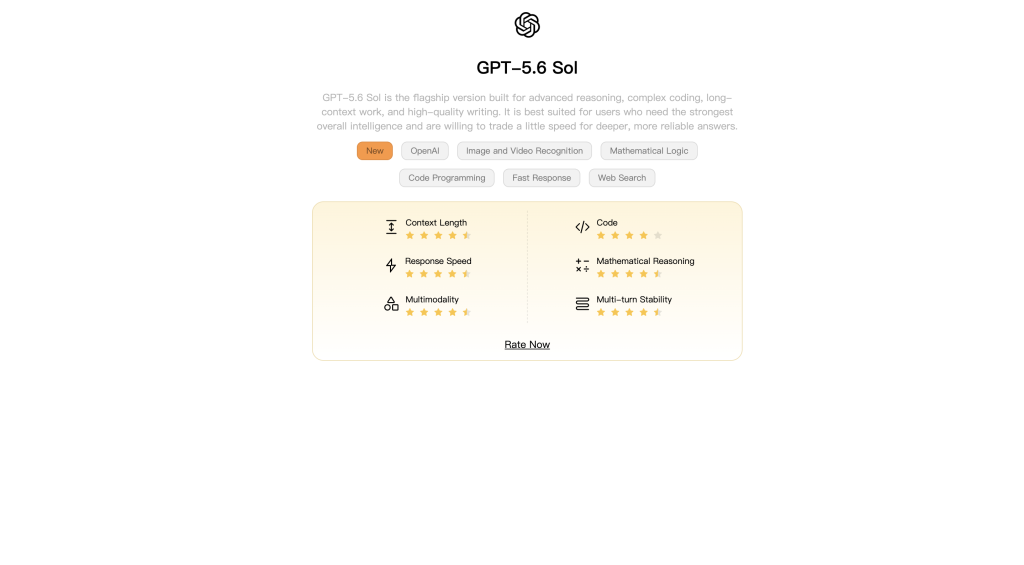
When you need answers that go deeper than a single AI model, use GlobalGPT Deep Research as your gateway to multi-model intelligence. Its verified current GPT route is GPT-5.6 Sol on GlobalGPT, so you can compare research approaches in one workspace instead of switching tabs.

Inhoudsopgave
- Wat is ChatGPT Diep Onderzoek - en waarom het jou iets zou moeten schelen
- Hoe de motor werkt - Het mechanisme achter ChatGPT Diep Onderzoek
- Toegang en geschiktheid - Wie kan ChatGPT Diepgaand onderzoek gebruiken en wat zijn de beperkingen?
- Stap-voor-stap handleiding - Hoe start ik een diepgaande onderzoekssessie in ChatGPT?
- Effectieve instructies schrijven
- Geef uw AI-workflow een boost met GLBGPT
- Praktijkvoorbeelden en scenario's
- Problemen oplossen en de beperkingen kennen
- FAQ's - Snelle antwoorden
Wat is ChatGPT Diep Onderzoek - en waarom het jou iets zou moeten schelen
Deep Research is een AI-onderzoeksagent in ChatGPT die autonoom betrouwbare bronnen doorzoekt, bevindingen samenvat en een gestructureerd, geciteerd rapport terugstuurt. OpenAI beschrijft het als een end-to-end onderzoeksworkflow met behulp van browsen en een Python gereedschap getraind via versterkingsleren op echte taken.
- Waarom het belangrijk is: For multi-source literature reviews, competitive analysis, or due diligence, it saves hours and delivers stronger evidence-based insights. OpenAI’s current guidance positions Deep Research for thorough, multi-step synthesis and Search for urgent lookups.
De kernwaarde van diepgaand onderzoek ligt in het vermogen om bredere gegevensbronnen te doorzoeken, zoals arXiv, academische tijdschriften en websites, en uitgebreide rapporten te genereren, soms wel 25 of zelfs 50 pagina's analyse. Als je vaak complexe onderwerpen behandelt zoals proefschriften, conferentiepapers of grootschalig marktonderzoek, kan een AI-gestuurde “agent” die alle gegevens consolideert je veel tijd besparen.

Hoe de motor werkt - Het mechanisme achter ChatGPT Diep Onderzoek
In tegenstelling tot normale ChatGPT-gesprekken gebruikt Deep Research een gestructureerde vijfstappenpijplijn die is geïnspireerd op agentgericht redeneren (zoals beschreven in de GPTBots AI en OpenAI documentatie):
- Vraag Ontleding - Het model splitst je vraag op in subtaken en zoekvragen.
- Agentschappelijk browsen - Het bezoekt zelfstandig meerdere webbronnen voor relevante gegevens.
- Kritische synthese - Het filtert sites met een lage geloofwaardigheid, verzamelt kernfeiten en vergelijkt bewijs.
- Gestructureerd Uitgang Generatie - Bevindingen zijn georganiseerd in secties met inline citaten en samenvattingen.
- Iteratieve verfijning - Als er hiaten zijn, maakt de agent lussen om de nauwkeurigheid en consistentie te versterken.
The April 2025 lightweight rollout
OpenAI’De update van april 2025 introduceerde een kostenefficiënte “lichtgewicht” variant aangedreven door o4-mini voor kortere taken.
As of July 27, 2026, OpenAI’s current consumer guide no longer promises that every account will automatically fall back to o4-mini after a full-version cap. It says Deep Research uses the latest model by default and lets eligible users choose a legacy model.
For API builders, o4-mini-deep-research remains a separate documented model alongside o3-deep-research in de Responses API Deep Research guide. That API option is separate from any ChatGPT subscription fallback.
Toegang en geschiktheid - Wie kan ChatGPT Diepgaand onderzoek gebruiken en wat zijn de beperkingen?
The April 24, 2025 allowance snapshot
Beschikbaarheid varieert per plan en regio; gebruik wordt elke 30 dagen na het eerste gebruik gereset.Huidige rechten (24 apr 2025):
- Plus / Team / Enterprise / Edu → 25 vragen per maand
- Pro → 250 zoekopdrachten
- Gratis → 5 query's + een lichtgewicht fallbackmodus
Those numbers document the April 2025 rollout, not a universal July 2026 entitlement. OpenAI’s current Deep Research page says usage varies by plan, the product shows your remaining tasks, and fixed monthly allowances reset 30 days from the date of first use.
Current ChatGPT plan and price status
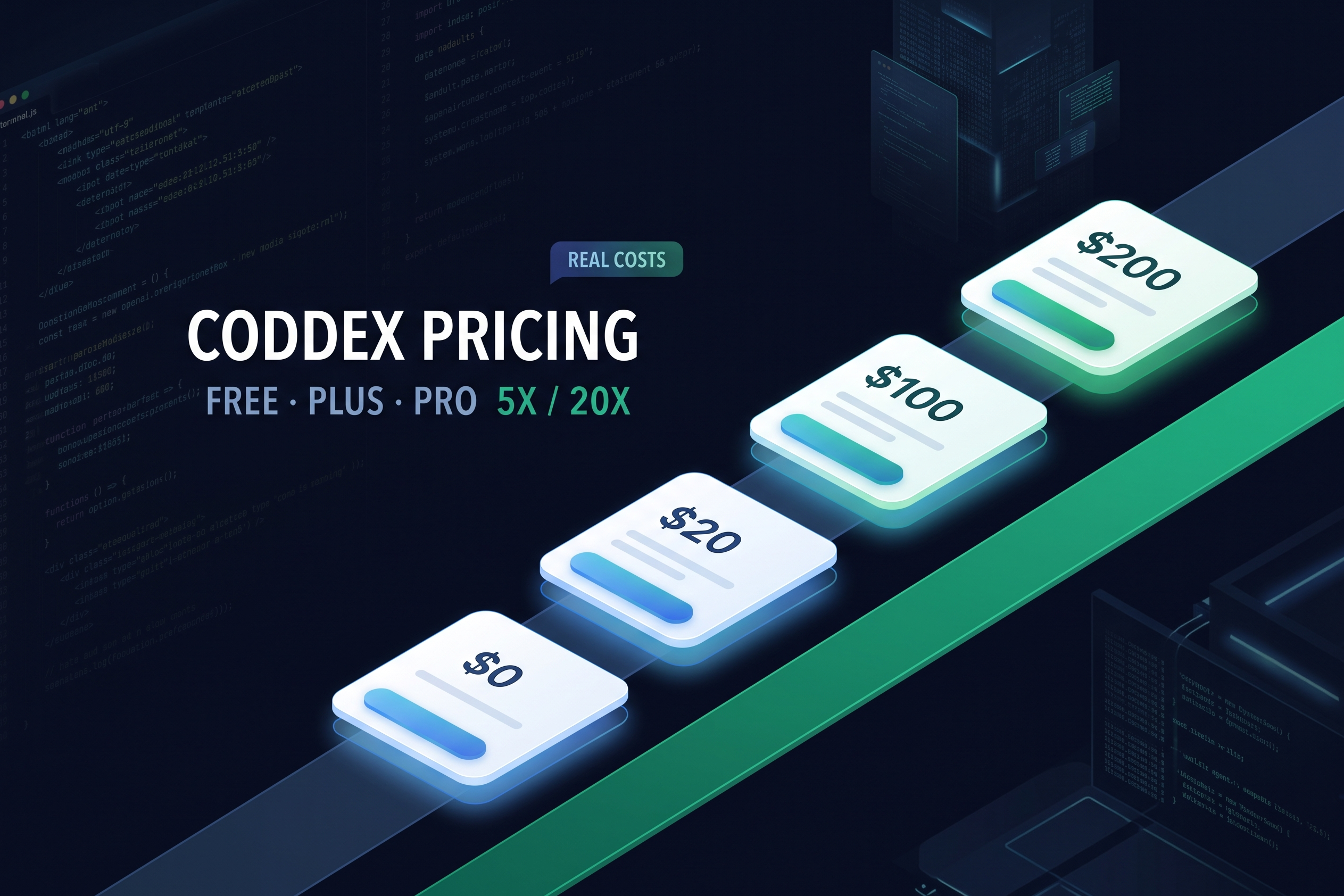
As of July 27, 2026, ChatGPT Plus kost $20 per maand, billed monthly, and includes Deep Research tools where available. The API is not included and is billed separately.
OpenAI’s current Pro documentation lists $100 and $200 monthly Pro tiers. Both include Deep Research; the $100 tier has 5× Plus usage and the $200 tier has 20× Plus usage, although individual models and tools can have separate allowances.
For a reader-friendly breakdown of subscription billing and alternatives, compare the current ChatGPT Plus price, limits, and alternatives before choosing a plan.
| Routebeschrijving | Deep Research status | Current price status | How limits work |
|---|---|---|---|
| ChatGPT Gratis | Availability depends on the account, plan rollout, and country | $0 | The in-product counter shows remaining tasks when the feature is available |
| ChatGPT Plus | Inbegrepen waar beschikbaar | $20/month, monthly billing | Plan-dependent; current remaining usage appears in the product |
| ChatGPT Pro | Included in both Pro tiers | $100/maand of $200/maand | 5× or 20× Plus usage overall; separate model or tool allowances can apply |
| Zakelijk / Bedrijven / Onderwijs | Workspace and role controls can affect access | Workspace or contract pricing | Plan, role, workspace settings, and app enablement can apply |
If Plus is your likely route, the practical ChatGPT Plus capabilities guide helps separate everyday chat benefits from research-specific needs.
Deep Research API models and pricing
ChatGPT subscription pricing and API pricing are different products. As of July 27, 2026, the official model pages price o3-deep-research en o4-mini-deep-research by tokens, with tool-call charges added where applicable.
| API model | Invoer / 1 miljoen tokens | Cached input / 1M | Opbrengst / 1 miljoen tokens |
|---|---|---|---|
o3-deep-research | $10.00 | $2.50 | $40.00 |
o4-mini-deep-research | $2.00 | $0.50 | $8.00 |
From connectors to apps and plugins
OpenAI rolt ook gegevensconnectoren uit (SharePoint, OneDrive, GitHub) voor diepgaand onderzoek op accounts die daarvoor in aanmerking komen.
As of July 27, 2026, the source picker can use the public web, files you upload, specific websites, and enabled ChatGPT apps. OpenAI names Google Drive, SharePoint, FactSet, PitchBook, and Scholar Gateway as examples, and says Deep Research uses read actions rather than app write actions.
OpenAI also says that, as of July 9, 2026, discovery moved from the App Directory to the Plugins Directory. Apps remain the underlying integrations, while plan, workspace, role, supported surface, region, and app configuration can all affect availability.
If your research starts in cloud storage, follow the steps for making ChatGPT read a Google Drive document before you launch the longer research job.

Stap-voor-stap handleiding - Hoe start ik een diepgaande onderzoekssessie in ChatGPT?
- Meld u aan bij ChatGPT op een plan met Deep Research-toegang.
- Type /Deepresearch, selecteer Diepgaand onderzoek from the + tools menu, or choose it from the sidebar.
- Choose the public web, uploaded files, enabled apps, or specific sites as your sources.
- Definieer een duidelijke vraag met reikwijdte en verwachte output.
- Voeg PDF's of spreadsheets bij voor de context.
- Review and edit ChatGPT’s proposed research plan.
- Dien in en wacht terwijl het zich verzamelt en samenvoegt.
- Follow progress and interrupt the task if you need to change the focus or sources.
- Bekijk citaten en verfijn ze indien nodig. Use standard Search instead when the answer is urgent.
For document-heavy work, use the step-by-step PDF upload guide to prepare the file before the research plan is created.
For spreadsheet research, the ChatGPT Excel data analysis workflow explains how to structure a workbook so the model can interpret it more reliably.

Effectieve instructies schrijven
Het opstellen van de juiste prompt is cruciaal. Wees specifiek over de jouwe:
- Doel (“Vergelijk X- en Y-technologieën voor trends in 2025”).
- Toepassingsgebied (Tijdsbestek, geografie, industrie).
- Formaat (Overzicht rapport, tabel, belangrijkste inzichten).
- Diepteniveau (1-pagina samenvatting vs 10-pagina analyse).
The April 2025 two-stage workflow
Een aanbevolen workflow: vraag eerst een standaard GPT-4 model om een onderzoeksplan op te stellen en vervolgens Deep Research uit te voeren op dat plan om credits te besparen en de focus te verbeteren.
The current consumer flow can generate the plan for you before research starts, so edit that plan directly when possible. If you want a separate planning model, compare current reasoning options with the GPT-5.6 pricing, plans, and API cost guide instead of assuming a legacy model is still the best fit.
Praktijkvoorbeelden en scenario's
- Markt- en concurrentieanalyse
- Academische literatuurstudie met citaten
- Technische vergelijkingen (architecturen, frameworks)
- Consumentenbeslissingen waar veel op het spel staat
If you want a second citation-first research route, compare the best Perplexity AI alternatives for research, writing, and cost before committing to one workflow.

Problemen oplossen en de beperkingen kennen
Zelfs de beste tools hebben beperkingen - als u Deep Research gebruikt, kunt u te maken krijgen met ontbrekende of zwakke citaten, Vooral over onderwerpen waarvoor betaald moet worden of nicheonderwerpen; buitensporige runtime, vooral als de prompt te breed is of geen structuur heeft; en beperkte beschikbaarheid, omdat functies mogelijk nog niet volledig zijn uitgerold in alle regio's of op alle abonnementsniveaus. Altijd handmatig verifiëren belangrijkste bevindingen, zorg ervoor dat referenties volledige metadata bevatten (titel, auteur, datum, URL) en bereid zijn om grote taken opdelen in kleinere iteraties als het systeem te lang begint te lopen. Door deze controles uit te voeren, houd je de nauwkeurigheid en productiviteit op peil.
If a large source set fails before the research begins, check the current ChatGPT Plus file-upload limits, reduce the batch, and retry with the most important files first.
FAQ's - Snelle antwoorden
What was the original 2025 runtime estimate?
Meestal 5-30 minuten, afhankelijk van de complexiteit van het onderwerp, het aantal subquery's en de beschikbaarheid van gegevens.
Zoekt het live op het web?
Ja. Het doorzoekt huidige webbronnen, verzamelt informatie en biedt inline citaties met publicatiedata en URL's.
What were the April 2025 monthly query numbers?
Plus/Team/Enterprise/Edu plannen krijgen 25 taken per maand; Pro gebruikers 250; Gratis gebruikers 5 plus een lichtgewicht terugvalmodus als het volledige quotum is bereikt.
Nauwkeurigheid?
Over het algemeen hoog, omdat elke bewering wordt ondersteund door meerdere bronnen, maar altijd belangrijke gegevens en numerieke waarden handmatig controleren alvorens te publiceren of te citeren.
How do I start Deep Research now?
Type /Deepresearch in a ChatGPT prompt, choose Deep research from the + tools menu, or select it from the sidebar. Then choose sources, review the plan, and start.
What are the current Deep Research limits?
As of July 27, 2026, OpenAI says usage varies by plan and the in-product counter shows remaining tasks. Fixed monthly allowances reset 30 days from first use.
Is the lightweight Deep Research version still available?
OpenAI’s current consumer guide no longer promises an automatic o4-mini fallback. The API still lists o4-mini-deep-research as a separate Responses API model.
Which models can Deep Research use?
Consumer Deep Research uses OpenAI’s latest model by default and lets eligible users choose legacy models. The API separately supports o3-deep-research and o4-mini-deep-research.
What sources and apps can it use?
It can use the public web, uploaded files, specific websites, and enabled ChatGPT apps. Connected-app research uses read actions, not write actions.
Which plans and countries support Deep Research?
Availability depends on your ChatGPT plan, country or territory, and workspace settings. Plus and Pro document Deep Research access; managed workspaces may apply admin controls.
Can I use Deep Research on GlobalGPT?
Yes. GlobalGPT provides a multi-model research workflow, and GPT-5.6 Sol is the verified current GPT route as of July 27, 2026.