
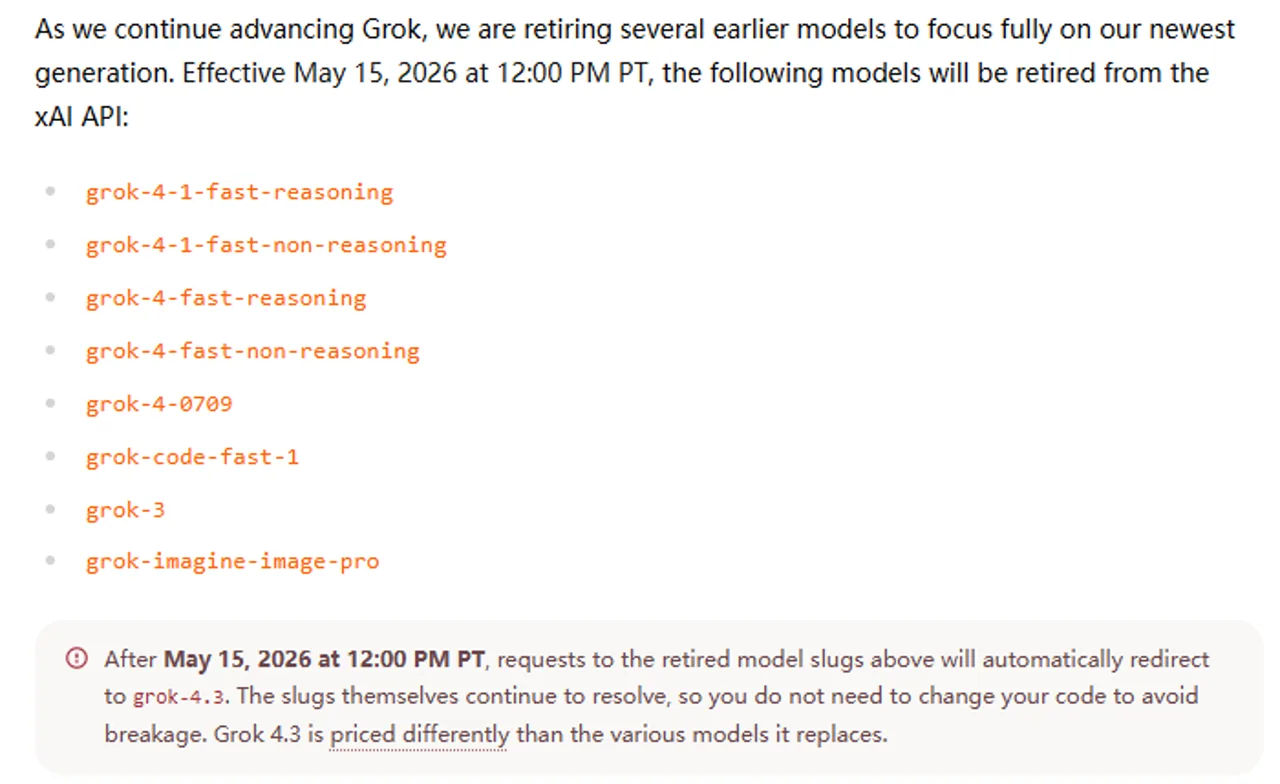
هل تريد إنشاء تطبيق أم وضع ميزانية لوكيل؟ ابدأ بالنموذج الذي ستقوم بتشغيله فعليًّا. الـ 15 مايو 2026 — إشعار بالانتقال يُشار إلى أن المعرّف الأصلي Grok 4 يُحلّ الآن إلى Grok 4.3 دون بذل جهد كبير في الاستدلال. ولم يعد نجاح استدعاء معرّف قديم دليلاً على أن النموذج الأصلي هو الذي كان يخدمه.
يتم احتساب استخدام واجهة برمجة التطبيقات (API) بشكل منفصل عن اشتراكات المستهلكين في خدمة Grok. أسعار الاشتراك والوصول إلى Grok تشمل باقات الدردشة؛ وهذه الرسوم الشهرية ليست أرصدة رمزية للتكامل المباشر مع xAI.
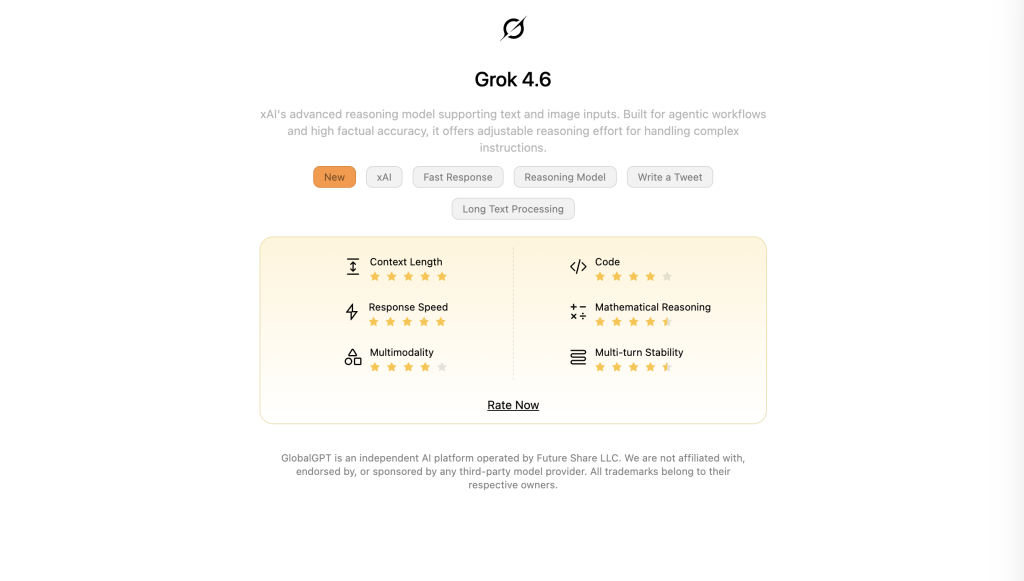
هل تريد تجربة موجه قبل دمجه في التطبيق؟ جرب Grok 4.6 على GlobalGPT لسير عمل قائم على الدردشة. استخدم مفتاح واجهة برمجة تطبيقات (API) xAI للتكامل الخاص بك ولإجراء الفوترة مباشرةً عبر xAI. تم نشر هذه المقالة بواسطة GlobalGPT؛ وتستخدم روابط المنتجات نظام تتبع الإحالات.
أسعار Grok 4 API: الأسعار الحالية والسعر الأصلي الذي تم إلغاؤه
يستخدم الجدول أدناه أسعار xAI المعلنة، تم التحقق منها في 8 سبتمبر 2026. كل مبلغ معبَّر عنه بالدولار الأمريكي لكل مليون توكن. وتُعتبر “المدخلات” و«المدخلات المخزنة مؤقتًا» و«المخرجات» فئات منفصلة قابلة للفوترة، لذا فإن «السعر لكل مليون» المجمَّع يخفي تكلفة حمل العمل.
دولار أمريكي لكل مليون توكن · معالجة قياسية
grok-4.3
الهدف الأصلي لإعادة التوجيه Grok 4
السياق: 1,000,000 توكن
عدد الأحرف < 200 ألف
- المدخلات
- $1.25
- المدخلات المخزنة مؤقتًا
- $0.20
- النتيجة / الاستدلال
- $2.50
عدد الكلمات >= 200 ألف
- المدخلات
- $2.50
- المدخلات المخزنة مؤقتًا
- $0.40
- النتيجة / الاستدلال
- $5.00
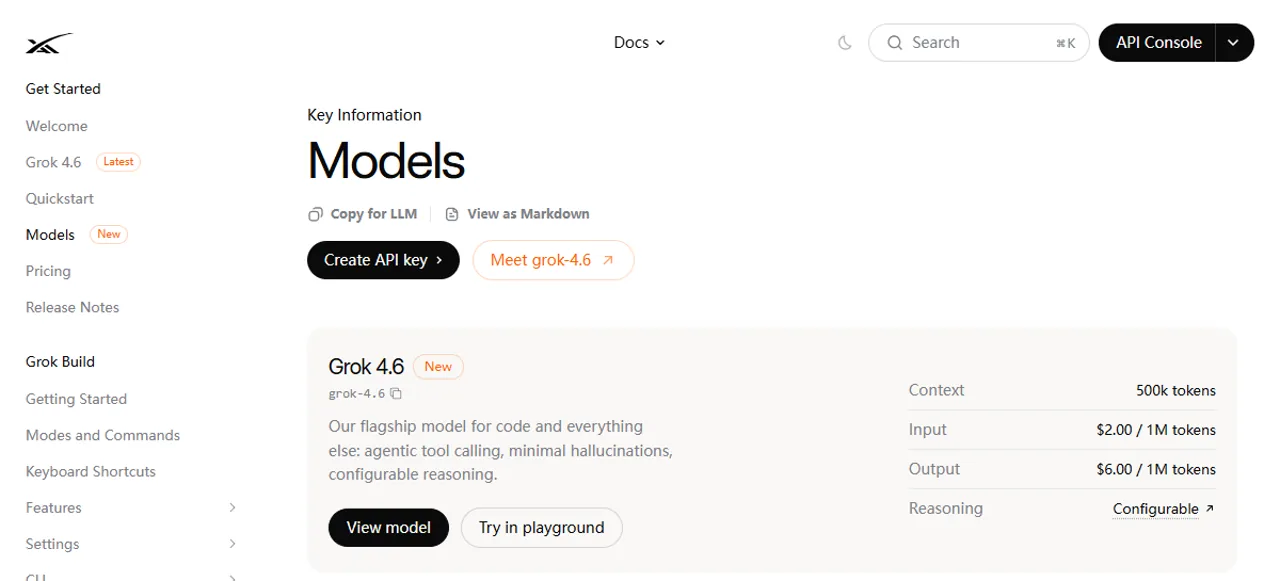
grok-4.6
الرائد الحالي
السياق: 500,000 توكن
عدد الأحرف < 200 ألف
- المدخلات
- $2.00
- المدخلات المخزنة مؤقتًا
- $0.50
- النتيجة / الاستدلال
- $6.00
عدد الكلمات >= 200 ألف
- المدخلات
- $4.00
- المدخلات المخزنة مؤقتًا
- $1.00
- النتيجة / الاستدلال
- $12.00
grok-4.5
خيار سابق من الجيل الحالي
السياق: 500,000 توكن
عدد الأحرف < 200 ألف
- المدخلات
- $2.00
- المدخلات المخزنة مؤقتًا
- $0.30
- النتيجة / الاستدلال
- $6.00
عدد الكلمات >= 200 ألف
- المدخلات
- $4.00
- المدخلات المخزنة مؤقتًا
- $0.60
- النتيجة / الاستدلال
- $12.00
بمجرد وصول الطلب إلى 200 ألف توكن، تُطبق أسعار السياق الطويل على جميع التوكنات في ذلك الطلب، بما في ذلك النتائج.
أما أرقام تعريف العائلات الأربع الأخرى المدرجة تحت الرمز Grok فهي: grok-4.20-0309-reasoning, grok-4.20-0309-بدون استدلال و grok-4.20-multi-agent-0309. لكل منها نافذة سياق تضم مليون رمز، ونفس معدلات الرموز القصيرة/الطويلة المذكورة في Grok 4.3. ولا يعني تساوي سعر الوحدة تساوي إجمالي استهلاك الرموز، خاصةً في حالة العمل متعدد الوكلاء.
للحصول على بديل خاص بالبرمجة،, grok-build-0.1 تتميز بنافذة سياق سعة 256 كيلوبايت ومعدلات إدخال/تخزين مؤقت/إخراج للسياق القصير تبلغ $1.00/$0.20/$2.00، ترتفع إلى $2.00/$0.40/$4.00 عند عتبة المطالبة البالغة 200 ألف. للاطلاع على المزيد من السلوكيات وحالات الاستخدام، انظر تقييم Grok 4.6.
ماذا حدث للسعر الأصلي لطراز $3 / $15؟
المراجع الأقدم، بما في ذلك مرجعنا دليل تكامل واجهة برمجة التطبيقات (API) لـ Grok 4, ، السعر المحدد هو $3 لكل مليون توكن مدخل و$15 لكل مليون توكن مخرج بالنسبة للطراز الأصلي Grok 4. اعتبر ذلك سعرًا تاريخيًا، وليس الفاتورة الحالية لمعرف تم إيقافه. يؤدي عنوان URL الرسمي القديم للنموذج الآن إلى كتالوج النماذج العام، لذا فهذه ليست ورقة أسعار أرشيفية تم التحقق منها حديثًا.
إن الإعلان الأصلي رقم Grok 4 يصف نافذة سياق مكونة من 256,000 توكن. يجب عدم نسخ تلك السعة التاريخية، أو أسعار أو عتبات نموذج Fast الأقدم، إلى ميزانية البديل. القاعدة الدقيقة لـ grok-4-0709 أصبح الآن Grok 4.3 مع جهد استدلالي منخفض، ويتم احتساب تكلفته وفقًا لمعدلات Grok 4.3.
Grok 4 هو جيل من الطرازات، في حين أن Grok هو أيضًا اسم منتج استهلاكي. منتجنا شرح لمعنى Grok 4 يقدم هذا المعلومات الأساسية عن المنتج. بالنسبة للكود الجديد، قم باختيار نموذج مدعوم بشكل صريح بدلاً من الاعتماد على إعادة التوجيه عند إيقاف الدعم أو افتراض أن الاسم المستعار للمزود سيظل ثابتًا.
كيف تؤثر المدخلات والمدخلات المخزنة مؤقتًا والاستدلال على مشروع القانون
طلب واحد، وثلاث رسوم رمزية
المدخلات غير المخزنة في ذاكرة التخزين المؤقت
(I – C) × معدل التدفق
I = جميع رموز المطالبة؛ C = رموز المطالبة المخزنة مؤقتًا.
المدخلات المخزنة مؤقتًا
C × معدل التخزين المؤقت
الرموز المخزنة مؤقتًا هي جزء من المدخلات، وليست مدخلات إضافية.
الإنتاج القابل للفوترة
O × معدل الإنتاج
يُدرج O عملية الاستدلال عندما تذكر نقطة النهاية ذلك ضمن المخرجات.
التقدير التقديري لقيمة التوكن بالدولار الأمريكي = [(I – C) × معدل المدخلات + C × معدل المدخلات المخزنة مؤقتًا + O × معدل المخرجات] / 1,000,000. ثم أضف رسوم الأدوات أو التخزين أو أي رسوم أخرى سارية. حدد الأسعار ذات السياق الطويل باستخدام المطالبة الإجمالية، بما في ذلك الرموز المخزنة مؤقتًا، قبل إجراء العمليات الحسابية.
تتضمن المدخلات الرسائل والتعليمات وسجل المحادثات المرسلة إلى النموذج. تعيد التخزين المؤقت استخدام بادئة أولية متطابقة عبر الطلبات؛ وهي عملية تلقائية، وتوصي xAI باستخدام معرّف للمحادثة لتحسين إعادة الاستخدام. ولا يضمن وجود موجه يشبه الموجه السابق حدوث مطابقة في ذاكرة التخزين المؤقت. الـ وثائق التخزين المؤقت للموجهات يشرح سلوك المطابقة.
في «إكمالات الدردشة»، اقرأ prompt_tokens_details.cached_tokens; ؛ في «الردود»، اقرأ: input_tokens_details.cached_tokens. . مرجع حول استخدام ذاكرة التخزين المؤقت والأسعار تقوم «bills» بتخزين رموز الاستدلال بمعدل الإكمال الكامل. إذا كان إجمالي المخرجات يتضمن بالفعل الاستدلال، فإن إضافة رموز_الاستدلال مرة أخرى سيؤدي ذلك إلى احتسابها مرتين.
يدعم الإصدار Grok 4.6 مستويات الجهد الاستدلالي: منخفض، متوسط، مرتفع، وxمرتفع؛ والإعداد الافتراضي الموثق له هو «مرتفع»، ولا يمكن تعطيل الاستدلال. أما الإصدار Grok 4.3 فيدعم المستويات: لا شيء، منخفض، متوسط، ومرتفع. وهذا يجعل الإصدار Grok 4.3 مع مستوى «لا شيء» جديرًا بالتقييم لمهام الاستخراج الصارمة، في حين أن الإصدار Grok 4.6 قد يستهلك عددًا أكبر من الرموز حتى عندما تكون الإجابة الظاهرة قصيرة. انظر إعدادات الاستدلال والإدخال الخاص بطراز Grok 4.3 المذكور أعلاه.
استدعاءات الأدوات، والعمل الدفعي، وطلبات الأولوية
وفقًا لـ جدول أسعار الأدوات الرسمي, ، تبلغ تكلفة كل من «البحث على الويب» و«البحث X» و«تنفيذ التعليمات البرمجية» $5 لكل 1,000 استدعاء، أو $0.005 لكل استدعاء، بالإضافة إلى استهلاك الرموز. ويمكن أن يستدعي الطلب الأدوات أكثر من مرة. تضيف عشر مكالمات بحث $0.05 قبل رموز النموذج؛ ولا يحدد تمكين أداة ما عدد المرات التي سيتم استخدامها فيها.
تبلغ تكلفة البحث عن المرفقات $10 لكل 1,000 مكالمة؛ وتبلغ تكلفة البحث عن المجموعات $2.50 لكل 1,000. كما تُفرض رسوم يومية على تخزين الملفات والمجموعات وتنزيلها. تستخدم الصور ومقاطع الفيديو وحدات تسعير خاصة بها، لذا يجب استبعادها من تقدير الرموز النصية فقط. لدينا دليل إرشادي حول سير عمل الصور والفيديو في Grok تغطي مسار التوليد هذا.
إن واجهة برمجة التطبيقات المجمعة يقدم خصمًا بمقدار 20% على الرموز الخاصة بـ Grok 4.3 والإصدارات الثلاثة المذكورة من Grok 4.20. يشمل الخصم رموز الإدخال، والإدخال المخزن مؤقتًا، والإخراج، والاستدلال. تشير صفحة نموذج Grok 4.6 إلى أن واجهة برمجة التطبيقات (API) للدُفعات غير مدعومة. لا تقم بتطبيق خصم 50% بشكل عام ولا تفترض أن كل نموذج مدرج يدعم المعالجة الدُفعية.
أولوية المعالجة تبلغ تكلفتها ضعف أسعار الرموز القياسية، بما في ذلك رموز التخزين المؤقت ورموز الاستدلال، عندما تكون النتيجة مستوى الخدمة يؤكد الأولوية. في حالة الرجوع إلى المستوى الافتراضي، تُطبق الأسعار القياسية. تنطبق الأولوية على «إكمالات الدردشة» و«الردود»، وليس على واجهة برمجة التطبيقات (API) للدُفعات.
ثلاثة أمثلة واضحة لتكاليف واجهة برمجة التطبيقات (API)
هذه تقديرات للأسعار المعلنة، وليست فواتير فعلية. جميع الطلبات الواردة أدناه تخضع لإجراءات المعالجة القياسية، وتقتصر على النص فقط، دون استخدام أدوات أو سعة تخزين أو محاولات إعادة، ودون ضرائب. يشمل مصطلح “المخرجات” أي تفسير قابل للفوترة. يفترض أول حملين من أحمال العمل أن المطالبات لا تتجاوز 200 ألف توكن.
التكلفة لكل طلب ولكل 10,000 طلب
Grok 4.3 · بدون ذاكرة تخزين مؤقت
$0.005 / طلب
2,000 مدخل × $1.25 + 1,000 مخرج × $2.50، مقسومًا على 1M. 10,000 طلب = $50.
Grok 4.6 · بدون ذاكرة تخزين مؤقت
$0.010 / طلب
2,000 مدخل × $2 + 1,000 مخرج × $6، مقسومًا على 1M. 10,000 طلب = $100.
Grok 4.6 · 90% مدخلات مخزنة مؤقتًا
$0.0073 / طلب
200 غير مخزنة في ذاكرة التخزين المؤقت × $2 + 1,800 مخزنة في ذاكرة التخزين المؤقت × $0.50 + 1,000 ناتجة × $6، مقسومة على 1M. 10,000 طلب = $73.
يكون معدل نجاح استرجاع البيانات من ذاكرة التخزين المؤقت مفيدًا بشكل أكبر عندما تشكل عمليات الإدخال الجزء الأكبر من عبء العمل. في المثال Grok 4.6، يوفر التخزين المؤقت $0.0027 لكل استدعاء، أو 27% من الإجمالي، على الرغم من تخزين 90% من الرموز المدخلة في ذاكرة التخزين المؤقت. تظل تكلفة الإخراج عند $0.006. قم بتقييم التوفير مقارنة بالطلب بأكمله، وليس فقط الجزء المخزّن مؤقتًا.
قد يؤدي حد الإرشاد البالغ 200 ألف إلى تغيير الطلب بأكمله
رمز إدخال آخر يتجاوز عتبة السعر
199,999 رمزًا فوريًا
$0.459998
Grok 4.6: (199,999 × $2 + 10,000 مخرجات × $6) / 1M. بدون ذاكرة تخزين مؤقت.
200,000 رمز فوري
$0.920000
Grok 4.6: (200,000 × $4 + 10,000 مخرجات × $12) / 1M. بدون ذاكرة تخزين مؤقت.
الأهم يستخدم جدول الأسعار صراحةً عبارة “سياق طويل >= 200 ألف توكن” ويشير إلى أن جميع التوكنات تستخدم السعر الأعلى بمجرد وصول المطالبة إلى الحد الأقصى. ويذكر نص تفصيلي عن النموذج عبارة “تجاوز” 200 ألف. ولإعداد الميزانية بمبلغ 200,000 بالضبط، استخدم الحد المحدد في جدول الأسعار بشكل صريح؛ ولا تفترض أن السعر الأرخص لا يزال ساريًا.
لإعداد توقعات شهرية، قم بتقدير حجم الطلبات بشكل منفصل لكل حمل عمل، ونطاق سياق، ونمط إصابة ذاكرة التخزين المؤقت، وإعدادات الاستدلال. أضف عدد المحاولات المتوقعة وعمليات استدعاء الأدوات. ثم قارن هذا التقدير ببيانات التكلفة التي حصلت عليها بنفسك بعد إجراء تجربة تجريبية صغيرة. ولا يكون الرقم المُعبَّر عنه بالسنتات لكل مكالمة مفيدًا إلا عندما تتطابق الافتراضات التي استند إليها مع ظروف التشغيل الفعلي.
يختلف كل من السياق، والمخرجات، وحدود المعدل، وحدود الإنفاق
أربعة حدود يجب التحقق منها قبل تغيير الحجم
نافذة السياق
حسب الطلب
Grok 4.3: مليون توكن. Grok 4.6: 500 ألف. هذه ليست حصة شهرية.
ميزانية المخرجات
لكل رد
قم بتعيين سعة إخراج مدعومة. سعة السياق لا تضمن تحقيق هذا القدر من الإخراج المرئي.
RPS / TPM
معدل الإنتاجية
عدد الطلبات في الثانية وعدد الرموز في الدقيقة. يجب أن يظل كلاهما ضمن حدود فئة الفريق.
ضوابط الإنفاق
المال
تحدد حدود الرصيد المدفوع مسبقًا، والتعبئة التلقائية، والفوترة بالفاتورة أنماط التمويل المختلفة.
الجمهور جدول تحديد الحد الأقصى لمعدل الاستخدام تشير القائمة إلى أن المستوى 0 يبلغ 37 طلبًا في الثانية و10 ملايين رمز في الدقيقة بالنسبة لـ Grok 4.3؛ أما Grok 4.6 فيبلغ 150 طلبًا في الثانية و50 مليون رمز في الدقيقة. هذه بيانات قديمة منقولة من قوائم المستويات المنشورة، وليست وعدًا بأن كل مفتاح يتمتع بنفس السعة القابلة للاستخدام. وتعد وحدة التحكم الخاصة بفريقك هي المرجع المعتمد فيما يتعلق بالوصول إلى النموذج الحالي والحدود المطبقة عليه.
تستند مستويات التصنيف إلى الإنفاق التراكمي على واجهة برمجة التطبيقات (API) منذ 1 يناير 2026: $0، و$50، و$250، و$1,000، و$5,000 للمستويات من 0 إلى 4. يتم تقييد الطلبات في الثانية باستخدام ميزانية الطلبات في الدقيقة مقسومة على 60، لذا لا يمكنك إنفاق مخصصات دقيقة كاملة دفعة واحدة. تُحتسب الرموز المميزة للمدخلات والمخرجات والاستدلال والمخزنة مؤقتًا ضمن TPM، حتى لو كانت تكلفة بعضها أقل.
تقدم صفحات طرازي Grok 4.3 و4.6 التي تم التحقق منها أحجام السياق دون ذكر رقم محدد للحد الأقصى للإنتاج. الحالي مرجع نقطة نهاية الاستجابات يُعرِّف الحد الأقصى_للإخراج_توكينز كميزانية مجمعة للإخراج والاستدلال: تبلغ القيمة الافتراضية 128,000 في حالة عدم تحديدها، وتقبل قيمًا أكبر لتوليد أجيال أطول. ولا تشكل هذه القيمة الافتراضية ضمانة لوجود 128,000 رمز إجابة مرئي أو مخصصات سياق غير محدودة. قم بتعيين ميزانية صريحة وتحقق من الردود غير المكتملة.
وثائق الفوترة الخاصة بـ xAI يفصل بين رصيد الدفع المسبق والفواتير الشهرية، وهي ميزة معطلة افتراضيًا. يمكن لميزة «التعبئة التلقائية» تجديد رصيد الدفع المسبق، ولها حدودها الخاصة وحصتها الشهرية. أما حد الفواتير الشهرية فيتحكم في الاستخدام بنظام الدفع الآجل؛ وهو يختلف عن الحد الأقصى الشامل الوحيد الذي يغطي مشتريات الدفع المسبق وعمليات التعبئة وطلبات الاستخدام.
بالنسبة لعملية التكامل الأولى، ابدأ بتمويل محدود مدفوع مسبقًا وراجع بعناية أي إعدادات للتعبئة التلقائية. وللوصول إلى الدردشة اليومية دون الحاجة إلى كتابة عملية تكامل، يمكنك استخدام دليل استخدام Grok يغطي مسار عمل المنتج. تختلف عناصر التحكم بين اشتراك الدردشة وفريق واجهة برمجة التطبيقات (API).
مهمتان حقيقيتان من نوع Grok 4.6: ما تكشفه سجلات الاستخدام
أعدنا استخدام اختبارين مكتملين يعودان إلى 7 سبتمبر 2026، وذلك من خلال واجهة برمجة تطبيقات (API) التجميع الخاصة بـ «برولي» على https://anywhere.broly.ai/v1, ، باستخدام ميزة «إكمال الدردشة». سواء ما تم طلبه أو ما تم إرجاعه grok-4.6; ؛ لم يتم التحقق من هوية النموذج الأولي بشكل مستقل. هذه هي نتائج بوابة Grok 4.6، وليست اختبارات Grok 4 الأصلية أو مقارنة بين النماذج.
تم تنفيذ كل مهمة مرة واحدة باستخدام درجة الحرارة=0, max_tokens=2048 و stream=false. لم يتم إرسال أي أدوات أو إعدادات تتطلب جهدًا صريحًا في الاستدلال. وقد استُخدمت نفس التعليمات النظامية لكلا الطلبين: