
Adults only · consent required
This page covers lawful, non-explicit creative work involving unmistakably adult fictional subjects. It does not support minors or youth-coded people, non-consensual sexual content, real-person or public-figure sexual deepfakes, exploitation, or attempts to evade provider safeguards.
Google monitors Gemini API and AI Studio for sexually explicit content and may apply limits, review, suspension, or account closure. Its prohibited-use policy also bars child exploitation, non-consensual intimate imagery, pornography or sexual-gratification content, and safeguard circumvention. Read Google’s abuse-monitoring policy. OpenAI filters GPT Image 2 prompts and outputs; the API’s auto and low settings do not waive the OpenAI usage policies.
Nano Banana 2 can help create non-explicit images of fictional adults, including fashion, swimwear and character concepts. Explicit sexual content is restricted. The comparisons below focus on prompt wording, composition and usable fashion results with Nano Banana 2 and GPT Image 2.
- Nano Banana 2 is built for fast image generation and editing.
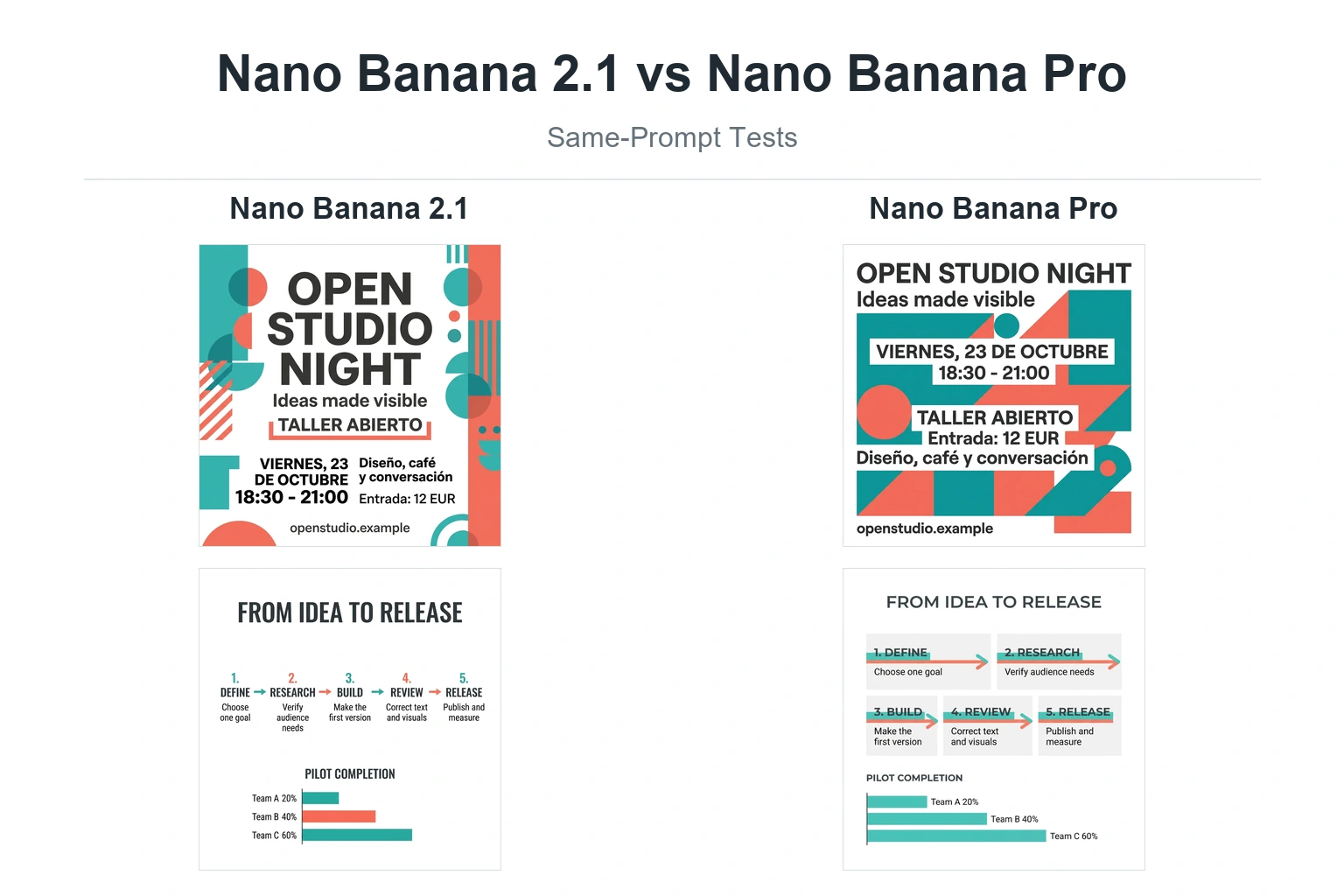
- Nano Banana Pro is stronger for high-resolution outputs, text inside images, multi-image composition, and context-aware visual design.
- GPT Image 2 often interprets artistic and editorial wording differently.
GlobalGPT brings multiple supported models into one account with one subscription, so you can create images, draft prompts, and handle related text work without managing separate subscriptions. Use Nano Banana 2, Nano Banana Pro, GPT Image 2, and other supported image models for lawful, non-explicit creative work. Compare their visual results while respecting each model’s content rules.
The API model ID is gpt-image-2. Consumer image access and API billing are separate.
This workflow uses fictional adults aged 18 or over.
Check the commercial-use rules for ChatGPT images before using outputs in paid work.
On this page
Adult-safe model comparison and workflow
- Quick Safety Rules for Adult Image Prompts
- Comparing NSFW Capabilities: Nano Banana 2 vs. GPT Image 2
- How to Use Nano Banana 2 for NSFW AI Image Prompts: Is It Actually Possible? (Compared to GPT Image 2)
- Case Study: One Prompt, Two Results — Nano Banana 2 vs. GPT Image 2
- Why Are My Safe Prompts Blocked? (Nano Banana 2 vs. GPT Image 2 Analysis)
- How to Write Better NSFW AI Image Prompts Within Safety Boundaries
- What Is the Best AI Image Model for NSFW Prompt Testing in 2026?
- Consent, Privacy, Copyright, and Distribution
- Frequently Asked Questions
- Nano Banana 2 NSFW Image Prompts: Key Takeaways
Which Image Model Fits Your Adult Fashion Workflow?
For fictional adult, non-explicit fashion or character design, compare models by reference handling, composition and the editing your final asset needs. GlobalGPT lets you work across supported image models in one workspace. A subscription does not disable a provider’s safety review.
Quick Safety Rules for Adult Image Prompts
GlobalGPT is designed for adult creators, artists, and prompt testers. To keep the workflow usable and responsible:
Confirm the current Nano Banana 2 access and eligibility rules for your route, while keeping this mature-themed workflow strictly 18+ regardless of broader provider minimums.
- – Do not create or request any underage, teen, school-age, childlike, or age-ambiguous sexual content.
- – Do not use real public figures, celebrities, politicians, influencers, or recognizable private people in sexual or intimate image prompts.
- – Use fictional adult characters, adult models, or original characters instead.
- – Avoid prompt wording that implies coercion, hidden cameras, non-consent, or real-person impersonation.
- – If a prompt is blocked, rewrite it as an adult fashion, editorial, boudoir, swimsuit, fantasy, cosplay, or character-design concept.
Compare Nano Banana 2 pricing when repeated prompt tests affect cost.
Comparing NSFW Capabilities: Nano Banana 2 vs. GPT Image 2
When comparing Nano Banana 2 and GPT Image 2 for adult-safe image work, start with their official boundaries. Google explicitly prohibits pornography or content made for sexual gratification. OpenAI filters image prompts and outputs and offers auto or low API moderation, but its policies and model-level review still apply. Neither route is a license for minors, non-consensual intimate imagery, real-person sexual deepfakes, or safeguard evasion.
The official documentation supports a narrower comparison. Google exposes safety categories that include sexually explicit content and says core child-safety protections cannot be adjusted. OpenAI documents input- and output-stage moderation for GPT Image 2. If a lawful, non-explicit fashion or art prompt is blocked, use a policy-aware Nano Banana 2 prompt repair workflow; do not keep resubmitting coded variations to force a prohibited result.
Limits can look different by route. Google publishes plan-relative Gemini Apps limits and says capacity can change; its paid Nano Banana 2 API output is priced per image resolution. See the Nano Banana 2 limits guide for the practical consumer and API split.
For production output, compare Nano Banana 2 aspect ratios and resolution support before choosing 1K, 2K, or 4K. OpenAI separately publishes tier-based GPT Image 2 rate limits and token pricing.
| Check | Nano Banana 2 / Google | GPT Image 2 / OpenAI |
|---|---|---|
| Official model | Stable gemini-3.1-flash-image | gpt-image-2 |
| Prompt/output review | Safety classification includes sexually explicit content; core child-safety harms cannot be adjusted | Prompts and outputs are filtered; API moderation supports auto (default) and low |
| Policy boundary | Pornography/sexual gratification, child exploitation, non-consensual intimate imagery, and safeguard circumvention are prohibited | Policy still applies at every moderation setting; sexual, non-consensual, minor, and safeguard-evasion harms remain out of scope |
| Blocked requests | Abuse monitoring can lead to limits, review, suspension, or closure | Input/output blocks can return moderation_blocked with coarse categories |
| Provenance | Google says all generated images include SynthID | Inspect the downloaded file’s provenance metadata. |
Use the complete Nano Banana 2 workflow guide for ordinary generation and editing steps.
How to Use Nano Banana 2 for NSFW AI Image Prompts: Is It Actually Possible? (Compared to GPT Image 2)
If you want to understand how Nano Banana 2 or OpenAI’s GPT Image 2 handles NSFW AI image prompts, the short answer is that results are highly dependent on each model’s current safety policies. On their official platforms, both Google and OpenAI apply strict content review systems to reduce unsafe, illegal, or policy-violating image generation.
Nano Banana 2 and GPT Image Content Policies
Google designs its ecosystem to be safe for a broad range of users, so the official Nano Banana 2 model applies strict content rules and prompt review mechanisms. Similarly, OpenAI enforces safety checkpoints for GPT Image 2, using advanced review systems to evaluate and block prompts that may involve explicit, unsafe, or policy-violating content.
How Watermarks and Provenance Signals Identify AI-Generated Images
In addition to prompt review, major AI platforms may use watermarking and content provenance technologies to help identify AI-generated images. These systems are designed to support transparency, platform safety, and responsible content moderation.
Google’s SynthID and OpenAI’s Image Watermarking
- Google states that all generated images include a SynthID watermark. GPT Image 2 may also apply similar watermarking or provenance techniques depending on the platform and output settings.
- These signals are not usually visible to the human eye, but they can help platforms, moderation systems, or verification tools identify whether an image was generated or edited by AI.
C2PA Content Credentials
- Some AI image tools also support C2PA Content Credentials, which can attach provenance metadata to an image file. This metadata may indicate when, how, and by which tool or model an image was created or modified.
- The goal of these systems is not to limit legitimate creativity, but to make AI-generated media more transparent and easier to verify.
Can You Turn Off the Safety Filters on These Models?
- Many creators wonder whether there is a simple “off switch,” hidden setting, or developer mode that disables safety review. For regular users on official platforms, this is generally not available.
- Whether you use the official Gemini app, Google AI Studio, ChatGPT, or other mainstream AI image tools, prompts and outputs remain subject to each platform’s safety policies and model-level review systems.
- Content review remains active for individual creators.
Because these systems are dynamic, they may sometimes block prompts that the user intended as normal fashion, editorial, or artistic concepts. When that happens, the best approach is to revise the prompt with clearer, more neutral, and more policy-aware wording.
Case Study: One Prompt, Two Results — Nano Banana 2 vs. GPT Image 2
To better understand how Nano Banana 2 and GPT Image 2 respond to NSFW-related image prompts, we tested the same prompt structures in the GlobalGPT multi-model dashboard. The goal of this comparison is not to bypass safety systems, but to observe how different models interpret visual details such as clothing, pose, lighting, body shape, composition, and editorial style.
Google and OpenAI review image prompts and outputs. For fashion work, use fictional adults, clear wardrobe descriptions and a non-explicit scene.
The examples below compare Nano Banana 2 and GPT Image 2 on beachwear, office fashion and resort concepts, focusing on composition, clothing and visual detail.
Every subject in the examples below is treated as a fictional adult. Do not upload a real person’s image for sexualization. For reusable structure, see the Nano Banana 2 prompt guide.
Case 1
Prompt: “a beautiful Hispanic American woman wearing a stylish bikini inspired by the Argentina national football team colors, confident pose, toned athletic body, smooth skin, natural curves, cinematic lighting, sunlight highlighting her silhouette, beach setting, high fashion photography style, ultra realistic, soft shadows, shallow depth of field, 8k“


Case 2
Prompt: “Wears bold one-piece monokini: deep V-neckline, halter ties, backless, high-leg cheeky semi-thong bottom hugging curves. Bold print contrasts office backdrop.”


Case 3
Prompt: “Create a clearly fictional adult character, age 25+, in a non-explicit resort-fashion editorial on a sunny beach. Do not use a real person, public figure, private photo, or recognizable identity.”


Why Are My Safe Prompts Blocked? (Nano Banana 2 vs. GPT Image 2 Analysis)
For a refused fashion prompt, make the subject, clothing and scene explicit. The Nano Banana 2 prompt repair walks through rewriting an unclear brief.
Content review considers both the prompt and supplied images. Use a clear, non-explicit fashion or art brief with fictional adult subjects.
For creators who just want to test these models, dealing with constant blocks is a huge frustration. If GPT Image 2 stops generating or feels unavailable after repeated attempts, the issue may also be related to GPT Image 2 limits rather than the prompt alone.
Common “False Positives” in Artistic and Anatomical Prompts
A “false positive” happens when the AI incorrectly flags a safe prompt as dangerous. This is a major roadblock for digital artists, especially when working with anatomy studies, fashion references, sports poses, or stylized character concepts.
- Anatomy diagrams: describe the educational purpose, muscles and labels clearly, using a non-explicit composition.
- Character design: describe the fictional adult’s wardrobe, activity and scene. The Nano Banana 2 sketch-to-image workflow helps develop a sketch into a finished concept.
- Statues and art: describe the material, lighting and composition of a non-explicit artwork.
The Double-Layer Filtering System: How They Process Your Request
Prompt review and output review can both affect a request. Google describes safety filtering and abuse monitoring; OpenAI’s image guide also documents blocks at input and output stages.
- Prompt review: the service evaluates your text and reference images.
- Output review: generated images also pass through content review before delivery.
If your goal is production-quality output, safety review is not the only factor. You should also check Nano Banana 2 aspect ratios and 4K output before choosing the final model for polished images.
If you need several variations, review how many images Nano Banana 2 can generate in one workflow before planning a batch.
How to Write Better NSFW AI Image Prompts Within Safety Boundaries
If you want to create mature-themed or NSFW-style visual concepts, the key is to describe the image clearly, specifically, and responsibly. A strong prompt should focus on visual design rather than trying to force the model into a restricted direction.
Use Clear, Policy-Aware Visual Descriptions
Instead of relying on vague or risky wording, describe the parts of the image that matter most for the final result: wardrobe, pose, lighting, camera angle, background, mood, and art style. This helps the model understand your creative goal while keeping the prompt more stable under safety review.
- For swimwear concepts:
Try using phrases like “high-fashion swimwear,” “beach fashion editorial,” “luxury resort styling,” or “summer fashion campaign.” - For body shape and silhouette:
Try using phrases like “soft curvy silhouette,” “full feminine curves,” “rounded body lines,” “graceful posture,” or “natural figure.” - For lighting and mood:
Use phrases like “cinematic lighting,” “golden hour glow,” “soft shadows,” “studio beauty lighting,” or “warm editorial atmosphere.” - For camera and composition:
Add details like “35mm lens,” “shallow depth of field,” “waist-up portrait,” “full-body fashion shot,” “centered composition,” or “luxury magazine photography style.”
If a prompt is refused, revise it into a clear, non-explicit fashion or art brief. Keep the focus on wardrobe, lighting, framing and composition.

Structuring Prompts for Better Clarity and Consistency
The order of your prompt can affect how consistently the model understands the subject, styling, and visual direction. A well-structured prompt usually works better than a long list of disconnected keywords.
- Start with the main subject:
Begin with a clear, compliant subject description, such as “an adult female fashion model,” “a fictional adult character,” or “a mature-themed editorial portrait.” - Add the scene and visual style:
Next, describe the setting, mood, and photography style, such as “sunny beach resort,” “luxury studio editorial,” “cinematic portrait,” or “high-fashion campaign.” - Describe clothing and silhouette tastefully:
Use specific but policy-aware wording for wardrobe and body shape, such as “elegant swimwear,” “fitted evening gown,” “soft curvy silhouette,” or “full feminine curves.” - Finish with technical details:
Add lighting, camera, and quality details at the end, such as “golden hour lighting,” “soft shadows,” “35mm lens,” “shallow depth of field,” “photorealistic,” or “8k.”
Use GlobalGPT to compare how different image models interpret the same non-explicit brief.
For paid publishing, pair the prompt workflow with the Nano Banana 2 commercial-use checklist so consent, source rights, trademarks, and destination-platform rules are handled before distribution.
| Prompt Area | Risky or Ambiguous Wording | More Policy-Aware Wording | Creative Purpose |
|---|---|---|---|
| Beach / swimwear concept | Swimwear / Bikini | Summer beach fashion, resort styling, high-fashion swimwear | Describes a beach or vacation fashion look more clearly. |
| Dramatic scene concept | Bloody / Gory | Dark red paint, dramatic color splashes, cinematic action scene | Creates intensity without relying on graphic violence. |
| Classical art concept | Naked / Nude | Classical marble statue, Renaissance figure study, museum sculpture style | Creates an artistic figure-study look without explicit wording. |
What Is the Best AI Image Model for NSFW Prompt Testing in 2026?
Compare models on the same adult-fashion brief: image style, composition, clothing detail and the editing needed to finish the asset.
Current Alternatives: FLUX.2 Pro and Midjourney V7
Several alternative image models are especially useful for creators who want to test different visual directions and compare output quality across model families.
For a quality-and-cost decision inside the same Google family, compare Nano Banana 2 versus Nano Banana Pro before switching to a different model family.
- FLUX.2 Pro: GlobalGPT’s current image selector describes it as a high-fidelity option with flexible control, useful for editorial, product, fashion, and stylized adult-safe concepts.
- Midjourney V7: A current GlobalGPT option for polished artistic images, cinematic composition, fantasy, fashion, and character-focused concepts.
Why Comparing Models Can Improve Your NSFW Prompt Workflow
Instead of repeatedly rewriting the same prompt in one official tool, it can be more efficient to compare how different models interpret the same NSFW-related prompt structure. Each model has its own strengths in visual style, composition, lighting, character design, and prompt sensitivity.
- Saves Time: You can quickly compare different outputs instead of testing one model repeatedly.
- Reduces Workflow Friction: If one model does not produce the expected result, you can revise the prompt or compare it with another model in the same workspace.
- Visual matching: compare photorealistic, cinematic, fashion and stylized results against the look your project needs.
The GlobalGPT Advantage: Seamless Model Switching
You don’t need to search for separate developer platforms or manage multiple subscriptions just to compare different AI image models.
The broader Nano Banana 2 generation and editing workflow explains the standard, non-adult setup steps.
On the GlobalGPT dashboard, you can test a prompt in Nano Banana 2, compare it in GPT Image 2, and switch to models like FLUX.2 Pro when you want a different visual style or interpretation. This helps keep your creative workflow organized and efficient.
How to Access the Models Above on One Platform
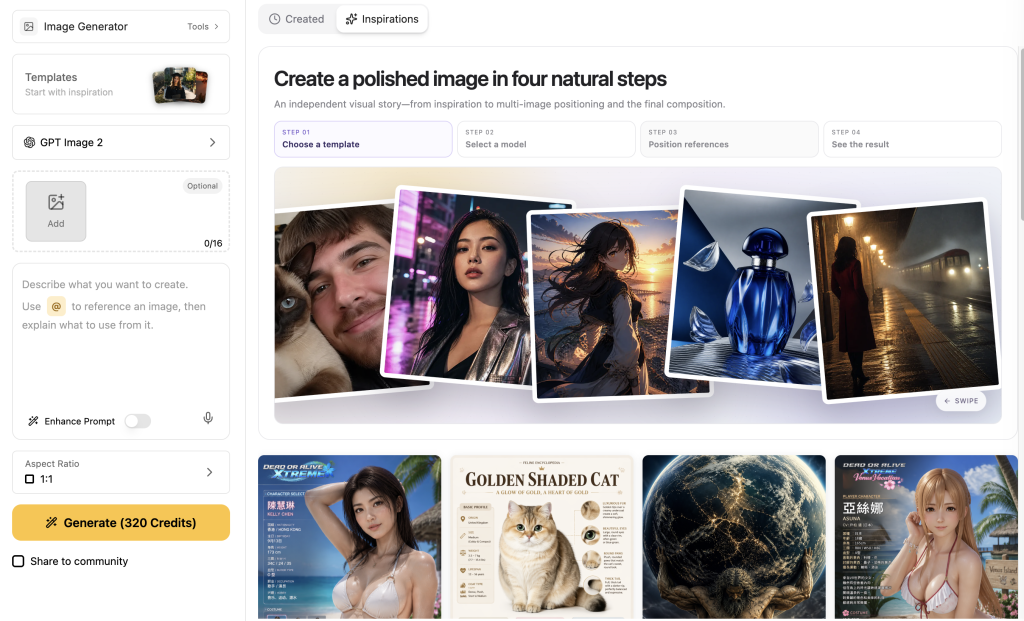
A unified workspace makes AI image creation easier by bringing multiple text, image, and video models into one dashboard.
The Advantage of GlobalGPT’s All-in-One Dashboard
- Instead of managing separate tools for each model, GlobalGPT puts multiple creative models in one place.
- Compare GlobalGPT’s monthly and annual billing for your image workload. The full commitment and generation usage matter more than a monthly-equivalent label.
- You can use Nano Banana 2 for fast image work and compare current options such as GPT Image 2, FLUX.2 Pro, Midjourney V7, and Seedream 5.0 Pro according to the concept and platform rules.
- If a prompt does not work as expected in one model, you can revise it or compare how another model interprets a compliant version of the same idea.
Global Access and Lower Tooling Costs
- GlobalGPT is designed for creators who want a simpler way to access and compare multiple AI models.
- Broad Model Access: You can access many leading AI models in one dashboard without managing separate official accounts for every tool.
- Flexible Creative Workflow: The platform makes it easier to test different visual styles, prompt structures, and model responses within applicable rules.
- Cost Effective: You don’t need to juggle separate subscriptions for text, image, and video generation.
What makes the subscription useful for your design work?
| Your task | Starting point | Buying decision |
|---|---|---|
| One occasional fictional character concept | Start with the access you already have | Do not buy a plan solely to repeat a refused request. |
| A clothing campaign with several art directions | Compare multiple image models | Use an identical, allowed brief to judge style and usable composition. |
| A recurring series using the same character | Prioritize editing and reference consistency | Compare identity, garment detail and composition across the image series. |
| A paid client deliverable | Include rights and destination checks | Use authorized references and review the final image before distribution. |
Compare one allowed brief before a larger campaign
Use a clearly fictional adult wearing ordinary resort-fashion clothing. Fix the background, lighting and camera framing. Make one concept image, then request one controlled edit. Check clothing detail, anatomy and whether the unchanged elements stayed fixed. Choose the model that requires fewer corrections for your actual brief, rather than the one rumored to have fewer restrictions.
Consent, Privacy, Copyright, and Distribution
Generation is only one part of the risk. A technically permitted image can still harm someone or violate a contract when it is published.
- Consent: get specific written permission for mature-context use; ordinary portrait consent may not cover it.
- Identity: do not sexualize an identifiable person through face replacement, resemblance prompting, or an uploaded private photo.
- Copyright: confirm rights to source images, costumes, characters, logos, and the final commercial use.
- Privacy: remove private metadata and avoid uploading sensitive photos you are not authorized to process.
- Disclosure: label synthetic media when context or platform rules require it; do not present a fictional image as documentary evidence.
- Distribution: check the destination platform’s adult-content, advertising, age-gating, and payment rules before posting.
Frequently Asked Questions
Can Nano Banana 2 generate explicit NSFW images?
Nano Banana 2 supports non-explicit adult creative work, including fashion and character concepts. Google restricts explicit sexual content.
Can I turn off Nano Banana 2 safety filters?
No. Provider safety review is part of the service. Use a permitted, non-explicit creative direction.
Can I use a real person’s photo for a mature image?
Only when the adult subject has given explicit, informed permission for that exact use and you have the necessary image rights. Do not create sexualized deepfakes or intimate imagery of celebrities, private people, former partners, or anyone who has not consented.
How should I fix a non-explicit fashion prompt that was refused?
Clarify that the subject is a fictional adult, remove identity and age ambiguity, state the legitimate fashion or fine-art context, and focus on wardrobe, lighting, camera, setting, and composition. Do not use coded substitutes or repeated attempts to force a prohibited result.
Does GlobalGPT remove model-level restrictions?
No. GlobalGPT provides access to image models; provider content rules still apply.
Can I use an AI adult-fashion image commercially?
For commercial use, secure source-image rights and subject consent, clear any brands or characters, and follow the publishing platform’s rules.
Is Nano Banana 2 the same as Gemini 3.1 Flash Image?
Yes. Google identifies Nano Banana 2 as gemini-3.1-flash-image, available through Gemini Apps and the Gemini API in supported regions.
How much does Nano Banana 2 cost and what limits apply?
Gemini API charges cover image resolution, inputs and processing. Gemini Apps and GlobalGPT use their own subscriptions.
How should I compare adult-fashion image results?
Use the same non-explicit brief with fictional adults. Compare garment detail, composition, anatomy and editing effort.
Nano Banana 2 NSFW Image Prompts: Key Takeaways
Build the workflow around fictional adult fashion and character images: write a clear brief, use authorized references, compare visual quality and refine the strongest result.
When your project also needs research, prompt drafting, copy, images, and video planning, a multi-model workspace can reduce tab switching. The responsibility for consent, legality, and publication still stays with the creator.