Claude Opus 4.7 vs Claude Opus 4.6: Benchmarks, "Stealth Pricing", and Regional Access

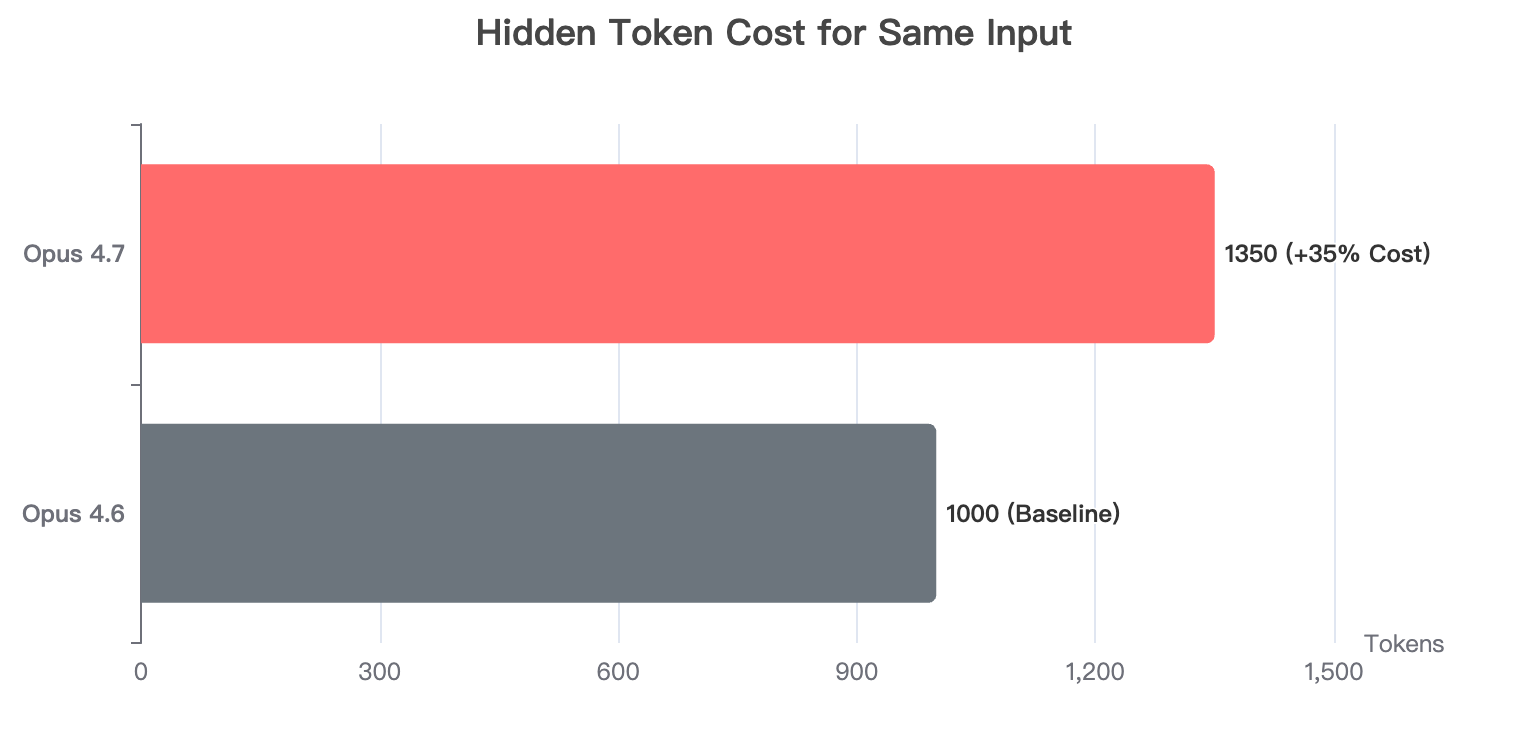
Claude Opus 4.7 upgrades Opus 4.6 with a 64.3% SWE-bench Pro score and 3.75MP high-resolution vision. However, developers currently face a "stealth price hike" from its new tokenizer (billing up to 1.35x more tokens for the same input) alongside strict "App unavailable in region" blocks.
GlobalGPT instantly solves these barriers. For a $5.8 Basic Plan, users gain unrestricted, side-by-side access to Opus 4.7, 4.6, ChatGPT 5.4, and Gemini 3.1—with zero regional locks or complex credit card requirements.
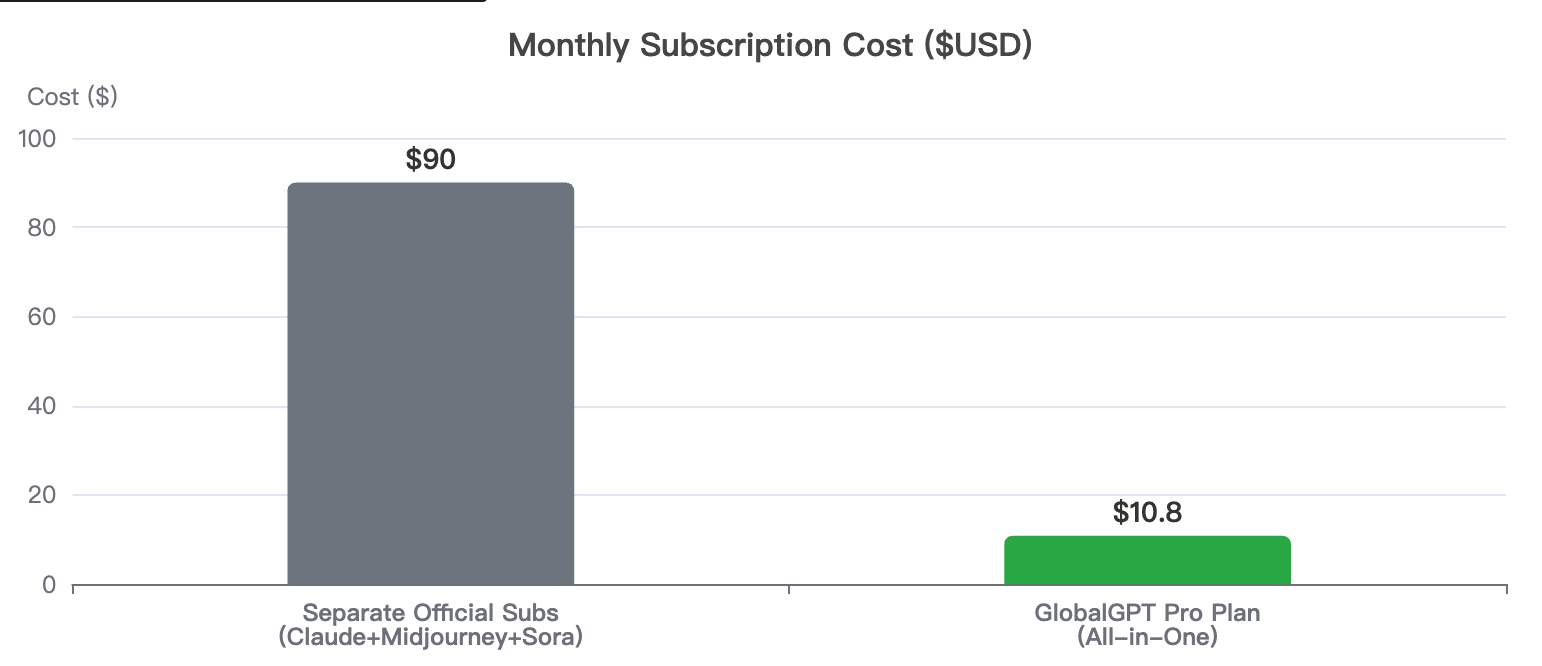
For full-cycle workflows, the $10.8 Pro Plan is essential. It unlocks Advanced Image Generation (Nano Banana 2, Midjourney) and industry-leading Video AI (Seedance 2.0, Veo 3.1, Kling, Wan), allowing professionals to code, research, and produce visual assets without ever switching platforms.
Claude Opus 4.7 vs Claude Opus 4.6: What are the primary technical and benchmark differences?
To understand the gap between these two flagship models, we don't need complex jargon. We just need to look at "Exam Scores," "Vision," and "Thinking Mode":
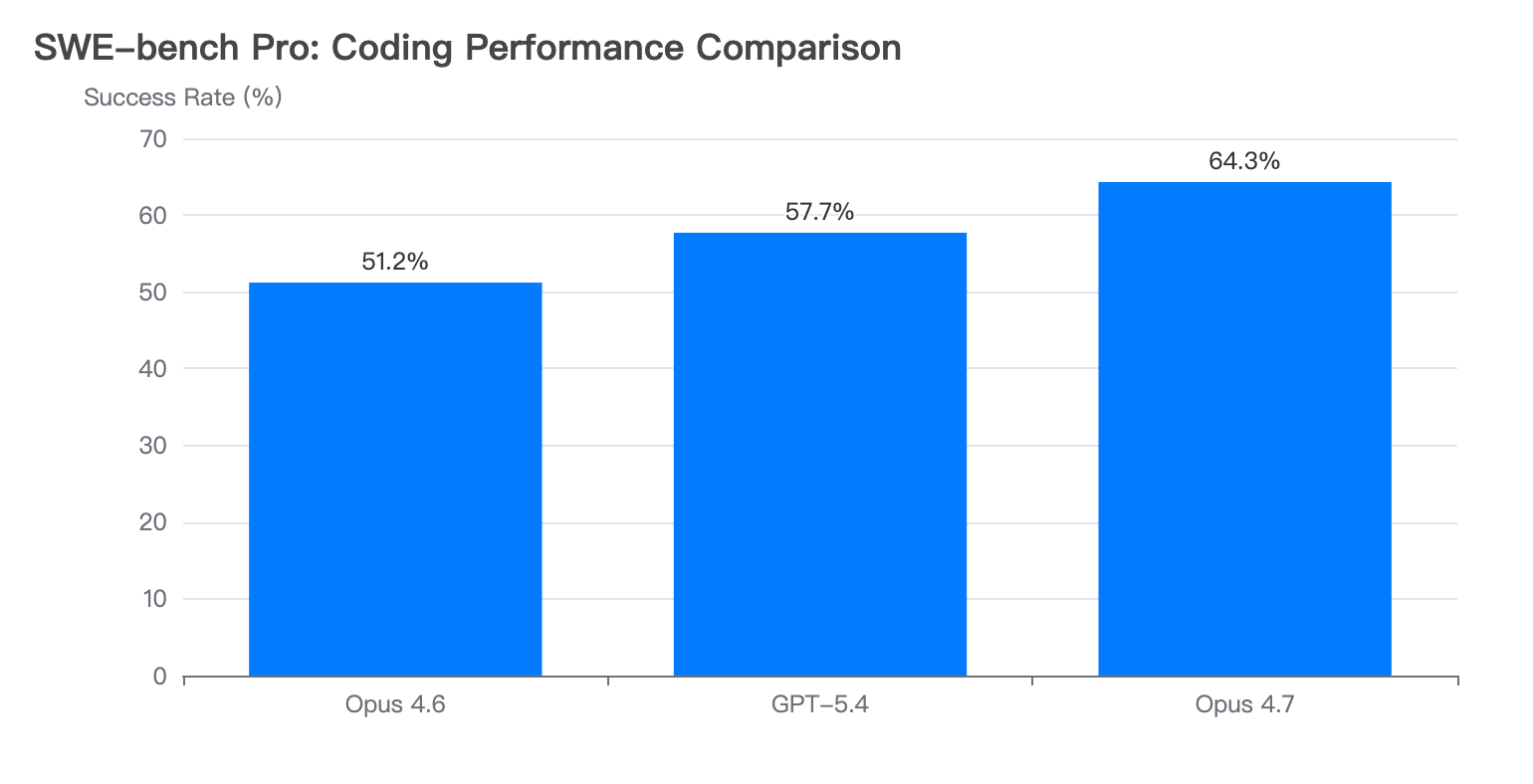
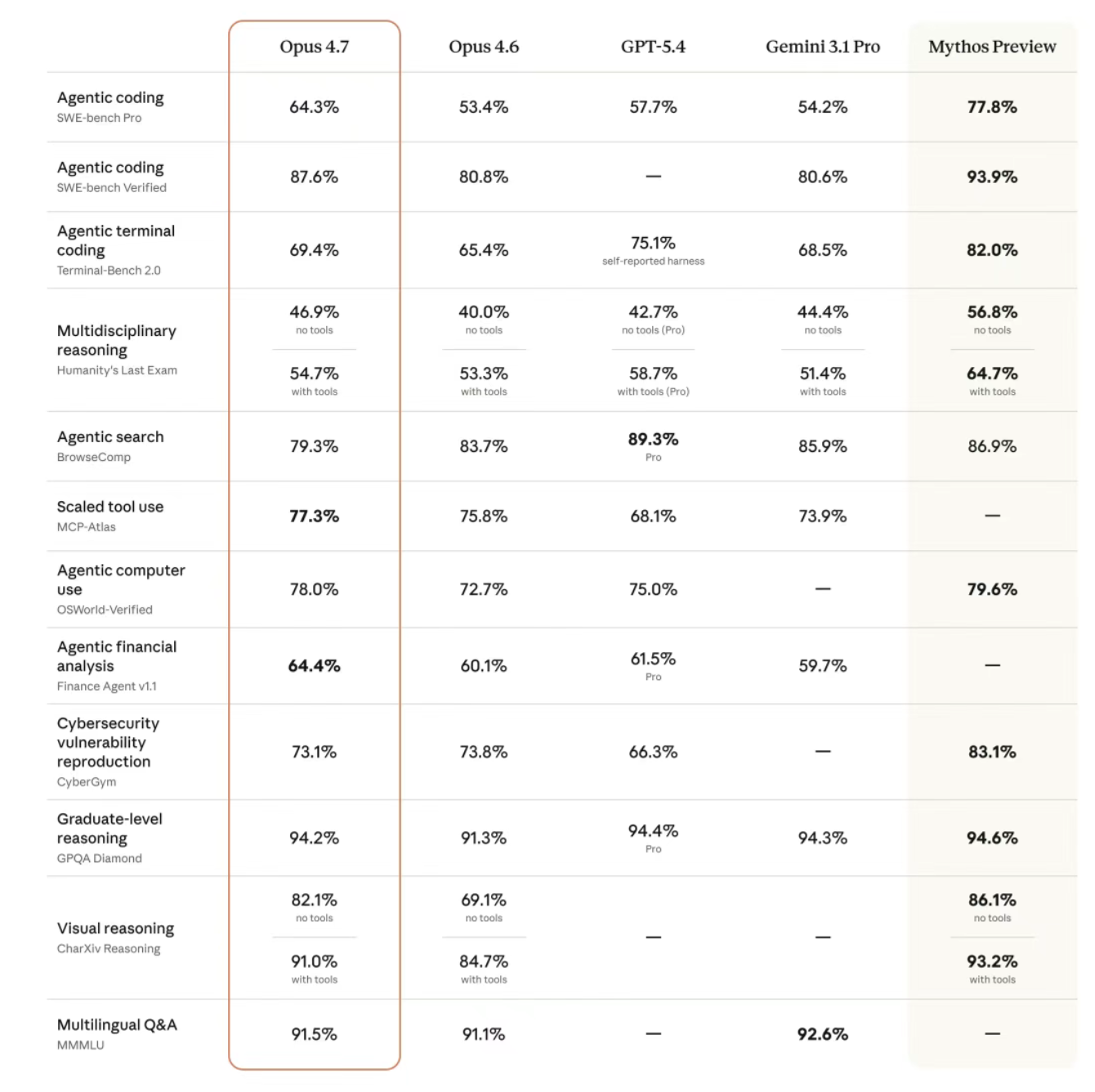
Epic Leap in Coding (SWE-bench Pro): If coding were a high-stakes job interview, Opus 4.7 scored an incredible 64.3%. This far outpaces Opus 4.6 and even beats GPT-5.4 (57.7%). This means you can hand over entire complex projects to 4.7, and it acts like a senior engineer fixing bugs autonomously.
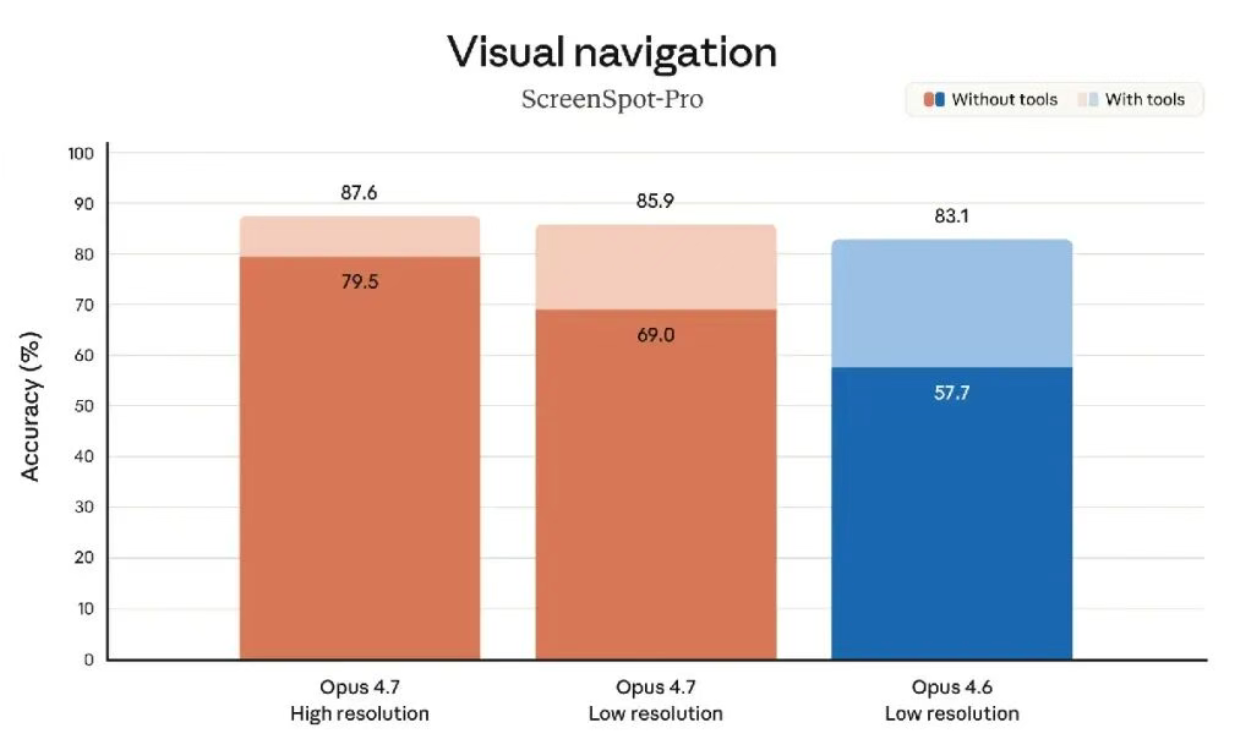
From "Nearsighted" to "4K Vision": Opus 4.6 was limited to 1568px. Opus 4.7 now supports high-resolution images up to 2576 pixels (3.75 megapixels). It can read tiny text in dense spreadsheets, complex architectural blueprints, or pixel-perfect UI designs without missing a detail.
The New "xhigh" Effort Mode: Opus 4.7 introduces refined control over thinking depth. You can tell the AI, "This problem is extremely hard; take your time and use more reasoning power." This xhigh mode significantly reduces errors in high-logic tasks compared to the standard mode in 4.6.
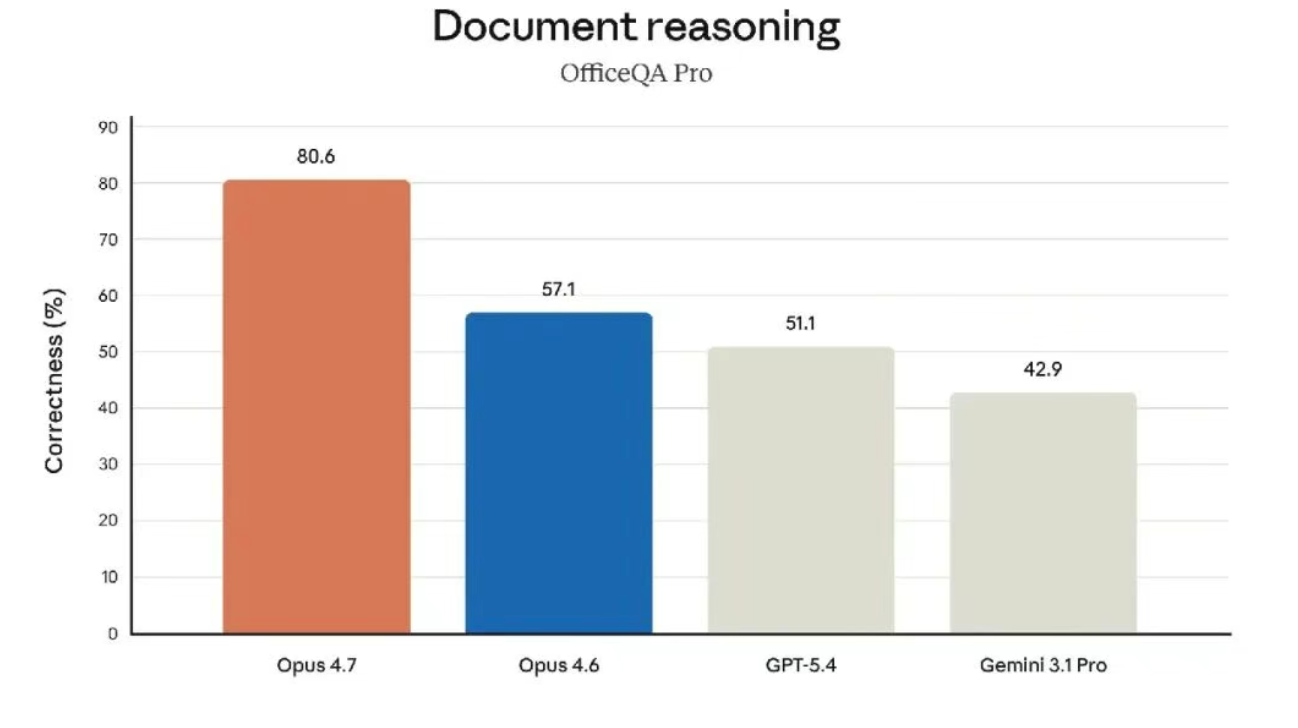
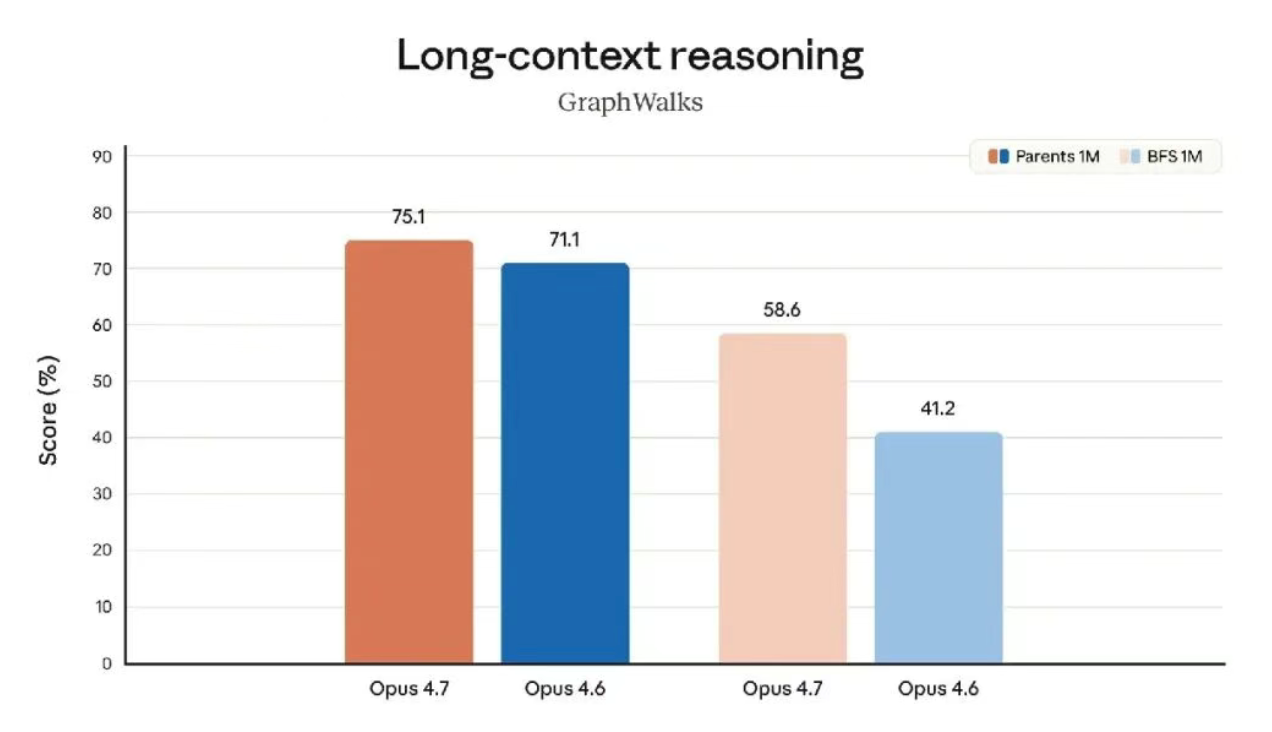
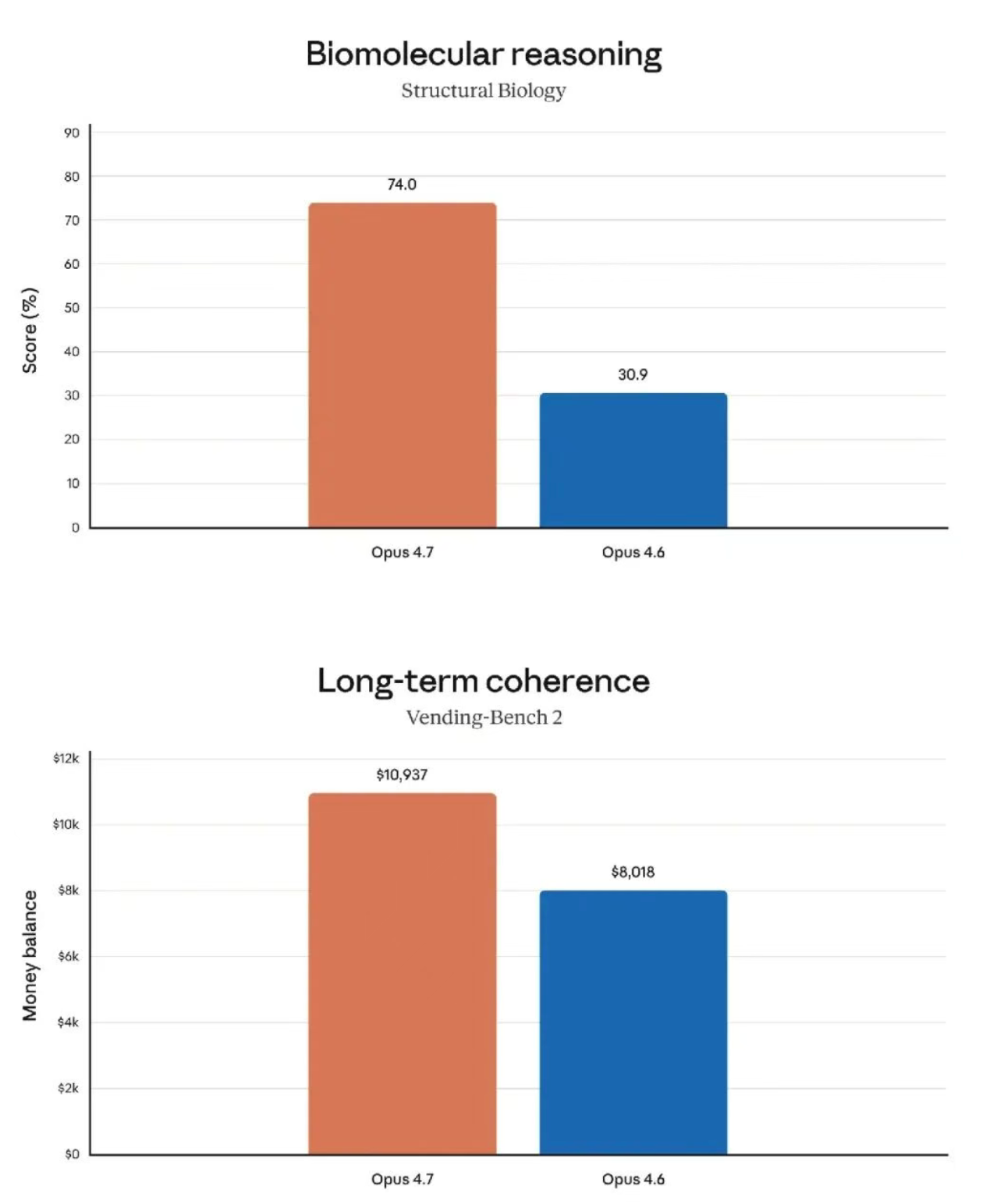
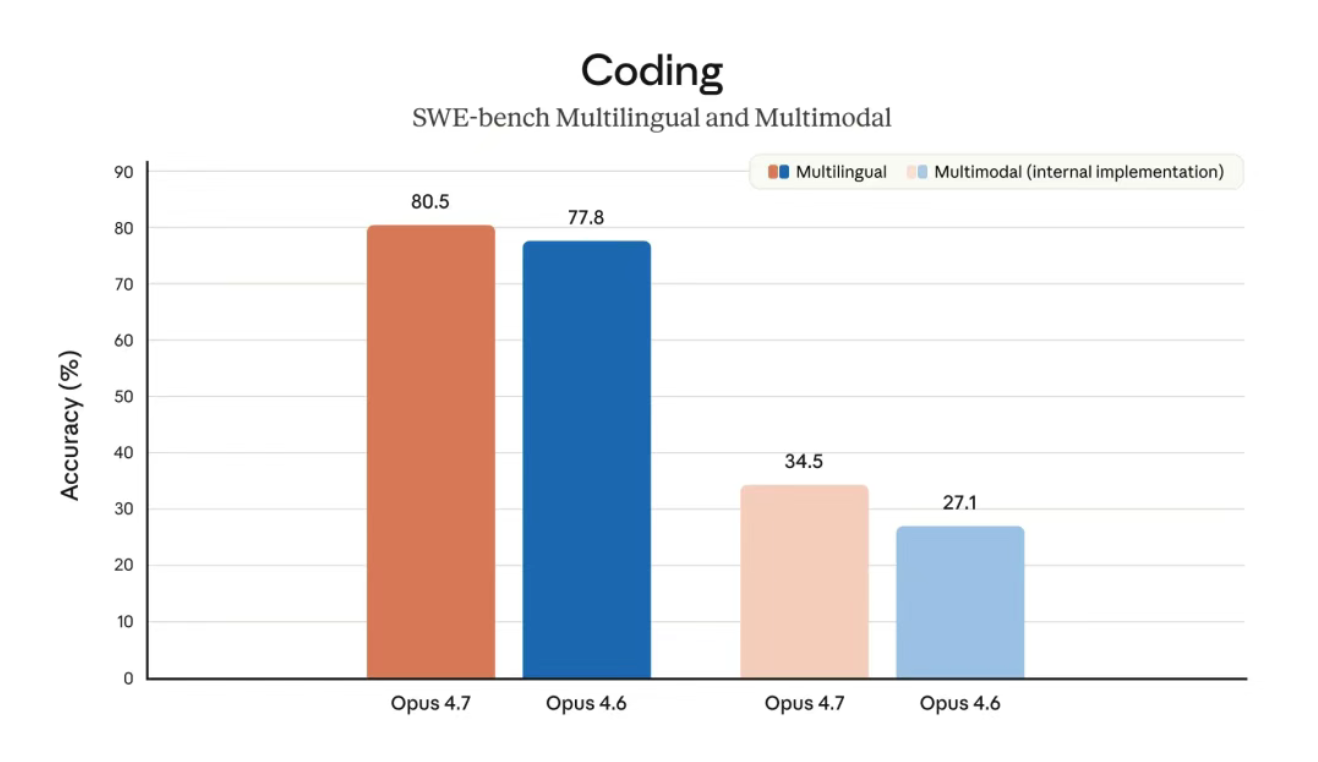
Is Claude Opus 4.7 really better for professional developers than Opus 4.6?
While the benchmarks are impressive, real-world feedback from the developer community is mixed. There is a clear trade-off between power and personality:
Self-Correction and "Auto Mode": Unlike 4.6, which required constant babysitting, Opus 4.7 can verify its own code. It runs background tests before giving you the final answer. With the new "Auto Mode," it manages long-running tasks like deep research or codebase refactoring while you focus on other work.
The "Regression" Controversy: Many Reddit users complain that 4.7 is "too talkative." It tends to ignore strict "no-fluff" system prompts that 4.6 obeyed perfectly. If you demand "just the code," 4.6 is often more disciplined, whereas 4.7 might still add conversational filler.
Compare Side-by-Side on GlobalGPT: Since both models have unique quirks, you shouldn't have to choose blindly. On GlobalGPT, you can open both models in one dashboard to see which one handles your specific prompts better without switching accounts.
Why is my API bill higher on the new model? The Opus 4.7 Tokenizer explained
This is a "hidden cost" that Anthropic doesn't advertise loudly. Many users noticed their credits disappearing faster with Opus 4.7, even though the unit price ($5/$25) remains the same:
The 1.35x Token Increase: AI reads text in chunks called "Tokens." Opus 4.7 uses a new tokenizer that is more granular. For the exact same 1,000 words of input, Opus 4.7 generates up to 35% more tokens than Opus 4.6. This acts as a stealth price hike for every single query.
Deep Thinking Costs More: Because 4.7 thinks more deeply in its "latent space" (internal reasoning), it often generates more output tokens. Heavy users report that a few complex questions can exhaust a standard Pro quota in minutes.
GlobalGPT’s $5.8 Flat Solution: Avoid the headache of unpredictable API billing. GlobalGPT’s Basic Plan gives you access to these top-tier brains for a predictable monthly fee, shielding you from the volatile costs of the new tokenizer.
Why does Opus 4.7 refuse to answer more often? (Project Glasswing)
Beyond cost, some users find Opus 4.7 to be like a "strict teacher" who refuses to help with certain tasks. This is due to enhanced safety protocols:
The Security "Lab Rat": Opus 4.7 is the first model tested under "Project Glasswing." Anthropic intentionally throttled some of its capabilities to prevent misuse in cybersecurity.
High "False Refusal" Rate: This strictness often misfires. It might refuse a normal request to scrape a webpage or write system-level code, triggering a generic "I cannot fulfill this request" warning.
Bypass Refusals: If 4.7 becomes too restrictive, GlobalGPT allows you to instantly switch to Opus 4.6 or Gemini 3.1. You never have to deal with a workflow-killing refusal again.
How can I access Claude Opus 4.7 if it is "Unavailable in my region"?
Geography remains the biggest barrier for global creators. Even if you have the money, you might be blocked:
The Geographic Dead-End: Anthropic enforces strict regional bans. Users often see the "App unavailable in region" error. Furthermore, their payment system rejects many international credit cards, making it impossible to upgrade to Pro.
GlobalGPT: The One-Click Solution: We remove all these barriers. No VPN struggles, no foreign bank cards required. Just sign up and start using Claude 4.7, 4.6, ChatGPT 5.4, and 100+ other models instantly.
Beyond Coding: The $10.8 Pro Plan for Full-Cycle Workflows
Even if Opus 4.7 is the king of coding, it cannot generate cinematic videos or high-end art. In 2026, a professional project requires a "Full-Cycle" approach:
The Cost of "Switching": Subscribing to Claude, Midjourney, and Sora separately would cost you over $90/month.
The $10.8 Pro Powerhouse: GlobalGPT’s Pro Plan covers your entire workflow. Research with Perplexity -> Draft with Claude 4.7 -> Create visuals with Midjourney or Nano Banana 2 -> Produce commercials with Sora 2 or Kling.
One Dashboard, Zero Friction: Complete an end-to-end commercial project without ever leaving our platform.
Final Comparison Table: Opus 4.7 vs 4.6 vs Gemini 3.1 vs GPT-5.4
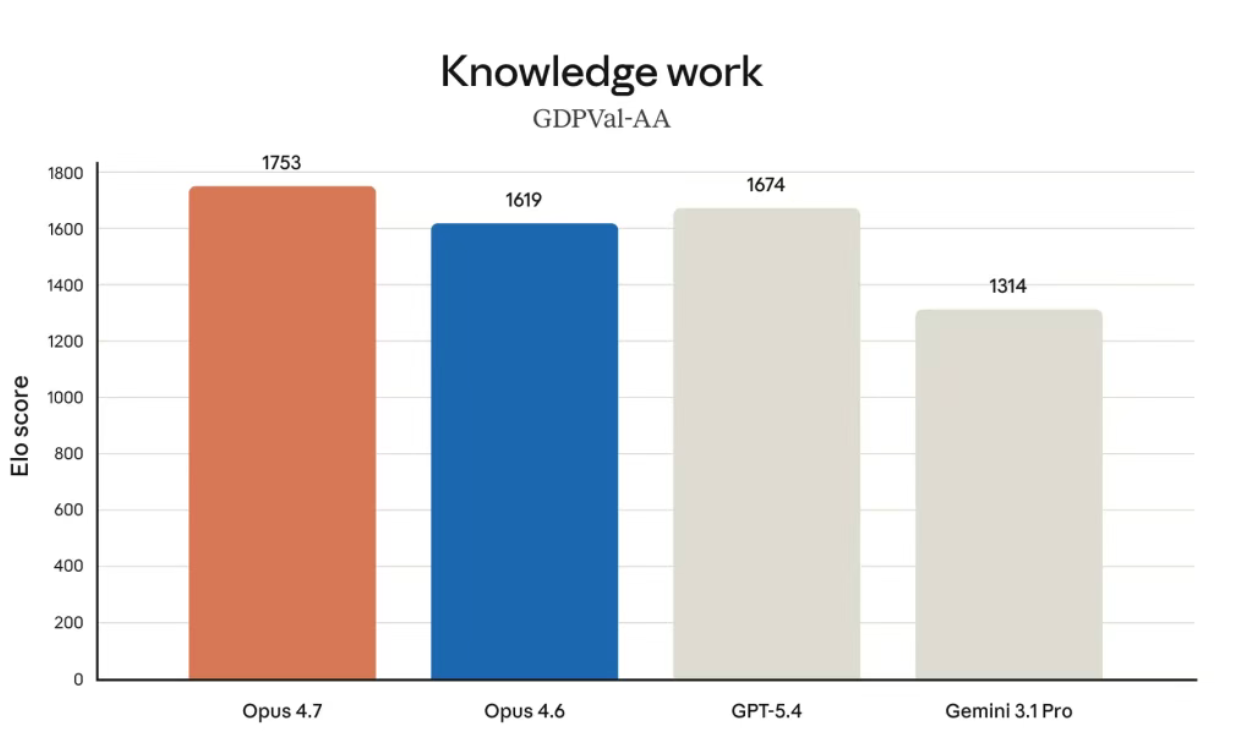
Verdict: Should you migrate to Claude Opus 4.7 or stay with Opus 4.6?
The choice depends on your specific needs:
For Hardcore Developers: Upgrade to 4.7. The 64.3% SWE-bench score and autonomous self-correction save enough manual hours to justify the 35% higher token cost.
For Content Writers & Hobbyists: Stick with 4.6. It is more concise, less prone to refusals, and significantly cheaper on your token budget.
For Ultimate Efficiency: Don't limit yourself to one. GlobalGPT provides the flexibility to use 4.7 for code and 4.6 for drafting—all under one seamless subscription.
