
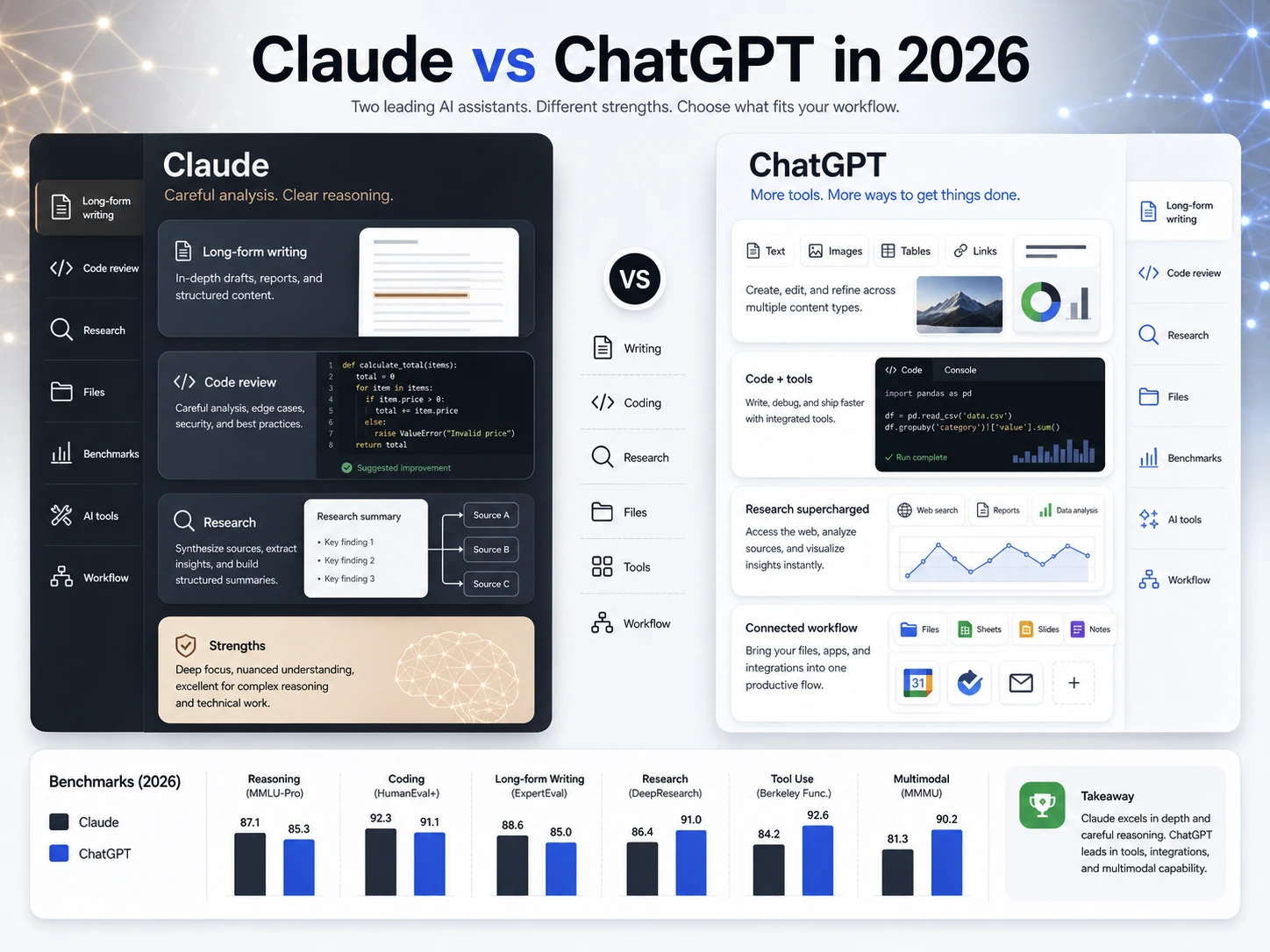
Claude vs ChatGPT is no longer a simple chatbot comparison. In 2026, Claude is the easier choice when you need careful long-form writing, deep document reasoning, and agentic coding. ChatGPT is the easier choice when you want a broader everyday AI workspace with GPT-5.6 Sol, image tools, file work, deep research, Codex access, projects, and more consumer-facing features in one product.
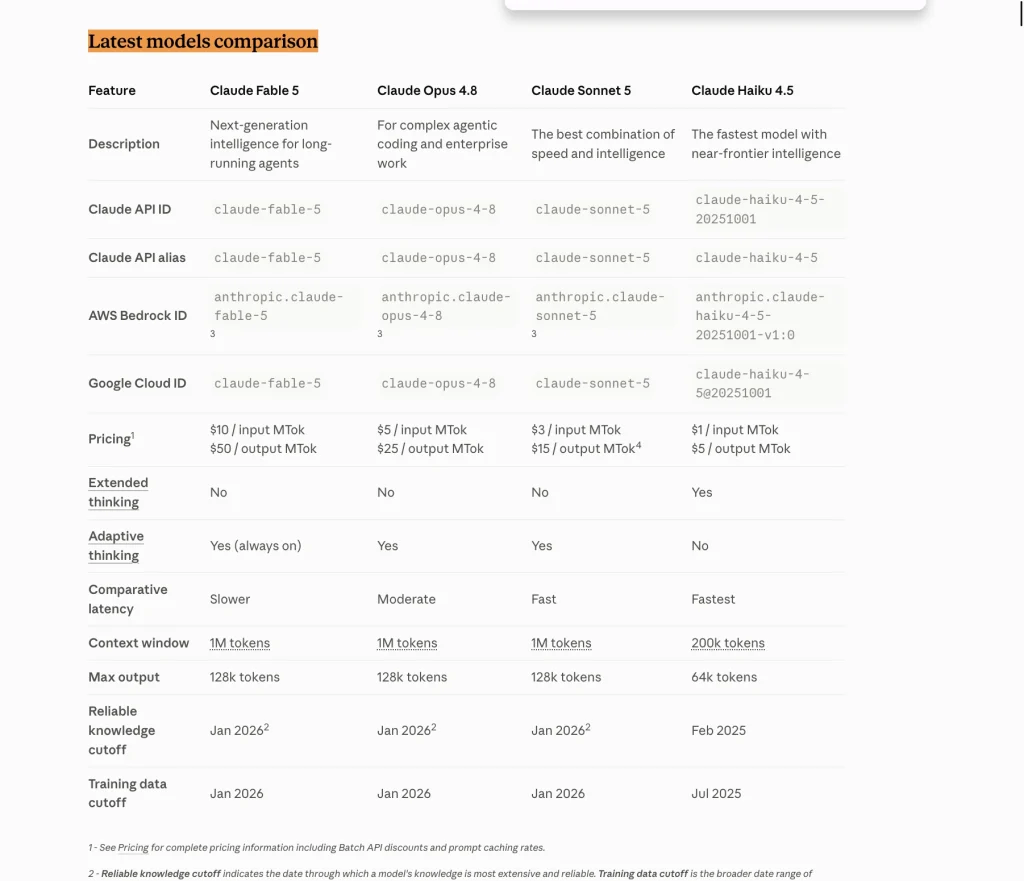
Both products have multiple model tiers. Claude’s current lineup includes Sonnet 5, Opus 5, Fable 5.1 and Haiku 4.5. ChatGPT access depends on the plan and surface: Luna serves Free and Go chat, Sol is available on paid Chat plans, and Astra access in Work/Codex is separate from GPT-6 Pro access in Chat. Compare the product and plan, not just the largest version number.
If you only want one official subscription, choose the product that fits your main workflow. If you often compare Claude, ChatGPT and Gemini models, Grok, Perplexity, and other models, a multi-model workspace such as GlobalGPT can reduce app switching and subscription juggling. Just verify the live model list before you rely on a specific Claude or GPT version for production work.

- What’s the real difference between Claude and ChatGPT in 2026?
- Current lineup: Claude Sonnet 5, Opus 5, Fable 5.1 and ChatGPT
- Claude vs ChatGPT by function: writing, research, and multimodal work
- Which AI is better for coding and agentic work?
- Pricing: Claude, ChatGPT, and the multi-model option
- Claude vs ChatGPT: which one should you choose?
- FAQ
What’s the real difference between Claude and ChatGPT in 2026?
The table below preserves the earlier Claude 4.6 and GPT-5.4 comparison. Its model claims and benchmark figures refer to those versions, not to the current lineup described in the following section.
Historical comparison: Claude 4.6 vs GPT-5.4
| Feature | Claude 4.6 | GPT-5.4 |
| Core Strength | Coding, long-context reasoning, and agent planning. | Professional tasks, tool search, and computer use. |
| Writing Style | Broadly warm, honest, and prosocial. | Highly accurate with refined outputs for documents and presentations. |
| Coding | Holds entire codebases and reduces overengineering. | Integrates top-tier Codex abilities with high efficiency. |
| Multimodal/Agents | General-purpose computer use with human-level UI navigation. | Native computer use with 75.0% on OSWorld-Verified. |
| Context Window | 1M tokens in beta. | 1M tokens. |
| Research | Processes dozens of papers and auto-filters web searches. | Deep web search with persistent multi-turn information gathering. |
Claude 4.6 represents deep, stable intelligence. It approaches Opus-level capabilities but at a much more practical cost, excelling at multi-step tasks without losing track. GPT-5.4 represents ultimate professional capability. It combines top-tier reasoning with robust tool integration, making it incredibly efficient for knowledge work.
In practice, Claude feels like collaborating with a thoughtful senior developer and strategist. ChatGPT feels like collaborating with a high-speed professional analyst equipped with every tool imaginable.
Both are exceptional — but exceptional in different ways.
Current lineup: Claude Sonnet 5, Opus 5, Fable 5.1 and ChatGPT
Separate everyday chat access from high-end models and the tools included in each product. A model available in Work or Codex is not automatically included in the same plan’s Chat picker.
| Model / product | How to think about it | Best fit |
|---|---|---|
| Claude Sonnet 5 | The practical Claude baseline for most users, with strong agentic coding, reasoning, and knowledge-work performance. | Writing, long documents, coding, analysis, and professional work. |
| Claude Opus 5 | A higher-end Claude model for complex agentic coding, reasoning, and long-running professional tasks. | Hard coding tasks, multi-step reasoning, and enterprise-grade work. |
| Claude Fable 5.1 | Claude’s most capable widely released model in the current model overview, but more expensive and slower than lighter options. | Long-running agents and highest-end Claude workflows. |
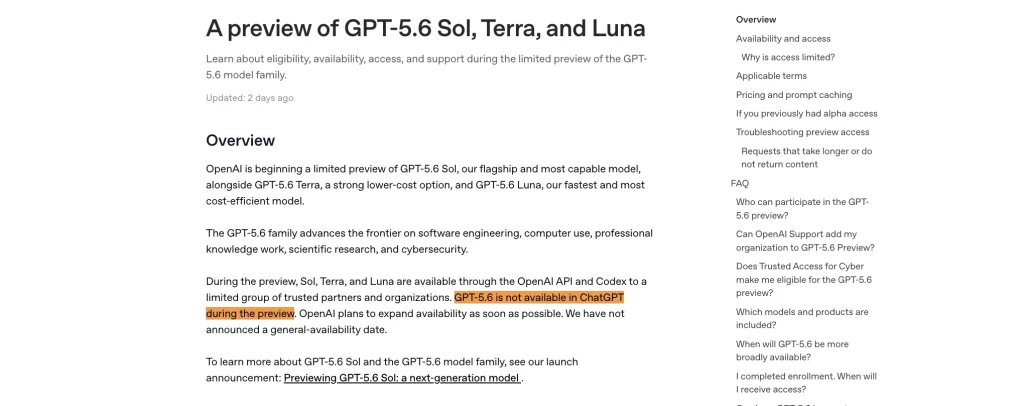
| ChatGPT GPT-5.6 Sol | Paid Chat access; included tools and usage vary by plan. | General productivity, coding help, files, images, deep research, projects, and Codex tasks. |
| GPT-5.6 Luna and GPT-6 Astra | Luna serves Free and Go chat. Astra is available in Work/Codex on eligible plans; GPT-6 Pro in Chat has separate higher-tier access. | Choose by the plan and surface: Chat, Work, Codex or API. |
Claude vs ChatGPT by function: writing, research, and multimodal work
Writing and editing
Claude is usually easier to recommend for long, careful writing. It tends to fit essays, reports, policy drafts, research summaries, and nuanced rewriting where tone consistency matters. If your prompt includes long background material and you want the output to feel calm and editorially polished, Claude Sonnet 5 is the safer starting point.
ChatGPT is stronger when writing is connected to a broader workflow. If the same task involves files, images, charts, projects, deep research, custom GPTs, or repeatable team workflows, ChatGPT often becomes more convenient. It may not always be the most subtle prose editor, but it is the more complete everyday workspace for many users.
Research and long-document analysis
For long-document analysis, Claude’s advantage is context and careful synthesis. It is a strong fit for reading long PDFs, comparing dense notes, summarizing contracts, and turning sprawling source material into a structured brief.
ChatGPT is the better fit when research depends on tools and follow-up actions. If you need browsing, file handling, project organization, chart generation, image work, or follow-up tasks in the same product, ChatGPT’s ecosystem matters as much as the model itself.
Multimodal work and app ecosystem
ChatGPT has the broader consumer tool story. Its packaging includes model access, image creation, deep research, projects, memory and Codex usage depending on plan. Claude should be compared around its own writing, coding, research and document tools. A product feature is not automatically a base-model capability.
Which AI is better for coding and agentic work?
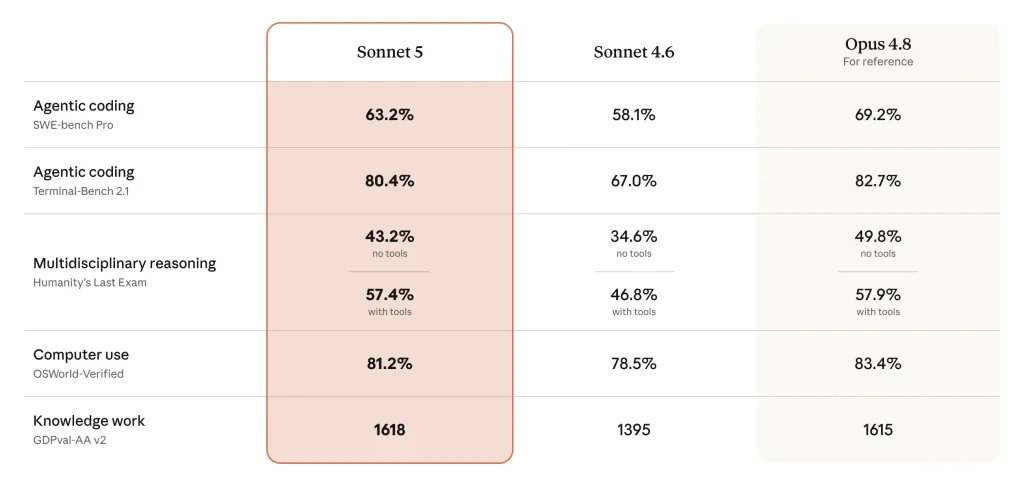
For coding, Claude and ChatGPT now solve slightly different problems. Claude Sonnet 5 is a strong default when you want careful code review, long-context reasoning, refactoring plans, and agentic coding at a practical cost. Claude Opus 5 is the higher-end Claude option when the job is more complex or long-running.
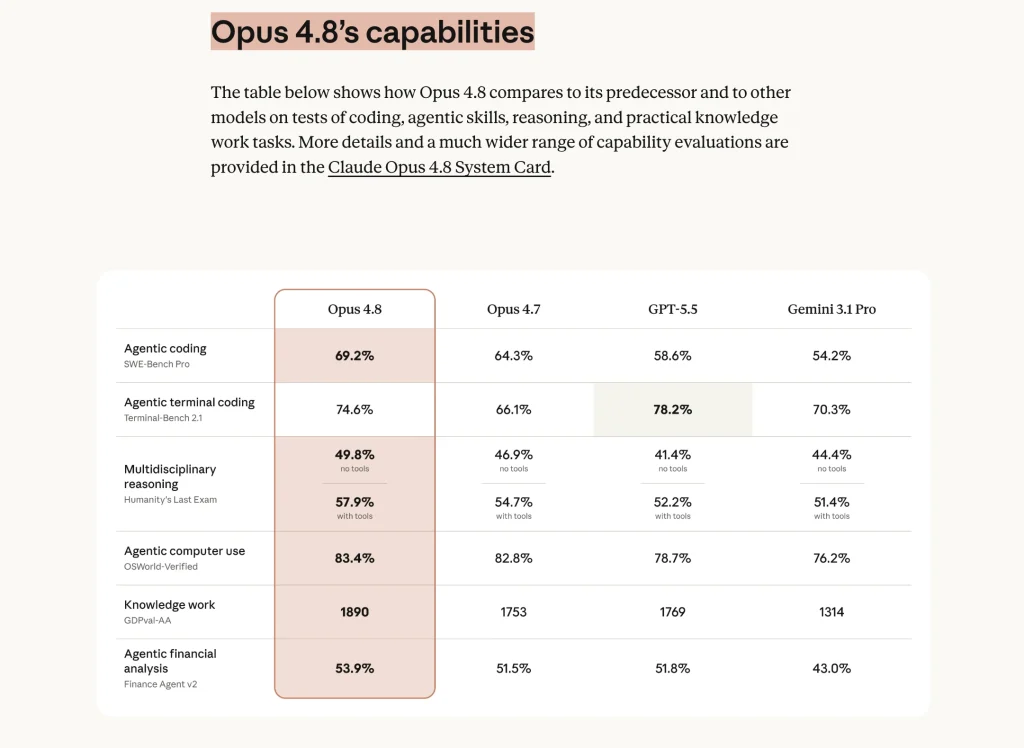
ChatGPT GPT-5.6 Sol is stronger when coding is tied to a broader tool workflow. ChatGPT Pro includes more Codex usage, file uploads, projects, deep research, and agent-mode access. If your development work depends on moving between code, files, browser tasks, research, and documentation, ChatGPT can feel more complete as a product even when Claude is the more natural code reviewer.
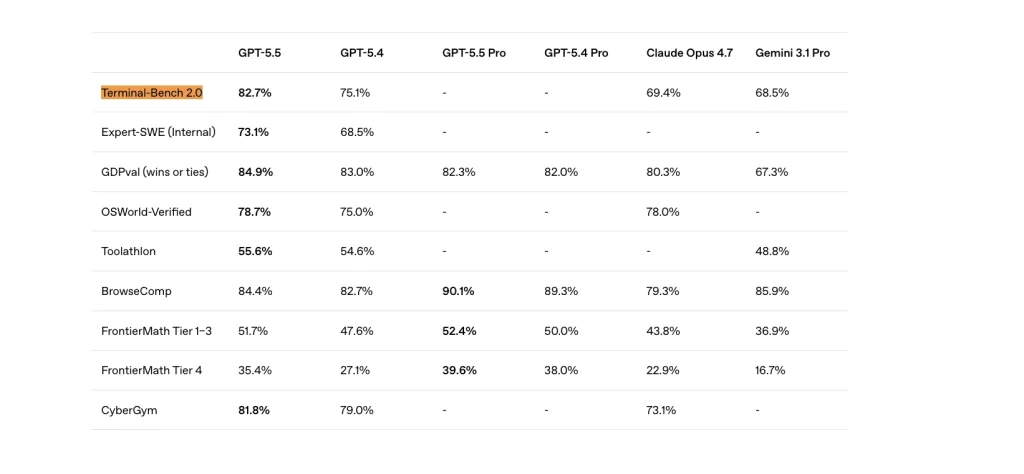
| Coding need | Better first choice | Why |
|---|---|---|
| Long codebase review | Claude | Strong long-context reasoning and careful synthesis. |
| Agentic coding and terminal-style tasks | Both | Anthropic and OpenAI both report strong benchmark results, with different strengths by benchmark. |
| Product workflow with files, research, and Codex tasks | ChatGPT | The surrounding ChatGPT product offers more bundled tools for many users. |
| Highest-end Claude coding workflow | Claude Opus 5 or Fable 5.1 | Useful when cost matters less than capability and long-running work. |
Pricing: Claude, ChatGPT, and the multi-model option
Pricing is one of the practical differences. Claude’s API lists Sonnet 5 below Opus 5 and Fable 5.1, while consumer subscriptions package app access and tools. Compare subscription against subscription for everyday use, and API token rates against API rates for an integration.
Two price systems, two different buying decisions
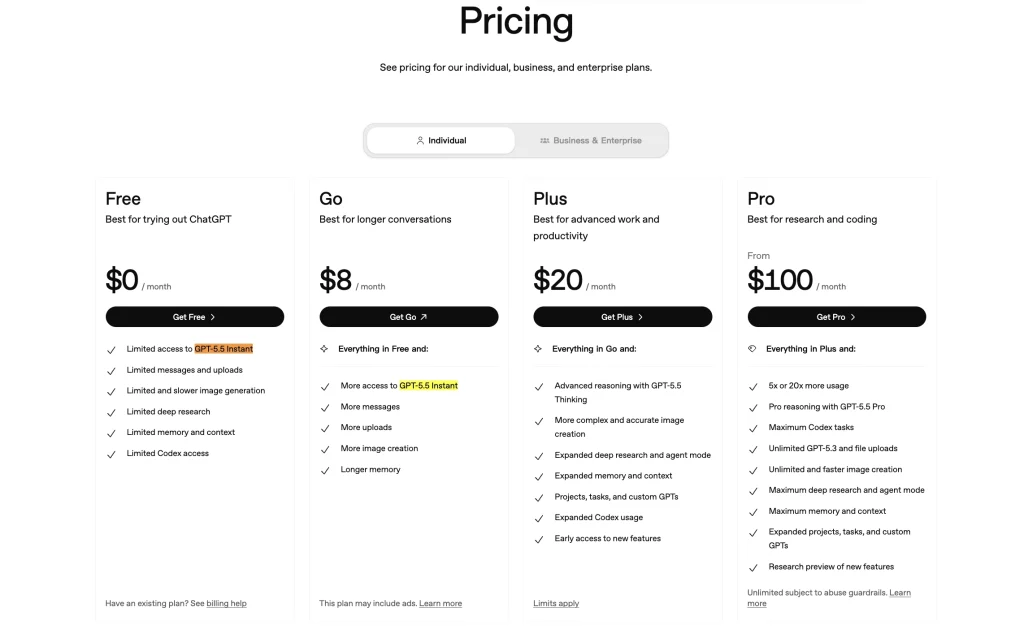
Claude Pro is $20 month-to-month or $200 annually, equivalent to about $16.67 per month. ChatGPT Plus is $20 per month. Neither app subscription is a bundle of API credits; Claude Code usage and ChatGPT Codex entitlements also have their own limits.
The original screenshots below and above this section show earlier Opus 5 and GPT-5.6 Sol product pages. They document those versions and do not prove current model availability or plan limits.
| Option | Best for | Pricing angle |
|---|---|---|
| Claude Sonnet 5 | Most Claude users who need writing, coding, and reasoning. | Lower-cost Claude path than Opus/Fable for many professional tasks. |
| Claude Opus 5 / Fable 5.1 | High-end agentic coding and long-running professional work. | More expensive, but stronger for the hardest Claude workflows. |
| ChatGPT Plus / Pro | Users who want GPT-5.6 Sol plus a larger set of product tools. | Plan price covers model access and the broader ChatGPT app experience. |
| GlobalGPT | Users who compare multiple AI models and want fewer subscriptions. | Multi-model access with annual-billing plans; Pro is $129.60 per year, equivalent to $10.80 per month. |
The practical point is simple: if you mainly use one assistant, pay for the official product that fits your work. If you often compare Claude, ChatGPT, Gemini, Grok, Perplexity, and other models, GlobalGPT can be a more convenient multi-model route. Just avoid assuming every official app feature or every newest model is available in every third-party workspace unless the live product page confirms it.
Claude vs ChatGPT: which one should you choose?
- Choose Claude if most of your work is long-form writing, dense document analysis, careful reasoning, code review, or focused agentic coding.
- Choose ChatGPT if you want one mainstream workspace for writing, files, images, deep research, projects, memory, custom tools, and Codex tasks.
- Use both through a multi-model platform if your tasks change from day to day and you want to compare answers without maintaining multiple separate subscriptions.
A practical test is to list your five most common weekly tasks. If three or more involve long documents, careful prose, or code review, start with Claude. If three or more involve mixed media, files, research, projects, or tool switching, start with ChatGPT. Do not pay for both until one product clearly fails a recurring task.
If research and source discovery matter more than either product’s broader workspace, our Perplexity vs ChatGPT comparison is the next useful decision guide.
FAQ
Is Claude better than ChatGPT in 2026?
Claude is often the better first choice for long-form writing, document analysis, and focused coding work. ChatGPT is often better as a broad everyday AI workspace. Neither is universally better; the answer depends on your task and plan.
Which is better for coding, Claude or ChatGPT?
Claude is excellent for code reasoning, review, and long-context work. ChatGPT is attractive when coding needs to connect with files, web research, projects, and Codex tools. Test both on a representative repository and review the resulting diff.
Is ChatGPT using GPT-5.6 now?
Yes. Luna serves Free and Go chat, and Sol is available on paid Chat plans. Astra access in Work/Codex and GPT-6 Pro in Chat are separate entitlements; check the surface as well as the plan name.
Which is better for writing, Claude or ChatGPT?
Claude is usually the easier starting point for long, tone-sensitive writing. ChatGPT can be more convenient when the writing workflow also needs research, images, files, or project organization.
Does Claude have a larger context window than ChatGPT?
Some Claude API models publish very large context windows, but app upload limits and plan quotas are separate. Compare the exact product plan and workflow rather than only the model’s maximum API context.
Should I pay for both Claude and ChatGPT?
Only if both solve recurring tasks that the other cannot. Start with the product that matches most of your weekly work, then add a second subscription—or use a multi-model platform—after you can name the specific gap.