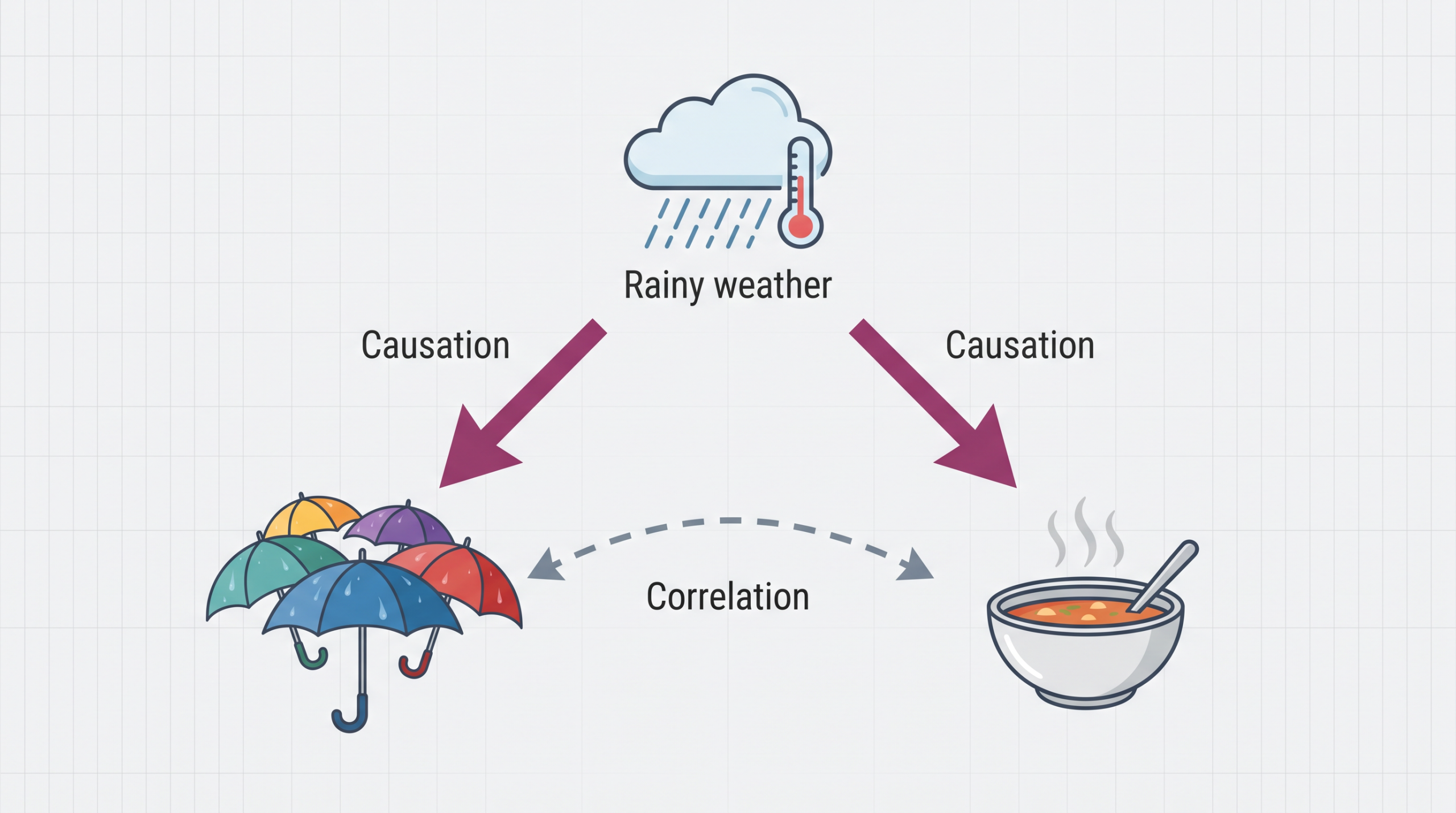
Não existe uma IA que seja melhor do que o ChatGPT para todos os alunos. O ChatGPT continua sendo um excelente ponto de partida para exercícios orientados, explicações e feedback rápido. Outra opção se torna a mais adequada quando sua próxima tarefa exigir um estilo diferente de explicação, um plano de verificação de fontes, um recurso visual de apoio à memória ou uma segunda opinião antes de você confiar em uma resposta.
É por isso que eu recomendaria GlobalGPT quando uma sessão de estudos exige mais do que apenas texto. Com O Sora foi desativado, a assinatura do GPT não oferece mais uma ferramenta de geração de vídeos; o GlobalGPT ainda oferece.
Em GlobalGPT, use GPT-5.6 Sol, Claude, Gemini ou DeepSeek para explicações e feedback; use Midjourney, Nano Banana ou GPT Image para diagramas; em seguida, use Seedance ou Veo para uma breve sequência de estudo visual, tudo a partir do mesmo espaço de trabalho.

Comece pela tarefa, não pela tabela de classificação. Antes de usar qualquer IA em trabalhos avaliados, verifique as diretrizes do seu professor ou da instituição de ensino. O uso mais seguro é para tornar seu raciocínio mais claro, e não para entregar um trabalho que você não consiga explicar ou fundamentar por conta própria.
A resposta rápida: escolha a IA que ajuda na próxima etapa do estudo
Para um conceito difícil, comece com um tutor orientado. Para um projeto de pesquisa, comece com um plano de perguntas e fontes. Para um parágrafo que você mesmo escreveu, peça feedback em vez de um rascunho substituto. Para um tema visual, um diagrama ou uma animação curta pode tornar a ideia mais fácil de ser lembrada. E para uma afirmação importante, compare com uma segunda explicação e, em seguida, consulte você mesmo a fonte original.
Cinco áreas de estudo que se beneficiam de diferentes comportamentos da IA
- Explique e verifique se os alunos compreenderam
- Planejar a pesquisa e verificar as fontes
- Receba feedback sobre sua redação
- Crie um recurso visual de apoio à memória
- Verifique se a explicação está correta
Cada fatia igual representa uma categoria do fluxo de trabalho editorial, e não uma estatística sobre o uso ou a qualidade do modelo.
Quando o ChatGPT ainda é a escolha prática dos alunos
O ChatGPT continua sendo uma boa primeira opção quando se busca uma conversa que ensine, em vez de simplesmente fornecer uma resposta. O OpenAI descreve Modo de estudo como aprendizagem orientada: ela pode abordar um tópico em etapas, fazer perguntas, apoiar a prática e a revisão, além de trabalhar com materiais didáticos enviados.
O OpenAI também afirma que os alunos devem seguir as políticas de uso de IA da escola, do professor ou da organização no que diz respeito a trabalhos avaliados. Use a conversa para identificar uma lacuna no seu raciocínio e, em seguida, faça a leitura, os cálculos e a redação final por conta própria.
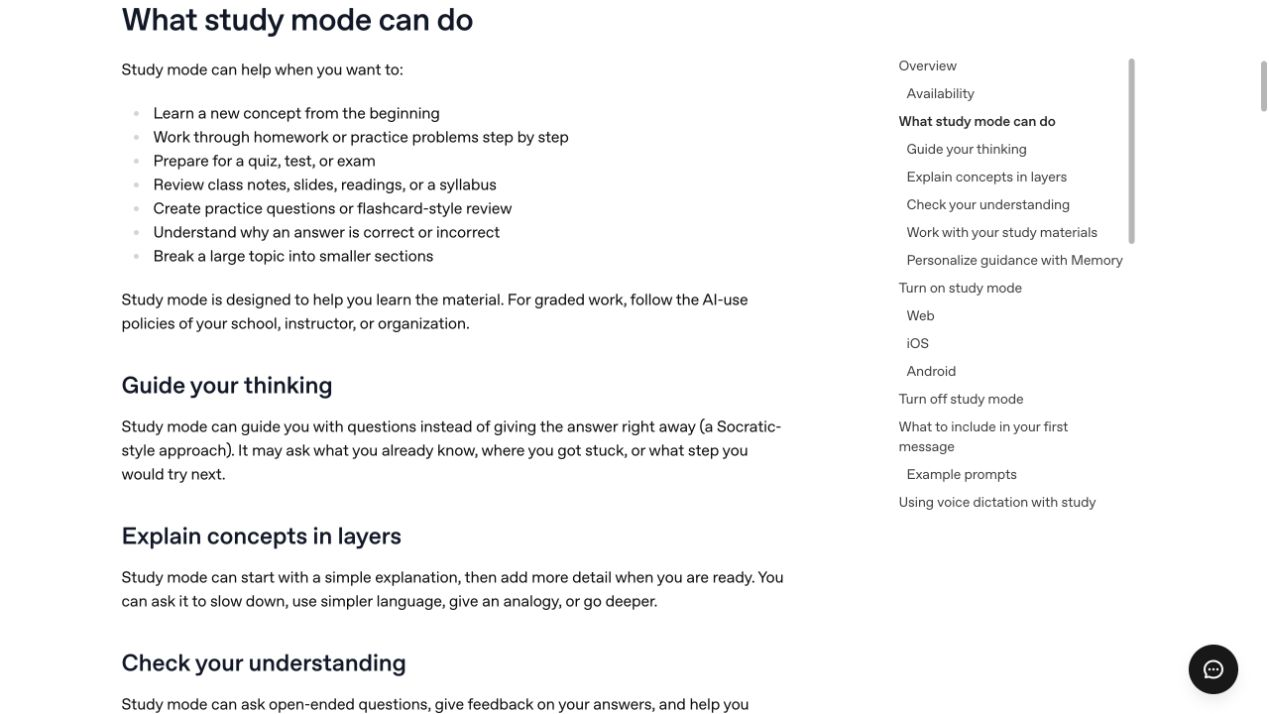
O modo de estudo é apresentado pelo OpenAI como aprendizagem orientada, prática, revisão e apoio com foco nas diretrizes para trabalhos avaliados.
E quanto à oferta para estudantes ChatGPT?
A Promoção de Volta às Aulas 2026 Não se trata de um preço global para estudantes. Ele é restrito a alunos atualmente matriculados em cursos de graduação e pós-graduação, em regime de tempo integral ou parcial, em instituições de ensino superior americanas qualificadas que concedam diplomas, cuja matrícula seja verificada pela SheerID. Os estudantes qualificados podem receber quatro períodos de cobrança mensais gratuitos do ChatGPT Plus, desde que solicitem o benefício até 31 de outubro de 2026. Pode ser necessário um meio de pagamento válido, e a assinatura será renovada por $20 por mês após o término da promoção, a menos que seja cancelada.
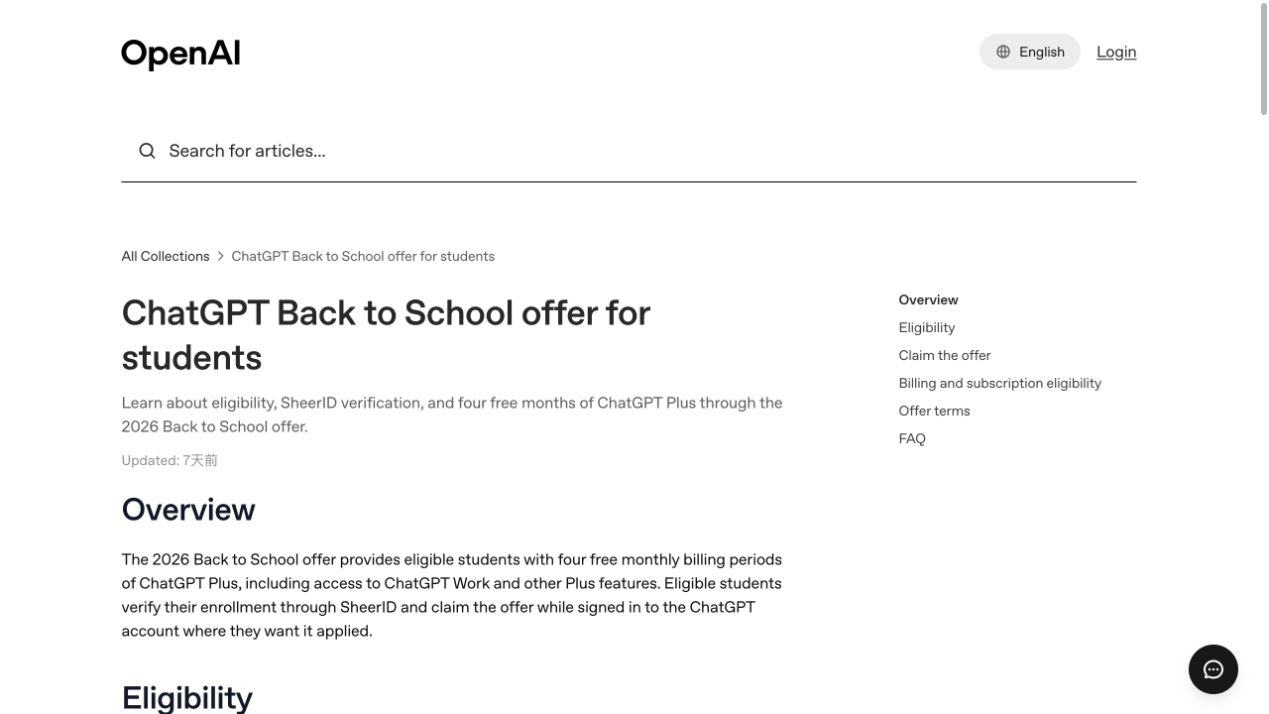
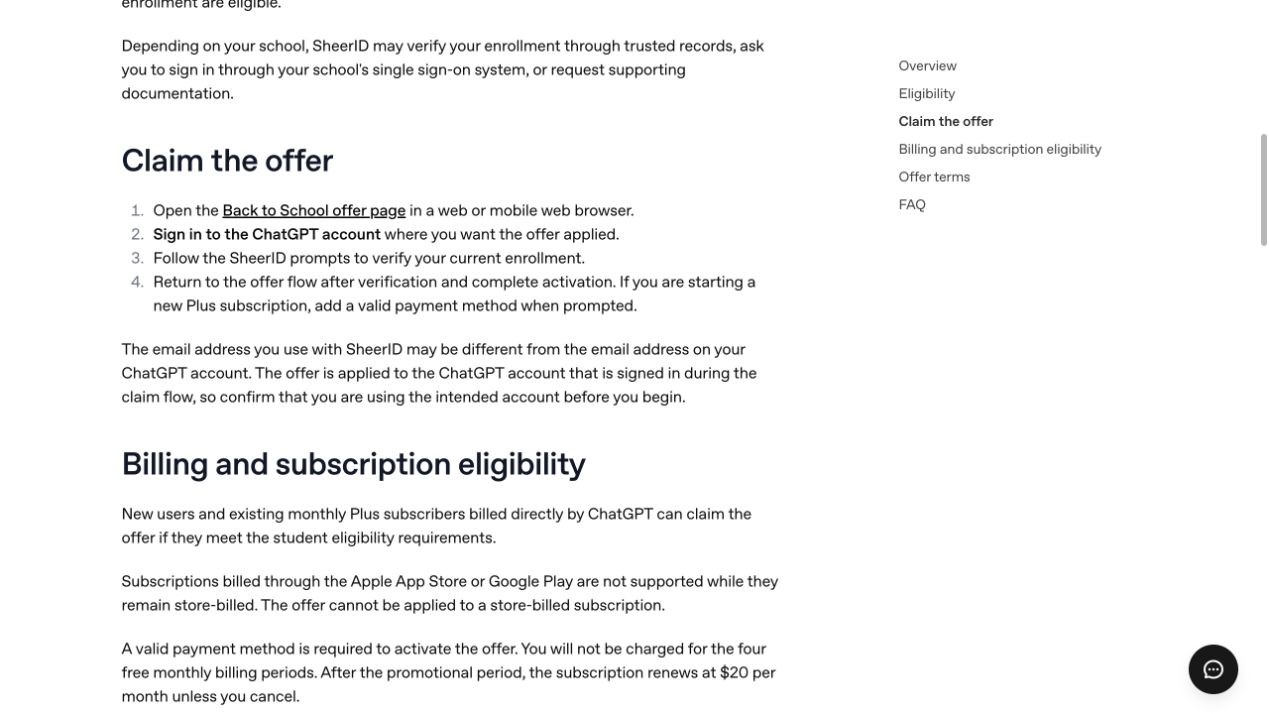
- Apenas estudantes de graduação e pós-graduação de instituições de ensino superior dos EUA que concedam diplomas
- Verificação pela SheerID; solicite até 31 de outubro de 2026
- Quatro períodos mensais gratuitos; depois, $20 por mês, a menos que seja cancelado
O que é melhor do que ChatGPT para uma tarefa escolar?
A comparação relevante não é “qual modelo é melhor?”, e sim “o que devo usar antes de tomar a próxima atitude responsável?”.”
Escolha a ferramenta inicial de acordo com a tarefa de aprendizagem
Orientação sobre o fluxo de trabalho editorial; não se trata de uma avaliação comparativa nem de uma comparação entre fornecedores.
Um fluxo de trabalho para estudantes que utiliza IA sem delegar o trabalho
- Explique: peça uma explicação em linguagem simples e uma pergunta de verificação.
- Plano: transforme um tema amplo em uma pergunta, subperguntas e uma lista de verificação de fontes.
- Revisar: peça opiniões sobre os pontos fracos do seu rascunho e, em seguida, decida quais alterações merecem ser adotadas.
- Visualize: Crie um diagrama somente quando isso melhorar a memorização ou a explicação.
- Verificação cruzada: compare uma segunda explicação e, em seguida, consulte a fonte original antes de fazer uma afirmação baseada em fatos.
Onde as evidências são mais sólidas e onde elas se esgotam
- Professor: quatro saídas de texto retidas concluíram o T01.
- Pesquisa: quatro saídas retidas concluíram o T02.
- Revisão: Comentários úteis, mas os exemplos de reivindicações precisavam de fundamentação.
- Imagem: duas saídas de imagem da primeira execução foram aprovadas nas verificações declaradas.
- Vídeo*: apenas as provas contidas no arquivo e no primeiro quadro, e não um veredicto com qualidade de movimento.
Quando um espaço de trabalho multimodelo é a melhor opção
O GlobalGPT é útil quando uma única explicação não é suficiente e você deseja comparar abordagens sem precisar alternar entre diferentes ambientes de modelo. Seu espaço de trabalho principal agrupa um modelo de bate-papo selecionado com pontos de entrada para escrita, análise, imagem, vídeo e áudio. A vantagem é simples: um único espaço de trabalho pode reduzir a necessidade de alternar entre ferramentas quando diferentes comportamentos de IA são úteis na mesma sessão de estudo.
Isso não substitui os materiais didáticos oficiais do ChatGPT, os regulamentos da universidade nem as fontes originais.
A captura de tela verificada mostra um controle do modelo de bate-papo selecionado, além de pontos de entrada para escrita, análise, imagem, vídeo e áudio. Uma captura de tela ampla separada mostra as opções do modelo de imagem. Nenhuma nova solicitação paga foi enviada para a captura de nenhuma das duas telas.
O que revelaram os testes realizados com os alunos repetentes
Explique um conceito e, em seguida, verifique se os alunos compreenderam
Por que isso é importante: Este é um caso de uso para um tutor, não um atalho para um trabalho escolar. As respostas selecionadas foram avaliadas exclusivamente com base neste prompt e nesta data.
O que isso significa para um aluno
O que realmente importa não é qual explicação soa mais refinada. Uma resposta destaca uma variável de confusão, outra apresenta uma questão de decisão concisa e outra ainda detalha as verificações por trás de uma afirmação causal. Isso oferece ao aluno várias maneiras de testar sua compreensão: explicar o terceiro fator com suas próprias palavras, responder à pergunta complementar sem ajuda e, em seguida, aplicar a mesma verificação a um exemplo da aula. O resultado só se torna útil quando o aluno consegue reproduzir o raciocínio fora da tela.
Saídas retidas completas para T01
Entrada exatamente congelada e todas as quatro saídas válidas mantidas. O Gemini está identificado nos casos em que sua saída válida seguiu a regra de recuperação documentada.
Entrada exataAbrir todos os registros de execução do T01
GPT-5.6 Sol · primeira saída válida
**Correlação** significa que duas coisas estão relacionadas: quando uma muda, a outra geralmente muda também. Isso **não** prova que uma seja a causa da outra.

**Causalidade** significa que a mudança de uma coisa produz diretamente uma mudança na outra.

**Exemplo do dia a dia:**
Suponha que os alunos que levam guarda-chuvas tenham mais chances de chegar atrasados à aula. Existe uma correlação entre levar guarda-chuva e chegar atrasado. Mas levar o guarda-chuva provavelmente não causa o atraso. Um terceiro fator — **chuva** — pode causar ambos: a chuva faz com que os alunos levem guarda-chuvas e pode tornar o trânsito ou a caminhada mais lentos.

É por isso que devemos ser cautelosos ao observar uma relação. Podem existir outras explicações, tais como:

- uma terceira variável que afeta ambas as coisas,
- a direção da influência ser invertida, ou
- o padrão ocorrer por coincidência.

Um experimento controlado, especialmente aquele que distribui as pessoas aleatoriamente em grupos, fornece evidências mais sólidas de causalidade do que a simples observação de uma correlação.

**Verifique se você entendeu:**
Se as pessoas que comem mais sorvete também sofrem mais queimaduras solares, será que comer sorvete necessariamente causa queimaduras solares? Explique por que sim ou por que não.
Claude Opus 5 · primeira saída válida
## Correlação x causalidade

**Correlação** significa que duas coisas variam juntas. Quando uma aumenta, a outra tende a aumentar (ou diminuir) de maneira previsível. É só isso. É a descrição de um padrão.

**Causalidade** significa que uma coisa realmente *faz* a outra acontecer. Altere a primeira, e a segunda muda como resultado.

Correlação é o que você pode observar nos dados. Causalidade é uma afirmação sobre como o mundo funciona e precisa de mais do que um padrão para sustentá-la.

### Um exemplo do dia a dia

Imagine que você acompanha dois números no seu campus a cada semana do semestre: quantos pacotes de macarrão instantâneo a loja do campus vende e quantos alunos estão na biblioteca às 23h.

Você provavelmente perceberia que esses números sobem e descem juntos de forma quase perfeita. Correlação forte.

Mas o macarrão não leva as pessoas à biblioteca, e estudar até tarde não esvazia magicamente a prateleira de macarrão. Um terceiro fator está influenciando ambos: **a época de provas**. Quando chegam as provas intermediárias, os alunos estudam até mais tarde *e* comem alimentos mais rápidos e baratos. Esse terceiro fator oculto é chamado de **variável de confusão**.

Observe a armadilha: se você visse apenas os dois números, "o macarrão faz com que as pessoas estudem" pareceria uma explicação razoável. Os padrões dos dados tendem a corroborar histórias que não são verdadeiras.

### Três coisas a verificar antes de acreditar em uma afirmação causal

1. **Existe uma terceira variável oculta?** (Época de provas, renda, idade, clima, estação do ano.)
2. **A direção poderia ser invertida?** Talvez B cause A, e não A cause B.
3. **Houve um experimento controlado?** Atribuir aleatoriamente as pessoas a determinadas condições é a maneira mais clara de descartar fatores de confusão. Dados observacionais por si só raramente estabelecem a causalidade.

Um hábito útil: quando você ler "X está relacionado a Y", traduza mentalmente para "X e Y aparecem juntos" e, em seguida, procure a terceira variável.

### Verificação rápida para você

Um estudo constatou que pessoas que possuem mais livros tendem a viver mais. Cite uma variável de confusão que poderia explicar essa correlação sem que os livros fossem a causa da longevidade.
Gemini 3,6 Flash · primeira saída válida
**Correlação** significa que duas coisas ocorrem juntas ou seguem um padrão semelhante. Quando a variável A muda, a variável B tende a mudar também.

**Causalidade** significa que uma coisa *causa diretamente* a ocorrência da outra. A ação A realmente gera o resultado B.

A regra fundamental em estatística é: **O fato de duas coisas acontecerem juntas não significa que uma cause a outra.** Muitas vezes, um terceiro fator oculto (uma *variável de confusão*) causa ambas!

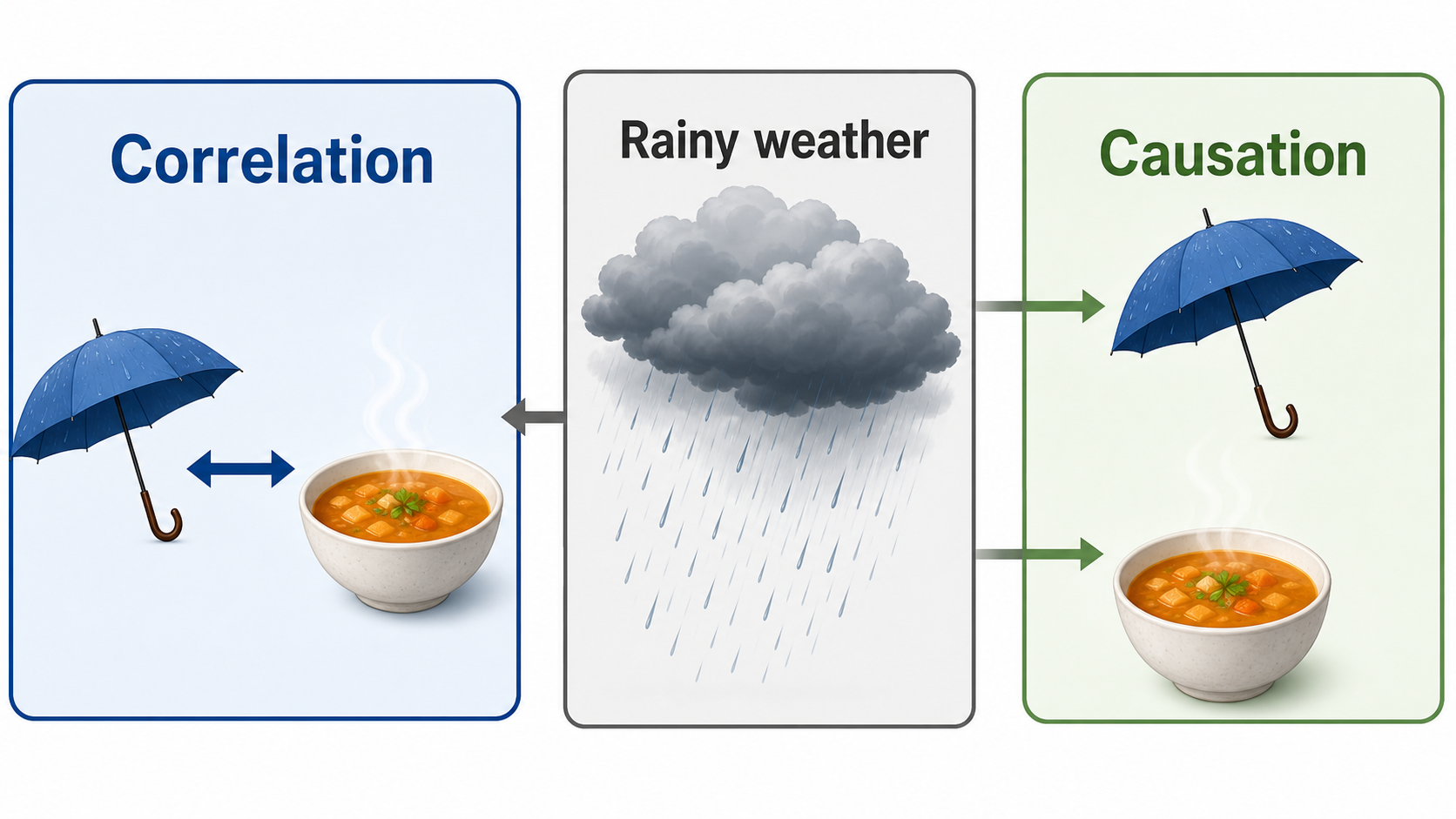
### Exemplo do dia a dia: Guarda-chuvas e sopa quente

Imagine que um supermercado perceba que, nos dias em que mais clientes carregam **guarda-chuvas**, as vendas de **sopa quente** aumentam.

* **Correlação:** O uso de guarda-chuvas e as vendas de sopa quente aumentam juntos.
* **Causa incorreta:** Abrir um guarda-chuva *não* faz com que as pessoas fiquem com vontade de tomar sopa.
* **A verdadeira causa:** O tempo frio e chuvoso (o terceiro fator oculto) faz com que as pessoas usem guarda-chuvas **e** também faz com que queiram sopa quente.

### Verificação rápida

Um estudo constata que cidades com vendas mais altas de aparelhos de ar condicionado também apresentam vendas mais altas de protetor solar. A compra de um aparelho de ar condicionado leva alguém a comprar protetor solar? Por que sim ou por que não?
DeepSeek V4 Pro · primeira saída válida
Aqui está a diferença em linguagem simples:

**Correlação** significa que duas coisas tendem a ocorrer juntas — quando uma aumenta, a outra tende a aumentar (ou diminuir). É um padrão, nada mais.

**Causalidade** significa que uma coisa *diretamente faz* com que a outra aconteça. Alterar a primeira coisa altera a segunda.

Qual é a armadilha? A correlação é fácil de identificar. A causalidade é muito mais difícil de provar. Só porque A e B se movem juntos não significa que A tenha causado B. Pode ser que:

- **B tenha causado A** (causalidade reversa)
- **Um terceiro fator, C, causou ambos** (fator de confusão)
- **Pura coincidência** (acaso)

**Exemplo do dia a dia:** Todas as manhãs você percebe que, quanto mais cafeterias estão abertas perto do campus, mais estudantes você vê caminhando para a aula. Essas duas coisas estão *correlacionadas* — aumentam e diminuem juntas. Mas será que as cafeterias abertas *fazem* com que os alunos vão para a aula? Não. Um terceiro fator — o horário do dia — influencia ambos. De manhã cedo, as cafeterias abrem *e* os alunos vão para a aula. Isso é confusão, não causalidade.

**Verificação rápida:** Uma cidade percebe que bairros com mais caminhões de sorvete também registram mais queimaduras solares. Qual é a explicação mais provável: (a) caminhões de sorvete causam queimaduras solares, (b) queimaduras solares atraem caminhões de sorvete, ou (c) há outro fator em jogo — e, se for o caso, qual?