속도, API 비용, 상황, 작업의 복잡성, 그리고 잘못된 답변으로 인한 비용을 기준으로 선택하는 방법에 대한 2026년 실용 가이드.
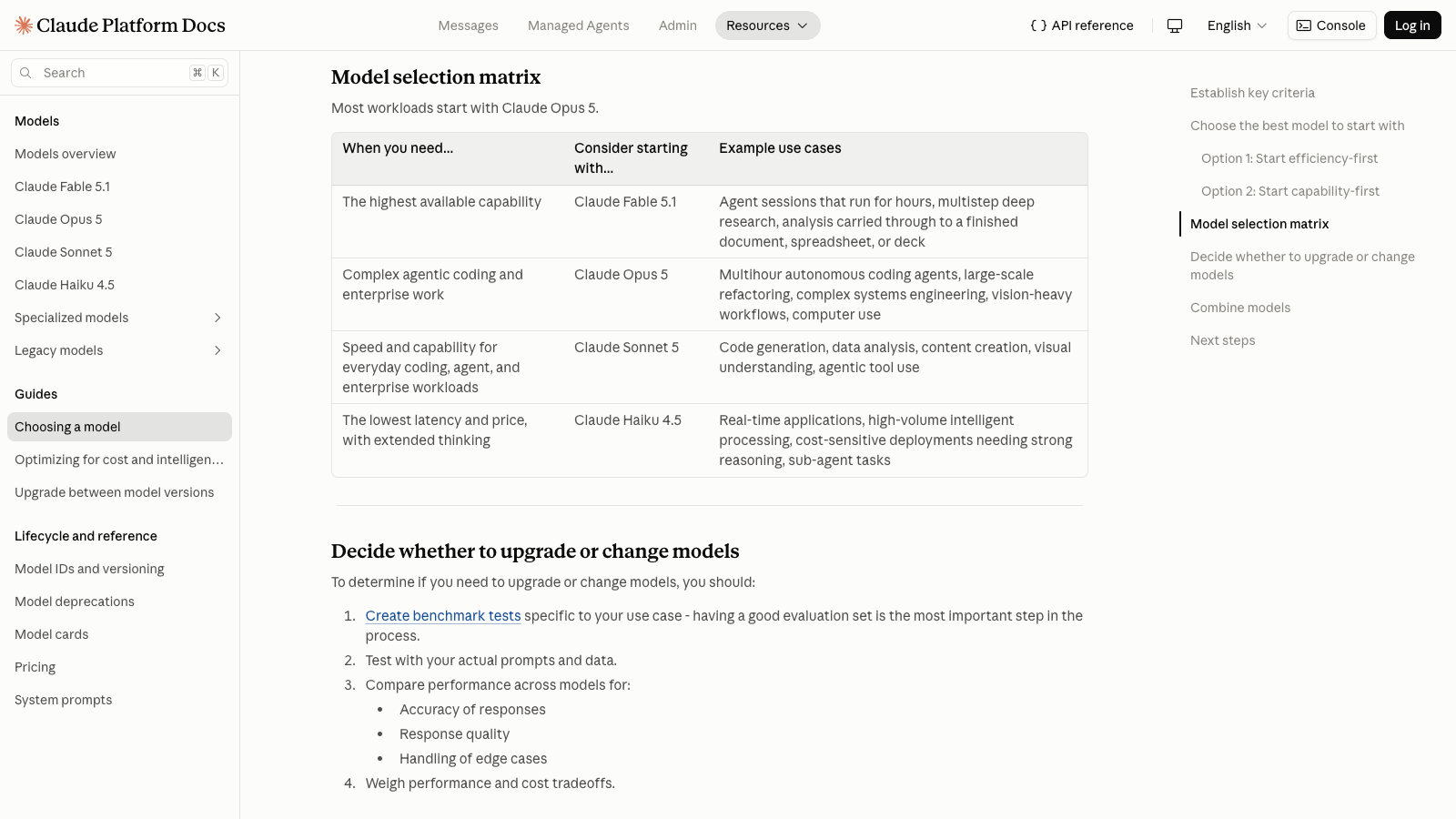
대부분의 일상적인 글쓰기, 분석, 코딩, 도구 사용 작업의 경우 Claude Sonnet 5부터 시작하세요. 까다로운 예외 상황 처리보다 낮은 지연 시간과 높은 처리량이 더 중요한 경우에는 Haiku 4.5를 선택하세요. 작업이 복잡하거나, 검증하기 어렵거나, 실수 시 비용이 많이 드는 경우에는 Opus 5를 선택하십시오. Fable 5.1은 Opus보다 상위 단계의 전문적인 에스컬레이션 경로로, 기본값은 아닙니다.
이러한 권장 사항은 일반적인 혼합 워크로드를 대상으로 합니다. Anthropic의 운영 지침에 따르면 대부분의 워크로드는 Opus 5부터 시작해야 하는 반면, 해당 업체의 작업 매트릭스에서는 일상적인 속도와 성능이 요구되는 작업에 Sonnet을 별도로 권장하고 있습니다. 따라서 적절한 시작점은 단순히 모델 이름뿐만 아니라 사용자의 위험 감수 수준과 평가 과정에 따라 달라집니다.
GlobalGPT는 더 광범위한 워크플로우를 구성합니다 합리적인 가격의 단일 구독으로 실용성을 극대화하세요: Claude, GPT-5.6 Sol, Gemini 3 Pro, Kimi K3 및 다양한 AI 기능이 하나의 대시보드를 공유하여 연구, 글쓰기, 분석, 코딩 및 개선 작업을 지원합니다. 또한 CLI를 통해 터미널, 개발 워크플로우 및 기존 운영 환경 도구에서도 해당 모델에 접근할 수 있습니다. 출력 결과를 비교하는 것은 워크플로우에서 유용한 부분 중 하나입니다. 더 광범위한 제품군 수준의 선택에 대해서는 당사의 ChatGPT, Claude, Gemini 비교. 이 가이드의 나머지 부분에서는 Claude 범위 내에서 선택하는 방법에 중점을 둡니다.
현재의 네 가지 단계는 각기 다른 경제적 문제를 해결합니다. 가장 저렴한 호출이 항상 가장 저렴한 완료 작업이 되는 것은 아니며, 가장 강력한 모델이 반드시 예산을 가장 효율적으로 사용하는 방법인 것도 아닙니다.
Claude 모델 선택 가이드
작업량과 장애 발생 비용에 따라 선택하세요
균형 잡힌 일상 업무에는 Sonnet을 사용하고, 효율성이 필요할 때는 더 낮은 사양의 시스템을 선택하며, 검증하기 어렵거나 실수가 큰 대가를 치를 때는 더 높은 사양의 시스템을 선택하십시오.
하이쿠 4.5
효율성 우선
오류 탐지 및 수정 비용이 저렴하고, 처리량이 많으며, 지연 시간에 민감하고, 범위가 명확히 정의된 작업의 경우 여기서 시작하세요.
다음과 같은 경우 위로 이동하세요예외적인 경우나 검토자의 수정 과정으로 인해 토큰 가격의 이점이 사라집니다.
소네트 5
일상의 균형
일반적인 평가를 받는 혼합형 글쓰기, 분석, 코딩, 시각적 이해 및 도구 활용 활동에 활용하십시오.
다음과 같은 경우 위로 이동하세요장기적인 관점에서의 추론, 검증 또는 실패 비용이 제한 요인이 됩니다.
오푸스 5
역량 우선
복잡한 행위자 코딩, 대규모 프로젝트, 까다로운 진단, 혹은 실수 시 막대한 손실을 초래할 수 있는 의사결정을 다루려면 여기에서 시작하세요.
다음과 같은 경우 아래로 이동하세요.더 저렴한 모델이 동일한 승인 검사를 반복해서 통과한다.
Fable 5.1
예외 경로
더 많은 노력이 필요한 Opus조차 평가 기준을 충족하지 못할 경우에만, 까다로운 추론이나 장시간 소요되는 에이전트 작업에 한해 상위 단계로 에스컬레이션하십시오.
추측하지 마세요품질, 검토 시간, 재시도 횟수를 모두 고려하면 상위 등급이 자동으로 더 저렴해집니다.
실무상의 원칙
대표적인 작업 하나와 그에 대한 수용 검사를 고정하십시오. 안정적으로 통과하는 모델 중 비용이 가장 낮은 것을 선택한 다음, 수정 및 검증에 소요되는 시간을 계산한 후에야 비로소 이를 가장 저렴한 옵션으로 간주하십시오.
현재 Claude 모델 라인업
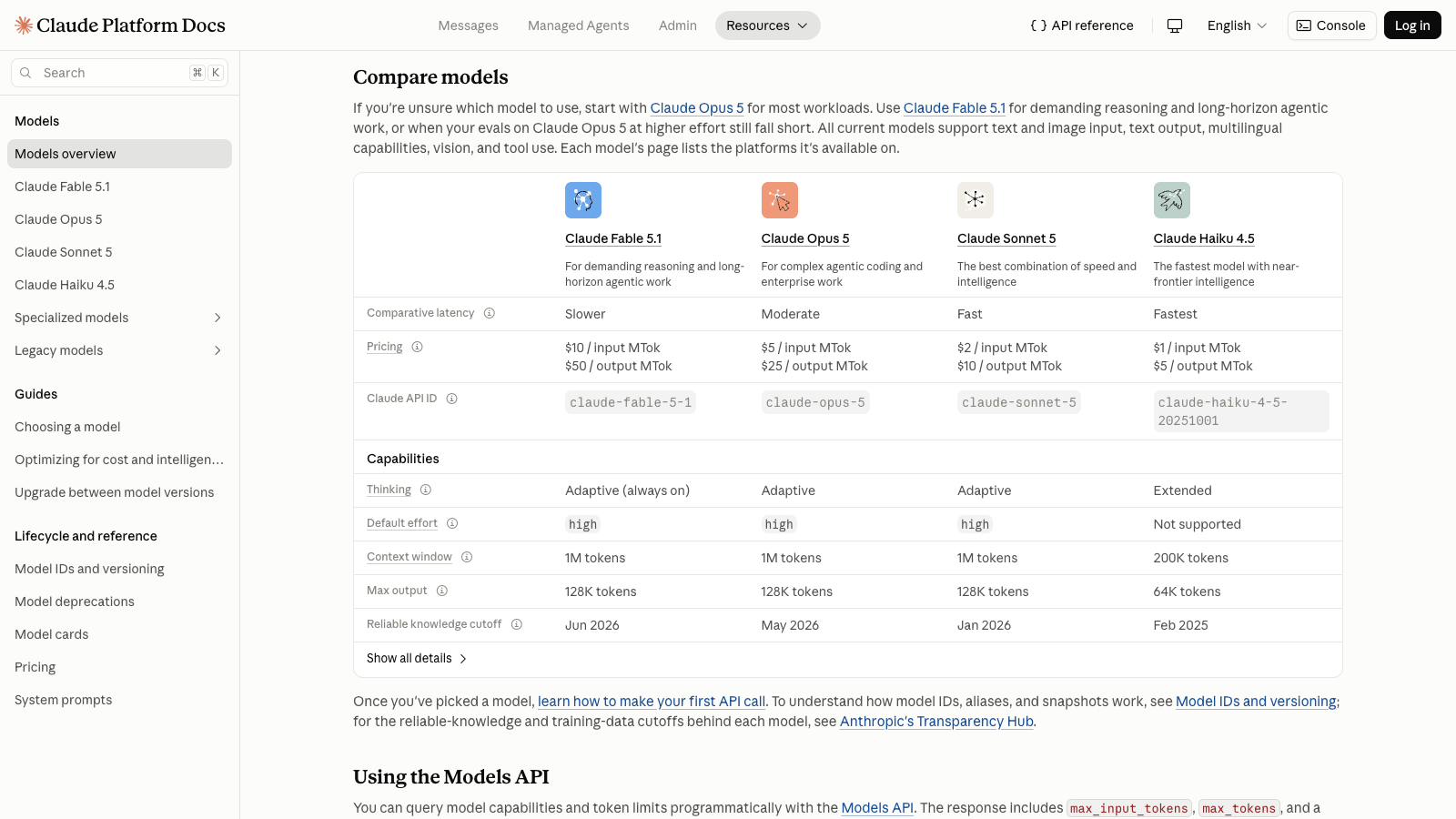
2026년 9월 8일 현재, Anthropic 제품군의 활성 라인업에는 Claude Haiku 4.5, Claude Sonnet 5, Claude Opus 5, Claude Fable 5.1이 포함되어 있습니다. Haiku, Sonnet, Opus는 오랫동안 사용되어 온 제품군 이름이지만, 각 제품군에 부여되는 버전은 시간이 지남에 따라 변경됩니다. 제품군 이름이 항상 동일한 스냅샷을 가리킨다고 가정하지 말고, 실제 운영 환경에서 평가한 정확한 모델 ID를 확인해 두십시오.
현재 모델
공식 속도 표기
API 컨텍스트
최대 출력
기본 API 입력/출력
하이쿠 4.5
가장 빠른
20만
64K
MTok당 $1 / $5
소네트 5
빠른
1M
128K
MTok당 $2 / $10
오푸스 5
보통
1M
128K
MTok당 $5 / $25
Fable 5.1
더 느리게
1M
128K
MTok당 $10 / $50
Anthropic의 모델 개요에는 2026년 9월 8일 현재 라인업으로 Haiku 4.5, Sonnet 5, Opus 5 및 Fable 5.1이 나열되어 있습니다.
Claude.ai에 대한 액세스는 API 사양과 동일하지 않습니다.
Claude.ai 요금제 표에는 소비자 액세스 관련 내용이 설명되어 있으며, 현재 개별 요금제에 대해 20만 컨텍스트 창이 명시되어 있습니다. API 문서에는 Sonnet 5, Opus 5 및 Fable 5.1의 경우 100만 컨텍스트를 포함하여 모델별 컨텍스트 및 출력 제한 사항이 기재되어 있습니다. API 표를 통해 특정 Claude.ai 플랜의 내용을 추론하거나, 소비자 플랜 표를 통해 API 모델의 제한 사항을 추론하지 마십시오. 다음을 참조하십시오. Claude 가격 및 요금제 안내서 계획 수준에서의 구분을 위해.
Claude Haiku vs Sonnet vs Opus: 주요 차이점
주요 절충점은 단순한 품질 순위가 아닙니다. 라인업에서 순위가 높아질수록 복잡한 작업을 처리할 수 있는 능력이 향상되지만, 기본 토큰 비용도 증가하고 일반적으로 속도는 저하됩니다. 컨텍스트 제한과 추론 제어 방식도 서로 다릅니다.
실질적인 상충 관계
공식 라벨 및 기본 API 사양과 더불어, 일반적인 워크로드에 대한 실용적인 시작 지침을 제공합니다.
차원
하이쿠 4.5
소네트 5
오푸스 5
가장 좋은 시작점
빠르고, 반복적이며, 제한된 작업
다양한 일상적 지식 업무
복잡하고 중대한 결과를 초래하는 업무
공식 속도 표기
가장 빠른
빠른
보통
API 컨텍스트 / 출력
200K / 64K
1M / 128K
1M / 128K
추론 제어
수동적 확장적 사고
유연한 사고와 노력
유연한 사고와 노력
API 기본 가격
$1 입력 / $5 출력
$2 입력 / $10 출력
$5 입력 / $25 출력
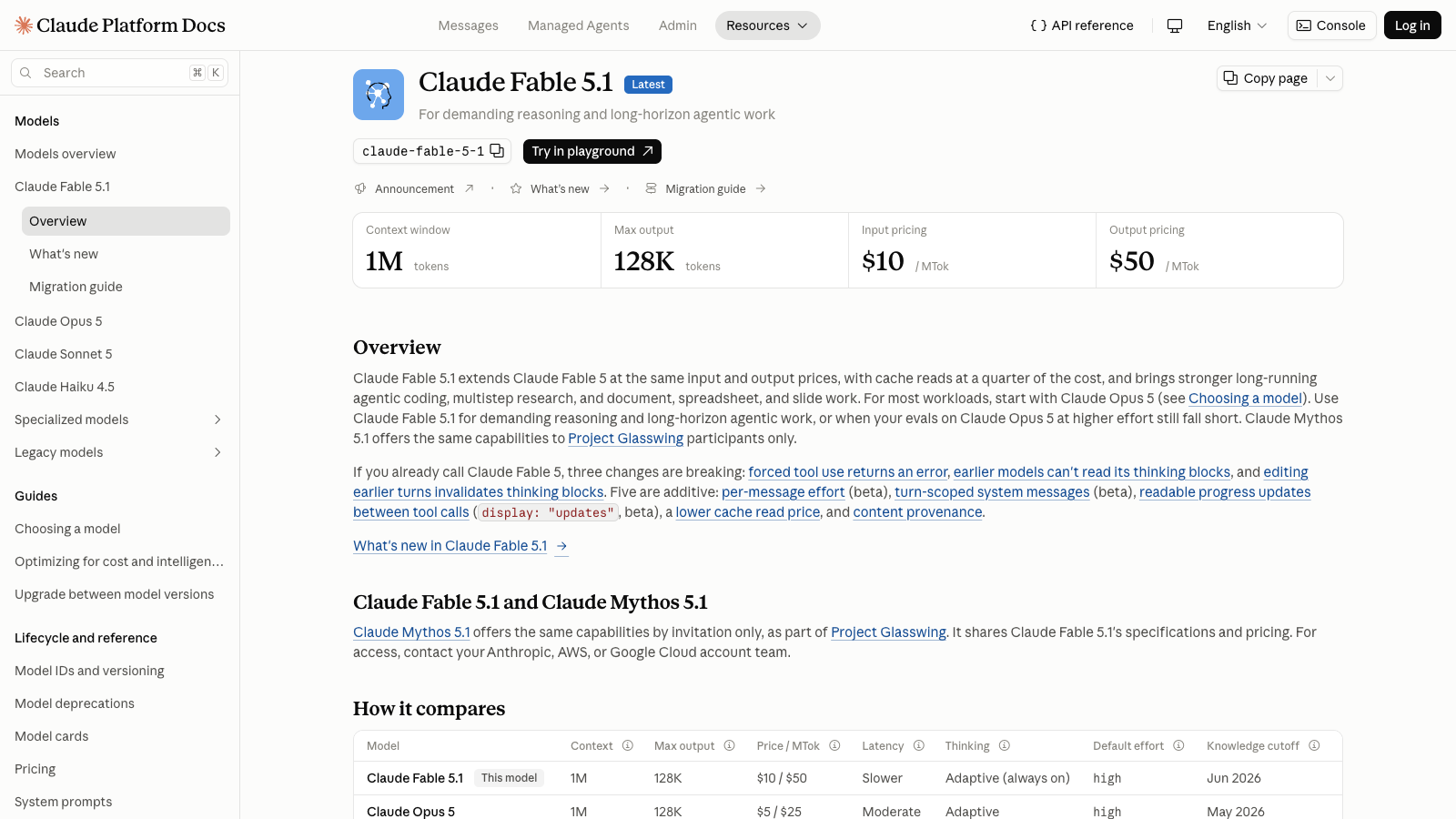
'Fable'이 어떤 위치에 속하는지: Fable 5.1은 공식적으로 ‘Slower’ 등급으로 분류되며, 1M 컨텍스트, 최대 128K 출력, 그리고 100만 토큰당 $10 / $50의 기본 입출력 가격이 적용됩니다. 더 많은 리소스를 투입한 Opus조차 평가 기준을 충족하지 못할 경우, 이를 상위 단계 옵션으로 고려하십시오.
속도 및 지연 시간
Anthropic는 Haiku 4.5를 “가장 빠름”, Sonnet 5를 “빠름”, Opus 5를 “보통”, Fable 5.1을 “느림”으로 분류합니다. 이는 측정된 밀리초 단위나 초당 토큰 수를 나타내는 것이 아니라, 제품의 성능을 정성적으로 나타내는 라벨입니다. 실제 지연 시간은 요청 크기, 추론 설정, 도구, 부하 및 서비스 모드에 따라 달라집니다.
문맥, 출력 및 추론 제어
하이쿠(Haiku)의 200K API 컨텍스트와 64K 최대 출력 용량은 여전히 많은 제한된 작업에 있어 상당한 수준입니다. Sonnet과 Opus는 이 두 한계를 각각 1M과 128K로 확장합니다. Haiku 4.5는 수동 확장 추론을 사용하는 반면, Sonnet 5와 Opus 5는 적응형 추론과 노력 제어를 지원합니다. 이러한 차이는 동일한 추론 설정을 적용하더라도 모든 모델에 걸쳐 완벽하게 동등한 테스트를 생성할 수 없는 이유 중 하나입니다.
각 작업에 어떤 Claude 모델을 사용해야 할까요?
업무량
시작하기
왜
업그레이드 시기
분류, 추출, 라우팅, 지원 분류
하이쿠 4.5
낮은 지연 시간과 낮은 기본 토큰 비용은 명확하고 반복 가능한 작업에 적합합니다.
예외적인 경우나 수정 시간으로 인해 절감 효과가 사라집니다.
글쓰기, 분석, 시각적 이해, 일상적인 코딩
소네트 5
다양한 업무에 맞춰 속도, 성능, 상황, 비용의 균형을 맞췄습니다.
장기적인 추론이나 검증 과정이 병목 현상이 됩니다.
복잡한 코딩, 어려운 진단, 자율 에이전트
오푸스 5
토큰당 최저 가격보다 성능이 더 중요합니다.
더 많은 노력을 기울인 Opus조차도 까다로운 대표성 평가에서는 여전히 실패한다.
매우 오랜 기간에 걸쳐 진행되거나 논리적 사고가 많이 요구되는 작업
Fable 5.1
이는 오푸스 상단의 현재 상승 경로입니다.
측정된 이점이 더 높은 비용을 상쇄할 수 있을 때에만 사용하십시오.
이는 시작점일 뿐, 모든 경우에 통하는 정답은 아닙니다. 예를 들어, 기간은 짧지만 위험 부담이 큰 코드 변경 작업의 경우 Opus를 사용하는 것이 타당할 수 있는 반면, 기간은 길지만 구조가 매우 체계적인 코드 추출 작업의 경우 여전히 Haiku가 적합할 수 있습니다. 실제 워크플로우 예시는 다음 가이드를 참조하십시오. 코딩에 Claude 사용.
최종 후보 목록이 Claude를 넘어설 경우, GlobalGPT를 사용하면 하나의 작업 공간에서 Claude, GPT-5.6 Sol, Gemini 3 Pro 및 Kimi K3에 동일한 대표 프롬프트를 적용해 볼 수 있습니다. 승인 기준을 일관되게 유지하세요. 반복 작업에서는 속도가 중요하지만, 답변 품질과 수정 시간이야말로 저비용 결과가 실제로 더 경제적인지 여부를 결정합니다.
단순히 업무 유형만 보고 선택하지 말고, 실패 시 발생하는 비용을 기준으로 선택하십시오.
문제 라벨은 가장 중요한 변수, 즉 정답이 틀렸을 때 어떤 일이 일어나는지라는 점을 간과하고 있습니다. 아래의 프레임워크는 Anthropic의 ‘효율성 우선’ 및 ‘역량 우선’ 지침에 기반을 둔 편집 결정 도구입니다. 이는 Anthropic 벤치마크가 아닙니다.
실패 비용 사다리
오류를 발견하는 데 드는 비용이 적을 때는 낮은 수준에서 시작하고, 검증 과정이 불완전하거나 비용이 많이 들 때는 높은 수준에서 시작하십시오.
저비용
예시 태그 지정, 라우팅, 초안 정리, 가역적 요약
시작 하이쿠 4.5
상급 부서로 이관 수정 과정에서 효율성 향상이 사라질 때
재료
예시 고객에게 공개될 초안, 검토를 거친 분석 결과, 테스트를 마친 실제 운영용 코드
시작 소네트 5
상급 부서로 이관 검토만으로는 중요한 오류를 확실하게 포착할 수 없는 경우
비싸다
예시 높은 자율성을 수반하는 변화, 진단이 어려운 경우, 중대한 결정
시작 오푸스 5
상급 부서로 이관 더 많은 노력이 필요한 오푸스 평가가 실패한 경우에만 페이블로 넘어갑니다.
Claude 모델을 언제 업그레이드하거나 다운그레이드해야 할까요?
측정된 한계가 나타날 때만 위로 이동합니다
하이쿠에서 소네트로
예외적인 경우, 명령어 누락 또는 검토자의 수정 시간이 절감 효과를 초과할 때는 업그레이드하십시오.
오푸스에게 바치는 소네트
장기적인 실행, 복잡한 추론, 검증 또는 실패 비용이 제약 요인이 될 경우 업그레이드하십시오.
더 많은 노력을 기울인 오푸스
최상위 단계로 넘어가기 전에, 동결된 승인 검사를 통해 까다로운 워크로드를 테스트하십시오.
『오푸스 투 페이블』
더 많은 노력이 필요한 Opus 방식으로도 대표성 평가에서 여전히 실패하고, 그로 인한 이득이 비용을 상쇄할 만한 가치가 있을 때에만 상위 단계로 진행하십시오.
등급 하향 조정 규칙: 더 저렴한 모델이 요구되는 지연 시간과 신뢰성 기준에서 동일한 승인 검사를 반복적으로 통과하면, 다시 하위 모델로 전환하십시오.
Anthropic의 매트릭스는 현재 출시된 4가지 Claude 모델을 다양한 성능, 속도 및 워크로드 요구 사항에 맞춰 분류합니다.
고정된 Claude API 비용 예시
여러 표준 API 요청에 걸쳐 입력 토큰 100만 개와 출력 토큰 10만 개로 구성된 고정된 총 워크로드의 경우, 기본 토큰 비용은 Haiku 4.5의 $1.50부터 Fable 5.1의 $15.00까지 다양합니다. 이는 단일 요청이 아니며, 요청당 출력 제한을 무효화하지 않습니다.
단일 워크로드, Claude 모델 4대
현재 등급이 올라갈수록 동일한 토큰의 가격은 하이쿠 총량의 2배, 5배, 또는 10배가 됩니다.
업무량 입력 1.0M + 출력 0.1M 여러 요청에 걸쳐
하이쿠 4.5
$1.50
소네트 5
$3.00
오푸스 5
$7.50
Fable 5.1
$15.00
모델
입력 계산
출력 계산
합계
하이쿠 4.5
1.0 × $1
0.1 × $5
$1.50
소네트 5
1.0 × $2
0.1 × $10
$3.00
오푸스 5
1.0 × $5
0.1 × $25
$7.50
Fable 5.1
1.0 × $10
0.1 × $50
$15.00
포함 사항: Anthropic 가격 스냅샷 하나를 기준으로 한 표준 기준 입력 및 출력 토큰 비율.
제외 대상: 프롬프트 캐싱, 배치 API, 고속 모드, 지역, 도구 수수료, 세금, 할인, GlobalGPT 크레딧.
가격표에는 토큰의 비용이 명시되어 있을 뿐, 최종 결과물의 비용은 명시되어 있지 않습니다. 재시도, 수정 및 검증에 소요되는 직원 업무 시간이 토큰 비용 절감분보다 더 많을 경우, 더 저렴한 모델이 오히려 더 비싸질 수 있습니다.
Claude 모델 실습 테스트: 동일한 프롬프트, 서로 다른 오류 유형
2026년 9월 9일, 저희는 Anywhere API를 통해 Claude Haiku 4.5, Sonnet 5, Opus 5, Fable 5.1에 동일한 세 가지 프롬프트를 전송했습니다. 과제에는 구조화된 지원 트라이아지, 증거 기반 글쓰기, 검증 가능한 자바스크립트 디버깅이 포함되었습니다. 각 모델의 첫 번째 유효한 출력 결과를 선별하여, 응답을 검토하기 전에 확정된 규칙에 따라 평가했습니다.
결과는 단순한 순위만 나온 것이 아니었습니다. Sonnet, Opus, Fable은 각각 30점 만점에 26.5점을 기록했으나, 각 모델의 강점과 약점은 현저히 달랐습니다. Haiku는 모든 과제에서 허용된 두 번의 시도 모두 HTTP 503 오류를 반환했기 때문에, 이번 테스트에서는 이 모델의 출력 품질을 파악할 수 없었습니다.
시험 설정 및 종합 결과
세 가지 고정 프롬프트, 동일한 작업 수준 토큰 제한, 도구 및 검색 기능 없음, 그리고 각 모델에 대해 첫 번째 유효한 출력만 채택.
장소Anywhere API
날짜2026년 9월 9일
작업체계적인 분류, 런치 노트, 자바스크립트 디버깅
재시도 규칙전송 중, 429/5xx, 빈 콘텐츠 또는 형식이 잘못된 응답
모델
완료된 작업
총 품질 점수
가장 유용한 신호
클로드 하이쿠 4.5
0/3
점수 미부여
승인된 6건의 요청 모두 503 오류가 반환되었으며, 경로 가용성 정보만 제공되었습니다.
클로드 소네트 5
3/3
26.5/30
출시 노트에 명시된 모든 요건을 충족하는 유일한 모델입니다.
Claude Opus 5
3/3
26.5/30
디버깅이 매우 철저했으나, 쓰기 길이 제약 조건을 놓쳤습니다.
Claude Fable 5.1
3/3
26.5/30
정리된 구조화된 출력 결과; 시작 노트가 빈 응답 하나 뒤에 잘렸습니다.
정형화된 출력
테스트 1: 지원 티켓 분류
과제 결과: Fable 5.1, 10/10
Fable은 6개의 라벨과 액션이 모두 정확한, 바로 파싱 가능한 JSON을 반환한 유일한 모델이었습니다. Opus와 Sonnet은 라벨을 정확히 맞췄지만 마크다운 펜스를 추가했으며, 두 모델 모두 제시된 마감 시간 중 하나를 앞당겼고, Sonnet은 시기상조로 수정이나 환불을 약속했습니다.
모델
상태
점수
어디서나 지연 시간
신고된 토큰
무슨 일이 있었나요?
클로드 하이쿠 4.5
경로를 찾을 수 없음
점수 미부여
사용 불가
사용 불가
503 오류 응답 2건; 품질 점수 없음.
클로드 소네트 5
출력값 유지됨
7.5/10
10.39초
1005
라벨은 정확하지만, JSON이 울타리로 둘러싸여 있고 환불/수정 결과가 임의로 설정되어 있습니다.
Claude Opus 5
출력값 유지됨
8.5/10
11.87초
1051
올바른 라벨과 강력한 조치, 하지만 JSON을 제한하고 마감 기한을 강화했다.
Claude Fable 5.1
출력값 유지됨
10/10
8.55초
680
JSON을 직접 파싱할 수 있으며, 모든 동결 검증을 통과했습니다.
전체 테스트 입력
SaaS 지원 문의함을 관리하고 있습니다. 아래의 모든 티켓을 분류하십시오. 'tickets'라는 단일 최상위 필드만 포함된 JSON을 반환하십시오. 'tickets'는 원래 순서대로 배열되어야 하며, 각 항목은 반드시 ticket_id, category, urgency, action을 정확히 포함해야 합니다. category는 billing, access, bug, feature 중 하나여야 하며, urgency는 low, medium, high 중 하나여야 합니다. 티켓 본문 내용만 사용하십시오. 정책 적용 결과나 고객 관련 사실을 임의로 추가하지 마십시오.

#481: 동일한 연간 갱신 요금이 두 번 청구되었습니다. 급여 정산 마감일이 금요일인데, 그때까지 이 문제를 조사해 주시기 바랍니다.
#482: 비밀번호 재설정 안내에 이메일이 발송되었다고 나오지만, 아무것도 도착하지 않았습니다. 스팸함을 확인하고 한 번 더 시도해 보았습니다.
#483: CSV 내보내기에서는 모든 통화 금액이 달러 단위로 반올림되지만, 대시보드에는 여전히 센트가 표시됩니다.
#484: 분석 대시보드에 다크 모드를 추가해 주세요.
#485: 오늘 아침 회사 도메인이 변경된 후, 모든 직원이 SSO 접속 거부 메시지를 받고 있습니다.
#486: 지난달 청구서 사본을 보내 주실 수 있나요?
Claude Haiku 4.5: 전체 운영 결과
모델 출력 결과가 생성되지 않았습니다. 허용된 두 번의 Anywhere API 호출 모두 HTTP 503 오류를 반환했으므로, 이 경로는 사용 불가능한 것으로 표시되어 품질 평가에서 제외되었습니다.
Claude Sonnet 5: 최대 출력
```json
{
  "tickets": [
    {
 "ticket_id": "#481",
      "category": "청구",
 "urgency": "높음",
 "action": "중복된 연간 갱신 요금을 조사하고, 금요일 고객사의 급여 처리 마감 전까지 정정 또는 환불을 처리하십시오."
    },
    {
 "ticket_id": "#482",
      "category": "access",
 "urgency": "medium",
 "action": "계정의 이메일 주소와 메일 수신 가능 여부를 확인한 후, 비밀번호 재설정 이메일을 수동으로 발송하거나 재발송하십시오."
    },
    {
 "ticket_id": "#483",
      "category": "bug",
 "urgency": "medium",
 "action": "엔지니어링 팀에 에스컬레이션하여 CSV 내보내기 시 반올림 문제를 수정하고, 통화 값이 대시보드에 표시된 센트 단위 정밀도와 일치하도록 하십시오."
    },
    {
 "ticket_id": "#484",
 "category": "기능",
 "urgency": "낮음",
 "action": "분석 대시보드의 다크 모드 요청을 기록하고 제품 기능 백로그에 추가하십시오."
    },
    {
 "ticket_id": "#485",
      "category": "access",
 "urgency": "high",
 "action": "변경된 회사 도메인과 관련된 SSO 구성을 즉시 조사하고, 영향을 받은 모든 직원의 접근 권한을 복구하십시오."
    },
    {
      "ticket_id": "#486",
 "category": "billing",
 "urgency": "low",
 "action": "지난달 청구서를 찾아 고객에게 사본을 보내십시오."
    }
  ]
}
```
Claude Opus 5: 최대 출력
```json
{
  "tickets": [
    {
 "ticket_id": "481",
 "category": "청구",
 "urgency": "높음",
 "action": "중복된 연간 갱신 요금을 확인하고, 고객의 금요일 급여 마감 전까지 해결 여부를 확인하기 위해 청구 부서로 에스컬레이션하십시오."
    },
    {
 "ticket_id": "482",
      "category": "access",
 "urgency": "medium",
 "action": "해당 주소로 전송된 재설정 메시지에 대한 이메일 전송 로그를 확인하고, 전달되지 않은 경우 사용자에 대해 검증된 재설정 절차를 실행하십시오."
    },
    {
 "ticket_id": "483",
      "category": "bug",
 "urgency": "medium",
 "action": "CSV 내보내기 시 통화 반올림 오류에 대한 버그 보고서를 작성하고, 대시보드 값과의 불일치를 명시하며, 재현 단계 또는 샘플 내보내기 파일을 요청하십시오."
    },
    {
 "ticket_id": "484",
 "category": "기능",
 "urgency": "낮음",
 "action": "분석 대시보드의 다크 모드 기능 요청으로 등록하고, 구체적인 일정을 약속하지 않은 채 접수 사실을 확인해 주십시오."
    },
    {
 "ticket_id": "485",
      "category": "access",
 "urgency": "high",
 "action": "도메인 변경과 관련된 조직 전체 SSO 장애로 에스컬레이션하고, ID/인증 팀에 SSO 도메인 구성을 즉시 검토하도록 요청하십시오."
    },
    {
      "ticket_id": "486",
 "category": "billing",
 "urgency": "low",
 "action": "요청된 전월 청구서 사본을 인증된 계정 담당자에게 전송합니다."
    }
  ]
}
```
Claude Fable 5.1: 최대 출력
{"tickets":[{"ticket_id":"481","category":"청구","urgency":"높음","action":"신고된 중복 연간 갱신 요금에 대해 조사하고, 고객의 금요일 급여 지급 마감 기한 전에 답변을 제공하십시오."},{"ticket_id":"482","category":"access","urgency":"medium","action":"해당 사용자의 이메일 주소에 대한 비밀번호 재설정 이메일 발송 로그를 확인하고, 이메일을 재발송하거나 대체 재설정 방법을 안내하십시오."},{"ticket_id":"483","category":"버그","urgency":"중","action":"CSV 내보내기 시 통화 금액이 달러 단위로 반올림되는 현상을 재현하고, 수정 요청을 위해 엔지니어링 팀에 에스컬레이션하십시오."},{"ticket_id":"484","category":"기능","urgency":"low","action":"분석 대시보드의 다크 모드 요청 사항을 제품 팀에 기록하고 접수 사실을 확인해 주십시오."},{"ticket_id":"485","category":"access","urgency":"high","action":"도메인 변경 후 발생한 전사적 SSO 접근 거부 오류를 상위 부서로 에스컬레이션하고, SSO 도메인 구성을 검토하십시오."},{"ticket_id":"486","category":"billing","urgency":"low","action":"지난달 청구서 사본을 찾아 고객에게 발송하십시오."}]}
첫 유효 출력 정책. 지연 시간은 Anywhere를 통과하는 실제 소요 시간이며, 네이티브 Anthropic 지연 시간이 아닙니다. 토큰 수는 공급자가 보고한 수치이며, 이 경로를 통해 직접적인 API 비용은 산출되지 않습니다.
제약 조건 준수
테스트 2: 증거 기반 출시 노트
과제 결과: Sonnet 5, 10/10
Sonnet은 모든 고정된 요구 사항을 충족한 유일한 모델이었습니다. Opus는 강력한 메모를 생성했으나 글자 수 제한을 초과했으며, 응답하지 않은 모든 사용자를 등록된 학생으로 간주했습니다. Fable의 첫 번째 응답은 비어 있었으며, 허용된 재시도에서는 권장 사항이나 주의 사항이 빠진, 명백히 잘린 메모가 반환되었습니다.
모델
상태
점수
어디서나 지연 시간
신고된 토큰
무슨 일이 있었나요?
클로드 하이쿠 4.5
경로를 찾을 수 없음
점수 미부여
사용 불가
사용 불가
503 오류 응답 2건; 품질 점수 없음.
클로드 소네트 5
출력값 유지됨
10/10
9.94초
796
‘범위’, ‘구조’, ‘증거’, ‘권고 사항’ 및 ‘주의 사항’에 대한 요건을 충족했습니다.
Claude Opus 5
출력값 유지됨
8/10
9.49초
826
분석은 탄탄하지만, ‘고정 단어 수 측정법’ 기준으로는 223단어가 부족하며, 근거가 부족한 추론이 하나 포함되어 있습니다.
Claude Fable 5.1
출력값 유지됨
6.5/10
19.27초
1685
첫 번째 응답이 비어 있습니다. 저장된 재시도 내용은 권장 사항 및 주의 사항이 나오기 전에 잘렸습니다.
전체 테스트 입력
아래 사실들만을 바탕으로 제품 디렉터를 위한 180~220단어 분량의 내부 출시 공지를 작성하십시오. 여기에는 제목, 짧은 서두 문단, 정확히 세 개의 글머리 기호, 권고 사항, 그리고 명확하게 표시된 주의 사항 하나가 포함되어야 합니다. 예산 결의안, 백분율, 통계적 유의성 또는 인과 관계를 임의로 만들어내지 마십시오.

사실:
- 시범 프로그램에는 120명의 학생이 등록했습니다.
- 3월 31일 점검 시점에 96명의 학생이 최소 3회 이상의 세션에 참석했습니다.
- 71명의 응답자를 대상으로 한 설문조사에서 평균 점수는 5점 만점에 4.3점이었습니다.
- 프로그램 운영 명세서에는 예산이 $18,000으로 기재되어 있습니다.
- 재정 승인 메모에는 $20,000으로 기재되어 있습니다. 이 차이가 수정된 것인지, 아니면 기록 오류인지는 명시되어 있지 않습니다.
- 참가자들은 무작위로 배정되지 않았으며, 기준선 점수도 수집되지 않았습니다.
- 결정해야 할 사항은 두 번째 시범 사업을 시작할지 여부이지, 프로그램을 영구적으로 시행할지 여부가 아닙니다.
Claude Haiku 4.5: 전체 운영 결과
모델 출력 결과가 생성되지 않았습니다. 허용된 두 번의 Anywhere API 호출 모두 HTTP 503 오류를 반환했으므로, 이 경로는 사용 불가능한 것으로 표시되어 품질 평가에서 제외되었습니다.
Claude Sonnet 5: 최대 출력
**제목: 시범 프로그램 결과 — 2차 시범 프로그램 추진 권고**

초기 시범 프로그램의 첫 번째 점검 기간이 종료되었으며, 초기 참여 및 만족도 지표는 고무적입니다. 2차 시범 프로그램을 확정하기 전에, 팀이 함께 검토해야 할 몇 가지 데이터와 미해결 사항이 있습니다.

- 등록한 120명의 학생 중 96명이 3월 31일 점검 시점까지 최소 3회 이상의 세션에 참석했습니다.
- 71명이 응답한 세션 후 설문조사 결과, 5점 만점에 평균 4.3점을 기록했습니다.
- 문서마다 예산 수치가 일치하지 않습니다. 프로그램 운영 명세서에는 $18,000으로 기재되어 있는 반면, 재정 승인 메모에는 $20,000으로 기재되어 있습니다. 이것이 수정된 내용인지, 아니면 기록 오류인지는 불분명합니다.

**권고 사항:** 출석률 및 설문 조사 결과를 고려할 때, 더 광범위한 확대 시행 결정을 고려하기 전에 — 가급적이면 명확히 정의된 대조군과 기준선 측정을 포함하여 — 보다 체계적인 데이터를 수집하기 위해 두 번째 시범 사업을 진행할 것을 권고합니다. 또한 이 두 번째 시범 사업은 예산이 최종 확정되기 전에 재무 부서와 예산 불일치 사항을 조정할 기회로도 활용되어야 합니다.

**주의 사항:** 이 결과는 신중하게 해석해야 합니다. 참가자들이 무작위로 배정되지 않았고 기준선 점수도 수집되지 않았으므로, 설문조사 결과나 참석 패턴을 프로그램 자체의 효과로 귀인할 수 없습니다. 이는 두 번째 시범 운영에 대한 범위 설정 결정일 뿐, 영구적인 시행에 대한 결정은 아닙니다.
Claude Opus 5: 최대 출력
**제목: 시범 운영 결과 및 두 번째 시범 운영 대상 그룹에 대한 권고 사항**

첫 번째 시범 운영이 3월 31일 중간 점검을 마쳤으며, 이제 두 번째 시범 운영을 진행할지 여부를 결정하기에 충분한 정보를 확보했습니다. 본 문서는 우리가 관찰한 내용, 권고 사항, 그리고 해석에 있어 주요 한계점을 요약한 것입니다. 현재 단계에서는 정식 도입에 대한 결정은 아직 논의되지 않고 있습니다.

- **참여 및 활동도:** 120명의 학생이 등록했습니다. 3월 31일 점검 시점 기준으로, 이 중 96명이 최소 3회 이상의 세션에 참석했습니다.
- **참가자 피드백:** 71명의 응답자를 대상으로 한 사후 설문조사에서 평균 5점 만점에 4.3점을 기록했습니다. 나머지 등록 학생들은 응답하지 않았으므로, 이 점수는 해당 하위 집단을 반영한 것입니다.
- **예산 불일치:** 프로그램 운영 명세서에는 $18,000의 예산이 기재되어 있는 반면, 재정 승인 메모에는 $20,000이 기재되어 있습니다. 재정 승인 메모에는 이 차이가 예산 수정 사항인지 기록 오류인지 명시되어 있지 않으며, 어느 수치를 기준으로 할 것인지 아직 확정되지 않았습니다.

**권고 사항:** 지출을 확정하기 전에 재무팀과 프로그램 운영팀이 두 예산 수치를 조정하고 단일 기준 수치를 확정하는 것을 조건으로, 두 번째 시범 사업 계획을 진행하십시오. 두 번째 시범 운영에서는 참가자 모집 시점에 기준 점수도 수집해야 합니다.

**주의 사항:** 참가자들은 무작위로 배정되지 않았으며, 기준 점수도 수집되지 않았습니다. 따라서 참여도 및 설문조사 수치는 이 그룹이 수행하고 보고한 내용을 나타낼 뿐이며, 프로그램이 어떤 결과를 초래했는지 또는 다른 대상 집단에서 어떤 성과를 낼지는 알 수 없습니다.
Claude Fable 5.1: 최대 출력
**제목:** 시범 운영 중간 점검 요약 및 2차 시범 운영 권고안

안녕하세요, [이사님],

아래는 3월 31일 중간 점검 시점의 시범 운영 현황 요약과 2차 시범 운영 진행 여부에 대한 권고안입니다. 본 문서는 2차 시범 운영 결정에 대해서만 다루며, 본격적인 확대 시행에 대해서는 다루지 않습니다.

- **등록 및 출석:** 120명의 학생이 등록했습니다. 3월 31일 점검 시점에서 96명이 최소 3회 이상의 세션에 출석했습니다.
- **참가자 피드백:** 설문조사 결과, 71명의 응답자로부터 5점 만점에 평균 4.3점을 받았습니다.
- **예산 기록:** 프로그램 운영 명세서에는 $18,000의 예산이 기재되어 있는 반면, 재무 승인 메모에는 $20,000이 기재되어 있습니다. 재무 메모에는 이 차이가 예산 수정 사항인지, 아니면 기록 오류인지 명시되어 있지 않습니다.

**
첫 유효 출력 정책. 지연 시간은 Anywhere를 통과하는 실제 소요 시간이며, 네이티브 Anthropic 지연 시간이 아닙니다. 토큰 수는 공급자가 보고한 수치이며, 이 경로를 통해 직접적인 API 비용은 산출되지 않습니다.
코드의 정확성
테스트 3: 감사 가능한 자바스크립트 디버깅
과제 결과: Opus 5와 Fable 5.1이 동점, 10/10
사용 가능한 세 모델 모두 결함을 발견했으며, 8개의 실행 가능한 사례를 통과한 대체 코드를 생성했습니다. Opus와 Fable은 유효한 JSON을 반환하여 10점 만점에 10점으로 동점을 기록했습니다. Sonnet의 코드도 통과했으나, 코드를 둘러싼 마크다운 펜스가 ‘직접 JSON’ 요구 사항을 위반했습니다.
모델
상태
점수
어디서나 지연 시간
신고된 토큰
무슨 일이 있었나요?
클로드 하이쿠 4.5
경로를 찾을 수 없음
점수 미부여
사용 불가
사용 불가
503 오류 응답 2건; 품질 점수 없음.
클로드 소네트 5
출력값 유지됨
9/10
13.17초
1471
대체 코드는 8개 사례 중 8개를 모두 통과했으나, 제한된 출력에서는 JSON 형식 관련 점수를 잃었습니다.
Claude Opus 5
출력값 유지됨
10/10
20.17초
1826
유효한 JSON이며, 두 가지 결함이 모두 확인되었고, 8개 중 8개의 실행 가능한 케이스가 통과되었습니다.
Claude Fable 5.1
출력값 유지됨
10/10
15.89초
1409
유효한 JSON, 간결한 진단 결과, 그리고 8개 중 8개의 실행 가능한 케이스를 통과했습니다.
전체 테스트 입력
이 자바스크립트 함수를 진단하고 수정하십시오. root_cause(문자열), replacement(전체 대체 함수를 포함하는 문자열), tests(테스트 케이스 문자열의 배열), remaining_risk(문자열) 이렇게 정확히 네 개의 필드만 포함된 JSON을 반환하십시오. 테스트를 실행했다고 주장하지 마십시오. 계약을 충족하는 가장 간결하고 명확한 수정 코드를 작성하십시오.

계약:
- tasks는 프로미스를 반환하는 인수가 없는 함수들의 배열입니다.
- 값이 0, false 또는 빈 문자열인 경우에도 입력 순서대로 가장 먼저 완료된 값을 반환해야 합니다.
- 실패한 작업은 무시하십시오.
- 모든 작업이 실패하거나 배열이 비어 있을 경우 null을 반환하십시오.

현재 코드:
async function firstSuccessful(tasks) {
  const results = await Promise.all(tasks.map((task) => task()));
  return results.find(Boolean) || null;
}
Claude Haiku 4.5: 전체 운영 결과
모델 출력 결과가 생성되지 않았습니다. 허용된 두 번의 Anywhere API 호출 모두 HTTP 503 오류를 반환했으므로, 이 경로는 사용 불가능한 것으로 표시되어 품질 평가에서 제외되었습니다.
Claude Sonnet 5: 최대 출력
```json
{
  "root_cause": "Two bugs: (1) Promise.all rejects immediately if any task rejects, instead of ignoring rejected tasks; (2) results.find(Boolean) incorrectly treats falsy fulfilled values (0, false, '') as failures, causing them to be skipped in favor of null.",
  "replacement": "async function firstSuccessful(tasks) {\n  const settled = await Promise.allSettled(tasks.map((task) => task()));\n  const firstFulfilled = settled.find((r) => r.status === 'fulfilled');\n  return firstFulfilled ? firstFulfilled.value : null;\n}",
  "tests": [
    "test('returns null for empty array', async () => { expect(await firstSuccessful([])).toBeNull(); });",
    "test('returns null when all tasks reject', async () => { const tasks = [() => Promise.reject('err1'), () => Promise.reject('err2')]; expect(await firstSuccessful(tasks)).toBeNull(); });",
    "test('returns first fulfilled value even if falsy (0)', async () => { const tasks = [() => Promise.resolve(0), () => Promise.resolve(42)]; expect(await firstSuccessful(tasks)).toBe(0); });",
    "test('returns first fulfilled value even if false', async () => { const tasks = [() => Promise.resolve(false), () => Promise.resolve(true)]; expect(await firstSuccessful(tasks)).toBe(false); });",
    "test('returns first fulfilled value even if empty string', async () => { const tasks = [() => Promise.resolve(''), () => Promise.resolve('nonempty')]; expect(await firstSuccessful(tasks)).toBe(''); });",
    "test('ignores leading rejected tasks and returns first fulfilled in order', async () => { const tasks = [() => Promise.reject('err'), () => Promise.resolve('second'), () => Promise.resolve('third')]; expect(await firstSuccessful(tasks)).toBe('second'); });",
    "test('preserves input order even if later task resolves faster', async () => { const tasks = [() => new Promise((res) => setTimeout(() => res('slow-first'), 50)), () => new Promise((res) => setTimeout(() => res('fast-second'), 5))]; expect(await firstSuccessful(tasks)).toBe('slow-first'); });"
  ],
  "remaining_risk": "The fix assumes 'first fulfilled value in input order' means the first task by array index that fulfills, regardless of timing, which matches the contract wording but await Promise.allSettled waits for all tasks to complete (including slow ones) before returning, which may not be desired if early-exit performance is needed; also unhandled promise rejection warnings are avoided by allSettled, but if tasks throw synchronously instead of returning rejected promises, this is not explicitly tested here beyond the reject cases."
}
```
Claude Opus 5: 최대 출력
{
  "root_cause": "Two defects. (1) `Promise.all` rejects as soon as any task rejects, so a single rejected task makes the whole function reject instead of ignoring it and returning a later fulfilled value. (2) `results.find(Boolean) || null` selects by truthiness rather than by fulfillment, so legitimate fulfilled values such as 0, false, '', NaN, null, or undefined are skipped and/or coerced to null. Using `Promise.allSettled` plus a status check on the settled records fixes both, and returning `record.value` directly preserves falsy results.",
  "replacement": "async function firstSuccessful(tasks) {\n  const results = await Promise.allSettled(tasks.map((task) => task()));\n  const firstFulfilled = results.find((result) => result.status === 'fulfilled');\n  return firstFulfilled ? firstFulfilled.value : null;\n}",
  "tests": [
    "firstSuccessful([]) resolves to null (empty input).",
    "firstSuccessful([() => Promise.resolve('a'), () => Promise.resolve('b')]) resolves to 'a' (input order, not completion order).",
    "firstSuccessful([() => new Promise((res) => setTimeout(() => res('slow-first'), 50)), () => Promise.resolve('fast-second')]) resolves to 'slow-first' (order is by index, not by who settles first).",
    "firstSuccessful([() => Promise.reject(new Error('boom')), () => Promise.resolve('second')]) resolves to 'second' (rejection ignored, does not propagate).",
    "firstSuccessful([() => Promise.reject(new Error('a')), () => Promise.reject(new Error('b'))]) resolves to null (all reject).",
    "firstSuccessful([() => Promise.resolve(0)]) resolves to 0, not null (falsy number preserved).",
    "firstSuccessful([() => Promise.resolve(false)]) resolves to false (falsy boolean preserved).",
    "firstSuccessful([() => Promise.resolve('')]) resolves to '' (empty string preserved).",
    "firstSuccessful([() => Promise.resolve(undefined), () => Promise.resolve('later')]) resolves to undefined (first fulfilled wins even if its value is undefined).",
    "firstSuccessful([() => Promise.reject(new Error('x')), () => Promise.resolve(null), () => Promise.resolve('third')]) resolves to null because index 1 fulfilled with null — verifying null-as-value is not confused with the all-rejected sentinel by inspecting status.",
    "firstSuccessful([() => Promise.resolve(NaN)]) resolves to NaN (Number.isNaN on the result is true)."
  ],
  "remaining_risk": "The function still starts every task and awaits all of them, so there is no short-circuiting: a slow or never-settling later task delays or blocks the result, and side effects of later tasks always occur. A task that throws synchronously (rather than returning a rejected promise) will throw inside `tasks.map`, causing the returned promise to reject instead of being ignored; wrap the invocation in `Promise.resolve().then(task)` if that must also be tolerated. `null` is still returned both for all-rejected/empty input and when a task genuinely fulfills with `null`, so callers cannot distinguish those cases. Non-array or non-function inputs are not validated, and rejection reasons are discarded rather than aggregated (no AggregateError), which can hide diagnostics."
}
Claude Fable 5.1: 최대 출력
{"root_cause":"Two defects: (1) Promise.all rejects as soon as any task rejects, so rejected tasks are not ignored and the function throws instead of skipping them; (2) results.find(Boolean) skips legitimate falsy fulfilled values (0, false, '') and the trailing '|| null' also converts such values to null, violating the requirement to return the first fulfilled value even when it is falsy.","replacement":"async function firstSuccessful(tasks) {\n const results = await Promise.allSettled(tasks.map((task) => task()));\n const first = results.find((result) => result.status === 'fulfilled');\n return first ? first.value : null;\n}","tests":["firstSuccessful([]) resolves to null","firstSuccessful([() => Promise.resolve('a'), () => Promise.resolve('b')]) resolves to 'a'","firstSuccessful([() => Promise.reject(new Error('x')), () => Promise.resolve('b')]) resolves to 'b' and does not throw","firstSuccessful([() => Promise.reject(new Error('x')), () => Promise.reject(new Error('y'))]) resolves to null","firstSuccessful([() => Promise.resolve(0), () => Promise.resolve(5)]) resolves to 0","firstSuccessful([() => Promise.resolve(false), () => Promise.resolve(true)]) resolves to false","firstSuccessful([() => Promise.resolve(''), () => Promise.resolve('z')]) resolves to ''","firstSuccessful([() => Promise.reject(new Error('x')), () => Promise.resolve(null)]) resolves to null (fulfilled null is returned as-is)","firstSuccessful([() => new Promise(r => setTimeout(() => r('slow'), 50)), () => Promise.resolve('fast')]) resolves to 'slow' (input order wins over settlement order)"],"remaining_risk":"All tasks are started concurrently and the function waits for every task to settle before returning, so a slow task delays the result even when an earlier task has already fulfilled; a sequential or early-exit strategy would be needed if latency matters. A task that throws synchronously (rather than returning a rejected promise) will still cause the function to reject, since the contract assumes tasks return promises. Promise.allSettled requires ES2020 or a polyfill."}
첫 유효 출력 정책. 지연 시간은 Anywhere를 통과하는 실제 소요 시간이며, 네이티브 Anthropic 지연 시간이 아닙니다. 토큰 수는 공급자가 보고한 수치이며, 이 경로를 통해 직접적인 API 비용은 산출되지 않습니다.
이러한 Anywhere 결과는 모델 선택이 단일 리더보드 대신 해당 작업에 맞춰 이루어져야 하는 이유를 보여줍니다. GlobalGPT에서는 Claude 및 기타 주요 모델에 대해 자신의 프롬프트에 동일한 비교 방법을 적용한 다음, 품질 기준, 속도 요구 사항, 검토 작업량에 가장 잘 부합하는 출력을 선택할 수 있습니다.
비교를 공정하게 재현하는 방법
대표적인 작업을 일시 정지합니다. 동일한 의도, 원자료, 도구 접근 권한 및 목표 수용 확인 절차를 사용하십시오.
첫 번째 유효한 출력값을 기록하십시오. 주 비교에서 특정 모델에 대해 재시도 횟수를 몰래 늘리지 마십시오.
품질과 가용성을 구분하십시오. 인증, 용량 및 경로 오류는 품질 점수가 아닌 가용성 참고 사항에 포함되어야 합니다.
전체 워크플로우를 측정하십시오. 경과 시간, 검토자 투입 시간, 수정 시간 및 실패한 작업의 복구 시간을 집계합니다.
가장 저렴한 통과 모델을 선택하십시오. 프롬프트, 도구, 모델 버전 또는 실패 비용이 변경될 경우 재테스트하십시오.
GlobalGPT의 활용 분야
Anthropic는 더 많은 노력이 필요한 Opus 5 평가조차도 기대에 미치지 못할 때, 까다로운 작업을 위해 Fable 5.1을 배치합니다.
2026년 9월 8일 현재, Anthropic의 현재 제품 라인업에는 Claude Haiku 4.5, Claude Sonnet 5, Claude Opus 5 및 Claude Fable 5.1이 포함되어 있습니다. 정확한 버전 및 모델 ID는 변경될 수 있으므로, 배포 전에 공식 모델 개요를 다시 확인하시기 바랍니다.
Claude Haiku, Sonnet, Opus의 차이점은 무엇인가요?
Haiku는 속도와 낮은 기본 토큰 비용을 중시하고, Sonnet은 일상적인 작업을 위해 속도와 성능을 균형 있게 조화시키며, Opus는 복잡하거나 결과가 중대한 작업에 필요한 성능을 우선시합니다. 올바른 선택은 절대적인 순위가 아니라 사용자의 워크로드와 검증 비용에 따라 달라집니다.
대부분의 작업에는 어떤 Claude 모델을 사용해야 할까요?
대부분의 일상적인 글쓰기, 분석, 코딩, 시각적 이해 및 도구 활용 작업에는 Sonnet 5로 시작하세요. 실패 시 비용이 많이 들거나, 작업에 더 심도 있는 추론과 까다로운 검증이 필요한 경우에는 대신 Opus 5로 시작하세요.
코딩을 하기에 가장 적합한 Claude 모델은 무엇일까요?
Sonnet 5는 일반적인 검토 및 테스트를 동반한 일상적인 코딩을 위한 실용적인 출발점입니다. 어려운 진단, 복잡한 에이전트 기반 코딩, 장기적인 실행, 또는 실수 시 큰 대가를 치러야 하는 변경 사항이 필요한 경우에는 Opus 5를 사용하십시오.
글쓰기에 가장 적합한 Claude 모델은 무엇일까요?
Sonnet 5는 대부분의 초안 작성 및 편집 작업에 있어 균형 잡힌 출발점입니다. Haiku 4.5는 분량이 많고 구조가 탄탄한 원고에 적합하며, Opus 5는 복잡한 종합 작업이나 검증하기 어려운 중요한 자료의 경우 테스트해 볼 가치가 있습니다.
Claude Sonnet가 Opus보다 더 좋은가요?
항상 그런 것은 아닙니다. Sonnet 5는 기본 API 요금 기준으로 더 빠르고 저렴하며, Anthropic는 Opus 5가 더 복잡한 작업을 처리할 수 있도록 해줍니다. 더 나은 모델이란, 귀사의 승인 기준을 안정적으로 충족하는 가장 저렴한 옵션을 말합니다.
Claude Fable가 Opus를 대체하는 건가요?
No. Anthropic는 Fable 5.1을, 더 많은 노력이 필요한 Opus 5조차도 역부족일 때 까다로운 추론이나 장시간 소요되는 에이전트 작업을 위한 단계적 대응 수단으로 규정하며, Opus를 대체할 수 있는 범용적인 대안으로 간주하지는 않습니다.
Claude.ai와 Claude API는 동일한 컨텍스트 윈도우를 사용하나요?
No. Claude.ai 요금제의 사용 한도와 API 모델 사양은 별도로 규정되어 있습니다. Anthropic 요금제별 표에는 현재 200K 컨텍스트 윈도우가 명시되어 있는 반면, API 문서에는 Sonnet 5, Opus 5 및 Fable 5.1의 경우 1M 컨텍스트가 명시되어 있습니다.
언제 하이크(Haiku)에서 소넷(Sonnet)이나 오푸스(Opus)로 업그레이드해야 할까요?
수락 검사 실패, 까다로운 경계 사례, 수정 시간, 검증 노력 또는 오류로 인한 비용이 하위 모델의 속도와 토큰 가격상의 이점을 상쇄할 때 업그레이드하십시오. 더 저렴한 모델이 동일한 고정된 검사를 반복적으로 통과할 때는 다시 하위 모델로 돌아가십시오.
API를 통해 Claude Haiku, Sonnet, Opus의 요금은 각각 얼마인가요?
2026년 9월 8일 확인된 Anthropic의 기본 요율에 따르면, Haiku 4.5는 입력 $1, 출력 $5가 소요되며, Sonnet 5는 $2와 $10이 소요되고, Opus 5는 토큰 100만 개당 $5와 $25의 비용이 듭니다. Anthropic의 공식 가격 안내 페이지 현재 요금 및 기타 요금제를 확인하시려면.
최종 결론: 기준을 충족하는 가장 저렴한 모델부터 시작하세요
일반적인 복합 작업의 경우, Sonnet 5가 여전히 가장 실용적인 기본 설정이며, 이번 테스트에서 모든 실행 노트 제약 조건을 통과한 유일한 모델이었습니다. Opus 5와 Fable 5.1은 각기 다른 강점을 바탕으로 Sonnet의 총점 26.5/30과 동점을 기록했으며, Haiku 4.5는 허용된 모든 시도에서 Anywhere 경로를 통해 503 오류가 반환되어 점수를 매길 수 없었습니다. 이 결과들은 영구적인 보편적 순위가 아닌, 워크로드에 대한 참고 자료로만 간주하시기 바랍니다.
다음 단계는 간단합니다. 실제 작업 하나를 고정하고, 합격 기준을 명확히 정의한 뒤, 유력한 후보 모델들을 모두 비슷한 조건에서 실행해 보고, 최종 비용에 오류 수정 시간을 반영하세요. 승자는 토큰 단가가 가장 낮거나 티어 등급이 가장 높은 모델이 아니라, 안정적으로 합격 기준을 충족하는 데 드는 비용이 가장 적은 모델입니다.
GlobalGPT는 해당 방식을 더 광범위하고 경제적인 AI 워크플로우의 일부로 만듭니다. 단일 대시보드에서 Claude, GPT-5.6 Sol, Gemini 3 Pro, Kimi K3 및 기타 주요 모델을 활용하여 다양한 AI 기능을 사용한 후, GlobalGPT CLI를 통해 터미널, 개발 워크플로우 및 기존 생산 도구로 작업을 이어갈 수 있습니다. 병렬 테스트를 통해 최적의 모델을 선택할 수 있으며, 더 큰 장점은 전체 워크플로우를 원활하게 연결해 둔다는 점입니다.