

يُعد MiniMax H3 مثيرًا للاهتمام لأنه يحاول حل مشكلة أصعب من مجرد تحويل النص إلى فيديو: الحفاظ على اتساق الملخص الإبداعي عندما يتضمن هذا الملخص صورة للموضوع، أو مرجعًا للحركة، أو أسلوبًا للتصوير، أو إشارة صوتية، أو إطارًا نهائيًّا محددًا. والسؤال هنا لا يقتصر على ما إذا كان بإمكان H3 إنتاج مقطع فيديو جميل فحسب، بل يتعلق بما إذا كانت عناصر التحكم هذه تجعل النتيجة أكثر قابلية للتنبؤ بها وفائدة.
تستعرض هذه المراجعة الخاصة بـ MiniMax H3 المواصفات المؤكدة، والأمثلة الرسمية، وأسعار واجهة برمجة التطبيقات (API)، وحدود الإنتاج، والأسئلة المفتوحة التي يجب أخذها في الاعتبار قبل إنفاق المال. وقد نشرت MiniMax تفاصيل كافية لتقييم شكل المنتج، لكنها لم تقدم أدلة مستقلة كافية لإطلاق ادعاءات عامة بشأن الموثوقية أو السرعة أو التفوق.
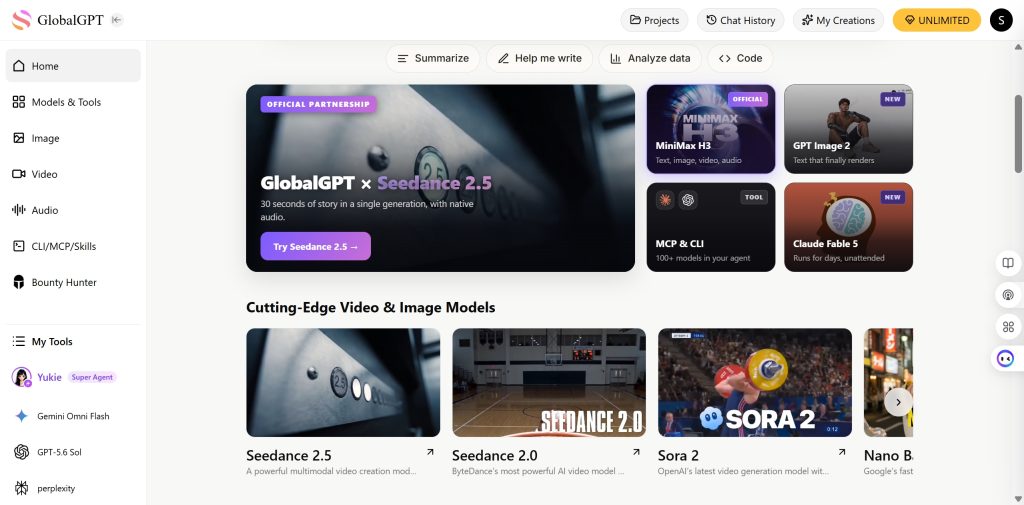
ما هو MiniMax H3؟
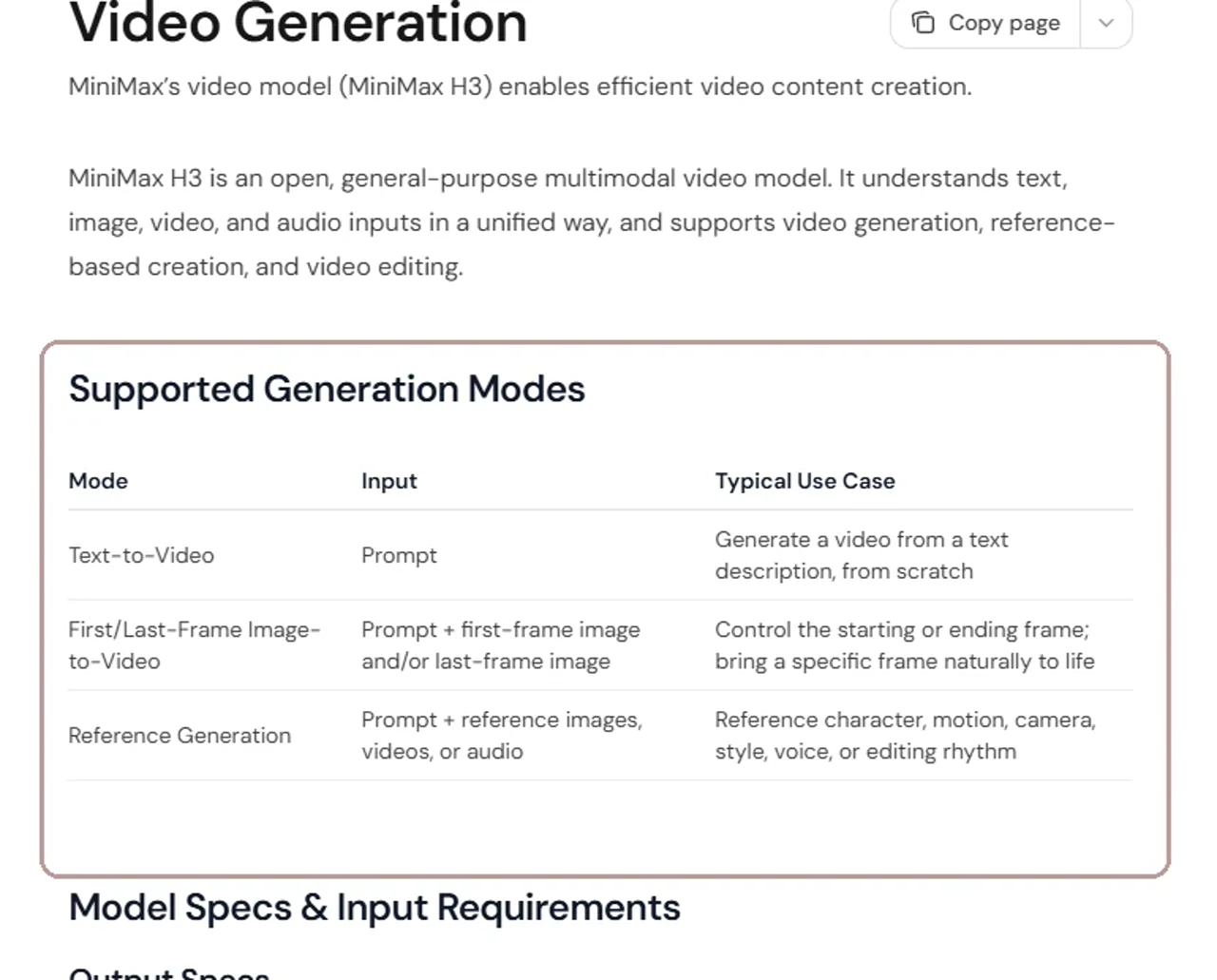
MiniMax H3 هو نموذج فيديو متعدد الوسائط مفتوح ومتعدد الأغراض من مشروع MiniMax. وفقًا لـ الدليل الرسمي لإنتاج مقاطع الفيديو, ، فهو يفهم المدخلات النصية والصورية والمرئية والصوتية في طلب واحد، ويدعم إنشاء مقاطع الفيديو، والإنشاء القائم على المراجع، وتحرير مقاطع الفيديو. واسم نموذج واجهة برمجة التطبيقات (API) العامة هو MiniMax-H3.
يكمن الاختلاف العملي في التحكم. فبرنامج إنشاء الفيديو البسيط يبدأ بموجه ويبتكر الباقي. أما H3 فيمكنه أيضًا استخدام الإطار الأول أو الإطار الأخير أو الصور المرجعية أو المقاطع المرجعية أو الملفات الصوتية المرجعية. وهذا يمنح المبدعين المزيد من الطرق لتحديد من يظهر في الفيديو، وكيف تتحرك الكاميرا، والأسلوب الذي يجب اتباعه، والمكان الذي يجب أن تنتهي فيه اللقطة.
نظرة سريعة على مواصفات MiniMax H3
| المواصفات | MiniMax H3 |
|---|---|
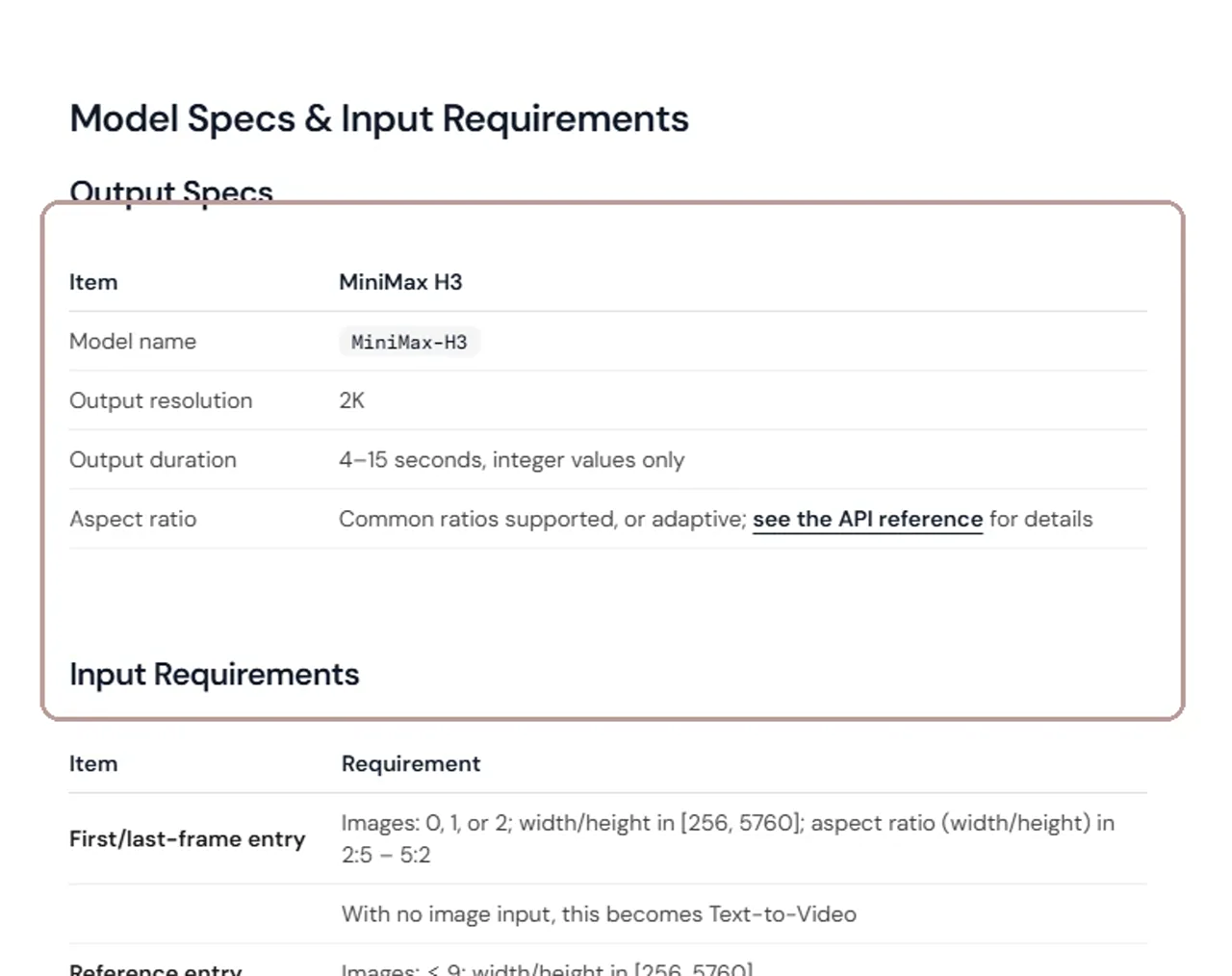
| الاسم الرسمي للطراز | MiniMax-H3 |
| أنواع المدخلات | النص والصورة والفيديو والصوت |
| دقة الإخراج | 2K |
| مدة الإخراج | 4–15 ثانية، قيم صحيحة |
| أوضاع التوليد | تحويل النص إلى فيديو، وتحويل الصورة (الإطار الأول/الأخير) إلى فيديو، وتوليد المرجع |
| نسب العرض إلى الارتفاع | 21:9، 16:9، 4:3، 1:1، 3:4، 9:16، أو التكيفية حيثما كان ذلك متاحًا |
| حد عدد المطالبات | ما يصل إلى 7,000 حرف |
| الحدود المرجعية | ما يصل إلى 9 صور، و3 مقاطع فيديو، و3 مقاطع صوتية؛ بإجمالي 12 ملفًا متنوعًا |
السعة المرجعية
يمكن لموجه واحد أن ينسق بين أربعة أنواع من المدخلات
يُحدد الحد الأقصى لملفات الوسائط المختلطة بـ 12 ملفًا. ويتطلب ملف الصوت وجود صورة أو مقطع فيديو مرجعي واحد على الأقل.
هذه المواصفات مأخوذة من MiniMax مرجع واجهة برمجة تطبيقات الفيديو V2. تتطلب عملية تحويل النص إلى فيديو نسبة عرض إلى ارتفاع ثابتة. ويتم إنشاء الإطار الأول أو الأخير وفقًا لنسبة الصورة، في حين يمكن إنشاء الإطارات المرجعية باستخدام نسبة قابلة للتكيف أو نسبة محددة.
تُعد علامة «2K» مواصفة إخراجية، وليست ضمانًا بأن كل إطار سيظهر بنفس الدرجة من التفاصيل. فالدقة، والاتساق الزمني، ودقة الاستجابة، والواقعية الفيزيائية، كلها جوانب منفصلة تتعلق بالجودة. وهي تتطلب إجراء اختبارات محكمة بدلاً من الاعتماد على ما ورد في ورقة المواصفات.
ميزات MiniMax H3 وما يميزه
الفيديوهات الرسمية الواردة أدناه هي أمثلة اختارتها MiniMax. وهي مفيدة لفهم الكيفية التي يُفترض أن تعمل بها كل ميزة، لكن الأمثلة المختارة بعناية لا تعادل اختبارات التحمل المستقلة.
تحويل النص إلى فيديو مع توجيهات تصوير الكاميرا
يمكن لـ H3 إنشاء مقطع فيديو بناءً على الوصف النصي وحده. كما يوصي MiniMax بتضمين توجيهات الكاميرا مثل [pan], [تكبير], أو [ضوضاء] مباشرةً بعد الوصف ذي الصلة. وهذا يجعل التوجيه مسؤولاً عن كل من محتوى المشهد وسلوك اللقطة.
في هذا المثال الرسمي، لا يقتصر الأمر على ملاحظة التفاصيل السطحية فحسب. انظر إلى ما إذا كانت الكاميرا تتبع الحركة الموصوفة، وما إذا كان الموضوع يظل متماسكًا من لقطة إلى أخرى، وما إذا كان التكوين يحافظ على تماسكه عندما تصبح الحركة أكثر تعقيدًا.
مراجع موحدة متعددة الوسائط
يُعد إنشاء المراجع السبب الأبرز الذي يجعل H3 يبدو مختلفًا عن الأدوات الأساسية التي تعتمد على المطالبات فقط. يمكن لطلب واحد أن يجمع بين تعليمات مكتوبة وصور مرجعية ومقاطع فيديو مرجعية ومقاطع صوتية مرجعية. وتشير MiniMax إلى أن النموذج قادر على استخدام هذه المواد لتقليد موضوع معين أو حركة أو أسلوب تصوير أو أسلوب بصري أو صوت أو إيقاع تحرير.
يناسب هذا النهج الإعلانات التي تركز على الشخصيات، ولقطات المنتجات، ومقاطع الفيديو الخاصة بالعلامات التجارية، ونقل الحركة؛ لأن المبدع يمكنه تقديم دليل على المعنى المقصود بـ“الاتساق”. أما المقابل فهو إعدادات أكثر تعقيدًا: فجودة المرجع، وتسميات الأدوار، وحدود حجم الملفات، ووضوح التعليمات، كلها عوامل تؤثر على الطلب.
إذا كان التبادل بين مقاطع الفيديو عنصراً أساسياً في مشروعك، فإن النطاق الأوسع سير عمل تحويل الفيديو إلى فيديو باستخدام الذكاء الاصطناعي يشرح لماذا يمكن أن تكون الإشارات المتعلقة بالحركة والبنية ذات أهمية لا تقل عن أهمية النص الموجه.
التحكم في الإطار الأول والأخير
يقبل H3 الإطار الأول أو الإطار الأخير أو كليهما. وهذا يتيح للمبدعين تحديد نقطة بداية اللقطة ونقطة نهايتها، تاركين للنموذج مهمة إنشاء الانتقال بين هاتين النقطتين.
في هذا النوع من الأمثلة، قم بتقييم ما إذا كان الانتقال يبدو متعمدًا وما إذا كانت كلتا الصورتين النهائيتين لا تزالان قابلتين للتعرف عليهما. يمكن أن يكون هذا عنصر التحكم مفيدًا في تسلسلات «قبل وبعد»، وكشف النقاب عن المنتجات، وتحولات الشخصيات، والمقاطع القصيرة المُركبة من إطارين رئيسيين معتمدين.
تظهر فكرة إنتاجية مماثلة في هذا الدليل الخاص بـ إنتاج فيلم قصير من صورتين, ، على الرغم من اختلاف النموذج وعناصر التحكم المحددة.
إخراج بدقة 2K ومدة مرنة تتراوح بين 4 و15 ثانية
يدعم MiniMax H3 إخراج بدقة 2K ومددًا صحيحة تتراوح من 4 إلى 15 ثانية. ويُعد هذا النطاق طويلًا بما يكفي لتصوير لقطة اجتماعية كاملة، أو لقطة منتج، أو انتقال، أو تسلسل سينمائي موجز، دون الحاجة إلى حصر كل فكرة في قالب ثابت مدته ست أو عشر ثوانٍ.
الحدود المفروضة على المدخلات الموجهة للإنتاج
يقبل النموذج المطالبات التي تصل إلى 7,000 حرف. يدعم إنشاء المرجع ما يصل إلى تسع صور، وثلاثة مقاطع فيديو، وثلاثة ملفات صوتية، بحد أقصى إجمالي يبلغ اثني عشر ملفًا مختلطًا. يمكن أن تتراوح مدة كل مقطع فيديو أو مقطع صوتي مرجعي على حدة بين 2 و15 ثانية، في حين أن المدة الإجمالية لمقاطع الفيديو المرجعية مجتمعة لا تتجاوز 15 ثانية.
تشير هذه الحدود إلى استخدام إنتاجي منظم، لكن زيادة المدخلات لا تعني بالضرورة أنها أفضل. فمجموعة أصغر من الإرشادات الواضحة أسهل في التفسير من طلب مكتظ يحتوي على مواضيع متضاربة، وأنماط تصوير مختلفة، وإشارات صوتية متنوعة.
أسعار MiniMax H3 والتكلفة الفعلية لكل مقطع فيديو
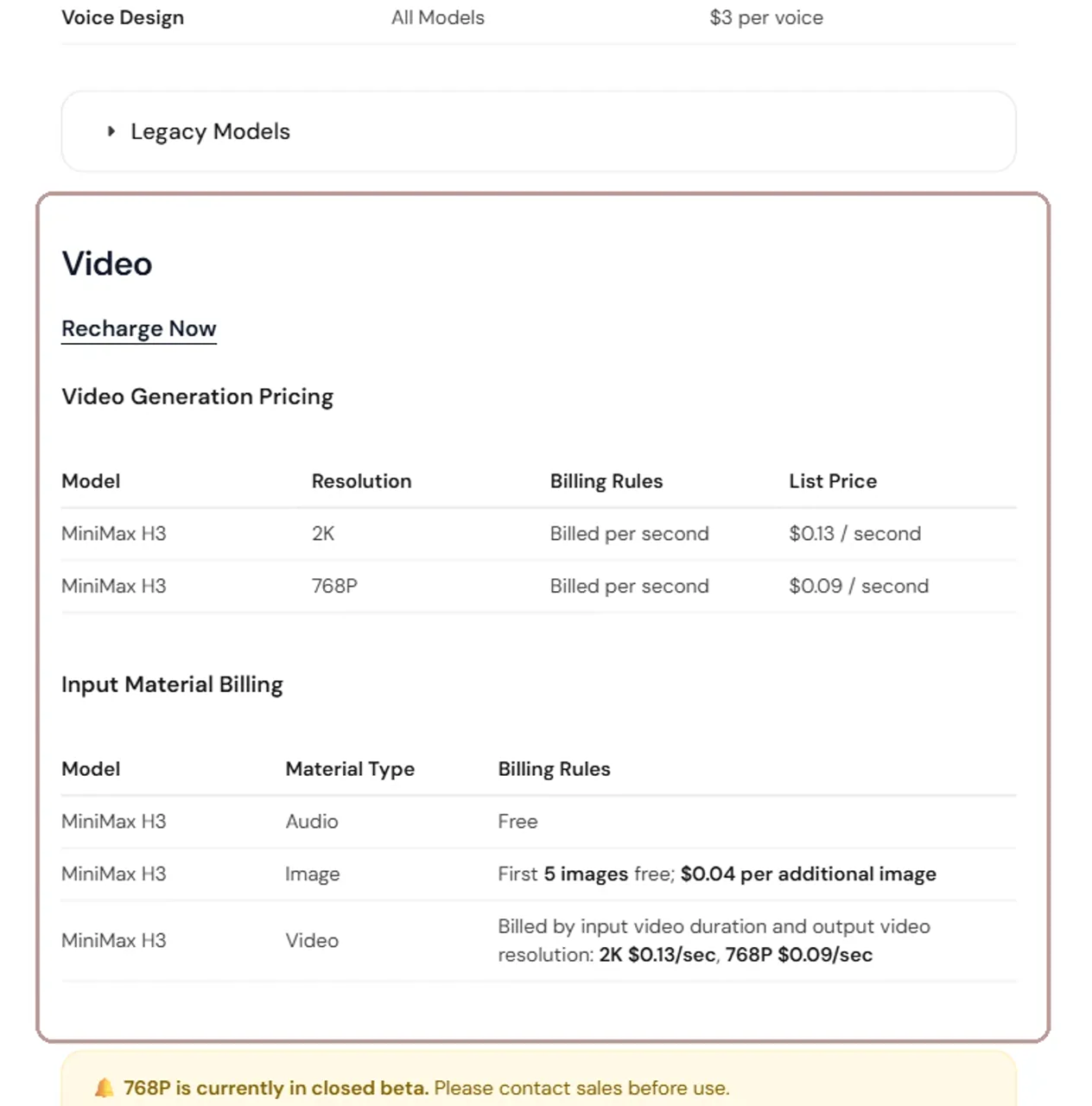
يُدرج MiniMax H3 ضمن تسعير واجهة برمجة التطبيقات (API) بنظام الدفع الفوري. الـ صفحة الأسعار الرسمية يتم احتساب الرسوم على أساس كل ثانية مولدة، لذا فإن المدة لها تأثير مباشر ويمكن التنبؤ به على تكلفة الإنتاج.
| الناتج | السعر الرسمي | 5 ثوانٍ | 10 ثوانٍ | 15 ثانية | التوفر |
|---|---|---|---|---|---|
| 2K | $0.13/ثانية | $0.65 | $1.30 | $1.95 | مُدرج على أنه متوفر |
| 768P | $0.09/ثانية | $0.45 | $0.90 | $1.35 | الإصدار التجريبي المغلق؛ يرجى الاتصال بقسم المبيعات |
تكلفة الإنتاج بقيمة 2 ألف
تتناسب مقاطع الفيديو الأطول تبعاً لخطي بمعدل $0.13 في الثانية
تم حسابها استنادًا إلى السعر الرسمي لكل ثانية لواجهة برمجة التطبيقات (API) لـ MiniMax.
تشمل هذه المجاميع الناتج الذي تم إنتاجه فقط. وقد تُفرض رسوم إضافية على الصور المرجعية ومقاطع الفيديو المرجعية.
المجاميع المذكورة أعلاه لـ 5 و10 و15 ثانية هي حسابات مستمدة من معدلات MiniMax لكل ثانية، وليست أسعارًا منفصلة للحزم. عند 2K، تكون الصيغة بسيطة: المدة × $0.13. يمكن أن تؤثر التجربة الفاشلة على الجدوى الاقتصادية إذا كنت بحاجة إلى عدة أجيال قبل الوصول إلى نتيجة قابلة للاستخدام.
- يُشار إلى أن الملف الصوتي المرجعي متاح مجانًا.
- الصور المرجعية الخمس الأولى مجانية؛ وتبلغ تكلفة كل صورة إضافية $0.04.
- يتم احتساب تكلفة الفيديو المرجعي بناءً على مدة الإدخال بمعدل الدقة المحددة للإخراج.
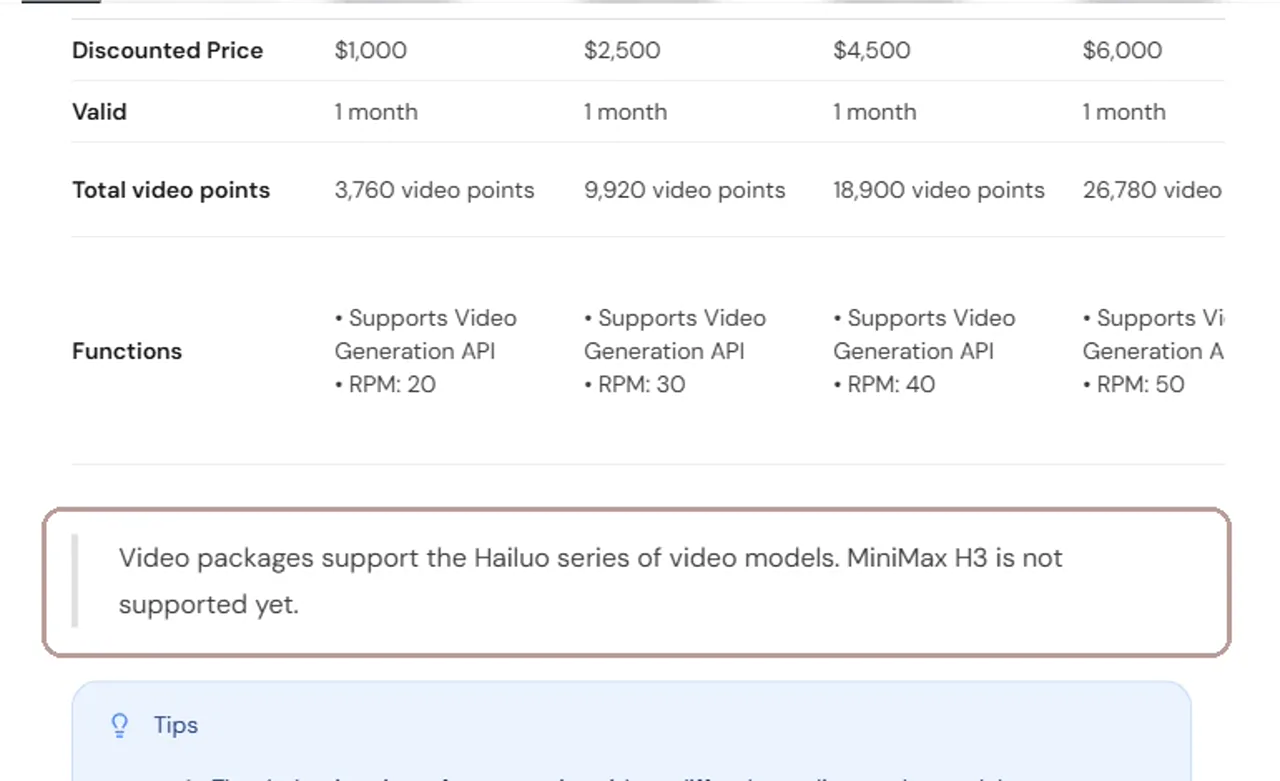
- لا تدعم باقات الفيديو المدفوعة مسبقًا الحالية من نوع MiniMax إلى Hailuo تقنية H3 حتى الآن.
استثناءات الحزمة مهمة. الـ الصفحة الرسمية لمجموعة مقاطع الفيديو تشير إلى أن H3 غير مدعوم حتى الآن، لذا يجب ألا يفترض المشترون أن حزمة النقاط Hailuo الحالية تشمل الطراز الجديد.
MiniMax H3: القيود والأسئلة المفتوحة
- الأمثلة الرسمية تم انتقاؤها بعناية. فهي تُظهر نقاط القوة المقصودة، وليس معدل الفشل العادي.
- لم تظهر حتى الآن أي نتائج مستقلة لاختبار GlobalGPT. لا تزال المعلومات المتعلقة بالالتزام الفوري، والسرعة، ومحاولات إعادة التنفيذ، واستخدام الرصيد غير مؤكدة.
- قد تصبح تكلفة 2K باهظة مع تكرار العملية. تبلغ قيمة الإخراج الواحد الذي مدته 15 ثانية $1.95 قبل إضافة رسوم المواد المرجعية.
- لا تزال نسخة 768P في مرحلة التجربة المغلقة. السعر الأقل ليس خيارًا متاحًا بشكل عام.
- حزم الفيديو الحالية لا تشمل H3. يجب أن يظل نظام الدفع الفوري ونظام الباقات المدفوعة مسبقًا منفصلين.
- لا تزال هناك تساؤلات حول الجودة. تحتاج الأيدي، والوجوه، والنصوص المقروءة، والفيزياء، وانتقالات المشاهد، والصوت الأصلي، واتساق الشخصيات إلى اختبارات قابلة للتكرار.
أكبر عنصر مفقود ليس مجرد ادعاءً آخر بشأن الميزات. بل هو حزمة اختبار خاضعة للرقابة تستخدم مطالبات ومدخلات متطابقة عبر نموذج H3 والنماذج المماثلة له. وإلى أن يتوفر ذلك، ينبغي لأي تقييم نزيه لنموذج H3 بنظام MiniMax أن يعامل هذا النموذج على أنه واعد وليس مثبت الفعالية.
MiniMax H3 مقابل Hailuo 2.3: ما الذي تغير؟
| نقطة اتخاذ القرار | MiniMax H3 | عائلة Hailuo 2.3 |
|---|---|---|
| التحديد الموضعي | نموذج فيديو متعدد الوسائط للأغراض العامة | السلسلة السابقة من أجهزة توليد الفيديو Hailuo |
| المدخلات المرجعية | الصور والفيديو والصوت في بنية محتوى واحدة | يعتمد ذلك على طراز Hailuo المحدد وجهاز النهاية |
| مدة الإخراج | 4–15 ثانية | تشمل الخيارات الشائعة 6 أو 10 ثوانٍ |
| دقة الإخراج | 2K في واجهة برمجة التطبيقات H3 V2 | تتضمن قوائم الأسعار القديمة خيارات بدقة 768P و1080P |
| الفواتير | $0.13/ثانية لـ 2K | $0.19–$0.56 لكل مقطع في الأمثلة القديمة المذكورة |
| باقات الفيديو المدفوعة مسبقًا | غير مدعوم حتى الآن | مدعوم من حزم Hailuo الحالية |
يبدو أن H3 صُمم بحيث يعتمد على مراجع أكثر ثراءً، ومدة أطول وأكثر مرونة، وطلب موحد متعدد الوسائط. ولا يزال Hailuo 2.3 يتمتع بميزة الدعم الراسخ للحزم. وهذا لا يثبت أن H3 ينتج مقاطع فيديو أفضل: فليس إلا المدخلات والمطالبات المتطابقة هي التي يمكنها الإجابة عن سؤال الجودة.
يمكن للمبدعين الذين يقارنون بين الأسواق الأوسع نطاقاً الاطلاع أيضًا على أفضل خيارات برامج إنشاء مقاطع الفيديو باستخدام الذكاء الاصطناعي, عناصر التحكم Kling 3.0, و مسارات الوصول Seedance 2.0 قبل اختيار أداة طويلة الأمد.
كيفية الوصول إلى MiniMax H3
Hailuo AI Web
يُعد Hailuo AI Web أسهل طريقة للمبدعين الراغبين في تجربة H3 دون الحاجة إلى إنشاء سير عمل لواجهة برمجة التطبيقات (API). قم بتسجيل الدخول، وافتح مساحة عمل إنشاء الفيديو، وابحث عن MiniMax H3 في أداة اختيار النماذج. قد تختلف إتاحة هذه الميزة حسب الحساب أو المنطقة، لذا استخدم اسم النموذج المعروض في مساحة العمل الحالية الخاصة بك بدلاً من افتراض أن كل حساب يحتوي على نفس القائمة.
مسار واجهة برمجة التطبيقات (API) الرسمي
تستخدم الطريقة الرسمية واجهة برمجة تطبيقات (API) غير متزامنة. حيث تقوم بإرسال طلب إنشاء، ثم تتلقى معرّف المهمة، وتستعلم عن حالة المهمة، وتقوم بتنزيل النتيجة من عنوان URL الذي يتم إرجاعه عند نجاح المهمة. كما يتعين على المطورين تجهيز عناوين URL صالحة لوسائط عامة أو ملفات تم تحميلها لاستخدامها كأصول مرجعية، والالتزام بقواعد الحجم والتنسيق والدور الواردة في وثائق واجهة برمجة التطبيقات.
خط GlobalGPT: قريبًا
سيتوفر MiniMax H3 قريبًا على GlobalGPT. لم يتم تأكيد تاريخ الإطلاق النهائي، أو إمكانية الوصول إلى الخطة، أو حدود الاستخدام، أو عنوان URL الخاص بالنموذج بعد، لذا لا تتضمن هذه المقالة أي معلومات مختلقة بشأنها. يوفر GlobalGPT بالفعل مساحة عمل متعددة النماذج، مما يجعله مكانًا عمليًا لمقارنة H3 مع نماذج الفيديو والنماذج متعددة الوسائط الأخرى بمجرد إطلاق الخدمة.
إذا كانت أولويتك هي استخدام أكثر من طراز واحد، فاستعرض هذه الطرازات بدائل الفيديو بالذكاء الاصطناعي أثناء التحضير للوصول إلى H3.

الحكم النهائي على مراجعة MiniMax H3
يتميز MiniMax H3 بمزايا جذابة في مرحلته الأولى: إخراج بدقة 2K، ومقاطع مرنة تتراوح مدتها بين 4 و15 ثانية، والتحكم في الإطار الأول والأخير، وطريقة موحدة لاستخدام المراجع الخاصة بالصور والفيديو والصوت. ويُعد نظام المراجع الميزة الأكثر أهمية في الإنتاج الفعلي، لأنه يوفر للمبدعين المزيد من الطرق لتحديد العناصر التي يجب أن يحافظ عليها النموذج.
والتحذير واضح بنفس القدر. فالنسخ التجريبية الرسمية لا يمكنها ضمان جودة الإخراج المعتادة، كما أن تكلفة 2 ألف لكل ثانية قد ترتفع عندما تتطلب اللقطة عدة محاولات. ويبدو أن برنامج H3 يستحق التجربة في مرحلة مبكرة إذا كان التحكم المرجعي أمرًا مهمًا في عملك؛ لكن من السابق لأوانه وصفه بأنه الخيار الأفضل للإنتاج بكميات كبيرة.
ينبغي تحديث الحكم النهائي بعد قيام GlobalGPT بإطلاق H3، ويمكن عندئذٍ اختبار النموذج باستخدام مطالبات ومدخلات وأوقات توليد وسجلات تكلفة قابلة للتكرار.
الأسئلة المتداولة
ما هو MiniMax H3؟
MiniMax H3 هو نموذج فيديو قائم على الذكاء الاصطناعي متعدد الوسائط يقبل المراجع النصية والصورية والمرئية والصوتية. وهو يدعم تحويل النص إلى فيديو، والتحكم في الإطار الأول والأخير، وإنشاء الفيديو استنادًا إلى المراجع.
هل يُنتج MiniMax H3 فيديو بدقة 2K؟
نعم. تذكر الوثائق الرسمية لـ MiniMax الخاصة بـ H3 أن دقة الإخراج الحالية لواجهة برمجة التطبيقات V2 هي 2K. ولا تضمن الدقة وحدها مستوى التفاصيل أو اتساق الحركة أو دقة الاستجابة.
ما هي المدة القصوى التي يمكن أن تصل إليها مقاطع الفيديو من نوع MiniMax H3؟
يدعم MiniMax H3 المدة الزمنية الناتجة التي تتراوح بين 4 و15 ثانية بقيم صحيحة. وتبلغ تكلفة إنشاء ملف بحجم 2 كيلوبايت ومدة 15 ثانية $1.95 وفقًا للسعر الرسمي لواجهة برمجة التطبيقات (API) البالغ $0.13 لكل ثانية.
كم يبلغ سعر MiniMax H3؟
يُدرج MiniMax جيل 2K H3 بمعدل $0.13 لكل ثانية إخراج. أما المعدل المُدرج لـ 768P فهو $0.09 في الثانية، لكن هذا الخيار لا يزال حاليًا في مرحلة تجريبية مغلقة ويتطلب الاتصال بقسم المبيعات.
هل يمكن لـ MiniMax H3 استخدام مراجع الصور والفيديو والصوت؟
نعم. يمكن لعملية إنشاء المرجع دمج الصور ومقاطع الفيديو ومقاطع الصوت مع النص المطلوب. لا يمكن استخدام الصوت بمفرده؛ حيث يلزم وجود صورة أو مقطع فيديو مرجعي واحد على الأقل.
هل يتضمن باقات الفيديو MiniMax قناة MiniMax H3؟
ليس بعد. تشير الصفحة الرسمية لحزم الفيديو الخاصة بـ MiniMax إلى أن حزم الفيديو الحالية لـ Hailuo لا تدعم MiniMax H3، لذا لا ينبغي اعتبار الفوترة عبر واجهة برمجة التطبيقات (API) لـ H3 ونقاط الحزم المدفوعة مسبقًا مسار وصول واحدًا.
هل يتوفر الطراز MiniMax H3 في الطراز GlobalGPT؟
سيتم طرح MiniMax H3 قريبًا على GlobalGPT. لم يتم تأكيد تاريخ الإطلاق، والأسعار، وحدود الاستخدام، والمسار النهائي للطراز بعد، لذا يرجى مراجعة تفاصيل المنصة المباشرة قبل نشر أي تعهد محدد بشأن الوصول.
هل طراز MiniMax H3 أفضل من طراز Hailuo 2.3؟
يقدم H3 بنية مرجعية متعددة الوسائط أحدث، ومدة مرنة تتراوح بين 4 و15 ثانية، ومخرجات بدقة 2K. ولا تثبت هذه المواصفات جودة فيديو أفضل؛ فالإجابة العادلة تتطلب استخدام نفس المطالبات والمدخلات في كلا النموذجين.