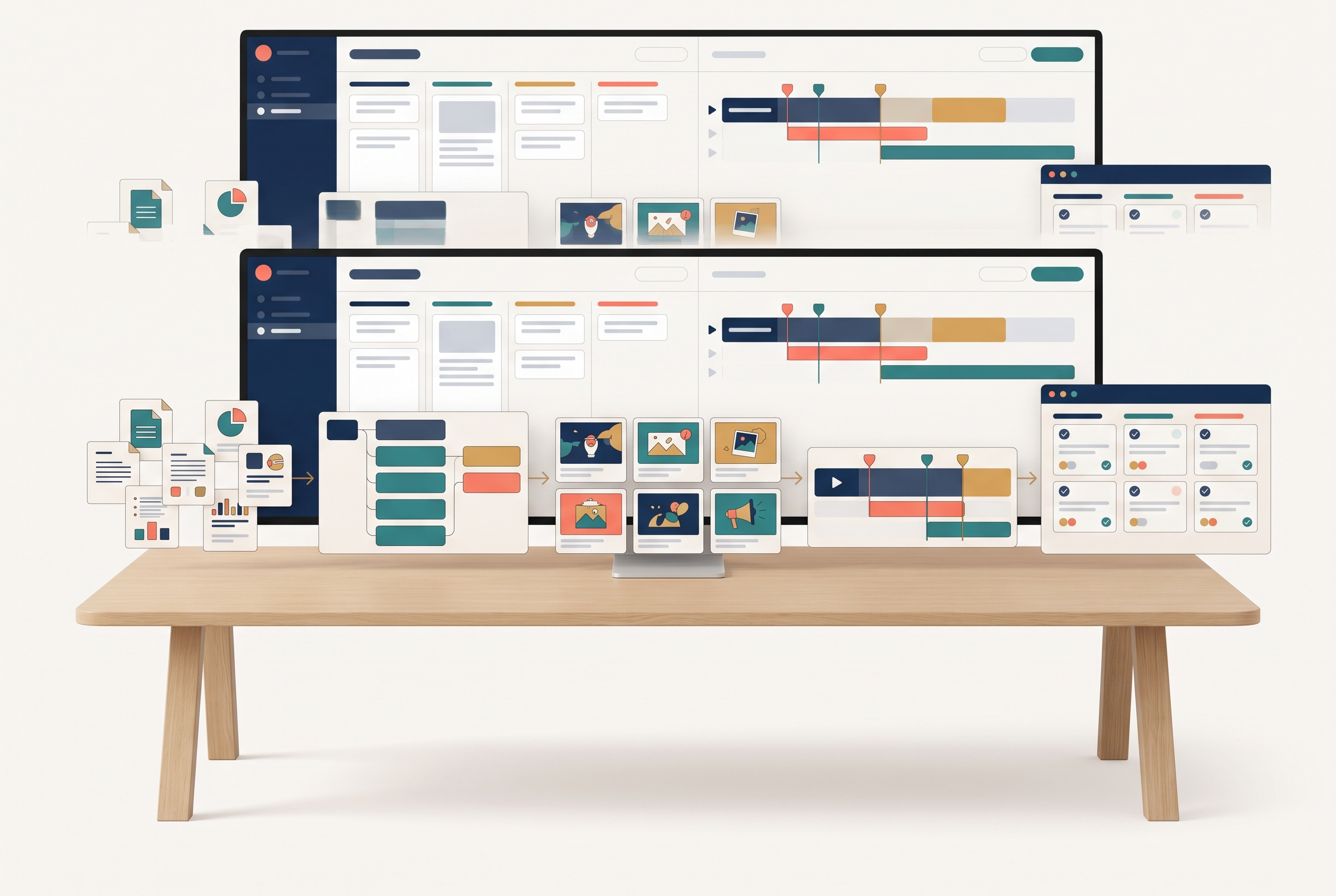
Una herramienta de IA «todo en uno» resulta más útil para los equipos cuando reduce la fricción entre una pregunta de investigación, un plan escrito, la revisión de afirmaciones y los recursos creativos que se derivan de ello. No se trata de que un único modelo se encargue de todas las tareas, sino de una forma práctica de dejar que el modelo adecuado se ocupe del siguiente paso sin tener que dividir un proyecto pequeño entre una larga lista de productos inconexos.
Vale la pena tener en cuenta GlobalGPT para ese tipo de trabajo, ya que el mismo espacio de trabajo permite a un equipo pasar del trabajo con texto a la creación de imágenes y vídeos, mientras que Yukie ofrece un punto de acceso para realizar tareas más amplias de investigación y producción. En el flujo de trabajo práctico que se muestra a continuación, un briefing ficticio se convirtió en un plan de contenidos, una revisión del eslogan, una imagen conceptual del entorno, un vídeo breve y un traspaso técnico.
Abre el espacio de trabajo GlobalGPT cuando quieras probar la secuencia con una tarea de equipo que no sea delicada. Para una comparación más amplia del mercado, consulta Nuestra guía de herramientas y plataformas de IA «todo en uno».

El flujo de trabajo, no la lista de herramientas
El flujo de trabajo de un equipo ágil comienza con un resumen compartido y solo cambia de enfoque cuando el trabajo cambia: primero, investigación y planificación; después, una revisión de los argumentos antes de redactar el texto de publicación; y, por último, imágenes o vídeos cuando la idea necesita una representación visual. El traspaso de tareas es más importante que una lista de verificación de características, ya que proporciona a cada rol un documento que se puede revisar.
¿Qué necesita cada puesto de una herramienta de IA «todo en uno»?
| Papel | Resultado útil | Una decisión humana que sigue vigente |
|---|---|---|
| Responsable de investigación | Mapa de preguntas, plano de origen, borrador de síntesis | ¿Qué fuentes primarias respaldan la afirmación final? |
| Responsable de contenidos | Estructura, enfoque alternativo, lista de comprobación editorial | ¿Qué es preciso y publicable? |
| Responsable creativo | Imagen conceptual del paisaje o dirección de vídeo | Si representa correctamente el producto y el público |
| Responsable técnico | Comprobaciones explícitas de traspaso y aceptación de tareas | Cómo se integra el trabajo en los propios sistemas del equipo |
1. Empieza con un plan de contenidos, no con un chat en blanco
La planificación es el momento en el que una dirección común se concreta lo suficiente como para que otros perfiles puedan cuestionarla. El primer resultado válido de GPT-5.6 Sol tradujo el briefing ficticio en una secuencia de investigación, planteamiento, datos y decisiones creativas. Resultó útil porque el siguiente editor pudo examinar los datos de entrada y los resultados, en lugar de tener que reconstruir la conversación original.
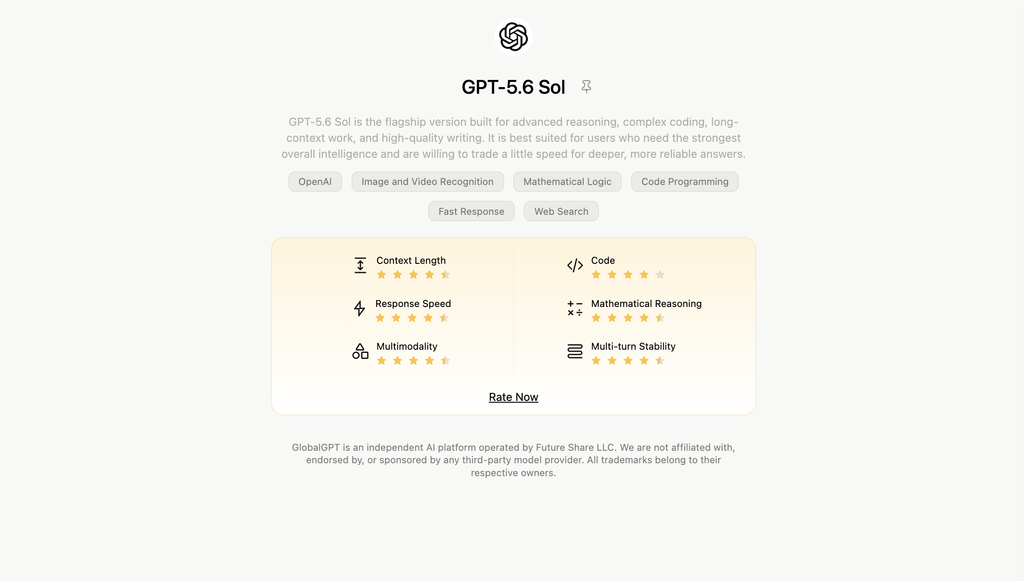
Se conserva el primer resultado válido
Entrada completa
Elabora un plan de contenidos basado en datos contrastados para un producto SaaS B2B ficticio llamado Northstar Notes. Destinatarios: equipos de producto distribuidos. Mensaje principal: mantener la investigación vinculada a las decisiones. Incluye secciones sobre beneficios, necesidades de evidencia y un breve resumen creativo. No inventes datos sobre el producto.
Primera salida completa
1. Empieza por el problema de la investigación distribuida y define el contexto de la decisión.\n2. Explica cómo evaluar un flujo de trabajo de investigación compartido: trazabilidad de las fuentes, responsables, etapas de revisión y claridad visual.\n3. Distingue entre los datos contrastados sobre el producto y las afirmaciones sobre los resultados que requieren pruebas.\n4. Utiliza una representación visual general en la que se muestre cómo las fichas de investigación se convierten en un tablero de decisión.\n5. Concluye con una lista de comprobación que asigne las revisiones de investigación, posicionamiento, creatividad y gobernanza.\n\nRequisitos de evidencia: alcance del producto, registro de fuentes, redacción de la colaboración, límites de privacidad y seguridad, aprobaciones de los clientes, disponibilidad y precisión visual.
2. Añadir una revisión de las reclamaciones antes de que nada llegue a la fase de borrador
La revisión de afirmaciones no sustituye a la investigación de fuentes. Su valor radica en la intervención editorial temprana: el lenguaje cuantificado, absoluto o comparativo se pone de manifiesto antes de que se convierta en un texto pulido pero sin fundamento. La primera revisión válida que figura a continuación evitó que el equipo tomara una frase plausible como un hecho contrastado.
Se conserva el primer resultado válido
Entrada completa
Clasifica cada afirmación como «Justificada», «Necesita fuente» o «Riesgo de redacción». Indica el motivo y propone una reformulación más segura. No inventes fuentes: Northstar Notes reduce el tiempo de investigación en un 50%; Northstar Notes ayuda a los equipos de producto distribuidos a organizar la investigación en un único espacio de trabajo compartido; los equipos que utilizan Northstar Notes toman mejores decisiones sobre el producto; Northstar Notes es la única plataforma de investigación que un equipo necesitará jamás.
Primera salida completa
Reducción del tiempo 50%: Se necesita fuente. Un resultado cuantificado requiere evidencia y metodología atribuibles. Redacción más segura: «Diseñado para ayudar a los equipos a organizar la investigación de forma más eficiente».\n\nFormulación sobre el espacio de trabajo compartido: Se admite en el resumen ficticio, pero hay que confirmarlo con la documentación del producto antes de su publicación.\n\nMejores decisiones: Se necesita fuente. «Mejores» es una afirmación sobre el resultado sin una comparación definida. Redacción más segura: Ayuda a los equipos a vincular la investigación con las decisiones en las que se basa.\n\n«La única plataforma que necesitarás jamás»: Riesgo en la redacción. Se trata de una afirmación absoluta. Redacción más segura: Ofrece un espacio de trabajo compartido para equipos que desean organizarse y colaborar en torno a la investigación de productos.
3. Crear los elementos visuales siguiendo las directrices aprobadas
Una vez aprobado el mensaje, el trabajo creativo puede pasar de la fase conceptual a la de recursos listos para su revisión. La imagen y el vídeo que aparecen a continuación proceden del mismo briefing ficticio. Se trata de recursos conceptuales, no de capturas de pantalla de Northstar Notes ni de pruebas de un flujo de trabajo real de un cliente.
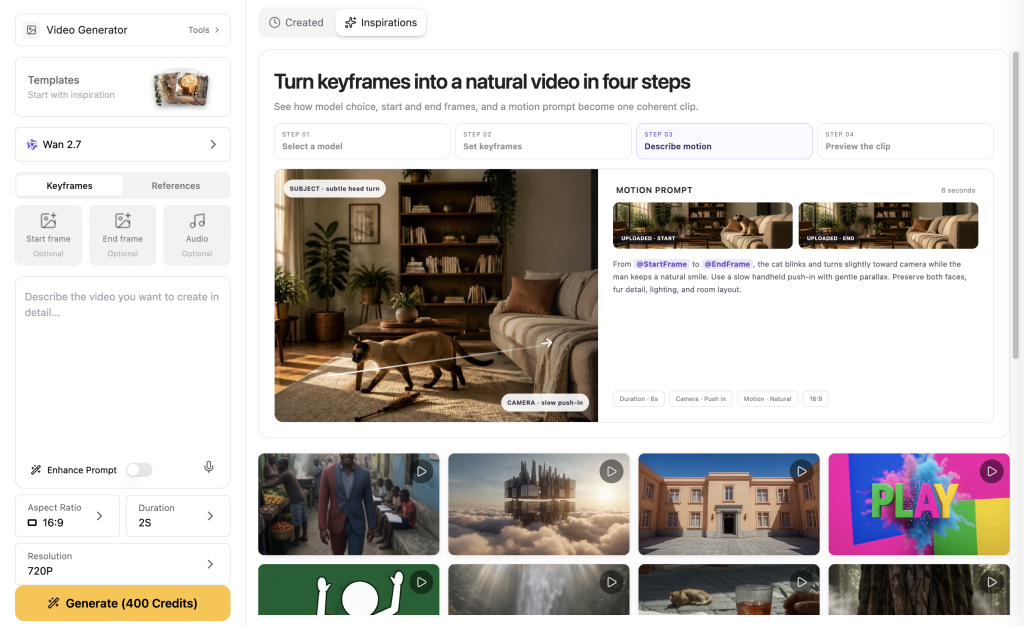

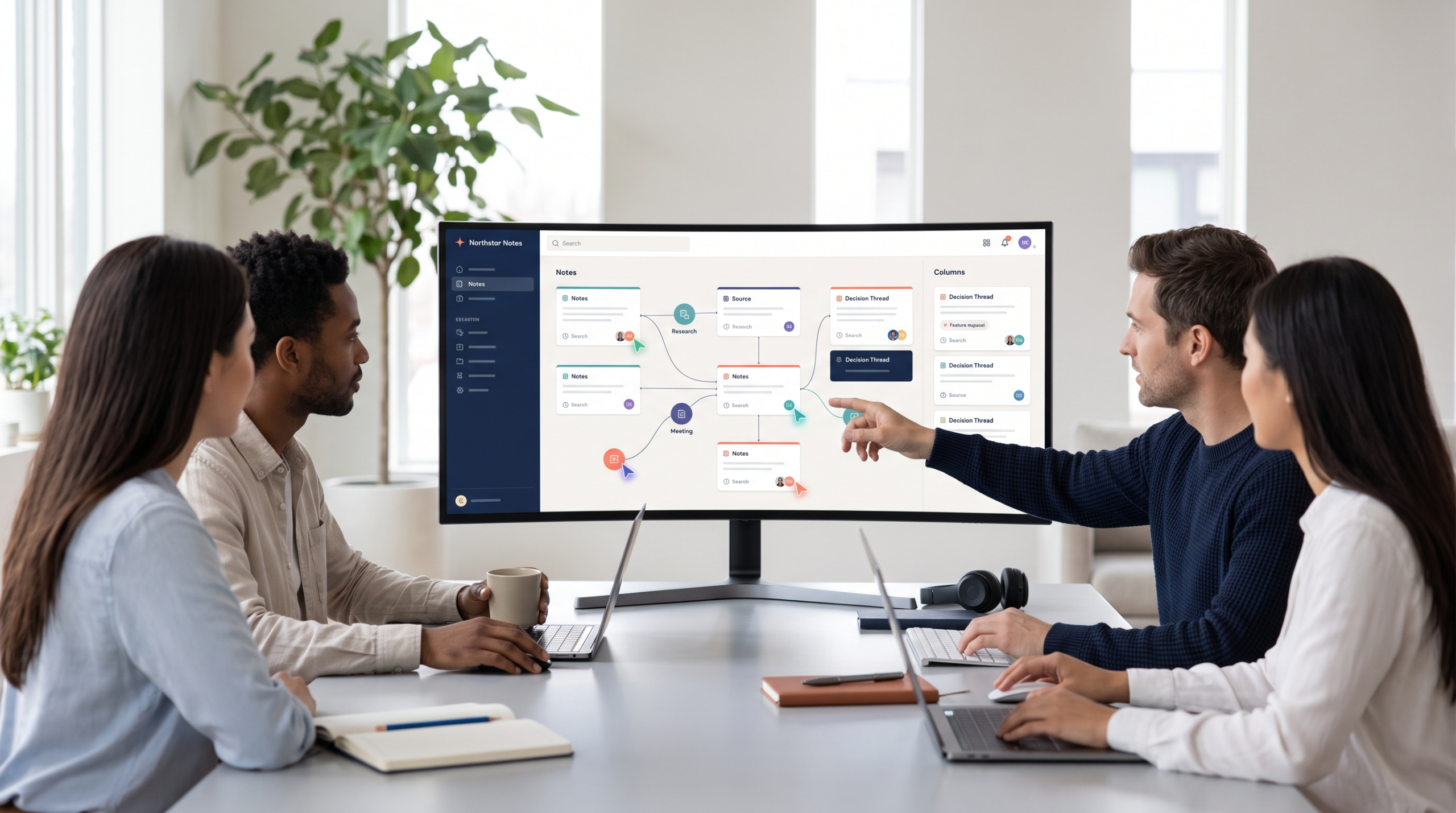
Imagen conceptual basada en la primera imagen válida generada por Nano Banana 2. No se trata de la interfaz real del producto.
Un amplio panorama del equipo editorial construido en torno a notas de investigación y decisiones interrelacionadas. Se presenta como una representación conceptual, más que como una prueba de producto.
Primera salida de vídeo válida con formato Seedance 2.0. Se comprobó la reproducción en el navegador y la duración de 6,042 segundos antes de la subida.
El vídeo comienza con unas cartas esparcidas y termina con un tablero de decisiones bien organizado. Aporta a la campaña un breve gancho visual sin hacer afirmaciones sobre el flujo de trabajo real del producto.
4. Cuándo encajan Yukie y una transferencia CLI
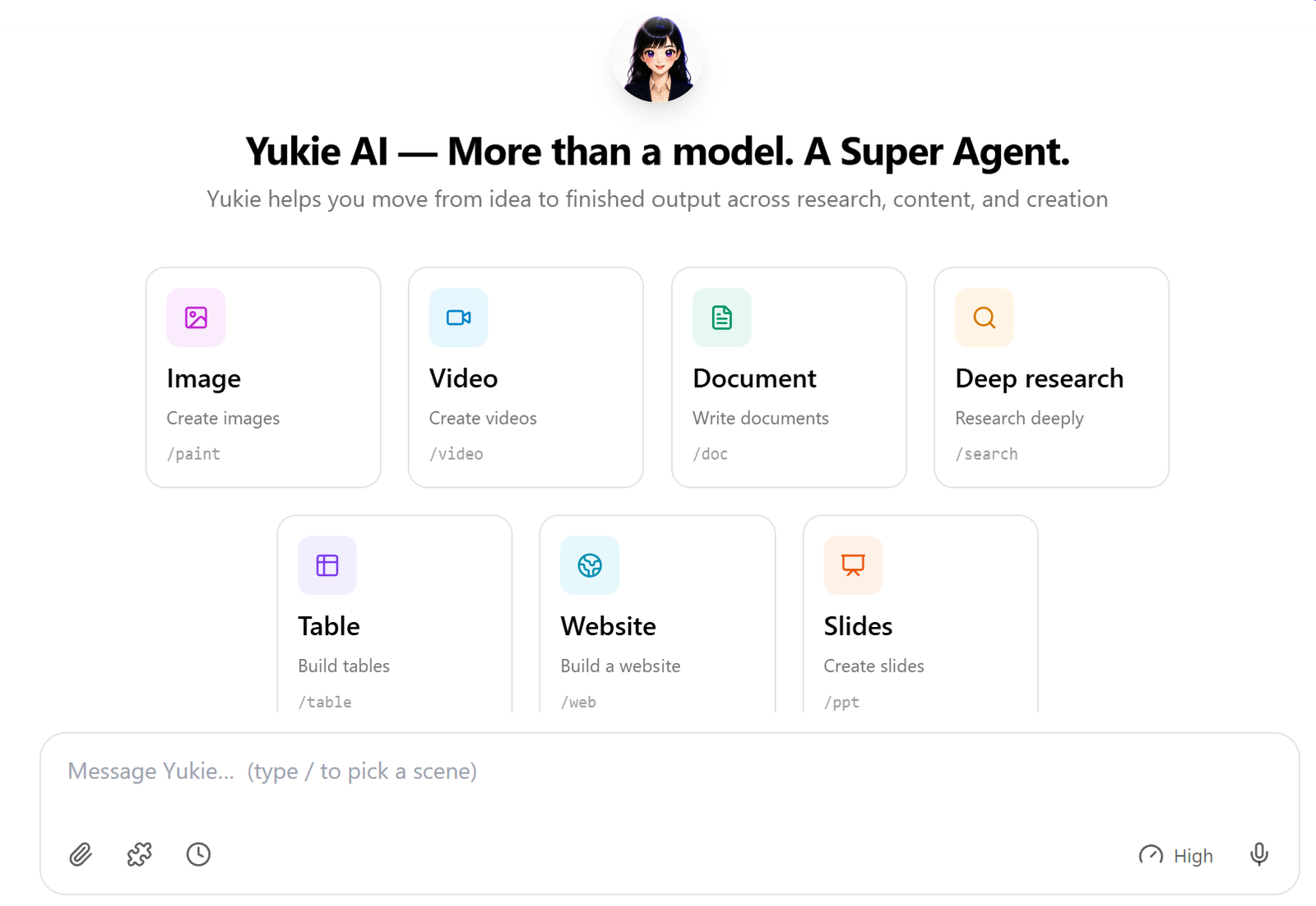
La página de Yukie de GlobalGPT presenta una entrada de «Superagente» para tareas relacionadas con la investigación, el contenido, las imágenes, los vídeos, los documentos, las tablas, los sitios web y las presentaciones. Esto la convierte en un punto de partida útil para un encargo más amplio. Una CLI es una vía independiente para un compañero de equipo técnico que desee un traspaso de tareas explícito y repetible.
Entrada completa
Convierte este traspaso del plan de contenidos en exactamente seis líneas de una lista de comprobación en formato Markdown sin formato. Cada línea debe incluir un responsable, un resultado concreto y una fase de revisión. No inventes datos ni fuentes. Contexto: público = equipo de producto SaaS B2B distribuido; mensaje = mantener la investigación vinculada a las decisiones; estructura = problema de investigación distribuido, por qué es importante el contexto, criterios de evaluación, enfoque de adopción, introducción basada en datos contrastados; comprobaciones de pruebas necesarias = alcance del producto, afirmaciones sobre colaboración, formatos de investigación, integraciones, seguridad/privacidad, adecuación al público, afirmaciones sobre resultados, aprobaciones de los clientes, terminología, precisión visual, disponibilidad, registro de fuentes; áreas de revisión = precisión, posicionamiento, creatividad, gobernanza.
Primera salida completa
- [ ] Responsable: Director de investigación - Resultado esperado: Redactar un borrador de la introducción basada en datos contrastados y la formulación del problema de investigación distribuido. Fase de revisión: Revisión de la precisión respecto al registro original, la terminología, la adecuación al público objetivo y la verificación de las afirmaciones sobre resultados.\n- [ ] Responsable: Estratega de producto - Entregable: Definir por qué el contexto es importante y traducirlo en criterios de evaluación vinculados a la toma de decisiones. Fase de revisión: revisión del posicionamiento para garantizar una clara alineación con el mensaje y el alcance del producto.\n- [ ] Responsable: Responsable de contenidos - Entregable: Documentar los criterios de evaluación para los formatos de investigación, las afirmaciones sobre colaboración, las integraciones y la seguridad/privacidad. Fase de revisión: Revisión de la precisión y la gobernanza de las afirmaciones respaldadas, así como comprobación exhaustiva de las pruebas.\n- [ ] Responsable: Responsable de adopción - Resultado esperado: Proponer un enfoque de adopción que conecte las prácticas de investigación con las decisiones. Fase de revisión: Revisión del posicionamiento para comprobar la adecuación al público, la disponibilidad y las afirmaciones sobre resultados no respaldadas.\n- [ ] Responsable: Responsable creativo - Resultado: Elaborar la estructura del contenido y los elementos visuales. Fase de revisión: Revisión creativa de la precisión visual, la terminología y el contenido aprobado.\n- [ ] Responsable: Responsable de gobernanza - Entregable: Recopilar las pruebas definitivas y el registro de aprobación. Fase de revisión: Aprobación por parte de la gobernanza que confirme que se han completado las comprobaciones de precisión, posicionamiento, creatividad y pruebas.
5. Precio del flujo de trabajo que vas a utilizar realmente
Las fichas comparativas oficiales de GlobalGPT indican que los precios con facturación anual son de $5,8 al mes para el plan Básico, $10,8 al mes para el plan Pro y $25,0 al mes para el plan Ilimitado. Elige un plan que se adapte al modelo de acceso actual y al uso previsto, y luego confirma los detalles en la Página de precios de GlobalGPT.
Si quieres conocer una selección más amplia que vaya más allá de este caso de uso del flujo de trabajo en equipo, consulta nuestro Comparativa de herramientas y plataformas de IA «todo en uno». Se trata de la guía de Hub dirigida a los lectores que desean comparar las diferentes opciones de la categoría en general antes de elegir un flujo de trabajo.
Las barras comparan únicamente el precio mensual relativo de estas tarjetas con facturación anual. No muestran el rendimiento, las plazas, los créditos ni el acceso a los modelos.
Lo que una herramienta de IA «todo en uno» no debería sustituir
- Fuentes primarias: Un modelo puede señalar una afirmación que debe revisarse; pero no puede convertirse en la fuente.
- Aprobación humana: Debería ser una persona con responsabilidad la que decidiera qué se publica.
- Un sistema de referencia para proyectos: mantener la responsabilidad y la toma de decisiones en los sistemas actuales del equipo.
- Revisión de derechos, seguridad y privacidad: No subas material confidencial o no autorizado solo porque te resulte más cómodo seguir un flujo de trabajo.
PREGUNTAS FRECUENTES
¿Qué es una herramienta de IA «todo en uno»?
Se trata de un espacio de trabajo que combina múltiples capacidades de IA —como herramientas de chat, imagen, vídeo, audio o de agentes— en un solo producto. Para un equipo, el valor reside en una transición más fluida entre los distintos tipos de trabajo, no en la promesa de que un único modelo sea el mejor en todo.
¿Es útil para los equipos una herramienta de IA «todo en uno»?
Puede resultar útil cuando varios perfiles trabajan a partir de una misma dirección de campaña y necesitan resultados distintos. Los equipos siguen necesitando responsables, comprobaciones de las fuentes, filtros de aprobación y sistemas que mantengan un registro de la decisión final.
¿Puede un único espacio de trabajo de IA abarcar tareas de redacción, imágenes y vídeo?
Puede abarcar las fases de producción cuando esas rutas modelo estén disponibles en el paquete seleccionado. El briefing ficticio sometido a prueba dio lugar a un plan de contenidos, una revisión de los mensajes publicitarios, una imagen horizontal, un vídeo breve y un traspaso técnico.
¿Qué deben mantener los equipos fuera de un espacio de trabajo de IA?
Mantén las aprobaciones finales, los materiales de origen confidenciales, las revisiones legales y de derechos, las decisiones en materia de seguridad y el registro oficial del proyecto bajo los controles existentes del equipo.
¿Cómo debería evaluar un equipo una suscripción a un servicio de IA multimodelo?
Utiliza un resumen real, pero que no contenga información confidencial. Revisa el plan, la revisión de reclamaciones, las estrategias creativas y las normas vigentes del paquete; a continuación, compara los traspasos resultantes con las herramientas independientes que, de otro modo, tendría que gestionar el equipo.