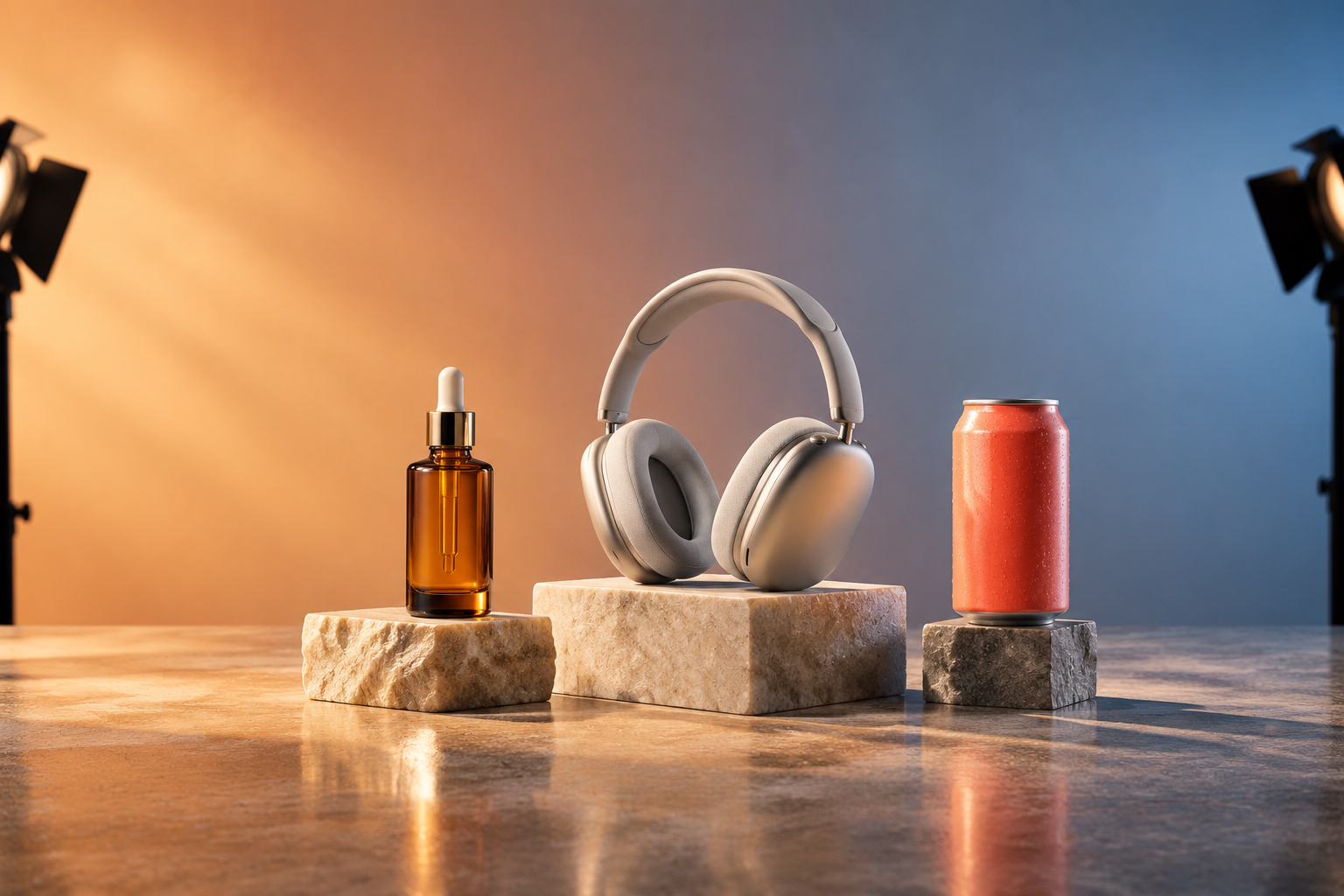
最棒的 product video ad examples give you something to borrow: a striking opening, a clear product benefit, or a simple way to make an everyday object feel desirable. A beautiful shot earns attention; a clear message gives that attention somewhere to go.
You can develop both in GlobalGPT. Its affordable multi-model subscription brings writing, image, video, and audio tools into one dashboard, so a product brief can become a script, visual concept, and campaign asset without a separate service for every step. GPT and Claude can help shape the story; models such as Wan and Seedance give you different ways to bring it to life.
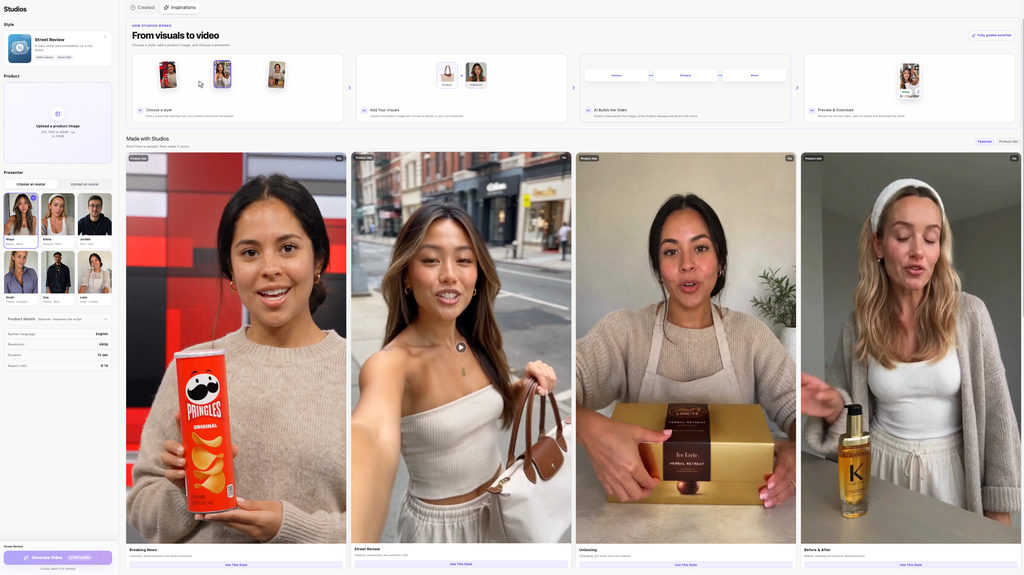
Below are four original AI-generated product concepts made on GlobalGPT, with the full prompts and a breakdown of how to turn each shot into an ad. These are creative examples, not paid campaigns with measured sales results.
本指南中
Choose a product video concept that fits the buying decision
| 範例 | Creative idea | 最適合 | What the ad should communicate |
|---|---|---|---|
| Skincare bottle | Warm light and a slow approach | Beauty, fragrance, premium packaging | Texture, ritual, and product identity |
| Citrus drink | Bubbles, condensation, and bright color | Beverages and summer offers | An inviting sensory moment |
| Earbuds | A clean reveal on a dark surface | Electronics and accessories | Shape, finish, and a focused feature story |
| Outdoor bottle | Pull back from product to landscape | Travel and outdoor lifestyle | The setting the buyer wants to be in |
Choose the idea around the customer’s question. “What does it look like?” suits a product reveal. “How does it work?” needs a demonstration. “Will it fit my life?” invites a lifestyle scene. Trying to answer every question in one short clip usually makes the message less memorable.
These four clips were generated with Wan 3.0 on September 28, 2026, using five-second, 16:9 requests at 720p. Each is the first successful output. We kept the footage free of requested subtitles and generated labels, then wrote the proposed hooks and CTAs separately so they can remain sharp, editable, and on brand.
Example 1: A skincare ad that sells the atmosphere
A warm, quiet product shot suits a brand built around a daily ritual. Start with the bottle already visible. Let the glass, stone surface, and changing reflection create interest instead of making the viewer wait through a long reveal.
Warm-light skincare concept
The amber bottle stays upright and recognizable while the closer framing brings out its transparency and the dropper. The pale background gives the product room to breathe. This is useful as a hero shot or the opening of a beauty ad; it does not demonstrate an ingredient or skin result. For a real brand, supply the actual packaging reference and add the precise product name during editing.
Read the complete input
One continuous five-second landscape 16:9 premium skincare product advertising shot. One unbranded amber glass serum bottle with a matte cream dropper cap stands on a warm ivory stone surface. Soft directional sunlight and a subtle moving reflection reveal the glass and liquid texture. The camera slowly dollies closer to the bottle; keep the complete bottle visible, upright, stable and the only hero product. Quiet cream background, realistic material, elegant negative space for copy to be added separately. Do not show claims, people, hands or application to skin. No cuts, no duplicate bottle, no subtitles, no writing, no letters, no labels, no numbers, no logos, no watermark, no interface elements.
Generation settings
{
  "model": "wan3.0-video",
  "duration": 5,
  "resolution": "720P",
  "aspect_ratio": "16:9"
}
Turn the shot into an ad
Suggested hook: A quiet moment for your daily routine.
Middle: Pair the product view with one approved fact about the formula or routine. Show a real application demonstration if use is the point.
行動呼籲: Explore the collection.
Editing choice: Keep the pacing gentle and use one clean line of English copy. Avoid making the empty background compete with several benefit claims.
The lesson is restraint. Luxury does not require constant motion. One stable product, intentional light, and a deliberate camera move can provide a strong foundation for a concise campaign.
Example 2: A beverage ad built around a sensory hook
For a drink, the opening can be the sensation: cold glass, rising bubbles, citrus color. The viewer should understand what is appealing before reading the copy. A close product scene is often more useful than a complicated story when the job is to introduce a flavor or seasonal offer.
Citrus refreshment concept
The single glass remains clear against a pale yellow background, with visible bubbles and an orange slice creating the flavor association. The closer framing adds emphasis without introducing extra products. That makes the clip a useful sensory opening. The pictured garnish is a creative choice; match it to the real ingredients before turning the concept into a branded ad.
Read the complete input
One continuous five-second landscape 16:9 refreshing beverage advertising shot. One clear cylindrical glass of sparkling citrus drink sits on a clean pale yellow tabletop, with visible cold condensation and one fresh orange slice beside it. Backlight illuminates small bubbles rising naturally through the drink. The camera slowly moves from a three-quarter side view toward a closer view, preserving the single glass shape and tabletop geometry. Fresh summer morning mood, realistic liquid and restrained motion, generous clean background. No drinking people, no pouring, no cuts, no duplicate glass, no subtitles, no writing, no letters, no labels, no numbers, no logos, no watermark, no interface elements.
Generation settings
{
  "model": "wan3.0-video",
  "duration": 5,
  "resolution": "720P",
  "aspect_ratio": "16:9"
}
Build a simple flavor story
Suggested hook: Make room for a brighter break.
Middle: Move from the cold-glass shot to the real packaging or a serving moment. Add the actual flavor name.
行動呼籲: Find your next favorite.
Editing choice: Keep the label readable in a separate pack shot. Use licensed sound or your own recording if you add a pour, fizz, or ice effect.
Do not ask a visual to carry nutrition information it cannot prove. Use the atmosphere to attract attention, then use the actual product facts to explain the offer. That division makes the ad both more appealing and easier to understand.
Example 3: An electronics reveal with room for one feature
An electronics buyer wants to see the product clearly, but a list of specifications can overwhelm a short ad. Start with one recognizable view and one benefit that deserves a closer look. A clean reveal works well before a real demonstration or a precise feature caption.
Dark-stage earbuds concept
The earbuds and open case stay visible against the dark surface. Highlights separate the edges from the background, while the slow change of viewpoint gives the case depth. This supplies a polished opening for an accessories campaign. The shot shows styling and form; audio quality, noise cancellation, and battery life need their own accurate product information.
Read the complete input
One continuous five-second landscape 16:9 consumer electronics advertising shot. One unbranded matte black wireless earbud charging case rests open on a dark graphite studio surface; a single pair of matching earbuds sits neatly in the molded case. Subtle soft rim light outlines the case hinge and earbud curves. The camera performs a slow lateral slide from left to right, with stable perspective, physically plausible parallax, and no movement of the product. Clean sophisticated composition, realistic plastic texture, no unsupported technical demonstrations. No cuts, no additional earbuds, no floating parts, no subtitles, no writing, no letters, no labels, no numbers, no logos, no watermark, no interface elements.
Generation settings
{
  "model": "wan3.0-video",
  "duration": 5,
  "resolution": "720P",
  "aspect_ratio": "16:9"
}
Give the reveal a clear next step
Suggested hook: Your everyday listening, ready to go.
Middle: Show one verified feature with a real use shot, such as how the case fits into a pocket.
行動呼籲: See the details.
Editing choice: Preserve the silhouette and hinge across cuts. Put the product name and key specification in editable text, rather than asking the video model to draw them.
If the selling point is a physical mechanism, film that mechanism or use a faithful reference. A generated reveal is a creative asset; a technical demonstration has to show the product doing the promised job.
Example 4: A lifestyle ad that reveals the bigger scene
A lifestyle concept connects the product to a setting the buyer wants to enter. The most effective reveal still begins with the item. Let the landscape explain the mood after the viewer knows what the ad is about.
Mountain-morning bottle concept
The camera pulls back from a metal bottle to reveal the mountain valley and sunrise. The product becomes smaller as the environment takes over, which gives the shot a clear progression from object to lifestyle. Use the earlier frames when product recognition is the priority; use the wider end as a transition or closing mood shot. Add a final close pack shot if the bottle becomes too small for your message.
Read the complete input
One continuous five-second landscape 16:9 outdoor lifestyle product advertising shot. One unbranded brushed steel insulated bottle with a closed dark cap stands upright on a broad dry rock. The camera begins with the entire bottle in a medium view and slowly pulls back to reveal soft golden sunrise over a quiet mountain valley. The bottle and rock remain still, coherent and realistically proportioned; the landscape has natural atmospheric depth. Aspirational calm morning adventure mood, no person, no claims or performance demonstration. No cuts, no duplicate bottle, no subtitles, no writing, no letters, no labels, no numbers, no logos, no watermark, no interface elements.
Generation settings
{
  "model": "wan3.0-video",
  "duration": 5,
  "resolution": "720P",
  "aspect_ratio": "16:9"
}
Connect the setting to the product
Suggested hook: Take the next break outside.
Middle: Pair the landscape with a real detail the buyer values: size, weight, closure, or carrying method.
行動呼籲: Pack for your next outing.
Editing choice: Cut back to the product before the end card. The scenery should give the item context, not make it disappear.
What makes a product video an ad, rather than a nice clip?
The four clips above are building blocks. A complete ad connects attention to a reason to buy and a next action. A useful structure is hook → product value → demonstration or detail → CTA. The creative principles in Shopify’s product-video guide likewise emphasize a hook, clear messaging, a customer problem, valuable information, and a call to action.
Choose a different format when the purchase needs a different kind of persuasion. A problem–solution ad can show an annoying task becoming easier. A tutorial can demonstrate setup. A genuine customer testimonial can answer an objection in the customer’s own words. Use real customer permission and experience for testimonials; an AI-generated speaker is not a substitute for a customer’s story.
A practical 15-second storyboard
| 時間 | 約伯 | What to show |
|---|---|---|
| 0–3 seconds | Earn attention | Product or recognizable customer problem |
| 3–8 seconds | Make the benefit clear | One focused detail, demonstration, or use moment |
| 8–12 秒 | Make the choice easier | Relevant product fact or real proof |
| 12–15 seconds | Invite action | Readable product name and one CTA |
This is a planning example, not a required duration or a claim about conversion rates. Adjust the pacing to the placement and the amount of explanation your product needs.
Make your own product video ad with GlobalGPT
開始於 GlobalGPT with the customer and the message. Its advantage is the complete creative workflow: you can organize the brief, write several hooks, develop an image, generate motion, and prepare campaign copy in the same dashboard. The affordable multi-model setup gives a small team room to explore ideas without maintaining a separate subscription for every creative task.

- Write the brief: name the buyer, the product, one approved benefit, and the desired next action.
- Choose a format: reveal, sensory moment, demonstration, lifestyle, or genuine testimonial.
- Prepare the visual: use a real product reference when packaging or shape must stay exact. Our guide to product images from reference photos 可以幫上忙。.
- Generate one manageable shot at a time. Describe the subject, setting, action, camera movement, and final composition.
- Assemble the story: add readable English copy, the real offer, a CTA, and suitable licensed audio. Keep subtitles optional and deliberate.
- Make placement-specific versions: keep a landscape master if useful, then create or carefully reframe a vertical version for vertical placements. Recheck the product and text safe areas.
For a longer story, follow the script-to-video process and plan the shots before generating them. You can also explore Seedance ad workflows when a different motion style suits the concept. Choose the model for the shot you need, while keeping the brief and product facts consistent.
Review the creative, then test the campaign
Watch the export at normal speed and inspect the beginning, middle, and end. Look for product shape changes, unreadable packaging, stray objects, blocked CTAs, and awkward cuts. Check the ad on a phone as well as a large screen. The important detail should still be visible when the video is small.
After launch, measure the outcome that matches the goal. Watch time helps explain whether the opening holds attention; clicks show whether viewers want the next step; purchases or qualified leads show whether that next step has value. A visually attractive generation is not, by itself, evidence of sales performance.
Change one creative variable at a time when comparing versions—for example, the opening hook while keeping the offer and landing page the same. Keep the product accurate, make the message easy to grasp, and let campaign results guide the next round. Create your first product ad concept in GlobalGPT with the format that best fits your buyer.
常見問題
What are good product video ad examples?
Useful formats include product reveals, demonstrations, problem–solution stories, lifestyle scenes, and genuine customer testimonials. Choose the format that answers the buyer’s main question.
Can I create product video ads with AI?
Yes. GlobalGPT can help develop scripts, product visuals, video concepts, and supporting copy in one dashboard. Use accurate product references and review the final creative before publishing.
How long should a product video ad be?
The length depends on the placement and message. A short ad can focus on one benefit, while a detailed demonstration may need more time. The 15-second storyboard in this guide is a starting point to adapt.
Should the AI-generated video include text?
For these examples, the generation prompts excluded text and subtitles. Add the product name, offer, and CTA during editing so they stay readable and easy to change.
Did these four examples produce sales results?
No campaign performance is claimed. These are newly generated creative concepts with full prompts and visual analysis, not paid ads with measured conversion results.