

Nano Banana по-прежнему доступен бесплатно, но выражение “по-настоящему бесплатный” следует пересмотреть с учетом реальности. Самые надежные бесплатные маршруты имеют ограничения по трафику, требуют регистрации учетной записи или зависят от хостинга сообщества, который может перестать работать. Не существует надежной версии текущей модели обработки изображений Google, которая была бы безлимитной, не требовала бы входа в систему и работала бы для всех.
Для большинства пользователей оптимальным вариантом станет бесплатная версия Google Gemini. Если вам требуется больше возможностей для управления или вы планируете работать с API, лучше воспользоваться официальным сервисом Google AI Studio. Платформы сообщества могут пригодиться для эпизодических экспериментов, однако следует внимательно следить за версиями моделей и временем их доступности.
Если генерация изображений является лишь одной из частей вашего рабочего процесса с использованием ИИ, GlobalGPT предлагает модель Nano Banana 2 наряду с другими моделями для работы с изображениями, чата, поиска информации, видео и аудио. Это мультимодельное рабочее пространство, функционирующее на основе кредитов, а не сайт Nano Banana с неограниченным бесплатным доступом, поэтому оно рассматривается отдельно от пяти способов бесплатного доступа, перечисленных ниже.
Краткий ответ
Воспользуйтесь Gemini, если вам нужен самый простой официальный бесплатный вариант, или Google AI Studio, если вам требуется контроль на уровне разработчика. VAKPixel использует модель регистрации и кредитов, Hugging Face Spaces управляется сообществом и работает нестабильно, а бесплатный вариант Nano Banana в OpenRouter привязан к старой версии Gemini 2.5, а не к текущей модели Nano Banana 2.
Что означает слово “бесплатно” в этом списке
Сайт считается подходящим, если он предоставляет возможность начать работу без предварительной покупки подписки. Это не означает возможность неограниченного количества генераций. Бесплатный доступ может предоставляться в виде небольшой квоты, лимита для конкретной учетной записи, кредитов, получаемых за просмотр рекламы, или демо-версии для сообщества.
Каждая рекомендация оценивается по пяти практическим критериям:
- Модель: указывается ли на сайте, что речь идет о текущей модели Nano Banana 2 или о более старой версии.
- Оплата: требуется ли оплата по подписке или с помощью кредитной карты до первой попытки.
- Учетная запись: нужно ли вам войти в систему.
- Надежность: является ли маршрут официальным, управляемым платформой или зависит от общественного пространства.
- Ограничения: зависит ли объем бесплатного трафика от какого-либо ограничения, может ли он изменяться, финансируется ли он за счет рекламы или условия его предоставления неясны.
Приведенные ниже выводы были сверены с общедоступными страницами 23 июля 2026 года. Ни один из пяти маршрутов не следует называть «без ограничений».
Какая модель Nano Banana является актуальной?
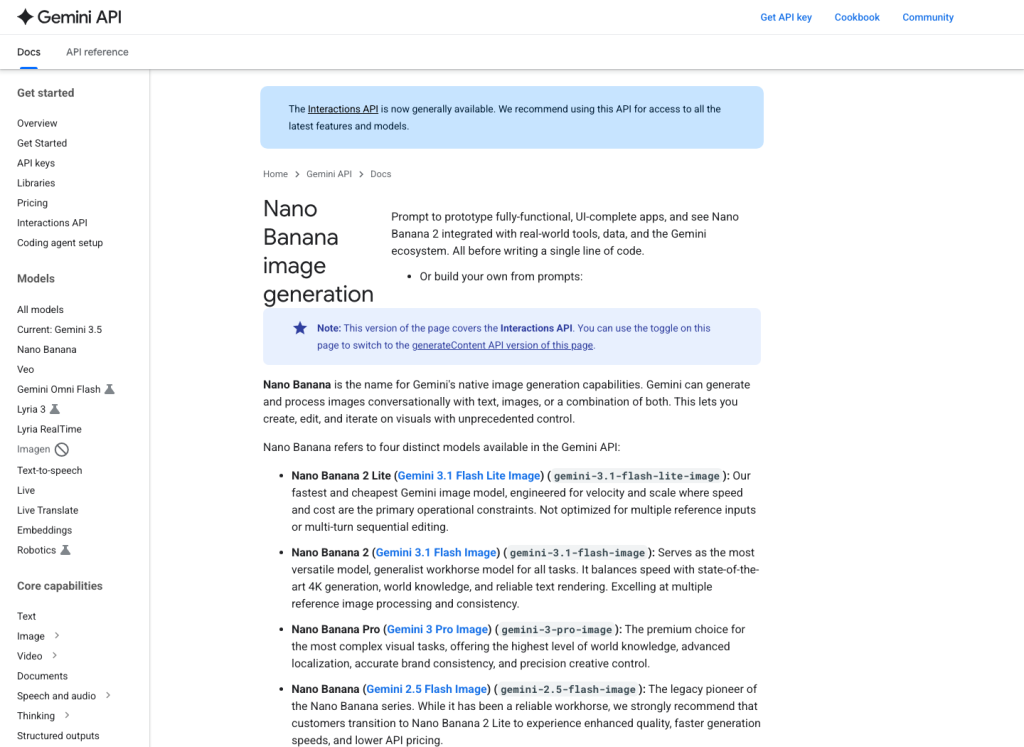
В настоящее время Google использует обозначение «Nano Banana» в качестве общего названия для своей линейки нативных моделей изображений Gemini. В документации для разработчиков указано, что Nano Banana 2 как Gemini 3.1 Образ ПЗУ и рекомендует его в качестве универсального варианта. Оригинальный образ прошивки Gemini 2.5 обозначен как устаревшая модель.
Официальная поддержка разрешения вывода
Визуальное сравнение на основе документации Google по генерации изображений Nano Banana, проверено 23 июля 2026 года.
Источник: Google AI for Developers, “Генерация изображений по методу Nano Banana”. На этой диаграмме сравниваются задокументированные размеры выходных данных, а не квоты бесплатного тарифного плана.
Это различие имеет значение, поскольку несколько старых страниц с упоминанием “бесплатного Nano Banana” по-прежнему содержат ссылки на «Gemini 2.5 Flash Image Preview». Технически на странице может упоминаться Nano Banana, но при этом предлагаться устаревший вариант, а не Nano Banana 2.
Сравнение пяти сайтов с открытым доступом, работающих по протоколу Nano Banana
| Веб-сайт | Что такое «бесплатно» | Уверенность в текущей модели | Счет | Лучше всего подходит для |
|---|---|---|---|---|
| Близнецы Google | Бесплатный доступ на основе учетной записи с изменяемыми лимитами | Высокий | аккаунт Google | Большинство пользователей |
| Google AI Studio | Бесплатный тариф для разработчиков, с учетом квот и доступности моделей | Высокий | аккаунт Google | Управление подсказками и оценка API |
| VAKPixel | Кредиты за регистрацию по рекламным объявлениям/за просмотр рекламы | Средний | Необходимо для генерации | Визуальные пресеты и творчество в непринуждённой обстановке |
| Hugging Face Spaces | Некоторые демонстрационные версии для сообщества | От низкого до среднего | Различается | Изучение прототипов сообществ |
| OpenRouter | Старый объявление в разделе «Предварительный просмотр», помеченное как «бесплатное» | Минимальное значение для Nano Banana 2 | Требуется | Разработчики проверяют старые маршруты |
1. Google Gemini: самый простой официальный бесплатный вариант
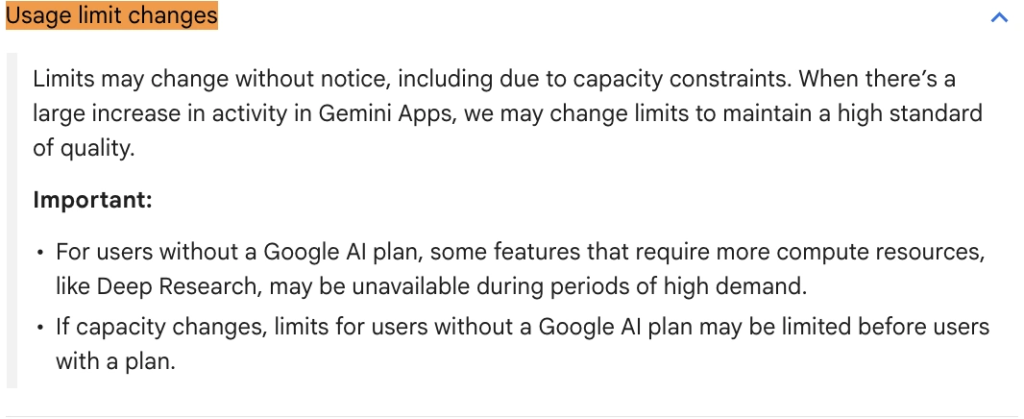
Близнецы Google — это первое место, куда стоит обратиться, если вы хотите создать или отредактировать изображение, не углубляясь в настройки API. Это официальный продукт для конечных пользователей, и в справочной документации Google проводится различие между пользователями, не имеющими тарифного плана Google AI, и платными подписчиками. Это подтверждает, что существует возможность использования бесплатной учетной записи, хотя доступные модели и ограничения могут варьироваться.
Что работает хорошо: Интерфейс привычный, создание изображений происходит в формате диалога, и вы можете продолжать дорабатывать изображение прямо в том же чате. Это самый простой способ для быстрого редактирования или создания единичного изображения.
Компромисс: Бесплатные лимиты не являются фиксированными гарантиями. Компания Google сообщает, что лимиты могут изменяться без предварительного уведомления в связи с ограничениями пропускной способности, и в периоды повышенного спроса пользователи, не имеющие платного тарифного плана Google AI, могут подвергаться ограничениям раньше, чем подписчики.
Если вам нужна более подробная разбивка, ознакомьтесь с руководством по Nano Banana, 2 бесплатных лимита.
2. Google AI Studio: лучший вариант для управления подсказками и разработчиков
Google AI Studio — это официальный подход, предназначенный для разработчиков. Он лучше подходит тем, кто хочет просматривать названия моделей, настраивать параметры генерации, оценивать подсказки или перейти от экспериментов к рабочему процессу с использованием API.
Не следует утверждать, что AI Studio “не имеет ограничений по использованию”. Доступ в рамках бесплатного тарифа зависит от доступности моделей, ограничений по скорости, поддерживаемых регионов и действующих правил ценообразования Google. Требуется учетная запись Google, а интерфейс может показаться более техническим, чем у Gemini.
Выбирайте AI Studio в следующих случаях:
- Вам необходимо убедиться, что вы используете образ прошивки Gemini версии 3.1, а не старую предварительную версию.
- Вам требуется более широкий контроль над подсказками, исходными изображениями, размером выходного файла или многоэтапным редактированием.
- Вы проводите оценку рабочего процесса перед использованием API Gemini.
Чтобы ознакомиться с пошаговой инструкцией, воспользуйтесь специальным руководством по доступ Нано Банан 2.
3. VAKPixel: сторонний вариант с использованием кредитов
VAKPixel публично указывает в списке своих моделей для генерации изображений модели Nano Banana 2, Nano Banana Pro и оригинальную Nano Banana. В собственном сравнительном обзоре за 2026 год компания описывает бесплатный способ, основанный на входе в систему и получении кредитов за просмотр рекламы. Это отличается от неограниченной бесплатной генерации: пользователь обменивает своё время и доступ к аккаунту на кредиты.
На общедоступной целевой странице подтверждается, что Nano Banana 2 входит в состав платформы, однако точное количество бесплатных генераций изображений было невозможно увидеть без входа в личный кабинет. Считайте, что лимит может изменяться, и проверяйте стоимость кредитов перед загрузкой личной фотографии.
Оптимальный вариант: любители, которые предпочитают визуальные пресеты и не против системы кредитов. Пропустите, если: Вам нужен официальный маршрут от Google или предсказуемая квота для разработчиков.
4. Hugging Face Spaces: бесплатные демонстрационные версии для сообщества с нестабильной доступностью
Hugging Face Spaces может отображать демо-версии Nano Banana, созданные сообществом. Это полезно для изучения, но не представляет собой единый стабильный продукт. 23 июля 2026 года результаты поиска включали как запущенные Spaces, так и приостановленные проекты, ошибки выполнения, а также демо-версии, доступные только для пользователей Hugging Face PRO.
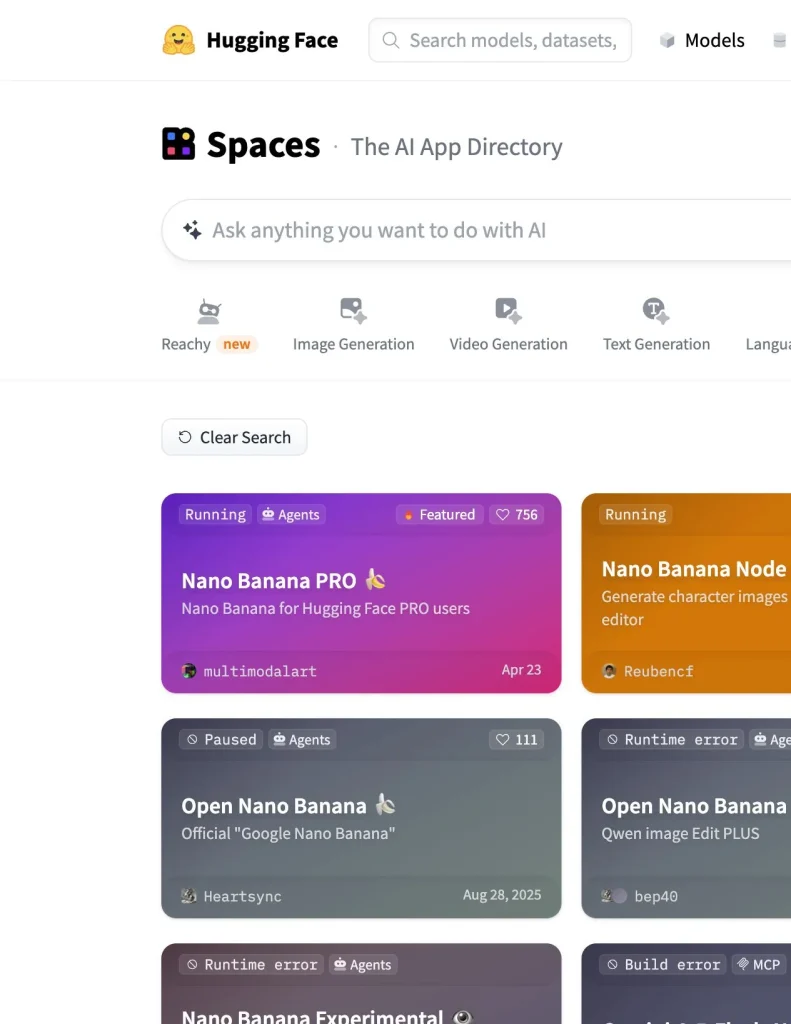
Перед использованием Space проверьте значок статуса, карточку модели, автора и системные требования. В демо-версии под названием “Nano Banana” за интерфейсом может использоваться другой образ модели, поэтому одно только название не является доказательством того, что в ней запущена текущая модель Google.
5. OpenRouter: маршрутизатор без устаревших компонентов, не являющийся текущим маршрутизатором по умолчанию
OpenRouter добавил в список google/gemini-2.5-flash-image-preview:бесплатно в качестве бесплатного маршрута Nano Banana. Проблема заключается в создании модели: Google теперь называет модель Gemini 2.5 Flash Image устаревшей моделью семейства Nano Banana и рекомендует использовать более новые модели.
Поэтому OpenRouter не является оптимальным выбором для тех, кто ищет именно Nano Banana 2. Доступность бесплатных провайдеров также может меняться. Используйте эту функцию только в том случае, если вы понимаете, что, возможно, тестируете устаревшую предварительную версию маршрута, и перед отправкой запроса обязательно проверьте актуального провайдера и цену.
Оптимальный вариант: разработчики, проверяющие старую интеграцию. Не подходит для: обычные пользователи, которым просто нужен новейший официальный редактор изображений.
Где находит применение GlobalGPT
GlobalGPT не входит в число пяти “бесплатных” сервисов, поскольку в его публичных планах используются кредиты. Его преимущество заключается в другом: он объединяет Nano Banana 2 в одном рабочем пространстве с другими инструментами для работы с изображениями, чата, поиска, видео и аудио, что позволяет сократить необходимость управления отдельными подписками и вкладками.

На странице с публичными тарифами, проверенной 23 июля 2026 года, описаны годовые лимиты кредитов, ежемесячный сброс кредитов, а также содержится предупреждение о том, что стоимость кредитов может измениться. Такие условия больше подходят для регулярной работы с несколькими моделями, чем для тех, кому нужно всего несколько бесплатных изображений. Ознакомьтесь с текущие планы GlobalGPT прежде чем использовать его для непрерывного создания изображений.
Ограничения “бесплатного” доступа к Nano Banana
| Предел | Что это означает | Что нужно проверить |
|---|---|---|
| Изменение квот | Маршрут может быть бесплатным сегодня, но в периоды повышенного спроса количество доступных рейсов может сократиться. | Сообщение об учетной записи, период сброса и текущая страница справки |
| Устаревшие модели | “Nano Banana” может означать образ флэш-памяти Gemini 2.5, а не Nano Banana 2. | Точный идентификатор модели |
| Кредитные системы | Кредиты, полученные при регистрации или за просмотр рекламы, могут закончиться. | Кредиты за каждое поколение и правила сброса |
| Время бесперебойной работы сообщества | Бесплатная демо-версия может быть приостановлена, если её владелец перестанет оплачивать аренду оборудования. | Значок «Запущено/Приостановлено/Ошибка» |
| Обработка данных | Сторонние сайты могут хранить загруженные файлы или запросы в соответствии с иными правилами. | Положения о конфиденциальности и сроках хранения данных перед загрузкой |
Если вас больше беспокоит качество результатов, а не доступность, сравните Nano Banana 2 против Nano Banana Pro. Чтобы найти идеи для творчества, Оперативное руководство по Nano Banana 2 — это лучший следующий шаг, чем переключаться между другими бесплатными сайтами.
API Nano Banana является бесплатным?
Но не в смысле неограниченного использования в производственных целях. Google AI Studio может предоставлять доступ по бесплатному тарифу для поддерживаемых моделей и регионов, однако API Gemini также предусматривает платное использование и ограничения по скорости. Стоимость генерации изображений оплачивается отдельно от потребительской подписки на Gemini.
Практическое правило простое: сначала оцените модель с помощью AI Studio, а затем ознакомьтесь с актуальной таблицей цен на API Gemini, прежде чем создавать повторяемый или коммерческий рабочий процесс. Не составляйте бюджет на основе скриншота или цен, указанных в старой статье. Подробная Разбивка цен на API Nano Banana отдельно рассматривает путь разработчика.
Часто задаваемые вопросы
Nano Banana можно использовать бесплатно?
Да, ограниченный бесплатный доступ предоставляется через такие каналы, как Google Gemini и, при наличии поддержки, Google AI Studio. Бесплатный доступ предоставляется в рамках квоты и может варьироваться в зависимости от спроса, региона, типа учетной записи и доступности моделей.
Какой сайт является официальным сайтом Nano Banana?
Google Gemini — это самый простой официальный ресурс для конечных пользователей, а Google AI Studio — официальный ресурс для разработчиков. Сторонние сайты и Hugging Face Spaces не являются официальными продуктами Google.
Можно ли использовать Nano Banana без входа в систему?
Для использования надежных официальных каналов требуется учетная запись Google. Некоторые демонстрационные версии сообществ могут открываться без учетной записи, однако их время работы, идентификация моделей и правила конфиденциальности могут различаться.
Какая модель относится к серии Nano Banana 2?
Nano Banana 2 — это Gemini 3.1 Flash Image. Компания Google описывает эту модель как универсальную и многоцелевую в текущем семействе образов Nano Banana.
Является ли бесплатная модель OpenRouter Nano Banana самой последней версией?
В часто цитируемом списке бесплатных моделей OpenRouter указана модель Gemini 2.5 Flash Image Preview. В настоящее время Google рассматривает модель Gemini 2.5 Flash Image как устаревшую, поэтому её не следует представлять как эквивалент модели Nano Banana 2.
Имеют ли бесплатные сайты Nano Banana неограниченное количество поколений?
Не следует считать, что любой надежный общедоступный канал имеет неограниченные возможности. Официальные квоты могут изменяться, на сайтах, работающих по кредитной системе, может быть исчерпан лимит, а общественные демо-версии могут быть приостановлены или завершить работу.
Является ли GlobalGPT бесплатным сайтом Nano Banana?
GlobalGPT — это мультимодельная платформа, работающая на основе кредитов, а не сайт с неограниченным бесплатным доступом. Она лучше подходит в тех случаях, когда вам нужно использовать Nano Banana 2 наряду с другими моделями искусственного интеллекта и инструментами в одном рабочем пространстве.
Можно ли загружать личные фотографии на сторонний сайт Nano Banana?
Сначала ознакомьтесь с условиями сайта, касающимися конфиденциальности, сроков хранения данных и обучения. Для работы с конфиденциальными изображениями отдавайте предпочтение сервисам, политика обработки данных которых вам понятна, и избегайте краткосрочных демонстрационных версий, созданных сообществом, с неясными правами собственности.
Итог
Начните с Gemini, если вам нужен самый простой официальный бесплатный маршрут. Выбирайте AI Studio, если для вас важны идентичность модели и возможности управления со стороны разработчика. VAKPixel, Hugging Face и OpenRouter могут пригодиться для конкретных экспериментов, но каждый из них сопряжен с определенными компромиссами: необходимостью приобретать кредиты, нестабильной доступностью или использованием устаревшей модели.
Честный ответ заключается не в том, что пять сайтов предлагают неограниченный доступ к Nano Banana совершенно бесплатно. Дело в том, что несколько сайтов предлагают ограниченные возможности для начала работы, и лучший выбор зависит от того, что для вас важнее: официальный доступ, актуальные модели, предсказуемая доступность или более широкий рабочий процесс с поддержкой нескольких моделей.