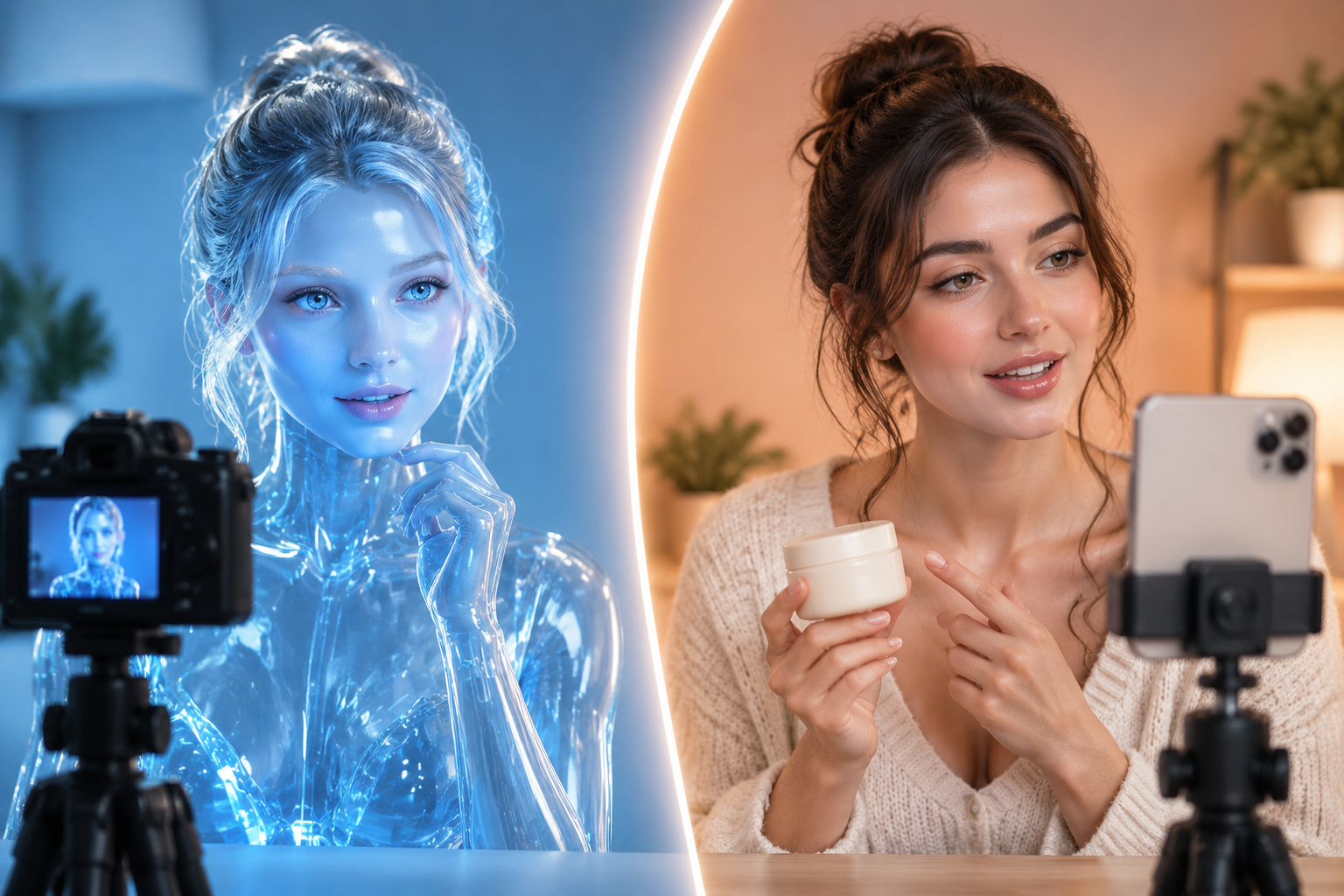
AI avatars are a good fit for repeatable explanations and script variations; UGC creators are the better choice when the persuasive value comes from a person actually using the product. The two approaches can share a casual, phone-shot style, but they do not provide the same kind of evidence. A synthetic presenter cannot truthfully supply a personal customer experience.
A paid creator is not automatically an independent customer, either. “UGC-style” describes a presentation style; a genuine customer review describes where the statement came from. When choosing between AI avatars and UGC creators in 2026, separate the look of the video from the truth of its claims, the rights you need, and the revisions you expect.
GlobalGPT can support the creative side of that decision: write the brief, develop several hooks, prepare a fictional presenter or product scene, and generate the media. Its Studios and Talking Photo routes are relevant tools, but they do not turn a generated person into a real customer or remove the need to inspect the final video.
AI avatars versus UGC creators: the meaningful differences
| 问题 | 人工智能头像 | UGC creator |
|---|---|---|
| Where does the message come from? | A supplied script performed by a synthetic or authorized digital presenter | A person’s script, demonstration or genuine experience; verify which |
| Product interaction | Must be checked for invented hands, packaging and behavior | Can film the actual product and demonstrate its physical use |
| Changes after production | Can generate a revised line or language version; consistency still needs review | May require a pickup recording, availability and an agreed revision fee |
| 权利 | Likeness, voice, source material and platform terms | Talent release, footage, editing, placements, term and reuse |
| Best starting use | Explanations, recurring updates and controlled variations | Tactile demonstrations, personal stories and firsthand observations |
| What it cannot prove | That a person really bought, used or benefited from the product | That an untested claim is true merely because a real person says it |
A face is not always the missing ingredient. For a lamp, a real shot of the switch, light pattern and cable can answer a buyer’s question better than either type of presenter. For software, an accurate screen recording may matter more than an enthusiastic opening. Identify the proof the viewer needs before choosing who appears on screen.
When an AI avatar is a sensible choice
Use an avatar when the script is factual, short and likely to change. A launch announcement, a localized product overview or a recurring feature update can benefit from a consistent presenter. The efficiency comes from reusing an approved structure and changing the controlled text—not from assuming every generated take will be ready to publish.
Keep the presenter’s job narrow. “Here are the two finishes” is easier to substantiate than “I have used this for six months.” The first is an explanation you can verify against product data; the second invents lived experience if spoken by a fictional avatar. Do not solve that problem by hiding the synthetic nature in tiny text while keeping the false story.
Avatars can also help previsualize a creator brief. Generate a concept to show framing, pacing and intended message, then have a real creator record the final demonstration. Label the concept clearly and leave room for the creator’s own delivery instead of requiring an unnatural word-for-word imitation.
When a real creator earns their place
Choose a creator when use itself is the story: opening the package, fitting a garment, cleaning an awkward surface, demonstrating a control or explaining a real inconvenience. Physical contact creates evidence a model may imitate visually but cannot supply experientially. Ask for the moments that prove the point, not just smiling footage around a claim.
A useful creator brief states what is true, what needs to be shown and what should not be claimed. It can leave room for the creator to describe their honest experience. If you hire an actor solely to deliver a brand script, describe the work as an advertisement or demonstration; do not present it as an unsolicited review.
The contract matters as much as the shoot. Agree on paid-ad use, organic use, length of license, countries, permitted edits, whitelisting or account authorization where relevant, and whether the face or voice may be synthesized. Permission to publish one filmed clip is not automatically permission to clone the person for future campaigns.
Official avatar workflows: consent comes before reuse
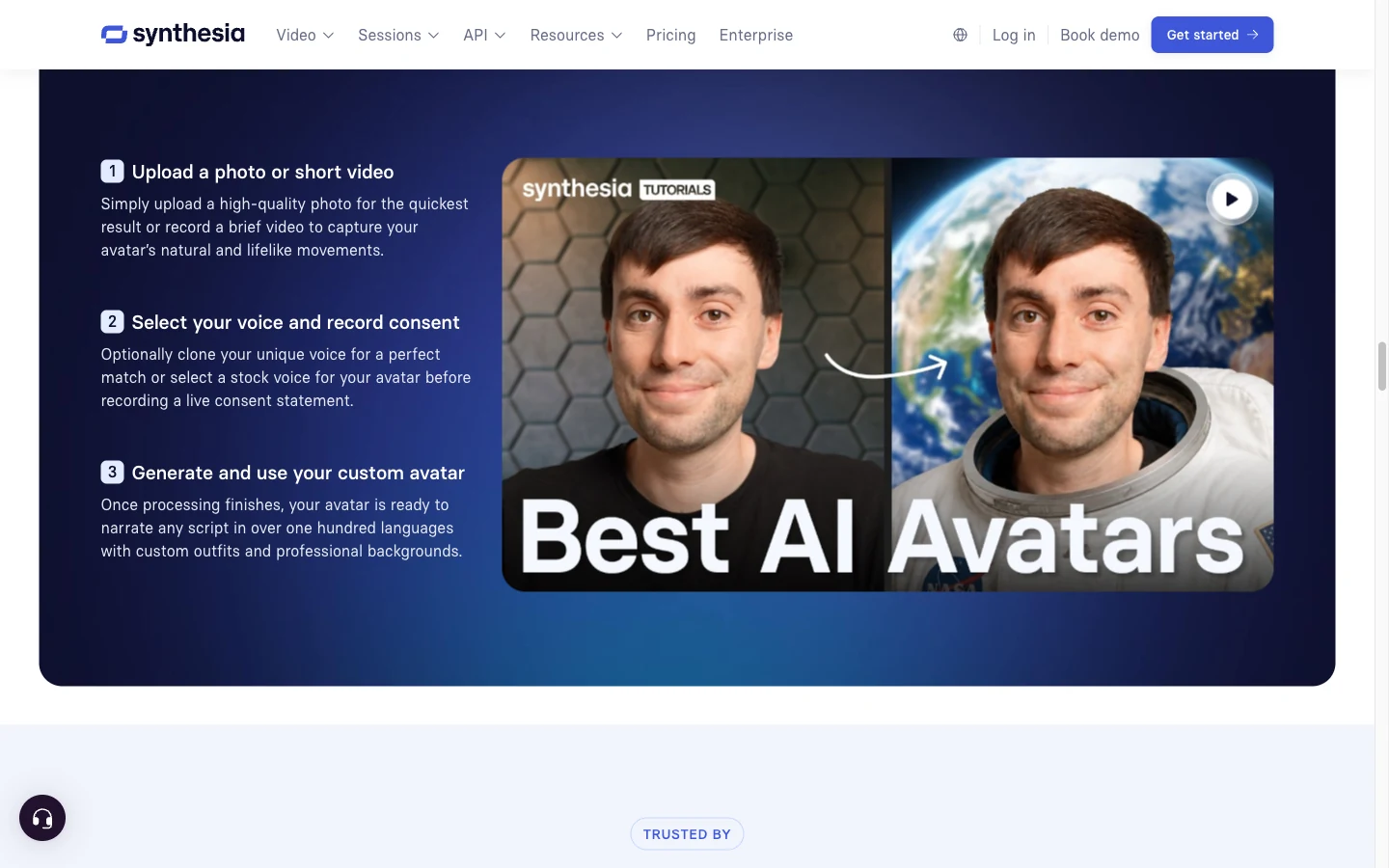
Synthesia distinguishes ready-made stock avatars from personal avatars. Its personal-avatar flow requires a live consent recording, with the person matching the submitted likeness. That is a useful operational distinction: a reusable digital representative requires a specific permission process rather than merely possessing someone’s photograph.
HeyGen is another official route for presenter-led video and translation. Its paid plans allow commercial use subject to the applicable terms and input rights; its Free plan excludes advertising and client work. Check the plan and intended use before treating a trial render as a deliverable. Neither provider’s language-count claim substitutes for checking your actual localized script.
How to build a controlled concept in GlobalGPT
- Write a short brief in GlobalGPT: the audience, the exact product facts, the desired action and the statements the presenter must not make.
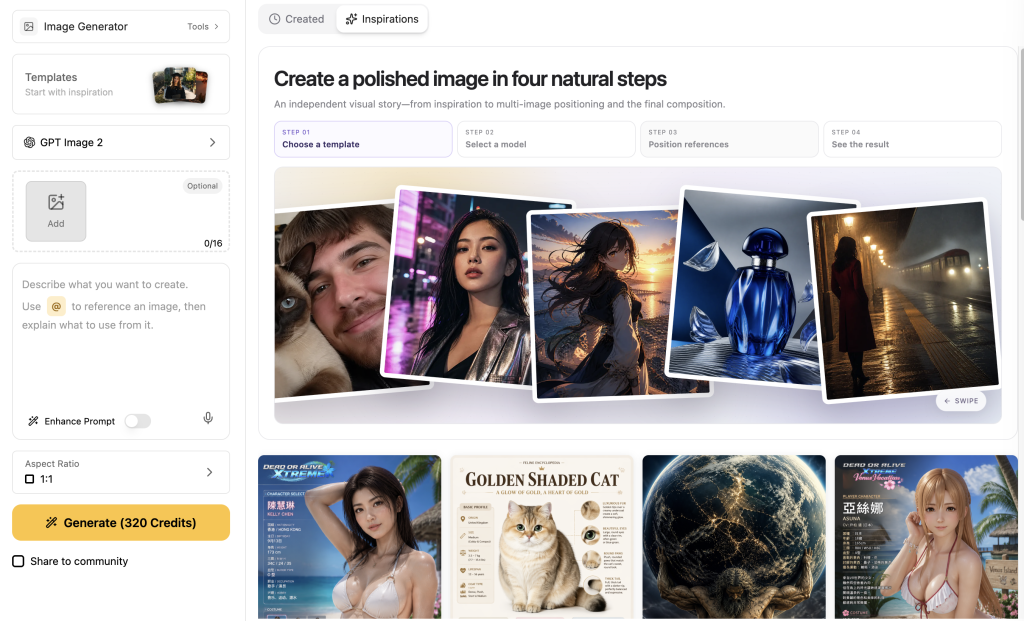
- Choose the production route. Studios starts with a product image, style and presenter. Talking Photo starts with a portrait and spoken script. Use your own authorized likeness or a clearly fictional character.
- Prepare a short explanatory script. Keep personal-use claims out unless they come from the real person who can truthfully make them.
- Generate one concept and review mouth movement, hands, product geometry and the words actually spoken. Keep the first output and its review notes.
- Add captions and necessary disclosure in the final edit. Review the destination page and the advertisement as one message.
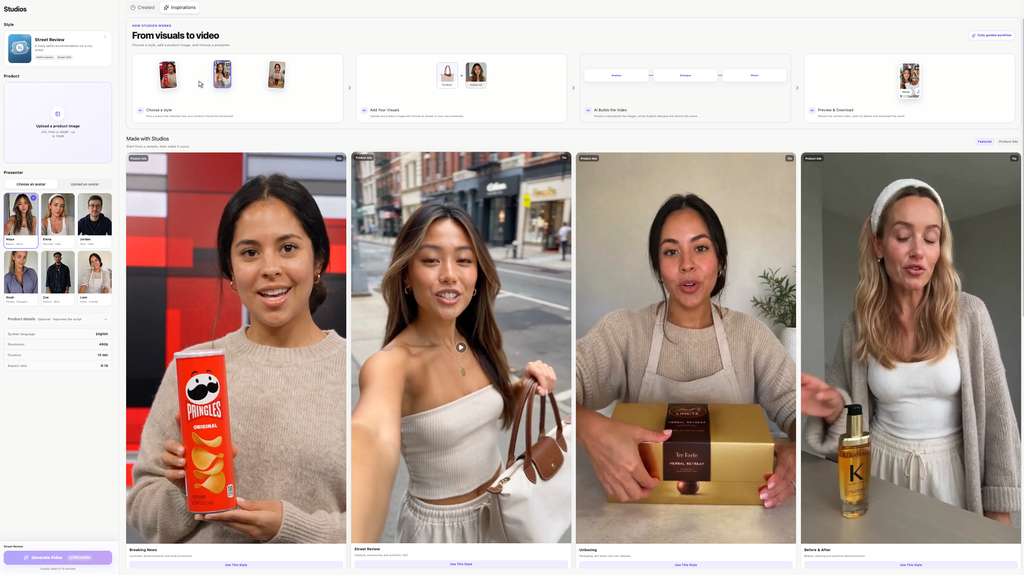
At the time of capture, the selected Street Review preset displayed a 4,700-credit quote. That is one preset’s current quote, not a universal price for every model. Inspect the chosen style, language, resolution, duration and format before using it in a client budget.
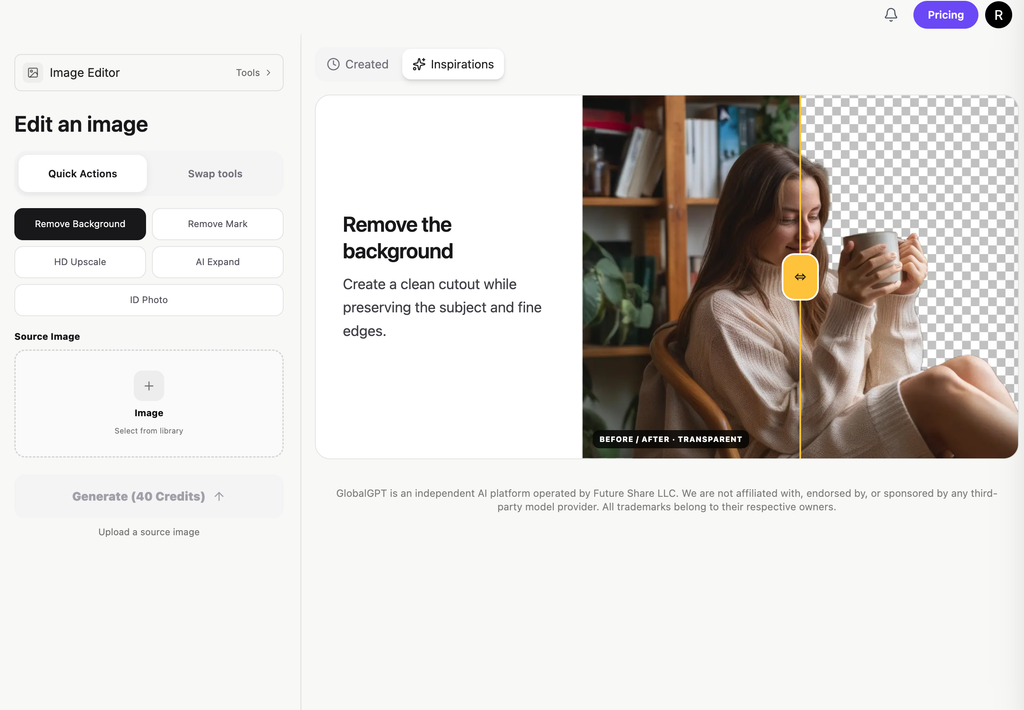
Talking Photo is a more direct starting point when you already know the exact words. It separates the voice prompt from the spoken script. Put performance guidance in the appropriate field and the actual dialogue in the script, so instructions such as “say this warmly” do not become accidental spoken copy.
Our synthetic presenter concept: explanation, not testimony
We designed a five-second concept around a fictional Cedar lamp and a fictional adult presenter. The requested line was “Meet Cedar. A simple lamp for a calm corner.” It intentionally avoids a claim that the speaker owns the lamp, tested its durability or experienced a benefit. The clip is a generative concept, not footage of a customer.
The presenter and lamp stay in a stable composition across the sampled frames. Automatic transcription matches “Meet Cedar. A simple lamp for a calm corner.” This narrow success tests a short explanatory line; it does not test physical product handling, exact lip-sync quality or the credibility of a real customer review.
Evaluate this sample against its brief: does the line finish, does the presenter stay visually coherent, and does the product change? A real avatar-versus-creator performance comparison would also need a creator shoot and an advertising test with comparable audiences, offers and placements. This short concept establishes neither a conversion advantage nor a customer acquisition cost.
Cost and turnaround: compare a deliverable, not a sticker price
| Budget item | Avatar production | Creator production |
|---|---|---|
| Preparation | Script, source portrait, product references | Brief, casting, sample delivery and scheduling |
| Production | Model usage, rejected takes, lip-sync or voice processing | Filming, setup, performance and pickups |
| 加工 | Captions, layout, edit, sound and review | The same finishing work unless included in the contract |
| Rights and reuse | Avatar/voice consent plus platform and asset terms | Talent and footage rights for named channels and periods |
| Ongoing changes | New takes and consistency review | Availability, agreed revisions and license extension |
An avatar may be faster to regenerate, but that does not mean a campaign will ship faster. A legal review, a product claim correction or target-language approval can still be the longest step. Likewise, a creator can provide several natural hooks in one shoot, which may be more useful than repeatedly rewriting a rigid synthetic performance.
Compare one approved deliverable with all its versions: for example, one 15-second concept, three hooks, captions and two aspect ratios. Add the cost of rejected generations and editing to the avatar estimate. Add sample logistics, pickups and usage rights to the creator estimate. Only then is the comparison meaningful.
A hybrid production plan that preserves real evidence
A practical combination is to film the real product interaction once, then use AI to develop intros, explanatory cutaways or language drafts. Keep the genuine demonstration visible wherever a physical claim is being made. You can change a headline without replacing the shot that proves the product does what the headline says.
- Capture a clean product master, factual demonstration and a few silent cutaways. Keep a version without music or burned-in captions.
- Use text models to create audience-specific openings while preserving the same factual claim. Mark any new claim for review.
- Generate supplementary visuals or an explanatory presenter only where appropriate. Keep them distinguishable from firsthand customer footage.
- Assemble variants, check the full message, and run a controlled campaign test if performance is the question. Hold the audience, offer, placement and measurement window as comparable as possible.
Do not call a two-video comparison an A/B test if the audience, offer and placement all changed. A cheaper render is a production saving; a better click-through rate is an observed campaign outcome; a more believable review is a separate research question. Report each with the evidence it actually has.
Before approving the video
- Watch without sound: the product and action should still be legible, and captions should not hide important details.
- Listen without looking: check the actual words, numbers, brand name and whether the CTA is complete.
- Inspect close product contact: fingers, labels, shadows, reflections and object count can reveal errors a face-only review misses.
- Confirm identity and rights: permission for the face, voice, music, footage and intended placements.
- Check the message as a viewer would understand it: does the video imply real experience, an endorsement or a result that did not occur?
For factual explanations and rapid concept development, explore GlobalGPT Studios and build a small, reviewable first version. For real experience, commission or collect real experience. Our AI UGC workflow guide can help with the production steps; the choice between an avatar and a creator should remain grounded in what the video needs to prove.
Useful documentation and current plans
- Synthesia avatars and consent
- HeyGen terms
- HeyGen pricing
- GlobalGPT 工作室
- GlobalGPT Talking Photo
- TikTok creative guidance
常见问题
Is AI-generated UGC a genuine customer review?
No. It may imitate the visual style of user-generated content, but a fictional presenter has no personal buying or product-use experience.
Are real UGC creators always better for ads?
No universal performance winner is established here. Choose based on the evidence the ad needs, then test actual campaign variants with comparable conditions.
Can I turn a creator’s photo into an avatar?
Only with the relevant permission and platform requirements satisfied. Ordinary footage usage rights should not be assumed to include voice or likeness cloning.
Can I combine real footage with AI?
Yes. A useful workflow retains genuine product demonstrations and uses AI for controlled scripts, supplementary visuals and versions, with clear rights and review.