

Ценообразование на код Claude кажется простым, пока вы не начнете выбирать способ оплаты. Вы можете использовать Claude Code в рамках подписки на Claude или подключить его к API Anthropic, но для этих вариантов действуют разные правила выставления счетов. Фиксированный ежемесячный тариф не включает кредиты API, а ключ API может формировать отдельный счет, даже если вы уже оплачиваете тариф Pro или Max.
В данном руководстве подробно рассмотрены тарифные планы «Free», «Pro», «Max 5x», «Max 20x» и «API», в том числе что входит в заявленные цены, как действуют ограничения на использование и что происходит при их исчерпании. Кроме того, здесь описано, как проверить, какой способ оплаты использует Claude Code, чтобы длительная сессия программирования не обернулась неожиданными расходами.
Прежде чем оформить подписку, задайте себе один практический вопрос: нужен ли вам сам Claude Code или вам в первую очередь требуется помощь ИИ при написании кода? Claude Code разработан для работы в терминале и взаимодействия с кодовой базой. Если вам нужна помощь в написании кода в браузере или простой способ сравнить ответы разных моделей ИИ, GLBGPT представляет собой ещё один вариант начала работы, не требующий настройки через командную строку. Поскольку речь идёт о разных сценариях использования, в данном руководстве они рассматриваются отдельно, а не как полная замена один другого.
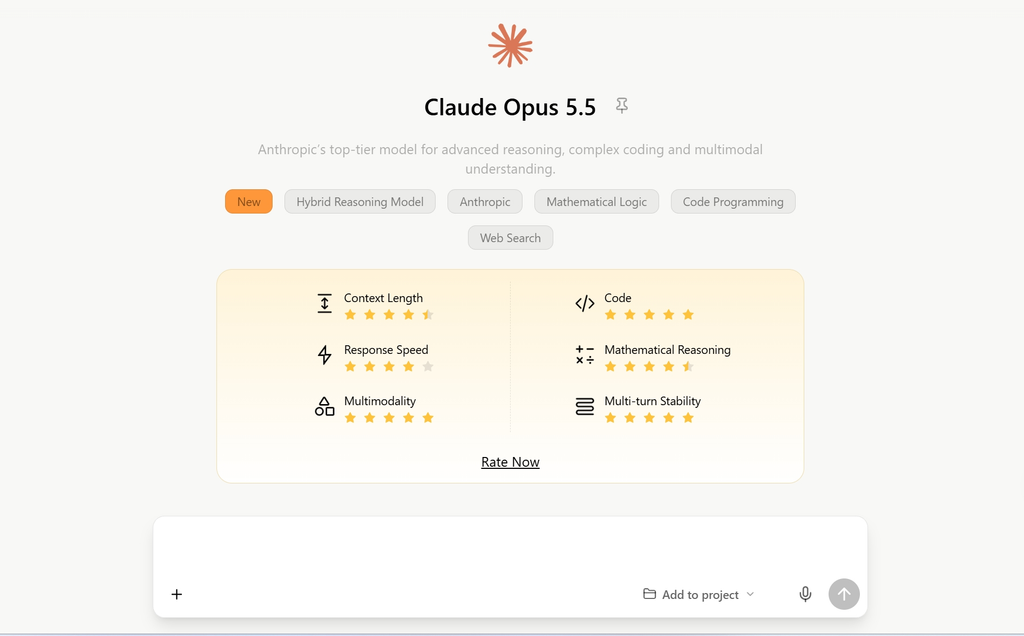
Краткий ответ: Сколько стоит код Claude?
Приведенные выше цены взяты с сайта Anthropic’s руководство по индивидуальному плану. Слово включенный не означает «без ограничений». Доступ по подписке регулируется лимитами использования, тогда как доступ через API влечет за собой начисление платы на основе токенов в привязанной учетной записи Console.
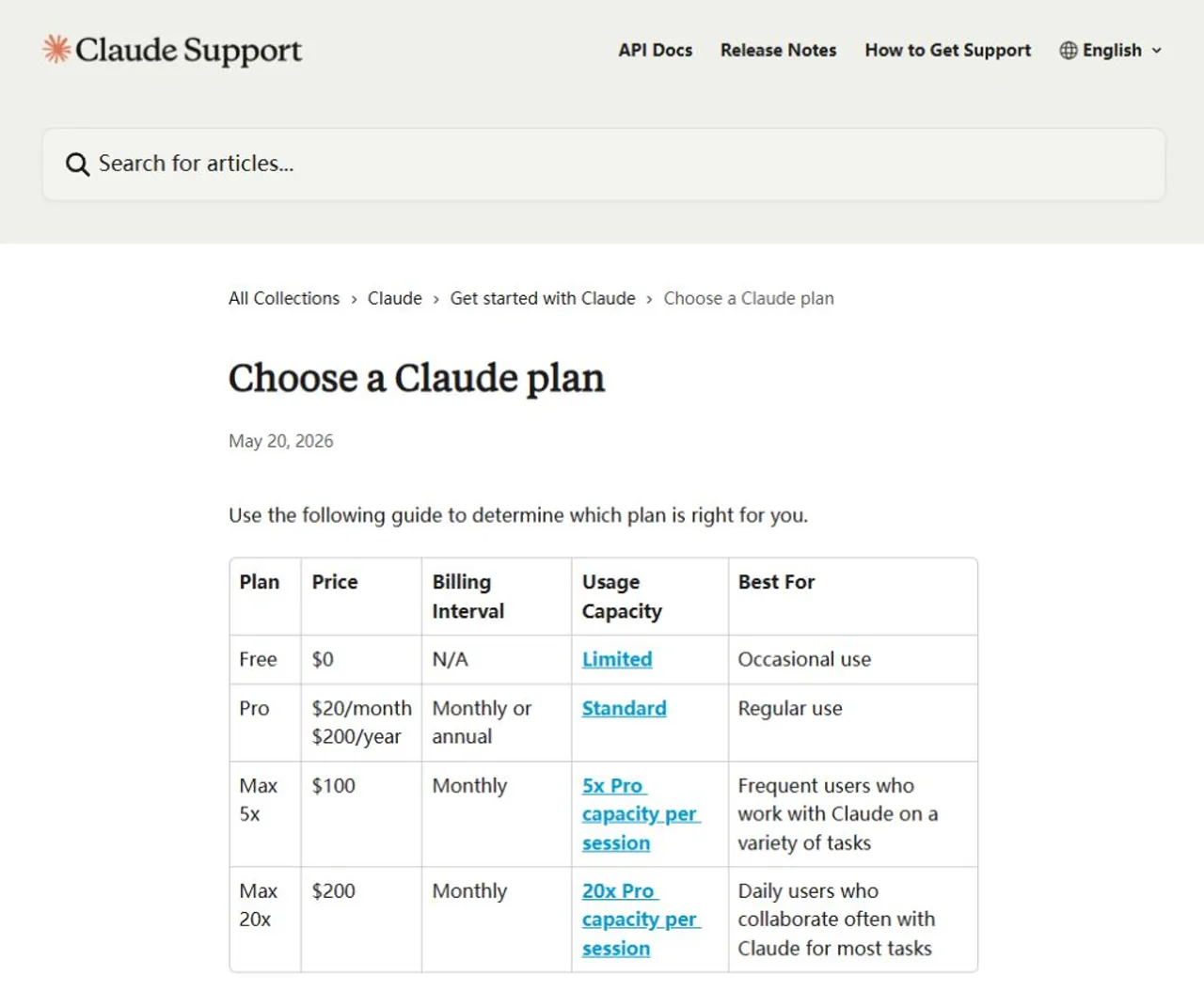
Периодическое использование
$200 при годовом выставлении счетов
Как работает ценообразование по коду Claude
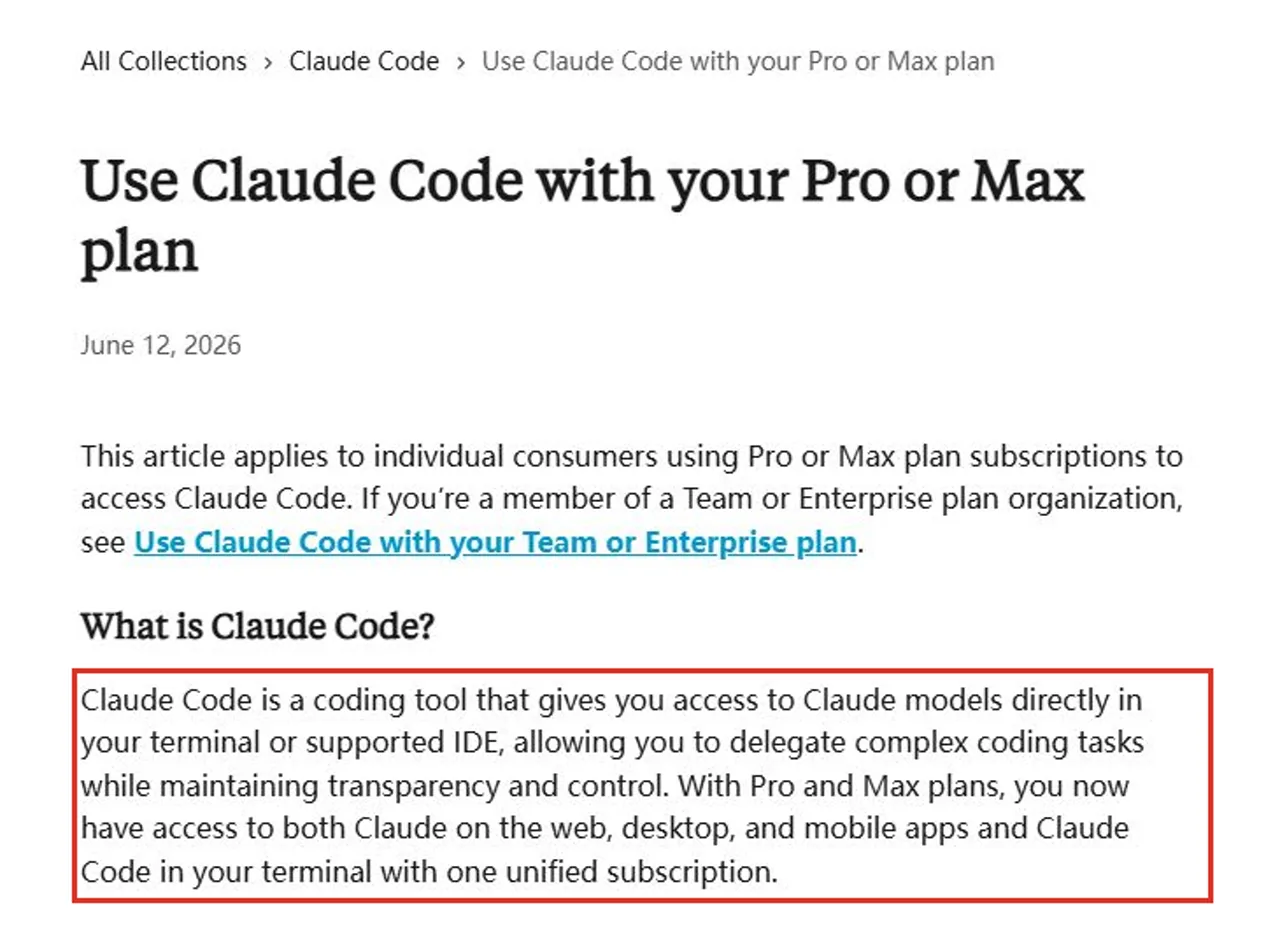
Необходимо разобраться с двумя системами выставления счетов. Подписка Claude предоставляет соответствующим пользователям доступ к Claude Code в рамках лимита использования, предусмотренного тарифным планом. Плата за доступ к API списывается с учетной записи Anthropic Console или организации, привязанной к учетным данным, используемым в Claude Code.
При подписке вы платите фиксированную периодическую плату. Anthropic указывает, что версии Pro и Max использование является совместным в Claude в веб-версии, настольных и мобильных приложениях, а также в Claude Code. Таким образом, длительная сессия в терминале может оставить меньше ресурсов для Claude в других местах, а активность в других приложениях Claude может сократить объем ресурсов, остающихся для Claude Code.
При использовании API стоимость зависит от объема ресурсов. Короткий запрос, который считывает несколько файлов и возвращает компактный патч, может потребовать незначительных ресурсов, в то время как агентская задача, которая многократно выполняет поиск в репозитории, запускает инструменты и обрабатывает обширный контекст, может потребовать гораздо больше ресурсов. Тарифные планы «Team» и «Enterprise» добавляют возможности администрирования на уровне организации, однако их цены за рабочее место и права доступа описаны в документации по бизнес-планам Anthropic, а не в данном сравнении отдельных тарифных планов.
Является ли тарифный план «Claude» бесплатным? Доступ к бесплатному тарифу и ограничения
Бесплатный тарифный план Claude — это тарифный план для чата. Стандартный доступ по подписке к Код Claude входит в состав версий Pro и Max; бесплатная учетная запись в чате не включает эти платные квоты на коды. Доступ к API — это отдельный платный сервис.
Если вы выбираете первую подписку на Claude Code, начните с тарифного плана «Pro» для задач с ограниченным объемом репозитория и оцените, не мешают ли сбросы нормальной работе. Используйте API только после того, как разберетесь с отдельными механизмами контроля расходов; подписка Claude не включает кредиты на API.
Тарифный план «Code Pro» Claude: цена, возможности и ограничения
Стоимость Claude Pro $20 в месяц или $200 при ежегодном выставлении счетов. Anthropic’s Руководство по тарифному плану Claude Сообщается, что подписчики Pro могут использовать код Claude с теми же учетными данными, что и для Claude. Отдельной подписки на код Claude приобретать не нужно.
«Pro» — это практичный стартовый тариф для целенаправленной индивидуальной работы: устранение ошибок, редактирование небольших проектов, написание тестов, разбор незнакомого кода или внедрение нескольких ограниченных изменений каждую неделю. Ежемесячная оплата позволяет легче планировать бюджет, чем в случае с безлимитным тарифом на API.
Компромисс заключается в пропускной способности. Claude Code считывает файлы, отслеживает ссылки, сохраняет историю переписки и может запускать инструменты несколько раз, прежде чем завершить задачу. Поэтому эффективность использования зависит от кодовой базы, модели, задачи, длины контекста и активности в других продуктах Claude — а не только от количества отправляемых вами сообщений.
Если программирование составляет лишь часть вашей рабочей нагрузки, ознакомьтесь с сопутствующими инструментами в нашем Сравнение Клода и ChatGPT.
Максимальные цены по коду Claude: 5x против 20x
Claude Max состоит из двух отдельных уровней: Не более 5 раз в месяц по схеме $100 и Максимум 20x при $200 в месяц. В документе Anthropic их емкость за сеанс указана как 5x и 20x по сравнению с тарифом Pro. Это подписки с более высокой емкостью, а не безлимитные тарифы и не пакеты кредитов API.
Уровень «Max 5x» предназначен для пользователей, которые достаточно часто достигают ограничений тарифного плана «Pro», из-за чего ожидание мешает нормальному рабочему дню. Уровень «Max 20x» предоставляет больше возможностей для непрерывного использования, работы с большими репозиториями или выполнения длительных задач с использованием агентов. Ни один из этих уровней не гарантирует бесперебойный доступ при любой нагрузке, а смена тарифного плана не восстанавливает общий сеанс или недельный лимит после их исчерпания.
Объяснение ценообразования по API с кодом Claude
API Anthropic не взимает единую фиксированную плату за код Claude. Плата взимается в зависимости от модели и активности токенов, использованных в ходе сеанса. Тарифы зависят от конкретной модели и могут изменяться, поэтому актуальные тарифы Anthropic Таблица цен на API является источником, определяющим цены на ввод, вывод, запись в кэш командной строки и чтение из кэша командной строки.
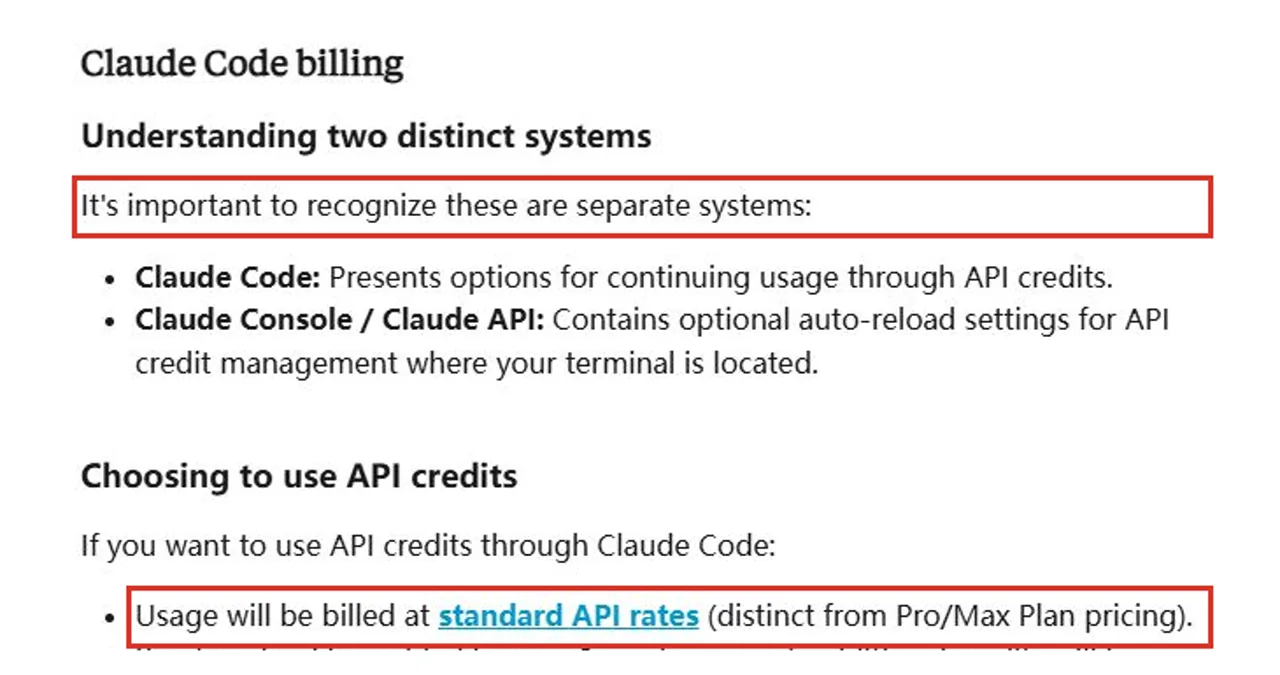
ANTHROPIC_API_KEY Можно настроить перенаправление кода Claude на путь API, даже если вы также оплачиваете тарифные планы Pro или Max.Разделите общее количество токенов на единицу измерения, указанную на странице с ценами (обычно это один миллион токенов). Эта формула более надежна, чем утверждение, что “исправление ошибки стоит $X”, поскольку для двух исправлений ошибок может потребоваться совершенно разное количество операций чтения репозитория и итераций. В текущем руководстве по стоимости Anthropic также отмечается, что сумма в долларах, указанная в /использование рассчитывается локально на основе стандартных тарифов по прейскуранту и может отличаться от тарифов, предусмотренных рекламными акциями или договорными условиями; в отношении оплаты за использование API определяющим является показатель на странице «Использование» в консоли.
Объяснение ограничений на использование кода Claude
Лимиты подписки не совпадают с расходами на API. Подписка ограничивает объем включенных в неё операций Claude, которые вы можете выполнить в течение установленных периодов использования. Использование API измеряется с помощью токенов и регулируется балансом учетной записи API, ограничениями по скорости и средствами контроля расходов.
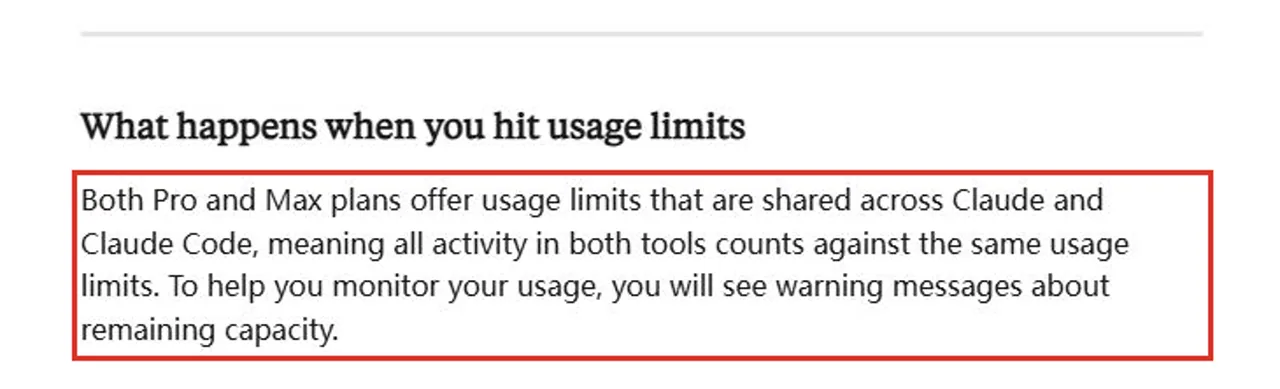
Для версий Pro и Max лимит использования распределяется между Claude и Claude Code. Отображаемое время сброса и доступные параметры более полезны, чем фиксированная оценка количества сообщений, поскольку использование зависит от размера задачи, выбора модели, контекста, инструментов и параллельной работы. В текущей документации по Claude Code для Anthropic указано: /использование отображает индикаторы использования тарифных планов для абонентов и информацию о токенах сеанса и стоимости для пользователей API.
Отдельный маршрут аутентификации
Сборы за токены, не входящие в объем тарифного плана
Следующие действия приводят к более быстрому исчерпанию лимита:
- Чтение или поиск в обширной кодовой базе.
- Продолжать долгий разговор, когда следующее задание не имеет к нему никакого отношения.
- Просьба вносить обширные автономные изменения вместо ограниченных правок.
- Использование модели, требующей большего объема ресурсов.
- Запуск нескольких сеансов Code Claude, субагентов или членов команды агентов.
- Продолжается активная работа в веб-приложениях и настольных приложениях Claude.
Что происходит, когда вы достигаете предела?
Когда вы исчерпаете лимит по подписке, код Claude указывает на то, что лимит достигнут, и сообщает, когда он обновится или какие варианты доступны. Вы можете дождаться обновления лимита, перейти с тарифного плана «Pro» на «Max», активировать кредиты на использование (если они доступны) или перевести рабочую нагрузку, для которой важен фактор времени, на тарификацию по API.
- Дождитесь сброса лимита. Это не влечет за собой дополнительных затрат и является разумным решением, если задача не является срочной.
- Обновите подписку. Переход с тарифного плана «Pro» на «Max» позволяет увеличить включённый лимит без необходимости учета каждого токена как отдельной платы за использование API.
- Включить кредиты на использование. План «Anthropic» позволяет пользователям, имеющим право на его использование, продолжать пользоваться услугами сверх включённых лимитов при условии соблюдения настроек учётной записи и ограничений по расходам.
- Используйте API Anthropic. Это позволяет не прерывать работу, но при этом в связанной учетной записи Console начисляются сборы по системе «оплата по факту».
Прежде чем платить больше, проверьте, можно ли запустить задачу заново в новой сессии с более узким контекстом. Более узкий контекст может снизить потребление ресурсов без изменения тарифного плана.
Предупреждение: почему с вас могут взимать плату за использование API, даже если у вас тарифный план «Pro» или «Max»
ANTHROPIC_API_KEY Если переменная среды установлена, код Claude использует этот ключ API вместо учетных данных подписки, что приводит к начислению платы за использование API.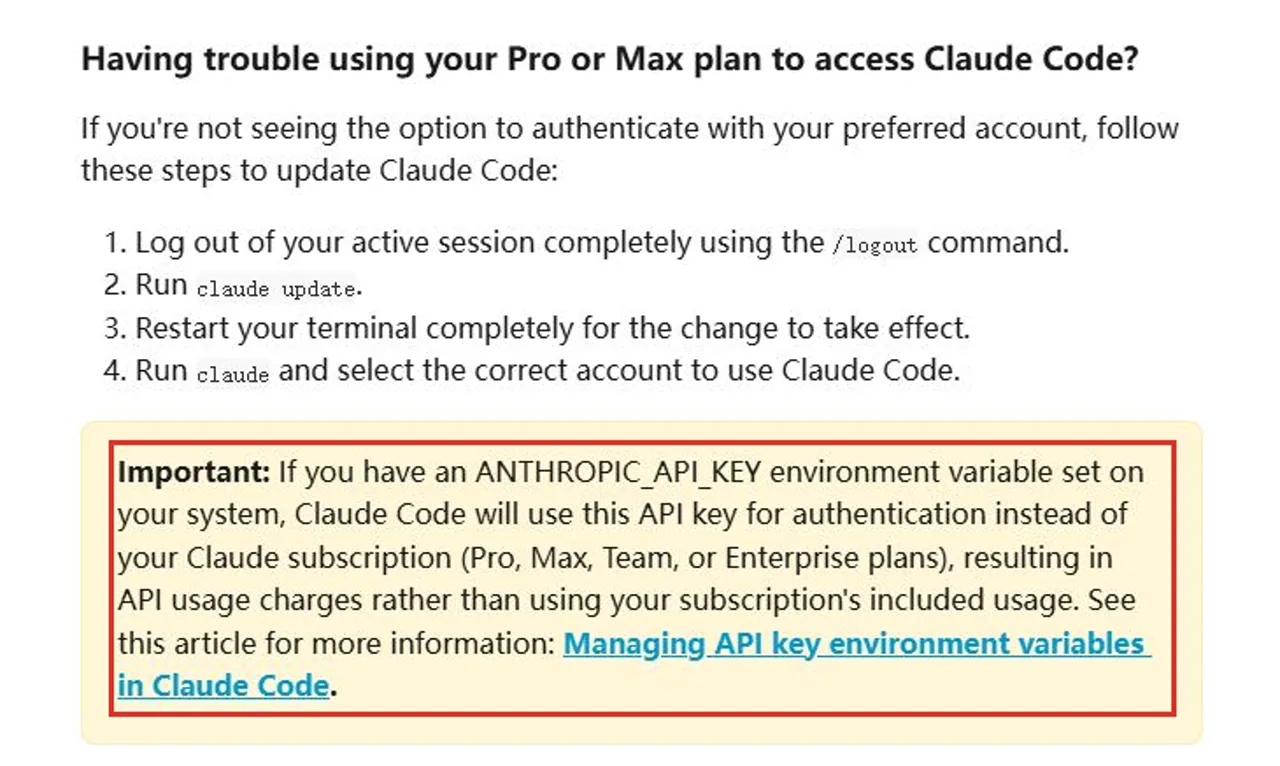
Это самая важная проверка, связанная с выставлением счетов, в данной статье. Использование подписки и использование API консоли — это отдельные системы. Перед началом длительного сеанса работы убедитесь, что в Claude Code вы вошли с помощью своей подписки Claude или с использованием учетных данных, привязанных к организации в консоли.
- Запустить
/использованиеи проверьте, отображаются ли индикаторы использования подписки или данные о стоимости сеанса API. - После отправки одного небольшого тестового запроса проверьте страницу использования «Консоли» на наличие новых действий.
- Прежде чем выбрать дополнительное использование API, проверьте настройки автоматической перезагрузки и лимита расходов.
- Не раскрывайте ключ API на скриншотах, в сообщениях в службу поддержки, в исходном коде или в журналах.
- После изменения параметров аутентификации перед возобновлением выполнения крупной задачи необходимо повторно подтвердить активный маршрут.
Если вы обнаружили неожиданные списания за использование API, прервите сеанс, определите рабочую среду или организацию, с которой было произведено списание, и сравните временные метки с данными об активности по коду Claude. Для урегулирования спора по счетам обратитесь в службу поддержки Anthropic, а не пытайтесь самостоятельно определить, какой маршрут привел к списанию.
Как сократить расходы и объем использования кода Claude
Наибольшую экономию обычно позволяет добиться за счет управления контекстом, а не за счет написания неестественно коротких запросов. Предоставьте Code Claude достаточно информации для выполнения задачи, но старайтесь не переносить нерелевантную историю в каждое новое задание.
- Используйте
/clearмежду несвязанными задачами, чтобы старый контекст не обрабатывался повторно. - Попросите выполнить одну конкретную задачу, например, исправить не прошедший тест, вместо того, чтобы заниматься улучшением всего репозитория.
- Укажите соответствующую папку, ошибку, файл или критерии приемки, чтобы система Claude Code тратила меньше времени на поиск.
- Используйте более недорогие модели, поддерживаемые технической поддержкой, для повседневной работы, а более дорогие модели оставляйте для задач, где они действительно необходимы.
- Следует избегать ненужных параллельных сессий, субагентов и членов команды агентов.
- При использовании API установите лимит расходов для рабочей области или предоплаченный бюджет и следите за показателями на странице «Использование» в Консоли.
- Проверяйте использование подписок и расходы на API консоли отдельно; один отчет не отражает данные обеих систем.
Более узкий, релевантный контекст также может улучшить результаты. Модели легче сосредоточиться на текущей ошибке, когда старые решения и несвязанные файлы не отвлекают её внимание.
Вам нужен код Claude — или просто модели Claude?
Код Claude полезен в тех случаях, когда необходимо, чтобы ИИ-агент просматривал репозиторий, редактировал файлы, выполнял разрешенные команды и работал непосредственно из терминала или поддерживаемой среды разработки. Именно такое локальное поведение с использованием инструментов является причиной, по которой его предпочтительнее использовать вместо стандартного чата в браузере.
Возможно, вам не понадобится такая настройка, если ваши основные задачи заключаются в разъяснении фрагмента кода, написании чернового варианта функции, проверке вставленного кода, обсуждении архитектуры или сравнении ответов разных моделей ИИ на один и тот же вопрос по программированию. Для таких задач браузерная мультимодельная платформа может оказаться более удобной, поскольку не требует установки через командную строку или настройки API-ключа.
Часто задаваемые вопросы о ценообразовании по коду Claude
Можно ли использовать код Claude бесплатно?
У Claude есть бесплатный тарифный план $0, однако необходимо проверить актуальные условия получения кода Claude на страницах реального счёта и тарифных планов. Не следует полагать, что бесплатный тарифный план для чата всегда включает тот же доступ к коду, что и тарифные планы «Pro» и «Max».
Входит ли код Claude в состав пакета Claude Pro?
Да. Согласно условиям тарифного плана Anthropic, подписчики тарифного плана Pro могут получить доступ к сервису Claude, используя свои учетные данные для Claude, с учетом ограничений на совместное использование, предусмотренных данным тарифным планом.
Сколько стоит Claude Code Max?
Пакет «Max 5x» стоит $100 в месяц, а пакет «Max 20x» — $200 в месяц. Это цены на подписку, а не предоплата за использование API.
Включает ли тарифный план «Claude Max» кредиты API?
Нет. Максимальный лимит подписки и тарификация по API Anthropic — это отдельные вещи. API-ключ, используемый в Claude Code, может генерировать расходы по API даже в том случае, если у пользователя также есть подписка Max.
Имеют ли тарифные планы «Claude» и «Claude Code Share» общие ограничения на использование?
Да, для индивидуальных подписок Pro и Max. Трафик, используемый в приложениях Claude и Claude Code, списывается с общего лимита тарифного плана.
Что произойдет, когда я достигну лимита по коду Claude?
Вы можете дождаться сброса лимита, перейти на более высокий тарифный план, включить дополнительный объем трафика (при наличии соответствующих прав) или перейти на оплату по API. На экране отображаются варианты, доступные для вашей учетной записи.
Почему с меня взимается плата за использование API, если у меня есть подписка Claude Pro?
Код Claude, возможно, использует ключ API вместо аутентификации по подписке. Проверьте /использование, маршрут активного входа в систему и записи об использовании консоли. План «Pro» не покрывает расходы на использование API.
Подписка Claude дешевле, чем API?
Они по-разному рассчитывают стоимость использования. При подписке вы платите фиксированную периодическую сумму с установленными лимитами; при использовании API оплата производится по фактическому количеству токенов. Сравнивайте их со своими собственными данными об использовании, а не с общими оценками стоимости выполнения задач.