

O Plano de Codificação GLM é a opção de assinatura da Z.ai para o uso de modelos GLM em fluxos de trabalho de agentes de codificação. Não se trata do mesmo produto que o faturamento por API no modelo “pague conforme o uso”. Essa distinção determina se o plano é uma boa oferta ou um compromisso incômodo: uma assinatura é adequada para trabalhos interativos regulares em ferramentas como Claude Code, Cline, Kilo Code, OpenCode e OpenClaw; um orçamento de API pode ser mais simples quando o uso é irregular ou quando você precisa de um teto de gastos rígido e previsível.
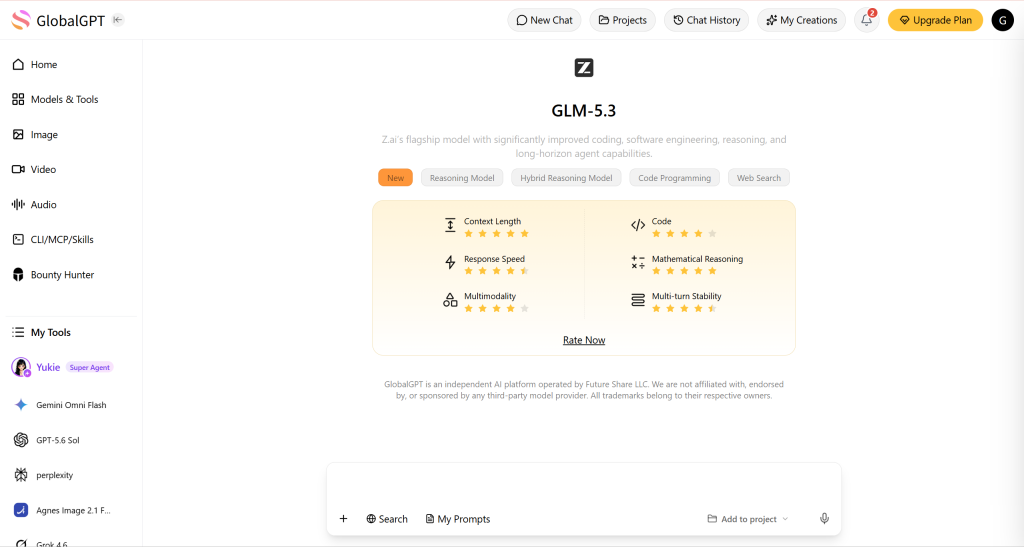
Preços do Plano de Codificação GLM: o que realmente significa $18/mês
| Pergunta | O que a Z.ai publica | Como usar |
|---|---|---|
| Preço inicial | Planos de $18/mês. | Use esse valor como referência mínima, e não como uma estimativa do seu gasto anual total. |
| Acesso ao modelo | A página do plano apresenta os nomes GLM-5.3, GLM-5.2 e GLM-5-Turbo. | Verifique se o seletor em tempo real ainda inclui o modelo que você deseja. |
| Utilização | Créditos, e não uma cota universal de tokens públicos. | Verifique o cartão do plano e sua conta antes de uma migração de grande volume. |
| Concorrência | Vinculado ao nível e ajustado dinamicamente de acordo com a disponibilidade. | Não considere o desempenho fora do horário de pico como uma garantia contratual. |
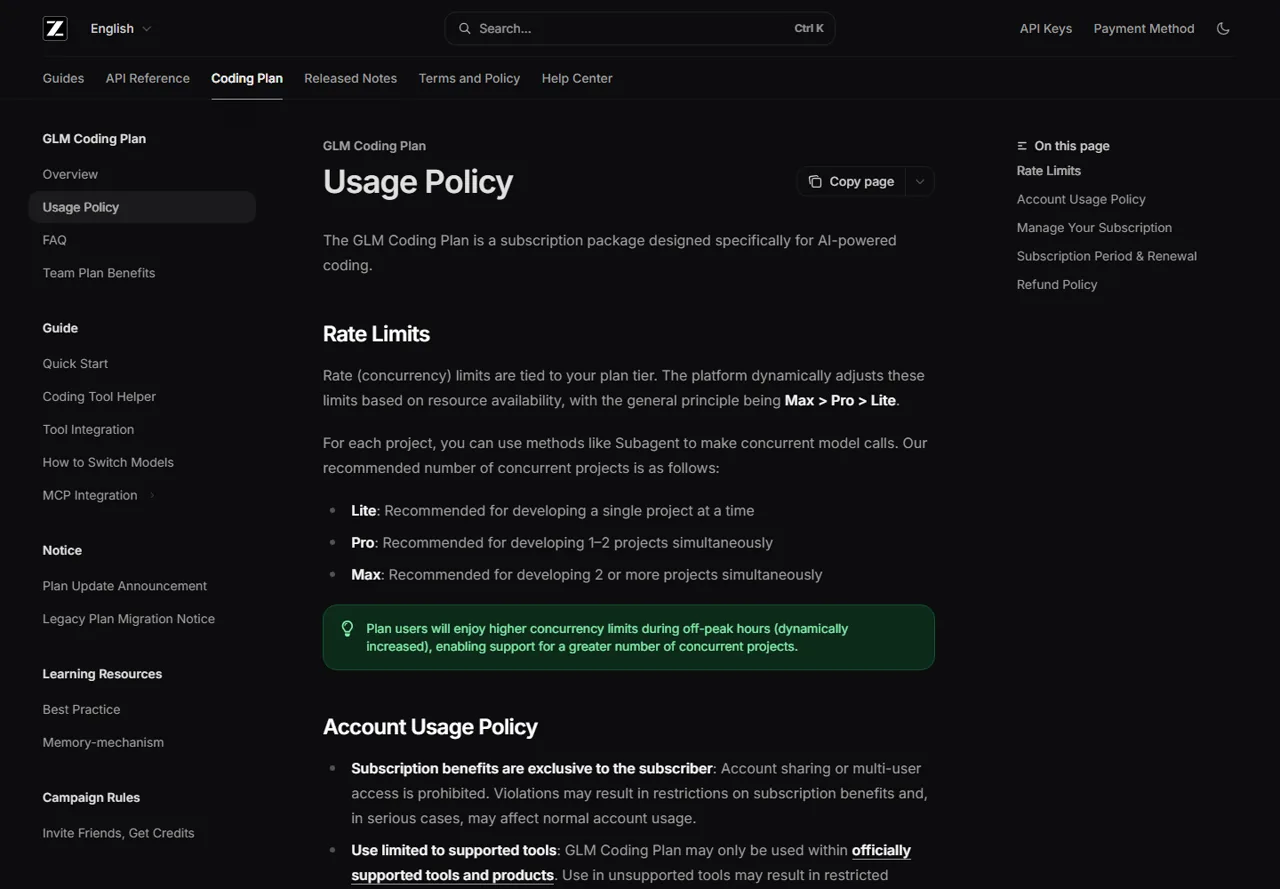
A mudança importante é a unidade de comparação. A interface de assinatura do Z.ai informa que o cálculo da cota passou de “tokens” para “créditos” em 30 de julho. Os créditos podem ser práticos para um catálogo com modelo misto, mas tornam as comparações antigas com base em “tokens por mês” pouco confiáveis. O site oficial política de uso também afirma que a simultaneidade está vinculada ao nível de serviço e é ajustada dinamicamente de acordo com a disponibilidade de recursos, podendo ser maior fora dos horários de pico. Em linguagem simples: trata-se de uma assinatura com gerenciamento de capacidade, e não de um reservatório fixo que você possa dividir em solicitações idênticas.
Limites: as letras miúdas que mudam o veredicto
- Não existe uma promessa pública segura do tipo “X solicitações por dia”. As solicitações dos agentes variam consideravelmente de acordo com o tamanho do repositório, as chamadas às ferramentas, o contexto e o comportamento de repetição de tentativas.
- A concorrência não é estática. Um plano de níveis ajuda, mas a capacidade nos horários de pico pode ser diferente da de uma manhã de domingo tranquila.
- O plano é pessoal. A Z.ai proíbe o compartilhamento de contas ou o acesso por vários usuários; trate a implantação em equipe como uma questão de aquisição da equipe.
- Compre com cuidado. A política publicada estabelece que as assinaturas confirmadas não são reembolsáveis.
Essas limitações não são motivo para descartar o plano. Elas são motivo para testá-lo em sua própria carga de trabalho antes de substituir uma cadeia de ferramentas. Comece com um branch de recurso real, uma refatoração que exija o contexto do repositório e um bug que exija o uso de ferramentas. Se você precisar primeiro de um contexto de mercado mais amplo, compare nosso Alternativas ao Claude para trabalhos de programação e Alternativas ao ChatGPT.
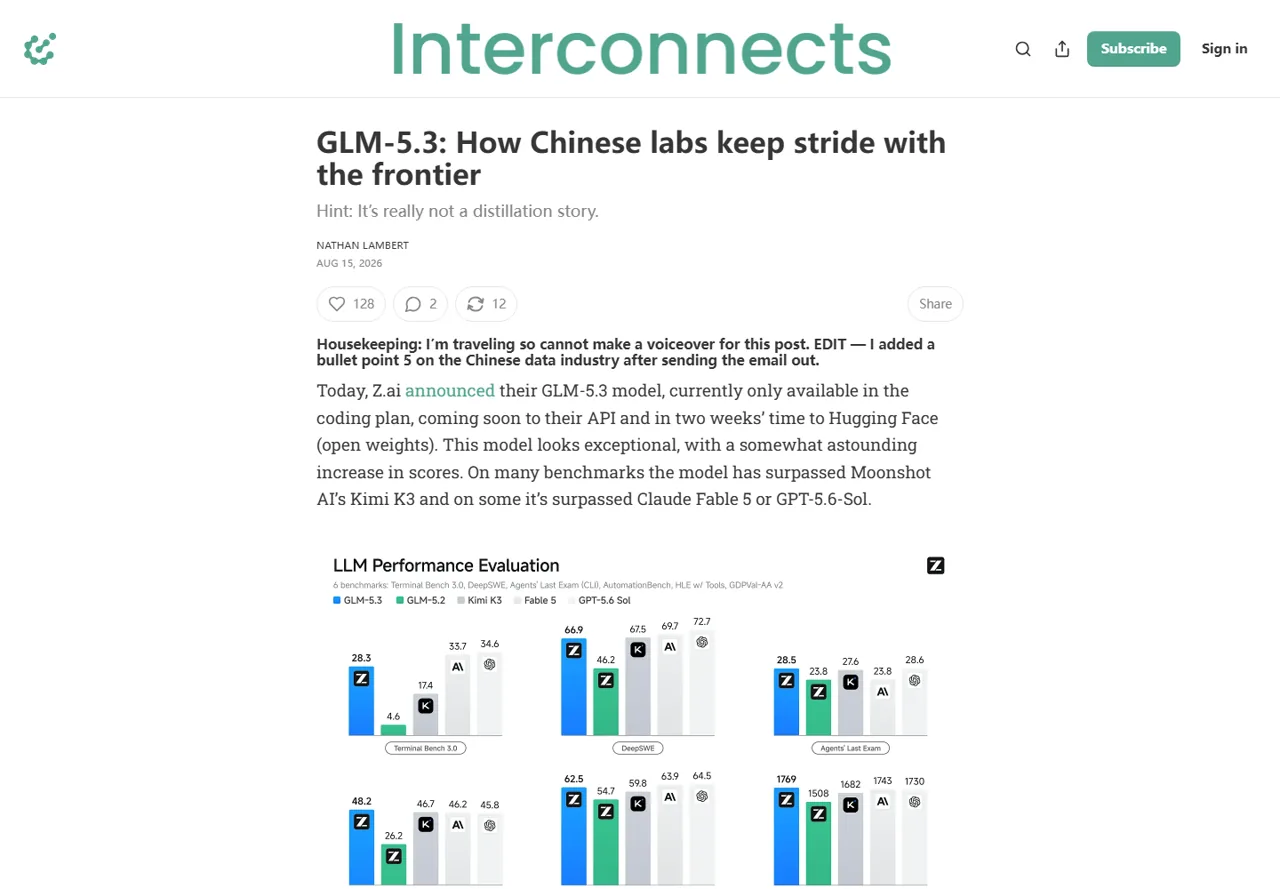
Vale a pena usar o GLM 5.3 para programação?
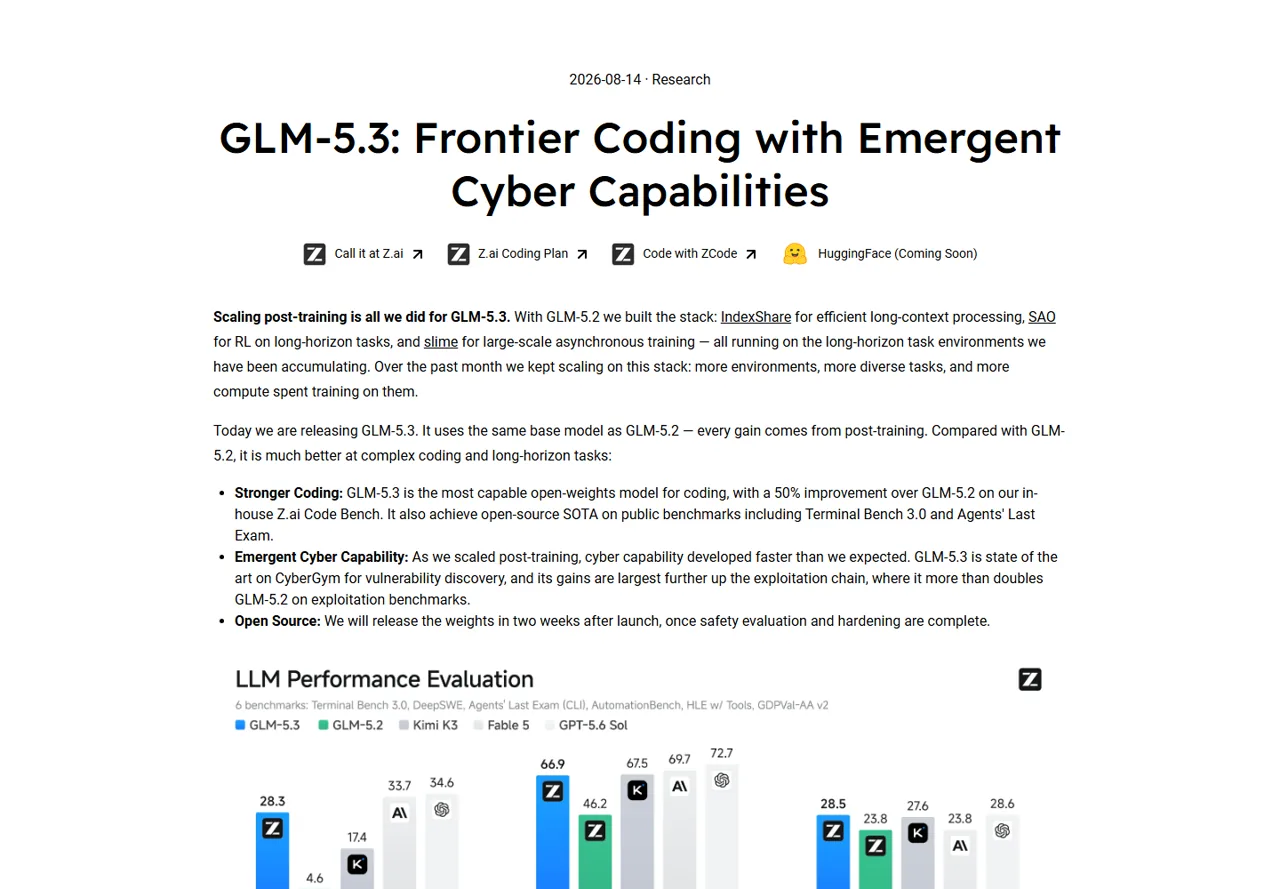
Para um usuário comum do agente, sim — com algumas ressalvas. O GLM 5.3 vale a pena quando seu trabalho envolve ciclos repetitivos de programação: ler um repositório, planejar uma alteração, editar vários arquivos, executar testes e corrigir a primeira tentativa. A assinatura se torna menos atraente quando você solicita apenas alguns trechos por mês, quando uma regra de conformidade exige uma cota garantida publicada ou quando um projeto precisa ser executado de forma autônoma a um custo conhecido.
Nossa análise prática do GLM 5.3
Testamos o gateway Broly, compatível com OpenAI, em 20 de agosto de 2026, com três tarefas de programação no nível da API. Com raciocínio.esforço=baixo e com um limite de 2.000 tokens, todas as três retornaram um código HTTP 200 e respostas úteis em 18,7 a 63,4 segundos.
A ressalva importante é a sensibilidade à configuração. Execuções anteriores, com o comportamento padrão de raciocínio, esgotaram o orçamento de saída e não retornaram nenhuma resposta; uma nova tentativa com um orçamento maior gerou um erro de gateway.
Tarefa 1 · Correção de bug em Python
Solicitação
Diagnostique e corrija o bug de normalização de e-mails. Apresente um diagnóstico, um patch mínimo e dois testes. Mantenha os nomes das funções públicas.
Saída observada · 18,7 s · concluído
Diagnóstico devolvido, código corrigido e testes. O modelo separou corretamente a entrada normalizada da string bruta antes da validação.
Tarefa 2 · Projeto Express com vários arquivos
Solicitação
Elabore uma alteração no ID de solicitação do Express que não dependa de nada. Especifique os arquivos exatos, as interfaces, a ordem do middleware e um plano de testes direcionado.
Saída observada · 63,4 s · concluído
Entreguei um mapa de arquivos, um plano de implementação de middleware, regras de validação e um plano de testes de regressão.
Tarefa 3 · Análise de injeção de SQL
Solicitação
Analisar um construtor de consultas em Python quanto à segurança e à correção. Classificar as constatações, explicar a vulnerabilidade, fornecer uma versão corrigida e testes de regressão.
Saída observada · 50,4 s · concluído
Apresentou resultados classificados de injeção de SQL, detalhes sobre a explorabilidade, orientações sobre consultas parametrizadas e recomendações de teste.
Conclusão prática: Teste o GLM 5.3 com suas próprias correções de bugs e alterações em vários arquivos antes de substituir um agente que está funcionando. Mantenha uma API alternativa para trabalhos com prazos apertados.
Guia de decisão
Compre ou experimente o Plano de Programação: você utiliza ativamente um agente compatível, deseja o GLM 5.3 nesse fluxo de trabalho e pode avaliar a capacidade real durante seu horário normal de trabalho.
Preferir faturamento via API: as cargas de trabalho apresentam picos, você precisa de controles de gastos ou está desenvolvendo um serviço em vez de trabalhar de forma interativa.
Escolha outro trajeto: você precisa de uma cota semanal fixa prevista em contrato, compartilhamento entre vários usuários sem supervisão ou um recurso de IDE específico de um provedor que não esteja incluído no conjunto de ferramentas suportadas.
Como avaliar o plano sem se iludir
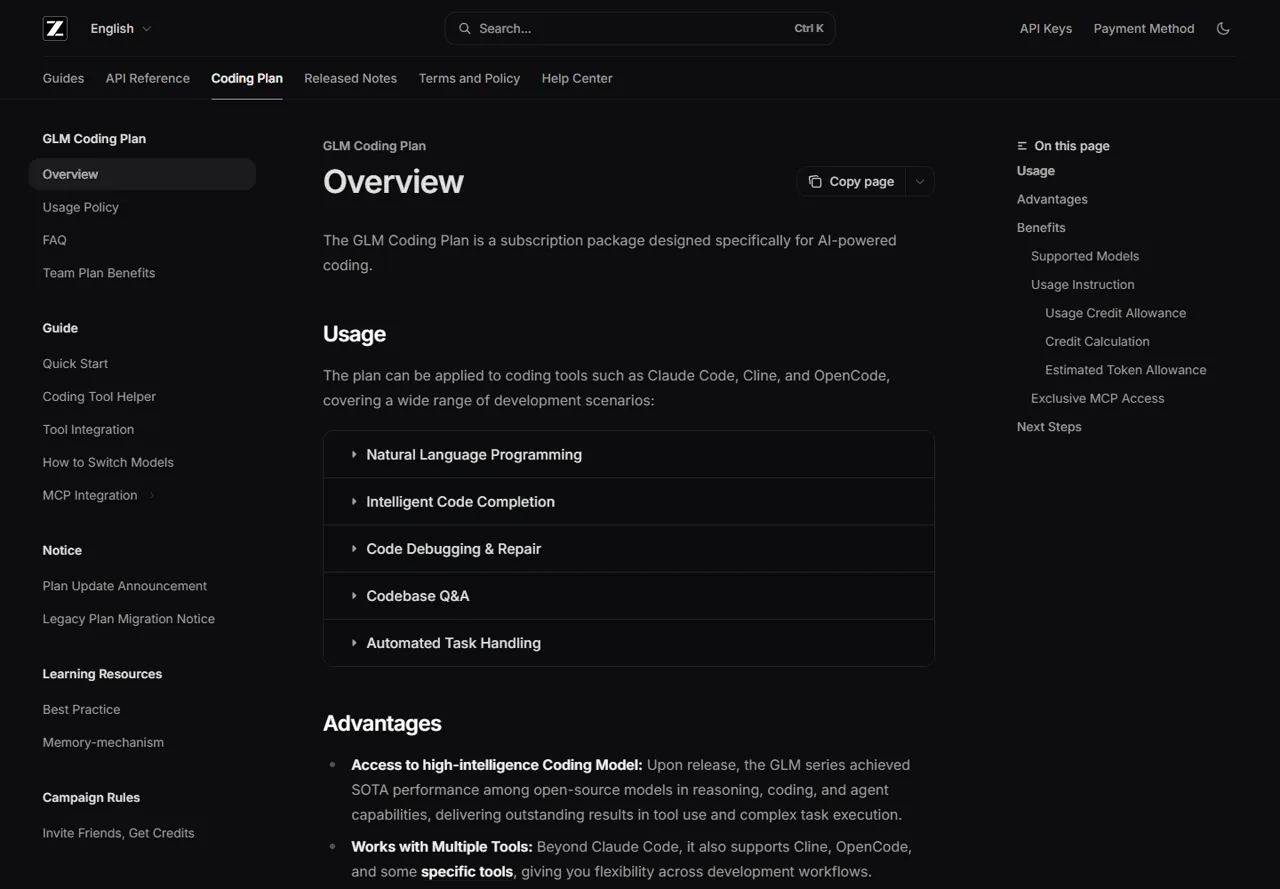
- Abrir a transmissão ao vivo Seletor do Plano de Codificação GLM e registre o plano, o preço, as condições de crédito e a disponibilidade do modelo exibidos na sua conta.
- Configure um cliente de codificação compatível com o software oficial Documentação do Plano de Codificação.
- Execute as mesmas três tarefas que você usa em outros lugares: uma pequena correção de bug, um recurso que envolve vários arquivos e um diagnóstico de falha em um teste.
- Acompanhe a conclusão, as tentativas repetidas, os erros de ferramentas, a latência e se os limites de taxa interrompem o trabalho.
- Mantenha as credenciais de fallback da API para tarefas com prazos críticos até que você tenha uma noção da experiência do usuário nos horários de pico.
Não compare modelos com base em uma única mensagem chamativa na página de destino. A codificação agênica é uma questão de sequência. O melhor resultado é aquele modelo que conclui sua alteração com o menor número possível de iterações de esclarecimento e gera um diff que possa ser revisado. Para obter orientações sobre como tornar esse fluxo de trabalho mais eficiente, consulte nosso Ranking dos assistentes de IA testados, Guia de seleção de tarefas de IA, e alternativas para assistentes de pesquisa.
Se o custo é sua principal preocupação, leve em conta a capacidade da assinatura em relação à carga de trabalho, em vez do preço anunciado. Nossa Guia de preços do GPT-5.6 é útil para comparar uma opção de assinatura com a estrutura econômica do modelo de cobrança por uso, enquanto o Comparação entre GPT-5.6, Fable 5 e GPT-5.5 mostra por que os fluxos de trabalho de codificação devem ser avaliados modelo a modelo, em vez de com base em uma única pontuação na tabela de classificação.
Veredicto
O GLM Coding Plan oferece um preço inicial bastante acessível e suporte claro para clientes de agentes populares. Nossa verificação no nível da API gerou correções e análises úteis quando o raciocínio era restrito, mas também revelou truncamento e sensibilidade do gateway em outras configurações. Sua desvantagem é a transparência: $18/mês é fácil de entender, enquanto o modelo de créditos e a simultaneidade dinâmica exigem que você examine o plano ativo e teste o uso real. Vale a pena experimentar o GLM 5.3 para desenvolvedores que programam com agentes com frequência suficiente para se beneficiarem de uma assinatura. Não é a compra ideal para quem busca um número fixo e público de tokens por mês ou uma conta compartilhada de equipe sem riscos.
Perguntas frequentes sobre o Plano de Codificação GLM
Quanto custa o Plano de Codificação GLM?
A Z.ai comercializa o Plano de Codificação GLM a partir de $18 por mês. Como os planos, as campanhas e os critérios de elegibilidade da conta podem sofrer alterações, verifique o seletor em tempo real antes de efetuar o pagamento.
O Plano de Codificação GLM inclui o GLM 5.3?
A página atual de planos do Z.ai lista o GLM-5.3 junto com o GLM-5.2 e o GLM-5-Turbo. Verifique a disponibilidade na tela de compra, pois o acesso aos modelos é dinâmico.
Quais são os limites do Plano de Codificação GLM?
O Z.ai utiliza Créditos e vincula a simultaneidade ao plano de plano e à disponibilidade de recursos. Ele não publica um token público estável nem uma matriz de solicitações que se aplique a todas as contas.
Posso compartilhar uma conta do Coding Plan com minha equipe?
Não. A política oficial de uso estabelece que os benefícios da assinatura são exclusivos do assinante e proíbe o compartilhamento de contas ou o acesso por vários usuários.
Devo usar a assinatura ou a API?
Escolha a assinatura para trabalhos recorrentes com agentes de codificação interativos. Opte pelo faturamento por API quando o uso for esporádico, automatizado ou exigir um limite máximo de gastos controlado.