Procurando por ChatGPT Images 2.5 alternatives because you need a different visual style, more control over a layout, or a bill that fits your workload? The right replacement depends on what is slowing you down: creating a first image, editing an existing one, or producing a whole set.
Resposta rápida: Comece com Nano Banana 2 for conversational creation and editing, Midjourney V8.2 for art direction, Ideograma 4 for text and layout controls, Adobe Firefly for an Adobe editing setup, or FLUX.2 for pay-as-you-go generation and configurable models.
We ran 4 shared prompts through three alternatives and a GPT Image 2.5 baseline on GlobalGPT: 16 first outputs, shown below. Recommendations also use official feature documentation; prices were checked on September 29, 2026.
Below, you will find each alternative’s main advantage, real image outputs across practical design tasks, and separate price comparisons for subscriptions and usage-based generation. A $10 membership and a three-cent API starting price buy different things.
Utilizamos Espaço de trabalho de imagens do GlobalGPT to submit the same briefs to GPT Image 2.5, Nano Banana 2, Ideogram 4.0, and FLUX.2 Pro. All 16 first attempts returned an image, and the account billed 3,680 platform credits in total. The test cards show what each output did well and what still needed attention.
A quick naming distinction: OpenAI’s API models are GPT Image 2.5 Sunburst and GPT Image 2.5 Flare. OpenAI positions Sunburst for editing precision and Flare for fast everyday generation. ChatGPT subscriptions, direct API billing, and third-party platform access are separate products.
Neste guia
ChatGPT Images 2.5 Alternatives at a Glance
Use this shortlist to identify the missing feature in your current process. “Best fit” describes a practical starting point, not a measured ranking of overall image quality.
If you are still deciding whether to leave the OpenAI option at all, the ChatGPT Images 2.5 review covers the baseline in more detail. The sections below focus on reasons to choose something else.
The Five Alternatives: Advantages and Trade-offs
1. Nano Banana 2 — a practical starting point for everyday editing
CHOOSE IT FOR
Creating an image, changing its background, adapting its format, and refining it through a conversation.
Nano Banana 2 is Google’s Gemini 3.1 Flash Image model. The Gemini image-generation page describes a straightforward approach: choose Create images, type a prompt or upload a picture, then ask for changes. That makes it an accessible alternative when you prefer describing an edit to setting up a separate design tool.
Its more technical advantage is the range of supported inputs and outputs. Google’s documentação sobre geração de imagens supports multiple reference images, output up to 4K, and search grounding on the applicable API route. For a product campaign, that gives you a way to supply the product and visual references, then request several settings or crops.
A contrapartida: the Gemini app and API expose different controls and allowances. The consumer product also uses visible and invisible AI watermarks. A paid Google subscription does not purchase API credits, and access to Nano Banana Pro does not turn it into the same model as Nano Banana 2.
Preço: the Gemini app has a free option; Google AI Plus is $4.99 per month and AI Pro is $19.99 per month in the current US list. Direct API usage is billed separately. For the narrower two-model decision, see our GPT Image 2.5 vs Nano Banana 2 comparison.
2. Midjourney V8.2 — for stronger control over art direction
CHOOSE IT FOR
Exploring a campaign’s look and reusing a recognizable style across a series of images.
Midjourney is a useful alternative when the real problem is visual direction. Its V8.2 release focuses on aesthetics and personalization. Style references and moodboards give you more ways to communicate a look than repeatedly adding adjectives to a prompt.
It is also no longer accurate to describe Midjourney as only a text-to-image tool. The V8 editing model supports instructions, up to four image references, changes to selected areas, and canvas expansion. Those controls can help carry a concept into revisions without starting every variation from scratch.
A contrapartida: the entry plan is not the unlimited-generation plan. Basic includes 200 minutes of Fast GPU time; unlimited Relax image generation starts with Standard. Private creation through Stealth Mode requires Pro or Mega. Midjourney also requires businesses above $1 million in annual gross revenue to choose Pro or Mega under its commercial-use terms.
Preço: Basic is $10 per month or $96 paid annually. Standard is $30 per month or $288 annually. If you mainly need occasional assets, the extra capacity may be unnecessary; if you explore dozens of directions, the allowance matters more. Our Midjourney prompts for products and art can help you define the brief before committing.
3. Ideogram 4 — for typography and explicit layout controls
CHOOSE IT FOR
Designs where wording, placement, and a controlled palette matter as much as the illustration.
Ideogram 4 offers an unusually concrete reason to switch: its official model repository documents multilingual text rendering, structured JSON prompts, bounding-box layout controls, and color palettes. A bounding box tells the model where an element belongs; a color palette specifies the colors it should use. These are useful starting points for posters and packaging concepts.
The model supports native output up to 2K and aspect ratios up to 6:1. That gives a technical user room to describe wide banners or tightly organized compositions. These are documented model controls; a hosted app or third-party interface may expose only some of them.
A contrapartida: public weights are not a blanket commercial-use license. The released weights use the Ideogram 4 Non-Commercial license, while hosted products have their own terms. Downloading the model also leaves you responsible for computing resources and setup. Generated wording still needs proofreading, especially names, prices, and small print.
Preço: consult the current hosted plans for a web subscription; a verified current dollar quote is not included in this comparison. The Ideogram 4.0 workflow and license review explains the distinction between browser access, hosted APIs, and local weights.
4. Adobe Firefly — for taking an image through final edits
CHOOSE IT FOR
Moving from an AI concept to a finished asset inside an Adobe-centered design process.
Firefly’s advantage is the surrounding editing environment. The official Firefly plans combine standard image features such as Generative Fill with Firefly Boards. Pro and higher plans also include Adobe Express Premium and Photoshop on the web and mobile.
For a designer preparing a product promotion, that can reduce the steps between exploring a look, replacing part of an image, and finishing the deliverable. Firefly is an application with both Adobe and partner models, so choose a native Firefly model if your goal is specifically to try an alternative to OpenAI’s image model.
A contrapartida: the plan’s unlimited standard image features are a defined category. Partner models and premium generation use credits. Also, the Photoshop entitlement listed here is web and mobile access, not a promise that the desktop application is included.
Preço: Standard is $9.99 per month with 2,000 monthly generative credits; Pro is $19.99 with 4,000. For a person who spends more time fixing assets than generating first drafts, the editing tools can matter more than the nominal number of credits. See when to use AI generation or Photoshop for that decision.
5. FLUX.2 — for pay-as-you-go production and technical control
CHOOSE IT FOR
Running a repeatable image job with a specific model, references, and usage-based costs.
Black Forest Labs offers a family rather than one interchangeable FLUX model. Its FLUX.2 overview separates Pro, Max, Flex, Klein, and Dev. Pro, Max, and Flex support multiple reference images and are available in the browser Playground as well as through an API. Flex adds adjustable generation steps and guidance; Klein targets lighter use and also has downloadable variants.
This makes FLUX.2 worth considering for a catalog process where you want to repeat a known setup. It also gives occasional users a browser route without assuming they need a fixed monthly subscription. The provider lists the same unit prices for its API and Playground, with cost changing by model and resolution.
A contrapartida: the lowest advertised rate does not buy every variant or feature. Pro text-to-image starts at $0.03, while editing starts at $0.045. Klein 4B starts lower through its supported routes, but is a different model. For local use, Klein 4B is Apache 2.0; Klein 9B and Dev have non-commercial licenses. Hosting and hardware still cost money.
Preço: use the per-request table below rather than a subscription equivalent. Our FLUX.2 Pro prompts and workflow is the relevant next step for that variant. FLUX 3 is a video model and does not replace the still-image comparison here.
Our Same-Prompt Image Tests: 4 Tasks, 16 Outputs
We tested 4 practical briefs on September 29, 2026. Each named GlobalGPT entry received the same prompt once per task. Prompt enhancement was off; there were no reference images, optional styles, retries, or edits to the returned artwork.
How to read these results: All requests used a square aspect ratio. Nano Banana 2, Ideogram 4.0, and FLUX.2 Pro were set to 1K; the GPT Image 2.5 entry exposed no resolution control. The returned images were 14 at 1024 × 1024; 2 at 1254 × 1254. We show each image in full at an equal display width.
Test 1: Product Photography
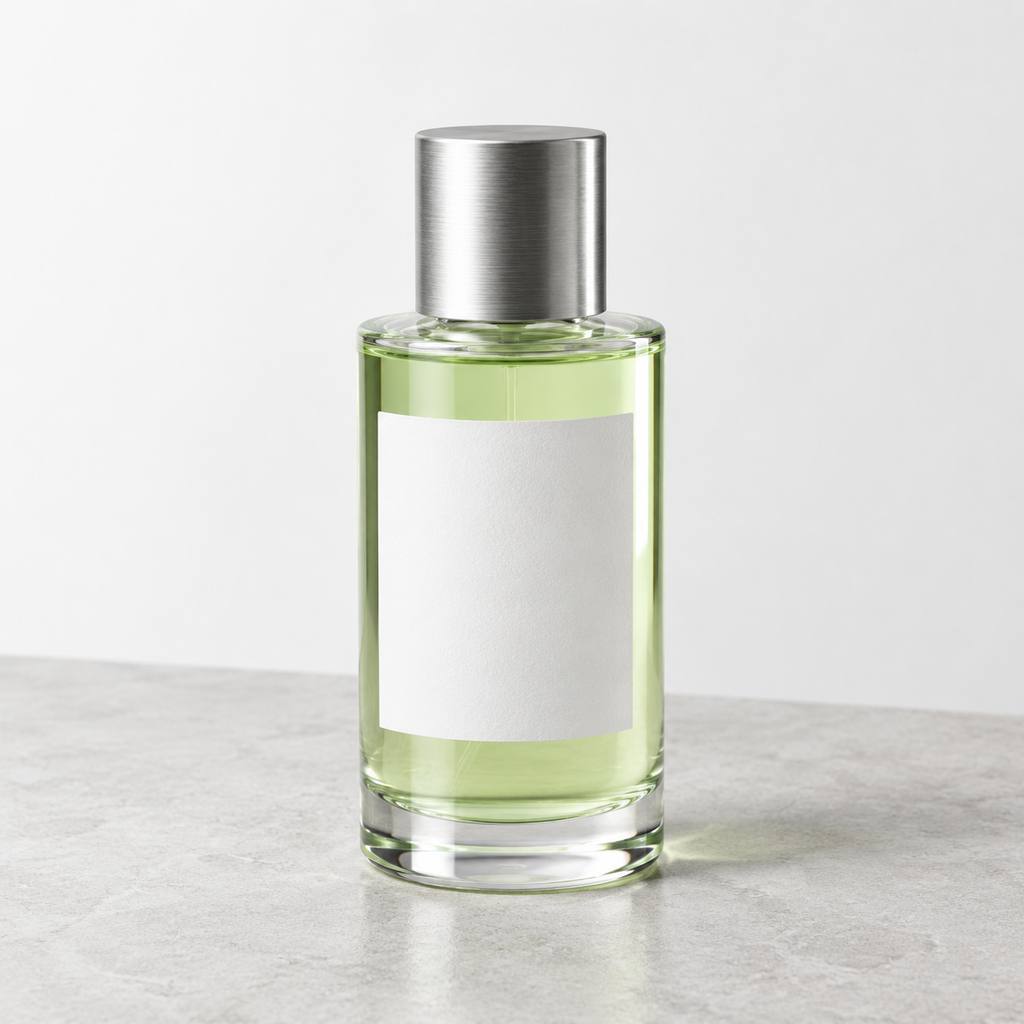
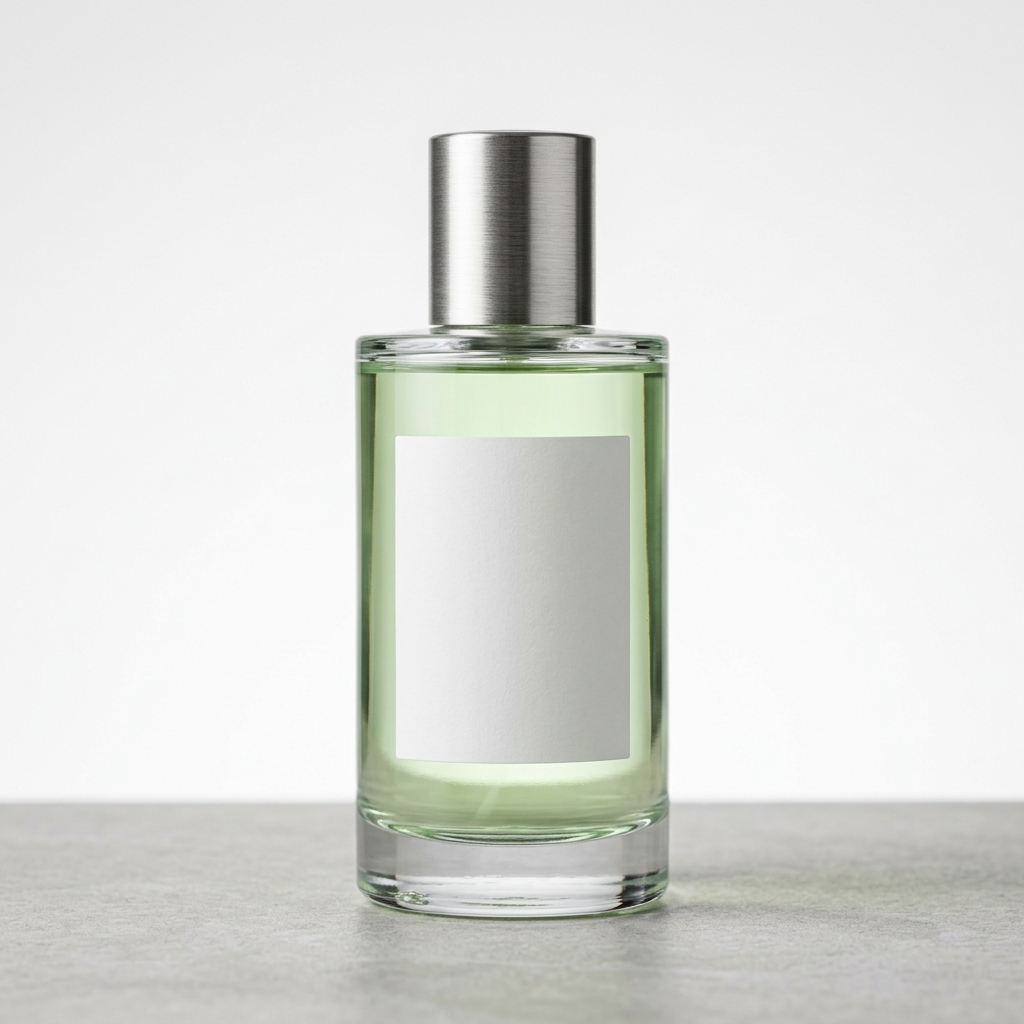
What we checked: Exactly one complete bottle; Pale green liquid and blank white label; Left key light and plausible contact shadow; Glass and metal detail without obvious structural defects; No extra objects or lettering.
View the exact shared prompt
Crie uma fotografia comercial em formato quadrado de um frasco de perfume cilíndrico de vidro transparente, sem marca, com uma tampa de metal prateado escovado e um rótulo retangular de papel branco fosco em branco. O frasco contém um líquido verde-claro. Coloque-o na vertical sobre uma superfície de pedra cinza-clara, contra um fundo branco suave. Use uma softbox grande à esquerda, um reflexo com borda estreita à direita e uma sombra de contato realista. Vista de três quartos ao nível dos olhos, frasco inteiro visível, bordas precisas, refração realista do vidro, textura fina de metal escovado. Sem outros objetos, sem letras, sem logotipos, sem elementos gráficos semelhantes a marcas d’água.
GPT Image 2.5
1024 × 1024 · 320 credits · first output
- The blank label, pale-green liquid, brushed cap, and complete bottle are all present. Fine label texture and a broad soft reflection make the materials easy to read.
- The liquid is more saturated than in the other three outputs. This is a bright catalog-style interpretation of the brief, with no extra text or props.
GPT Image 2.5 on GlobalGPT. First output, 1024 × 1024; 320 platform credits. Select the image to inspect the original.
Nano Banana 2
1024 × 1024 · 300 credits · first output
- The output keeps the green tint restrained and the label blank, with a soft shadow extending to the right. The thick glass base remains clearly separated from the surface.
- The composition is close to a front-on view, so the requested three-quarter angle is subtle. It is a practical starting point for a clean product listing.
Nano Banana 2 on GlobalGPT. First output, 1024 × 1024; 300 platform credits. Select the image to inspect the original.
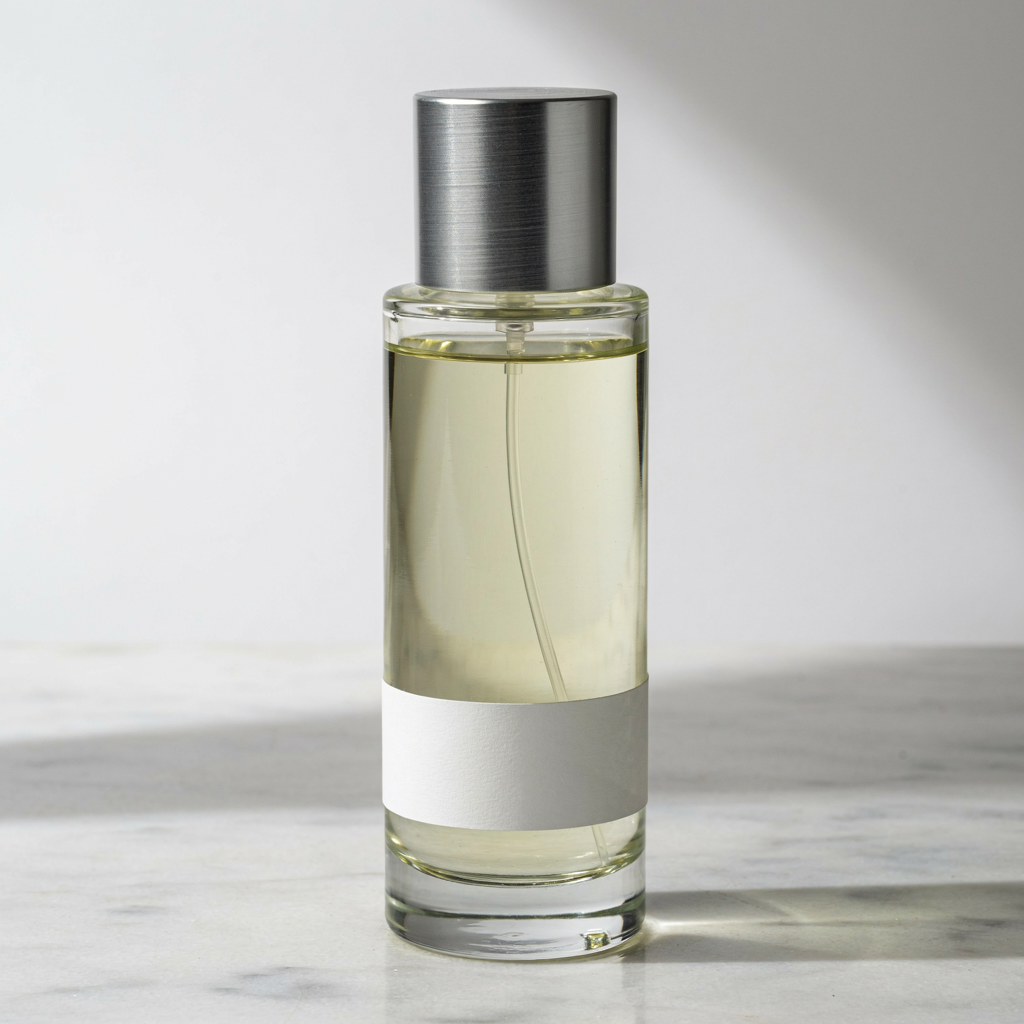
Ideograma 4.0
1024 × 1024 · 200 credits · first output
- The tall bottle, brushed cap, blank label, and visible dip tube make a plausible perfume-packaging concept. The label sits much lower than in the other outputs.
- The liquid reads yellow-green and the lighting is more directional, with a longer, darker shadow. Check those choices if pale green and soft studio lighting are central to your brand brief.
Ideogram 4.0 on GlobalGPT. First output, 1024 × 1024; 200 platform credits. Select the image to inspect the original.
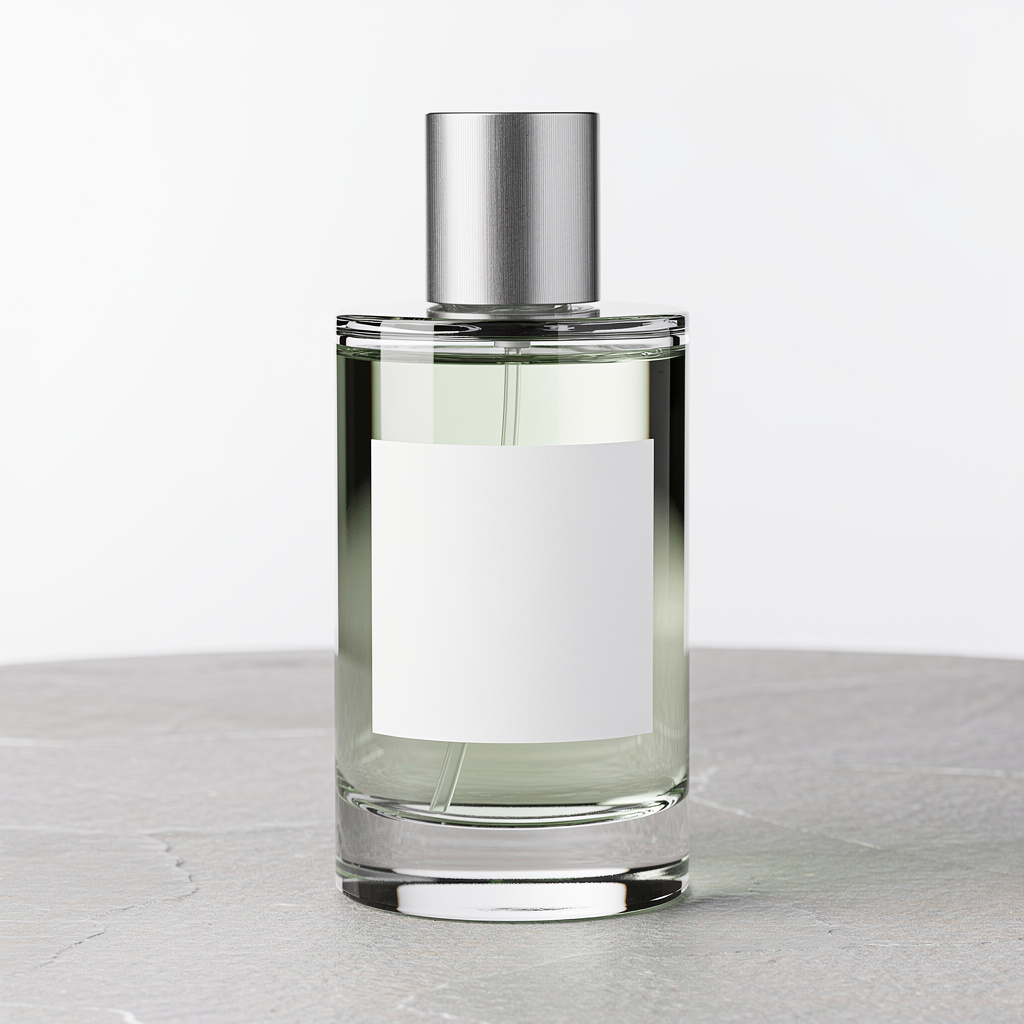
FLUX.2 Pro
1024 × 1024 · 100 credits · first output
- The glass edges and silver cap are crisp, while the liquid stays a very pale green. The label remains blank and the image introduces no extra objects or lettering.
- The strong dark edge reflections create a punchier look. At 100 platform credits, this was the lowest billed route for this one product task; that does not establish the lowest cost for every job.
FLUX.2 Pro on GlobalGPT. First output, 1024 × 1024; 100 platform credits. Select the image to inspect the original.
Test 2: Exact Text and Poster Layout
What we checked: All eight text strings present with exact spelling; Correct date, time, price, location and URL; Event title largest; Legible hierarchy and margins; No unwanted text or photos.
View the exact shared prompt
Crie um pôster quadrado com acabamento sofisticado para um evento fictício de design. Fundo branco, tipografia em tom de carvão, com detalhes em azul cobalto e coral. Utilize uma tipografia editorial nítida e margens generosas. Inclua exatamente estas sequências de texto, sem acréscimos ou substituições:
DESIGN AFTER HOURS
Ideias pelas quais vale a pena ficar acordado
SEXTA-FEIRA, 16 DE OUTUBRO
18h30 – 21h00
PAVILHÃO NORTE, ESTÚDIO 08
PALESTRAS / DEMONSTRAÇÕES / CRÍTICA ABERTA
ENTRADA ANTECIPADA $18
Reserve seu lugar em designafterhours.example
Destaque o nome do evento com letras maiores, deixe a data e o horário fáceis de identificar e a URL pequena, mas legível. Use apenas formas geométricas abstratas. Nada de logotipos, fotos, texto extra ou letras decorativas.
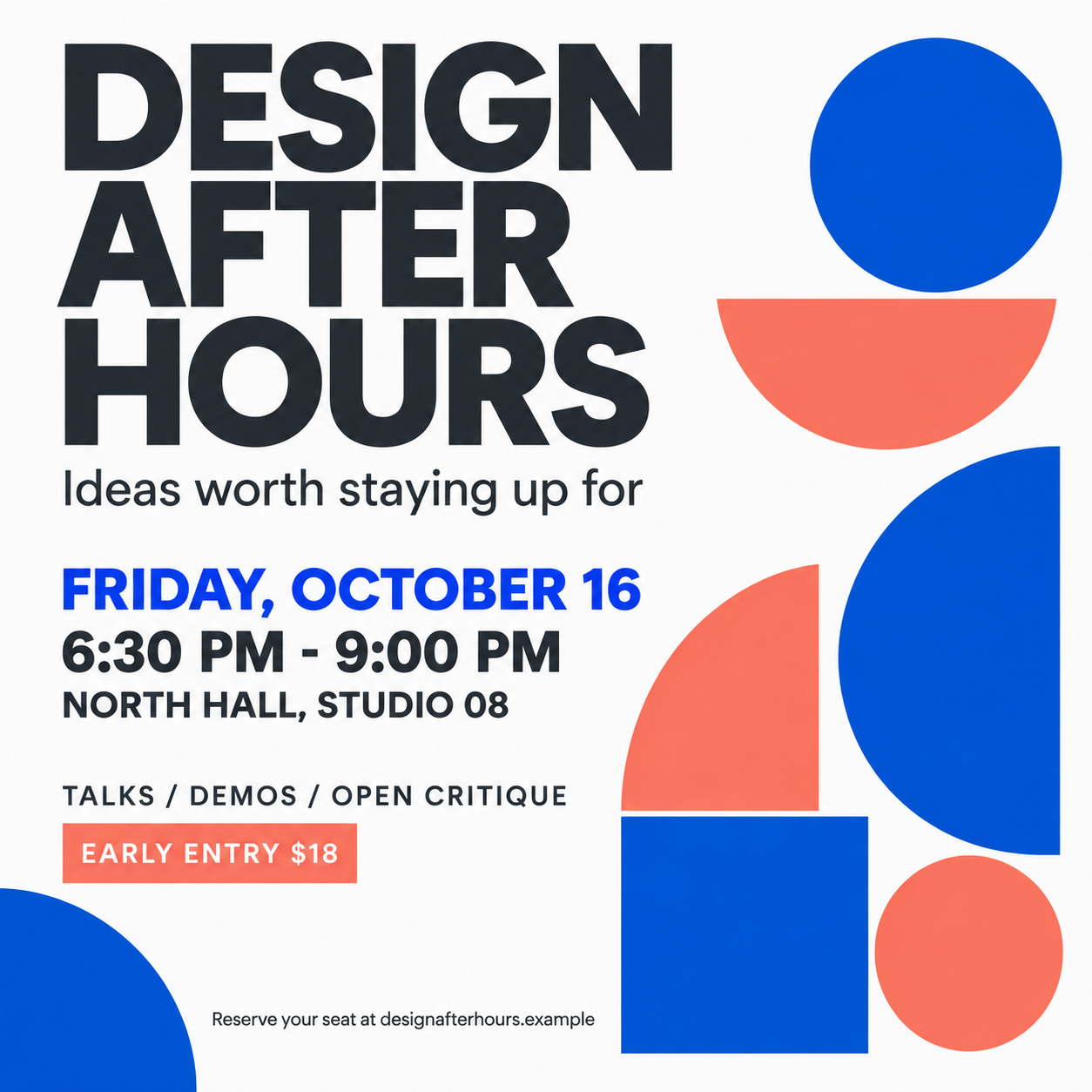
GPT Image 2.5
1254 × 1254 · 320 credits · first output
- The event title dominates the layout, and the date, time, location, activities, price, and full booking line are present. Blue and coral shapes give the design a strong visual rhythm.
- The booking URL is much smaller than the main information. This output returned 1254 × 1254 pixels, so its fine-text detail is not a resolution-matched comparison with the other posters.
GPT Image 2.5 on GlobalGPT. First output, 1254 × 1254; 320 platform credits. Select the image to inspect the original.
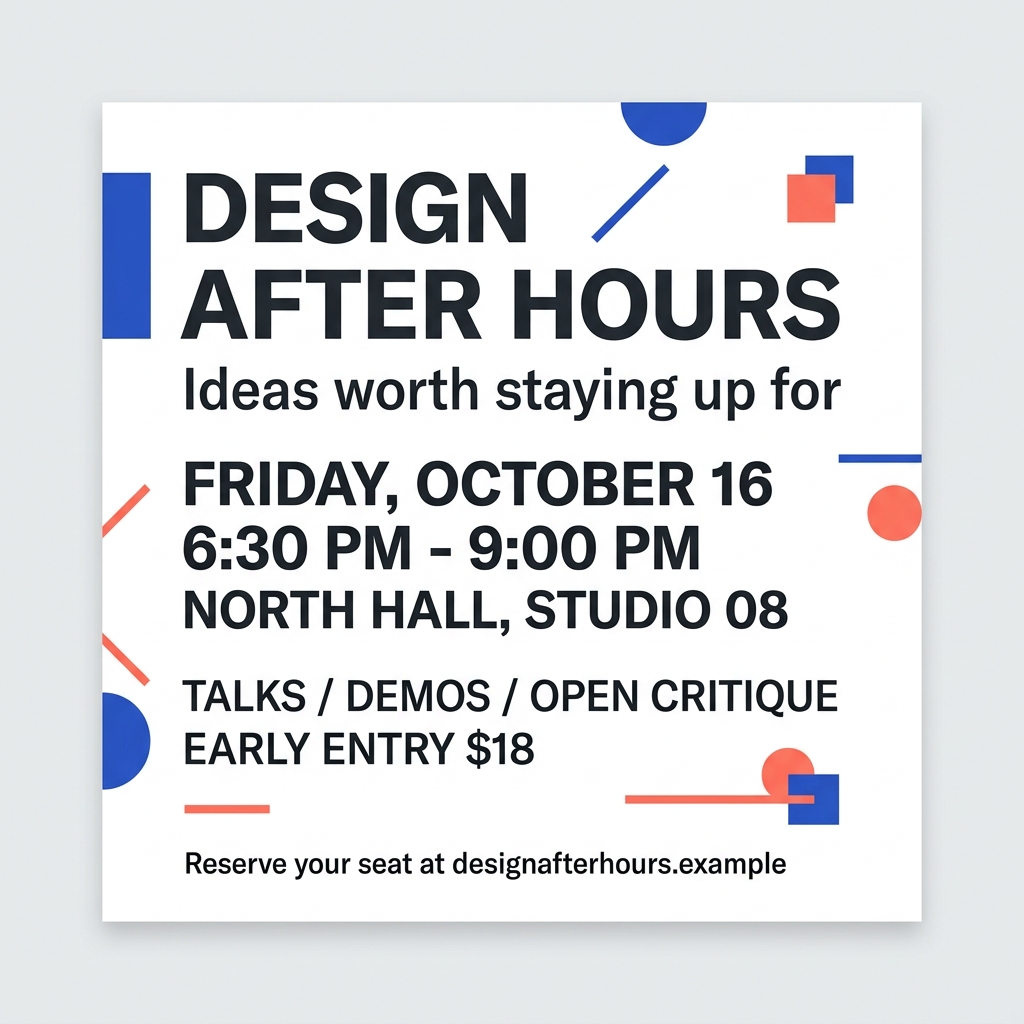
Nano Banana 2
1024 × 1024 · 300 credits · first output
- All eight requested text strings are present and readable. The time, studio number, price, and full booking sentence survive the first generation.
- The image presents the poster as a white sheet on a gray background, with a shadow. That is useful as a presentation mockup, but a flat, edge-to-edge artwork brief would need a follow-up edit.
Nano Banana 2 on GlobalGPT. First output, 1024 × 1024; 300 platform credits. Select the image to inspect the original.
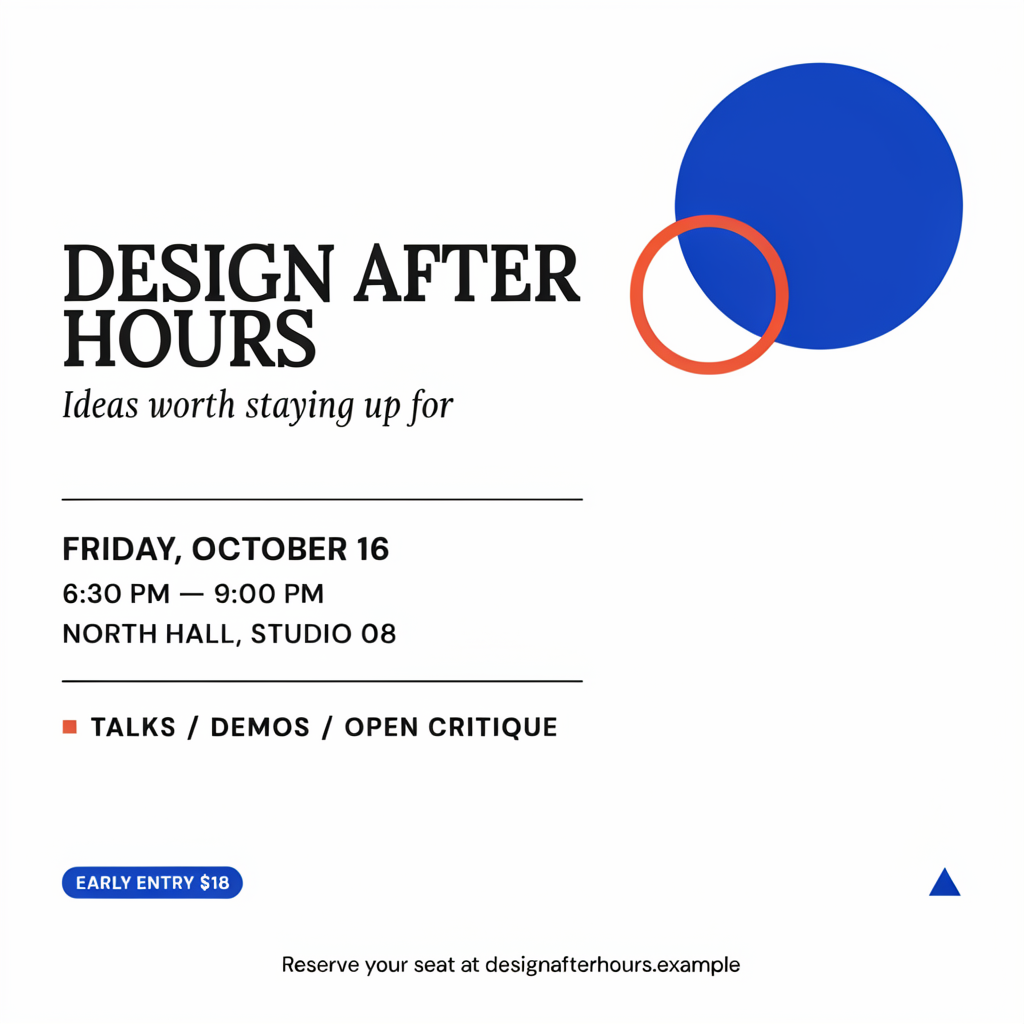
Ideograma 4.0
1024 × 1024 · 200 credits · first output
- The required wording is present, including the full booking line, with a serif headline, generous white space, and a small price pill. The eight information groups remain easy to distinguish.
- The time separator is a longer dash rather than the requested hyphen. The price and URL are comparatively small, so exact punctuation and final display size still need review.
Ideogram 4.0 on GlobalGPT. First output, 1024 × 1024; 200 platform credits. Select the image to inspect the original.
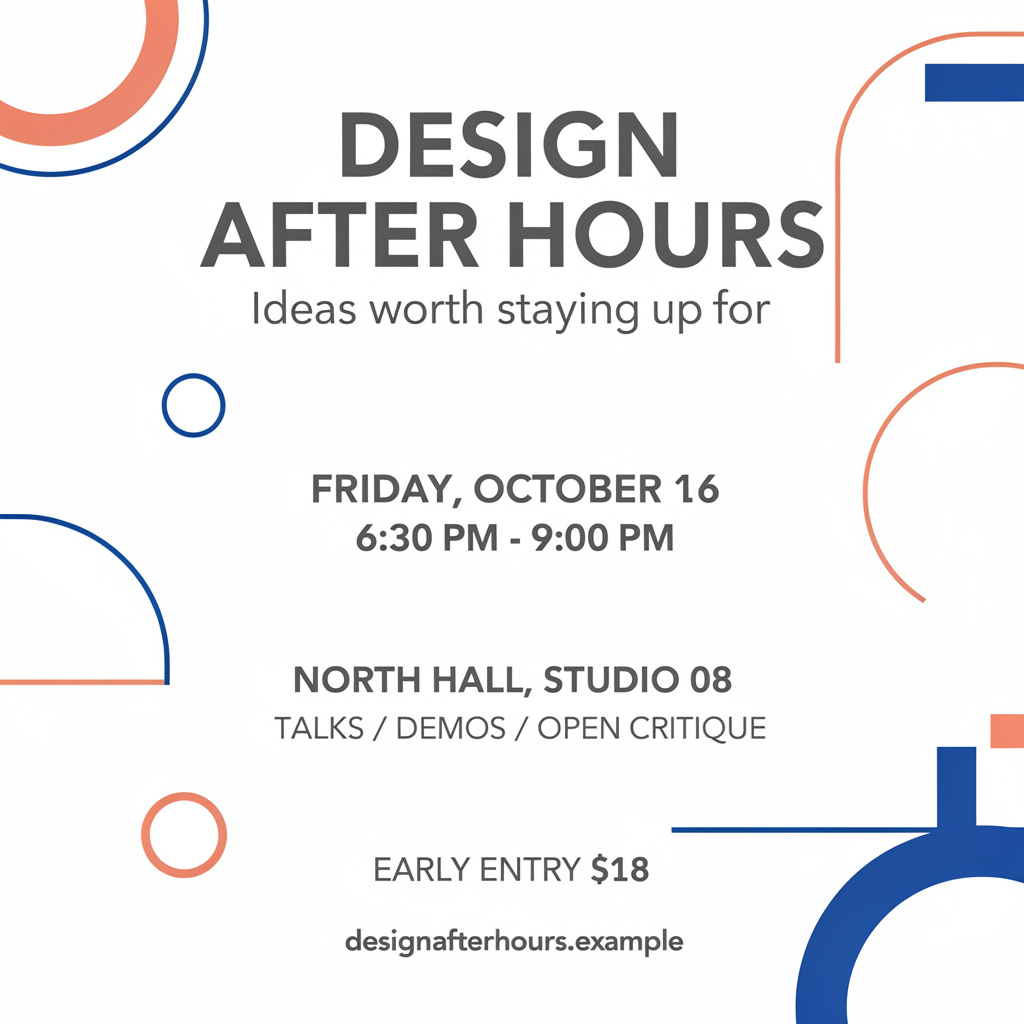
FLUX.2 Pro
1024 × 1024 · 100 credits · first output
- The date, time, location, activities, price, and URL remain legible in an airy centered layout. The blue and coral accents follow the requested palette.
- The output drops “Reserve your seat at” and keeps only the URL. It therefore does not satisfy the exact-text brief, despite the lower 100-credit bill.
FLUX.2 Pro on GlobalGPT. First output, 1024 × 1024; 100 platform credits. Select the image to inspect the original.
Test 3: Object Counts and Spatial Relationships
What we checked: Exactly three empty mugs, one whole lemon and one spoon; Mugs ordered red, blue, green from left to right; Lemon below red and spoon below blue; Spoon bowl up and handle down; Empty space below green; no overlaps or extra objects.
View the exact shared prompt
Create a square, photorealistic overhead flat lay on a plain white tabletop. Show exactly five separate objects: three empty ceramic mugs, one whole yellow lemon, and one silver teaspoon. Across the upper half, arrange the mugs in a straight horizontal row: red on the left, blue in the center, green on the right. Put the lemon directly below the red mug. Put the teaspoon directly below the blue mug, with its bowl pointing up toward the mug and its handle pointing toward the bottom edge. Leave the area below the green mug empty. Every object must be fully visible, separated, and not touching another object. Keep the camera straight overhead, with soft daylight from the upper left. No saucers, extra fruit, extra utensils, patterns, words, logos, or decorative objects.
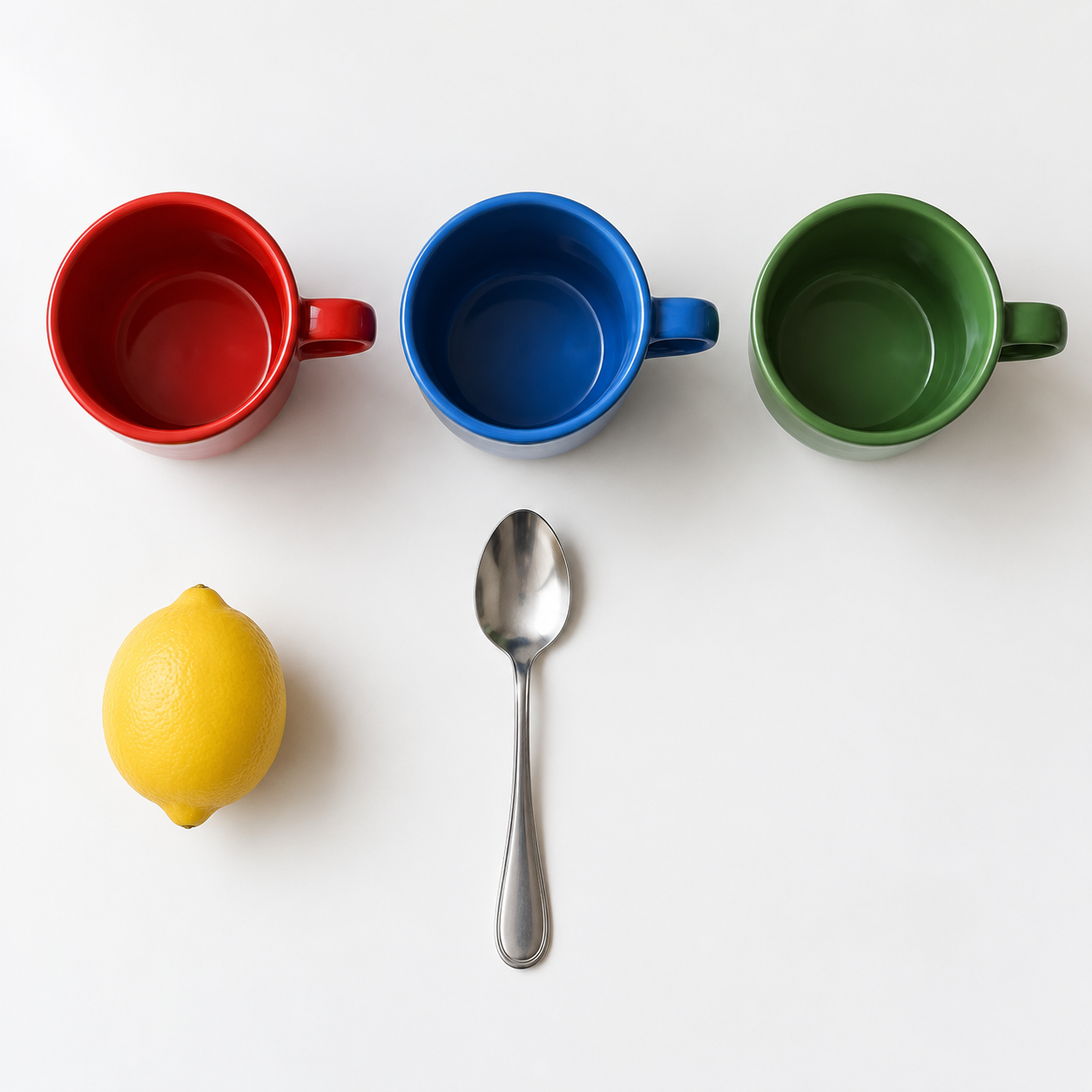
GPT Image 2.5
1254 × 1254 · 320 credits · first output
- There are exactly five separate objects: three empty mugs in red-blue-green order, one lemon below the red mug, and one teaspoon below the blue mug. The spoon bowl points up, and the space below the green mug stays clear.
- The visible handles, bright ceramic surfaces, and wide gaps make the arrangement easy to check. This output returned 1254 × 1254 pixels; the other three spatial-test images returned 1024 × 1024.
GPT Image 2.5 on GlobalGPT. First output, 1254 × 1254; 320 platform credits. Select the image to inspect the original.
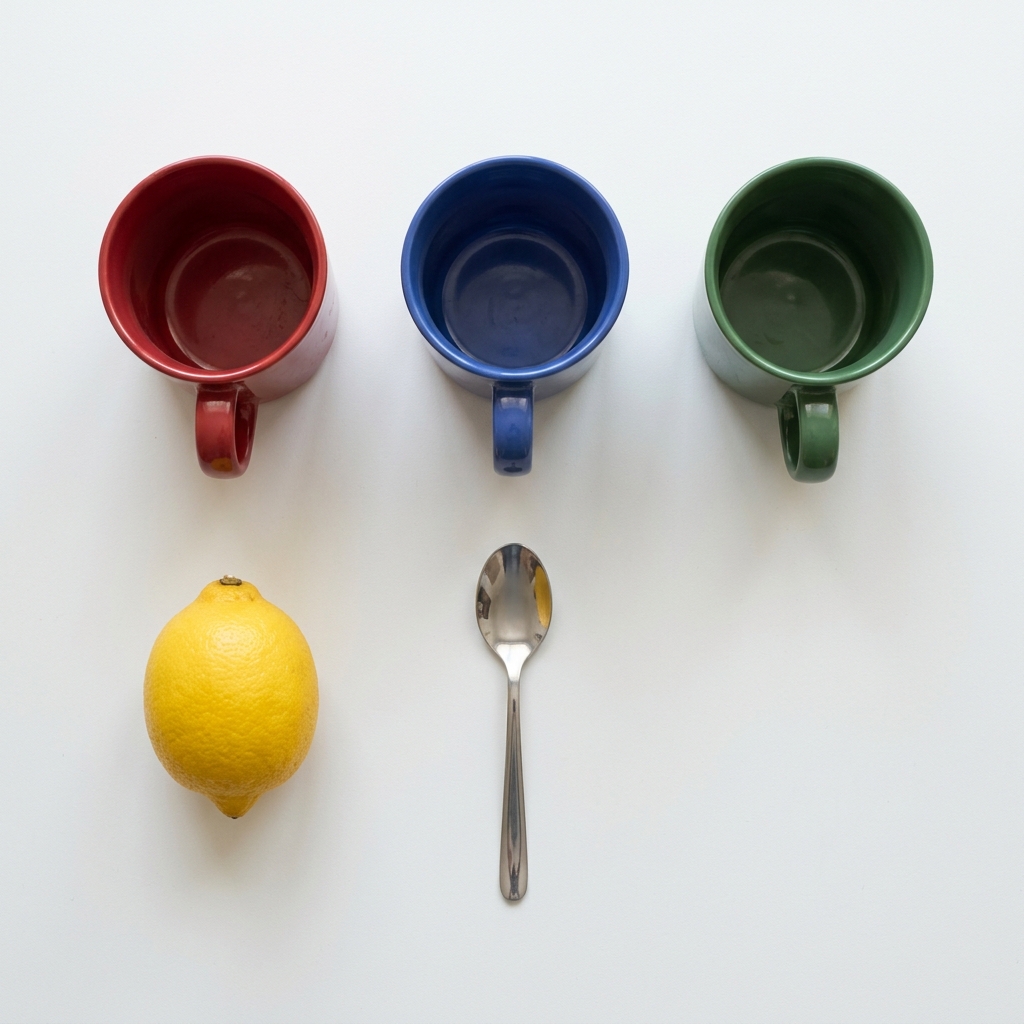
Nano Banana 2
1024 × 1024 · 300 credits · first output
- All five objects are present with the requested color order and lower-row placement. The spoon faces the correct direction, all objects remain separate, and the lower-right area is empty.
- The mug handles point toward the bottom edge, with softer reflections and darker ceramic colors than the GPT output. The slight view of the mug sides makes this a high-angle photograph rather than a perfectly flat overhead view.
Nano Banana 2 on GlobalGPT. First output, 1024 × 1024; 300 platform credits. Select the image to inspect the original.
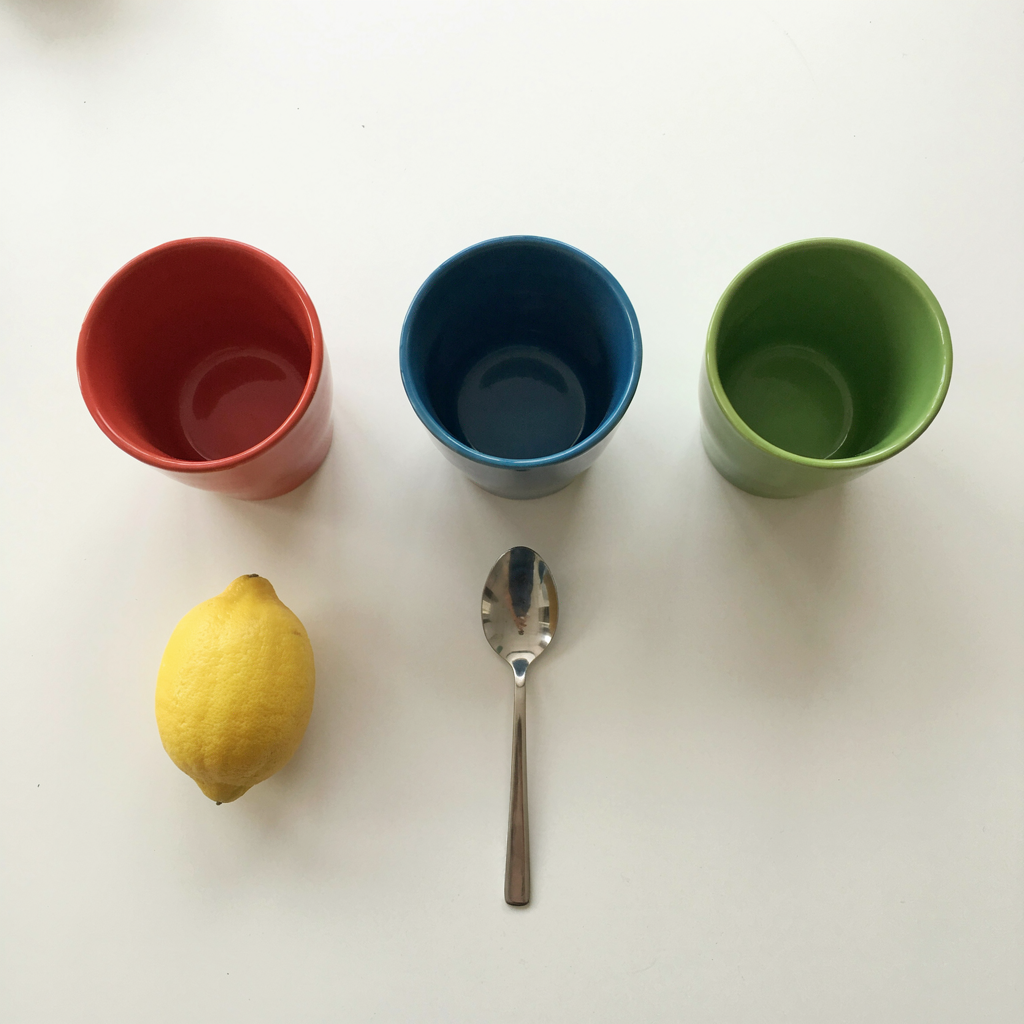
Ideograma 4.0
1024 × 1024 · 200 credits · first output
- The image preserves the five-object count, red-blue-green sequence, lemon placement, and upward-facing spoon. No extra fruit, utensils, or lettering appear.
- No handles are visible on the three vessels, so they read more like ceramic tumblers than the requested mugs. Their visible side walls also depart from the straight-overhead brief.
Ideogram 4.0 on GlobalGPT. First output, 1024 × 1024; 200 platform credits. Select the image to inspect the original.
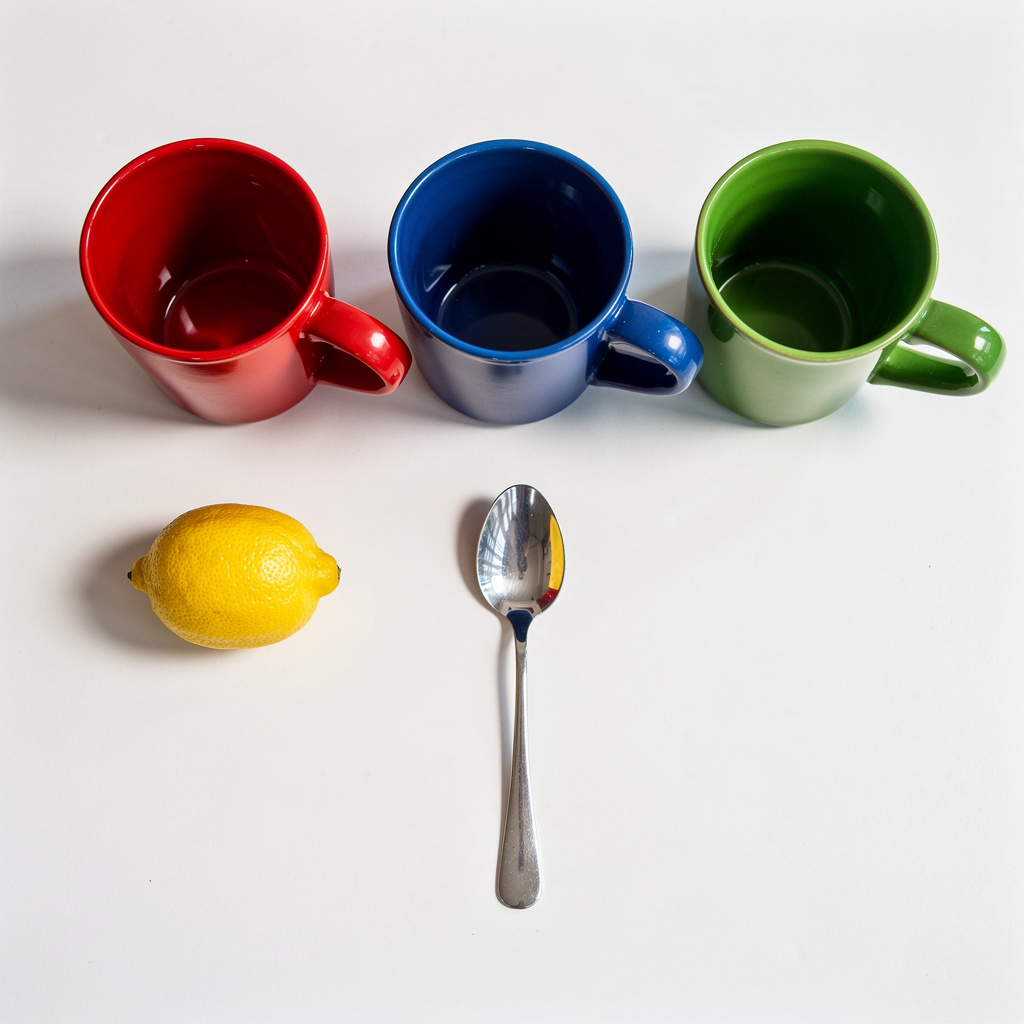
FLUX.2 Pro
1024 × 1024 · 100 credits · first output
- The requested three empty colored mugs, lemon, and spoon are all present in the right order and broad positions. The spoon bowl points upward, and the area below the green mug is clear.
- The camera is noticeably angled, showing the mug sides rather than a straight-overhead flat lay. The mugs are tightly packed with little clearance around the handles, and the strong shadows extend leftward instead of following the requested upper-left light.
FLUX.2 Pro on GlobalGPT. First output, 1024 × 1024; 100 platform credits. Select the image to inspect the original.
What this task showed: All four outputs preserve the broad object count and placement. The useful differences are object identity and camera control: Ideogram shows no visible mug handles, while FLUX gives the most noticeably angled view. GPT and Nano provide clearer spacing between the mugs.
Test 4: Infographic Text and Flow
What we checked: Correct title and all five numbered steps; Exact supporting phrases without missing or repeated words; Five steps in one left-to-right row; Exactly four forward arrows with no branches; Legible text and no unrequested footer or chart.
View the exact shared prompt
Crie um infográfico quadrado e profissional em fundo branco com o título exato "DO BRIEF AO LANÇAMENTO". Abaixo dele, organize cinco etapas de tamanho igual em uma sequência clara da esquerda para a direita, conectadas por quatro setas apontando para a direita. Use texto em tom de carvão com detalhes em azul-petróleo e coral, ícones simples e familiares e tipografia sans-serif clean. Inclua exatamente estes títulos de etapas e frases explicativas:
1. DEFINA / Estabeleça uma meta mensurável
2. PESQUISE / Verifique as necessidades do público
3. CRIE / Elabore o primeiro rascunho
4. REVISE / Corrija erros factuais e visuais
5. LANÇAR / Publique e avalie os resultados
Inclua cada palavra exatamente uma vez. As setas devem conectar 1 a 2 a 3 a 4 a 5, sem laços nem ramificações. Mantenha todas as linhas explicativas legíveis. Não adicione gráficos, porcentagens, etapas extras, texto decorativo ou rodapé.
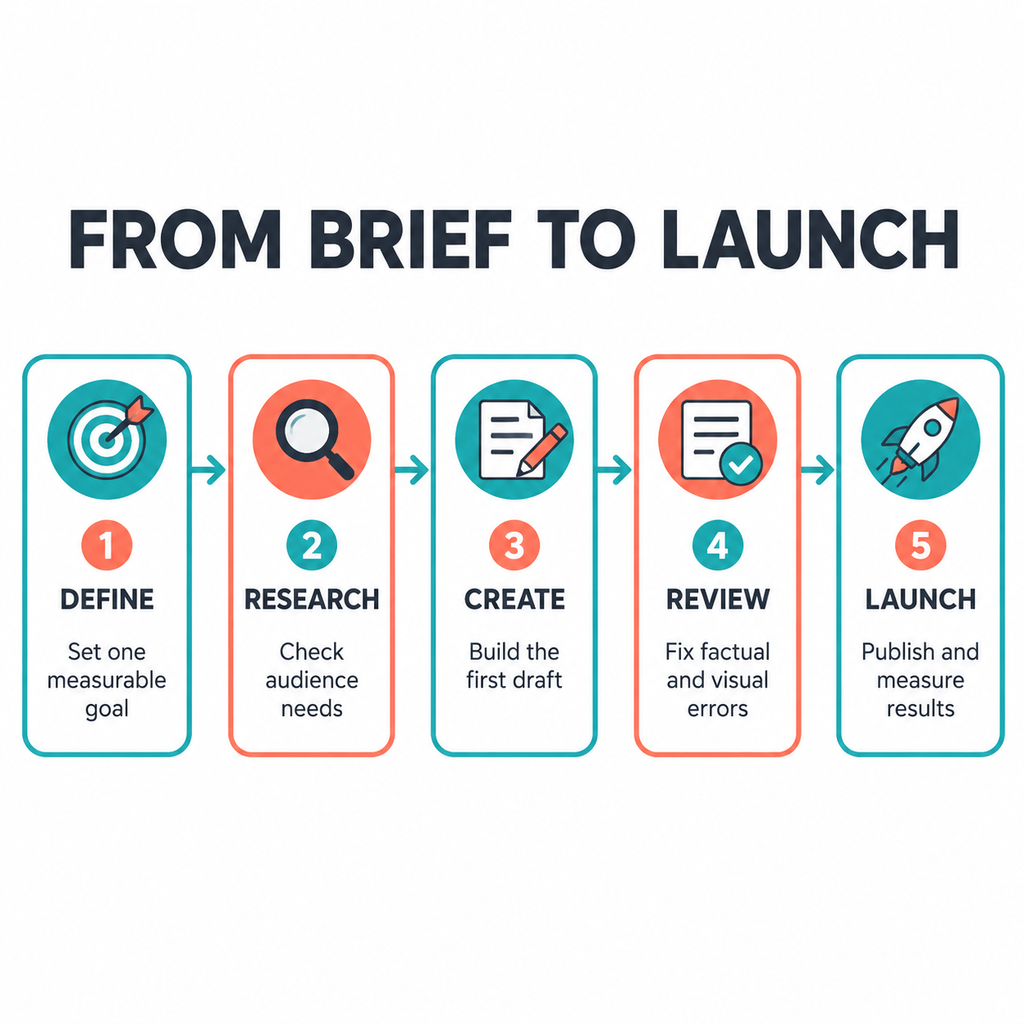
GPT Image 2.5
1024 × 1024 · 320 credits · first output
- All five numbered steps, the title, and every supporting phrase are present. Four right-pointing arrows connect the steps in a single row, with no extra branch or footer.
- Equal-sized outlined cards keep the icons, numbers, and descriptions together. The supporting text uses two or three lines per card and remains larger than in the Ideogram output.
GPT Image 2.5 on GlobalGPT. First output, 1024 × 1024; 320 platform credits. Select the image to inspect the original.
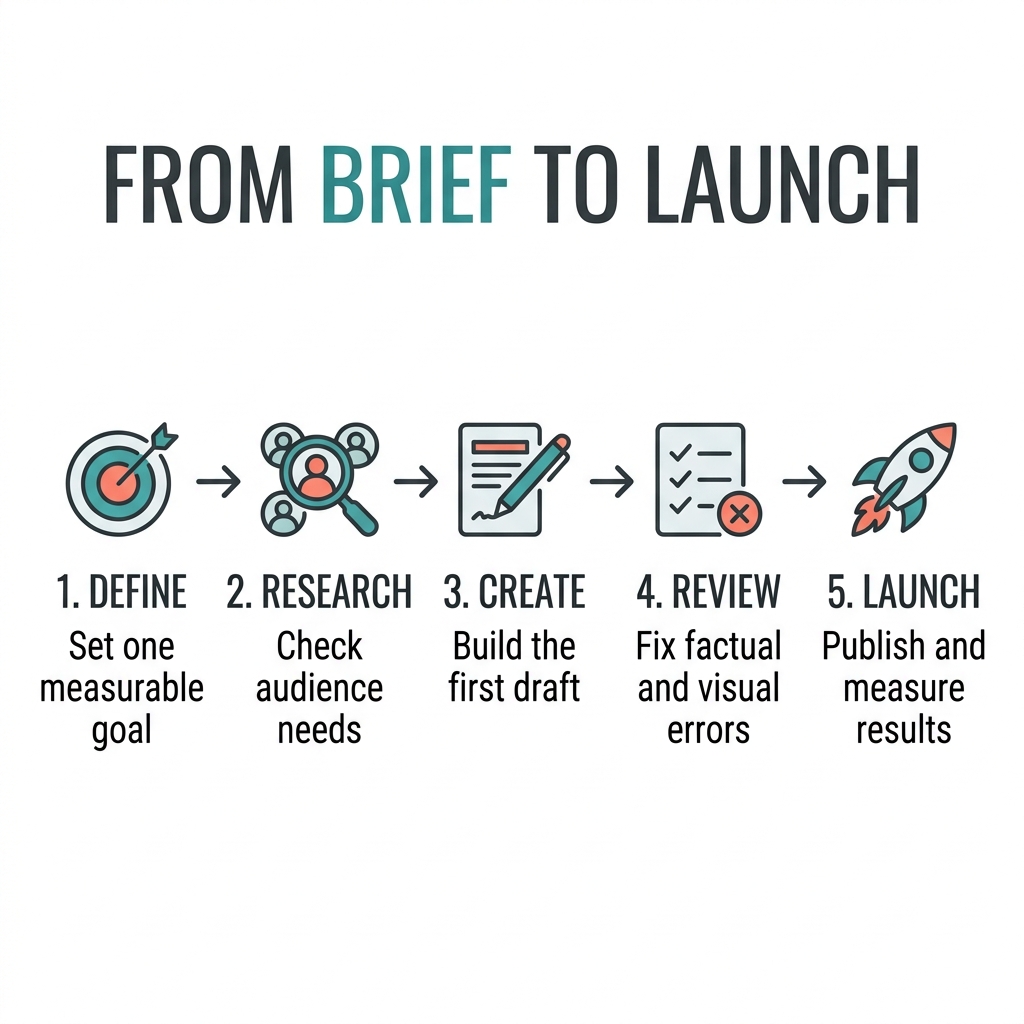
Nano Banana 2
1024 × 1024 · 300 credits · first output
- The title, five numbered step names, and all five supporting phrases are intact. Four arrows connect the icons from left to right without a loop or missing stage.
- The open layout uses large narrow lettering and evenly spaced icon columns instead of card borders. It keeps the instructions readable while leaving generous white space above and below the flow.
Nano Banana 2 on GlobalGPT. First output, 1024 × 1024; 300 platform credits. Select the image to inspect the original.
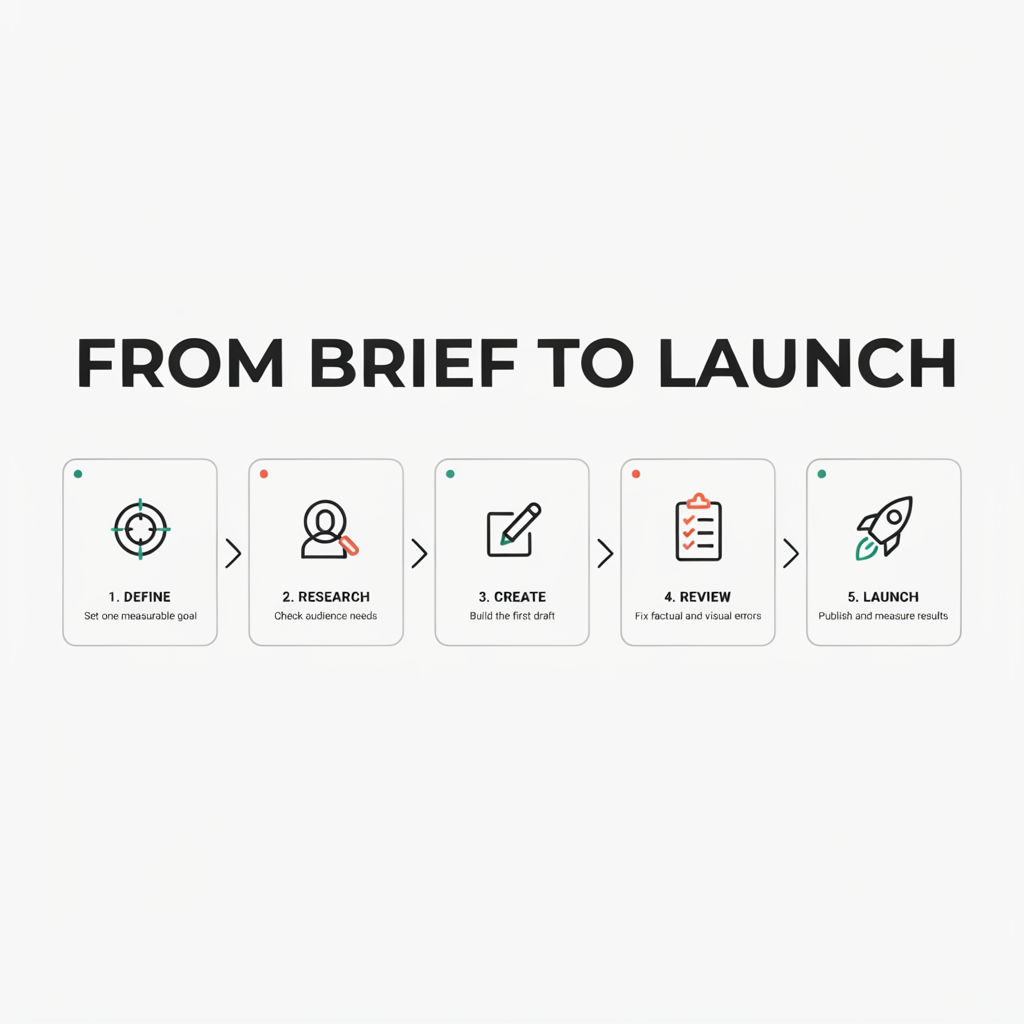
Ideograma 4.0
1024 × 1024 · 200 credits · first output
- The title and all five numbered steps retain the requested wording, including every supporting phrase. Four right-pointing chevrons preserve the correct sequence, with no branch or extra footer.
- The five equal cards sit in a compact strip surrounded by substantial empty space. Supporting text is much smaller than in the GPT and Nano outputs, making it harder to read when the image is reduced for a blog or slide.
Ideogram 4.0 on GlobalGPT. First output, 1024 × 1024; 200 platform credits. Select the image to inspect the original.
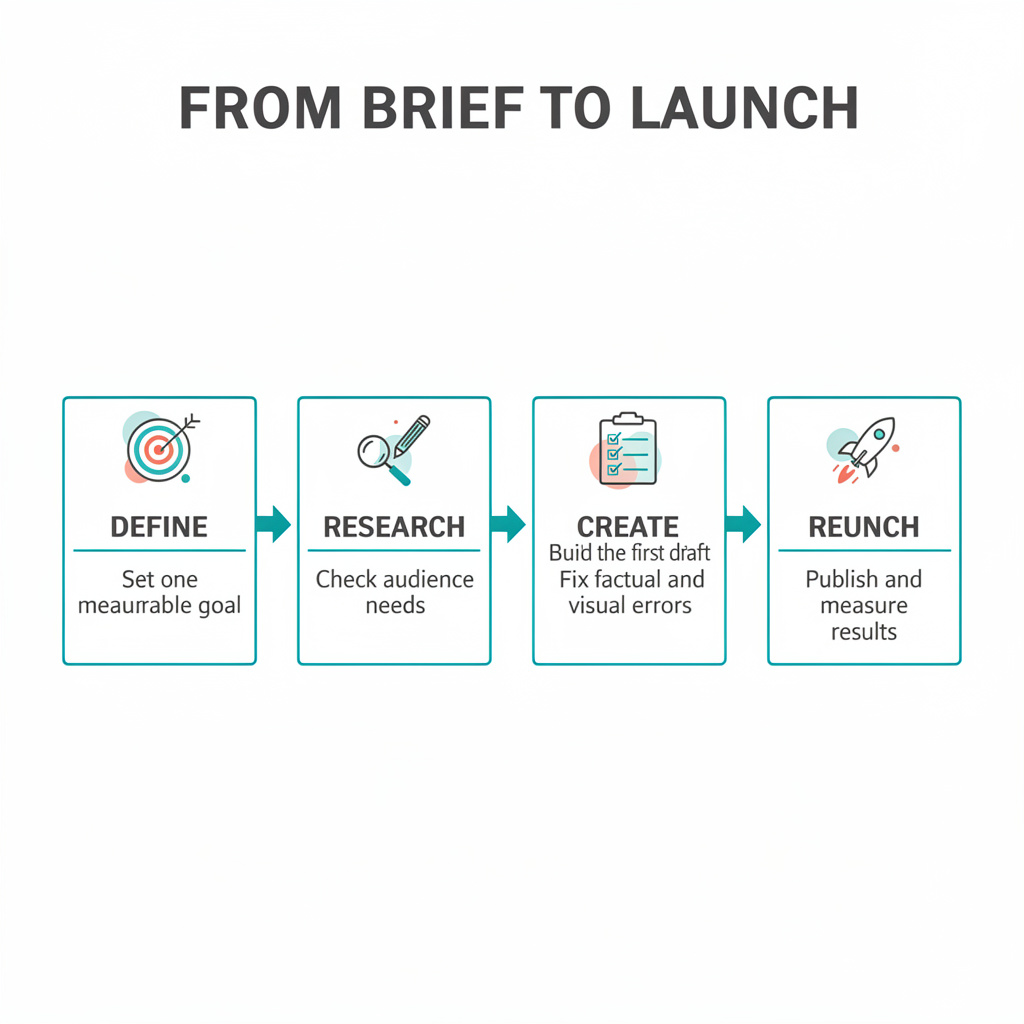
FLUX.2 Pro
1024 × 1024 · 100 credits · first output
- The output has four cards and three arrows instead of five steps and four arrows. It puts the review instruction under CREATE, omits the REVIEW heading and step numbers, and renders the last heading as “REUNCH” instead of LAUNCH.
- The first supporting line also misspells “measurable” as “meaurable.” The palette and horizontal flow are recognizable, but the wording and structure need correction before this result can be used.
FLUX.2 Pro on GlobalGPT. First output, 1024 × 1024; 100 platform credits. Select the image to inspect the original.
What this task showed: GPT and Nano keep both the five-step structure and readable supporting text in these outputs. Ideogram retains the wording in smaller type. FLUX needs structural and spelling corrections, despite having the lowest per-image credit charge in this sample.
Actual test spend: 3,680 platform credits. The costs above are the recorded charges for 16 generation requests. They are not dollar prices or the providers’ native API bills. Returning a file does not mean it passed every instruction.
Exact per-image completion times were not recorded, so this test makes no speed claim.
Subscription Price Comparison
The table compares individual consumer plans. Annual totals are paid upfront where shown; the monthly equivalent is not a monthly installment option. Listed prices exclude taxes, optional add-ons, and account-specific offers. Different plans include different generation limits and extra applications.
Selected paid entry plans: monthly commitment
US monthly list prices · different allowances and features
For a light monthly commitment, Google AI Plus is the lowest listed paid entry among those three verified subscriptions. Firefly Standard and Midjourney Basic sit near $10 but solve different problems. Midjourney’s $30 Standard tier is the more relevant comparison if you specifically want unlimited Relax image generation.
For an annual commitment, Google AI Pro’s $199.99 costs $39.89 less than twelve $19.99 monthly payments. Midjourney Basic saves $24 with annual billing. Those savings only help if you intend to keep the service; try the shortest suitable commitment before locking in a year.
Onde o GlobalGPT se encaixa: GlobalGPT combines model access with subscriptions and credits. Its current plan information should be checked alongside the selected model’s credit cost. Promotional annual-equivalent prices are not directly comparable with the ordinary monthly prices above, and a platform credit is not an API dollar amount.
API and Pay-as-You-Go Image Prices
For developers or occasional usage, compare the actual charge for the output you need. The figures below use standard pricing rather than batch discounts. They describe different billing units and configurations, so they should not be treated as an equal-quality price ranking.
At Google’s displayed 1K estimate, 100 image outputs cost about $6.70 for output alone. At the stated FLUX.2 Pro text-to-image starting rate, 100 outputs start at $3.00. These are arithmetic examples, not matched bills: the model, output specification, input charges, and number of rejected attempts can differ.
GPT Image 2.5 needs a token-usage estimate for the selected size and quality. Its lower image-output token rate than Nano Banana 2 does not establish a lower cost per image, because their token consumption differs. The GPT Image 2.5 API setup and pricing guide explains the API route in more detail.
Midjourney subscriptions and Firefly consumer credits cannot be converted into comparable API prices from the information above. Ideogram’s current hosted API price is also excluded from this table. For the Google split specifically, see Nano Banana 2: custos de assinatura e de API.
THE COST THAT MATTERS
Total generation spend ÷ accepted images
Qual alternativa você deve escolher?
- For occasional social posts and conversational edits: try Nano Banana 2 through the Gemini app first. Test your actual text, crop, and reference image before upgrading.
- For a campaign’s visual identity: shortlist Midjourney. Its style and personalization tools make it a useful place to explore a direction; choose a plan around the generation mode and privacy you need.
- For posters and text-led designs: evaluate Ideogram 4’s text, palette, and layout controls. Confirm that the interface exposes the controls you want and that the license covers your use.
- For a design that needs substantial cleanup: Firefly is a strong fit if its Adobe tools replace steps you already perform elsewhere.
- For automated or intermittent production: compare the relevant FLUX.2 variant’s full request cost. Use the Playground if you want browser access, or an API for repeatable integration.
There is also a reason to stay with GPT Image 2.5: if your main need is precise conversational editing and Sunburst already meets the brief, switching services may add work. If speed is the issue, OpenAI’s documented Flare option is worth evaluating before replacing the provider. Availability and model selection depend on the interface you use.
Try the alternative against your real brief
Bring one prompt or reference image to Nano Banana 2 on GlobalGPT, then compare the result with your current choice. A useful output is a better reason to upgrade than a longer feature list.
A Useful Test Before Switching
Choose a task that exposes your current frustration, such as preserving a product label while changing the background. Use the same reference files, requested size, aspect ratio, and wording in both tools, then compare the actual returned images at equal display sizes.
- Set the pass conditions first. Write down the exact text, unchanged objects, required crop, and export size.
- Separate beauty from correctness. A pleasing image can still contain a wrong price, altered logo, or missing instruction.
- Record every attempt. Include retries, elapsed time, credits or API charges, and the number of accepted outputs.
- Check the final file. Inspect spelling, visible marks, image dimensions, and unwanted changes before deciding which service fits.
For the Google candidate, these Nano Banana 2 prompt examples can help turn a vague request into a concrete image brief. Adapt the same requirements to the other tool instead of improving only one model’s prompt.
Perguntas frequentes
What is the best ChatGPT Images 2.5 alternative?
Nano Banana 2 is a practical starting point for everyday creation, Ideogram 4 for text-led layouts, and FLUX.2 for usage-based work. Our 4-task, 16-image GlobalGPT sample shows actual strengths and correction needs for those three entries against a GPT Image 2.5 baseline. Use the displayed results to choose which tool to try for your own brief.
Which alternatives can I try for free?
The Gemini app offers free image generation and editing with limits. Adobe Firefly advertises free daily generations. These consumer options do not provide unlimited usage or establish a free image-generation API tier.
Which paid alternative has the lowest monthly entry price?
Among the verified entry subscriptions shown here, Google AI Plus is $4.99 per month, Firefly Standard is $9.99, and Midjourney Basic is $10. Their allowances differ; FLUX.2 is usage-based and Ideogram is excluded from this price ranking.
Is Midjourney Basic enough for unlimited image generation?
No. Basic includes 200 minutes of Fast GPU time per month. Unlimited image generation in Relax Mode starts with Standard. Stealth Mode requires Pro or Mega, so the lowest-priced plan does not include every feature.
Is Ideogram 4 free for commercial use?
Its public weights use the Ideogram 4 Non-Commercial license. Hosted services have separate terms, and running downloaded weights requires computing resources. Open weights alone do not grant unrestricted commercial use.
Is FLUX.2 cheaper than GPT Image 2.5?
That depends on the variant and request. FLUX.2 Pro text-to-image starts at $0.03; GPT Image 2.5 uses token billing. Compare equivalent outputs, input costs, and retries before deciding which produces acceptable images for less.
Does a ChatGPT subscription include image API usage?
No. A ChatGPT subscription and OpenAI API usage are separate billing routes. The same distinction applies to Google consumer subscriptions and Gemini API generation. A third-party platform uses its own plan and credit rules.
Can I compare these models on GlobalGPT?
GlobalGPT has public entries for GPT Image 2.5, Nano Banana 2, Midjourney V8.2, Ideogram 4.0, and FLUX.2 Pro. Check the selected entry’s controls and credit cost; a platform entry does not promise every feature of the provider’s native app.