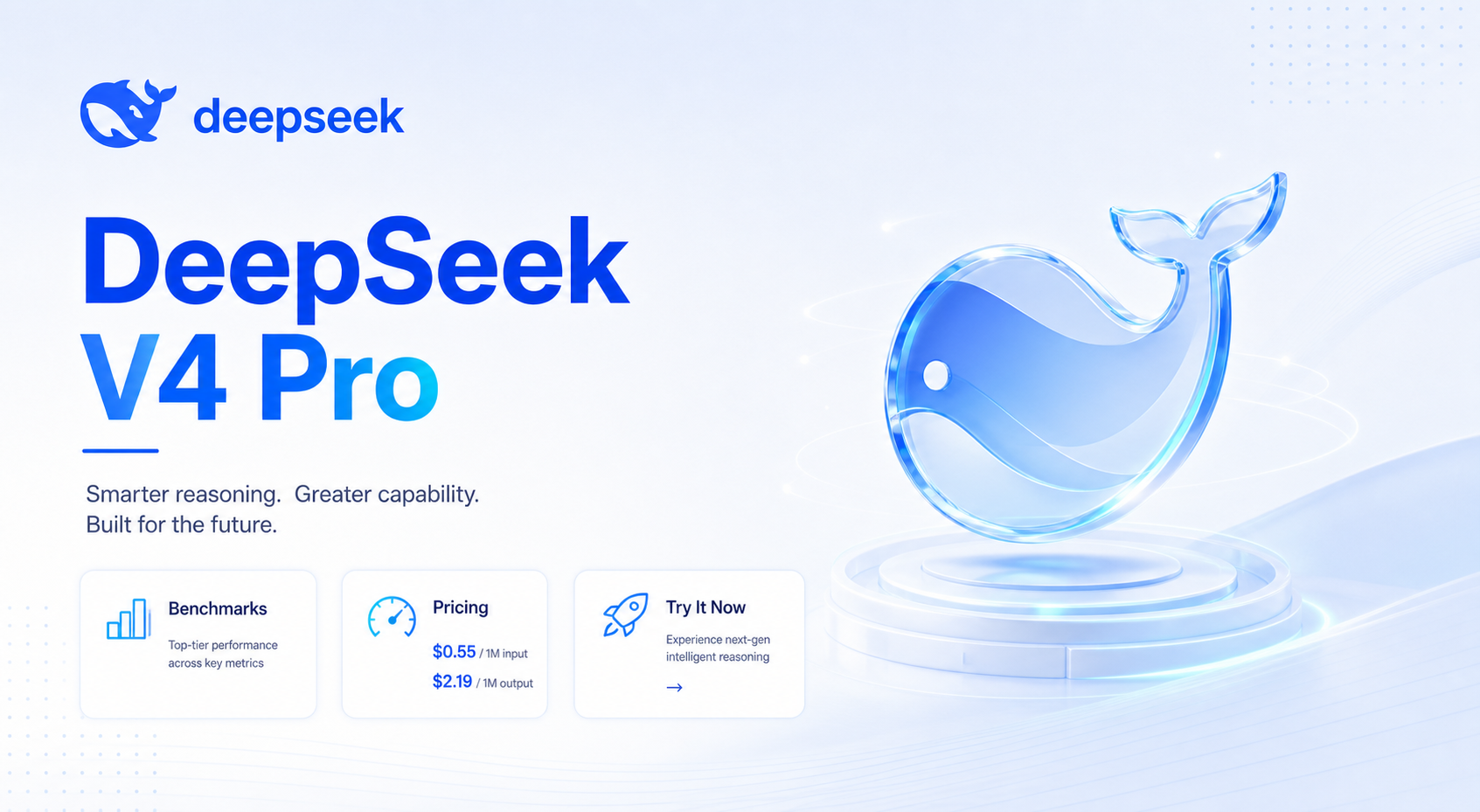
DeepSeek V4 Pro kini telah tersedia sebagai model produksi, namun memilih di antara varian Pro, Flash, dan Vision-Exp menjadi kurang mudah setelah pembaruan pada Agustus 2026. Ketiga model tersebut memiliki nama keluarga yang sama, namun masing-masing dirancang untuk prioritas yang berbeda: keandalan dalam kondisi yang kompleks, biaya dan volume, atau masukan gambar.
Keputusan praktis dimulai dari beban kerja. Flash merupakan pilihan awal yang tepat untuk teks dalam jumlah besar dan otomatisasi yang mengutamakan efisiensi biaya. Pro lebih cocok digunakan ketika jawaban yang tidak konsisten menyebabkan pengerjaan ulang yang mahal. Jika inputnya mencakup gambar, gunakan deepseek-v4-flash-vision-exp daripada salah satu dari kedua model berbasis teks tersebut.
Jika Anda lebih suka menggabungkan bantuan dalam hal penelitian, penulisan, penalaran, dan pemrograman ke dalam satu alur kerja, Anda dapat mengakses GlobalGPT. Ada juga rute khusus untuk DeepSeek V4 Pro. Ini merupakan alternatif antarmuka; sistem penagihan, batasan, dan integrasi API resmi tetap menjadi bagian dari lingkungan DeepSeek sendiri.

Apakah DeepSeek V4 sudah dirilis secara resmi?
Ya. DeepSeek mengumumkan peluncuran V4 Pro untuk umum pada tanggal 13 Agustus 2026. Dokumentasi resmi menyebutkan bahwa model produksi tersebut adalah DeepSeek-V4-Pro-0813. V4 Flash muncul sebagai DeepSeek-V4-Flash-0731, sementara model penglihatan eksperimental yang diluncurkan pada 21 Agustus sebagai deepseek-v4-flash-vision-exp.
- V4 Pro: model teks yang dirancang untuk tugas-tugas yang lebih menantang.
- V4 Flash: model teks yang dioptimalkan dari segi biaya dan volume.
- V4 Flash Vision-Exp: varian eksperimental yang mendukung gambar.
Ketersediaan umum tidak berarti setiap produk atau penyedia menawarkan antarmuka, kuota, atau integrasi yang sama. Untuk keputusan terkait API, silakan merujuk ke situs resmi Model & Harga halaman dan Catatan Rilis GA.
DeepSeek V4 Pro
Versi: Pro-0813
Pilihan terbaik: pemrograman yang lebih rumit, agen, penalaran, dan hasil kerja yang sarat dengan batasan.
DeepSeek V4 Flash
Versi: Flash-0731
Pilihan terbaik: produksi berkapasitas tinggi, pemrograman rutin, pengambilan data, dan beban kerja yang mengutamakan efisiensi biaya.
Nama-nama tersebut bisa membingungkan karena laporan teknis V4 menjelaskan varian Preview, sedangkan API yang sedang beroperasi menggunakan versi produksi yang sudah usang. Sepanjang ulasan ini, “Pro” merujuk pada Pro-0813 dan “Flash” merujuk pada Flash-0731, kecuali jika dalam suatu kalimat secara eksplisit disebutkan “V4 Preview.”
Apa saja yang berubah pada DeepSeek V4 Pro?
Perubahan yang paling mencolok adalah skala, kapasitas konteks, antarmuka yang berorientasi pada agen, dan strategi produk dua tingkatan. DeepSeek’s Kartu Model Pro Resmi mengidentifikasi model campuran ahli (mixture-of-experts) dengan total 1,6 triliun parameter dan 49 miliar parameter aktif, yang dirilis di bawah lisensi MIT. Materi V4 yang menyertainya menjelaskan penelitian baru mengenai mekanisme perhatian (attention) dan perutean (routing) yang bertujuan untuk mewujudkan pemrosesan jutaan token secara praktis.
- Dua tingkatan saat ini: Pro untuk pekerjaan yang mengutamakan kualitas, dan Flash untuk kecepatan pemrosesan dan efisiensi biaya.
- Memori kerja yang jauh lebih panjang: jendela konteks berukuran 1 juta token yang telah ditentukan untuk kedua model tersebut.
- Batas atas pembangkitan listrik yang besar: hingga 384K token keluaran dalam spesifikasi resmi.
- Antarmuka agen: panggilan alat, keluaran JSON, Respons API, dan akses yang kompatibel dengan Anthropic.
- Kelas berat terbuka: Kartu model dan berkas resmi V4 sudah tersedia, meskipun penerapan skala besar di tingkat lokal masih merupakan proyek infrastruktur besar.
Kombinasi tersebut menjadikan V4 relevan untuk pemrograman berskala repositori, paket penelitian yang panjang, dan jejak agen bertahap. Hal ini juga mengubah kerangka persaingan: evaluasi yang bermanfaat kini harus melihat lebih jauh dari sekadar kualitas percakapan dan mempertanyakan bagaimana model tersebut berperilaku saat digunakan dengan berbagai alat, format yang ketat, dan masukan yang panjang. Kami Perbandingan DeepSeek vs ChatGPT memberikan penjelasan lebih lanjut mengenai perbedaan-perbedaan di antara ekosistem-ekosistem tersebut.
DeepSeek V4 Pro vs Flash: Perbedaan Praktisnya
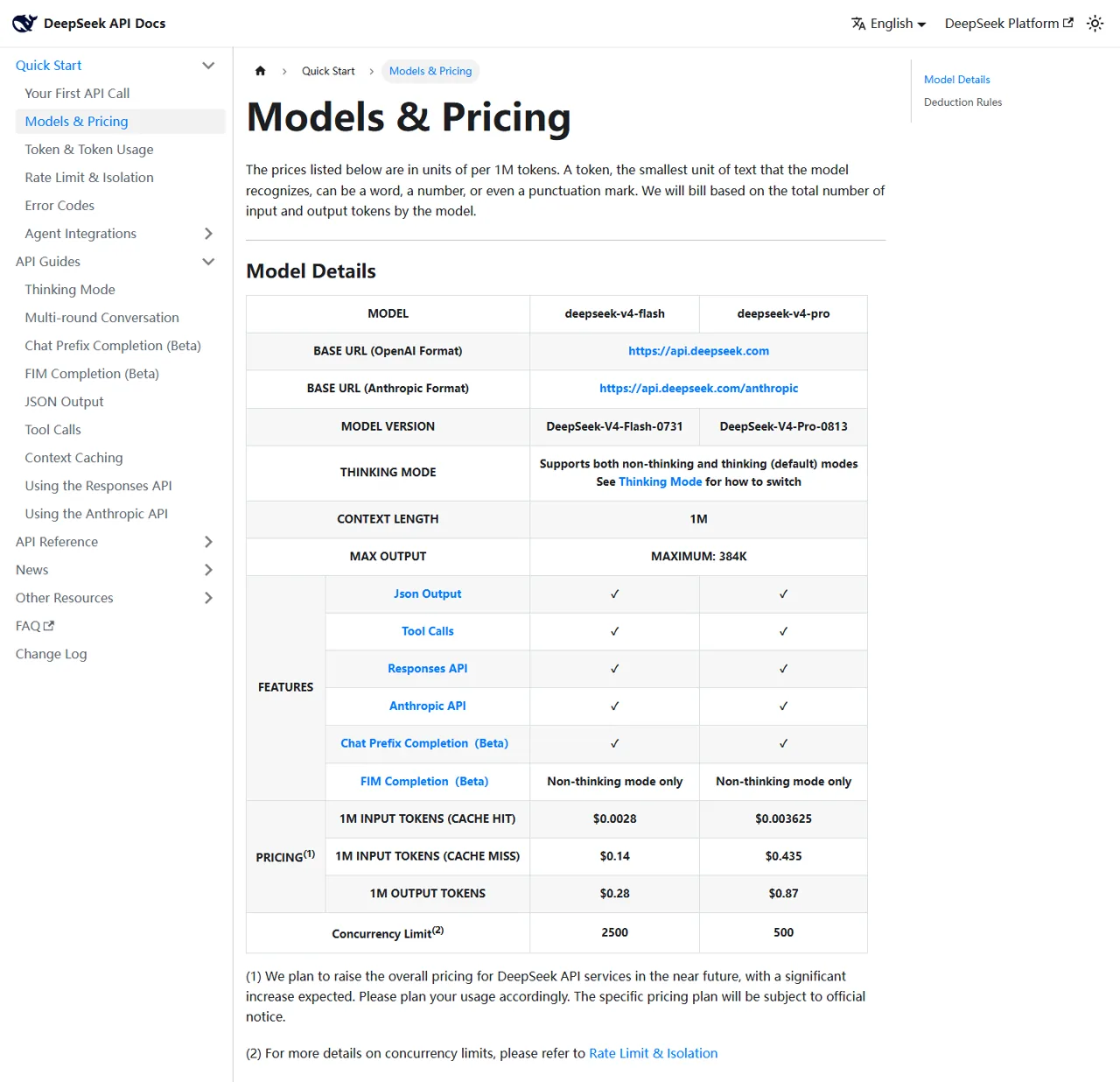
Kedua versi tersebut menampilkan konteks judul dan batasan keluaran yang sama, sehingga ini bukanlah pilihan antara “model lengkap versus model konteks pendek”. Ini terutama merupakan keputusan yang berkaitan dengan kualitas, harga, dan perencanaan kapasitas. Batas koncurrency resmi Flash lima kali lipat dari Pro, sementara biaya token input dan output cache-miss pada Pro sedikit lebih dari tiga kali lipat.
Perbandingan Singkat antara Pro dan Flash
Spesifikasi dan harga resmi diperiksa pada 13 Agustus 2026; hasil pengamatan langsung diperoleh dari satu kali pengujian per tugas dan bukan merupakan hasil pengujian kinerja resmi.
Pilih Flash jika…
Anda membutuhkan skalabilitas yang terjangkau, perbaikan kode rutin, ekstraksi, klasifikasi, atau banyak permintaan paralel—dan Anda dapat memvalidasi perhitungan yang sangat penting serta batasan format.
Pilih Pro jika…
Hasilnya merupakan gabungan antara kode, kebijakan, aspek keuangan, atau berbagai batasan yang ketat, dan biaya tambahan yang timbul lebih kecil daripada biaya yang timbul akibat kegagalan sekecil apa pun.
Uji coba praktis: pemrograman, pengambilan data, dan penerapan batasan
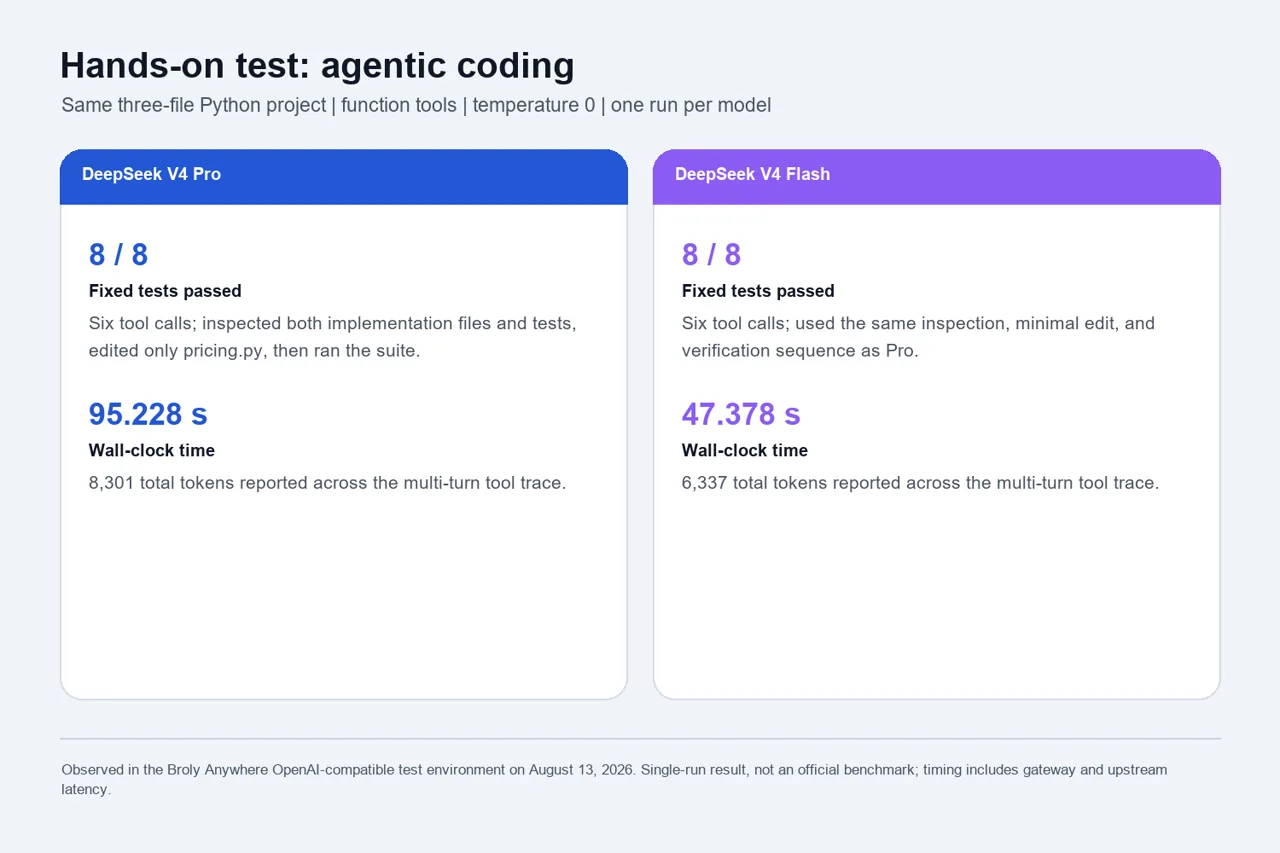
Kami menguji kedua ID model API tersebut melalui titik akhir Broly Anywhere yang kompatibel dengan OpenAI pada tanggal 13 Agustus 2026. Suhu adalah 0. Setiap hasil yang diberi skor merupakan satu kali eksekusi per model dan tugas. Waktu jam dinding mencakup penundaan gateway dan upstream, sehingga berguna sebagai pengamatan—bukan peringkat latensi yang stabil.
Kartu penilaian praktis
Baik Pro maupun Flash berhasil lulus semua tes yang telah ditetapkan.
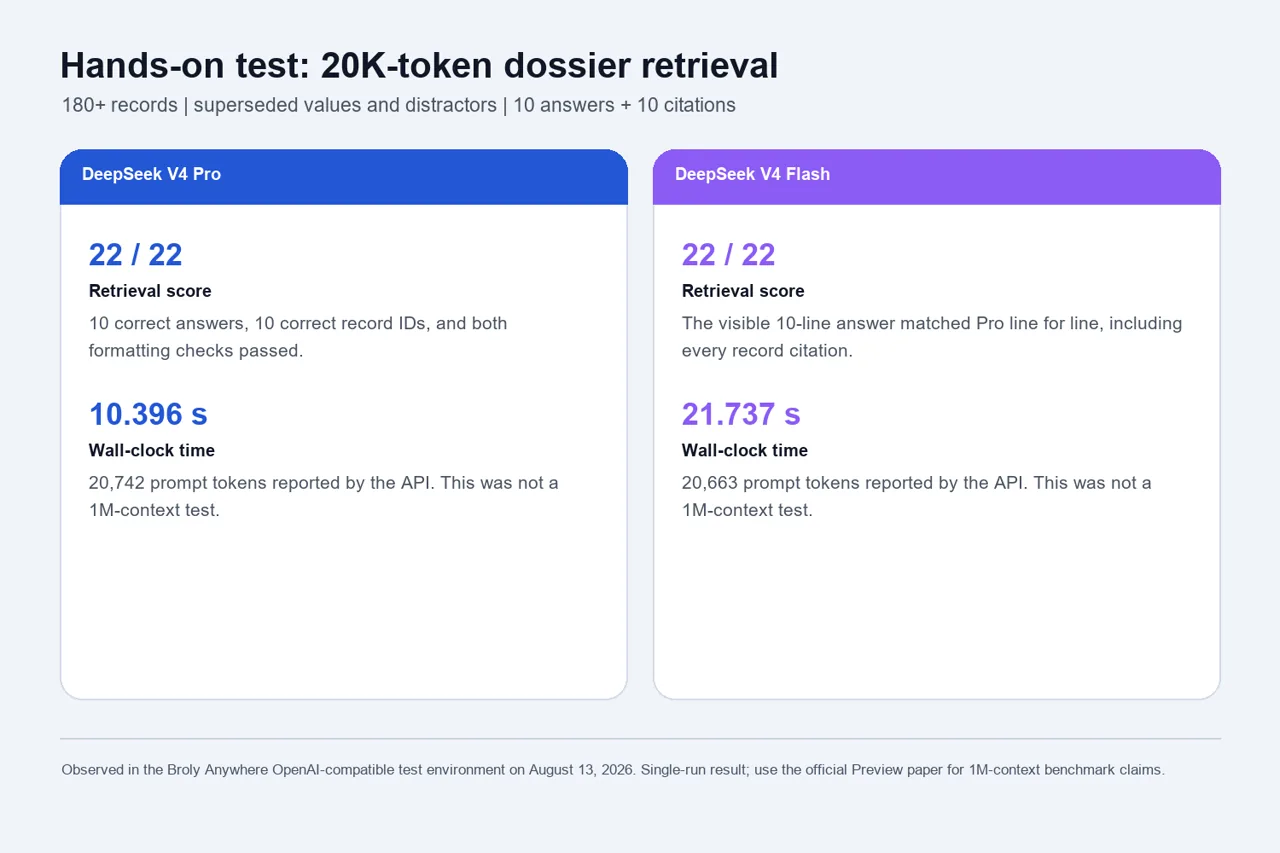
Baik jawaban maupun semua kutipan catatan yang diminta semuanya benar.
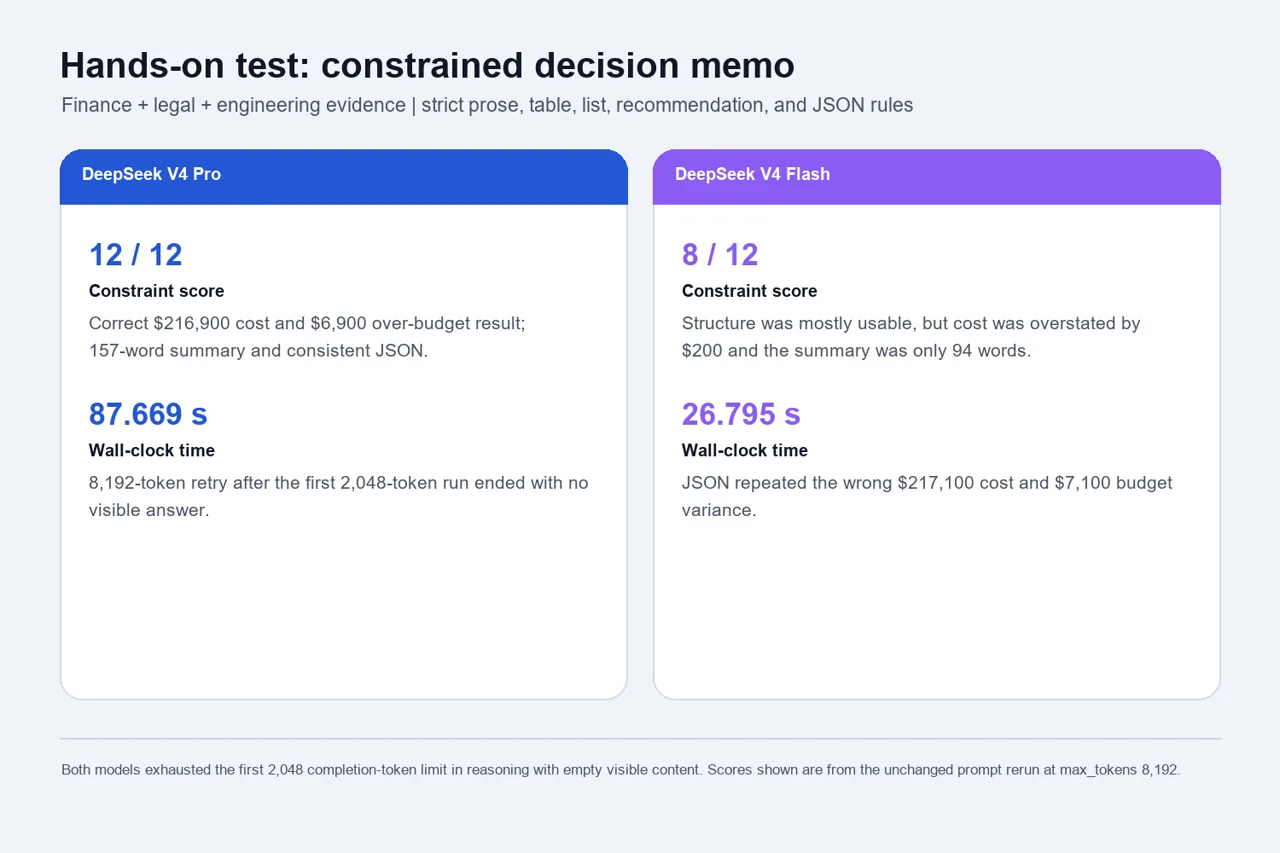
Pro memenuhi semua aturan; Flash tidak memenuhi batasan aritmatika dan panjang.
Tes 1: Debugging Python dengan pendekatan agentik
Harness tersebut menyediakan empat alat bagi setiap model—membuat daftar berkas, membaca berkas, menulis berkas, dan menjalankan pengujian—di dalam proyek penetapan harga Python kecil yang terdiri dari tiga berkas. Hal ini lebih mirip dengan alur kerja agen daripada sekadar meminta potongan kode melalui obrolan.
Melakukan debug, menerapkan patch, dan memverifikasi proyek penetapan harga berbasis Python
Kedua model tersebut mengikuti jalur enam panggilan yang sama, hanya melakukan penyesuaian pada implementasinya, dan menghasilkan 8 lulus. Flash menyelesaikan putaran ini dalam waktu 47,378 detik, sedangkan Pro membutuhkan waktu 95,228 detik, dan menggunakan lebih sedikit token yang dikembalikan. Tidak ada pemenang berdasarkan kualitas di sini. Untuk sudut pandang lain yang berfokus pada kode, lihat artikel kami Ujian Pemrograman Python: DeepSeek vs ChatGPT.
Uji Coba 2: pengambilan berkas dengan jumlah sekitar 20,7 ribu token
Kami melampirkan sebuah berkas yang berisi lebih dari 180 catatan, pilihan jawaban pengalih perhatian yang berulang, draf-draf usang, dan sepuluh fakta yang tersebar. Model tersebut harus menjawab dalam format tepat sepuluh baris dan mencantumkan satu catatan sebagai rujukan untuk setiap jawaban.
Jawablah dokumen yang penuh dengan informasi yang tidak jelas dengan kutipan yang tepat
Kedua model memperoleh skor 22/22: sepuluh jawaban benar, sepuluh kutipan yang tepat, dan dua poin format. Pro menyelesaikan putaran ini dalam 10,396 detik dan Flash dalam 21,737 detik. Penggunaan prompt yang sebenarnya sekitar 20,7K token. Hal ini menjadikannya uji pengambilan data berukuran sedang yang berguna, tetapi... tidak memverifikasi jendela 1 juta token secara keseluruhan.
Tes 3: memo keputusan peluncuran yang ketat
Tugas ini menggabungkan ringkasan berpanjang 120–180 kata, tabel dengan tepat empat baris, risiko tetap dan jumlah yang tidak diketahui, keputusan singkat, JSON yang valid, serta perhitungan biaya tahun pertama berdasarkan catatan dari bagian keuangan, hukum, teknik, penjualan, dukungan, dan keamanan.
Buatlah memo peluncuran yang memuat perhitungan dan aturan keluaran yang ketat
Dengan batas 2.048 token penyelesaian, kedua model menggunakan anggaran penyelesaian yang tersedia pada hasil penalaran yang dikembalikan dan tidak menghasilkan jawaban yang terlihat. Kami menyimpan catatan tersebut, lalu menjalankan kembali prompt yang tidak diubah dengan batas 8.192 token. Pro memperoleh skor 12/12. Flash memperoleh skor 8/12 karena melaporkan $217.100 alih-alih $216.900, membawa kesalahan $200 ke dalam varians, dan menulis ringkasan 94 kata alih-alih 120–180 kata yang diminta.
Pelajaran yang dapat dipetik bersifat spesifik, bukan universal: Flash sudah sangat unggul dalam tugas-tugas pemrograman dan pengambilan data, sementara Pro lebih andal dalam kombinasi yang paling kompleks antara batasan aritmatika, struktur, dan kebijakan. Jika alur kerja Anda bergantung pada shell agen, kami Perbandingan OpenClaw vs Claude Code vs OpenCode membantu menyesuaikan model dengan alat di sekitarnya.
Uji kinerja DeepSeek V4: apa yang dibuktikan oleh data resmi
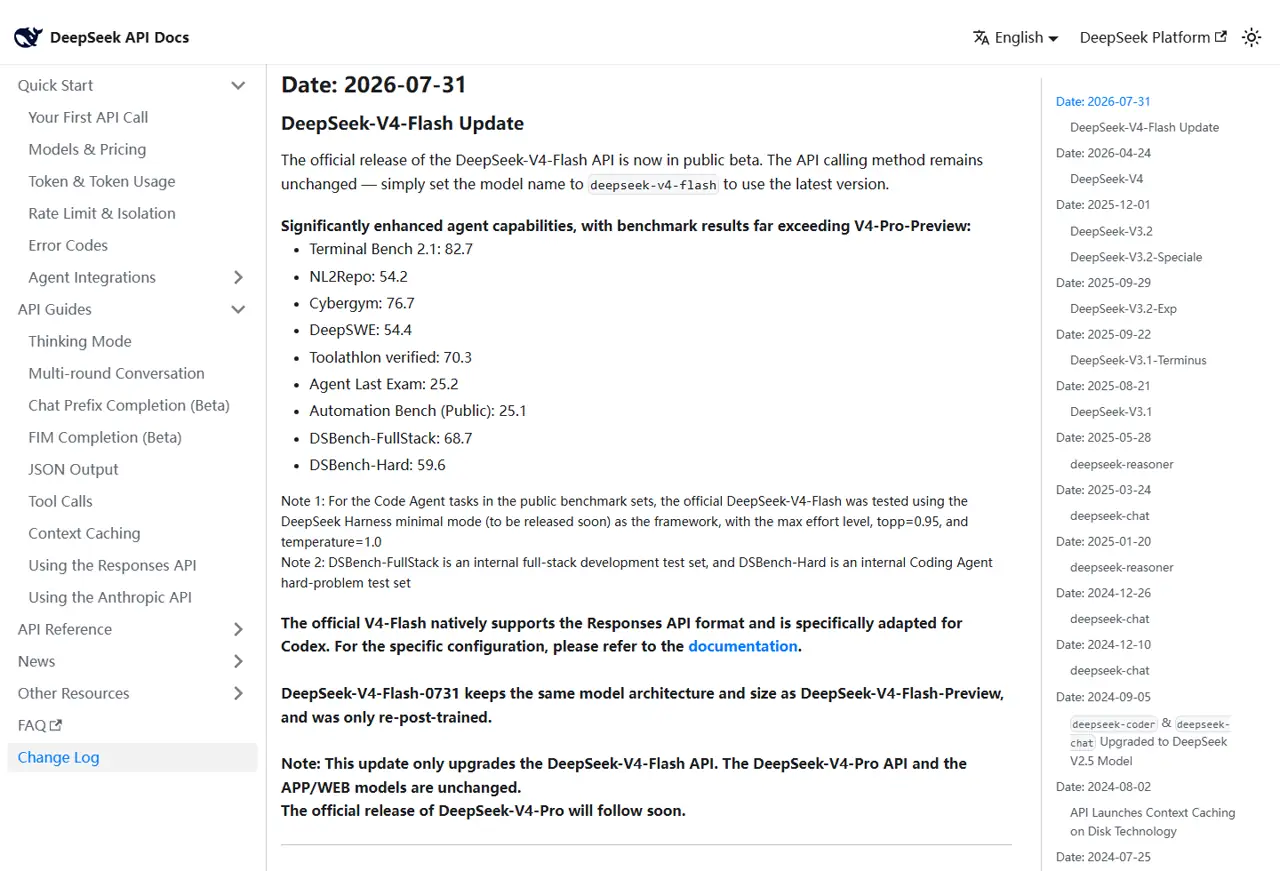
Sumber acuan yang paling aman adalah Laporan Teknis DeepSeek V4, namun tabel dan diagramnya menjelaskan model V4 Preview. Data tersebut berguna untuk memahami kemampuan yang dirancang dalam arsitektur tersebut serta pengaturan pengujiannya; data tersebut bukanlah skor independen untuk rilis API Pro-0813 yang sudah usang.
Nilai pratinjau bukanlah nilai Pro-0813
Bukti arsitektur dan hasil pengujian kinerja dari DeepSeek.
Versi produksi yang sudah tidak berlaku lagi yang tercantum dalam dokumentasi API.
Nilai pratinjau tidak dapat diberi label ulang sebagai nilai Pro-0813.
Pembaruan Flash tanggal 31 Juli juga mempublikasikan hasil uji agen serta menyebutkan nama harness, pengaturan, dan dukungan Codex. Rincian tersebut penting karena papan peringkat lintas vendor dapat berubah tergantung pada struktur uji, anggaran penalaran, definisi alat, dan aturan percobaan ulang. Hasil tanpa informasi mengenai harness-nya tidak cukup untuk menetapkan pemenang tanpa syarat.
Karena alasan yang sama, ketiga tugas kami melengkapi bukti resmi, bukan menggantikannya. Ketiga tugas tersebut menjelaskan apa yang terjadi dalam satu skenario yang telah diungkapkan. Jika Anda membandingkan produk agen, bukan sekadar antarmuka pemrograman aplikasi (API) model, maka Panduan Kode Codex vs Claude menjelaskan mengapa alur kerja di sekitarnya dapat memengaruhi pengalaman pengguna.
Harga API DeepSeek V4
Kebijakan harga API DeepSeek sangat agresif pada saat peluncuran. Tabel di bawah ini menampilkan angka resmi per satu juta token yang diperiksa pada 13 Agustus 2026. Halaman resmi juga memperingatkan bahwa harga akan naik secara signifikan di masa depan, jadi anggaplah angka-angka ini sebagai data yang sudah usang dari masa peluncuran.
Harga per 1 juta token
Beban kerja sederhana tanpa cache dengan 10 juta token masukan dan 2 juta token keluaran akan bernilai $1,96 pada Flash dan $6,09 pada Pro dengan tarif ini. Ilustrasi tersebut tidak memperhitungkan cache hits, markup penyedia, upaya ulang, dan perubahan harga apa pun di kemudian hari. Tim yang membandingkan vendor sebaiknya menggunakan satu kombinasi token dan dasar penagihan; kami Panduan Harga API Claude Opus 4.6 menjelaskan mengapa input, output, dan penyimpanan dalam cache memerlukan baris yang terpisah.
Apa arti jendela konteks 1M—dan di mana batas-batasnya
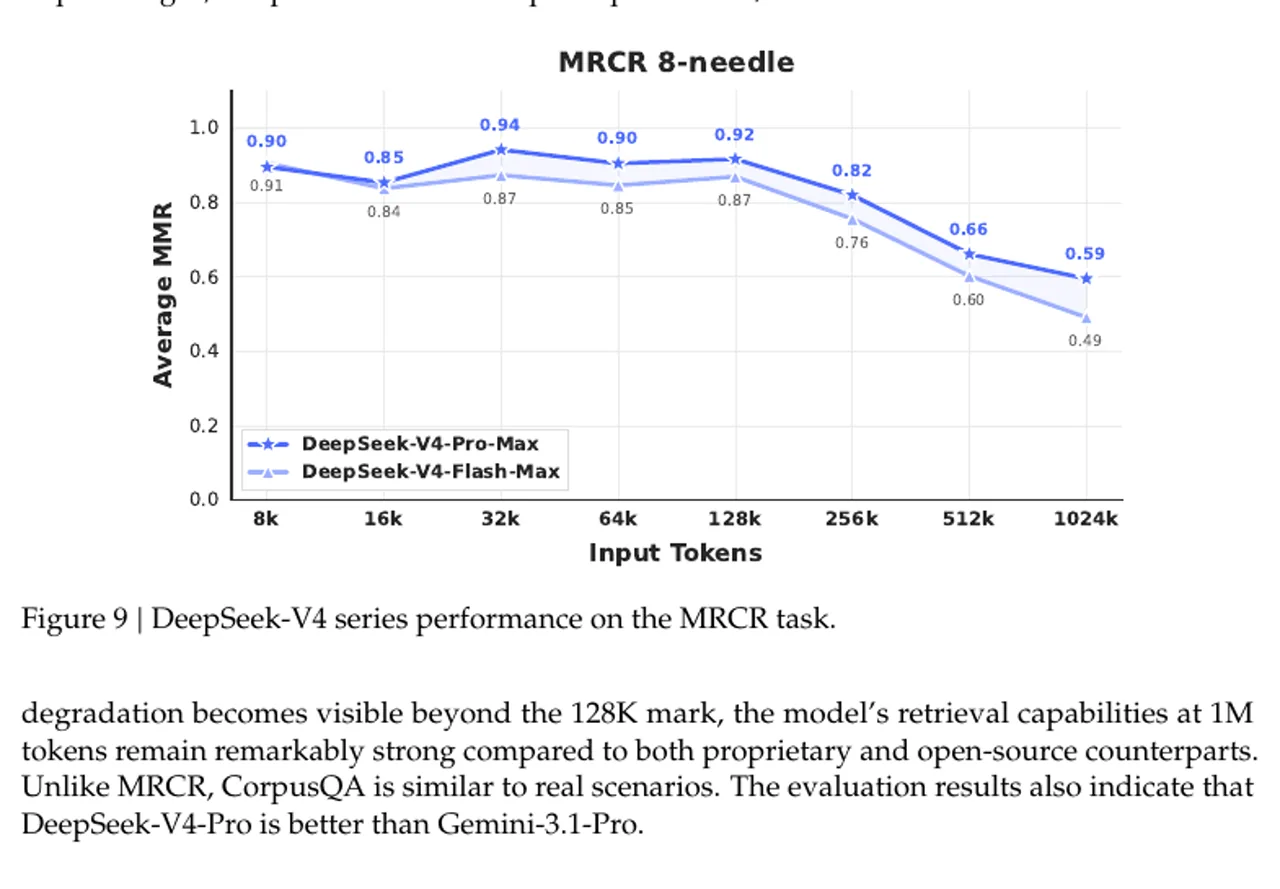
Jendela konteks sebesar 1 juta token merupakan kapasitas, bukan jaminan akurasi pengambilan informasi yang sempurna di setiap posisi. Hal ini memberikan ruang bagi API untuk menangani repositori yang sangat besar, kumpulan dokumen, paket penelitian, atau riwayat agen. Pertanyaan mengenai kualitasnya adalah apakah model tersebut mampu mengambil detail yang tepat setelah bukti yang relevan tersembunyi di antara ratusan ribu token yang mengganggu.
Laporan Pratinjau DeepSeek mencakup grafik resolusi koreferensi multi-putaran (MRCR) untuk jumlah token masukan mulai dari 8K hingga 1M. Kurva tersebut tetap kuat pada panjang yang lebih pendek, tetapi menurun setelah 128K. Hal ini merupakan bukti umum adanya masalah konteks panjang yang sulit, dan itulah sebabnya “mendukung 1M” tidak boleh diartikan sebagai “tanpa kehilangan kualitas pada 1M.”
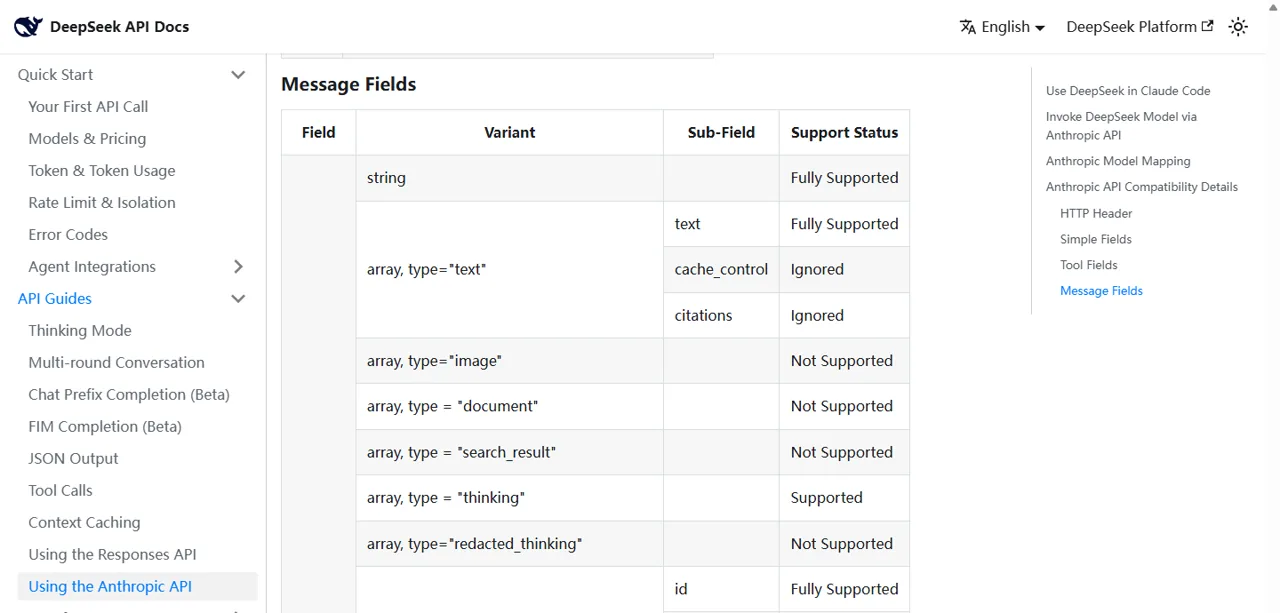
Antarmuka API memiliki batasan tersendiri. DeepSeek’s Panduan API Responses menjelaskan implementasi tanpa status: fitur-fitur seperti id_tanggapan_sebelumnya, percakapan, penyimpanan, dan latar belakang tidak didukung. Masukan gambar dan berkas juga tidak didukung, sehingga Anda perlu mengekstrak teks atau membangun lapisan status di luar model.
The Tabel API yang kompatibel dengan Anthropic demikian pula, menandai varian pesan gambar dan dokumen sebagai tidak didukung. Oleh karena itu, kompatibilitas berarti format permintaan dan alat yang sudah dikenal—bukan kesetaraan fitur demi fitur dengan setiap model atau klien Anthropic.
Cara Mencoba DeepSeek V4 Pro dan Melakukan Flash
Anda memiliki tiga opsi yang praktis. Pilihlah sesuai dengan kebutuhan Anda: apakah Anda ingin melakukan obrolan singkat, mengontrol API produksi, atau menggunakan ruang kerja multi-model.
Pilih jalur akses Anda
DeepSeek Web/Aplikasi
Pilihan terbaik untuk mencoba model tersebut melalui antarmuka pengguna milik DeepSeek sendiri.
API resmi
Paling cocok untuk penagihan berbasis token, alat bantu, JSON, kerangka kerja agen, dan pengendalian produksi.
GlobalGPT
Pilihan terbaik untuk membuka berkas Pro atau Flash dalam ruang kerja multi-model yang lebih luas tanpa perlu membuat klien terlebih dahulu.
Rute 1: obrolan resmi DeepSeek
Mulai dari Situs resmi DeepSeek Jika Anda hanya ingin melihat pengalaman pengguna saat ini. Akses pengguna dan penagihan API merupakan dua hal yang terpisah; adanya antarmuka obrolan tidak berarti API tersebut gratis.
Rute 2: API resmi dan agen pemrograman
Gunakan deepseek-v4-pro atau deepseek-v4-flash dengan antarmuka yang telah didokumentasikan dan kompatibel dengan OpenAI. Keduanya mendukung mode berpikir dan non-berpikir, keluaran JSON, panggilan alat, Respons API, serta akses yang kompatibel dengan Anthropic. FIM hanya berlaku dalam mode non-berpikir.
DeepSeek juga menerbitkan sebuah panduan resmi integrasi Codex. Jika Anda sedang mempertimbangkan pilihan shell agen terlebih dahulu, bandingkan Kode Claude: Harga dan Batasan Penggunaan sebelum menganggap bahwa biaya token model sama dengan total tagihan.
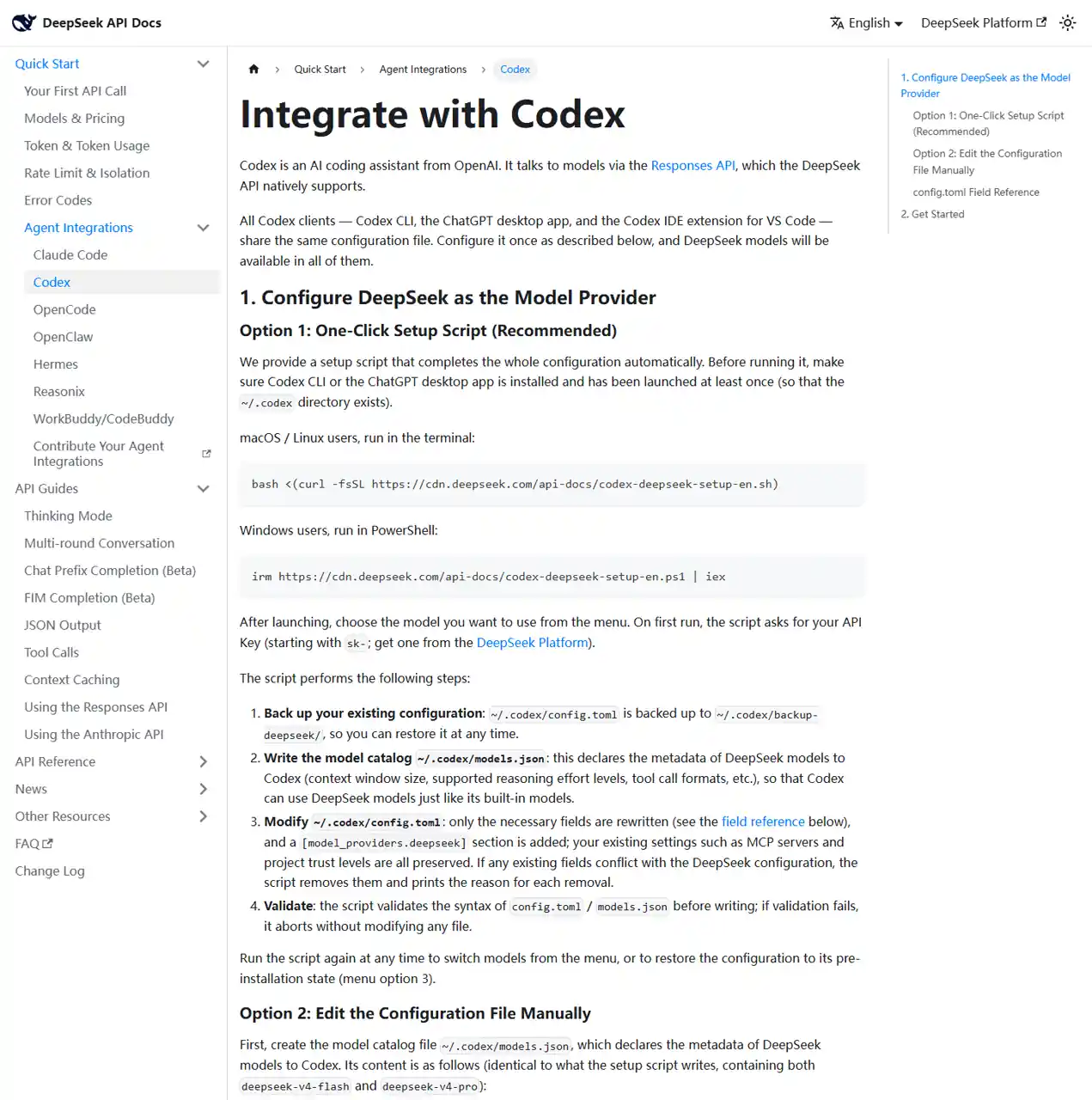
Pengguna kode Claude dapat mengikuti logika titik akhir dan model yang sama seperti yang dijelaskan dalam panduan kami mengenai Mengonfigurasi model dalam kode Claude, sambil memeriksa tabel kompatibilitas langsung DeepSeek untuk kolom-kolom yang tidak didukung.
Rute 3: GlobalGPT
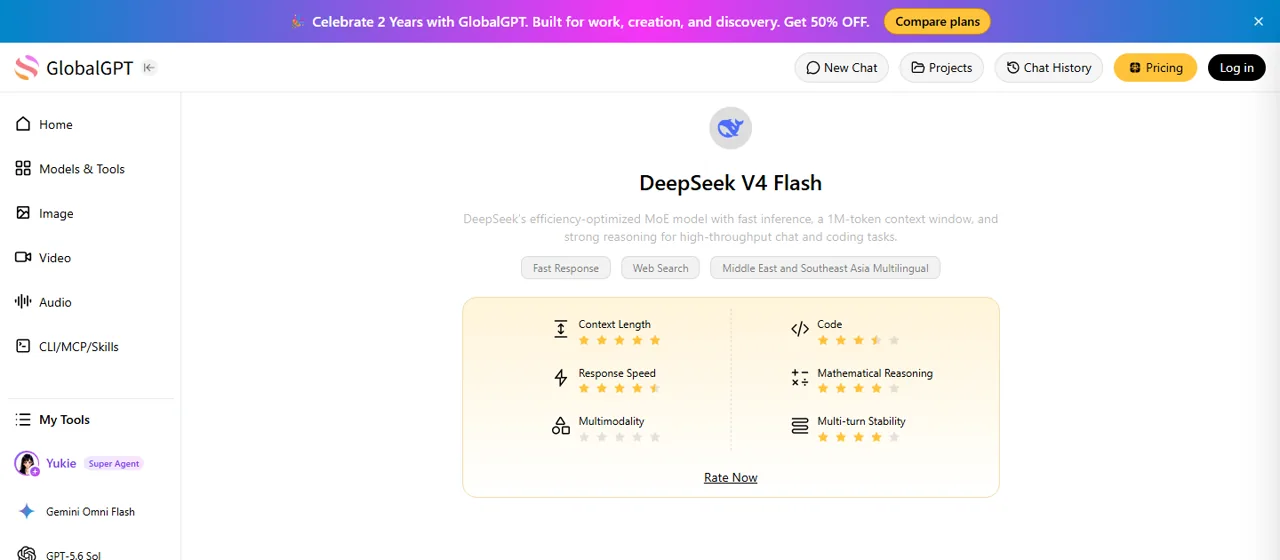
GlobalGPT memiliki entri khusus untuk kedua model tersebut. Rute konversi yang telah diverifikasi adalah DeepSeek V4 Pro pada GlobalGPT. Halaman produk Flash juga tersedia, tetapi kami tidak menemukan parameter kampanye yang terverifikasi dan khusus untuk Flash, sehingga kami tidak akan membuatnya sendiri.
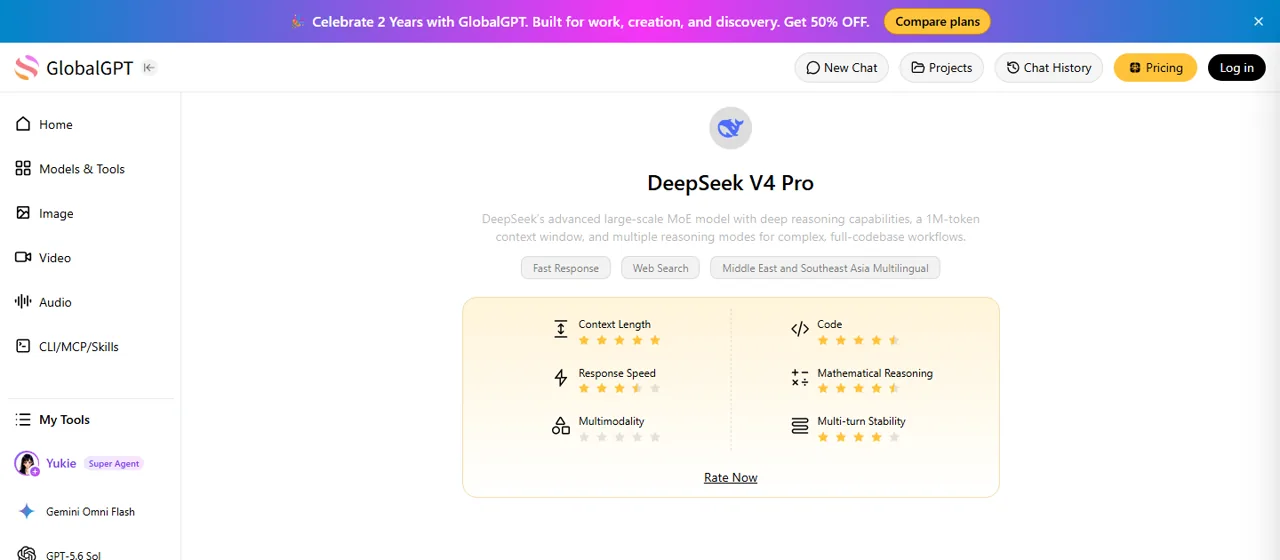
Untuk alur kerja terminal, Pengaturan CLI GlobalGPT dalam konfigurasi kode Claude menjelaskan bagaimana platform multi-model dapat diintegrasikan ke dalam rutinitas pemrograman yang sudah ada. Platform ini tidak menggantikan alat repositori bawaan; melainkan mengubah cara Anda mengakses dan membandingkan model.
Model DeepSeek V4 mana yang sebaiknya Anda pilih?
Sesuaikan model dengan biaya kegagalan
Flash
Pilihlah layanan ini untuk obrolan bervolume tinggi, ekstraksi data, kode rutin, pengambilan data, serta agen dengan sistem validasi yang andal. Layanan ini berhasil menyelesaikan dua dari tiga tugas kami dengan sempurna pada harga resmi terendah.
Pro
Pilihlah model ini ketika perhitungan aritmatika yang ketat, pemformatan, kebijakan, dan penalaran lintas domain bersatu dalam satu hasil kerja. Model ini adalah satu-satunya yang meraih skor 12/12 dalam penilaian kami.
GlobalGPT
Pilih opsi platform jika Anda ingin mencoba model tersebut atau membandingkan alternatif-alternatifnya tanpa harus terlebih dahulu membuat klien API.
Bagi banyak tim, Flash merupakan pilihan penerapan awal yang paling tepat: biayanya jauh lebih murah, mendukung batasan konteks dan keluaran yang telah ditetapkan, serta mampu menangani pengujian pemrograman dan pengambilan data sebanyak 20,7 ribu tanpa ada penurunan kualitas. Tambahkan pemeriksaan deterministik untuk angka, skema, dan bagian-bagian yang wajib diisi.
Beralihlah ke paket Pro ketika waktu peninjauan atau biaya kegagalan lebih besar daripada penghematan yang diperoleh dari penggunaan token. Selisih harganya memang nyata, tetapi begitu pula manfaatnya jika memo kepatuhan atau peluncuran yang padat dan komprehensif sudah tepat sejak awal. Jika daftar pilihan Anda mencakup asisten lain, maka secara lebih luas Panduan Memilih antara DeepSeek dan ChatGPT dapat membantu membedakan kualitas model dari ekosistem produk.
Kesimpulan: Apakah DeepSeek V4 Pro layak dibeli?
DeepSeek V4 Pro layak dipertimbangkan ketika pekerjaan membutuhkan kontrol yang lebih besar daripada volume. Ini bukanlah pilihan default yang ekonomis: dalam API, versi Pro tiga kali lebih mahal daripada Flash pada baris input dan output cache-miss utama, baik selama periode puncak maupun di luar periode puncak. Biaya tambahan tersebut masuk akal ketika jawaban yang salah menyebabkan pekerjaan ulang, beban kerja peninjauan, atau risiko operasional.
Untuk tugas-tugas rutin, Flash menawarkan keseimbangan yang lebih sederhana antara biaya dan skala. Untuk gambar, gunakan Vision-Exp. Jika tujuannya bukan mengelola API, melainkan berpindah-pindah antara penelitian, penulisan, dan bantuan teknis, ruang kerja multi-model bisa jadi lebih praktis daripada mengonfigurasi setiap layanan secara terpisah.
Langkah selanjutnya
Buka DeepSeek V4 Pro di ruang kerja yang juga menyatukan model-model lain untuk membantu penelitian, penulisan, dan pemrograman.
Coba DeepSeek V4 ProPertanyaan yang Sering Diajukan tentang DeepSeek V4
Apakah DeepSeek V4 Pro sudah dirilis?
Ya. DeepSeek V4 Pro telah tersedia secara umum pada tanggal 13 Agustus 2026 dengan kode identifikasi produksi DeepSeek-V4-Pro-0813.
Apa perbedaan antara DeepSeek V4 Pro dan Flash?
Flash mengutamakan biaya dan kemampuan pemrosesan bersamaan, sedangkan Pro dirancang untuk tugas-tugas berbasis teks dengan batasan yang lebih banyak dan risiko kegagalan yang lebih tinggi. Keduanya memiliki jendela konteks sebesar 1 juta token dan output maksimum sebesar 384 ribu token.
Berapa harga DeepSeek V4 Pro?
Untuk setiap 1 juta token, tarif Pro di luar jam sibuk adalah $0,022 untuk input cache-hit, $0,66 untuk input cache-miss, dan $1,98 untuk output. Harga pada jam sibuk masing-masing sebesar $0,044, $1,32, dan $3,96.
Kapan saja jam-jam sibuk API?
Jam sibuk berlaku pada pukul 01.00–04.00 dan 06.00–10.00 UTC, Senin sampai Jumat. Di luar jam-jam tersebut, berlaku tarif di luar jam sibuk.
Apakah DeepSeek V4 mendukung gambar?
deepseek-v4-flash-vision-exp mendukung format gambar. Panduan resmi mencantumkan JPEG, PNG, GIF, dan WebP. Model teks Pro dan Flash harus diperlakukan secara terpisah.
Apakah jendela konteks 1 juta token menjamin hasil pencarian yang sempurna?
Tidak. Batas 1 juta token tersebut mengacu pada kapasitas. Kemampuan pengambilan data tetap bergantung pada struktur dokumen, penempatan fakta, prompt, dan metode verifikasi.
Apakah saya bisa menggunakan DeepSeek V4 dengan Codex?
Ya. Dokumentasi resmi menjelaskan integrasi melalui API Responses dan mencantumkan Flash, Pro, dan Vision-Exp sebagai pilihan model.
Bagaimana cara mencoba DeepSeek V4 Pro tanpa mengonfigurasi API?
Anda dapat menggunakan antarmuka yang menyediakan model tersebut, seperti GlobalGPT. Layanan ini cocok untuk obrolan, penelitian, penulisan, dan bantuan teknis; sistem penagihan dan fitur-fiturnya tidak sama dengan konsol API resmi.