
Gemini images can be used in many commercial workflows, but the useful answer is not an unconditional yes. You need to separate Google’s ownership wording from copyright law, third-party rights, and any indemnity that may or may not apply to your exact service.
That distinction matters when an image will appear in an ad, product listing, thumbnail, printable, packaging concept, or client campaign. A technically impressive output can still create trouble if it includes a protected character, copied logo, unlicensed reference image, identifiable person, or misleading product detail.
For creators who want an image workflow alongside other AI tools, GlobalGPT offers a single workspace for model access and creative production. Treat that as workflow convenience, not as automatic copyright clearance or legal protection.
Quick answer
Yes, Gemini-generated images can generally be used in commercial projects, but that answer has limits. The terms for the service you used, Google’s prohibited-use rules, third-party rights, and local law still apply. Google’s statement that it does not claim ownership is not a promise that every output is copyrightable, cleared of third-party rights, or covered by indemnity.
Contents
Can you use Gemini AI images commercially?
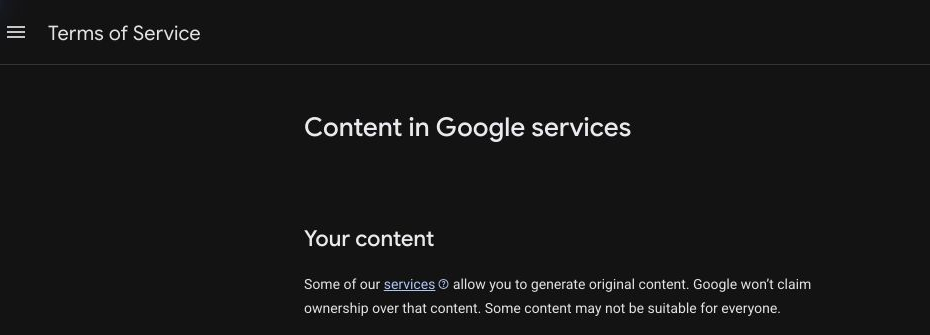
The practical answer is generally yes, subject to the terms for the service you used, Google’s prohibited-use rules, third-party rights, and local law. The general Google Terms clause shown above says Google does not claim ownership over original content generated in covered services. It does not say that every output is copyrightable or free of third-party claims. The same distinctions apply when assessing the broader commercial use of AI images.
Start by identifying where the image was generated. The relevant terms may differ across the Gemini consumer app, AI Studio or an API, Workspace or Google Cloud, and a third-party platform. A plan name by itself is not a reliable commercial-rights tier.
Identify the service route before relying on a term
| Route | Check before release | Do not assume |
|---|---|---|
| Gemini consumer app | Applicable consumer terms, model, account settings, and visible product notices | That a paid plan automatically creates stronger commercial rights |
| AI Studio or API | Developer terms, API restrictions, model documentation, and data handling | That app behavior and API terms are identical |
| Workspace or Google Cloud | The exact contracted service, customer eligibility, and current coverage terms | A universal enterprise indemnity for every Gemini output |
| Third-party platform | The platform’s own terms plus the relevant upstream model restrictions | That upstream protections automatically pass through |
Four rights questions you should not combine
Ownership, commercial permission, copyright, and legal protection are separate issues. A provider can decline to claim ownership while the output still lacks copyright protection, includes third-party material, or falls outside any indemnity.
One output, four separate questions
| Layer | What it asks | What the current evidence establishes |
|---|---|---|
| Google ownership claim | Does Google claim the generated original content as its property? | Google says it does not claim ownership under the shown general-terms clause. |
| Copyrightability | Does copyright law protect the output or its human-authored parts? | A separate, fact-specific legal analysis is required. |
| Third-party clearance | Does the image infringe a trademark, character, likeness, reference image, or other right? | The user still needs to review and clear these risks. |
| Indemnity | Would a provider defend or reimburse a covered claim? | No blanket indemnity follows from the ownership sentence. |
Source scope: Google Terms captured August 29, 2026. This comparison explains legal categories; it is not legal advice.
For a high-value campaign or a disputed asset, a qualified lawyer can assess the exact facts and contract. For routine production, the immediate improvement is to stop using “Google does not own it” as the end of the review.
Can you copyright a Gemini-generated image?
There is no fixed 20% human-contribution rule. The U.S. Copyright Office analyzes whether a human determined enough of the work’s expressive elements. In its Part 2 report, the Office explains that prompts alone generally do not provide sufficient human control over the output.
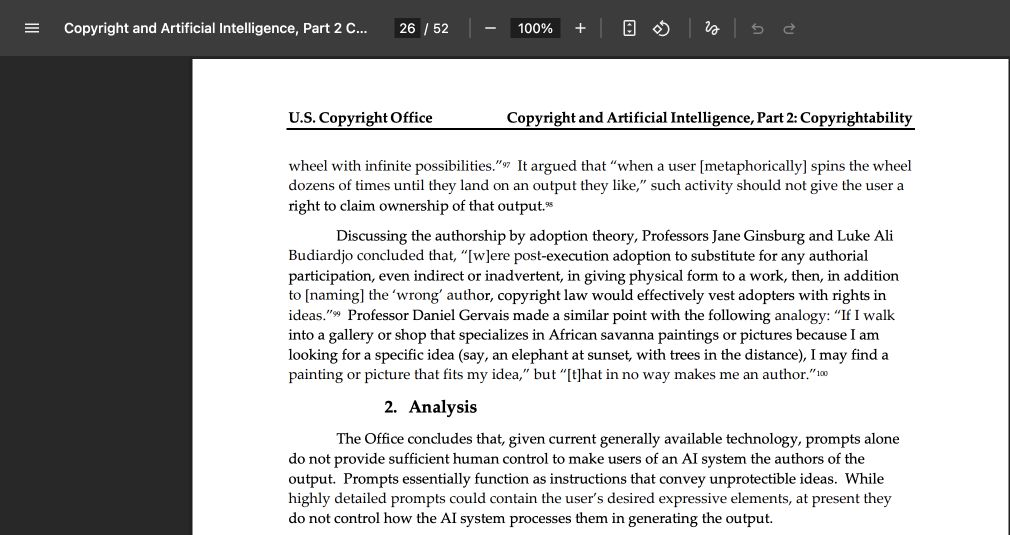
Human authorship: a qualitative decision map
The U.S. Copyright Office says prompts alone generally do not provide sufficient human control over the expressive elements produced.
A human-authored selection, coordination, or arrangement may be considered separately from AI-generated material.
Protectable human modifications depend on what the person actually contributed, not a fixed percentage.
Source: U.S. Copyright Office, Copyright and Artificial Intelligence, Part 2, page 26 of the PDF. Jurisdiction and facts matter.
This does not mean every prompt-only image is automatically public domain everywhere. Copyright rules vary by jurisdiction, and a final work may contain protectable human-authored selection, arrangement, text, layout, or edits even when the generated material is treated differently.
Keep prompts, reference permissions, output versions, manual edits, and approval records. Those records document the process; they do not automatically prove ownership or create copyright.
Current Gemini image models and SynthID
Google DeepMind’s Gemini Image model family page lists three image models, checked on October 11, 2026: Nano Banana Pro, built on Gemini 3 Pro Image; Nano Banana 2, built on Gemini 3.1 Flash Image; and Nano Banana 2 Lite, built on Gemini 3.1 Flash-Lite Image. Name the actual route used instead of referring vaguely to “Gemini 3.”
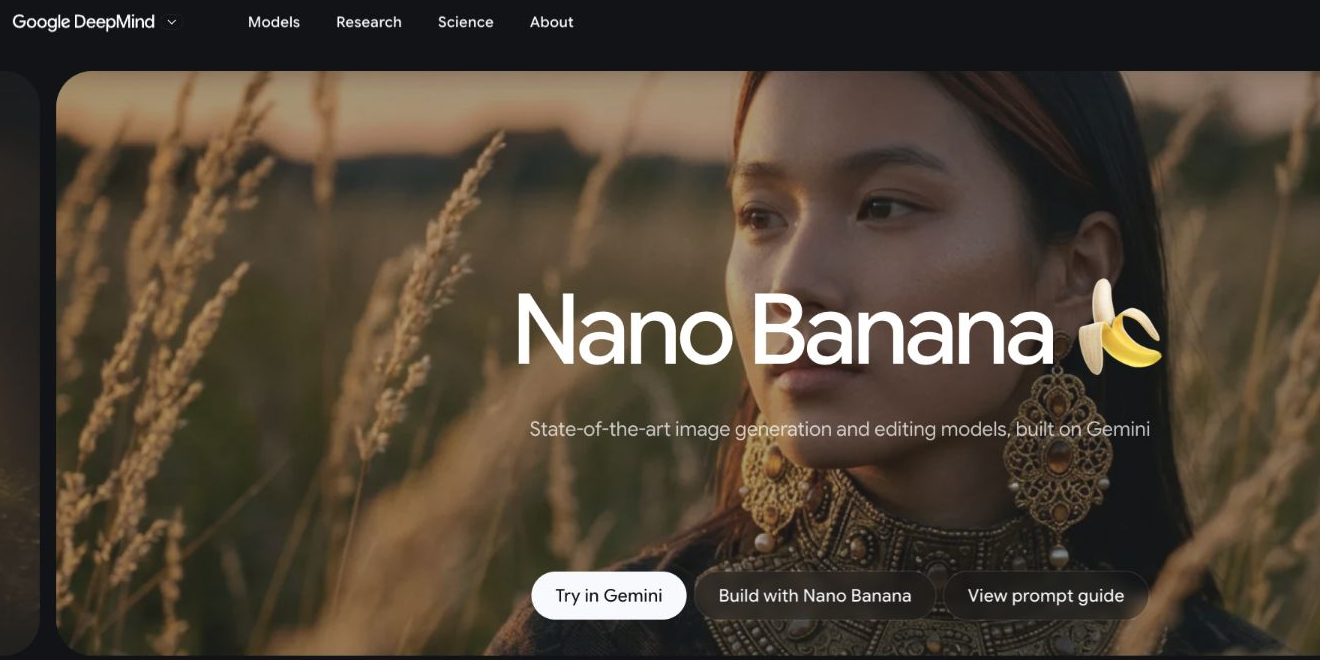
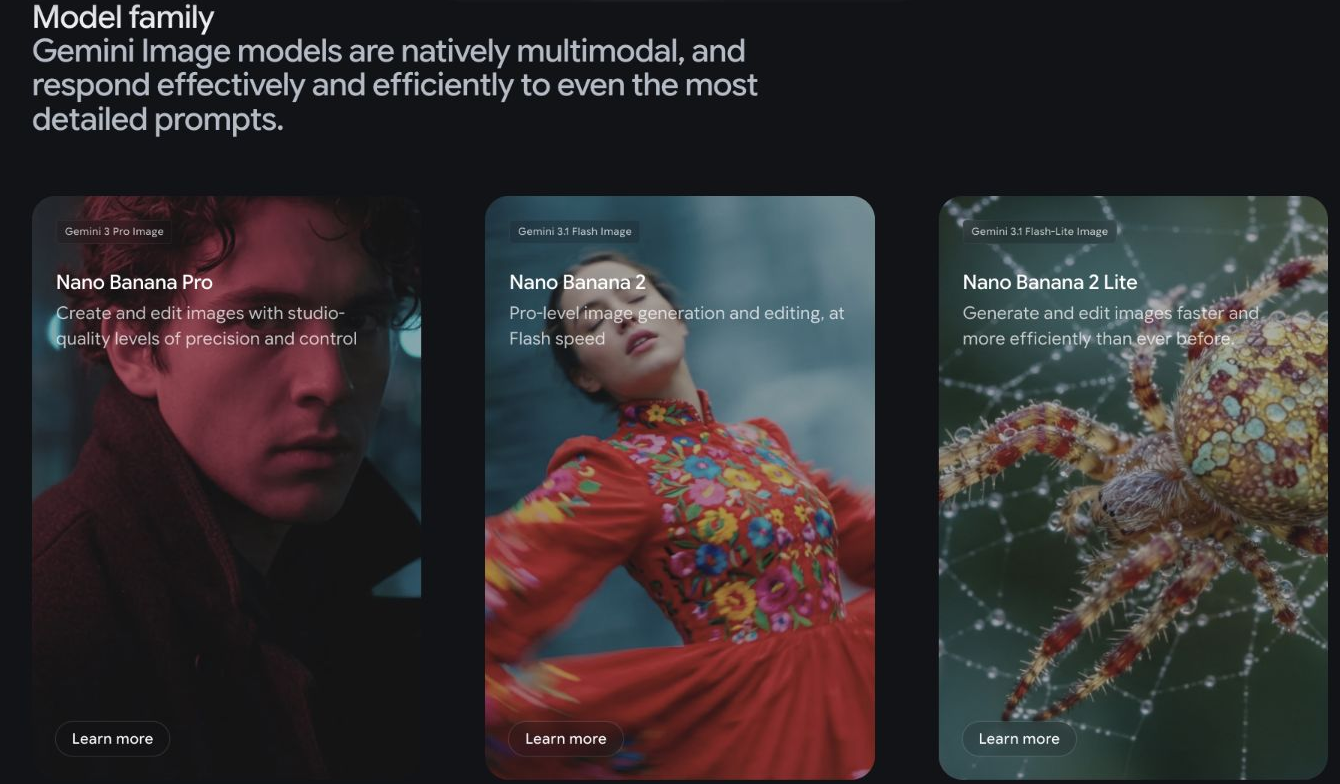
Model identity matters because access, speed, controls, output behavior, and applicable documentation can differ. Record the route and date used for any commercial asset that may need later review.
Google’s Nano Banana Pro safety page says generated images carry an imperceptible SynthID watermark. Keep that claim limited to the route documented by the source; do not turn it into a statement about every Google image product. A separate Nano Banana Pro watermark guide covers the practical distinction between invisible provenance and visible presentation.
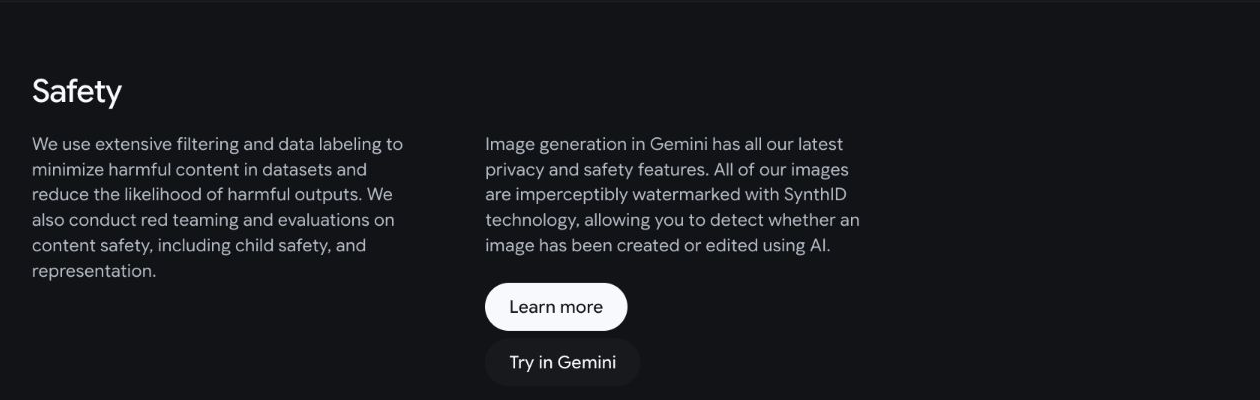
- SynthID can support provenance and detection within Google’s documented system.
- It does not prove that an image is copyrightable.
- It does not clear trademarks, characters, likenesses, or reference-image rights.
- It does not automatically satisfy every marketplace, advertising, or legal disclosure rule.
Commercial-use risk checklist
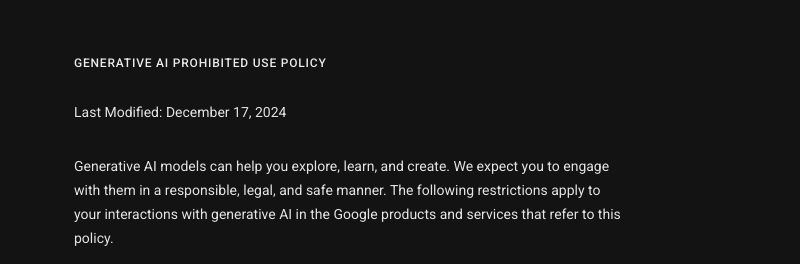
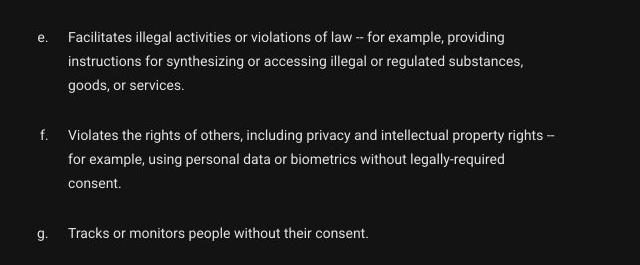
Google’s Generative AI Prohibited Use Policy includes restrictions tied to illegal activity and violations of privacy or intellectual-property rights. Review the relevant clauses together with the terms for the service used to create the image.
Commercial release checklist
Remove or clear logos, distinctive products, fictional characters, and confusingly similar trade dress.
Check consent, publicity rights, sensitive traits, and whether a real person could be misidentified.
Confirm you have permission to upload and reuse reference photos, artwork, and client assets.
Inspect text, product details, claims, diagrams, and any visual likely to influence a purchase.
Follow the current rule of the platform, market, or campaign; SynthID is not a universal substitute.
Keep prompts, source permissions, output versions, edits, approvals, and the terms checked at release time.
A low-risk prompt helps but does not replace output review. Models can introduce material you did not request, and the commercial context can change the risk. A background used privately for ideation is different from the same image printed on packaging or used to imply a product feature.
Where GlobalGPT fits in the workflow
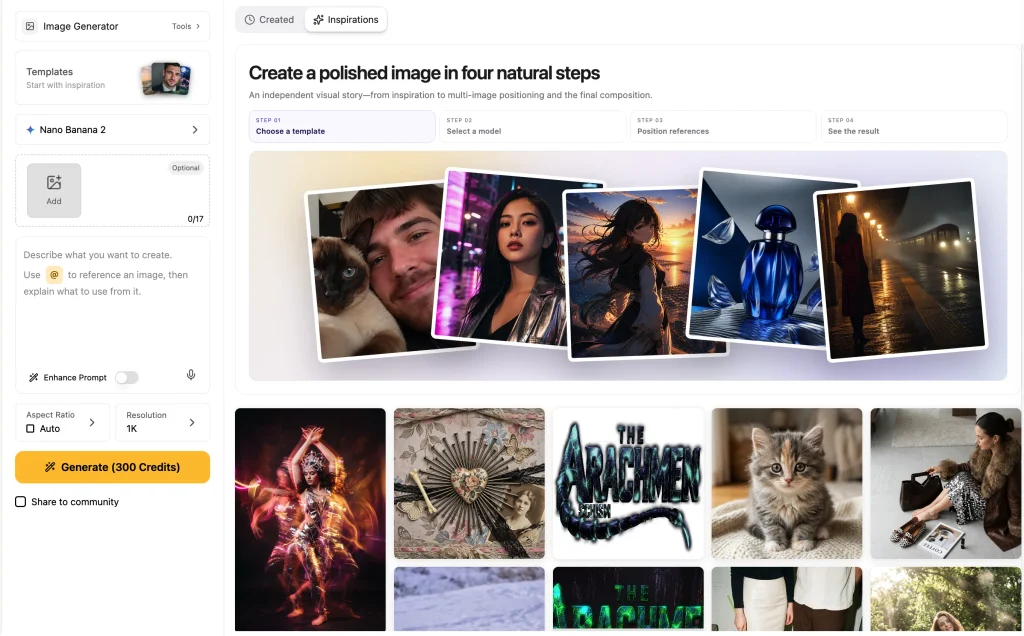
GlobalGPT’s Nano Banana image workspace can be a practical route for generating and editing images inside a broader AI workflow. The captured interface showed Nano Banana Pro selected, reference-image controls, a prompt area, and an untouched Generate button.
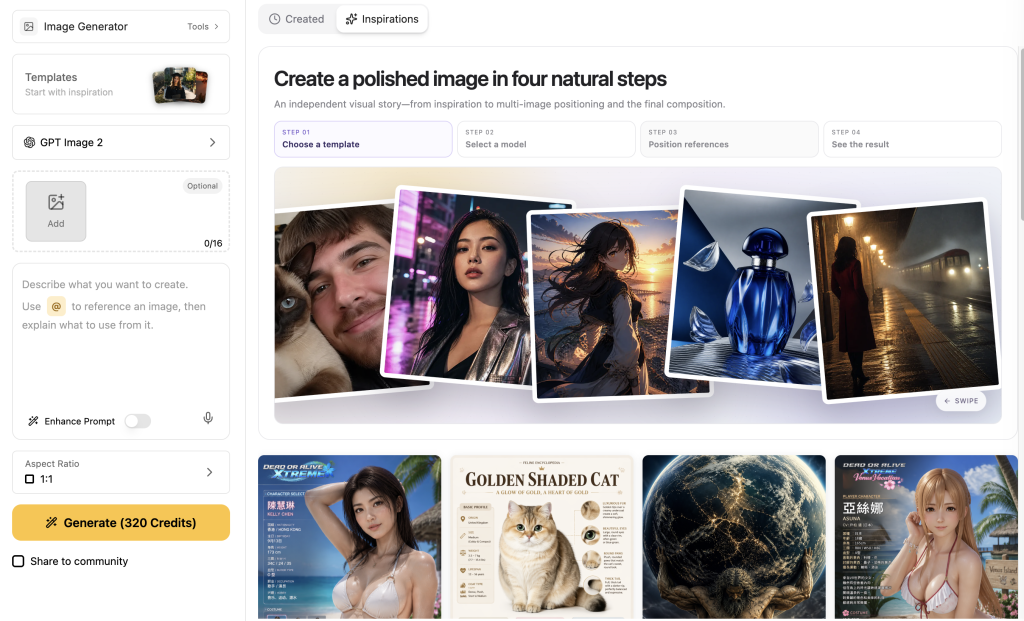
The interface displayed 500 Credits on August 29, 2026. That is a dated interface price for the pictured setup, not a universal price for the model, every prompt, or every account.
Using a third-party interface also does not mean Google Cloud indemnity or another upstream protection automatically passes through. Review the terms that apply to the platform and account you actually use.
Keep generation and rights review as two separate steps
Use GlobalGPT’s Nano Banana image workspace to create or edit the asset, then run the same clearance, accuracy, disclosure, and approval checks you would use for any other commercial creative.
Selling on Etsy or Amazon and using images on YouTube
There is no single AI-image rule that covers every marketplace and content format. Policies change, and the same platform can apply different requirements to product images, downloadable art, realistic depictions, advertising, and altered content.
Platform checks are product-specific
| Use case | Check before posting | Practical review |
|---|---|---|
| Etsy listing or printable | Current creativity standards, seller disclosures, IP policy, and category rules | Check every element intended for sale, not only the listing thumbnail. |
| Amazon product image | Current image requirements for the marketplace and product category | Do not let an AI background misrepresent the product, package, quantity, or included features. |
| YouTube thumbnail or scene | Current altered or synthetic content rules plus advertising and impersonation policies | Assess whether a realistic image could mislead viewers about a person or event. |
Check the current policy shortly before release and save the date and version you reviewed. Avoid unsupported shortcuts such as a universal 20% editing requirement or a claim that every AI image always needs the same label.
A practical commercial workflow
- Choose the exact model and service route, then save the applicable terms and policy date.
- Use references you own, licensed assets, or material you have permission to upload.
- Generate without third-party brands, characters, real people, or misleading claims unless those rights are cleared.
- Inspect the full-resolution output for logos, text, faces, product details, and accidental similarities.
- Add meaningful human-authored design, copy, selection, arrangement, or edits when the project calls for protectable human contribution.
- Check the current destination-platform and disclosure rules.
- Save prompts, inputs, outputs, edits, approvals, and release notes together.
For major launches, regulated claims, recognizable people, licensed characters, or high-volume merchandise, escalate the review instead of relying on a general guide.
Frequently asked questions
Does Google own images generated with Gemini?
Google’s general terms say it does not claim ownership over original content generated in services covered by that clause. That does not settle copyrightability, third-party clearance, or indemnity.
Can I copyright a Gemini-generated image?
Possibly, but the result is fact-specific and depends on jurisdiction and the human-authored contribution. The U.S. Copyright Office does not use a fixed 20% threshold, and prompts alone generally do not provide sufficient human control over the expressive output.
Does SynthID make a Gemini image legally safe to sell?
No. SynthID is a provenance signal used on the Gemini image route described by Google. It does not clear trademarks, likenesses, reference-image rights, or every platform disclosure requirement.
Do paid Gemini plans automatically provide stronger commercial rights?
Do not assume that. Check the exact service and contract you used. Consumer apps, APIs, Workspace, Google Cloud, and third-party platforms can have different terms and coverage.
Can I sell Gemini images on Etsy or use them on Amazon and YouTube?
You may be able to, but you still need to follow the current policy for the specific marketplace, content type, and jurisdiction. Review IP, likeness, product accuracy, and disclosure before publishing.
Does GlobalGPT provide copyright clearance or legal indemnity for Gemini images?
GlobalGPT provides an image-generation workflow. Using it does not by itself clear third-party rights or establish blanket legal indemnity; the applicable platform and model terms govern the service you use.