模型评测 · 官方基准测试 · 相同提示词的API测试
Gemini 3.8 Flash 是谷歌面向长期软件工程、智能代理和复杂知识工作的全新公测版 Flash 模型。其发布时的宣传口号颇为响亮,但我们初步的受控测试结果却远非如此理想。.
本篇关于 Gemini 3.8 Flash 的评测,将官方信息与实际测试结果区分开来。谷歌的相关页面确认了该模型的发布日期、模型状态、上下文窗口、定价、工具以及基准测试声明。通过七项使用相同提示词的 API 任务,展示了该模型实际返回的结果,并与 Gemini 3.7 Flash 的结果进行了对比。.
如果您想重复进行比较,而无需管理单独的模型选项卡,, GlobalGPT 提供了一个用于测试多个AI模型的工作区。关于上一代产品的背景信息,我们的 Gemini 3.6 闪评 这表明Flash产品线的变化速度有多快。.
Gemini 3.8 闪评:简短总结
在这项针对前七项任务的评测中,Gemini 3.8 Flash 的表现未及 Gemini 3.7 Flash。. 在六组可比对的任务中,3.8在前端规划任务中获胜,在Python错误修复任务中打平,但在状态精度、数据推理、有界代理规划和SEO编辑这四项任务中落败。剩余的一项研究任务结果尚无定论。.
这种差距并非源于基础知识的匮乏,而是源于最终成果中的一些细微缺陷:一个分母计算错误、状态标签不够严谨、行文不够简洁,以及工具方案不够具体。这些细节恰恰决定了答案能否被立即采用。.
评论快照
| 度量 | Gemini 3.8 Flash | Gemini 3.7 Flash |
|---|---|---|
| 任务胜利 | 1 | 4 |
| 领带 | 1 | 1 |
| 已完成任务的耗时 | 49.266秒 | 42.909秒 |
| 已完成任务的输出令牌 | 9,199 | 7,489 |
| 预计已完成任务的成本 | $0.036121 | $0.028569 |
这些结果描述了在同一API路由和同一配置下进行的六项小型文本任务。它们并非对任何一种模型的通用排名。.
什么是 Gemini 3.8 Flash?
谷歌对 Gemini 3.8 Flash 的描述 作为其用于编码和代理的最智能的Flash主力机型,特别侧重于长期软件工程和知识工作。它基于Gemini 3.7 Flash架构,而非完全独立的架构。.
这种定位之所以重要,是因为这不仅仅是一个更便宜的通用聊天机器人。谷歌将3.8 Flash定位为一种生产级代理模型,它能够在文档、工具、代码以及更长的任务序列中进行推理,同时保持与Flash相当的延迟和可扩展性。.
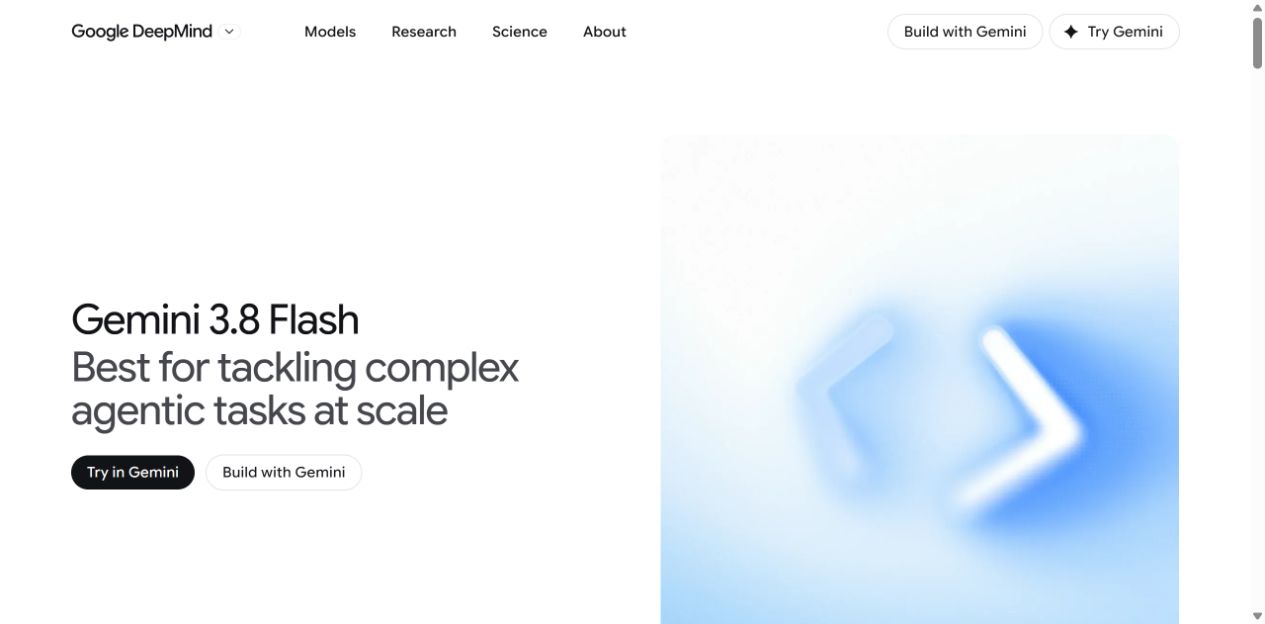
Gemini 3.8 闪存发布日期
"(《世界人权宣言》) 官方人物卡 发表于 2026年9月2日. 谷歌的产品页面显示该型号已全面上市,而非仅限预览版。.
与 Gemini 3.7 固件相比,有哪些变化?
官方的重点转向了运行时间更长的代理任务和最终产出。谷歌着重强调了软件工程、严谨的推理、工具执行、多模态理解以及复杂的企业级工作。在我们的小型测试集里,这种定位转化为最强大的前端方案,但并未在所有方面都带来更可靠的最终答案。.
Gemini 3.8 闪存规格与供货情况
| 规格 | Gemini 3.8 Flash | 证据 |
|---|---|---|
| API 模型 ID | gemini-3.8-flash | 官方定价页面和返回的 API 响应 |
| 现状 | 正式发布 | Google DeepMind 产品页面 |
| 输入上下文 | 最多 100 万个代币 | 官方模特卡 |
| 最大文本输出量 | 64K 个代币 | 官方模特卡 |
| 输入 | 文本、图片、音频、视频和PDF文件 | 官方产品页面 |
| 输出 | 文本 | 官方模特卡 |
| 工具支持 | 函数调用、搜索作为工具、计算机使用 | 官方产品页面 |
| 官方通行路面 | Gemini 应用、Gemini 企业代理平台、Google AI Studio、Gemini API、AI 模式以及 Google Antigravity | 官方模特卡 |
| 知识分数线 | 部分域名将于2026年3月生效;其余域名将于2025年1月生效 | 官方模特卡 |
100万令牌的窗口仅代表处理容量,并非证明能完美检索长文档。下面的测试包包含一个简短的、对状态敏感的提取任务,但并未验证其在百万令牌规模下的性能。.
Gemini 3.8 闪存定价和 API 费用
"(《世界人权宣言》) Gemini API 官方定价页面 列出了截至2026年12月31日的发射频率为 每100万个输入代币为$0.75 和 每100万个输出代币为$3.75, ,包括思考代币。2027年1月1日,这些费率将上调至$1.50和$7.50。.
公布的价目变动
付费档位的每100万代币价格。2027年1月的费率是2026年优惠费率的两倍。.
在我们的测试期间,Gemini 3.8 Flash 和 Gemini 3.7 Flash 的公布起始费率相同。尽管如此,由于 3.8 的记录代币使用量更高,因此每笔已完成的交易对成本更高。 在 T02–T07 期间,3.8 的估计值为 $0.036121,3.7 的估计值为 $0.028569。.
如需了解速度与成本曲线上的另一个数据点,请参阅我们的 Gemini 3.5 Flash Lite 评测. “Lite” 型号适用于不同的工作负载,因此其较低的价格不应被视为质量上的必然优势。.
Gemini 3.8 Flash 官方基准测试
谷歌的性能页面重点介绍了四个方面:DeepSWE v1.1、Vals Finance Agent v2、Harvey’s Legal Agent Benchmark 以及 HLE-Verified。其图表显示,在所有三项评估中,Gemini 3.8 Flash 的表现均优于 Gemini 3.7 Flash,且公布了确切的百分比数据。.
| 官方评估 | Gemini 3.8 Flash | Gemini 3.7 Flash | 证据边界 |
|---|---|---|---|
| DeepSWE v1.1 | 在谷歌图表中位于70%之上 | 图表中低于3.8 | 谷歌表示,3.8 在能效方面处于领先地位;公开图表中并未显示确切的数值标签。. |
| Vals 财务代理 v2 | 61.4% | 59.0% | 谷歌官方图表;该基准测试的完整方法论仍然很重要。. |
| 哈维的法律代理人基准 | 10.0% | 8.8% | 该基准测试结果并不保证在实际部署中的法律准确性。. |
| HLE 认证 | 54.9% | 53.6% | 它并不直接衡量SEO编辑、UI规划或响应效率。. |

我们如何测试 Gemini 3.8 Flash
两个模型都收到了相同的任务提示、温度值为0、3,200个令牌的输出上限,以及相同的API路由。由于前3.8个请求因技术原因失败,因此两个模型都对T02进行了重新运行;仅对匹配的重新运行结果进行评分。.
| 记录字段 | 使用方法 |
|---|---|
| 退回的模型 ID | 已确认所请求的模型作出了回应。. |
| 实际产出 | 比较了正确性、完整性、状态保真度以及所需编辑工作。. |
| 已过去的时间(秒) | 测量的是本地端到端响应时间,而非服务提供商端的延迟。. |
| 输入和输出令牌 | 支持按官方起始费率进行任务级成本估算。. |
| 完成原因 | 将可用的答案与不完整或受预算限制的输出结果区分开来。. |
Gemini 3.8 Flash 实际测试结果
每张卡片上都汇总了任务内容、实际提交的作品、评分结果以及编辑评语。为便于阅读,摘录内容已进行删减,但保留了关键细节。.
测试 1:研究综述
任务: 根据给定的固定事实集,撰写一份180词的买入建议,其中应包含三个理由、两个未知因素以及一个测试计划。.
Gemini 3.8 Flash
18.211秒 · 361个输入令牌 / 3,196个输出令牌 · 估计耗时 $0.012256
“我们建议选择A型……3. 价格持平:A型和B型的API起始价格相同”
Gemini 3.7 Flash
13.490秒 · 108个输入令牌 / 3,196个输出令牌 · 估计耗时 $0.012066
“我们直接建议试用并购买A型……截至12月3日,两种型号的API入门价格均保持不变。”
这两个答案都在句子中途戛然而止,没有提到所需的未知数和测试计划。3.8 号回复中提到 停止, ,而3.7版报告称 长度; 这两种处理方式均不会改变对可用性的判断。.
测试 2:Python 错误修复
任务: 返回三个数值最大的已支付记录,在数值相同时保持输入顺序,处理空输入,解释根本原因,并添加两个测试用例。.
Gemini 3.8 Flash
7.969秒 · 344个输入令牌 / 1,517个输出令牌 · 估计耗时 $0.005947
paid.sort(key=lambda r: r["amount"], reverse=True)
该文章解释了 Python 的稳定排序,并测试了排序结果、并列情况、过滤以及空输入的情况。.
Gemini 3.7 Flash
7.818秒 · 91个输入令牌 / 1,359个输出令牌 · 估计耗时 $0.005164
paid.sort(key=lambda r: r["amount"], reverse=True)
它返回了同样的最小修复方案,并满足了同样的验收标准。.
这两段代码在功能上是等效的。第3.7题的答案稍短一些,执行成本也更低,但这并不足以影响输出质量。.
测试 3:文本前端实现计划
任务: 针对所述的结账流程,规划五项优先级排序的修复方案、响应式行为以及质量保证工作。未提供截图。.
Gemini 3.8 Flash
10.128秒 · 340个输入令牌 / 1,509个输出令牌 · 估计 $0.005914
其中规定了58/42的桌面网格布局、48–52像素的CTA按钮、邻近的信任提示、情境化折扣提示、移动端订单摘要折叠面板、焦点状态以及溢出检查。.
Gemini 3.7 Flash
8.149秒 · 87个输入令牌 / 1,416个输出令牌 · 估计 $0.005375
该方案提出了类似的网格和移动端技术栈,但引入了“256位加密结账”功能,而该功能在任务描述中并未提及。.
这两项计划均可实施。3.8计划的质量保证检查清单更完善,且避免了提出具体的加密主张。.
测试 4:状态感知提取
任务: 汇总 Orion,并将“已确认”、“已计划”、“已批准”、“待处理”、“未知”和“未核实”这几种状态保存在事实表中。.
Gemini 3.8 Flash
6.292秒 · 371个输入令牌 / 1,122个输出令牌 · 估计 $0.004486
它将第二位试飞员标记为“已确认/待定”,并写道第一位试飞员“成功处理”了82%个案例。.
Gemini 3.7 Flash
7.126秒 · 118个输入令牌 / 1,152个输出令牌 · 估计 $0.004409
它将发布状态保持为“计划中(未获批准)”,法律审查状态保持为“计划中(待定)”,生产就绪状态保持为“未知”。”
两者都保留了核心事实,但3.7对“已批准”、“规划中”、“待审核”和“状态不明”的区分更为精准。两者都在中性的82%试点声明中添加了“成功”一词。.
测试 5:数据推理
任务: 计算广告投资回报率(ROAS)和付费转化率,正确处理零支出分母的情况,对渠道进行排名,并建议采用“$300”的条件分配方案。.
Gemini 3.8 Flash
11.074秒 · 377个输入令牌 / 2,355个输出令牌 · 估计耗时 $0.009114
它正确地将电子邮件的ROAS评定为7.0倍、搜索的ROAS评定为3.0倍、社交媒体的ROAS评定为2.6倍,并排除了合作伙伴的ROAS。随后指出,零投入会导致ROAS和CPA的分母均为零。.
Gemini 3.7 Flash
9.106秒 · 124个输入令牌 / 1,969个输出令牌 · 估计耗时 $0.007477
它返回了相同的正确排名,并将合作伙伴 ROAS 视为无法衡量,随后建议采用 $200 电子邮件 / $100 搜索的组合,前提是电子邮件能够实现规模化。.
第3.8题的答案存在一个真正的数学错误:CPA等于支出除以转化次数,因此$0除以4的结果仍是$0,而不是分母为零的情况。.
测试 6:有界代理规划
任务: 使用四种指定工具收集一项官方API价格,遇到非官方或模棱两可的证据时停止,并用不超过220个单词定义“完成”的含义。.
Gemini 3.8 Flash
5.603秒 · 354个输入令牌 / 948个输出令牌 · 估计耗时 $0.003821
该流程将“搜索”、“获取”、“解析”和“持久化”这几个步骤进行了映射,随后又增加了“真实性”、“可用性”和“价格透明度”这三道门槛。.
Gemini 3.7 Flash
5.127秒 · 101个输入令牌 / 894个输出令牌 · 估计耗时 $0.003428
它使用了明确的工具调用语法,名为 model_pricing.csv, 需要不同的输入和输出速率,并将一行通过验证定义为完成。.
这两个方案都符合停止条件。3.7 方案在可用调用和保存的工件方面更为具体,且不会假装工具已运行。.
测试 7:SEO 写作与编辑
任务: 仅返回 HTML 内容,准确使用“Gemini 3.8 Flash 评测”这一短语一次,保留四个已锁定的事实,并避免出现未经证实的结果、价格、日期或访问声明。.
Gemini 3.8 Flash
8.200秒 · 379个输入令牌 / 1,748个输出令牌 · 估计耗时 $0.006839
<p>在我们的 Gemini 3.8 Flash 评测中,我们通过对比官方基准测试结果与采用相同提示词的 API 测试结果,对这款 Google 机型进行了评估;评测记录显示,实际测试结果尚待公布:</p>Gemini 3.7 Flash
5.583秒 · 126个输入令牌 / 699个输出令牌 · 估计耗时 $0.002716
<p>本篇关于 Gemini 3.8 Flash 的评测,通过对比官方基准测试数据与采用相同提示词的 API 测试结果,对这款全新的 Google 机型进行了分析;实际上手测试结果目前尚未公布。.</p>两者都符合结构要求并准确反映了事实。3.7中的句子更简洁,读起来像是一篇可发布的SEO文案;而3.8中’如评估记录所示“这种句式则显得别扭。.
Gemini 3.8 闪光测试评分表
| 任务 | 优胜者 | 决定性差异 |
|---|---|---|
| 研究综述 | 尚无定论 | 两者都不完整 |
| Python 错误修复 | 领带 | 等效代码与覆盖率 |
| 前端方案 | Gemini 3.8 Flash | 更完善的质量保证,且不虚构加密主张 |
| 状态提取 | Gemini 3.7 Flash | 更精确的状态标签 |
| 数据推理 | Gemini 3.7 Flash | 无CPA分母错误 |
| 代理规划 | Gemini 3.7 Flash | 更多具体的调用和实现 |
| SEO编辑 | Gemini 3.7 Flash | 更简洁、更适合发表的句子 |
这一结果为发布报道提供了一个有价值的平衡视角。Gemini 3.8 Flash 版本在谷歌选择重点展示的官方代理和长时段评估中表现可能更强,但在我们进行的四项小型受控任务中,3.7 版本生成的最终成果却更出色。.
Gemini 3.8 我们观察到的闪存限制
最大的问题并不是一次重大失误。而是 额外的批改工作:分母计算错误、状态标注模糊、SEO 句式生硬,以及每完成一项任务就消耗更多代币。T01 还未完成一份严格规定为 180 字的交付物就已结束。.
此测试包仅使用文本。它不评估图像、音频、视频、PDF 文件、计算机使用情况、真正的长上下文检索,也不评估持续数小时的代理运行。谷歌的模型卡片还指出,在较高努力级别下,可能出现幻觉、偶尔的运行缓慢或超时,以及更高的令牌消耗。.
Gemini 3.8 闪评:最终评价
Gemini 3.8 Flash 对于基于代理和长时域的工作负载而言是一次有意义的官方升级,但并非适用于所有日常任务的自动升级。. 在本次评测中,它赢得了六组可用配对中的其中一组,而 Gemini 3.7 Flash 则赢得了四组,且耗时更少、输出的代币更少,预计成本也更低。.
实际经验是:应针对您实际发布的成果进行测试。如果您主要处理的是长期运行的软件工程任务或涉及大量文档的代理执行任务,那么根据谷歌官方的基准测试建议,3.8版本值得认真尝试。如果您更侧重于简洁的编辑、小规模数据分析或对状态敏感的摘要生成,那么我们的初步测试结果表明,3.7版本仍然极具竞争力。.
在我们早先的研究中也出现了同样的模式 Gemini 3.6 Flash 与 Gemini 3.1 Pro 对比:生成标签不能替代并行输出检查。在 GlobalGPT, ,检查最终答案,并根据证据而非版本号做出选择。.
Gemini 3.8 闪存常见问题解答
Gemini 3.8 固件是什么时候发布的?
谷歌DeepMind于2026年9月2日发布了Gemini 3.8 Flash模型卡。.
Gemini 3.8 Flash 是否已正式发布?
是的。谷歌的官方产品页面显示,Gemini 3.8 Flash 已全面上市。.
Gemini 3.8 Flash API 的型号 ID 是多少?
官方型号 ID 是 gemini-3.8-flash, ,这与我们在 API 测试中获得的模型 ID 也一致。.
Gemini 3.8 Flash 的价格是多少?
截至2026年12月31日,谷歌列出的费率为:每100万个输入令牌$0.75,每100万个输出令牌(包括思考令牌)$3.75。 自2027年1月1日起,费率将上调至$1.50和$7.50。.
Gemini 3.8 Flash 是否免费?
谷歌的定价页面列出了一个免费套餐,该套餐提供有限的模型访问权限以及免费的输入和输出令牌。具体限制和模型可用性可能因账户和调用路径而异。.
什么是 Gemini 3.8 Flash 上下文窗口?
根据官方模型卡的信息,Gemini 3.8 Flash 支持最多 1M 个输入令牌和最多 64K 个文本输出令牌。.
Gemini 3.8 Flash 是否支持图片、音频、视频和 PDF 文件?
是的,作为输入。谷歌的产品页面列出了文本、图像、视频、音频和PDF等输入类型;模型介绍页则列出了文本输出。.
Gemini 3.8 是否支持闪存工具?
Google 列出了函数调用、将搜索作为工具以及计算机使用等功能。工具的可用性可能因产品和 API 路径而异。.
Gemini 3.8 Flash 比 Gemini 3.7 Flash 更好吗?
并非在每个任务中都是如此。在本次评测中,Gemini 3.8 Flash 在六个可用的任务对中胜出一次,Gemini 3.7 Flash 胜出四次,还有一对打成平手。谷歌的官方评估更侧重于长期规划能力更强的智能体以及更出色的软件工程表现。.
Gemini 3.8 Flash 适合编程吗?
在这项编码任务中,这两个模型都给出了正确的、最简的 Python 修复方案。鉴于谷歌的官方定位以及 DeepSWE 的主张,模型 3.8 对于更长的工作流尤为重要,而我们这次简单的 bug 修复任务并未对此进行评估。.
既然公布的速率相同,为什么在测试中 Gemini 3.8 Flash 的成本更高?
在每个已完成的配对中,其记录的代币使用量都更高。当某次响应消耗的代币更多时,即使采用按代币计费的共享费率,总成本仍可能更高。.
在哪里可以获取 Gemini 3.8 固件?
Google 列出了 Gemini 应用、Gemini 企业代理平台、Google AI Studio、Gemini API、AI 模式和 Google Antigravity。具体可用性仍可能因账户、产品和地区而异。.
这里的基准测试结果是否经过了独立验证?
不。基准测试部分直接引用了谷歌的官方声明。在研究期间无法联系到 Artificial Analysis,因此其排行榜数据未作为经核实的证据纳入本草案。.