

Claude Fable 5.1 เป็นรุ่นใหม่ที่เปิดให้ใช้งานทั่วไปของ Anthropic สำหรับการเขียนโค้ด งานด้านความรู้ การแก้ปัญหาที่ใช้เวลานาน และการวิจัยทางวิทยาศาสตร์. มันถูกเปิดตัวเมื่อวันที่ 1 กันยายน 2569 การเปลี่ยนแปลงหลักไม่ใช่การปรับราคา API ให้สูงขึ้น: ราคาสำหรับข้อมูลเข้ายังคงอยู่ที่ $10 ต่อหนึ่งล้านโทเคน และราคาสำหรับข้อมูลออกยังคงอยู่ที่ $50 แทนนั้น Anthropic ได้ลดราคาการอ่านแคชลงเหลือ $0.25 ต่อหนึ่งล้านโทเคน และคาดการณ์ว่าค่าใช้จ่ายจะต่ำลงสำหรับงานที่ใช้บริบทซ้ำกันเป็นจำนวนมาก.
สิ่งนี้ทำให้ Fable 5.1 กลายเป็นตัวเลือกที่ควรพิจารณาอย่างจริงจัง เมื่องานของคุณขึ้นอยู่กับเอกสารที่ยาว บริบทที่ซ้ำกัน หรือการวิเคราะห์ที่มีข้อจำกัดอย่างละเอียด มันไม่ได้ทำให้ทุกเส้นทางเข้าถึงมีลักษณะเหมือนกัน และไม่ได้เปลี่ยนผลการทดสอบประสิทธิภาพของผู้ผลิตให้กลายเป็นคำตัดสินที่เป็นอิสระ คำถามที่มีประโยชน์นั้นเรียบง่ายกว่า: เส้นทางที่คุณวางแผนจะใช้ให้บริบท การควบคุม ข้อกำหนดด้านความเป็นส่วนตัว และพฤติกรรมของโมเดลที่กระบวนการทำงานของคุณต้องการหรือไม่?
สำหรับทีมที่ต้องการเปรียบเทียบหลายตระกูลโมเดลในที่เดียว, พื้นที่ทำงานแบบหลายโมเดลของ GlobalGPT เป็นตัวเลือกที่ใช้งานได้จริงควบคู่กับเส้นทางอย่างเป็นทางการ ซึ่งมีประโยชน์ในการเปรียบเทียบโมเดลที่มีอยู่สำหรับงานเดียวกัน; ตรวจสอบไดเรกทอรีปัจจุบันและแผนการครอบคลุมก่อนที่จะใช้แพลตฟอร์มใดเป็นเส้นทางเข้าถึง Fable 5.1 ของคุณ.

Claude Fable 5.1 คืออะไร?
Anthropic ได้เปิดตัว Fable 5.1 พร้อมกับ Mythos 5.1 บริษัทอธิบายว่าทั้งสองเป็นโมเดลพื้นฐานเดียวกัน แต่มีระบบป้องกันและกฎการเข้าถึงที่แตกต่างกัน: Fable เปิดให้ใช้งานทั่วไป ส่วน Mythos ถูกจัดไว้สำหรับโครงการที่มีการเข้าถึงที่เชื่อถือได้ในด้านความปลอดภัยไซเบอร์และวิทยาศาสตร์ชีวิต ความแตกต่างนี้มีความสำคัญ ความสามารถของ Mythos ไม่ควรถูกตีความว่าเป็นการเข้าถึงแบบ Fable ทั่วไป.
Anthropic จัดวาง Fable 5.1 ในด้านงานเขียนโค้ด งานความรู้ การแก้ปัญหาที่ดำเนินไปนาน และการวิจัยทางวิทยาศาสตร์ สิ่งเหล่านี้เป็นคำกล่าวอ้างเกี่ยวกับผลิตภัณฑ์ ไม่ใช่คำสัญญาว่าทุกแพลตฟอร์ม API จะเปิดเผยเครื่องมือหรือข้อจำกัดที่เหมือนกัน.
สิ่งที่ทำให้การปล่อยเวอร์ชันครั้งนี้มีความสำคัญมากกว่าการเปลี่ยนชื่อโมเดลตามปกติ คือการผสมผสานระหว่างความสามารถ การควบคุมความพยายาม ประสิทธิภาพของแคช และขอบเขตการปรับใช้ที่ชัดเจนยิ่งขึ้น สำหรับนักพัฒนา สิ่งนี้อาจหมายถึงโมเดลที่ง่ายกว่าในการอธิบายเหตุผลในการใช้งานสำหรับงานที่มีบริบทซ้ำๆ ส่วนสำหรับทีมวิจัย สิ่งนี้หมายถึงการแยกคำตอบที่ผูกกับแหล่งข้อมูลอย่างแน่นหนาออกจากกระบวนการทำงานที่ยังคงต้องการการเข้าถึงเครื่องมือ การตรวจสอบโดยมนุษย์ และเงื่อนไขการเก็บรักษาข้อมูลที่เฉพาะเจาะจงตามเส้นทาง.
- ใช้สำหรับ: การวินิจฉัยโค้ด การสังเคราะห์เอกสาร การวิเคราะห์ที่มีข้อจำกัดมาก และการแปลภาพเป็นข้อความ.
- ตรวจสอบก่อน: ข้อจำกัดด้านบริบท ความพร้อมใช้งานของเครื่องมือ การเก็บรักษาข้อมูล พื้นที่ และสิทธิ์การเข้าถึงแผนบริการบนเส้นทางที่คุณเลือก.
- อย่าสรุปว่า: ว่า Mythos access (ซึ่งเป็นมาตรฐานเฉพาะสำหรับระบบคลาวด์) หรือการทดสอบประสิทธิภาพอย่างเป็นทางการจะถูกนำไปใช้กับบัญชีของคุณโดยอัตโนมัติ.
ข้อมูลประจำตัวในภาพรวม
สามารถเข้าถึง Claude Fable 5.1 ได้ที่ไหน?
Anthropic ระบุว่า Fable 5.1 มีให้บริการบนทุกแพลตฟอร์มของบริษัท และระบุชื่อ AWS, Google Cloud และ Microsoft Azure บน API ของ Anthropic รหัสระบุโมเดลคือ claude-fable-5-1. สำหรับเส้นทาง AWS Bedrock กฎเกี่ยวกับบริบท ข้อมูลที่บันทึกไว้ ผลลัพธ์ ข้อมูลนำเข้า แคช และระยะเวลาการเก็บรักษา เป็นส่วนหนึ่งของเอกสาร AWS และไม่ควรถือว่ากฎเหล่านี้ใช้กับเส้นทางอื่น ๆ ทั้งหมด.
- API Anthropic: ใช้รหัสระบุแบบจำลองที่ระบุไว้ในเอกสารและข้อจำกัดของแพลตฟอร์มปัจจุบัน.
- AWS Bedrock: AWS ระบุไว้ว่า route ของตนมีหน้าต่างบริบทขนาด 1 ล้านโทเคน ปริมาณผลลัพธ์สูงสุด 128K รองรับการป้อนข้อมูลทั้งข้อความและภาพ และให้ผลลัพธ์เป็นข้อความ.
- เส้นทางคลาวด์อื่น ๆ: ตรวจสอบพื้นที่ แผนการดำเนินการ การสนับสนุนเครื่องมือ และการจัดการข้อมูล ก่อนการย้ายระบบ.
เส้นทางเข้าถึง: สิ่งใดที่สามารถถ่ายโอนได้และสิ่งใดที่ไม่สามารถถ่ายโอนได้
โปรดอ่านข้อกำหนดแต่ละข้อโดยพิจารณาตามเส้นทางเฉพาะ ชื่อโมเดลเพียงอย่างเดียวไม่สามารถรับประกันได้ว่าจะมีขีดจำกัด ข้อมูลนำเข้า เครื่องมือ หรือเงื่อนไขข้อมูลที่เหมือนกัน.
รหัสแบบ:
claude-fable-5-1ขีดจำกัดปัจจุบัน พื้นที่ และอุปกรณ์ควบคุมที่รองรับ.
ข้อมูลต้นทาง 1M, ข้อมูลออก 128K, ข้อมูลเข้าเป็นข้อความ/ภาพ, ข้อมูลออกเป็นข้อความ.
เงื่อนไขเกี่ยวกับภูมิภาคและบัญชี.
ID แบบจำลองที่ถูกต้อง, ผลลัพธ์ JSON ที่มีโครงสร้าง, และภาพ PNG เป็นข้อมูลนำเข้า.
เครื่องมือระบบไฟล์และการทำงานของเอเจนต์.
Fable 5.1 ถูกออกแบบมาเพื่อทำอะไร?
การกำหนดตำแหน่งอย่างเป็นทางการมีขอบเขตกว้าง ดังนั้นจึงมีประโยชน์ในการแยกแยะระหว่างข้อมูลที่บันทึกไว้กับสิ่งที่สามารถยืนยันได้จากการตรวจสอบแบบปฏิบัติจริงในวงจำกัด ในการทดสอบแบบข้อมูลเข้าปิดและข้อมูลออกแรก (closed-input first-output) ผ่าน Anywhere API, Fable 5.1 ได้สร้างการแก้ไข JavaScript ขั้นพื้นฐานที่รักษาค่าเป็นศูนย์ไว้, ติดตามความขัดแย้งในงบประมาณชุดเอกสารโดยไม่แก้ไขด้วยการคาดเดา, รักษาผลการสังเกตให้เป็นแบบไม่เกี่ยวข้องกับสาเหตุ, และสกัดค่าที่มีป้ายกำกับจากแผนภูมิ PNG สัญญาณเหล่านี้มีประโยชน์สำหรับงานที่มีข้อจำกัด ไม่ใช่การจำลองผลการทดสอบประสิทธิภาพของเอเจนต์ที่ทำงานต่อเนื่องเป็นเวลานานของ Anthropic.
เส้นทาง API เดียวกันนี้ไม่ได้เปิดเผยระบบไฟล์หรือเครื่องมือตรวจสอบความถูกต้อง ดังนั้น เราจึงไม่ได้อ้างว่าได้ผลลัพธ์จากเอเจนต์อิสระที่แท้จริง.
แผนที่ความสามารถ: การเรียกร้อง, การตรวจสอบ, ขอบเขต
Claude Fable 5.1 การเปลี่ยนแปลงราคาและค่าใช้จ่าย
Anthropic ระบุค่า Fable 5.1 ที่ $10 ต่อหนึ่งล้านโทเคนอินพุต และ $50 ต่อหนึ่งล้านโทเคนเอาต์พุต ซึ่งเป็นอัตราที่ระบุในรายการเดียวกันกับ Fable 5 การอ่านแคชอยู่ที่ $0.25 ต่อหนึ่งล้านโทเคน Anthropic ประมาณการว่าต้นทุนจะต่ำลงประมาณ 25% สำหรับงานทั่วไป และสูงถึงประมาณ 45% สำหรับงานเอเจนต์ที่ซับซ้อนและใช้บริบทมาก; ตัวเลขเหล่านี้เป็นการประมาณการของ Anthropic ที่อิงตามสมมติฐานเกี่ยวกับงานที่ระบุไว้ ไม่ใช่ส่วนลดที่รับประกัน.
ปัจจัยสำคัญคือการใช้ซ้ำ การส่งคำสั่งเพียงครั้งเดียวจะไม่ได้รับประโยชน์มากจากระบบกำหนดราคาตามการอ่านแคช แต่กระบวนการทำงานที่ส่งสรุปงานขนาดใหญ่ สรุปโค้ดเบส หรือชุดนโยบายซ้ำๆ จะได้รับประโยชน์ได้ สำหรับบริบทของรุ่นเก่ากว่า โปรดดู คู่มือราคา Claude Fable 5. หากการเปรียบเทียบที่คุณกำลังทำนั้นเป็นการเปรียบเทียบระหว่างการสมัครสมาชิกที่แยกกัน แทนที่จะเป็นการเรียกเก็บเงินจากโทเค็น API, แผน GlobalGPT จัดให้มีช่องทางสมัครสมาชิกแบบหลายโมเดลที่แยกต่างหาก; ช่องทางเหล่านี้ไม่ใช่การปรับเปลี่ยนจากโครงสร้างราคาของ API Anthropic.
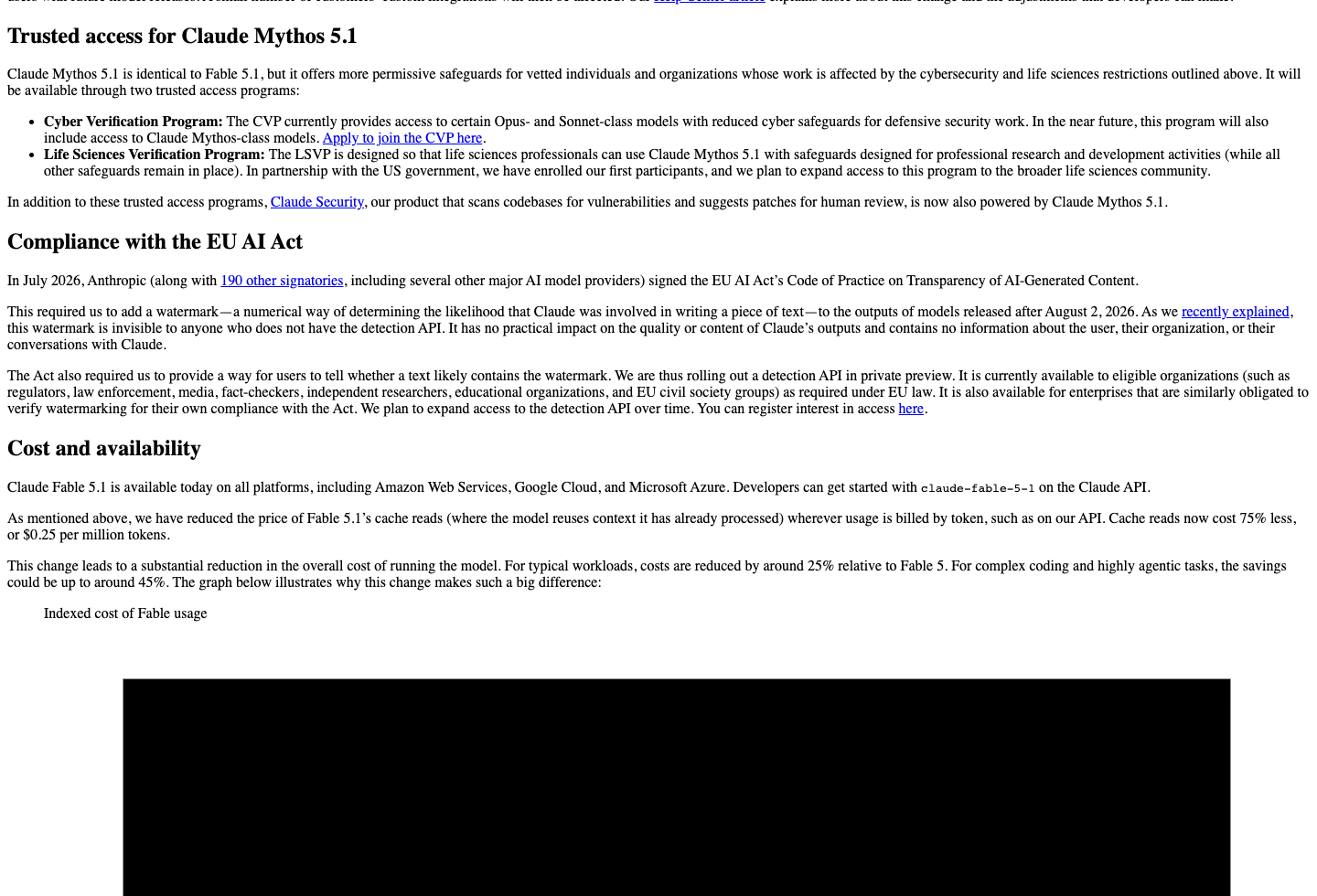
ราคาตามรายการ API อย่างเป็นทางการ
ปรับตัวเลื่อนเพื่อกำหนดปริมาณข้อมูลเข้าต่อเดือน การประมาณการนี้สมมติว่าปริมาณข้อมูลออกเท่ากับ 20% ของข้อมูลเข้า และ 50% ของโทเคนข้อมูลเข้าเป็นการอ่านจากแคช.
10 ล้านโทเคนเข้า / เดือนClaude Fable 5.1 เทียบกับ Fable 5: เป็นการอัปเกรดที่มีนัยสำคัญหรือไม่?
Anthropic มีคะแนน Fable 5.1 ที่สูงกว่า Fable 5 ในการประเมินหลายด้านที่เกี่ยวข้องกับงานเฉพาะตัว รวมถึง 52.6% เทียบกับ 24.7% ใน Terminal-Bench-Science, 55.8% เทียบกับ 42.0% ใน Terminal-Bench, 31.4% เทียบกับ 17.1% บน AutomationBench และ 73.4% เทียบกับ 70.5% บน CursorBench. ผล GDPval-AA v2 ของมันคือ 1853 เทียบกับ 1723 ตัวเลขเหล่านี้เป็นข้อมูลที่รายงานโดย Anthropic ด้วยชุดทดสอบและเงื่อนไขของตนเอง ดังนั้นจึงเป็นข้อมูลบริบทที่มีประโยชน์มากกว่าการจัดอันดับโดยรวมที่สามารถทำซ้ำได้อย่างอิสระ.
เราไม่ได้ดำเนินการทดสอบพื้นฐานแบบ Fable 5 โดยตรงในสถานที่เดียวกัน ดังนั้น ข้อสรุปที่ตรงไปตรงมาเกี่ยวกับการอัปเกรดจึงมีเงื่อนไข: ข้อมูลอย่างเป็นทางการชี้ให้เห็นถึงประสิทธิภาพที่ดีขึ้นในภารกิจเฉพาะและค่าใช้จ่ายในการอ่านแคชที่ต่ำลง ในขณะที่การประเมินแบบอิสระระหว่าง Fable 5.1 กับ Fable 5 ยังไม่เสร็จสิ้น.
หากตัวเลือกของคุณมีมากกว่าการอัปเกรดครั้งนี้เพียงอย่างเดียว ทางเรา การเปรียบเทียบระหว่าง Claude Fable 5 กับ GPT 5.5 เป็นตัวเลือกที่ดีกว่าสำหรับการอ่านต่อไป แทนที่จะถือว่าระดับของแถวเดียวในผลการทดสอบประสิทธิภาพเป็นอันดับทั่วไป.
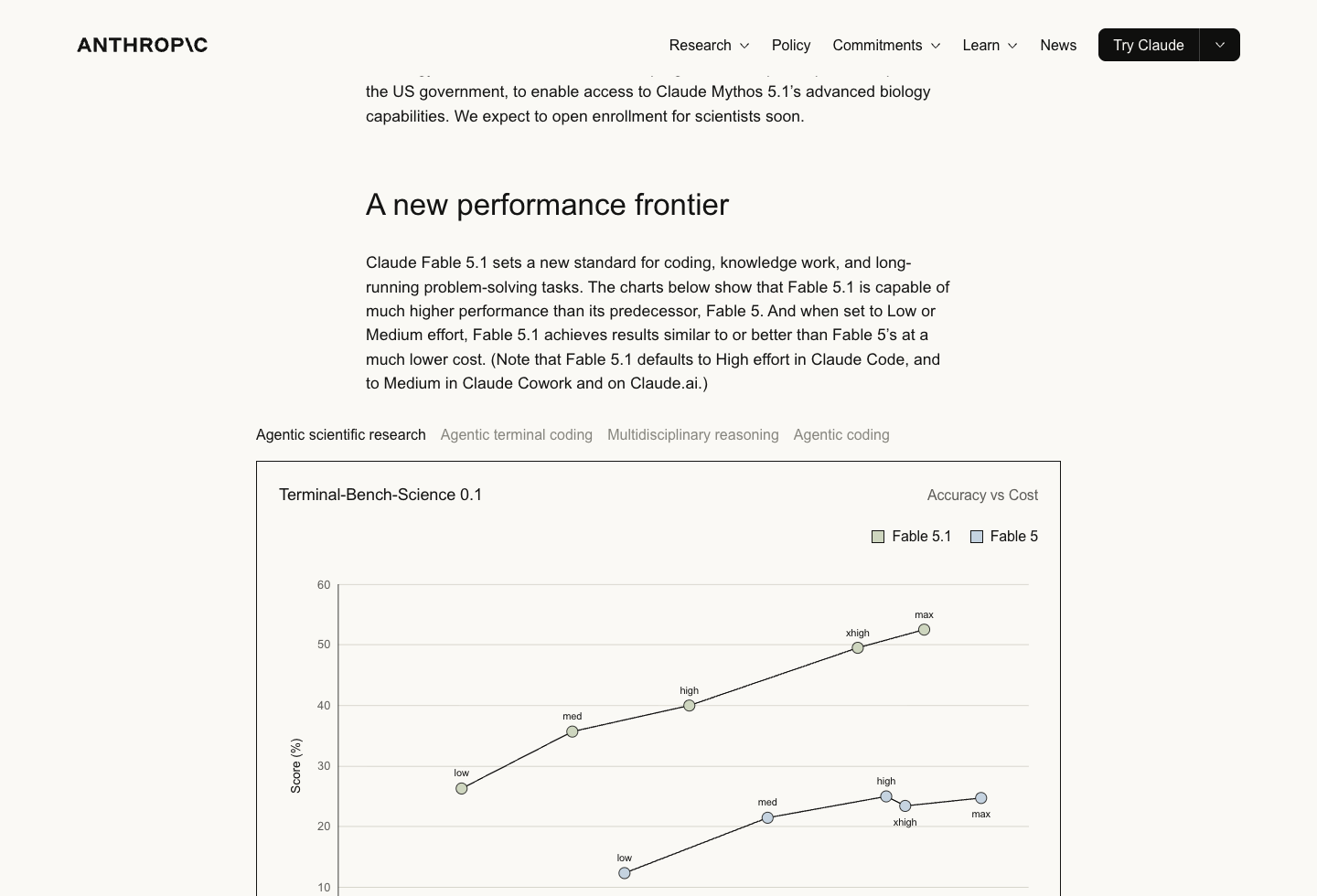
Anthropic - ผลลัพธ์ของงานที่รายงาน
การทดสอบจริง: สิ่งที่เราได้ตรวจสอบจริง
เราได้ใช้เส้นทาง Anywhere API /v1/แชท/การเติมข้อความ หลังจากตรวจสอบ ID ของโมเดลที่ส่งกลับมาแล้ว claude-fable-5-1 และหัววัดผลที่มีโครงสร้างขนาดเล็ก ทุกผลลัพธ์ด้านล่างนี้เป็นผลลัพธ์ที่ถูกต้องครั้งแรกจากงานที่ถูกแช่แข็งและปิดการรับข้อมูลเข้า ข้อมูลเข้าแบบ SVG ถูกปฏิเสธก่อนที่ T05 จะถึงโมเดล ดังนั้นอุปกรณ์ทดสอบที่เหมือนกันจึงถูกแปลงเป็น PNG และรันเพียงครั้งเดียว; ไม่มีผลลัพธ์ที่ถูกต้องใดถูกแทนที่.
หลักฐานจากผลลัพธ์ครั้งแรก
คำตอบดังกล่าวได้ชี้แจงเหตุผลที่ค่าศูนย์หายไป เสนอการปรับเปลี่ยนโค้ดอย่างเล็กน้อย และไม่ได้อ้างว่าได้ทำการทดสอบอย่างชัดเจน.
{
  "root_cause": "scores.filter(Boolean) จะลบค่าทั้งหมดที่ถือว่าเป็น falsy ออกไป รวมถึงคะแนนตัวเลข 0 ดังนั้น normalize([0, 4, null, undefined]) จะทิ้งค่า 0 ไปและคืนค่า [4] แทนที่จะคืนค่า [0, 4]. เงื่อนไขนี้กว้างเกินไป; มันควรยกเว้นเพียง null และ undefined เท่านั้น.",
  "unified_diff": "--- a/normalize.js\n+++ b/normalize.js\n@@ -1,3 +1,3 @@\n function normalize(scores) {\n-  return scores.filter(Boolean);\n+  return scores.filter((score) => score != null);\n }",
  "expected_test_results": "normalize([0, 4, null, undefined]) คาดว่าจะคืนค่า [0, 4] เพราะ score != null เป็น false เฉพาะสำหรับ null และ undefined เท่านั้น ดังนั้น 0 จึงถูกรักษาไว้ normalize([7]) คาดว่าจะคืนค่า [7] โดยไม่มีการเปลี่ยนแปลง นี่เป็นความคาดหวังที่อิงจากการอ่านโค้ดเท่านั้น; ยังไม่มีการรันการทดสอบใด ๆ",
  "remaining_risk": "ค่าอื่น ๆ ที่ถูกกรองออกมาก่อนหน้านี้ (NaN, สตริงว่าง, false) จะถูกรักษาไว้ ซึ่งตรงกับข้อกำหนดที่ระบุ (ลบเฉพาะ null/undefined) แต่อาจปรากฏเป็นการเปลี่ยนแปลงพฤติกรรมหากผู้เรียกฟังก์ชันใด ๆ พึ่งพาการกรองแบบเดิม หากข้อมูลเข้าไม่ใช่แบบอาร์เรย์ ฟังก์ชันจะยังคงเกิดข้อผิดพลาดเหมือนเดิม."
}ระบบตอบกลับได้จับคู่คำร้องที่ส่งมา พบความขัดแย้งระหว่าง $18,000 และ $20,000 และปล่อยให้สาเหตุของความขัดแย้งนั้นยังคงไม่ได้รับการแก้ไข แทนที่จะสร้างสาเหตุขึ้นมาเอง.
{
  "claims": [{"claim":"โครงการทดลองเริ่มขึ้นเมื่อวันที่ 3 มีนาคม โดยมีนักเรียนที่ลงทะเบียน 120 คน","source":"เอกสาร A","section":"A1","status":"stated"},{"claim":"การบันทึกการเข้าร่วมถูกทำทุกสัปดาห์.","source":"เอกสาร A","section":"A2","status":"stated"},{"claim":"ที่จุดตรวจสอบวันที่ 31 มีนาคม นักศึกษา 96 คน จาก 120 คนที่ลงทะเบียนได้เข้าร่วมอย่างน้อยสามครั้ง","source":"เอกสาร B","section":"B1","status":"stated"},{"claim":"งบประมาณของโครงการคือ $18,000.","source":"เอกสาร B","section":"B2","status":"ขัดแย้ง"},{"claim":"หมายเหตุทางการเงินระบุว่างบประมาณโครงการที่ได้รับการอนุมัติคือ $20,000.","source":"เอกสาร C","section":"C1","status":"ขัดแย้ง"},{"claim":"หมายเหตุดังกล่าวไม่ได้ระบุว่าความแตกต่างของงบประมาณนั้นเกิดจากการปรับแก้หรือข้อผิดพลาดในการบันทึกข้อมูล","source":"เอกสาร C","section":"C2","status":"ระบุแล้ว"}],
  "ความขัดแย้ง": [{"หัวข้อ":"งบประมาณโครงการ","แหล่งข้อมูล":[{"แหล่งข้อมูล":"เอกสาร B","ส่วน":"B2","ค่า":"$18,000"},{"source":"เอกสาร C","section":"C1","value":"$20,000"}],"description":"เอกสาร B ระบุว่างบประมาณโครงการคือ $18,000 ในขณะที่เอกสาร C ระบุว่างบประมาณโครงการที่ได้รับการอนุมัติคือ $20,000."}],
  "unresolved": [{"issue":"ว่าความแตกต่าง $2,000 ระหว่างงบประมาณ $18,000 (เอกสาร B, B2) และงบประมาณที่ได้รับการอนุมัติ $20,000 (เอกสาร C, C1) สะท้อนถึงการแก้ไขหรือข้อผิดพลาดในการบันทึกข้อมูลหรือไม่","source":"เอกสาร C","section":"C2","reason":"เอกสาร C ระบุอย่างชัดเจนว่าหมายเหตุดังกล่าวไม่ได้ชี้แจงสาเหตุของความแตกต่าง และไม่มีเอกสารอื่นใดที่ให้มาเพื่อชี้แจงเรื่องนี้","}]
}จุดปลายทางแชทที่ได้รับการยืนยันแล้วไม่ได้เปิดเผยเครื่องมือเขียนไฟล์หรือเครื่องมือตรวจสอบความถูกต้อง ดังนั้น งานนี้จึงไม่ได้ส่งไปเพื่อทดสอบคุณภาพของโมเดล และไม่มีการรายงานผลลัพธ์หรือคะแนนใดๆ.
การวิเคราะห์ดังกล่าวได้คำนวณความแตกต่างที่สังเกตได้ และปฏิเสธข้อสรุปเกี่ยวกับความสัมพันธ์เชิงสาเหตุที่ไม่มีหลักฐานสนับสนุน.
{
  "mean_control": {"value": 10, "units": "points"},
  "mean_treatment": {"value": 14, "units": "points"},
  "difference": {"value": 4, "units": "points", "direction": "treatment minus control"},
  "supported_conclusion": "ในชุดข้อมูลนี้ กลุ่มทดลองมีคะแนนเฉลี่ยสูงกว่ากลุ่มควบคุม 4 คะแนน (14 เทียบกับ 10 คะแนน)",
  "unsupported_conclusion": "การสรุปว่าการรักษาเป็นสาเหตุที่ทำให้คะแนนสูงขึ้น 4 คะแนนนั้นไม่ได้รับการสนับสนุน เนื่องจากกลุ่มไม่ได้รับการจัดสรรแบบสุ่ม และไม่มีการเก็บคะแนนพื้นฐาน ดังนั้นความแตกต่างนี้อาจสะท้อนถึงความแตกต่างที่มีอยู่ก่อนระหว่างกลุ่ม",
  "ข้อจำกัด": ["การจัดกลุ่มไม่แบบสุ่ม ดังนั้นจึงไม่สามารถตัดความเป็นไปได้ของอคติในการเลือกออกได้", "ไม่มีคะแนนพื้นฐาน ดังนั้นจึงไม่สามารถประเมินความแตกต่างที่มีอยู่ก่อนระหว่างกลุ่มได้", "ขนาดตัวอย่างเล็กมาก (n=4 ต่อกลุ่ม)", "ไม่มีการคำนวณสถิติเชิงอนุมาน; ความแตกต่างยังไม่ได้รับการทดสอบความมีนัยสำคัญทางสถิติ", "การออกแบบการวิจัยแบบสังเกตไม่สนับสนุนการอ้างอิงความสัมพันธ์เชิงสาเหตุ"]
}การรัน PNG ได้คืนค่าเดือนเมษายนที่มีป้ายกำกับ แยกการประมาณการทางสายตาออกจากค่าที่มีป้ายกำกับ และหลีกเลี่ยงการคาดการณ์แบบขยายที่ไม่ได้รับการสนับสนุน.
{
  "april_alpha": 30,
  "april_beta": 25,
  "trend": "ทั้ง Alpha และ Beta เพิ่มขึ้นอย่างสม่ำเสมอทุกเดือนตั้งแต่เดือนมกราคมถึงเดือนเมษายน โดย Alpha สูงกว่า Beta ประมาณ 5 ชั่วโมงเสมอ (ประมาณการจากภาพ: มกราคม ~15/10, กุมภาพันธ์ ~20/15, มีนาคม ~25/20, เมษายน 30/25 ตามที่ระบุไว้)",
  "unsupported": ["ค่าของเดือนเมษายนถูกระบุไว้อย่างชัดเจนบนกราฟ; ค่าของเดือนมกราคม, กุมภาพันธ์ และ มีนาคม เป็นการประมาณการด้วยตาเท่านั้น", "ไม่แสดงข้อมูลหลังเดือนเมษายนหรือก่อนเดือนมกราคม ดังนั้นจึงไม่สามารถให้ข้อสรุปเกี่ยวกับเดือนอื่นได้", "หน่วยถูกระบุเป็นชั่วโมงการศึกษา แต่ไม่มีการระบุแหล่งข้อมูล ขนาดตัวอย่าง หรือคำนิยามของกลุ่ม Alpha/Beta"]
}
ข้อจำกัดด้านความปลอดภัย ข้อมูล และความเข้ากันได้
Fable 5.1 สามารถใช้เพื่อค้นพบจุดอ่อนของซอฟต์แวร์ได้ แต่ Anthropic ระบุว่าโครงการนี้ไม่ได้ออกแบบมาเพื่อพัฒนาเครื่องมือโจมตี และอาจส่งงานที่มีวัตถุประสงค์สองทางบางส่วนไปยัง Opus การวิจัยด้านวิทยาศาสตร์ชีวิตและการเข้าถึง Mythos มีข้อจำกัดที่แยกกัน การเก็บรักษาข้อมูลขึ้นอยู่กับเส้นทางเฉพาะ: ตัวอย่างเช่น เอกสาร AWS ไม่ควรถูกนำไปใช้ทั่วไปกับทุกเส้นทาง Claude หรือ API ของฝ่ายที่สาม.
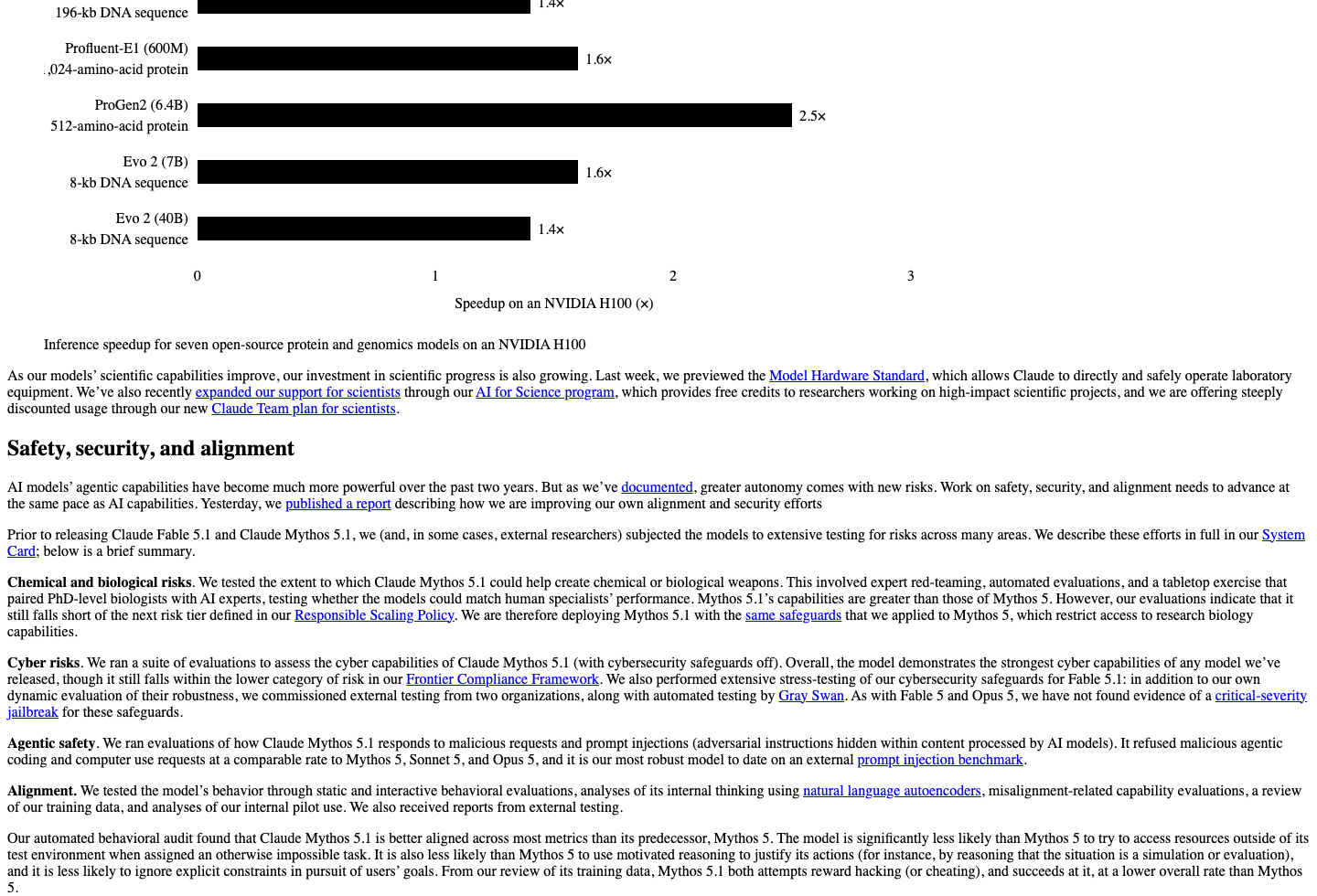
Anthropic ยังชี้ให้เห็นถึงจุดอ่อนในขอบเขตการปรับให้สอดคล้องของโมเดลเอง สำหรับสถานการณ์ที่มีบริบทยาวมาก ระบบหลายเอเจนต์ และงานที่เป็นไปไม่ได้ นี่เป็นเหตุผลที่ควรตรวจสอบความถูกต้องของการนำไปใช้ในสถานการณ์ที่มีความเสี่ยงสูงด้วยงานที่มีขอบเขตจำกัดของคุณเอง ไม่ใช่เหตุผลที่จะเพิกเฉยต่อการปรับปรุงที่บันทึกไว้ของโมเดล.
ใครควรลองใช้ Claude Fable 5.1?
ลองใช้ดูเมื่องานของคุณได้รับประโยชน์จากระบบสนับสนุนการเขียนโค้ดอย่างละเอียด การสังเคราะห์ที่จำกัดด้วยแหล่งข้อมูล การตรวจสอบความขัดแย้งในเอกสาร หรือการสกัดข้อความจากภาพ ตรวจสอบก่อนเมื่อคุณต้องการการปรับใช้ในภูมิภาคเฉพาะ เงื่อนไขไม่เก็บข้อมูล ตัวแทนที่ใช้เครื่องมือ หรือการเปรียบเทียบ Fable 5 แบบตรงๆ หากคุณเลือกแผน Claude ทั่วไปแทนการเข้าถึง API, แผนแยกต่างหาก คู่มือการกำหนดราคาของ Claude AI อธิบายความแตกต่างระหว่างแผนกับ API.
Claude Fable 5.1 คำถามที่พบบ่อย
ความแตกต่างในทางปฏิบัติระหว่าง Claude Fable 5.1 และ Mythos 5.1 คืออะไร?
Anthropic อธิบายว่าทั้งสองเป็นโมเดลพื้นฐานเดียวกัน แต่มีมาตรการป้องกันและกฎการเข้าถึงที่แตกต่างกัน Fable 5.1 คือเส้นทางสู่การให้บริการทั่วไปที่กล่าวถึงในที่นี้ Mythos 5.1 ถูกจัดไว้สำหรับโปรแกรมการเข้าถึงที่เชื่อถือได้ในด้านความปลอดภัยไซเบอร์และวิทยาศาสตร์ชีวิต ดังนั้น ความสามารถของ Mythos จึงไม่ใช่คำสัญญาเกี่ยวกับบัญชี Fable มาตรฐาน.
ผมสามารถใช้ Claude Fable 5.1 ในแอป Claude ได้หรือไม่ หรือมันใช้ได้เฉพาะผ่าน API เท่านั้น?
อย่าสันนิษฐานว่าสามารถเข้าถึงแอปสำหรับผู้บริโภคได้จากการประกาศเกี่ยวกับ API หรือบริการคลาวด์ Anthropic ระบุชื่อแพลตฟอร์มของตนเองและผู้ให้บริการคลาวด์หลักเป็นช่องทางเข้าถึง แต่แผนบริการ ภูมิภาค ขีดจำกัด และชุดเครื่องมือจะขึ้นอยู่กับช่องทางนั้นๆ โปรดตรวจสอบขอบเขตบัญชีที่ท่านตั้งใจจะใช้อย่างละเอียดก่อนที่จะปรับเปลี่ยนกระบวนการทำงานที่เกี่ยวข้อง.
ID รุ่น Claude Fable 5.1 ที่ถูกต้องคืออะไร?
รายชื่อ Anthropic claude-fable-5-1 สำหรับ API ของมัน ผู้ให้บริการคลาวด์สามารถใช้ตัวระบุเฉพาะเส้นทางได้ ดังนั้น ให้คัดลอก ID ของโมเดลจากเอกสารของผู้ให้บริการ สำหรับจุดปลายทางที่คุณกำลังเรียกใช้จริง.
Claude Fable 5.1 มีหน้าต่างบริบทขนาด 1 ล้านโทเคนหรือไม่?
AWS ระบุไว้ว่าเส้นทาง Bedrock ของตนมีหน้าต่างบริบท (context window) ขนาด 1 ล้านโทเคน และปริมาณข้อมูลออกสูงสุด 128K ข้อมูลนี้มีประโยชน์สำหรับการวางแผนใช้ Bedrock แต่ไม่ควรนำไปใช้ทั่วไปกับทุก API แบบ Claude ผู้ใช้ หรือเส้นทางของฝ่ายที่สาม โดยไม่ตรวจสอบเอกสารคู่มือของแต่ละระบบก่อน.
Fable 5.1 สามารถรับภาพและสร้างภาพได้หรือไม่?
เอกสาร AWS ระบุถึงการรับข้อมูลเข้าแบบข้อความและภาพ พร้อมกับการออกผลเป็นข้อความสำหรับเส้นทาง Bedrock ซึ่งหมายความว่า การเข้าใจภาพได้รับการบันทึกไว้ในเอกสารดังกล่าว แต่ไม่ได้หมายความว่าโมเดลนี้เป็นเครื่องมือสร้างภาพ หรือว่าทุกเส้นทางจะรับรูปแบบไฟล์เดียวกัน ในการตรวจสอบ API แบบจำกัดของเรา การรับข้อมูลเข้าแบบ PNG ทำงานได้ หลังจากที่ชั้นรับคำขอปฏิเสธไฟล์ SVG.
เมื่อใดที่ราคาการอ่านแคชที่ต่ำลงจะส่งผลให้เกิดความแตกต่าง?
สิ่งนี้มีความสำคัญเมื่อบริบทขนาดใหญ่เดียวกันถูกนำกลับมาใช้ซ้ำในคำขอต่าง ๆ: เช่น บทสรุปโค้ดเบสที่คงอยู่, ชุดนโยบาย, หรือชุดข้อมูลวิจัยที่ยาว สำหรับคำสั่งสั้น ๆ ที่แยกกัน ปริมาณข้อมูลเข้าและออกปกติจะเป็นปัจจัยหลักที่กำหนดค่าใช้จ่าย ใช้เครื่องคำนวณด้านบนเพื่อประมาณการในการวางแผน แล้วเปรียบเทียบกับพฤติกรรมการแคชจริงของเส้นทางของคุณ.
Fable 5.1 สามารถทำงานเป็นตัวแทนที่ใช้เครื่องมือได้ด้วยตัวเองหรือไม่?
สิ่งนั้นขึ้นอยู่กับสภาพแวดล้อมรอบตัวโมเดล จุดปลายทางสำหรับการเติมข้อความในแชทสามารถส่งคำตอบแบบข้อความที่ชัดเจนได้ โดยไม่ต้องเปิดเผยการเขียนไฟล์ เครื่องมือตรวจสอบความถูกต้อง การเรียกดู หรือแซนด์บ็อกซ์ของรีโพซิทอรี เส้นทางทดสอบของเราไม่ได้เปิดเผยเครื่องมือเหล่านั้น จึงไม่ได้ถูกใช้เพื่ออ้างว่าเป็นการทำงานของเอเจนต์อัตโนมัติ.
Claude Fable 5.1 ดีกว่า Fable 5 อย่างแน่นอนหรือไม่?
Anthropic แสดงให้เห็นถึงประสิทธิภาพที่เพิ่มขึ้นสำหรับงานเฉพาะตัวและค่าใช้จ่ายในการอ่านแคชที่ต่ำลง นี่เป็นเหตุผลที่หนักแน่นในการพิจารณาการอัปเกรดสำหรับงานที่คล้ายกับงานของคุณ แต่ไม่ใช่คำตัดสินที่ชัดเจนว่าเป็นการอัปเกรดที่ชนะในทุกกรณี บทความนี้ไม่ได้ดำเนินการทดสอบฐานข้อมูล Fable 5 ในสภาพแวดล้อมเดียวกัน.
แหล่งข้อมูล: ประกาศการเปิดตัว Anthropic; ประกาศจาก AWS; บัตรโมเดล Amazon Bedrock.