GPT-6 Astraは、業務がコンピュータの使用や長時間かかるコーディングに依存している場合、あるいは一歩間違えると大きな損失につながる多段階の業務成果物を作成する場合に、アップグレードする価値があります。. 日常的な文書作成、集中的な調査、および比較的軽めの論理的考察作業においては、GPT-5.6 Solは依然として賢明な選択と言えます。.
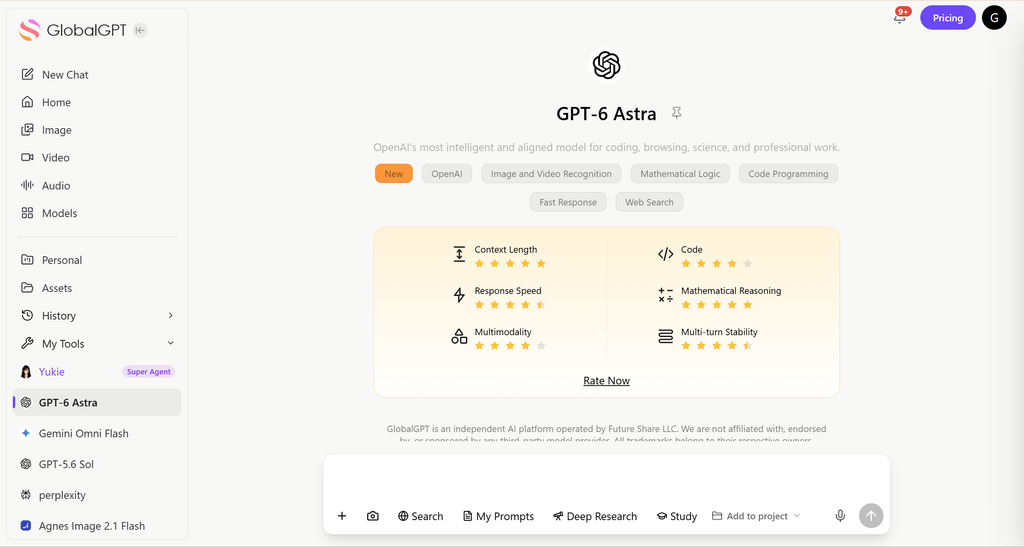
率直なところ、私がお勧めするのは、 グローバルGPT この比較について:GPT-6 AstraとGPT-5.6 Solは、Claude、Gemini、DeepSeek、および専用の画像・動画モデルとともに、同じワークスペースで利用可能です。処理範囲が限定されている場合はSolから始め、実行の深さが重要な場合はAstraに切り替えてください。.
GPT-6 Astraは、これまでとは一味違うアップグレードです
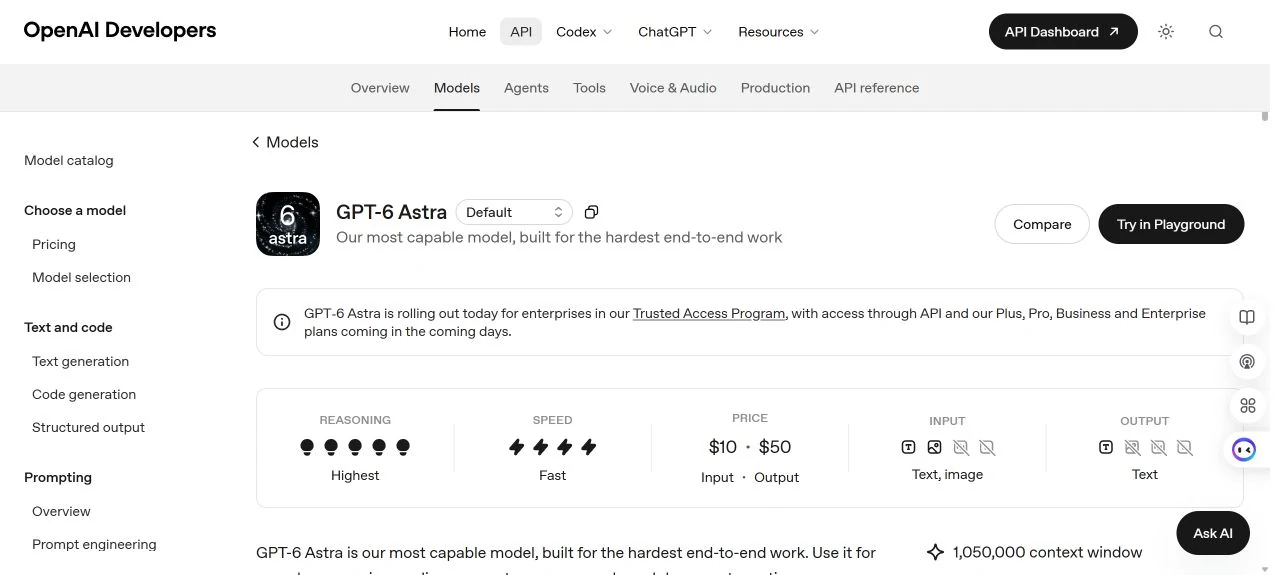
OpenAIにより、GPT-6 Astraは、複雑な推論、コーディング、コンピューター操作、調査、文書作成といった難易度の高いエンドツーエンドの作業に対応できるようになりました。当初は提供範囲が限定されていますが、今後、ChatGPTプラン、API、Azure、Bedrockへとアクセス範囲が拡大される予定です。.
GPT-6 Astra と GPT-5.6 Sol の比較概要
OpenAIのレポートによると、単一の解答ではなく持続的な実行を必要とするタスクにおいて、その差がさらに広がっていることが示されています。これらはベンダーから報告された結果であり、独立したランキングではありません。.
OpenAIによる報告スコア、割合
| タスクの状況 | おすすめの最初のルート | なぜ |
|---|---|---|
| 1件の要約、編集、または説明(分量に制限あり) | GPT-5.6 Sol | 出力結果はすぐに確認でき、ワークフローには明確な終了時点が設けられています。. |
| 長時間のコーディングまたはコンピューター使用の連続 | GPT-6 アストラ | OpenAIが公表した比較結果によると、実行重視の作業においてその強みが最も際立っている。. |
| 複雑さのばらつきがある混合ワークロード | タスクごとのルート | まずは確立された迅速な手順を用い、より詳細な実行が必要な場合にのみ、次の段階に進むこと。. |
GPT-6 Astraに料金を支払う価値があるのはいつなのか
- コンピュータ利用のワークフロー: 画面を注視し、次のアクションを実行し、予期せぬ状態から回復する必要があるタスク。.
- 長期間にわたるコーディング: リポジトリレベルの変更とデバッグチェーン。.
- 専門的な研究および資料: 検証済みの事実、仮定、および今後の行動を区別する体系的な整理。.
- 広範な文脈を扱う作業: 文書や制約、あるいは過去の決定事項が多数存在するプロジェクト。.
以前の OpenAI モデル選定に関する関連記事については、以下を参照してください。 GPT-5.4の思考に関するこのガイド.
GPT-5.6 Solが依然として賢明な選択である場合
「Sol」は、拡張された自律実行よりも、速度、既知のプロンプト形式、および結果の範囲が重要となる場合、依然として有力なデフォルト選択肢です。日常的な草案作成、的を絞った説明、短い調査報告書、および範囲が限定されたコードレビューには、引き続き活用してください。.
実機でのアクセス確認:現在の「Anywhere」ルートが実際に返した結果
T01:構造化された意思決定準備度調査
入力を完了する
製品に関する注記:法的承認待ちです。予算はおよそ$200,000となる見込みです。発売日は未定です。

提出内容:(1)検証済みの事実1つ、(2)仮定1つ、および(3)次のアクションを1つ。.
完全な出力:GPT-5.6 Sol
1. 確認済みの事実:法的承認待ちである。
2. 仮定:予算はおよそ$200,000となる見込みである。
3. 次のアクション:リリース日を設定する前に、予算を確認し、実現可能性調査を開始する。.
在庫状況記録
GPT-6 Astraは、同じ「Live Anywhere」モデルディレクトリに掲載されていなかったため、推測されたエイリアスで呼び出されることはありませんでした。これはアクセスに関する結果であり、品質に関する結果ではありません。.
さらに3つの初回出力チェックにより、利用可能なSolルートが、即座の調整や再試行を行うことなく、異なる作業入力をどのように処理したかが示されています。これらはワークフローを裏付ける証拠であり、ベンチマークでも、対となるAstraテストの代替でもありません。.
T02:研究の選別
GPT-5.6 Sol · 最初の有効な出力 · 323トークン
確認済みのメモはそのまま残し、数値化されていない売上に関するコメントは未解決の課題として扱い、その相違点をデータ提供の要請へと転換した。.
入力と出力のすべて
インプット
あなたはリサーチ・ブリーフを作成しています。情報源の注記:「第2四半期に顧客の採用が進んだ」(ダッシュボード、日付確認済み)、「企業の需要が鈍化している可能性がある」(営業担当者のコメント、数値化されていない)、「競合他社が新しいAPIプランを発表した」(プレスリリース、日付確認済み)。 提出内容:(1)確認済みの事実、(2)未解決の疑問点、および(3)次の調査アクションを1つだけ。.

出力
### 1. 確認済みの事実
- ダッシュボードによると、第2四半期に顧客の採用率が上昇した。日付は確認済み。
- プレスリリースによると、競合他社が新しいAPIプランを立ち上げた。日付は確認済み。

### 2. 未解決の課題
- 顧客の採用率はどの程度増加したのか、またどの顧客セグメントがこの変化を牽引したのか?
- 企業の需要は実際に鈍化しているのか、またこの営業担当者のコメントを裏付ける、あるいは反証する定量的な証拠は何か?
- 競合他社のAPIプランの価格、機能、リリース日、および顧客の採用率や企業需要に与える影響はどのようなものか?

### 3. 今後の調査方針
- 需要が鈍化しているかどうかを検証するため、現在および過去の期間における企業需要の定量データを収集・分析する。.
T03:エンジニアリングの引き継ぎ
GPT-5.6 Sol · 最初の有効な出力 · 467トークン · 22.3秒
この診断は暫定的なものであり、コードの変更を行う前に証拠を確認し、本番環境での変更ではなく、ステージング環境での再現を推奨しています。.
入力と出力のすべて
インプット
リリースダッシュボードには次のように報告されています。「火曜日のデプロイ後、チェックアウトエラーが増加しました。アラートによると、支払い承認のタイムアウトが原因のようです。また、このリリースではロギングの設定も変更されました。」これに対し、(1) 仮説として位置づけられた診断結果、(2) 優先順位順に並べられた正確に2つの確認項目、および (3) 本番環境の変更を回避する最小限の次の対応策を提示してください。.

出力
1. **仮説:** 火曜日のリリースにより、支払い承認の遅延を増加させ、チェックアウトのタイムアウトを引き起こすリグレッションが発生した。また、ロギングの変更により、アラート設定が変更されたか、あるいは遅延の増加が実際よりも大きく見えるようになった可能性がある。

2. **優先順位順の確認事項:**
1. 新しいログだけでなく、生のリクエスト/トレースデータを使用して、デプロイ前後の承認遅延、タイムアウト回数、および決済プロバイダーからの応答を比較する。
2. 支払いクライアント、タイムアウト、リトライ、およびロギング/メトリクスの変更について、リリースの差分を確認する。ロギングのオーバーヘッドや解析方法の変更がアラートの原因となっているかどうかを検証する。

3. **最低限の次の手順:** 本番環境を変更することなく、火曜日のリリースと同等の構成で、ステージング環境でチェックアウトの承認フローを再現する。.
T04:経営陣向けローンチ説明会
GPT-5.6 Sol · 最初の有効な出力 · 278トークン · 8.0秒
この回答により、範囲に関するトレードオフが明確になりました。すなわち、中核となるローンチは維持し、分析機能は後回しにし、法的承認を真のゲートとして残すということです。.
入力と出力のすべて
インプット
プロジェクトの状況:リリース目標は9月30日。法的な承認待ち。エンジニアリングチームは、その日までに中核となるワークフローは提供できるが、オプションの分析機能は提供できない。報告内容:(1)1文でまとめた決定事項、(2)1つの主要なリスク、(3)順序付けられた3つの具体的なアクション。.

出力
1. **決定事項:** 9月30日のリリースに向けて、中核となるワークフローのみを実施し、オプションの分析機能は延期するとともに、リリースの可否を法務承認の可否に委ねる。
2. **主なリスク:** 法務承認が得られない場合、9月30日のリリースが遅延または中止される可能性がある。
3. **対応策:**
1. 法務審査を優先的に進め、承認の明確な期限を設定する。
2. 分析機能をリリース範囲から除外し、変更後の範囲を関係者に周知する。
3. 中核となるワークフローを完成・テスト・リリースするとともに、分析機能についてはリリース後のアップデートに向けて準備を進める。.
API料金計算ツール:乗り換える前にAstraの料金を見積もる
OpenAIでは、GPT-6 Astra Standard APIの価格を次のように記載しています。 入力トークン100万枚あたり$10 そして 発行されるトークン100万枚につき$50.
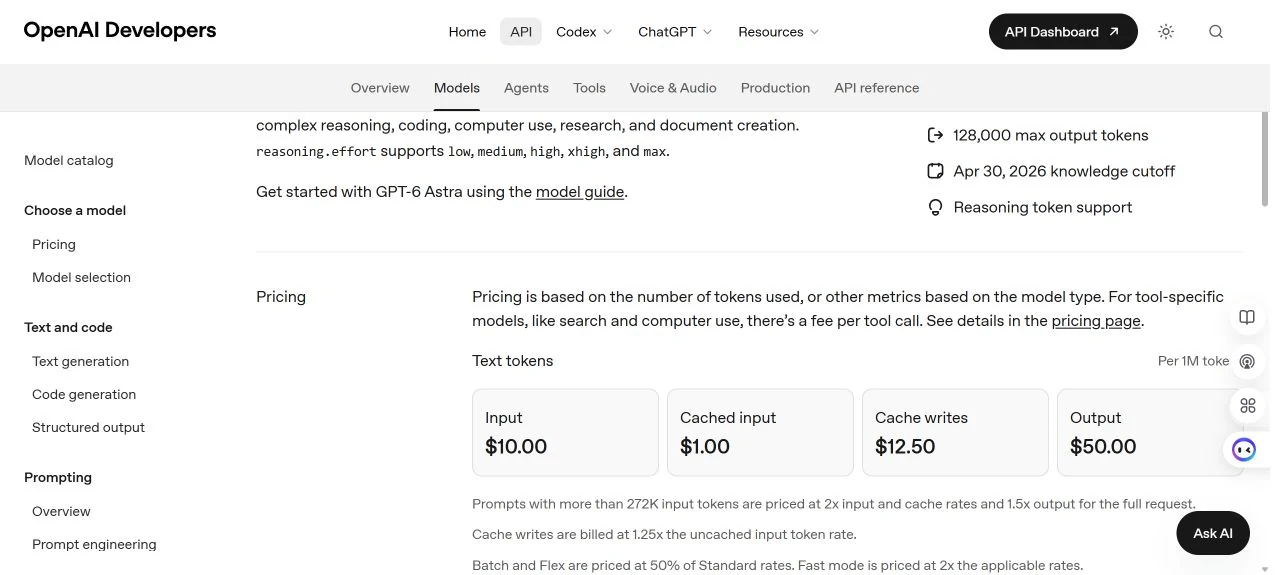
GPT-6 Astra Standard API の見積もり
レート:入力トークン $10/M、出力トークン $50/M。.
ワークフローを再構築せずに、アップグレード手順を試してみてください
最初の簡単なタスクではSolから始め、プロンプトとソース素材をそのまま活用し、作業が長い一連の意思決定へと発展した段階で、より高性能な手法に切り替えます。GlobalGPTでは、実験ごとに新しいモデルを作成することを強制するのではなく、1つのワークスペース内に複数のモデルタイプを保持します。.

- Sol を使って、大まかな依頼内容を、体系的な企画書、草案、あるいは初期のリサーチ計画にまとめましょう。.
- 別のモデルと比較する際は、タスクのコンテキストを固定しておいてください。.
- 成果物に必要に応じて、画像、動画、または専門的な作業を専用のモデルに割り当てます。.
GlobalGPTを開く AstraやSol、その他の利用可能なモデルを1か所で活用しつつ、プロンプトとソース素材の一貫性を保つためです。.
最終的な結論:リリース日ではなく、タスクごとにアップグレードを行う
GPT-6 Astraは、ツールや長いコンテキスト、複数の意思決定にわたってエージェントの信頼性を維持する必要がある作業において、有意義なアップグレードとなりそうです。ただし、これがGPT-5.6 Solを廃止する決定的な理由になるわけではありません。反復的な作業にはSolを使用し、実行の深度がボトルネックとなる場面ではAstraを活用しましょう。.
その仕事に合ったルートを選んでください
コンピュータの活用、リポジトリ規模のコーディング、多段階の研究、そして多額の損失を伴う失敗。.
簡潔な文章、的確な分析、迅速なフィードバック、そして人間による綿密なレビュー。.
まずは定評のあるルートから始め、実行の深度がボトルネックとなった場合にのみ、段階を上げていく。.
よくあるご質問
GPT-6 AstraはGPT-5.6 Solよりも優れているのでしょうか?
OpenAIが注目するタスクについては、Astraの方が、特に能動的タスク、コンピュータ利用タスク、および長時間継続する作業において、報告された結果が優れています。ただし、どちらが優れているかはタスクによって異なります。確実なレビュー段階を伴う範囲が限定されたタスクでは、Solの方が効率的な選択肢となる場合もあります。.
アストラとソルの間には、実用面においてどのような最大の違いがありますか?
Astraは、複数の意思決定、ツール、成果物にまたがる、より厳格なエンドツーエンドの実行に適しています。一方、Solは、作業規模が小さい場合や、より手厚い指導が必要な場合において、高度な推論や文章作成に適しています。.
APIでのGPT-6 Astraの利用料金はいくらですか?
OpenAIでは、標準APIの料金として、入力トークン100万件あたり$10、出力トークン100万件あたり$50と定められています。ツール固有の呼び出しや代替APIモードについては、料金が異なる場合があります。.
すべてのプロンプトをAstraに移すべきでしょうか?
いいえ。修理費用のかかるタスクを先に処理しましょう。簡単なブリーフや日常的な書き直し、範囲を限定したレビューなどについては、手間のかかる方法を採用しても得られるメリットが十分ではなく、作業パターンを変更するだけの正当な理由にはならないかもしれません。.
ここでは、GPT-6 AstraとSolを直接比較してテストしたのでしょうか?
いいえ。承認済みの「Anywhere」ルートには「GPT-5.6 Sol」が記載されており、有効なSolプローブが返されましたが、正確なAstraモデルIDは記載されていませんでした。ペアリングの品質スコアは割り当てられていませんでした。.
GlobalGPTでモデルを比較することはできますか?
GlobalGPTは、プロンプトとソース素材を1か所にまとめておきながら、利用可能なルートを比較できるマルチモデルワークスペースです。特定のモデルを利用する前に、最新のモデルリストとパッケージを確認してください。.