Jawaban singkat
Mode "Standard" merupakan pilihan default yang lebih baik dalam pengujian Tripo H3.1 dengan tiga input ini. Mode "Detailed" hanya mendapat preferensi tipis pada model kumbang mekanis karena satu kelompok roda gigi di bagian tengah tampak lebih jelas; hasil untuk ransel imbang, sedangkan perbedaan pada kursi sangat kecil dan tidak menentukan. Kedua mode tersebut melewatkan struktur bagian bawah dan belakang yang disembunyikan, dan setiap jaring tetap sangat padat. Mode "Detailed" layak dipertimbangkan hanya jika fitur mikro yang diketahui cukup penting untuk diperiksa setelah proses generasi. Jangan berasumsi bahwa mode ini akan meningkatkan kualitas material, permukaan tersembunyi, topologi, atau kemudahan pengeditan.
Inti dari keputusan praktis terkait Tripo H3.1 bukanlah apakah model tersebut mendukung pembangkitan gambar ke 3D dengan detail tinggi. Melainkan, apakah opsi “Detailed”—yang juga disebut “Ultra geometry” di beberapa bagian dokumentasi Tripo—mampu mempertahankan struktur yang cukup berguna sehingga layak dipilih daripada opsi “Standard”. Kami menjalankan tiga pasangan uji terkontrol untuk menjawab pertanyaan yang lebih spesifik tersebut.
Tiga istilah yang tidak boleh dicampuradukkan
| Istilah | Arti dalam ulasan ini |
|---|---|
| Tripo H3.1 | Modelnya. Snapshot API yang stabil yang telah diuji adalah v3.1-20260211. |
| Geometri Terperinci / Ultra | The geometri_kualitas=terperinci pengaturan dibandingkan dengan geometri standar. |
| Tekstur yang detail | Kontrol tekstur terpisah. Kedua mode yang diuji menggunakan tekstur Standar dan PBR. |
Alur kerja konversi gambar ke 3D yang terkendali dimulai sebelum proses pembuatan. Siluet yang jelas, celah yang terlihat, oklusi yang terkendali, dan latar belakang yang bersih membuat sumber gambar lebih mudah diinterpretasikan. Jika sumber gambar memerlukan proses tambahan, Anda dapat siapkan gambar referensi yang lebih jelas dengan pola GlobalGPT, lalu kirimkan hasilnya melalui Tripo’s Studio atau alur kerja API.
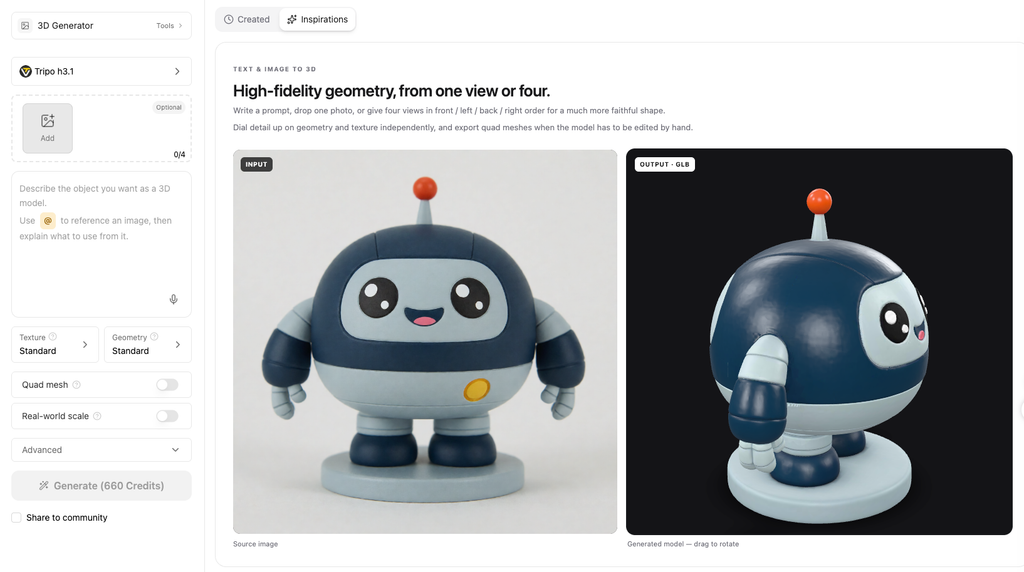
Tripo H3.1 Standar vs. Terperinci: Perbedaan Utama
Apa Perbedaan Antara Kedua Mode Geometri Tersebut
Mode Standar dan Terperinci menggunakan model H3.1 yang sama, tetapi menerapkan pengaturan kualitas geometri yang berbeda. Dalam jadwal yang dipublikasikan dan diperiksa untuk pengujian ini, mode "Detailed" menambahkan 20 kredit dan menaikkan batas segitiga yang dipublikasikan dari 1,5 juta menjadi 2 juta. Hal ini memberikan ruang untuk geometri yang lebih banyak; namun, hal ini tidak menjamin kualitas material, permukaan tersembunyi, topologi, atau kemudahan pengeditan yang lebih baik.
Kualitas Geometri Bukanlah Kualitas Tekstur
API ini menampilkan kualitas geometri dan tekstur sebagai pengaturan terpisah. Kedua sisi dari setiap pasangan menggunakan tekstur Standar dan PBR, sehingga perbedaan tekstur tidak dikaitkan dengan geometri Terperinci.
Batas yang Dipublikasikan dan Perbedaan Kredit
Tripo menetapkan batas atas sebesar 1,5 juta segitiga untuk edisi Standard dan 2 juta segitiga untuk edisi Ultra. Angka-angka tersebut merupakan batas atas, bukan jaminan jumlah hasil. Jadwal pada 9 September 2026 mencantumkan 30 kredit untuk pengaturan tekstur Standard dan 50 kredit saat geometri terperinci ditambahkan.
- Bagian yang dihasilkan tidak dapat digabungkan dengan tekstur atau PBR.
- Output Quad menggunakan FBX, tetapi file FBX belum tentu memiliki topologi yang siap untuk animasi.
- Perkiraan kredit yang dipublikasikan dan biaya Anywhere USD dicantumkan secara terpisah dalam perbandingan ini.
Cara Kerja Mode Geometri Tripo H3.1
Nama Resmi, Tanggal Rilis, dan ID Model
Tripo menggunakan keduanya H3.1 dan Model dengan Detail Tinggi dalam materi resminya. Hal tersebut pengumuman peluncuran menunjukkan bahwa model tersebut dibuat pada tanggal 6 Maret 2026, sedangkan halaman model pengembang mengidentifikasi v3.1-20260211 sebagai snapshot API yang stabil.
Model ini menerima masukan berupa teks, satu gambar, dan beberapa sudut pandang. Perbandingan ini terbatas pada rekonstruksi satu gambar sehingga setiap hasil dapat ditelusuri ke satu gambar sumber yang tidak diubah.
Cuplikan spesifikasi resmi
| Barang | Spesifikasi yang telah diterbitkan | Cara membacanya |
|---|---|---|
| Peluncuran | 6 Maret 2026 | Tanggal pengumuman resmi. |
| Snapshot yang stabil | v3.1-20260211 | ID model yang digunakan untuk pengujian terkontrol. |
| Masukan | Teks, gambar, dan tampilan multi-sudut | Ulasan ini membahas masukan berupa satu gambar. |
| File gambar API | PNG, JPEG, atau WebP; maksimal 20 MB; disarankan minimal 256 x 256 | Antarmuka Studio dan API bisa berbeda. |
| Langit-langit segitiga | Standar: 1,5 juta; Ultra: 2 juta | Batas atas bukanlah jaminan jumlah hasil yang akan dihasilkan. |
| Dukungan keluaran | Mesh dan PBR | Setiap berkas yang dihasilkan masih perlu diperiksa. |
Apa Arti “Detail Tinggi” dalam Ulasan Ini
“High Detail” adalah nama produk Tripo. Hal ini bukanlah bukti bahwa setiap aset akan memiliki geometri yang lebih berguna. Hasil perbandingan di bawah ini memisahkan spesifikasi yang dipublikasikan dari perbedaan yang teramati antara kedua pengaturan tersebut.
Bagaimana Kami Menguji Versi Standar vs Versi Terperinci
Masukan, Kontrol, dan Aturan Keluaran Sah Pertama
Pengujian ini menggunakan tiga tantangan gambar: komponen mekanis tipis, bahan berlapis dengan oklusi, dan kursi yang diatur sedemikian rupa sehingga tampilan bagian belakang dan bawahnya disembunyikan. Setiap pasangan menggunakan file PNG berukuran persis sama, yaitu 1536 x 1536. Hasil lemah yang valid tidak boleh diganti dengan hasil pengulangan yang lebih menarik.
Satu variabel geometri, tiga tantangan gambar
| Kontrol | Nilai beku |
|---|---|
| Lokasi | Di mana saja /v1/tugas menggunakan tripo-h3.1 |
| Perbandingan | Geometri Standar vs. Geometri Terperinci/Ultra |
| Pengaturan bersama | Gambar yang sama, seed yang didukung, tekstur standar, PBR, penyelarasan tekstur, orientasi, dan aturan "first-valid-output" |
| Variabel utama | kualitas geometri hanya |
| Lari | Enam hasil valid pertama yang berhasil, tanpa pengulangan karena masalah kualitas, dan tanpa upaya ulang operasional setelah pembuatan tugas |
| Batas butir | Rute tersebut mendukung satu benih yang ditransmisikan; benih tekstur terpisah yang direncanakan tidak didukung dan dicatat sebagai kontrol yang tidak setara |
Untuk persiapan file sumber, Tripo mendukung format PNG, JPEG, dan WebP dengan ukuran maksimal 20 MB. File sumber yang rapi meningkatkan kemudahan pemeriksaan, namun tidak menjamin keakuratan geometri 3D. Lihat cara meningkatkan akurasi gambar referensi.
Apa yang Kami Ukur
Evaluasi tersebut memantau kelengkapan geometri, ketepatan tekstur, retensi detail, inferensi permukaan tersembunyi, topologi, ukuran file, waktu yang dibutuhkan, peta PBR, dan biaya rute. Pemeriksaan objektif telah diselesaikan sebelum label A/B diungkapkan.
Uji 1: Struktur Halus dan Bagian Tipis
Mikrofitur Masukan dan yang Telah Terdaftar Sebelumnya
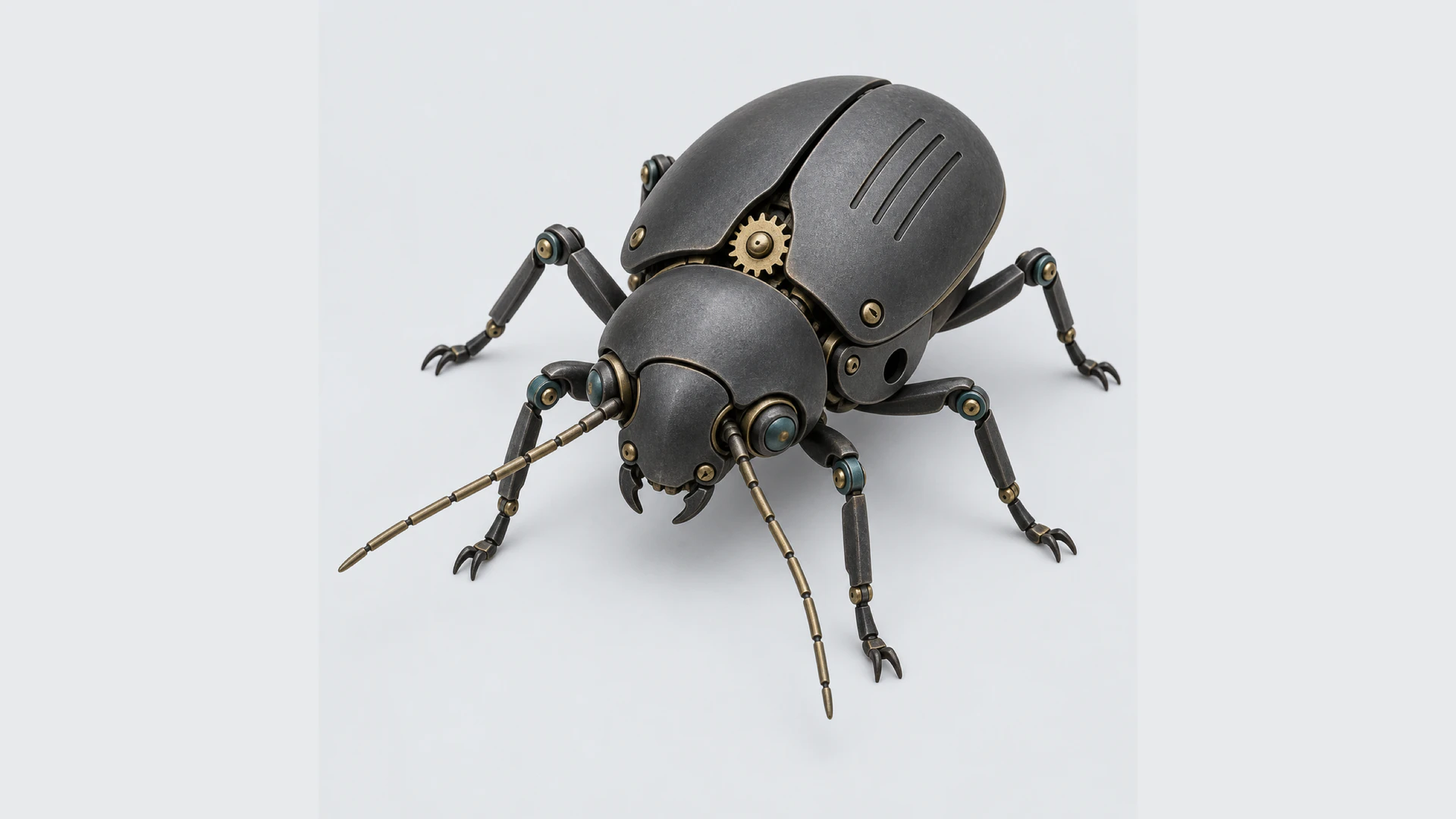
Kumbang mekanis tersebut memiliki antena dan kaki yang tipis, celah-celah terbuka, gigi roda gigi, lubang di bagian samping, tepi cangkang yang tipis, serta tiga alur yang terukir. Enam titik pemeriksaan telah dicatat sebelum proses pembentukan.
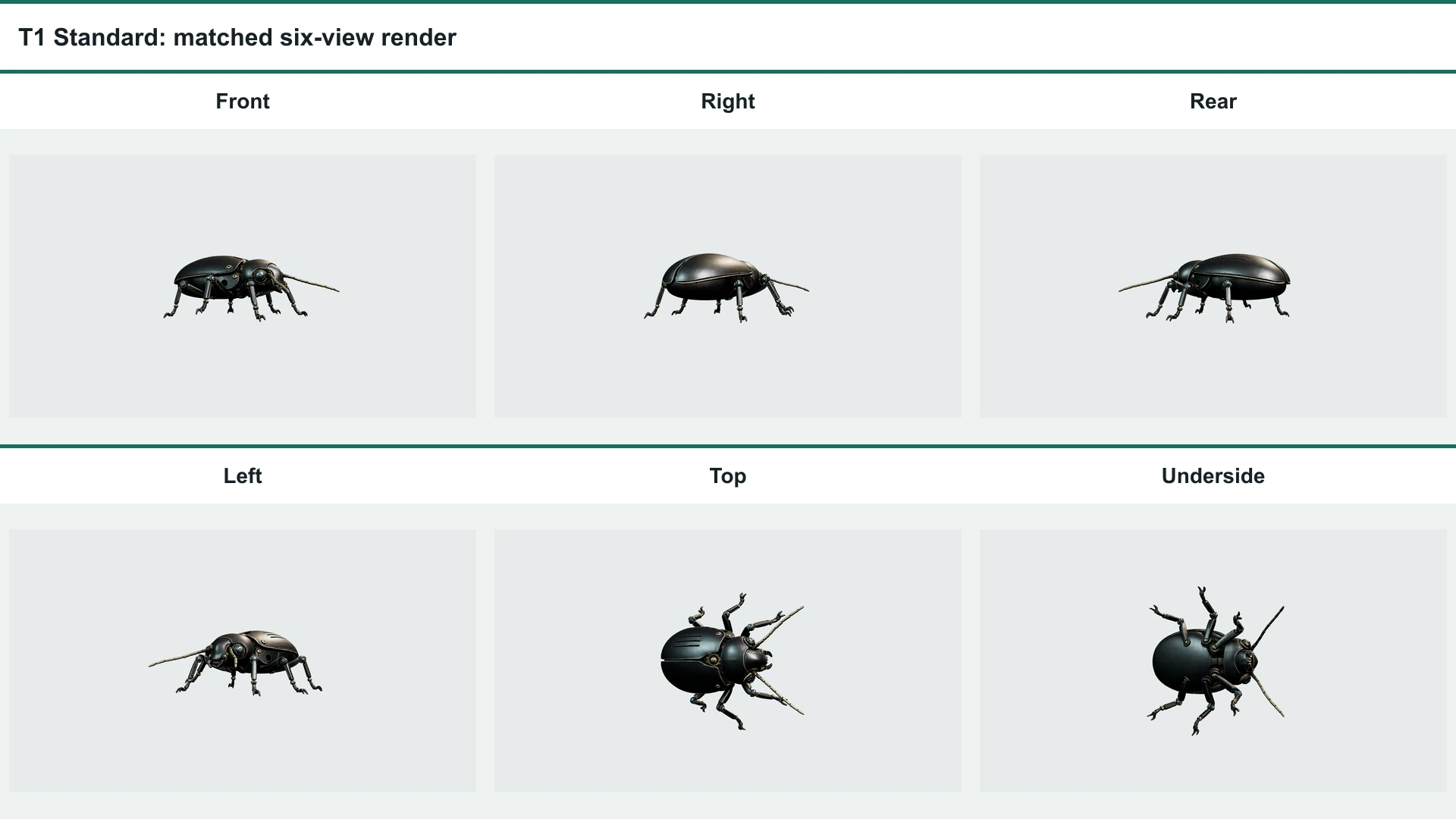
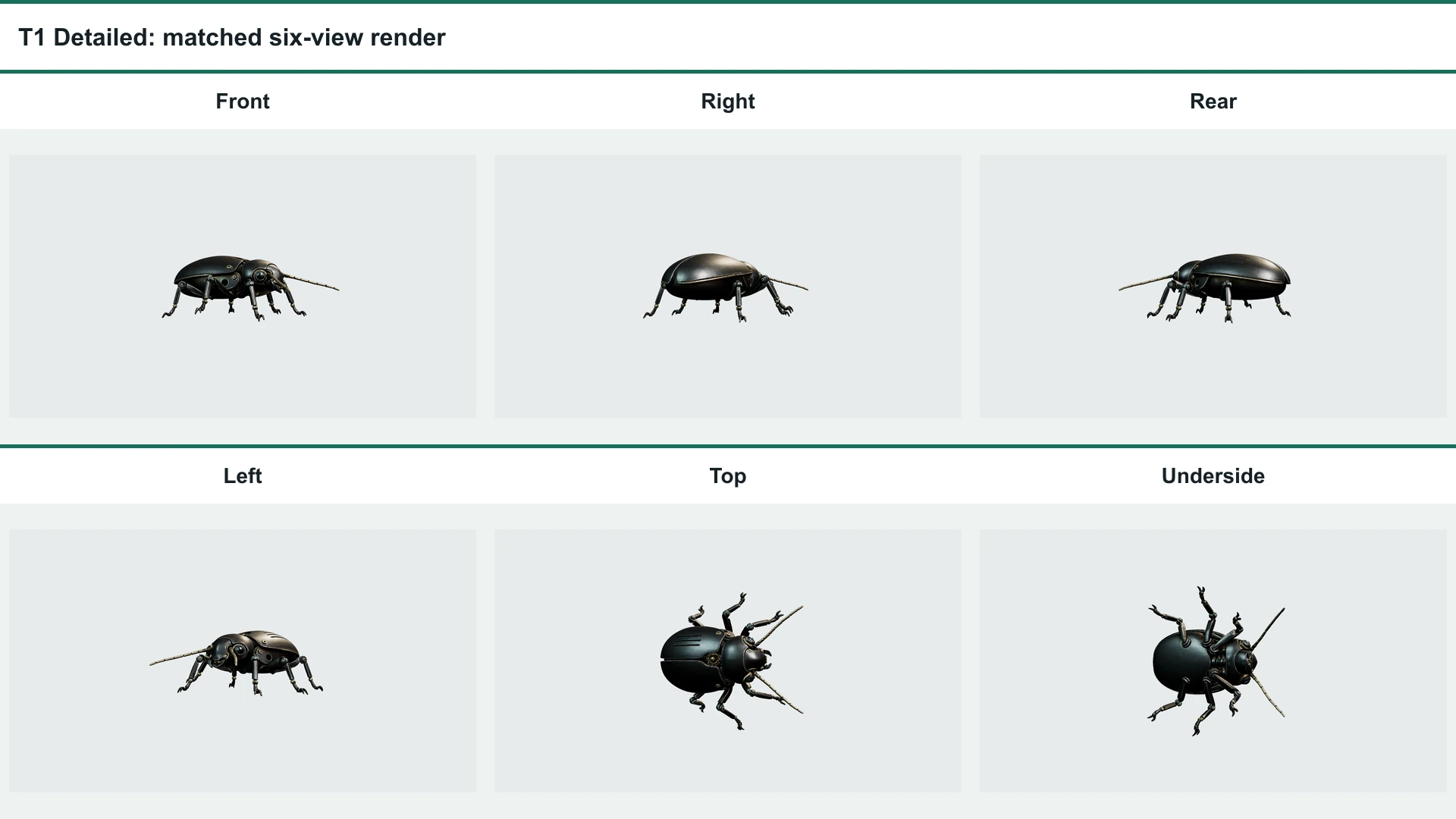
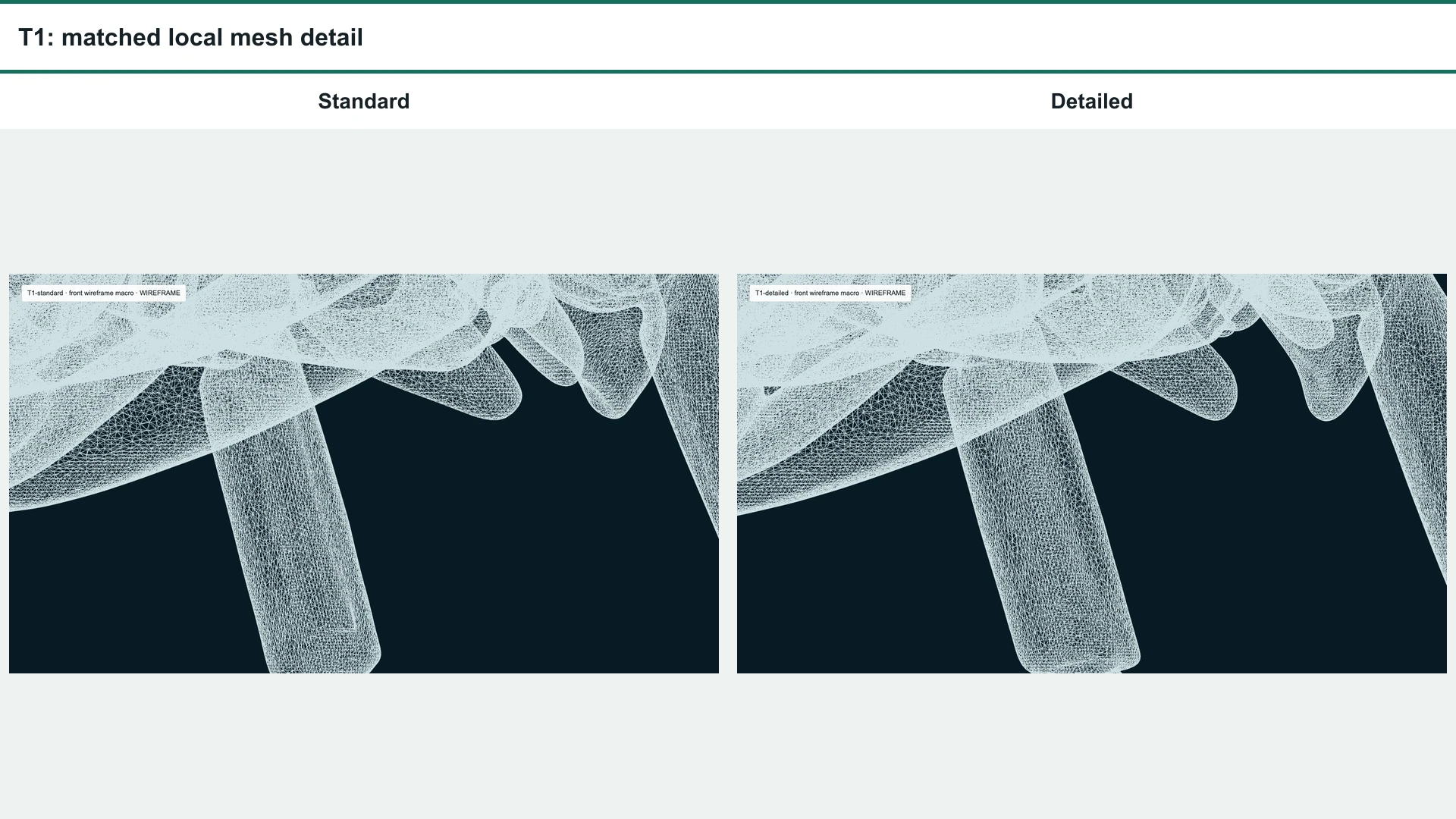
Hasil T1: preferensi terperinci yang tipis
| Ukuran | Standar | Terperinci |
|---|---|---|
| Skor dimensi buta | 4 geometri, 4 tekstur, 5 detail, 2 kemudahan pengeditan | 4 geometri, 4 tekstur, 5 detail, 2 kemudahan pengeditan |
| Retensi fitur | 11/12 poin tertimbang | 12/12 poin tertimbang |
| Segitiga | 1,421,200 | 1,496,408 |
| Waktu yang telah berlalu | 849,9 detik | 1.744,3 detik |
| Ukuran GLB | 39,52 MiB | 41,51 MiB |
| Biaya di mana pun | 0,30 USD | 0,30 USD |
Kesimpulan: “Detailed” sedikit lebih unggul hanya karena gigi roda gigi utamanya terlihat lebih jelas. Kelima aspek penilaian lainnya sebanding, sehingga skor totalnya tetap imbang.
Kredit Tripo tidak dikembalikan dalam respons Anywhere dan tidak dapat disimpulkan dari biaya dalam USD.
Perbedaan praktisnya mudah dilebih-lebihkan. Detail yang lebih rinci membuat kelompok gigi tengah lebih mudah dikenali, namun antena, celah, bagian bawah kaki, lubang samping, tepi cangkang, dan lekukan punggung pada dasarnya serupa. Kedua hasil tersebut juga menunjukkan penebalan yang tidak merata di sekitar beberapa cakar dan sendi bagian ujung.
Tes 2: Bahan, Lapisan, dan Oklusi
Daftar Periksa Masukan dan Bahan
Ransel ini memadukan tali-tali yang terpisah, pegangan untuk dibawa secara terbuka, rel ritsleting dan tarikannya, gesper, saku jaring, tali kompresi, jahitan, serta bahan, hiasan, dan bagian logam yang berbeda-beda.
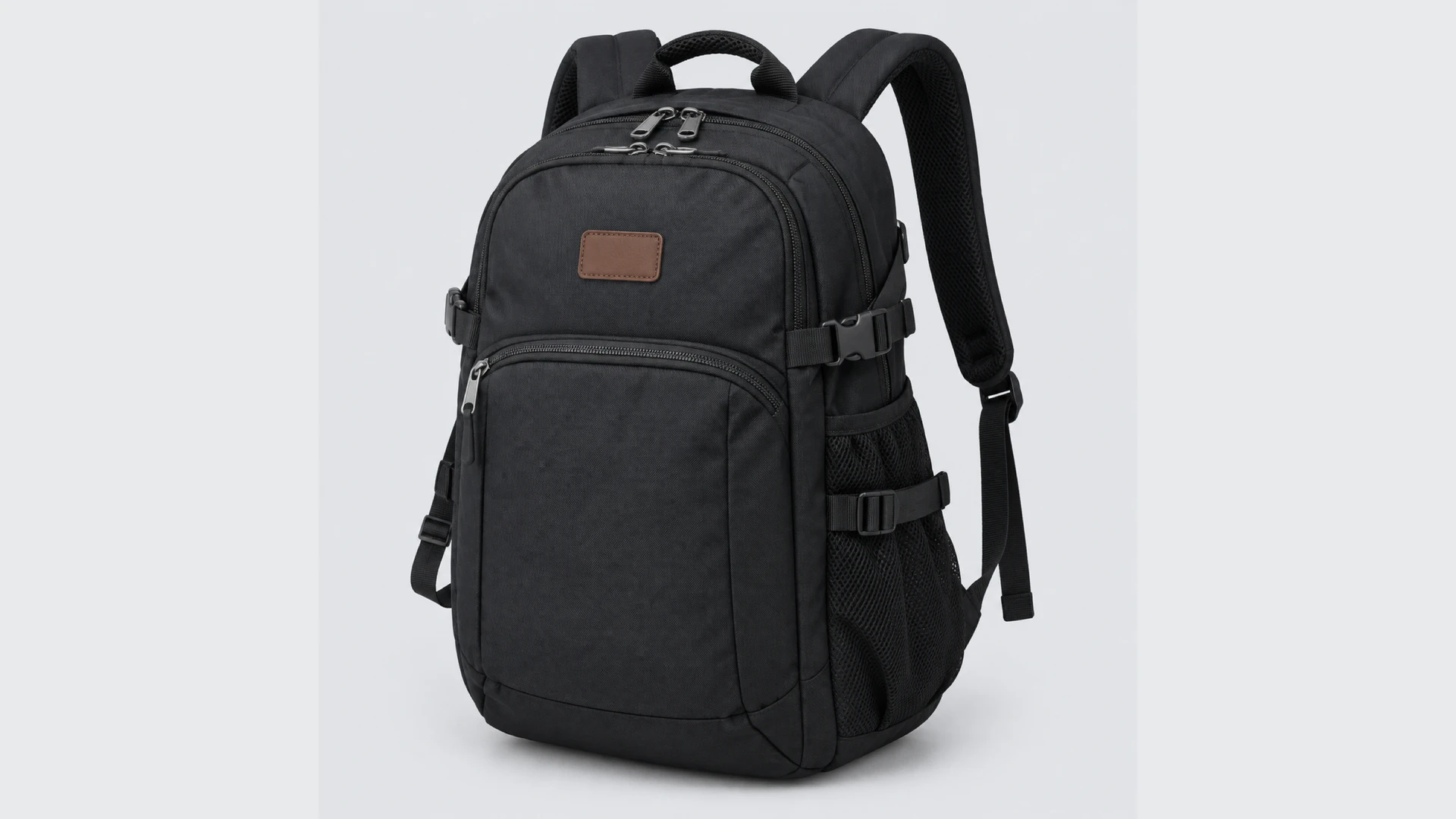
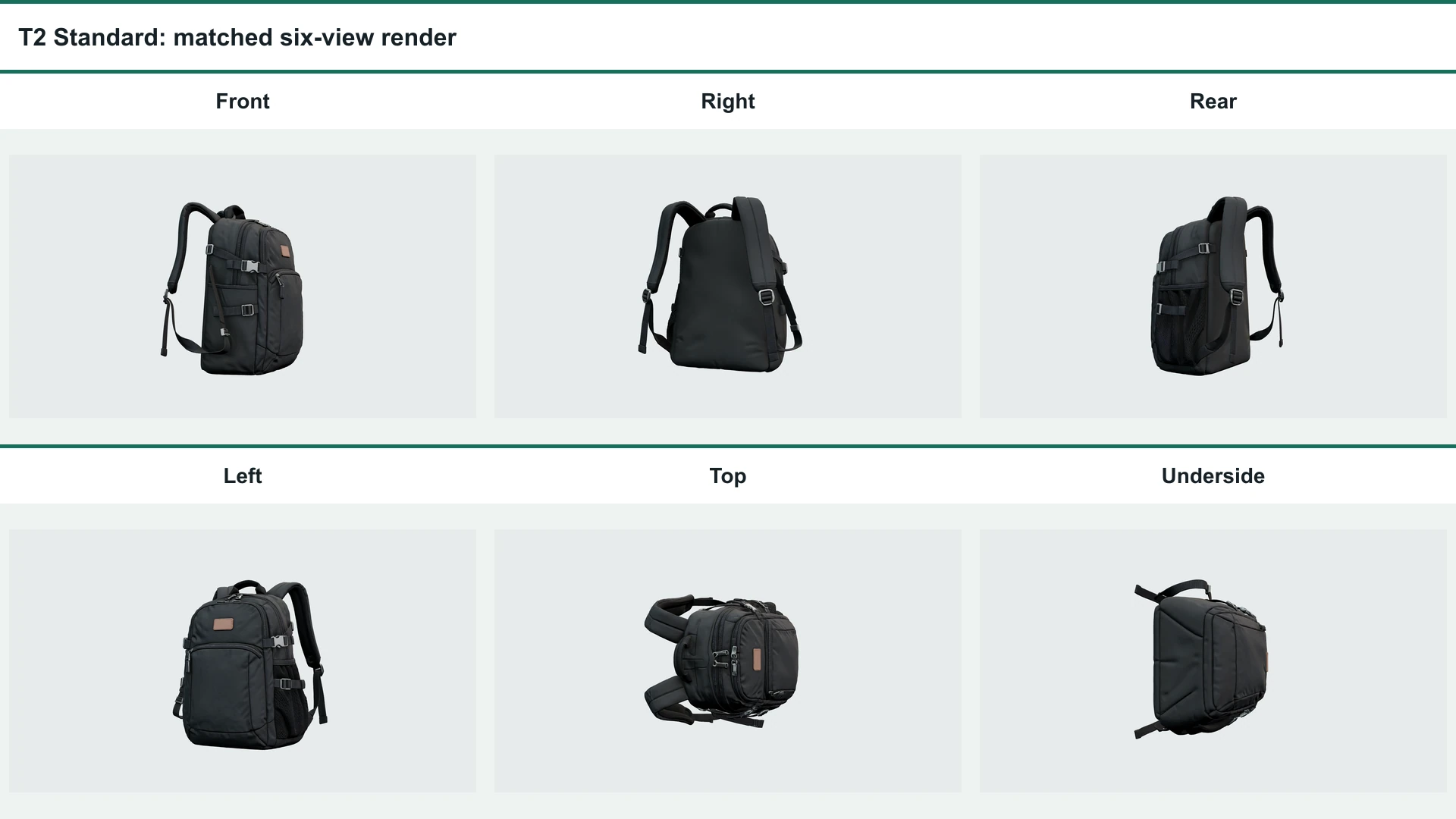
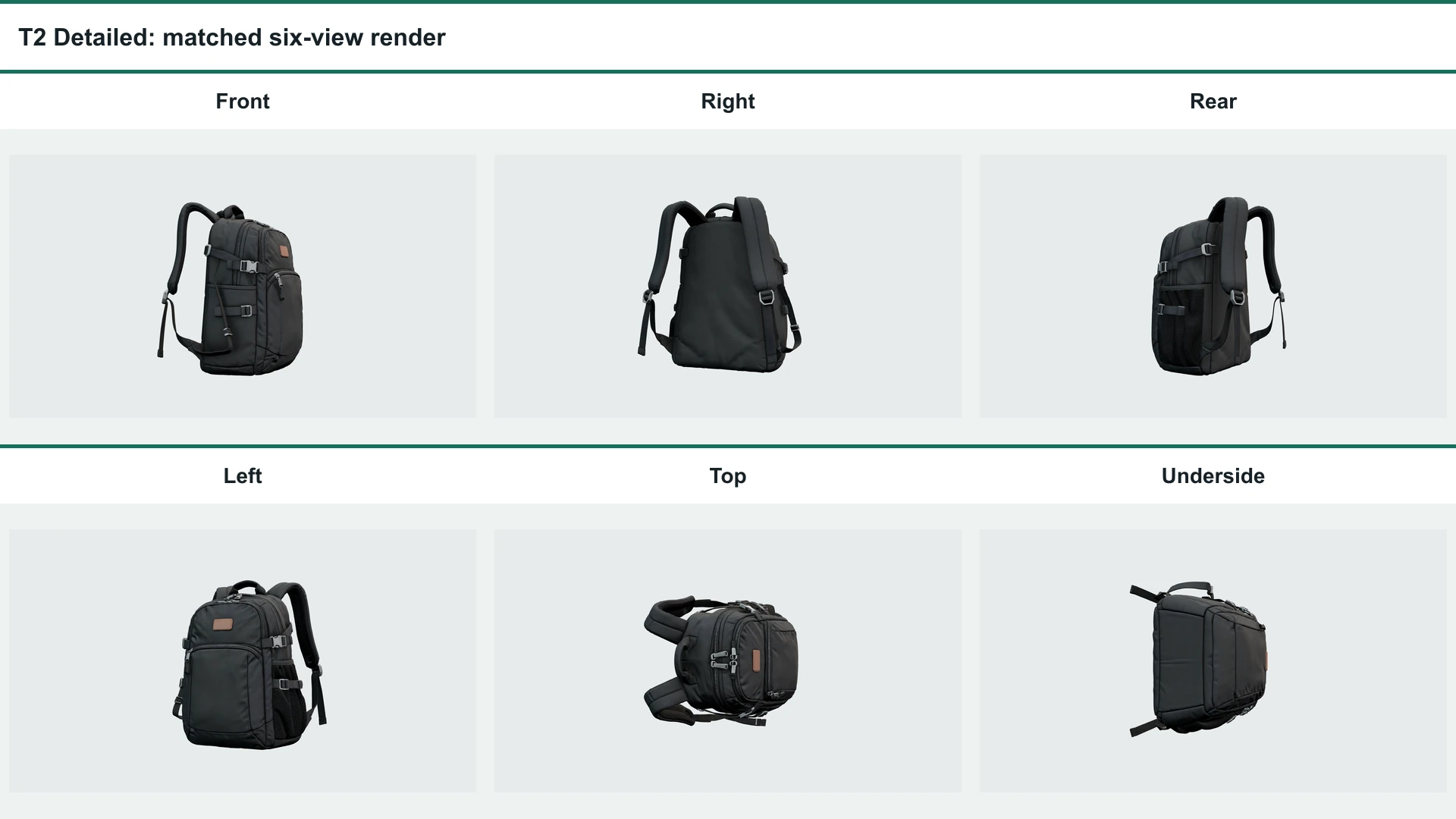
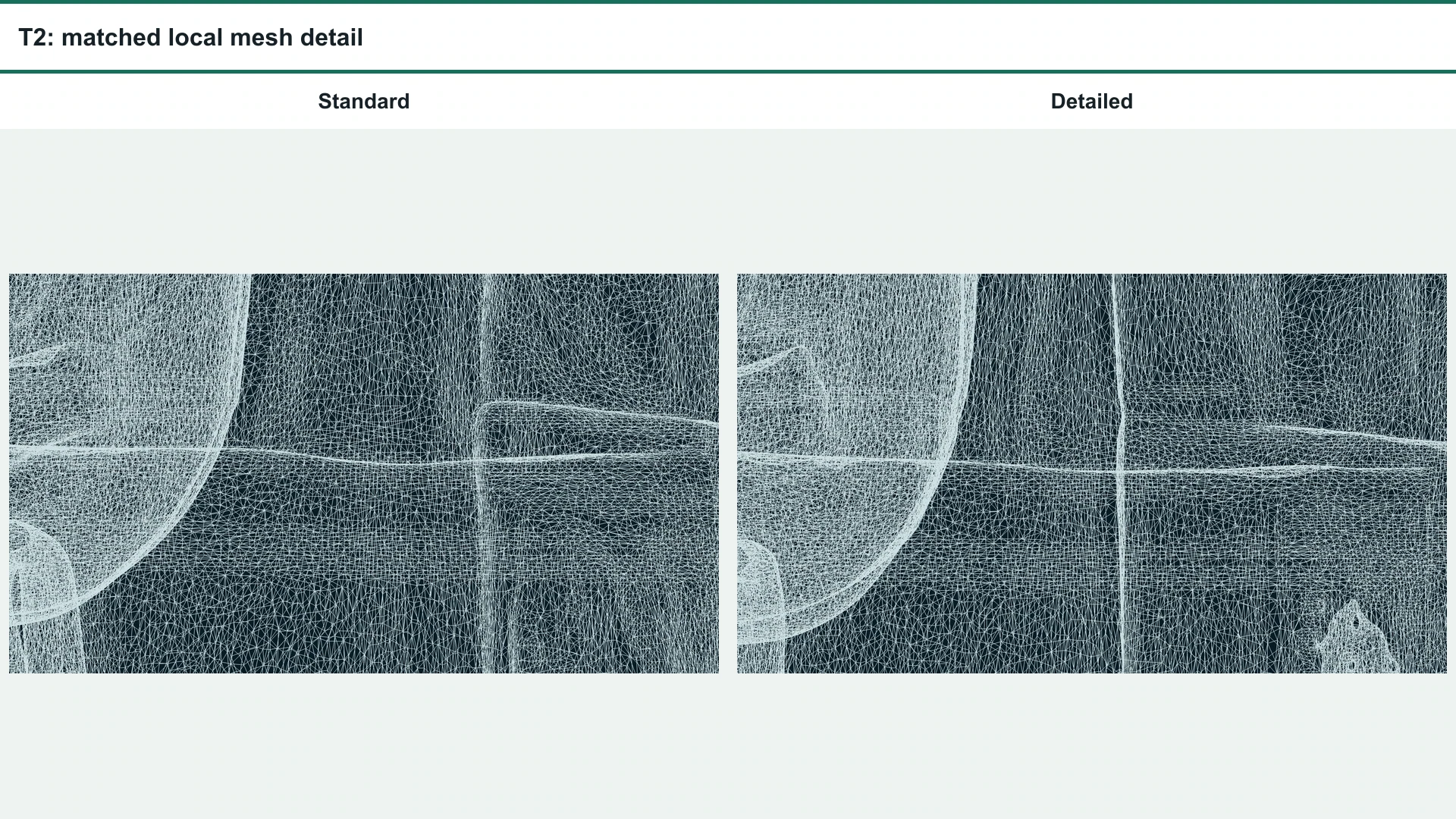
Hasil T2: seri / tidak ada perbedaan yang signifikan
| Ukuran | Standar | Terperinci |
|---|---|---|
| Skor dimensi buta | 4 geometri, 4 tekstur, 5 detail, 2 kemudahan pengeditan | 4 geometri, 4 tekstur, 5 detail, 2 kemudahan pengeditan |
| Retensi fitur | 12/12 poin tertimbang | 12/12 poin tertimbang |
| Segitiga | 1,426,926 | 1,496,090 |
| Waktu yang telah berlalu | 240,7 detik | 241,2 detik |
| Ukuran GLB | 39,52 MiB | 41,58 MiB |
| Biaya di mana pun | 0,30 USD | 0,30 USD |
Kesimpulan: tidak ada pemenang yang jelas. Varian Detailed menunjukkan lebih banyak gelombang pada panel belakang, sedangkan varian Standard menunjukkan penyempitan yang lebih parah pada bagian bawah. Tidak ada satu pun cacat tersebut yang memberikan keunggulan yang stabil dan krusial dalam pelaksanaan tugas.
Kedua mode tersebut mempertahankan lapisan-lapisan yang krusial bagi tugas serta pemisahan material. Mode "Detailed" tidak menghasilkan keunggulan yang konsisten pada batas-batas oklusi atau ketepatan tekstur; oleh karena itu, kedua mode ini tetap berada dalam posisi seri, bukan kemenangan tipis.
Tes 3: Siluet dan Permukaan Tersembunyi
Tampilan Tunggal dan Data Acuan yang Dipisahkan
Kursi yang dikendalikan tersebut berasal dari satu adegan deterministik yang terdiri dari 23 bagian. Hanya render tiga perempat bagian depan yang dikirim ke model. Tampilan referensi bagian belakang, kiri, dan bagian bawah tetap tersembunyi hingga kedua hasil render dan metadata-nya dibekukan.
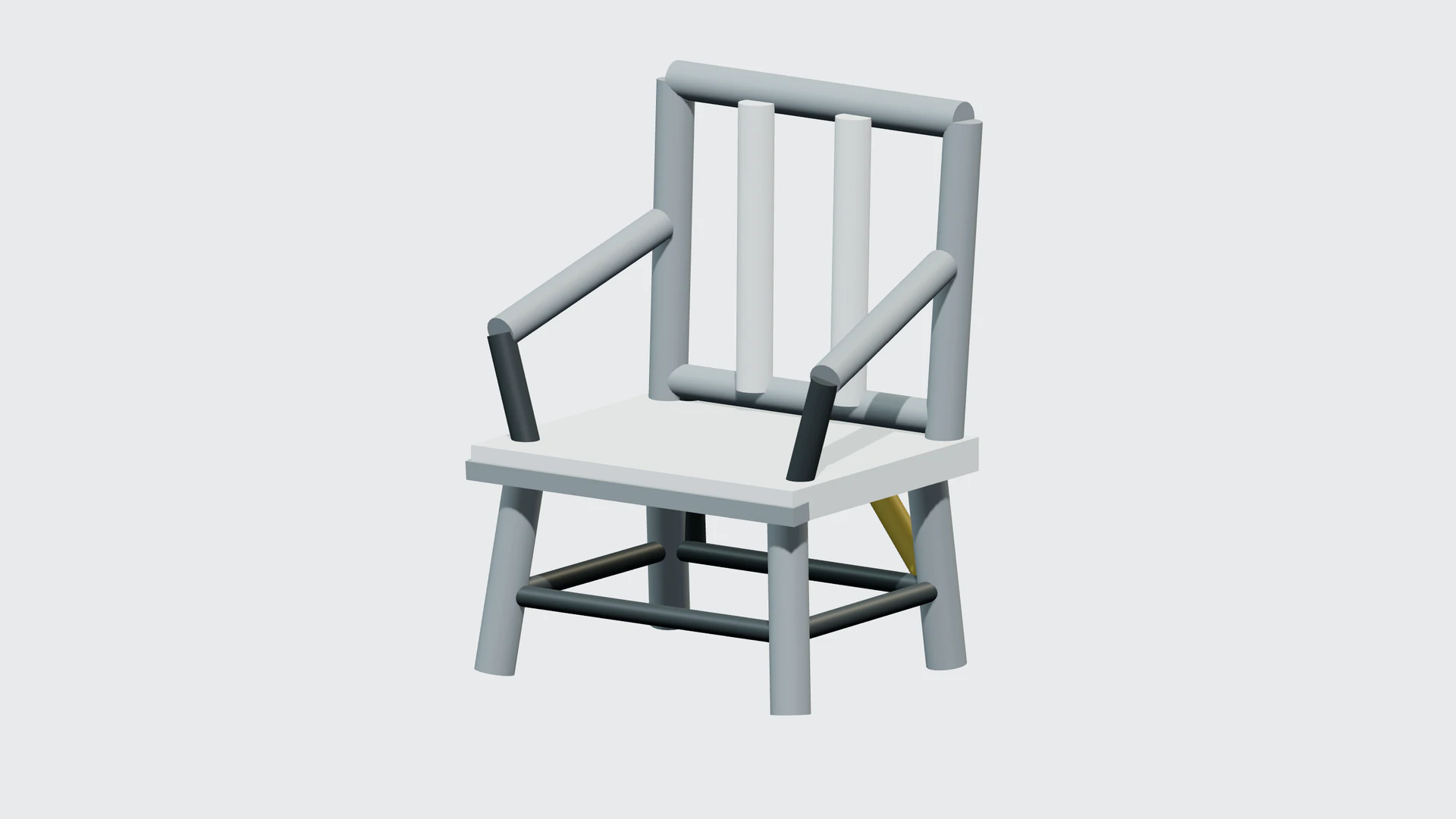
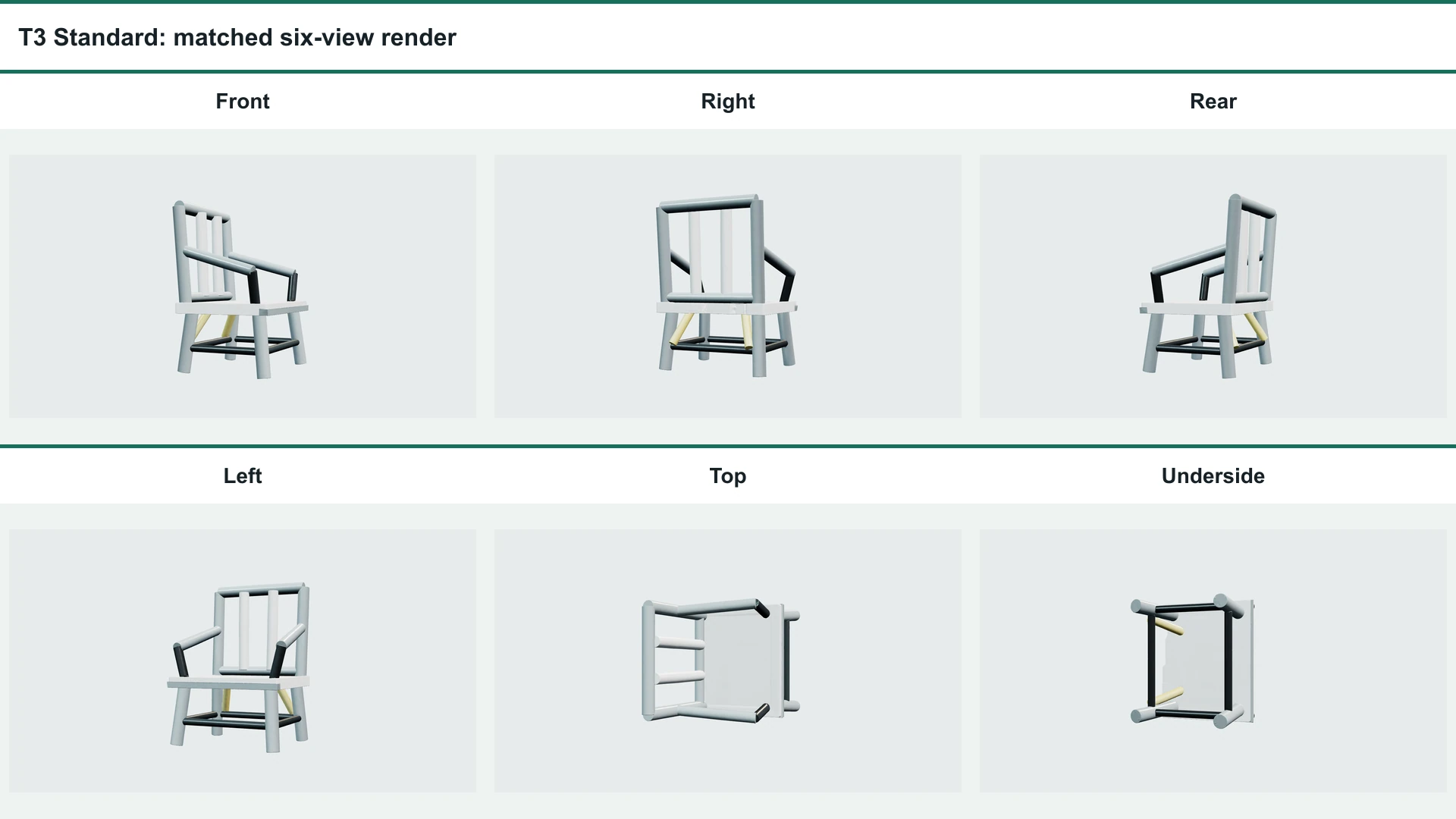
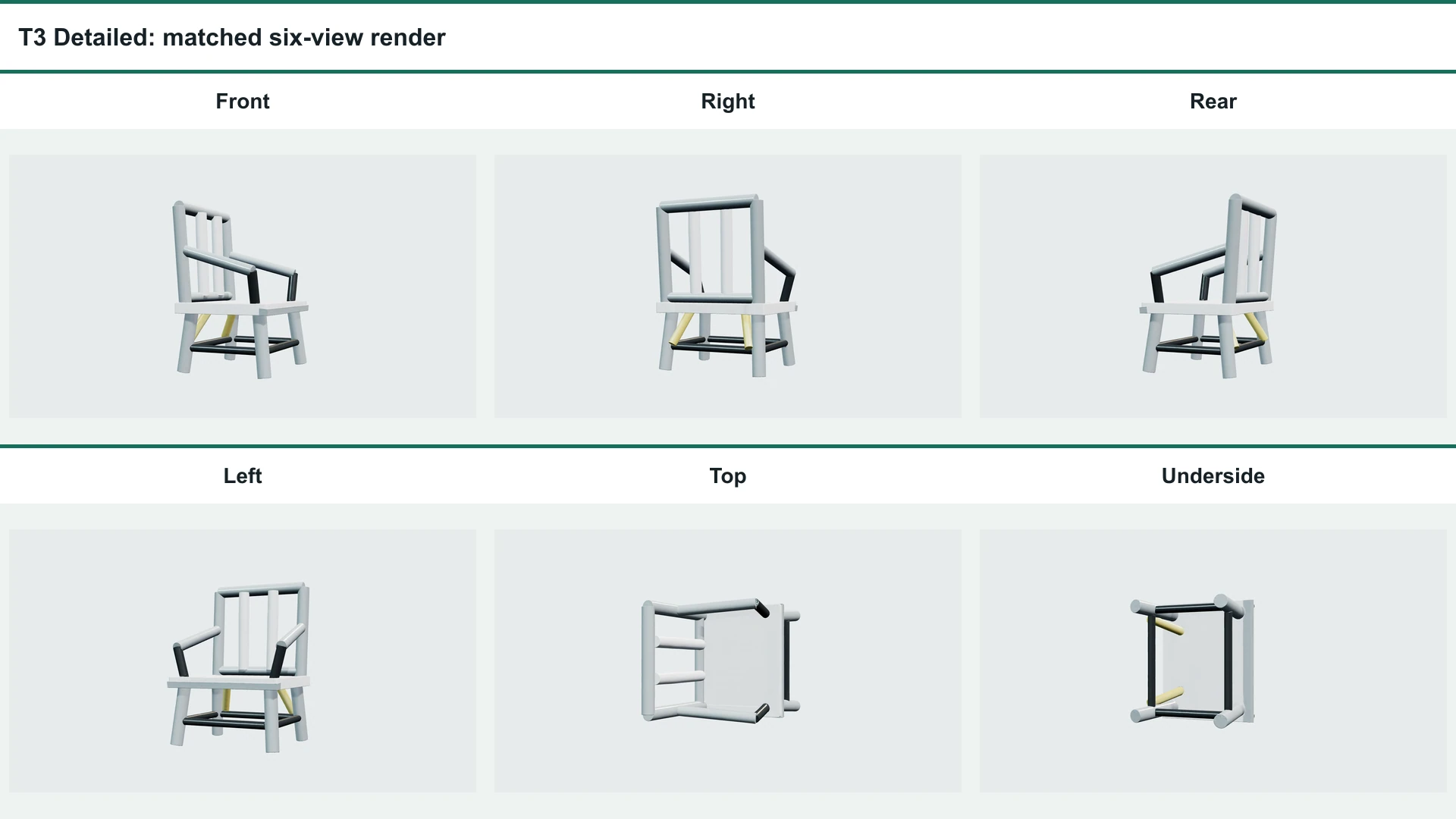
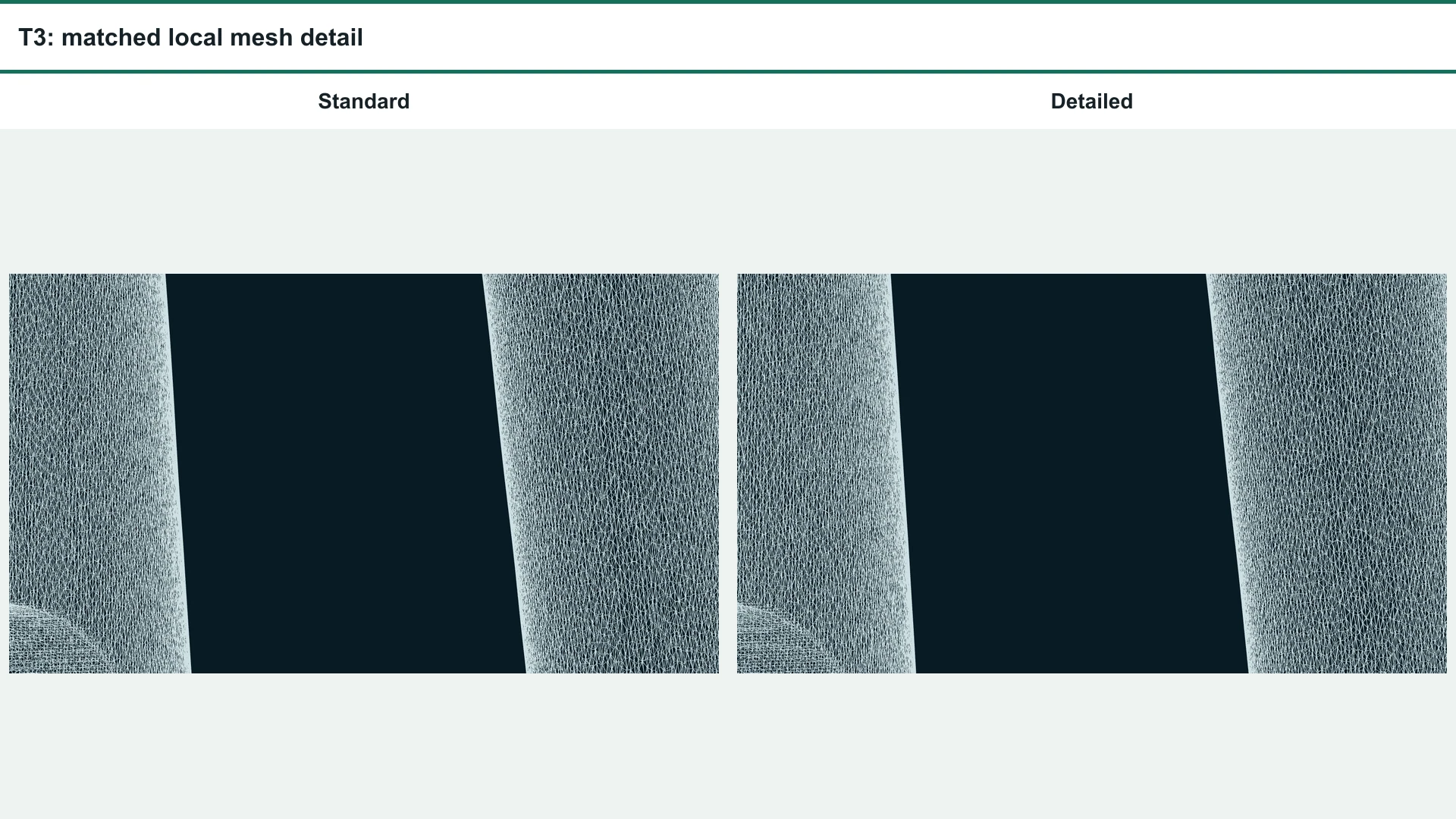
Hasil T3: selisih skor tipis, tidak ada kemenangan yang nyata
| Ukuran | Standar | Terperinci |
|---|---|---|
| Penilaian buta untuk "Frozen" | 10.4/20 | 10.7/20 |
| Skor kebenaran permukaan tersembunyi | 2/5 | 2/5 |
| Segitiga | 1,419,849 | 1,420,856 |
| Waktu yang telah berlalu | 341,2 detik | 601,5 detik |
| Ukuran GLB | 39,06 MiB | 39,07 MiB |
| Biaya di mana pun | 0,30 USD | 0,30 USD |
Kesimpulan: Detailed sedikit lebih tajam pada gambar diam yang disediakan, namun keunggulan sebesar 0,3 poin tersebut tidak signifikan dan tidak berdampak pada hasil rekonstruksi permukaan tersembunyi yang lebih baik.
Tingkat keyakinan rendah hingga sedang. Penilaian yang telah dibekukan ini menggunakan gambar diam yang sesuai untuk bagian depan, belakang, bagian bawah, dan detail jaring; meja putar tidak dapat diamati secara andal selama proses penilaian buta.
Apa yang Dipelihara, Terlewatkan, atau Diciptakan dalam H3.1
Kedua model tersebut mempertahankan ciri khas kursi tersebut, yaitu tiga celah pada sandaran punggung yang terbuka, ruang lengan yang terbuka, kaki-kaki yang terpisah, papan dudukan, dan rangka bagian bawah. Bukti tersembunyi tersebut kurang meyakinkan.
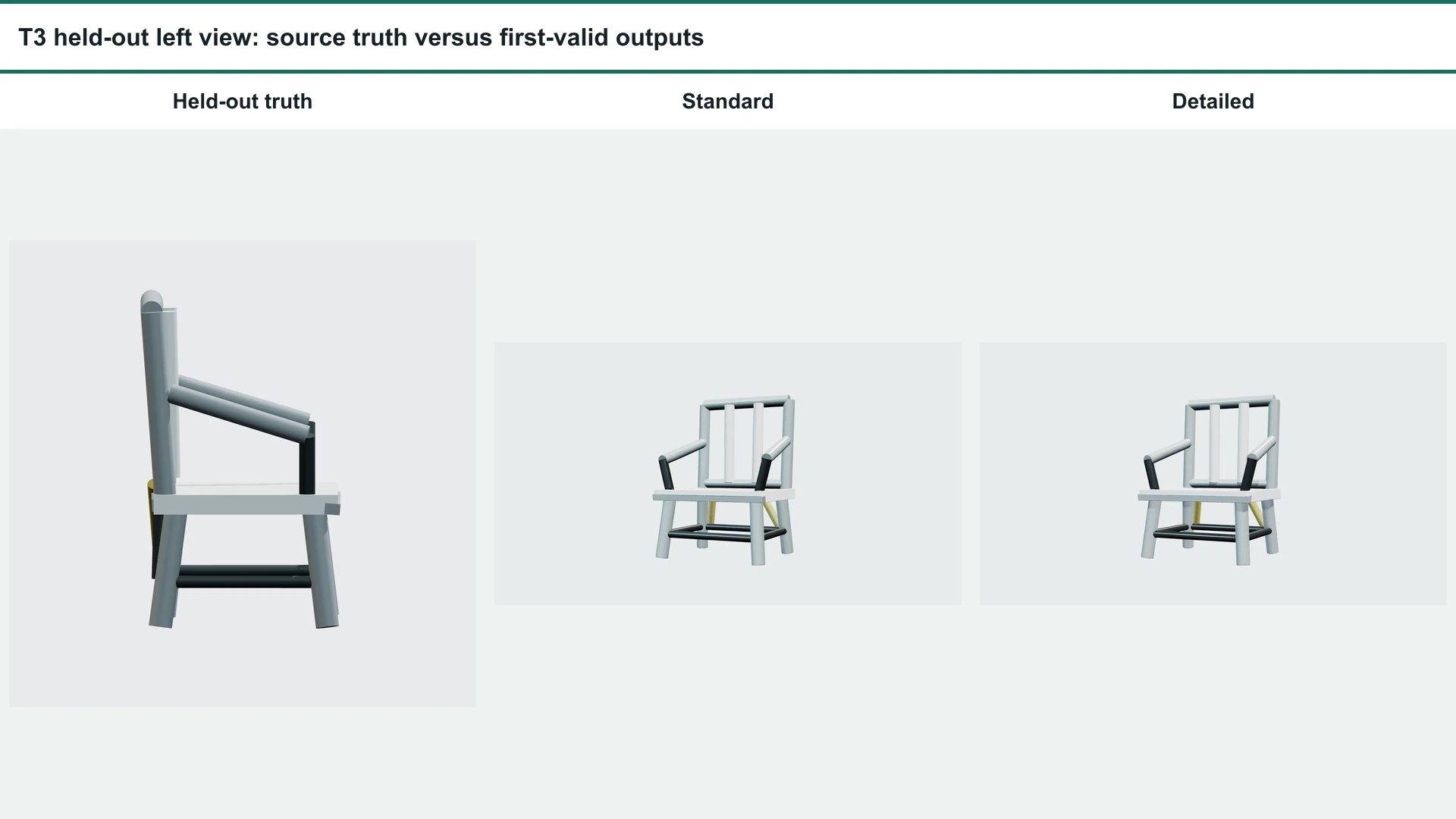
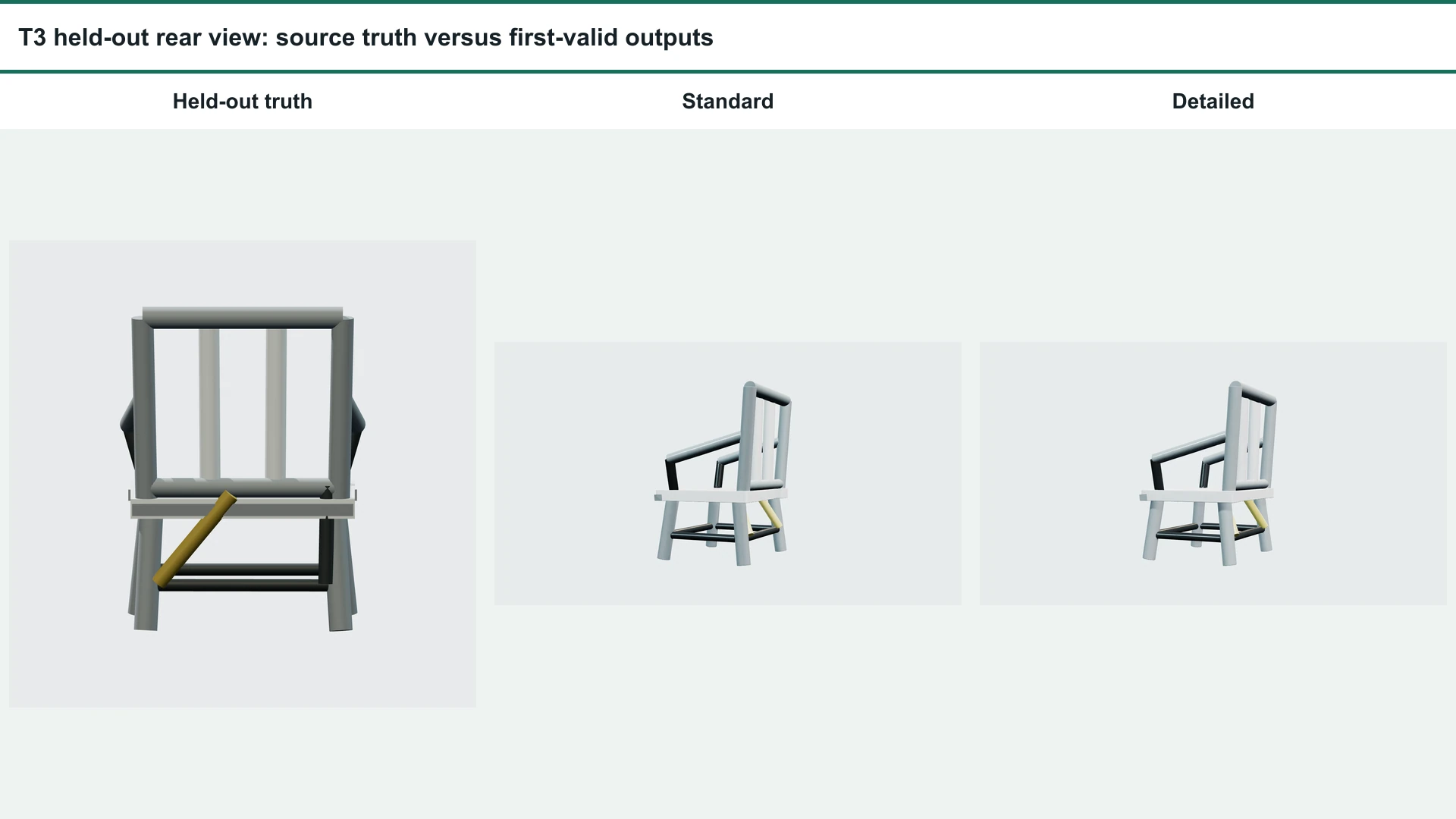
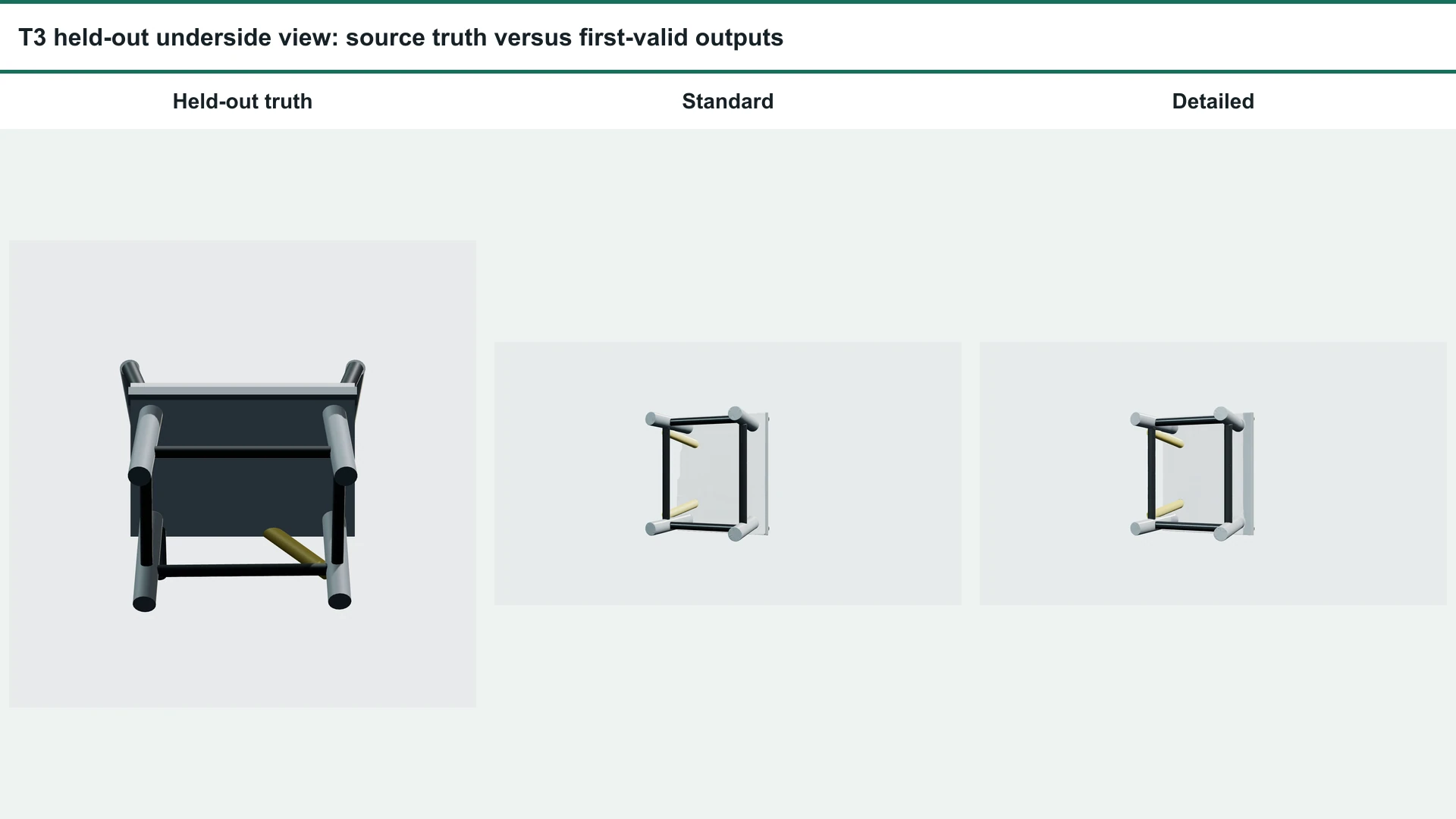
Adegan "kebenaran" menampilkan panel bagian bawah yang besar serta hubungan penyangga asimetris berwarna kuning dan hitam. Kedua hasil tersebut menyederhanakan, mengubah, atau bertentangan dengan struktur-struktur tersebut. Keunggulan tipis "Detailed" dalam penilaian buta berasal dari kontur yang terlihat lebih jelas, bukan dari rekonstruksi "kebenaran" yang lebih mendekati aslinya.
Kualitas Jaring dan Kemudahan Pengeditan
Pemeriksaan Kepadatan, Komponen, dan Manifold
Audit objektif GLB dan topologi
| Jalankan | Simpul | Segitiga | Tepi batas | Bukan varietas | Degeneratif |
|---|---|---|---|---|---|
| T1 Standar | 734,833 | 1,421,200 | 0 | 180 | 0 |
| T1 Terperinci | 774,115 | 1,496,408 | 0 | 150 | 0 |
| T2 Standar | 742,072 | 1,426,926 | 0 | 330 | 0 |
| T2 Terperinci | 783,422 | 1,496,090 | 0 | 315 | 0 |
| Standar T3 | 735,044 | 1,419,849 | 3 | 102 | 0 |
| T3 Terperinci | 735,780 | 1,420,856 | 12 | 108 | 0 |
Keenam GLB tersebut telah diparsing sebagai glTF 2.0, masing-masing berisi satu komponen terhubung, mencakup normal dan UV0, serta menyematkan tiga tekstur PBR berukuran 2048 x 2048 yang dapat didekode. Pemeriksaan ini tidak menjamin bahwa topologi tersebut siap untuk animasi.
Kapan Retopologi atau Pemrosesan Low-Poly Masih Diperlukan
Hasil pemotongan wireframe menunjukkan bahwa penambahan segitiga tidak menghasilkan aliran tepi yang sesuai untuk produksi. Pengeditan langsung kemungkinan besar akan memerlukan pengurangan atau retopologi, namun hal itu tetap merupakan rekomendasi alur kerja yang masuk akal, bukan hasil pembersihan yang terikat waktu, karena tidak ada tugas pengeditan praktis yang dilakukan.
Format Ekspor dan Alur Kerja Blender
Target Konversi yang Didukung
Tripo’s dokumentasi konversi mencantumkan GLTF, FBX, USDZ, OBJ, STL, dan 3MF sebagai format tujuan dan mendukung berkas sumber berukuran hingga 150 MB.
Apa yang Telah dan Belum Diverifikasi
Telah diverifikasi di sini: setiap file GLB asli diparsing sebagai glTF 2.0, panjangnya sesuai dengan yang dinyatakan, dapat dirender di browser, berisi UV0 dan normal, serta memiliki tiga tekstur PBR yang dapat didekodekan. Belum diverifikasi: konversi FBX atau format lain, impor dari Blender, penyesuaian skala dan orientasi setelah impor, ekspor bolak-balik, isolasi bagian, waktu pembersihan, rigging, skinning, atau deformasi.
Kecepatan, Kredit, dan Ukuran File
Kredit yang Dipublikasikan vs Biaya Rute Sebenarnya
Waktu tempuh aktual, ukuran file, dan biaya rute
| Pasangan | Waktu yang telah berlalu / ukuran standar | Rincian waktu yang telah berlalu / ukuran | Biaya pasangan di mana saja | Perkiraan Tripo yang telah dipublikasikan |
|---|---|---|---|---|
| Kumbang T1 | 849,9 detik / 39,52 MiB | 1.744,3 detik / 41,51 MiB | 0,60 USD | 30 + 50 kredit |
| Ransel T2 | 240,7 detik / 39,52 MiB | 241,2 detik / 41,58 MiB | 0,60 USD | 30 + 50 kredit |
| Kursi T3 | 341,2 detik / 39,06 MiB | 601,5 detik / 39,07 MiB | 0,60 USD | 30 + 50 kredit |
| Total | Enam GLB yang telah divalidasi pertama kali | 1,80 dolar AS | Perkiraan perencanaan sebesar 240 kredit | |
Angka-angka dalam USD bersumber dari Anywhere. Angka-angka kredit bersumber dari jadwal yang dipublikasikan oleh Tripo, yang diperiksa pada tanggal 9 September 2026. Keduanya merupakan sistem yang terpisah, dan tidak ada konversi yang dilakukan di antara keduanya.
Tripo H3.1 Perhitungan Kredit
Alat perencanaan Tripo H3.1
Kredit untuk estimasi konversi gambar ke 3D
Pilih tekstur, mode geometri, add-on, dan jumlah generasi.
Penggunaan Komersial dan Kepemilikan
Hak pada Paket Gratis dan Berbayar
Hak komersial bergantung pada rencana saat ini dan hak-hak yang melekat pada materi sumber. Keberhasilan teknis dalam pembuatan suatu karya tidak menyelesaikan masalah perizinan atau pelanggaran hak cipta.
Penggunaan komersial bergantung pada paket langganan dan materi yang digunakan
Pada pemeriksaan tanggal 9 September 2026, halaman rencana publik Tripo membedakan antara penggunaan gratis yang bersifat publik dan nonkomersial dengan tingkatan berbayar yang bersifat pribadi dan komersial. Ketentuan Penggunaannya juga menetapkan bahwa tanggung jawab atas masukan dan keluaran yang sah berada di tangan pengguna, serta tidak menjamin bahwa suatu keluaran bersifat unik, bebas dari kesalahan, atau tidak melanggar hak cipta. Periksa versi terkini ketentuan rencana dan Syarat dan Ketentuan sebelum mengirimkan aset komersial. Ini adalah ringkasan praktis, bukan nasihat hukum.
Mode Geometri Tripo H3.1 Mana yang Sebaiknya Anda Gunakan?
Pengaturan Standar Adalah Pilihan Default yang Lebih Baik untuk Sebagian Besar Pekerjaan Konversi Gambar ke 3D
Opsi "Detailed" adalah opsi khusus untuk titik pemeriksaan tertentu, bukan peningkatan kualitas yang berlaku secara umum. Pada ketiga pasangan yang dibandingkan ini, opsi "Standard" lebih sering memberikan hasil praktis yang sama dan menggunakan perkiraan kredit terbitan yang lebih rendah. Mulailah dengan opsi "Standard" kecuali Anda tahu fitur kecil mana yang membenarkan penggunaan opsi "Detailed" dan Anda berencana untuk memeriksa fitur tersebut setelah proses pembuatan selesai.
Pilih mode berdasarkan tugasnya, bukan berdasarkan labelnya
| Alur kerja | Pilihan yang praktis | Mengapa |
|---|---|---|
| Pembuatan konsep yang cepat dan tinjauan bentuk secara menyeluruh | Standar | Benda itu cocok dengan tulisan "Detailed" di ransel dan nyaris terikat di kursi. |
| Sebuah fitur geometris kecil yang sudah diketahui perlu diperiksa | Terperinci, bersyarat | T1 menunjukkan satu titik pemeriksaan gigi yang lebih jelas, namun keuntungannya tidak terlalu signifikan. |
| Akurasi bagian belakang yang tersembunyi atau bagian bawah | Keduanya tidak bisa dipercaya tanpa pemeriksaan | Kedua mode tersebut memperoleh skor 2 dari 5 jika dibandingkan dengan kebenaran yang disisihkan. |
| Pengeditan mesh langsung, rigging, atau deformasi | Rencana retopologi | Keenam mesh tersebut sangat padat dan tidak beraturan; tidak ada tugas pengeditan maupun uji rigging yang berhasil diselesaikan. |
| Kejujuran material semata | Jangan membayar untuk mode geometri berdasarkan asumsi ini | Pengaturan tekstur dipertahankan tetap sama dan skor T2 sama. |
Alur Kerja Kreatif yang Praktis dengan GlobalGPT
Proses pengubahan gambar menjadi 3D sering kali dimulai dengan riset, eksplorasi ide awal, dan beberapa tahap pengolahan gambar referensi sebelum berkas tersebut diproses oleh generator 3D. Dengan menggabungkan langkah-langkah tersebut, akan lebih mudah untuk membandingkan konsep-konsep awal dan memastikan arahan tetap jelas.
Pertanyaan yang Sering Diajukan
Apakah Tripo H3.1 sama dengan geometri Detailed atau Ultra?
No. H3.1 adalah modelnya. "Detailed", yang juga diberi label "Ultra" dalam dokumentasi, merupakan nilai dari pengaturan kualitas geometri terpisah.
Apakah Tripo H3.1 Detailed lebih baik daripada versi Standard?
Hasilnya tidak konsisten dalam pengujian ini. Pengujian terperinci berhasil mendeteksi satu fitur mikro berbobot tambahan pada kumbang mekanis, menghasilkan skor yang sama dengan pengujian Standar pada ransel, dan hanya menunjukkan selisih skor yang kecil dan tidak signifikan pada kursi. Pengujian Standar merupakan pilihan default yang lebih baik, kecuali jika adanya fitur kecil yang diketahui membenarkan pemberian nilai tambahan dan pemeriksaan lebih lanjut.
Berapa banyak kredit yang digunakan oleh Tripo H3.1 image-to-3D?
Jadwal yang dipublikasikan dan diperiksa pada 9 September 2026 mencantumkan 30 kredit untuk pengaturan tekstur Standar yang digunakan di sini dan 50 kredit jika geometri Terperinci ditambahkan. Tanggapan dari Anywhere tidak menyebutkan jumlah kredit Tripo, sehingga artikel ini tidak menyatakan bahwa perkiraan tersebut merupakan biaya yang sebenarnya.
Apakah Tripo H3.1 mampu merekonstruksi bagian belakang objek yang tersembunyi?
Meskipun sistem ini mampu menghasilkan latar belakang yang masuk akal, tes ini menunjukkan bahwa "masuk akal" tidak sama dengan "akurat". Kedua hasil simulasi kursi tersebut mempertahankan volume secara umum, namun hanya memperoleh skor 2/5 dalam hal kesesuaian dengan data uji yang disisihkan untuk bagian belakang dan bagian bawah, karena beberapa hubungan penyangga ternyata salah.
Apakah topologi Tripo H3.1 sudah siap untuk digunakan dalam game atau animasi?
Berdasarkan hasil dari enam output ini, tampaknya tidak demikian. Setiap mesh sangat padat dan tidak beraturan, serta tidak ada uji rigging, skinning, deformasi, atau pengeditan manual yang diselesaikan. Rencanakan pengurangan atau retopologi kecuali jika pemeriksaan Anda sendiri menunjukkan hal yang sebaliknya.
Format 3D apa saja yang dapat diekspor oleh Tripo?
Konverter Tripo mencantumkan GLTF, FBX, USDZ, OBJ, STL, dan 3MF sebagai format tujuan. Ulasan ini hanya memverifikasi berkas GLB asli; konversi FBX, impor ke Blender, dan ekspor bolak-balik tidak diuji.
Apakah hasil keluaran Tripo H3.1 dapat digunakan untuk tujuan komersial?
Halaman "Rencana Umum" dan "Ketentuan" Tripo membedakan penggunaan gratis untuk tujuan non-komersial dengan hak komersial pada paket berbayar. Pengguna komersial tetap harus memiliki hak yang diperlukan atas data masukan mereka dan wajib mematuhi hukum yang berlaku serta Ketentuan yang berlaku saat ini.
Kapan opsi geometri Terperinci/Ultra layak untuk mendapatkan kredit tambahan?
Gunakan opsi ini secara selektif ketika suatu mikrofitur tertentu dianggap cukup penting untuk diperiksa setelah proses pembuatan. Opsi "Standar" merupakan pengaturan default yang lebih baik untuk pengembangan konsep secara luas berdasarkan pengujian ini, karena opsi "Terperinci" tidak secara konsisten meningkatkan kualitas material, permukaan tersembunyi, topologi, atau kemudahan pengeditan.