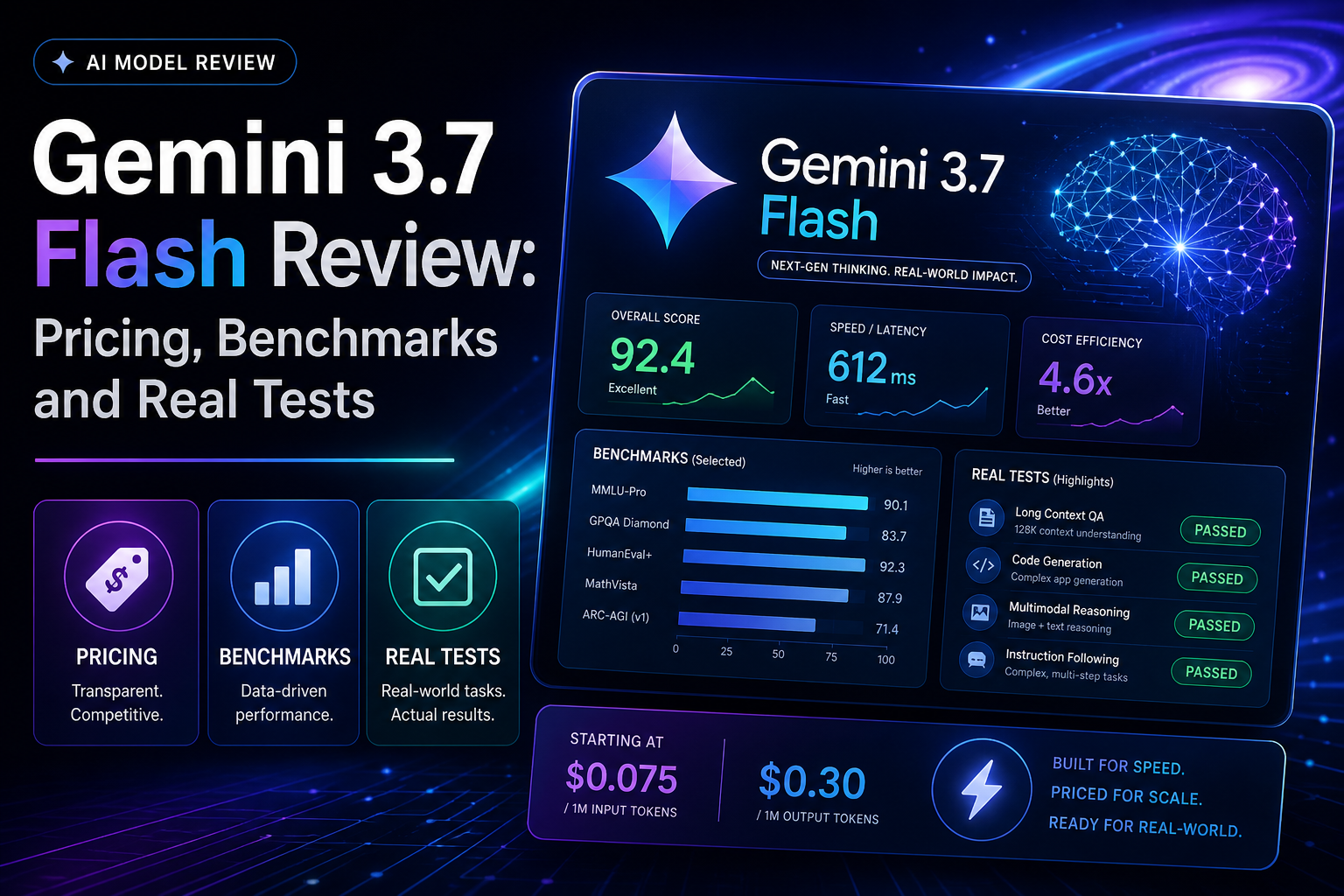
Análisis de modelos · Pruebas de rendimiento · Pruebas reales de la API
Gemini 3.7 Flash se presenta como un modelo rápido y capaz de razonar, destinado a la programación, el trabajo con agentes, las entradas multimodales y las tareas de producción cotidianas. La pregunta más relevante es, sin embargo, más compleja: ¿produce un trabajo final de mayor calidad que Gemini 3.6 Flash cuando ambos modelos reciben la misma indicación?
En esta reseña del Gemini 3.7 Flash se distinguen tres tipos de datos. La documentación de Google respalda las características del modelo, los precios y las afirmaciones oficiales sobre los resultados de las pruebas de rendimiento. Artificial Analysis aporta un contexto independiente de pruebas de rendimiento realizado por terceros. Nuestra comparación práctica utiliza siete tareas API equivalentes, con los mismos ajustes de prompt y generación para ambos modelos.
El Gemini 3.7 Flash figura en la lista de productos que se someterán a pruebas a través del GlobalGPT Gemini 3.7 Página del modelo Flash. Esto te permite ejecutar la misma consulta en varios modelos desde un único lugar, incluido el modelo de referencia utilizado en esta reseña. Para más contexto, consulta nuestro Gemini 3.6: reseña rápida y el Comparación entre Gemini 3.6 Flash y Gemini 3.1 Pro.
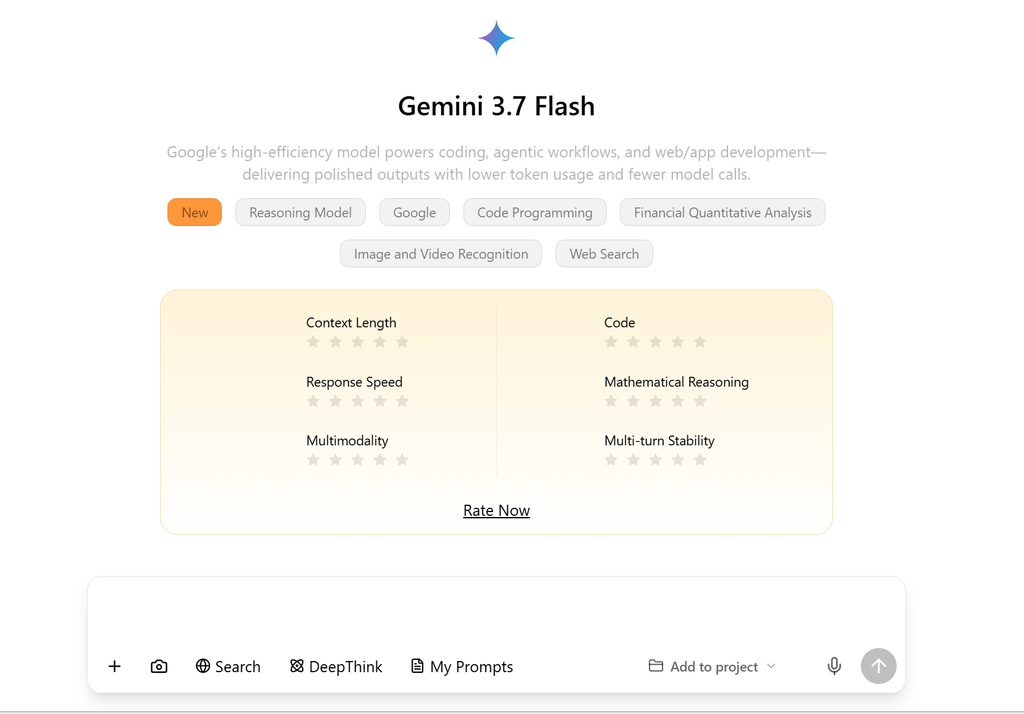
Reseña rápida del Gemini 3.7: la respuesta breve
Gemini 3.7 Flash generó la respuesta mejor elaborada en tres de los seis pares de tareas completadas, frente a las dos victorias de Gemini 3.6 Flash y un empate. Sus ventajas se pusieron de manifiesto en la codificación, el razonamiento sobre datos y la edición SEO segura en cuanto a afirmaciones. Gemini 3.6 Flash elaboró el diseño textual de la interfaz más limpio y la extracción de estado más minuciosa, mientras que la planificación agentiva terminó en empate.
Resumen de la reseña
| Medida | Resultado observado | Qué significa |
|---|---|---|
| Calidad de impresión | 3,7 victorias; 3,6 victorias; 1 empate | Las valoraciones se basan en el trabajo terminado que se muestra en cada tarjeta. |
| Velocidad | Mixto | La versión 3.7 terminó antes en cuatro tareas, pero la 3.6 tuvo una media ligeramente inferior en las seis tareas. |
| Eficiencia de los tokens | La versión 3.7 utilizó 7.948 tokens de salida; la versión 3.6 utilizó 10.058 | En el conjunto de tareas completadas, 3.7 generó 21% tokens de salida menos. |
| El mejor resultado de 3,7 | Edición SEO sin riesgo de reclamaciones | Se ciñó a los hechos confirmados sin añadir ningún calificativo sin fundamento. |
Se trata de seis pequeñas tareas de texto controladas, no de una clasificación universal de modelos. Se ha excluido T01 porque ninguno de los modelos completó la respuesta solicitada dentro del límite de salida establecido.
¿Qué es el Gemini 3.7 Flash?
Gemini 3.7 Flash es el modelo estable de alto rendimiento de Google para tareas en las que sigue siendo útil el razonamiento. Google enumera como entradas el texto, las imágenes, los vídeos, el audio y los archivos PDF; entre las capacidades compatibles se incluyen la llamada a funciones, la ejecución de código, la búsqueda basada en contexto, la búsqueda de archivos, las salidas estructuradas y el uso del ordenador (versión preliminar). La cuestión práctica es cómo se traducen esos controles en un trabajo acabado.
Fecha de lanzamiento y disponibilidad
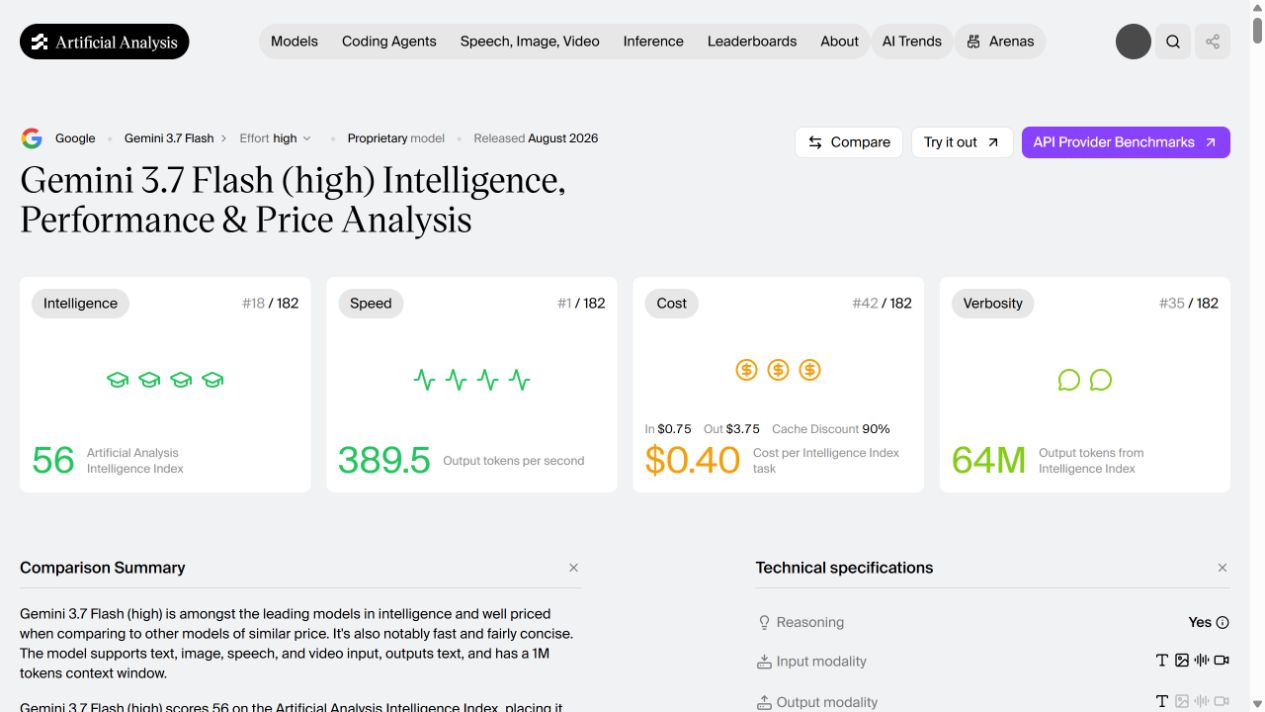
La página de «Análisis artificial» capturada identifica el modelo Gemini 3.7 Flash (alto) con una fecha de lanzamiento prevista para agosto de 2026. Para consultar el estado oficial, el ID del modelo, las funciones compatibles y los detalles del lanzamiento, utiliza Google’s Tarjeta oficial modelo Flash Gemini 3.7 y la documentación de la API a la que se hace referencia. La disponibilidad puede variar según el producto, la región, la cuenta y el nivel del modelo, por lo que el hecho de que un modelo aparezca en una página no constituye, por sí solo, una garantía de acceso universal.
¿Qué ha cambiado con respecto a la versión Gemini 3.6 Flash?
El cambio no se limita simplemente a una puntuación más alta en las pruebas de rendimiento. Google describe Gemini 3.7 Flash como una versión mejorada de Gemini 3.6 Flash, con mejoras en su base de razonamiento y en su capacidad de pensamiento personalizable. En nuestras pruebas por pares, esto se tradujo en un mejor manejo de las restricciones en tres tareas, aunque no supuso una victoria aplastante.
| Área de comparación | Gemini 3.7 Flash | Gemini 3,6 Flash | Pruebas observadas |
|---|---|---|---|
| Corrección de un error de programación | Correcto, con pruebas más precisas | Es correcto, pero más largo | 3,7: victoria por un estrecho margen |
| Plan de interfaz textual | Admisible, con dos defectos editoriales | Más claro y con mayor coherencia interna | 3,6: victoria por un estrecho margen |
| Extracción sensible al estado | Recuerdo total, pero una etiqueta de éxito exagerada | Un lenguaje más preciso para describir el estado | 3,6: victoria por un estrecho margen |
| Razonamiento basado en datos | Correcto, con una división predeterminada más clara | Correcto, con más detalles sobre las condiciones. | 3,7: victoria por un estrecho margen |
| Planificación agencial | Compuertas de cierre resistentes | Más detalles concretos sobre la llamada a la herramienta | Corbata |
| Edición SEO | Se han conservado todas las reclamaciones bloqueadas | Se ha añadido un adjetivo que no está admitido | 3,7: victoria por un estrecho margen |
Gemini 3.7: Especificaciones de Flash y ventana de contexto
Las especificaciones son importantes porque definen las condiciones en las que una comparación resulta justa. Si estás comparando los límites de los planes en lugar del comportamiento de los modelos, nuestro Guía sobre los límites y las cuotas de Gemini es el seguimiento más detallado. El número de la ventana de contexto no significa automáticamente que un modelo vaya a resumir con precisión todos los documentos largos; solo indica lo que la API está diseñada para aceptar. La prueba de extracción que se muestra a continuación analizará por separado la recuperación, el tratamiento de las contradicciones y los elementos desconocidos.
| Especificación | Gemini 3.7 Flash | Gemini 3,6 Flash | Fuente |
|---|---|---|---|
| ID del modelo de la API devuelto | gemini-3.7-flash | gemini-3.6-flash | Respuestas de API registradas |
| Contexto de entrada | Hasta 1 millón de tokens | Hasta 1 millón de tokens | Ficha de modelo de Google |
| Longitud máxima del texto | 64 000 tokens | 64 000 tokens | Fichas de modelos de Google |
| Datos documentados | Texto, imágenes, audio, vídeo | Texto, imágenes, audio, vídeo | Fichas de modelos de Google |
Gemini 3.7 Precios de Flash y coste de la API
En materia de precios, es necesario establecer una distinción clara entre la tarifa publicada y el coste de una respuesta concreta. El resumen del análisis artificial recopilado muestra que $0,75 por cada millón de tokens de entrada y $3,75 por cada millón de tokens emitidos para la ficha seleccionada del modelo Gemini 3.7 Flash (alto). Esas cifras proceden de datos de páginas de terceros, no sustituyen a la tabla de precios oficial de Google y no constituyen una afirmación sobre todas las vías de acceso.
Contexto de precios de terceros recopilado
Es solo una representación visual relativa. Las barras no sustituyen a la unidad de facturación oficial, al nivel de tarifa, a la región ni a las reglas de caché o lote.
En Ficha de modelo de Google indica una tarifa inicial de la API de $0,75 por cada millón de tokens de entrada y $3,75 por cada millón de tokens de salida para ambos modelos Flash hasta el 31 de diciembre de 2026. Las estimaciones por tarjeta que figuran a continuación aplican esa tarifa a los tokens registrados; no incluyen los reintentos, el almacenamiento en caché, los impuestos ni los cargos específicos de cada ruta.
| Partida de gastos | Gemini 3.7 Flash | Gemini 3,6 Flash | Límite de las pruebas |
|---|---|---|---|
| Precio inicial de las materias primas | $0,75 / 1M | $0,75 / 1M | Ficha de modelo de Google; caduca el 31 de diciembre de 2026 |
| Precio de venta inicial | $3,75 / 1M | $3,75 / 1M | La facturación específica de cada ruta puede variar |
| Seis pares de pruebas completadas | Acerca de $0.0303 | Acerca de $0.0382 | Derivado de los tokens registrados; se excluye T01 |
Gemini 3.7 Flash: pruebas de rendimiento oficiales
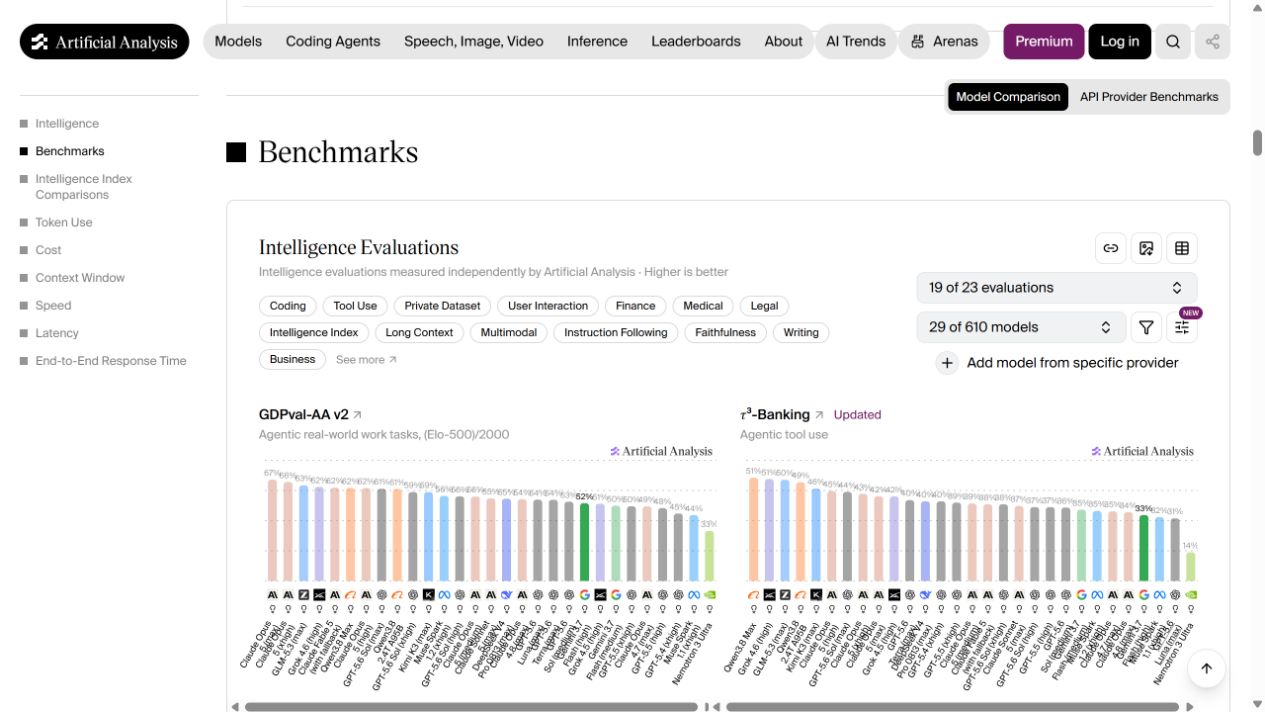
Las pruebas de referencia oficiales responden a una pregunta concreta: cómo se comportó el modelo en una evaluación publicada, según la configuración de dicha evaluación. Son un contexto útil, pero no sustituyen a la comparación de resultados con el mismo prompt que se realiza en esta reseña.
Pruebas de rendimiento en programación, agentes y razonamiento
La ficha técnica del modelo de Google y la documentación oficial son las fuentes que deben utilizarse para las afirmaciones de Google sobre sus propios resultados de rendimiento. La versión definitiva indicará la métrica, la fecha, la variante del modelo, el modelo de comparación y la configuración de la prueba para cada cifra. Un resultado de 3,7 en comparación con un modelo anterior no se presentará sin más como un resultado de 3,7 frente a 3,6.
Lo que no demuestran los resultados de las pruebas de rendimiento
- Una puntuación de codificación más alta no garantiza que el primer parche sea más limpio en todos los repositorios.
- Una puntuación en razonamiento no demuestra que se tenga un mejor dominio de la optimización SEO ni una mejor interpretación de las capturas de pantalla.
- Un índice de inteligencia elaborado por terceros no sustituye a las pruebas específicas de cada tarea que se recogen en esta revisión.
- La incertidumbre derivada de solapamientos o de diferencias en las condiciones de las pruebas no debería traducirse en una clasificación definitiva.
Cómo hemos probado la memoria flash Gemini 3,7
Se trataba de una prueba de API comparativa, no de una recopilación de demostraciones inconexas. Ambos modelos recibieron la misma pregunta, el mismo material de partida, una temperatura de 0, el mismo límite máximo de tokens de salida y el mismo tratamiento de presentación. La puntuación de T05 se obtuvo a partir de una repetición compartida de 5.000 tokens después de que ambos primeros intentos alcanzaran el límite inferior. T01 quedó incompleta para ambos modelos incluso tras la misma repetición.
| Campo registrado | Por qué es importante |
|---|---|
| ID del modelo e ID del modelo devuelto | Confirma que el modelo solicitado es el que ha respondido. |
| Segundos transcurridos | Mide el tiempo de respuesta de extremo a extremo en la misma ruta. |
| Tokens de entrada y salida | Respalda una estimación de costes comparable. |
| Cumplimiento de los requisitos de formato | Distingue entre una respuesta correcta y una respuesta que aún necesita una revisión estructural. |
| Calidad editorial | Comprueba la corrección, la exhaustividad, la especificidad, la presentación y la seguridad de las afirmaciones. |
Una solicitud procesada que no genere ningún resultado útil se considerará un problema de ejecución y no se contabilizará como una pérdida de calidad.
Gemini 3.7: Resultados de las pruebas en condiciones reales de Flash
Cada ficha muestra la descripción concreta de la tarea, un extracto fiel de cada respuesta guardada y una valoración basada en el trabajo finalizado. El tiempo transcurrido se refiere al proceso completo. El coste se calcula según la tarifa inicial de Google descrita anteriormente.
Examen 1 — Síntesis de investigaciones
Datos de la tarea: Redacta una recomendación de compra de 180 palabras utilizando únicamente los cuatro datos proporcionados, con una recomendación, tres razones, dos incógnitas y un plan de pruebas.
Gemini 3.7 Flash
33,427 s · 85 tokens de entrada / 4.996 tokens de salida · est. $0,01880
La segunda ejecución emparejada se detuvo al alcanzar el límite máximo de 5.000 tokens antes de generar una recomendación válida de 180 palabras.
Gemini 3,6 Flash
28,706 s · 85 tokens de entrada / 4.996 tokens de salida · est. $0,01880
Devolvió el mismo recuento de tokens de finalización y el mismo longitud motivo de finalización.
Lo que muestran los resultados
Ambos modelos alcanzaron primero los 2.400 tokens y luego repitieron el comportamiento al llegar a los 5.000. El texto parcial no se considera una prueba de calidad.
Prueba 2 — Corrección de un error de programación
Datos de la tarea: Arreglar top_paid(registros) devolver los tres registros pagados de mayor valor, mantener el orden de entrada en caso de empate, conservar la firma, gestionar las entradas vacías, explicar la causa y añadir dos pruebas.
Gemini 3.7 Flash
11,379 s · 90 tokens de entrada / 1.431 tokens de salida · est. $0,00543
paid.sort(key=lambda r: r["amount"], reverse=True); return paid[:3]Identificó la ordenación ascendente como la causa y probó el filtrado, la clasificación, los empates y los campos de entrada vacíos.
Gemini 3,6 Flash
13,984 s · 90 tokens de entrada / 2.273 tokens de salida · est. $0,00859
paid.sort(key=lambda r: r["amount"], reverse=True); return paid[:3]Realizó el mismo parche correcto y cumplió los mismos criterios de aceptación, aunque con una respuesta más larga.
Lo que muestran los resultados
Ambas soluciones utilizan correctamente la función «sort» estable de Python para los valores empatados. La solución de la versión 3.7 es más breve, pero el código final y la cobertura son equivalentes.
Prueba 3 — Plan de implementación de la interfaz de usuario textual
Datos de la tarea: Planifica soluciones para un proceso de pago de dos columnas en el que se han detectado los siguientes problemas: exceso de espacios en blanco, jerarquía poco clara, una etiqueta «Pagar ahora» demasiado pequeña, una nota de confianza poco visible, una advertencia sobre descuentos, los totales y el apilamiento en dispositivos móviles. No se ha facilitado ninguna captura de pantalla.
Gemini 3.7 Flash
15,009 s · 86 tokens de entrada / 1.591 tokens de salida · est. $0,00603
Propuso una cuadrícula de 58/42, un botón de llamada a la acción (CTA) de 48-56 píxeles, un distintivo de confianza cercano, una advertencia en color ámbar, apilamiento para dispositivos móviles, estados de enfoque y objetivos táctiles de 44 píxeles.
Gemini 3,6 Flash
15,254 s · 86 tokens de entrada / 1.767 tokens de salida · est. $0,00669
El resultado fue un diseño coherente con una proporción de 60/40, tamaños de letra explícitos, un botón de llamada a la acción (CTA) de 48-52 píxeles, contenido ordenado en la columna derecha, puntos de ruptura y comprobaciones de accesibilidad.
Lo que muestran los resultados
Ambas son válidas. La respuesta 3.7 dice “click affordability”, refiriéndose aparentemente a “affordance”, y califica una cuadrícula asimétrica de «simétrica». La versión 3.6 requiere menos correcciones.
Prueba 4 — Extracción sensible al estado
Datos de la tarea: Resume nueve datos sobre Orion en 120 palabras e incluye una tabla en la que se indiquen los estados «confirmado», «previsto», «pendiente», «desconocido» y «sin verificar».
Gemini 3.7 Flash
13,681 s · 117 tokens de entrada / 1.064 tokens de salida · est. $0,00408
Mantenía en el aire el resultado del modelo 18%, con gran cantidad de imágenes, pero calificaba el resultado de la prueba piloto del 82% como “exitoso” y clasificaba la segunda prueba piloto como “Confirmada / Planificada”.”
Gemini 3,6 Flash
9,270 s · 117 tokens de entrada / 1.454 tokens de salida · estimación: $0,00554
Describía el programa piloto de forma imparcial, indicando que gestionaba 82% de casos, y calificaba el segundo programa piloto como “Aprobado (pendiente de resolución jurídica)”.”
Lo que muestran los resultados
Ambos conservaron todos los hechos relevantes. Gemini 3.6 Flash mantuvo los estados «aprobado», «pendiente» y «desconocido» con mayor precisión, mientras que la versión 3.7 exageró ligeramente el primer piloto.
Prueba 5 — Razonamiento con datos
Datos de la tarea: A partir del gasto, los clics, las conversiones pagadas y los ingresos de cuatro canales, muestra los cálculos aritméticos, clasifica el ROAS y la tasa de conversión medibles, considera el gasto cero como no medible y recomienda una distribución condicional $300.
Gemini 3.7 Flash
16,540 s · 137 tokens de entrada / 1.981 tokens de salida · est. $0,00753
ROAS: Correo electrónico 7,00×, Búsqueda 3,00×, Redes sociales 2,60×; socios: no medible. Conversión: Correo electrónico 12,51 TP40T, Búsqueda y socios 101 TP40T, Redes sociales 51 TP40T. Ofrecía tres divisiones condicionales.
Gemini 3,6 Flash
18,096 s · 137 tokens de entrada / 2.403 tokens de salida · est. $0,00911
Generó las mismas clasificaciones y el mismo tratamiento de los casos extremos, y a continuación ofreció eficiencia, diversificación y asignaciones basadas en las pruebas de los socios.
Lo que muestran los resultados
Ambos cálculos son correctos y ambos hacen que la recomendación sea condicional. Cada uno de ellos añade un contexto especulativo en torno al gasto cero de Partner, por lo que esa frase debe confirmarse con fuentes o eliminarse.
Prueba 6 — Planificación agencial y uso de herramientas
Datos de la tarea: Elabora un plan de menos de 220 palabras utilizando únicamente cuatro herramientas concretas. Detente si la página no está disponible, no es oficial o resulta ambigua, y no afirmes que se han utilizado las herramientas.
Gemini 3.7 Flash
10,787 s · 100 tokens de entrada / 1.174 tokens de salida · est. $0,00448
Sus cuatro pasos se corresponden uno a uno con las herramientas proporcionadas, seguidos de los controles de dominio oficial, disponibilidad y claridad. Para completarlo se requiere exactamente un registro CSV validado.
Gemini 3,6 Flash
9,702 s · 100 tokens de entrada / 1.328 tokens de salida · estimación: $0,00506
El plan es viable, pero añade “o analizar el cuerpo del HTML”, una operación que no forma parte del conjunto de herramientas proporcionado.
Lo que muestran los resultados
Ambos respetan la regla de detención de fuentes oficiales y evitan simular que se han ejecutado herramientas. El plan 3.7 se ciñe más estrictamente a las funciones disponibles.
Prueba 7 — Redacción y edición optimizadas para SEO
Datos de la tarea: Devuelve un código HTML que contenga únicamente un párrafo y una lista breve; utiliza la palabra clave exacta una sola vez y mantén los cuatro datos fijos sin inventar ningún resultado, precio, fecha de lanzamiento ni afirmación sobre la disponibilidad.
Gemini 3.7 Flash
7,263 s · 125 tokens de entrada / 707 tokens de salida · estimación: $0,00275
<p>En esta próxima reseña del Gemini 3.7 Flash, analizamos el modelo de Google comparando los resultados oficiales de las pruebas de rendimiento con las pruebas de la API realizadas con el mismo prompt; los resultados prácticos aún están pendientes.</p>Siguió la estructura HTML, utilizó la palabra clave una vez y conservó las reclamaciones bloqueadas.
Gemini 3,6 Flash
7,542 s · 125 tokens de entrada / 833 tokens de salida · estimación: $0,00322
<p>Esta reseña preliminar del Gemini 3.7 Flash analiza el nuevo modelo de Google... aunque aún no se dispone de resultados detallados de las pruebas prácticas.</p>La estructura es correcta, pero “nuevo modelo” añade una afirmación que no se ajusta a los hechos establecidos.
Lo que muestran los resultados
La diferencia decisiva radica en la seguridad de las afirmaciones: la versión 3.7 se resistió a añadir el descriptor sin soporte, al tiempo que devolvía un código HTML compacto válido.
Gemini 3.7 Ficha de evaluación de la prueba «Flash» y conclusiones
La comparación da la ventaja al Gemini 3.7 Flash en cuanto a la calidad del resultado final, pero la diferencia se debe más a la disciplina en las instrucciones que a una brecha drástica en las capacidades. El Gemini 3.6 Flash siguió siendo competitivo en cuanto a código y aritmética, y generó el mejor plan de front-end.
Cuadro de resultados de la prueba comparativa
| Medida | Gemini 3.7 Flash | Gemini 3,6 Flash |
|---|---|---|
| Tareas completadas | 3 | 2 |
| Corbatas de calidad | 1 | 1 |
| Tareas sin resultado definitivo | 1 | 1 |
| Tareas completadas que se pueden utilizar | 6 de 7 | 6 de 7 |
| Tokens de salida de tareas completadas | 7,948 | 10,058 |
| Resultado más observado | Plan agencial acotado | Plan de interfaz textual |
Gemini 3.7 Limitaciones del Flash
La principal limitación observada fue común a ambos: ambos modelos agotaron dos veces el presupuesto total de salida con una sencilla solicitud de síntesis de investigación de 180 palabras. El modelo T01 resulta inutilizable con la configuración probada.
Gemini 3.7 Flash no fue mejor en todos los aspectos. Su plan inicial contenía un error de redacción y una discrepancia entre la descripción y el diseño interno, mientras que ambas respuestas de datos planteaban un contexto especulativo en torno a un canal sin gasto. El paquete utilizó únicamente entradas textuales, por lo que no permite evaluar la calidad de las imágenes, el audio, el vídeo ni la calidad real en contextos largos.
¿Merece la pena el Gemini 3.7 Flash?
Sí, merece la pena probar el Gemini 3.7 Flash cuando es importante que se cumplan las instrucciones al pie de la letra. Consiguió completar tres tareas y utilizó menos tokens de salida en los seis pares utilizables. El caso resulta menos convincente en lo que respecta a correcciones sencillas de código, operaciones aritméticas o diseño de la interfaz de usuario, ámbitos en los que el Gemini 3.6 Flash ganó la tarea de front-end o se mantuvo muy cerca.
Puedes ejecutar el mismo comando en GlobalGPT y compáralo con Gemini 3.6 Flash en el mismo espacio de trabajo. Utiliza tu tarea recurrente como prueba decisiva.
Gemini 3.7 Reseña rápida: veredicto final
Esta reseña del Gemini 3.7 Flash concluye con un resultado ajustado, pero defendible: El Gemini 3.7 Flash ganó tres tareas completadas, el Gemini 3.6 Flash ganó dos y hubo un empate. Una de las tareas de investigación no arrojó resultados concluyentes, ya que ambos modelos alcanzaron dos veces el límite máximo de resultados compartido.
Gemini 3.6 Flash no ha quedado obsoleto. Ofrecía el mejor diseño de interfaz textual y la tabla de estados más precisa, mientras que la versión 3.7 destacaba en codificación, razonamiento de datos y edición de SEO basada en datos fijos. En cuanto a la tarea de planificación agencial, hubo empate, por lo que la actualización es selectiva y no absoluta.
Gemini 3.7 Preguntas frecuentes sobre Flash
¿Cuándo se lanzó la versión Gemini 3.7 Flash?
Google incluye el Gemini 3.7 Flash en su lista de modelos estables; la documentación del modelo se actualizó por última vez el 13 de agosto de 2026.
¿La versión Gemini 3.7 Flash es estable o es una versión preliminar?
En la documentación del modelo de la API Gemini de Google figura como estable. Sin embargo, AI Studio, los productos de consumo de Gemini y las rutas de terceros pueden presentar una disponibilidad o unas cuotas diferentes.
¿Cuál es el ID de modelo de la API Flash Gemini 3.7?
La comparación solicitada utiliza `gemini-3.7-flash`, pero el ID del modelo devuelto debe registrarse a partir de la respuesta de la API antes de que el artículo final lo indique como verificado.
¿Cuánto cuesta el Gemini 3.7 Flash?
La tarifa del plan de pago de Google es de $0,75 por cada millón de tokens de entrada y de $3,75 por cada millón de tokens de salida hasta el 31 de diciembre de 2026; a partir del 1 de enero de 2027, la tarifa establecida pasará a ser de $1,50/$7,50.
¿El Gemini 3.7 Flash es gratuito?
El hecho de que la API esté disponible para los consumidores o terceros no implica un acceso gratuito e ilimitado a la misma. Consulta la ruta, la cuota, los límites de frecuencia y las condiciones de facturación correspondientes al método de acceso que tengas previsto utilizar.
¿Qué es la ventana de contexto «Gemini 3.7 Flash»?
El resumen de Artificial Analysis que se muestra incluye una lista de contextos de 1 millón de tokens. Consulta en la documentación de Google el límite oficial exacto de contexto, así como cualquier restricción en cuanto a precios o funciones para contextos largos.
¿El Gemini 3.7 Flash es compatible con imágenes, audio, vídeo y archivos PDF?
Comprueba los tipos de entrada compatibles con el ID exacto del modelo de la API. En la revisión, cada modalidad compatible se considerará una capacidad documentada, no una prueba de que todos los tipos de entrada tengan la misma calidad.
¿Qué son los niveles de pensamiento «Gemini 3.7 Flash»?
Gemini 3.7 Flash cuenta con controles de configuración personalizables. Los niveles exactos, los valores por defecto, el comportamiento de los tokens y las implicaciones en la facturación deben consultarse en la documentación oficial de la API.
¿Es la versión Gemini 3.7 Flash mejor que la Gemini 3.6 Flash?
En esta prueba comparativa de API, Gemini 3.7 Flash ganó tres tareas completadas, Gemini 3.6 Flash ganó dos, hubo un empate y un resultado no concluyente. Esto respalda una ligera ventaja de 3.7, pero no una victoria rotunda.
¿Es mejor el Gemini 3.7 Flash que el Gemini 3.1 Pro?
Este borrador no afirma eso. Gemini 3.1 Pro es una referencia de comparación diferente, por lo que requiere su propio conjunto de indicaciones y pruebas correspondientes, en lugar de una inferencia basada en la comparación Gemini 3.6 Flash.
¿Es adecuado el Gemini 3.7 Flash para la programación?
Sí, en la tarea concreta de corrección de errores que se ha probado aquí. Ambos modelos aplicaron el parche mínimo correcto, pero Gemini 3.7 Flash obtuvo una ligera ventaja por ofrecer una cobertura de prueba más limpia, con menos tokens de finalización.
¿Puede Gemini 3.7 Flash utilizar herramientas y ejecutar flujos de trabajo de agentes?
Consulta la documentación oficial sobre herramientas y llamadas a funciones para conocer la ruta exacta. La prueba de comportamiento agente de este análisis evalúa la planificación y la percepción de los límites; no pretende afirmar que un plan por sí solo garantice el éxito en la ejecución de la herramienta.
¿Dónde puedo acceder a la versión Gemini 3.7 Flash?
Utiliza los puntos de acceso oficiales de Google cuando estén disponibles, o prueba el Página del modelo GlobalGPT cuando el modelo esté habilitado para tu cuenta y tu región.
¿Coinciden las pruebas de rendimiento oficiales con los resultados en el mundo real?
No de forma automática. Las pruebas de rendimiento oficiales y las evaluaciones realizadas por terceros aportan un contexto útil, mientras que las pruebas con la misma indicación muestran cómo gestiona un modelo la tarea concreta que se está evaluando. En esta reseña se mantienen separados estos tipos de pruebas.