
Обновлено 28 июля 2026 года. Nano Banana — это более быстрая модель обработки изображений от Google, предназначенная для повседневного создания и редактирования изображений. Nano Banana Pro — это вариант с расширенными возможностями управления, предназначенный для сложных макетов, точного размещения текста на изображении, композиций с несколькими эталонами и вывода в формате 2K или 4K. Nano Banana 2 теперь представлен как отдельный вариант в рамках GlobalGPT, поэтому правильный выбор зависит от конкретной задачи, а не от того, какое название звучит более современно.
Практическое решение прост: используйте Nano Banana, когда на первом месте стоят скорость и простота редактирования; выбирайте Nano Banana Pro, если исправление ошибки в метке, несоответствие символов или экспорт с низким разрешением займет больше времени, чем сэкономит обновление.
Если вы хотите использовать эти модели изображений в одной рабочей среде, GlobalGPT предоставляет специальный доступ к Нано-банан, Нано Банана Про, и Нано-банан 2.

Краткий ответ
- Выберите Nano Banana для быстрой разработки идей, простых правок и повседневных снимков, когда скорость имеет первостепенное значение.
- Выберите Nano Banana Pro для плакатов, диаграмм, фирменных элементов, читаемого текста, множества ссылок и вывода в разрешении 2K или 4K.
- Рассматривайте Nano Banana 2 отдельно: В GlobalGPT она указана как отдельная модель, а не как другое название модели Pro.
Nano Banana и Nano Banana Pro: краткое сравнение
Компания Google представила первую версию Nano Banana под названием «Gemini 2.5 Flash Image» и охарактеризовала её как модель для быстрого и увлекательного редактирования изображений. Nano Banana Pro — это «Gemini 3 Pro Image», созданная для более сложных композиций и получения результатов более высокого качества.
| Точка принятия решения | Нано-банан | Нано Банана Про |
|---|---|---|
| Название модели Google | Образ флеш-памяти Gemini 2.5 | Gemini 3 Pro Изображение |
| Лучшая посадка | Быстрое создание версий, неформальное редактирование, быстрое разработка концепций | Плакаты, диаграммы, фирменные элементы, сложные композиции |
| Текст на изображениях | Лучше подходит для работы с небольшими объёмами текста | Предназначено для более точного и разборчивого отображения многоязычного текста |
| Входные данные для справки | Более простое редактирование и генерация | До 14 изображений; сходство для не более пяти человек |
| Разрешение | Зависит от записи о товаре | Поддержка вывода в форматах 2K и 4K, подтвержденная компанией Google |
| Основной компромисс | Меньший контроль при работе со сложными макетами | Больше возможностей — и, возможно, более высокая стоимость — чем требуется для простых задач |
Карта задокументированных возможностей
Что меняется, когда задание переходит с модели «Fast» на «Pro»?
Нано-банан
Быстрое редактирование
Ежедневная разработка и незначительные изменения
Краткое задание низкой сложности
Быстрая разработка концепций с меньшим количеством производственных ограничений
Нано Банана Про
Текст и композиция
Четкий многоязычный текст и более точный контроль над творческим процессом
Работа с несколькими источниками
До 14 фотографий и до пяти человек
Объем производства
Доступны разрешения 2K и 4K
Источники: Google, “Обновленная функция редактирования изображений в Gemini” и Google, “Представляем Nano Banana Pro”; проверено 28 июля 2026 года.
На диаграмме показана реальная логика перехода на более дорогую версию: версия Pro не всегда является лучшим выбором для каждого изображения. Она оправдывает себя в тех случаях, когда в техническом задании предусмотрены текст, ссылки, необходимость соблюдения фирменного стиля или требования к производственному разрешению.
Nano Banana, Nano Banana Pro и Nano Banana 2 — это не одна и та же этикетка
Первоначальное сравнение по-прежнему актуально, поскольку Google представляет модели Nano Banana и Nano Banana Pro как отдельные варианты: базовую версию — для быстрого редактирования, а версию Pro — для сложных композиций, требующих максимального качества. В списке GlobalGPT теперь также указана модель Nano Banana 2 как отдельная модель для съемки.
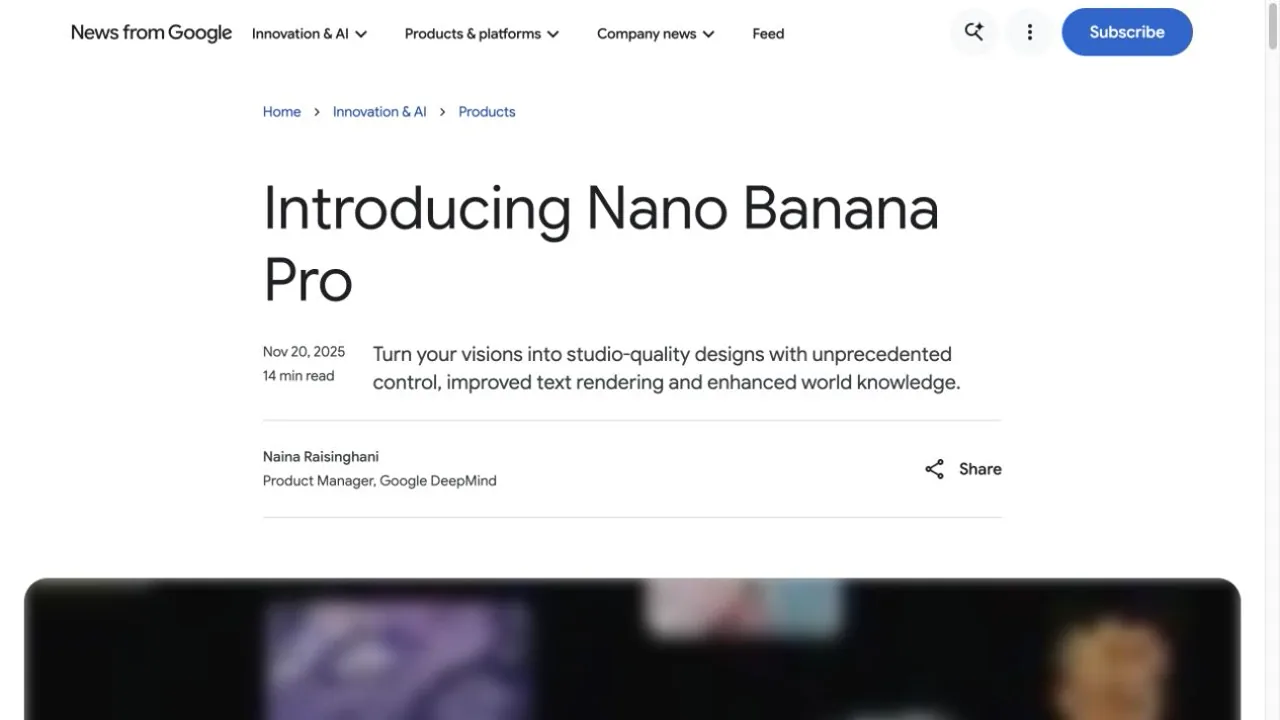
Прежде чем полагаться на информацию о функциях или ценах, проверьте название модели, указанное в инструменте. Страница, на которой указано только “Nano Banana”, может относиться к исходной модели, в то время как на другой странице может быть представлена более новая версия. Точный идентификатор модели является достоверным источником информации для сеанса, который вы собираетесь запустить.
Качество изображения и разрешение: когда версия Pro даёт заметный результат
Разрешение имеет значение, если изображение планируется обрезать, распечатать, использовать в презентации или передать дизайнеру. Google указывает, что камера Nano Banana Pro позволяет получать изображения с разрешением 2K и 4K, а также с различными соотношениями сторон. Это делает модель Pro более надежным выбором для создания материалов рекламных кампаний и макетов, где необходимо оставить запас для последующего редактирования.
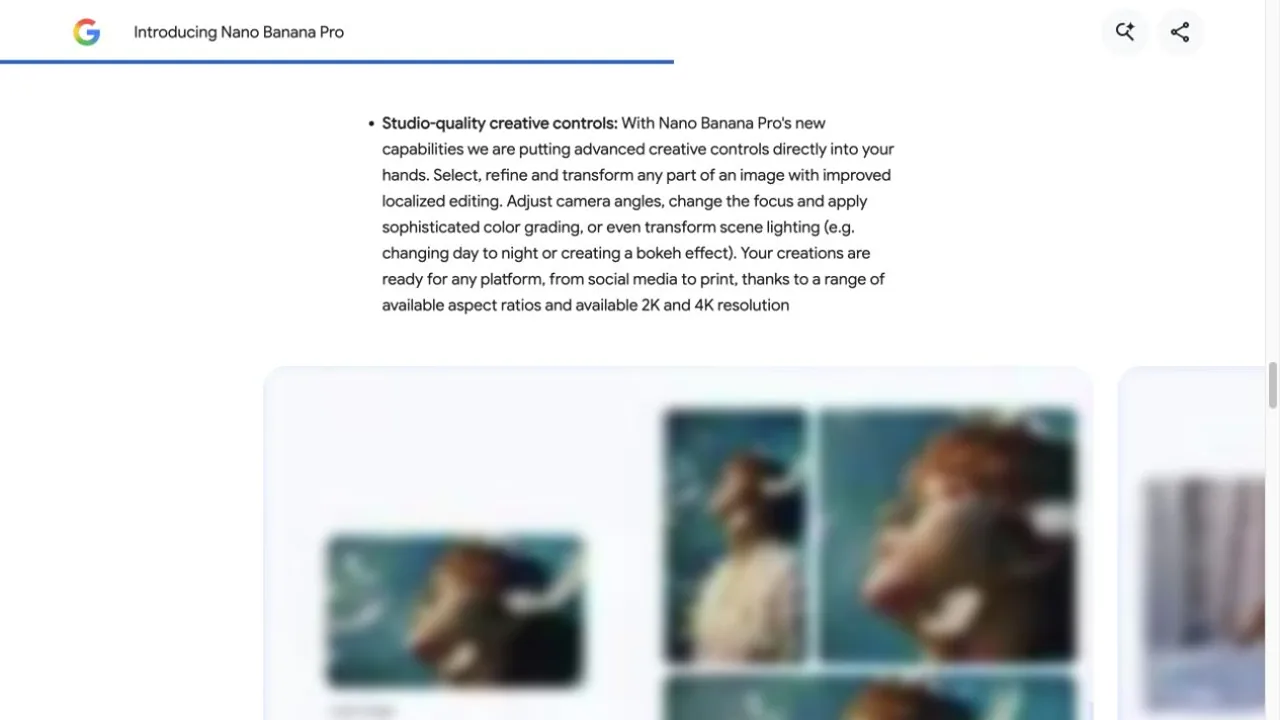
Большее количество пикселей не всегда означает лучший результат. Для быстрого поста в соцсетях, мудборда или чернового концепта продукта может хватить и более быстрой модели. Выбирайте версию Pro, если в конечный результат должны войти мелкие детали, разборчивые надписи или качественный финальный экспорт — а не просто потому, что «4K» звучит лучше.
Отображение текста: версия Pro лучше подходит для плакатов и диаграмм
Google позиционирует шрифт Nano Banana Pro как свою наиболее эффективную модель для правильного отображения и четкого прочтения текста на изображениях, в том числе многоязычного текста. Это важно для плакатов, меню, макетов упаковки, презентационной графики и учебных диаграмм.
Даже при использовании более совершенной модели перед публикацией следует вычитывать сгенерированный текст. Даже на внешне безупречной этикетке могут содержаться незаметные ошибки в правописании, цифрах или переводе. Если формулировка имеет юридическое, медицинское, связанное с безопасностью или ценовое значение, рассматривайте изображение как черновик и проверяйте текст самостоятельно.
Эталонные изображения и согласованность: Pro справляется с более сложными композициями
По данным Google, Nano Banana Pro способен комбинировать до 14 исходных изображений и сохранять сходство с изображениями до пяти человек. Это открывает возможности для рабочих процессов, с которыми у простых генераторов возникают сложности: объединение изображений продуктов, сохранение узнаваемости персонажа рекламной кампании или преобразование эскиза в готовую сцену без потери основной концепции дизайна.
Максимальный объем производства Nano Banana Pro
Обзор рабочего процесса, основанный на фактах, с учетом задокументированных ограничений Google
Источник: Google, “Представляем Nano Banana Pro”; проверено 28 июля 2026 года.
В условиях реального проекта это означает, что Pro может обрабатывать несколько видов данных в рамках одной композиции и при этом выдавать файл производственного качества. Указанные ограничения являются максимальными значениями, а не гарантией того, что каждый сложный запрос будет выполняться безупречно.
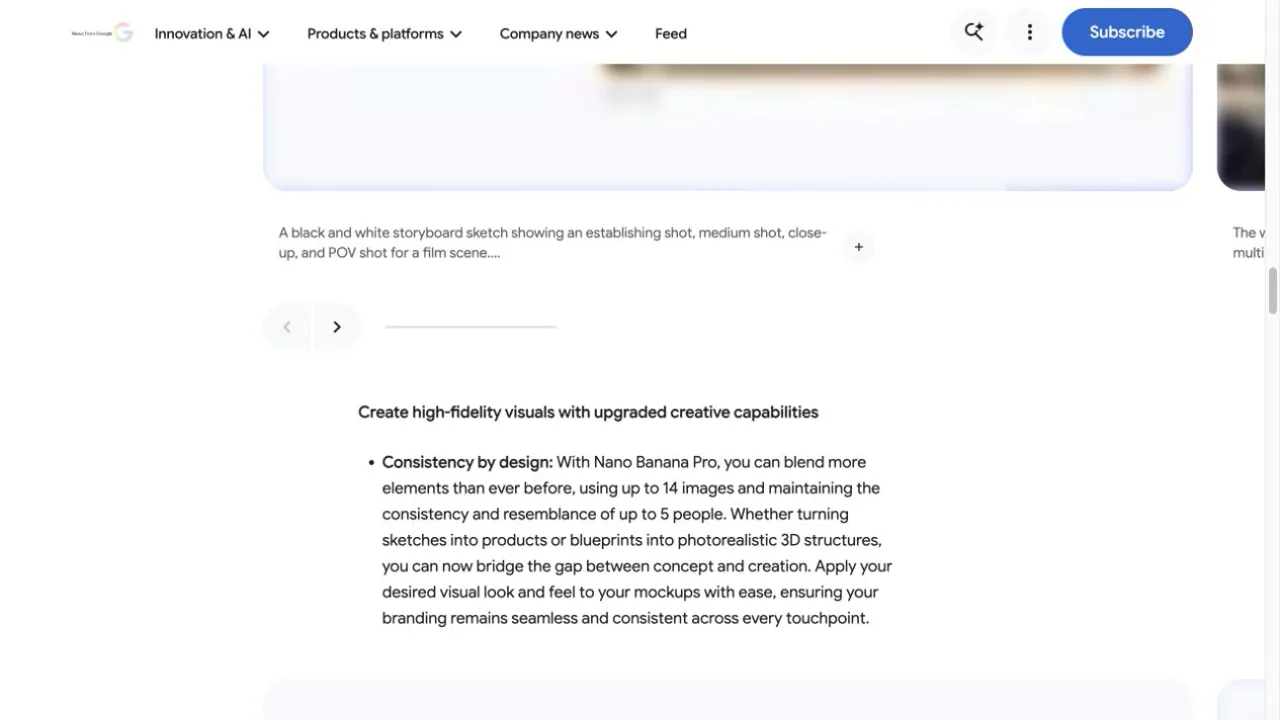
Четкие ориентиры по-прежнему играют важную роль. Укажите модели, какое изображение определяет персонажа, продукт, обстановку, цветовую гамму или композицию, и избегайте противоречивых визуальных указаний. Более подробное описание рабочего процесса см. в Сколько изображений может одновременно обрабатывать Nano Banana Pro?.
Творческий подход и реалистичные визуальные эффекты
Версия Pro предоставляет более точные инструменты редактирования для управления углом съемки, фокусировкой, локальными изменениями, цветокоррекцией и освещением сцены. Эти инструменты полезны в тех случаях, когда конечный результат должен соответствовать заданным требованиям, а не просто выглядеть привлекательно.
Google также отмечает, что Nano Banana Pro может использовать механизмы логического вывода Gemini и подключаться к базе знаний Google Search для создания графиков с богатым контекстом и информации, зависящей от времени. Это может помочь при создании инфографики, рецептов, визуализаций погоды или поясняющих материалов, но не избавляет от необходимости проверки фактов. Даже отлаженная инфографика может содержать ошибки; перед публикацией проверяйте все даты, количества, обозначения и источники.
Доступ, цены и водяные знаки
В число решений Google входят приложение Gemini, Google AI Studio, API Gemini, Vertex AI и отдельные продукты Workspace. Квоты и цены могут варьироваться в зависимости от тарифного плана, региона и продукта, поэтому таблица с фиксированными суточными лимитами быстро теряет актуальность.
GlobalGPT предлагает специальные страницы моделей для всех трёх брендов, участвующих в этом сравнении. Перед созданием изображения рекомендуется проверить актуальную страницу модели и экран с ценами, поскольку количество кредитов и доступное разрешение могут изменяться независимо от тарифных планов Google для частных пользователей.

Все медиафайлы, созданные с помощью инструментов Google, содержат незаметный водяной знак SynthID. В документации Google, посвященной запуску сервиса, указано, что изображения, созданные с помощью бесплатной версии и Google AI Pro, также содержат видимый блестящий водяной знак Gemini, тогда как в Google AI Ultra и Google AI Studio этот видимый знак удаляется. Таким образом, “отсутствие видимого водяного знака” не означает “отсутствие SynthID”. Читайте полную версию Объяснение водяного знака Nano Banana Pro перед использованием изображений в рабочем процессе клиента.
Что выбрать?
Выбирайте Nano Banana в следующих случаях:
- Вам нужны быстрые идеи, неформальные монтажи или простая графика для социальных сетей.
- На изображении практически нет важного текста или его совсем нет.
- Вам не понадобится много ссылок или строгого соблюдения идентичности.
- Экспорт материала в формате 4K не входит в объем работ.
Выбирайте Nano Banana Pro в следующих случаях:
- Вы создаете плакаты, диаграммы, упаковку, рекламные объявления или графические материалы для презентаций.
- Ключевую роль в дизайне играет читаемый или многоязычный текст.
- Вам понадобятся несколько отсылок, повторяющиеся персонажи или единообразие бренда.
- Вам нужен выход с разрешением 2K или 4K и более широкие возможности управления освещением, углом съемки или фокусировкой.
Выбирайте вариант Nano Banana 2 в следующих случаях:
- В вашем текущем инструменте она указана как отдельная модель, и её рабочий процесс подходит для вашей задачи.
- Вы хотите сравнить новую версию образа GlobalGPT непосредственно с версией Pro.
- Прежде чем приступить к реализации крупного проекта, вы можете протестировать его на небольшом образце.
Итог: Nano Banana — это практичный и быстрый вариант; Nano Banana Pro — более надежный вариант для серийного производства. Модель Nano Banana 2 следует рассматривать как отдельную позицию в текущем ассортименте, а не молчаливо считать просто другим названием одной из этих моделей.
Если вы по-прежнему сравниваете ситуацию на рынке в целом, то Лучшее руководство по генераторам изображений на базе ИИ позволяет использовать эти параметры наряду с другими моделями обработки изображений и рабочими процессами.
Часто задаваемые вопросы
Nano Banana Pro — это то же самое, что и Nano Banana 2?
В списке № GlobalGPT модели Nano Banana Pro и Nano Banana 2 указаны как отдельные позиции. Перед генерацией проверьте название выбранной модели, а не предполагайте, что эти обозначения взаимозаменяемы.
Является ли Nano Banana Pro лучшей версией, чем Nano Banana?
Он лучше подходит для сложных макетов, текста внутри изображений, композиций со множеством ссылок, обеспечения единообразия и вывода с высоким разрешением. Оригинальная версия Nano Banana по-прежнему может оставаться лучшим выбором для быстрой проработки идей и несложных правок.
Может ли Nano Banana Pro генерировать изображения в формате 4K?
Да. В документации Google указано, что для Nano Banana Pro доступны разрешения 2K и 4K. Конкретные параметры могут зависеть от модели устройства, тарифного плана и используемого интерфейса.
Сколько эталонных изображений может использовать Nano Banana Pro?
По данным Google, Nano Banana Pro может объединить до 14 изображений и сохранить сходство с изображениями до пяти человек. Результаты по-прежнему зависят от качества и четкости исходных изображений и формулировки запроса.
Удаляет ли Nano Banana Pro водяные знаки?
По заявлению Google, все сгенерированные медиафайлы содержат незаметный водяной знак SynthID. Видимый блеск «Gemini» удаляется из результатов, полученных с помощью Google AI Ultra и Google AI Studio, но SynthID остается.
Где можно опробовать Nano Banana Pro?
Вы можете воспользоваться поддерживаемыми Google продуктами или открыть специальный генератор изображений Nano Banana Pro на сайте GlobalGPT. Актуальные варианты кредитов и разрешений смотрите на странице в режиме реального времени.
Источники
- Google: Представляем Nano Banana Pro
- Google: Обновленная функция редактирования изображений в версии Gemini
- Google DeepMind: SynthID
- Как пользоваться Nano Banana Pro
- Руководство по ценам и доступу к Nano Banana Pro
28 июля 2026 года возможности модели и пути доступа были сверены с данными из источников Google и GlobalGPT. Названия продуктов, квоты, цены и доступность могут измениться.