Не существует единого идеального решения для всех задач. ChatGPT — это самый универсальный автономный помощник, Claude особенно хорошо справляется с длинными документами и кропотливой работой по кодированию, а Gemini наиболее целесообразно использовать в тех случаях, когда продукты Google или мультимодальные файлы уже являются частью рабочего процесса.
Практический выбор зависит от того, с чего начинается работа и что должно произойти после получения ответа. ChatGPT объединяет исследования, файлы, голосовые записи, изображения и инструменты для кодирования; Claude хорошо подходит для анализа больших объемов исходного кода и обширных кодовых баз; Gemini органично интегрируется с Gmail, Docs, Drive, Sheets, Search и NotebookLM.
Если в вашей работе регулярно используются несколько семейств моделей, GlobalGPT объединяет поддерживаемые модели GPT, Claude и Gemini в единое универсальное рабочее пространство. Одна учетная запись позволяет хранить все эти рабочие процессы в одном месте, поэтому вам не понадобятся отдельные подписки или постоянные переходы по URL-адресам разных поставщиков при каждом изменении задачи.

Содержание
- ChatGPT, Claude и Gemini: краткое сравнение
- Текущее состояние модели
- Результаты тестирования
- Реальные задания: программирование, письменные работы и исследовательская деятельность
- Цены и пути покупки
- Сравнение моделей ChatGPT, Claude и Gemini для разных пользователей
- Окончательный вердикт
- ЧАСТО ЗАДАВАЕМЫЕ ВОПРОСЫ
ChatGPT, Claude и Gemini: краткое сравнение
ChatGPT — это самый универсальный автономный помощник, Claude ориентирован на тщательную работу с документами и программированием, а Gemini наиболее тесно интегрирован с продуктами Google. Основное различие заключается не в том, могут ли они ответить на один и тот же запрос, а в том, какой объём полезной работы каждый из продуктов способен выполнить, прежде чем вам придётся переносить результат в другое место.
| Категория | ChatGPT | Клод | Близнецы |
|---|---|---|---|
| Наилучший вариант использования по умолчанию | Общие рабочие процессы, связанные с написанием текстов, программированием, работой с файлами, анализом, исследованиями, обработкой голоса и изображений, объединены в одном автономном продукте. | Объемные документы, синтез на основе исходных данных, тщательная редакция, артефакты и работа с репозиториями с использованием кода Claude. | Задачи, которые начинаются или заканчиваются в Gmail, Docs, Drive, Sheets, Search, Android, NotebookLM или Google Cloud. |
| Написание и обобщение | Гибкий формат вывода и привычный вариант для отчетов, черновиков, аналитики и работы с файлами различного типа. | Особенно хорошо подходит для того, чтобы облегчить анализ противоречий, зависимостей и связей между источниками. | Четкий и структурированный, с явным преимуществом в тех случаях, когда исходный материал уже хранится в продуктах Google. |
| Кодирование | Мощные средства для универсального программирования, отладки, объяснения и генерации кода на многих языках; особенно полезны в случаях, когда программирование сочетается с анализом, работой с файлами или другими задачами. | Превосходно разбирается в обширных кодовых базах, отслеживает зависимости, объясняет сложную логику и разрабатывает тщательно продуманные исправления с подробным обоснованием. | Обладает сильными сторонами в генерации кода, проведении сложных логических выводов и выполнении задач по написанию кода с учетом обширного контекста, при этом особо выделяется в работе с мультимодальными входными данными и технологическими стеками Google. |
| Исследования и поиск | Впечатляющий всесторонний обзор научных исследований, в котором веб-источники, загруженные файлы и подключенные приложения объединены в структурированные отчеты с указанием источников. | Особенно хорошо справляется с чтением обширных наборов источников, сравнением утверждений, сохранением нюансов и преобразованием результатов исследования в четкий, основанный на источниках анализ. | Особенно эффективен в тех случаях, когда необходимо объединить актуальную информацию из Интернета, результаты поиска Google, а также материалы из Gmail, Диска, Документов или NotebookLM. |
| Мультимодальный рабочий процесс | Текст, файлы, изображения, голосовые функции и инструменты генерации в линейке продуктов ChatGPT. | Мультимодальное понимание с интерфейсом, ориентированным на диалог, документы и артефакты. | Возможности работы с текстом, изображениями, аудио и видео в продуктах Gemini и медиа-продуктах Google. |
| Родная экосистема | ChatGPT, проекты, коннекторы, Codex и инструменты для творчества OpenAI. | Приложения Claude, проекты, артефакты, интеграции и код Claude. | Gmail, Docs, Drive, Sheets, Meet, Поиск, Android, NotebookLM, AI Studio и Vertex AI. |
Каковы новейшие модели ChatGPT, Claude и Gemini?
Сравниваемые в данной статье типовые маршруты: GPT-5.6 Sol (маршрут GlobalGPT GPT, использованный в данном тесте), Claude Opus 5 для Claude, и Gemini 3.1 Pro Preview для Gemini.
| Продукт | Новейшая модель в этом сравнении | Текущее состояние | Для каких задач он предназначен |
|---|---|---|---|
| ChatGPT | GPT-5.6 Sol | Текущий маршрут GPT, используемый для данного сравнения | Общее логическое мышление, программирование, исследовательская работа, работа с файлами и использование различных инструментов. |
| Клод | Claude Opus 5 | Введено 24 июля 2026 года | Программирование, профессиональная интеллектуальная деятельность, поиск информации, работа с компьютером и многоэтапные задачи агентов. |
| Близнецы | Gemini 3.1 Pro Preview | Предварительный просмотр; представлено 19 февраля 2026 года | Сложные аналитические задачи и мультимодальная работа, связанные с экосистемой продуктов Google. |
Модельные поколения сменяют друг друга очень быстро, поэтому название последней модели — это лишь отправная точка. Более широкий Сравнение лучших моделей искусственного интеллекта показывает, какое место занимают другие современные модели в тех случаях, когда скорость, стоимость или специфический рабочий процесс имеют большее значение, чем качество флагманских моделей.
Gemini также имеет более быстрые варианты, ориентированные на рабочий процесс. Модель Краткий обзор Gemini 3.5 Flash — это лучший следующий шаг, когда отзывчивость и выполнение повторяющихся задач, связанных с Google, важнее, чем самые сложные вычислительные задачи, с которыми справляется модель Pro.
Выбор по-прежнему может зависеть от конкретной задачи: сравнивайте готовые результаты, встроенные инструменты и ограничения проекта, а не считайте одно название модели бессменным лидером. Для получения более широкого представления на уровне продукта ознакомьтесь с текущей версией Сравнение и рейтинг AI-помощников.
Результаты тестов: что они на самом деле означают?
Тесты производительности не должны заменять практические испытания, но они показывают, с какими видами сложных задач каждая модель справляется лучше всего. Наиболее полезные данные на данный момент представлены в официальной таблице Anthropic «Claude Opus 5», в которой в рамках того же сравнения фигурирует и GPT-5.6 Sol, а также в официальных результатах Google по Gemini 3.1 Pro.
Общая картина результатов тестирования
Модель Claude Opus 5 демонстрирует более высокие всесторонние результаты в тестовых сценариях, использованных для данного сравнения. Она лидирует по большему числу опубликованных оценок модели Anthropic в таких областях, как профессиональная интеллектуальная работа, поиск информации в Интернете, использование компьютера, автоматизация и многоэтапные задачи с участием агентов. GPT-5.6 Sol обладает более узким, но важным преимуществом: он лидирует в категории «программная инженерия». Gemini 3.1 Pro отдельно документируется компанией Google и демонстрирует наилучшие результаты в области незнакомого визуального и логического мышления.
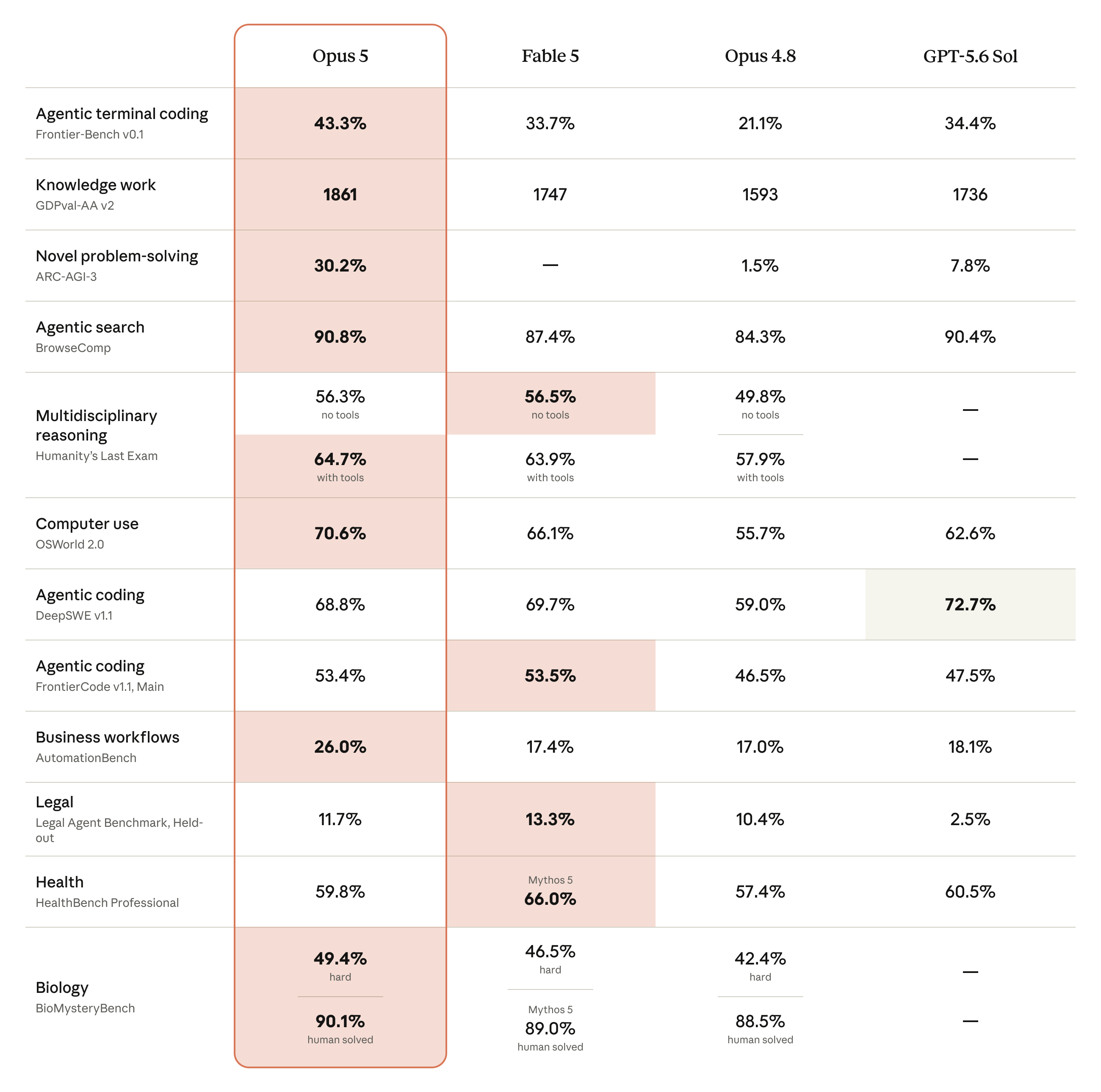
Модель Claude Opus 5 демонстрирует наибольшее преимущество по сравнению с эталонным показателем
Claude Opus показал результат 43,3% в тесте Frontier-Bench для выполнения задач, требующих агентного подхода, 1 861 — в тесте GDPval-AA для работы с профессиональными знаниями, 90,8% — в тесте BrowseComp для сложного поиска в Интернете, 70,61 TP40T в тесте OSWorld для работы с компьютером и 26,01 TP40T в тесте AutomationBench. Он также лидирует в строке таблицы, посвящённой рассуждениям ARC-AGI-3, с результатом 30,21 TP40T.
Для покупателей это не шесть вариантов одного и того же теста на интеллект. В совокупности они представляют собой модель поиска информации, работы с профессиональными материалами, использования программного обеспечения и выполнения взаимосвязанных действий. Таким образом, преимущество Claude наиболее очевидно в тех случаях, когда одно задание сочетает в себе несколько из этих требований.
GPT-5.6 Sol возглавляет рейтинг по результатам в области разработки программного обеспечения
GPT-5.6 Sol набрал 72,7% в тесте DeepSWE v1.1, что является лучшим результатом в строке «Программная инженерия» таблицы. Кроме того, он набрал 90,41 TP40T в тесте BrowseComp, уступив всего 0,4 балла Claude Opus 5 в этом научно-исследовательском тесте.
Для покупателей это делает GPT не просто одним из вариантов с более широким набором инструментов. Его наиболее очевидное преимущество по результатам тестирования проявляется в оценке, наиболее близкой к выполнению реальных задач в области разработки программного обеспечения, в то время как его результаты в области веб-поиска остаются конкурентоспособными. Если программирование является основной причиной покупки, этой строке следует уделить больше внимания, чем большему количеству побед Claude в других категориях.
Закрытие Сравнение моделей Claude Opus 5 и GPT-5.6 разделяет эти две модели, не затрагивая вопрос об экосистеме Gemini.
Gemini 3.1 Pro — это не только модель для Google Workspace
Google сообщает о подтвержденном результате 77,11 TP40T для модели Gemini 3.1 Pro на тестовом наборе ARC-AGI-2, что более чем в два раза превышает результат, о котором Google сообщал для модели Gemini 3 Pro. Оценка сосредоточена на незнакомых задачах, которые невозможно решить простым воспроизведением известных шаблонов ответов.
Таким образом, Gemini 3.1 Pro представляет собой полноценную модель для логического мышления, а не просто дополнение к экосистеме. Для покупателей важно то, что выбор Gemini для Gmail, Docs, Drive или NotebookLM не означает отказа от флагманской модели логического вывода — хотя отдельный результат Google нельзя рассматривать как прямой сравнение с таблицей Anthropic.
Что раздел «Тесты производительности» означает для вашего выбора
Если ваша работа сочетает в себе исследовательскую деятельность, работу с компьютером, профессиональный анализ и выполнение многоэтапных задач, то Claude демонстрирует наилучшие результаты в тестовых сценариях. Если приоритетом является разработка программного обеспечения, то GPT показывает наиболее значимые преимущества по количеству правильных ответов и не уступает Claude при выполнении сложных задач по поиску информации в Интернете. Если ваша работа сосредоточена на использовании Google, но при этом требует сложного логического мышления, не стоит сбрасывать со счетов Gemini, считая его лишь интеграционным слоем. Воспользуйтесь этими результатами для составления короткого списка, а затем проведите практические тесты, приведенные ниже, чтобы сравнить готовые решения.
Реальные тесты: программирование, письменные работы и исследовательская деятельность
Чтобы выйти за рамки перечисления функций и заявлений о результатах тестирования, задания GPT-5.6 Sol, Claude Opus 5 и Gemini 3.1 Pro Preview содержали одинаковые вопросы по программированию, написанию развернутых текстов и поиску доказательств. Приведенное ниже сравнение непосредственно демонстрирует полученные результаты, а затем объясняет различия, которые могли бы повлиять на выполнение реального задания.
Результаты не были преобразованы в баллы, и общий победитель не определялся. Код проверялся путем запуска представленных функций. Тексты сравнивались с учетом одинаковых требований к длине, структуре и обоснованности. Исследовательские работы проверялись на соответствие одному и тому же набору из девяти источников, включая противоречивые данные о продажах, контрактах, надежности, инцидентах, ценообразовании и результатах аудита.
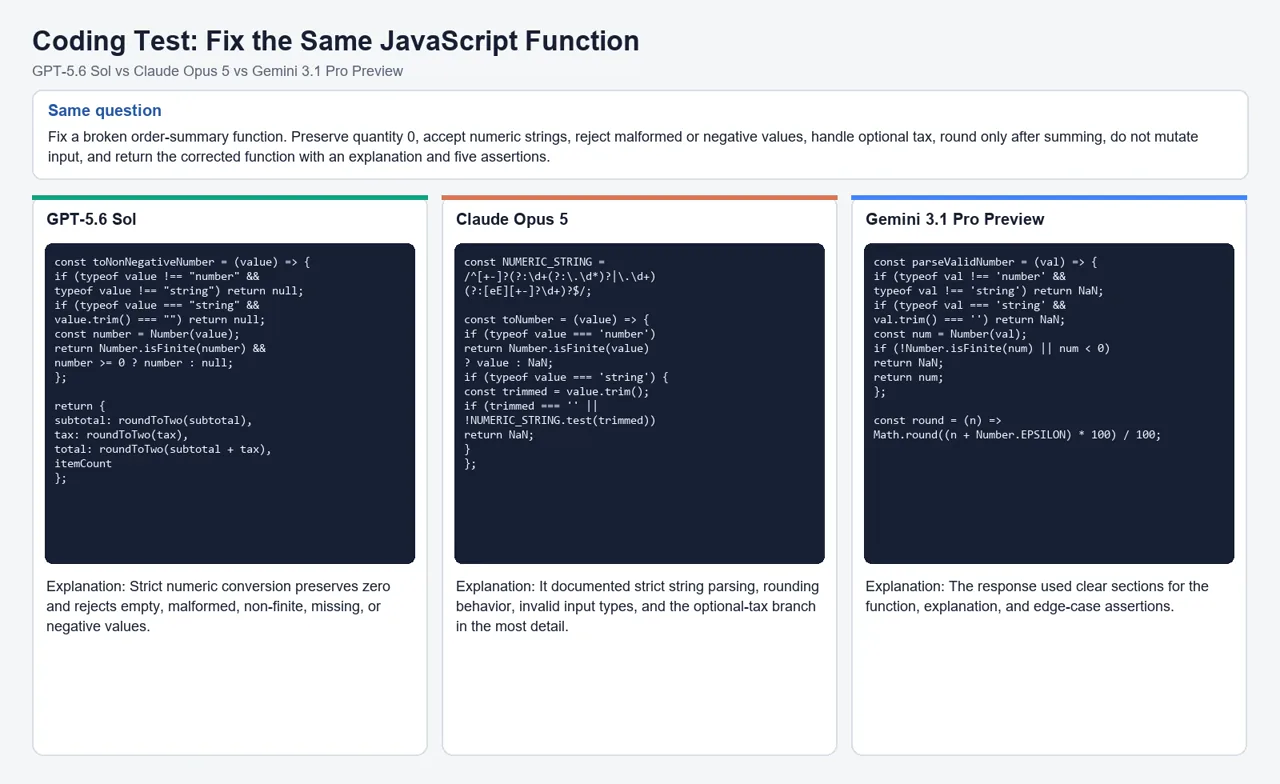
Тест по программированию: какому ответу проще всего доверять и использовать повторно?
Вопрос: Исправьте ту же функцию order-summary на JavaScript и убедитесь, что она корректно работает в пограничных случаях.
function summarizeOrders(orders, taxRate) {
  // Сохраняем нулевые количества и принимаем допустимые числовые строки.
  // Отклоняем некорректные, отрицательные и бесконечные значения.
  // Обрабатываем необязательный налог, суммируем перед округлением и не изменяем входные данные.
  // Возвращаем исправленное значение с как минимум пятью проверками на крайние случаи.
}
| Модель | Объективный результат | Что привлекло внимание | Наилучший результат по итогам данного теста |
|---|---|---|---|
| GPT-5.6 Sol | Прошел все 8 проверок | Самое компактное и полноценное решение; хелпер проверки легко поддался повторному использованию. | Быстрая отладка с помощью копирования и применения. |
| Claude Opus 5 | Прошел все 8 проверок | Наиболее подробное рассмотрение вопросов проверки строк, недопустимых типов и округления. | Исправления, которые должны выдержать тщательную проверку. |
| Gemini 3.1 Pro Preview | Прошел все 8 проверок | Наиболее четкое разделение функций, пояснений и тестов. | Сканирование или копирование ответа по частям. |
Выберите по рабочему процессу: GPT — для самого быстрого решения, которое можно использовать повторно; Claude — для наиболее полного отслеживания изменений; Gemini — для наиболее четкой структуры разделов.
Для задач, выходящих за рамки одной функции, Сравнение кодов Codex и Claude рассматривает инструменты на уровне репозитория, которые позволяют анализировать файлы, запускать команды и выполнять итерацию по кодовой базе.
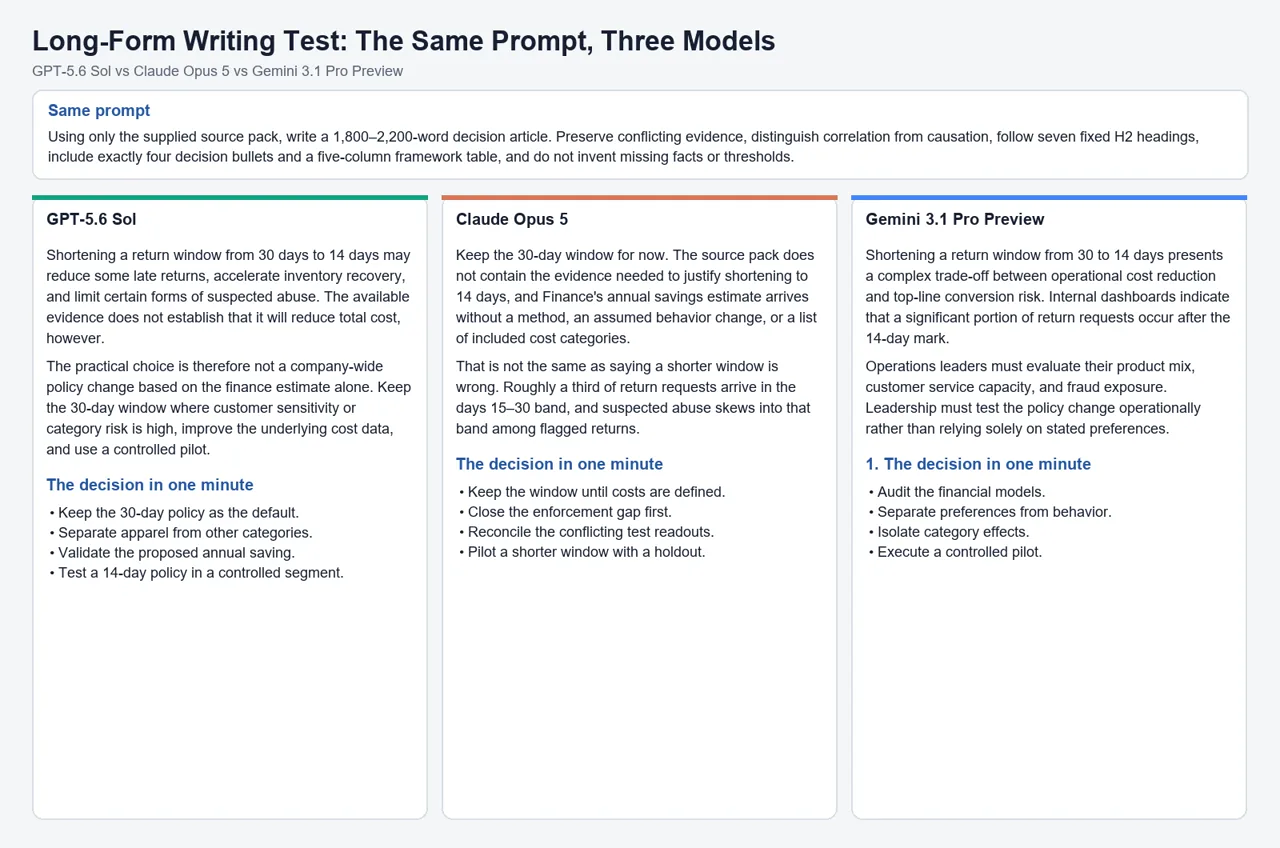
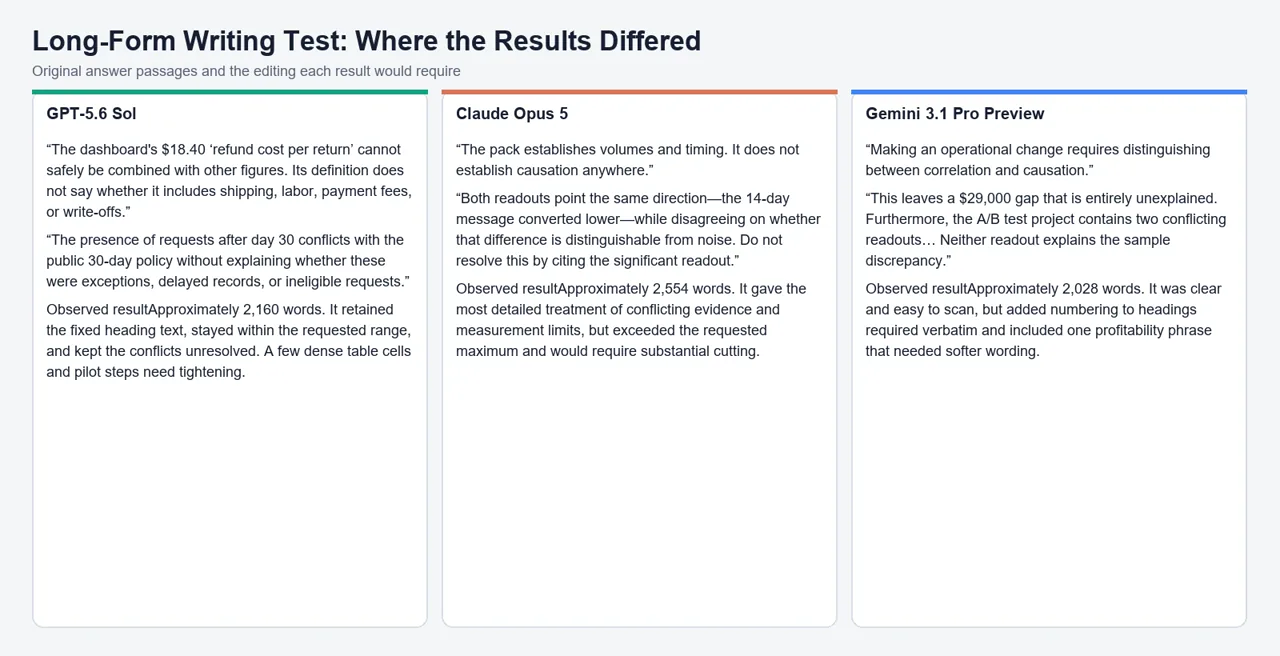
Тест на навыки письма: какая модель позволяет создать черновик длинного текста, наиболее подходящий для публикации?
Вопрос: Используя исключительно набор синтетических данных, напишите аналитическую статью объемом 1 800–2 200 слов, предназначенную для руководителей подразделений электронной коммерции. Сохраните противоречивые данные, проводите различие между корреляцией и причинно-следственной связью, придерживайтесь семи заданных заголовков, включите указанное резюме решения и таблицу структуры, а также не выдумывайте отсутствующие факты или пороговые значения.
| Модель | Результат по длине | Доказательства и структура | Требуется основная правка |
|---|---|---|---|
| GPT-5.6 Sol | Около 2 160 слов; в пределах 1 800–2 200 слов | Сохранил неизменные заголовки и оставил противоречивые доказательства. | Уменьшите плотность предложений и таблиц. |
| Claude Opus 5 | Около 2 554 слов; превышен лимит | Подробное разъяснение причин расхождений в цифрах и периодах измерений. | Значительные сокращения перед публикацией. |
| Gemini 3.1 Pro Preview | Около 2 028 слов; в пределах диапазона | Использована четкая структура аргументации, однако текст фиксированного заголовка был изменен, а одно утверждение было сформулировано более категорично, чем в исходном тексте. | Восстановите заголовки и смягчите формулировку, не подкрепленную аргументами. |
Выберите по стоимости редактирования: GPT — когда необходимо строго следовать техническому заданию; Claude — когда глубина анализа доказательств требует дополнительной доработки; или Gemini — когда готовый черновой вариант можно подвергнуть окончательной проверке на соответствие инструкциям.
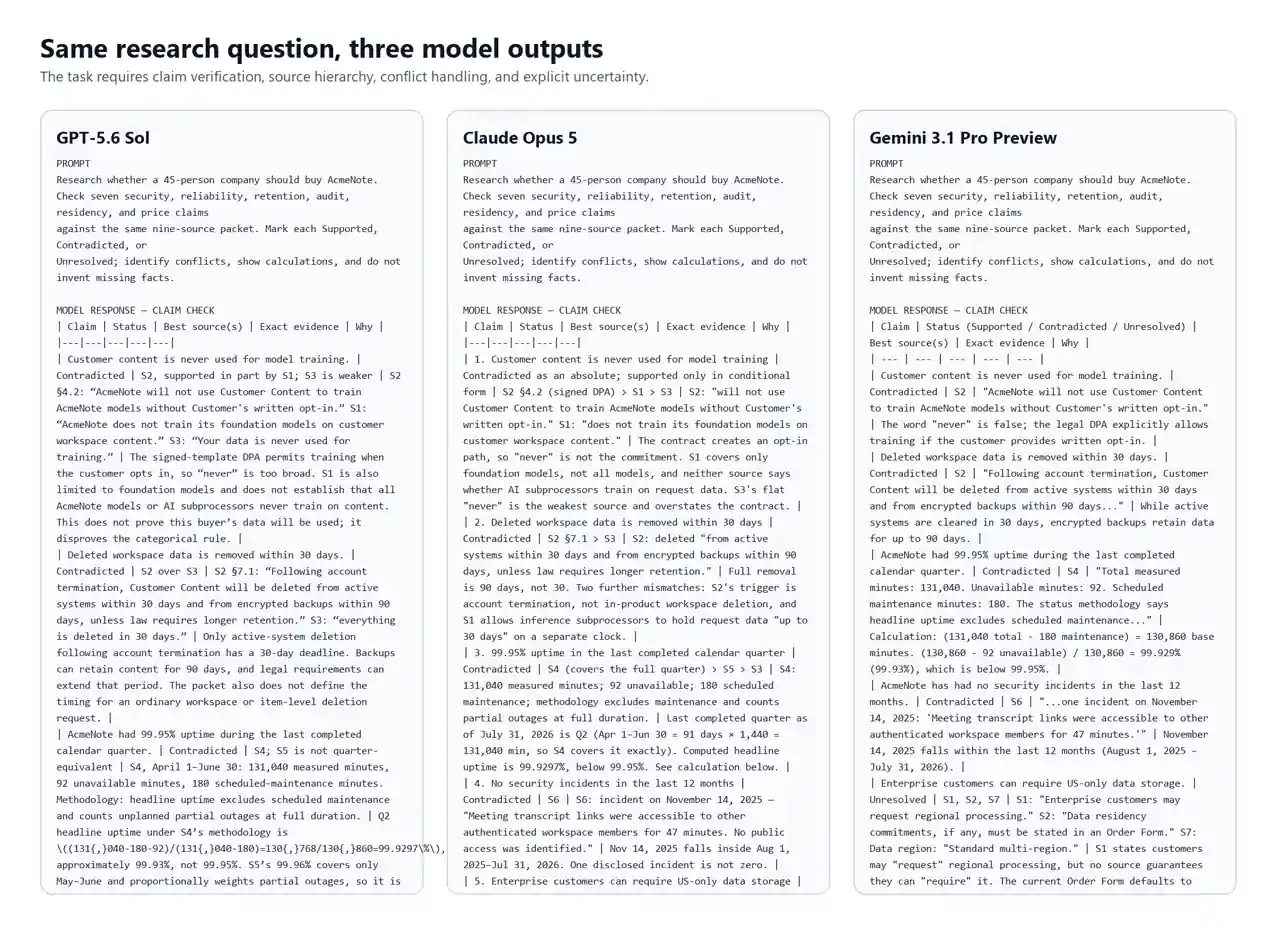
Исследовательский тест: какая модель наиболее тщательно обрабатывает противоречивые данные?
Вопрос: Решите, следует ли компании-разработчику программного обеспечения с штатом в 45 человек приобрести командный продукт, использующий «замороженный» пакет из девяти источников. Проверьте семь утверждений, касающихся обучения моделей, удаления данных, времени безотказной работы, инцидентов безопасности, хранения данных исключительно на территории США, затрат в первый год и охвата стандартом SOC 2. Отметьте каждое утверждение как подтвержденное, опровергнутое или нерешенное; выявите противоречия между источниками, покажите расчет цены, укажите, какие выводы сделать невозможно, и не выдумывайте недостающие факты.
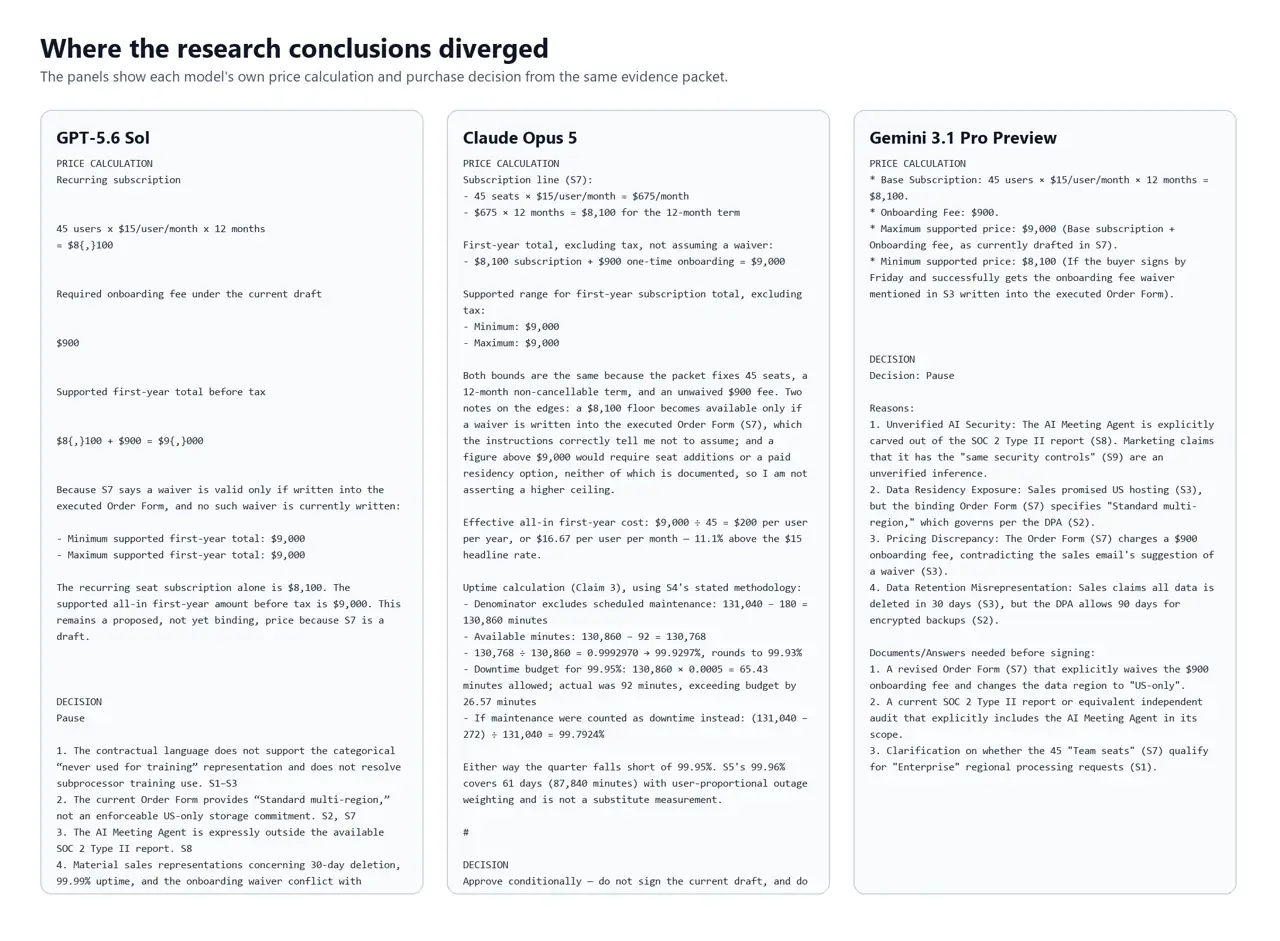
| Модель | Общие выводы по результатам анализа доказательств | Результат по цене | Решение |
|---|---|---|---|
| GPT-5.6 Sol | Выявлены проблемы, связанные с обучением, удалением, временем безотказной работы, инцидентами, хранением данных, ценами и аудитом. | $9 000 — общая сумма поддержки за первый год | Пауза; прямой расчет и список проверок. |
| Claude Opus 5 | Обнаружил те же проблемы и добавил наиболее значимые несоответствия в определениях и нерешенные вопросы. | $9 000–$9 000 в соответствии с правилом об отсутствии исключений | Утвердить с оговорками; не подписывать текущий проект. |
| Gemini 3.1 Pro Preview | Нашел основные противоречия в самом кратком ответе. | $8,100–$9,000; было ошибочно разрешено будущее исключение из минимального требования | Пауза; меньше дополнительных вопросов. |
Выберите по стилю исследования: Claude — для наиболее тщательной проверки источников, GPT — для прямого перехода от доказательств к принятию решения, или Gemini — для краткого первоначального анализа, который проходит тщательную проверку расчётов.
Цены: ChatGPT, Claude, Gemini и GlobalGPT
Стоимость зависит от того, что именно вы покупаете. Официальная подписка включает доступ к приложению одного провайдера и его собственной экосистеме. Оплата по API осуществляется за использование в рамках разработанного вами продукта. GlobalGPT объединяет в одной рабочей среде поддержку доступа по протоколам GPT, Claude и Gemini, что является более простым способом, если вам нужна одна учетная запись вместо отдельных подписок у провайдеров и URL-адресов моделей.
| Вариант | Опубликованные розничные цены, проверенные 31 июля 2026 года | Для чего этот план подходит лучше всего |
|---|---|---|
| ChatGPT | Бесплатно: $0. Плюс: $20 в месяц. Набор функций и доступ к моделям зависят от региона и этапа внедрения; перед оплатой уточните, включены ли в вашу учетную запись доступ к GPT-5.6, Deep Research, Projects, запланированные задачи, настраиваемые GPT и использование Codex. Доступность версии Pro и цены при оформлении заказа также следует уточнять в режиме реального времени. | Самый универсальный автономный набор инструментов для тех, кому нужны возможности для проведения исследований, работы с файлами, голосовыми данными и изображениями, а также проекты, интерфейсы подключения и рабочие процессы программирования — и всё это в одном продукте. |
| Клод | Бесплатный тариф: $0. Профессиональный тариф: $17 в месяц при годовой оплате. Максимальный тариф: от $100 в месяц. | Встроенные в Claude рабочие процессы: «Документ», «Артефакт», «Проект» и «Код Claude». |
| Близнецы | Плюс: $4,99 в месяц. Про: $19,99 в месяц. Ультра: от $99,99 в месяц. | Gemini в сочетании с возможностями хранения данных в Google и преимуществами Workspace в зависимости от тарифного плана. |
| GlobalGPT | Эквиваленты годовых тарифных планов, указанные на момент сбора данных: «Базовый» — $5,80 в месяц, «Про» — $10,80 в месяц, «Безлимитный» — $25 в месяц. | Использование поддерживаемых семейств моделей из одной учетной записи без необходимости оформления трёх отдельных подписок на ИИ. |
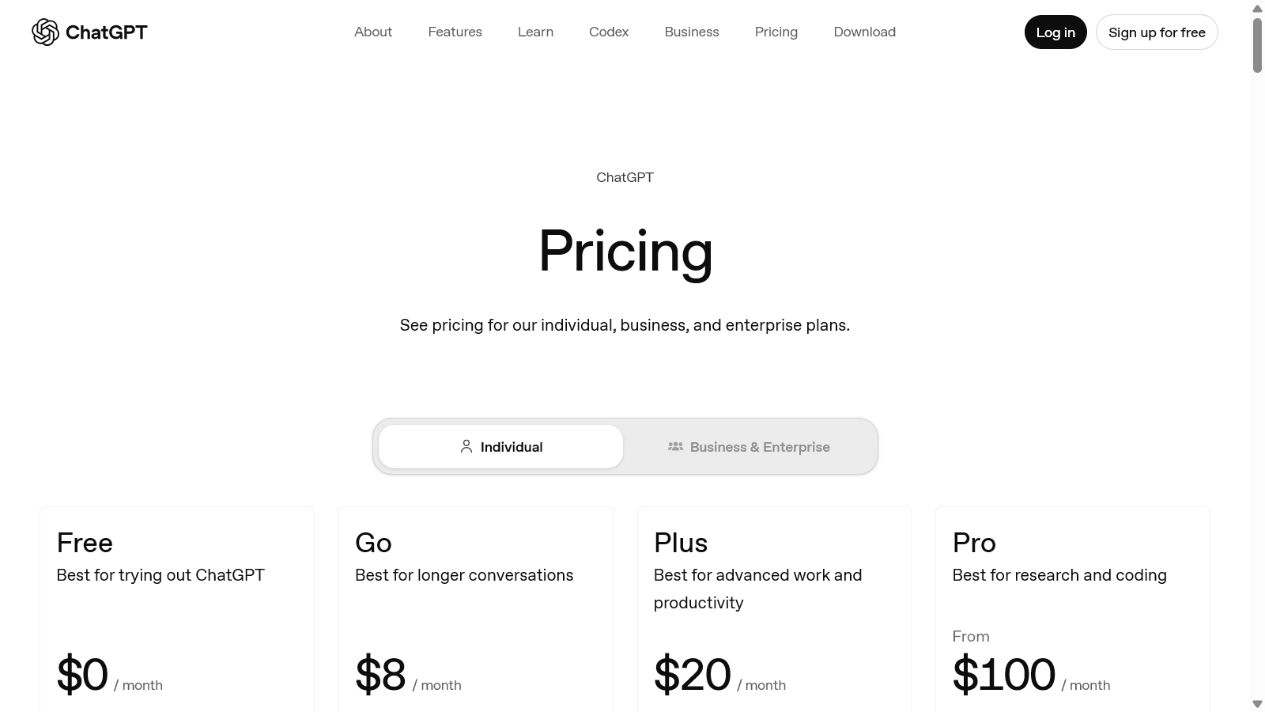
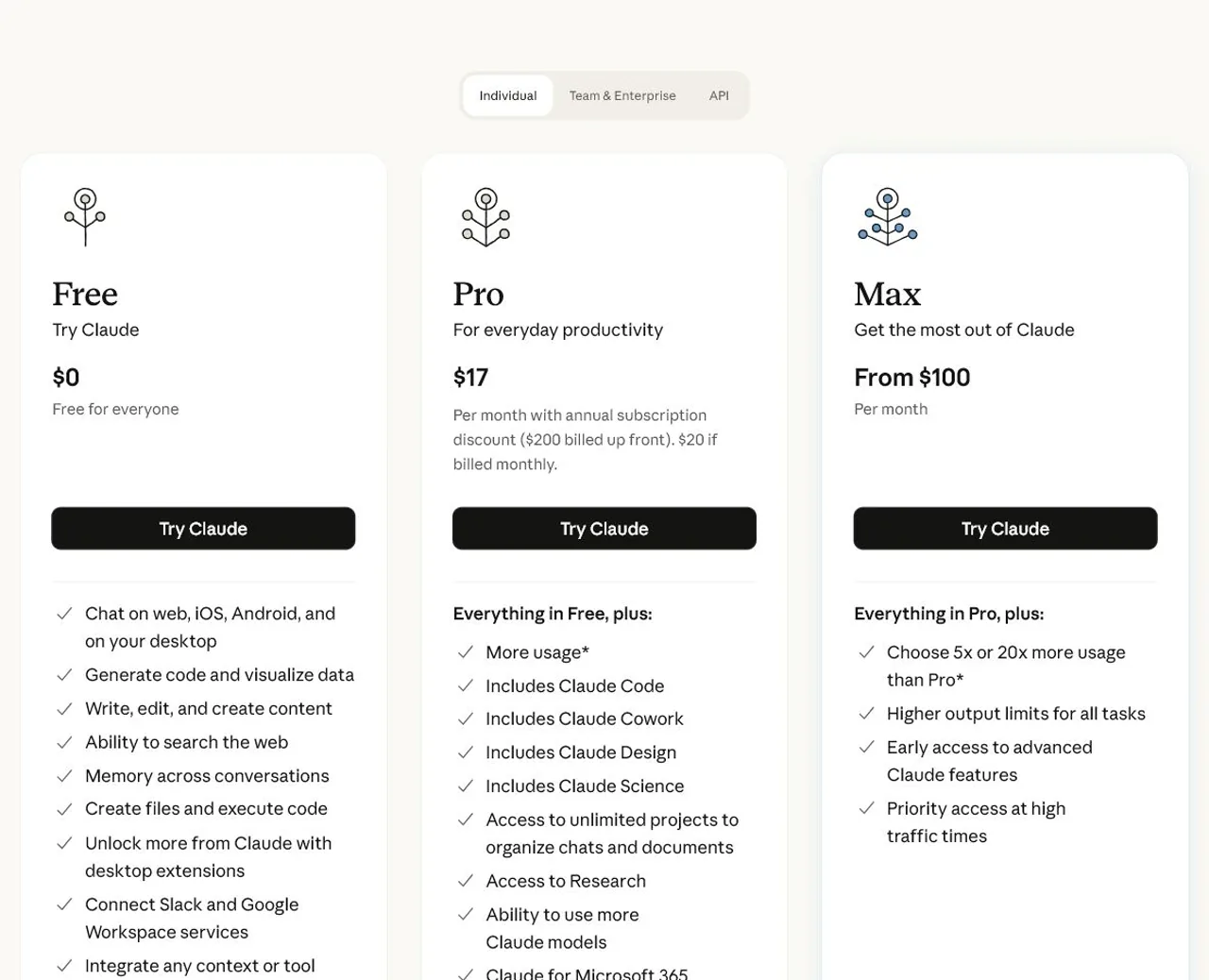
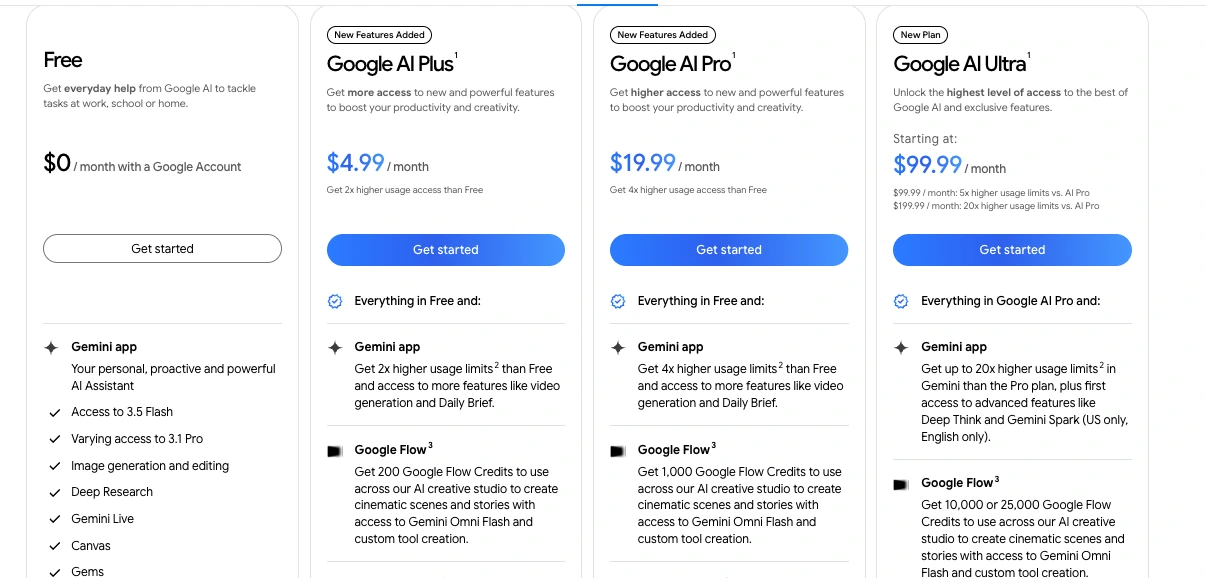
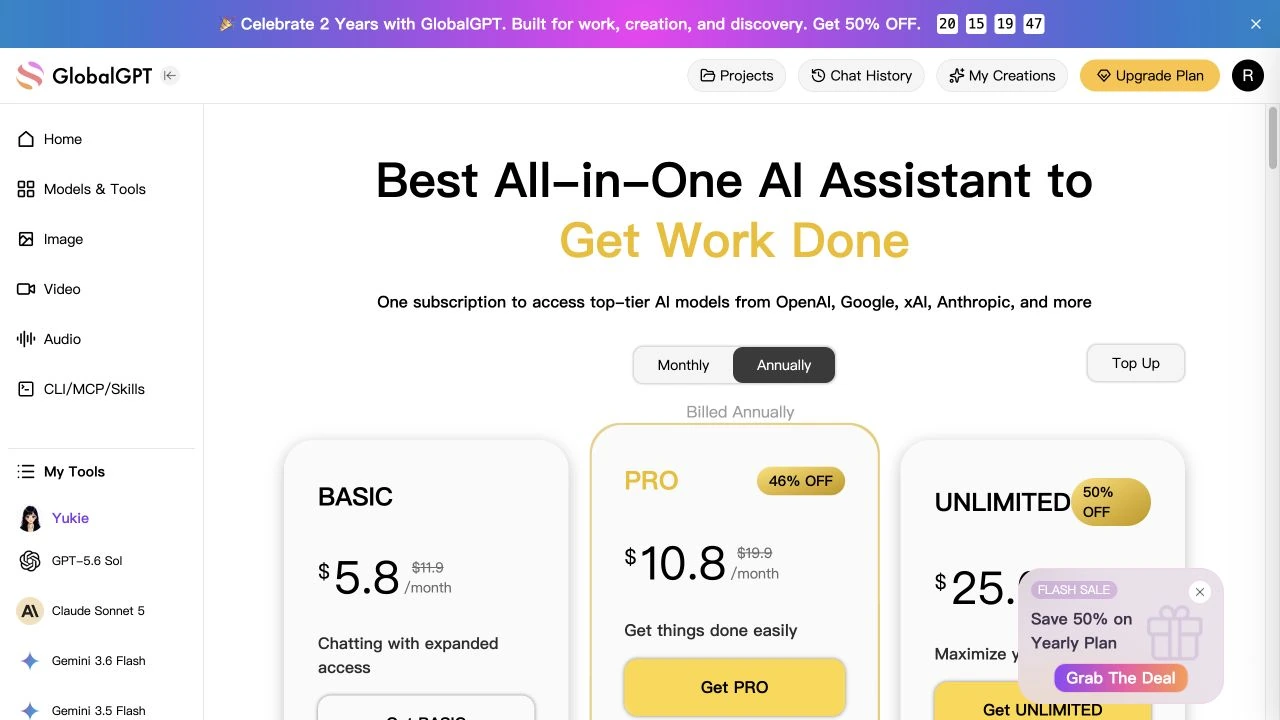
Выбирайте официальный тарифный план, если для вашей работы важна встроенная функциональность: полный набор инструментов ChatGPT, Claude Code или Gemini в составе Google Workspace. Выбирайте GlobalGPT, если универсальный доступ, единая учетная запись и меньшее количество отдельных подписок или URL-адресов поставщиков важнее, чем собственная экосистема одного поставщика. Цены на API не входят в стоимость потребительских подписок и должны сравниваться только с учетом рабочих нагрузок приложений или автоматизации; см. официальная страница с ценами на ChatGPT для действующих потребительских кредитных карт.
Для более подробного анализа сравните текущие Варианты ценообразования GPT-5.6 и Планы Клода по созданию искусственного интеллекта. Требования к контекстному окну также относятся к модели и интерфейсу точного определения: ограничение контекста API не совпадает с лимитом на размер файлов в потребительском приложении.
Сравнение моделей ChatGPT, Claude и Gemini для разных пользователей
Начните с описания, которое наиболее соответствует той работе, которой вы уже занимаетесь. Сопутствующие файлы, инструменты, коллеги и формат предоставления результатов обычно имеют большее значение, чем общий рейтинг моделей.
| Пользователь | Лучшая отправная точка | Почему |
|---|---|---|
| Студенты и преподаватели | ChatGPT или Gemini | ChatGPT — это универсальный партнер для обучения; Gemini подходит для курсов, построенных на основе Docs, Drive, Gmail и NotebookLM |
| Разработчики | ChatGPT или Claude | ChatGPT подходит для общей помощи при кодировании; Claude предпочтительнее, когда важно детальное обоснование в более широком контексте кода |
| Писатели и специалисты по маркетингу | ChatGPT или Claude | Выберите между управлением форматом и более глубоким анализом взаимосвязей между источниками |
| Аналитики и консультанты | Клод или ChatGPT | Claude подходит для обзоров с большим количеством источников; ChatGPT подходит для лаконичных итоговых материалов в смешанном формате |
| Команды Google Workspace | Близнецы | Интеграция между Gmail и Диском с Документами, Таблицами, Поиском и Meet является решающим преимуществом |
| Люди, которые переключаются в зависимости от задачи | Многомодельный рабочий процесс | Наилучший результат может варьироваться в зависимости от того, занимаетесь ли вы программированием, написанием текстов, исследованием или планированием |
Студенты и преподаватели
Студентам, которым нужны разъяснения, планы эссе, резюме документов и помощь с программированием, ChatGPT, как правило, покажется самым удобным универсальным помощником в учебе. Gemini привлекателен в тех случаях, когда в учебном процессе уже используются Google Docs, Drive, Gmail или NotebookLM. Claude стоит рассмотреть, если длинные тексты необходимо преобразовать в тщательно проработанный план, не утратив при этом связи между источниками.
Разработчики
Разработчикам, которым нужны лаконичные исправления и краткие пояснения по отладке, рекомендуется начать с ChatGPT. Claude отлично подходит для случаев, когда необходимо подробно задокументировать пограничные случаи и обоснования. Gemini будет полезен, если важно четкое разделение кода, пояснений и тестов — или же при использовании стека разработки Google. лучшая модель искусственного интеллекта для сравнения кода охватывает более широкий спектр программных решений.
Писатели и специалисты по маркетингу
Авторам, которым нужен черновой вариант, следующий четкой структуре и требующий минимальной доработки, следует начать с шаблона ChatGPT. Шаблон Claude полезен в тех случаях, когда глубина аргументации важнее строгого соблюдения объема, а шаблон Gemini хорошо подходит для создания четко структурированного первого чернового варианта, который впоследствии можно будет сверить с заданием.
Аналитики и консультанты
Аналитики, работающие с противоречивыми данными, могут отдать предпочтение подробному изложению допущений и ограничений оценки, представленному в Claude. Консультанты, готовящие готовый к передаче клиенту отчет по фиксированному техническому заданию, могут предпочесть более строгое соблюдение требований, характерное для GPT. Gemini будет полезен в тех случаях, когда структура принятия решений должна быть особенно удобной для быстрого ознакомления.
Команды Google Workspace
Команды, работа которых начинается в Gmail или Drive и завершается в Docs, Sheets или Meet, должны начинать с Gemini. Google’s Обзор Workspace AI демонстрирует естественную интеграцию, которую невозможно оценить с помощью тестирования модели, работающей только с текстом, в то время как Сравнение ChatGPT и Gemini рассматривает вариант без Claude в середине.
Люди, которые меняют модели в зависимости от задачи
Люди, чья предпочтительная модель меняется в процессе кодирования, написания текста и анализа, могут пропустить тот же материал через GPT, Claude и Gemini в режиме GlobalGPT. Самым полезным ответом считается тот, который является правильным, соответствует заданию и требует наименьшего количества исправлений при выполнении данного задания.
Ни одно название модели не гарантирует конфиденциальности или фактической точности. Использование данных зависит от продукта и типа учетной записи; конфиденциальная информация о компании или клиентах должна храниться в рамках тарифного плана, в котором предусмотрены меры по хранению данных, обучению, доступу и управлению администратором, прошедшие проверку вашей организацией. Точность следует проверять на уровне каждого конкретного утверждения. В ходе этих тестов это означало запуск кода и сверку каждого утверждения, касающегося написания текста или исследования, с предоставленными доказательствами.
Окончательный вердикт: ChatGPT, Claude или Gemini?
Практический вывод
Выбирайте продукт, который сокращает весь рабочий процесс, а не тот, который выигрывает по наибольшему количеству нерелевантных запросов. Начните с ChatGPT для широкого охвата, Claude для тщательного развернутого обоснования, Gemini для работы с использованием Google или мультимодельного рабочего пространства, если ни один из ответов не является оптимальным для всех задач.
- Выбирайте ChatGPT, если вам нужен самый универсальный автономный помощник и привычный интерфейс для работы с текстами, файлами, поиском информации, голосовыми командами, изображениями и программированием.
- Выбирайте формат Claude, когда основная проблема заключается в объемном, подробном или противоречивом исходном материале, а ход рассуждений должен оставаться понятным для проверки.
- Выберите вариант «Gemini», если рабочий процесс команды уже определяется Gmail, Docs, Drive, Sheets, Search, Android или NotebookLM.
- Выбирайте мультимодельный рабочий процесс в тех случаях, когда оптимальное решение, как можно предсказать, зависит от конкретной задачи, а затраты на смену инструментов становятся самостоятельной проблемой.
Часто задаваемые вопросы: ChatGPT, Claude и Gemini
Что в целом лучше: ChatGPT, Claude или Gemini?
Универсального варианта нет. ChatGPT — это наиболее универсальный самостоятельный вариант, Claude особенно полезен для длинных и противоречивых исходных материалов, а Gemini идеально подходит для работы, ориентированной на Google. Выбирайте вариант с учетом всего рабочего процесса, связанного с ответом.
Что лучше подходит для программирования?
Начните с ChatGPT, если вам нужна общая и лаконичная помощь в написании кода, и с Claude, когда важно подробное обоснование в более широком контексте. Стоит рассмотреть вариант Gemini, если в центре внимания находятся мультимодальные входные данные или инструменты разработки Google. Всегда запускайте код и тесты, а не полагайтесь только на название модели.
Что лучше подходит для написания длинных текстов?
ChatGPT — оптимальный вариант по умолчанию, когда важны соблюдение формата и краткость, тогда как Claude подходит в тех случаях, когда необходимо уделить больше внимания ссылкам на источники и нюансам. Gemini подходит для текстов, которые создаются в Google Docs или требуют четкой структуры для команды, работающей в Workspace.
Что лучше всего подходит для обобщения результатов исследований?
Claude — отличная отправная точка для тщательной проработки противоречий, ChatGPT — для прямого задания с использованием смешанных источников, а Gemini — для рабочих процессов, связанных с Search, Drive, Docs или NotebookLM. Проверяйте важные утверждения, сверяя их с исходными источниками.
Сколько стоят модели ChatGPT, Claude и Gemini?
Цены, названия тарифных планов, входящие в них модели, расчетные периоды, регионы, пробные версии и ограничения на использование могут изменяться. Сравните данные реальной оформки заказов потребителями для каждого провайдера на одну и ту же дату и не смешивайте цены по API с ценами на потребительские подписки.
Можно ли использовать модели ChatGPT, Claude и Gemini в модели GlobalGPT?
В ходе проверки 28 августа 2026 года GlobalGPT отобразил маршруты для GPT-5.6 Sol, Claude Opus 5 и Gemini 3.1 Pro. Доступность моделей и расход ресурсов плана могут измениться, поэтому перед тем, как полагаться на конкретный маршрут, необходимо проверить рабочую среду и план в режиме реального времени.
Стоит ли мне использовать более одной модели искусственного интеллекта?
Используйте более одной модели, если оптимальный результат зависит от конкретной задачи или если второй вариант ответа помогает выявить упущения. Соблюдайте строгий порядок работы: используйте один и тот же исходный материал, проверяйте утверждения и выбирайте тот результат, который требует наименьшей корректировки.