

Protect the Photo's Identity
Face, anatomy, posture, fur patterns, and scene geometry stay explicit so the painted result remains recognizable.
Use prompt recipes that control subject fidelity, canvas texture, brushwork, pigment, and light, then generate a polished result without guessing which art terms matter.
Try a Prompt Now







Prompt Guide
Model
Reference Image
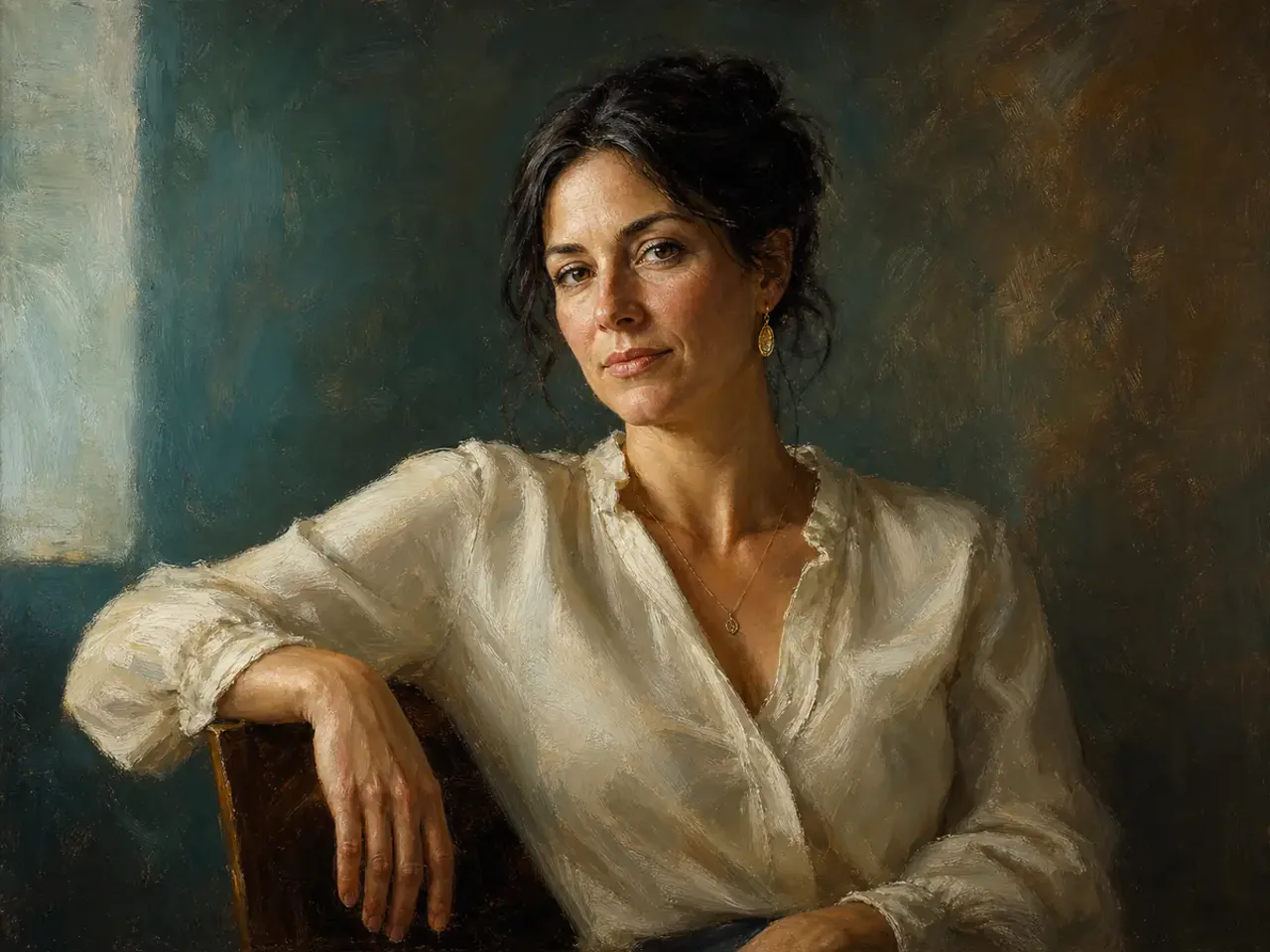
See how specific prompts produce distinct painted results without sacrificing photographic clarity.
 Portraits
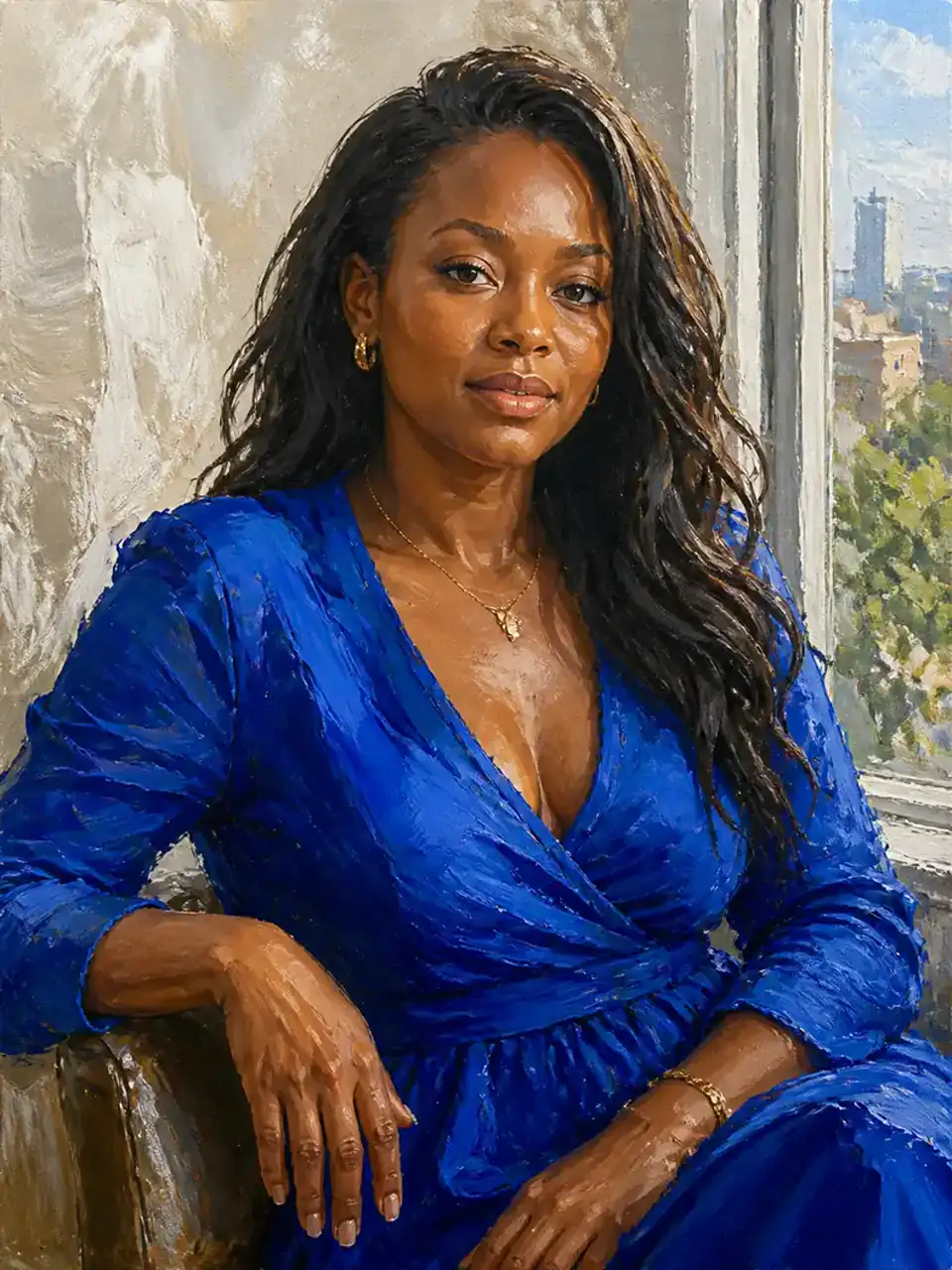
A clearly adult Black woman in a cobalt dress near a bright window, transformed into a luminous contemporary oil portrait with natural skin, expressive bristle strokes, linen grain, and controlled highlight impasto.
Try This Prompt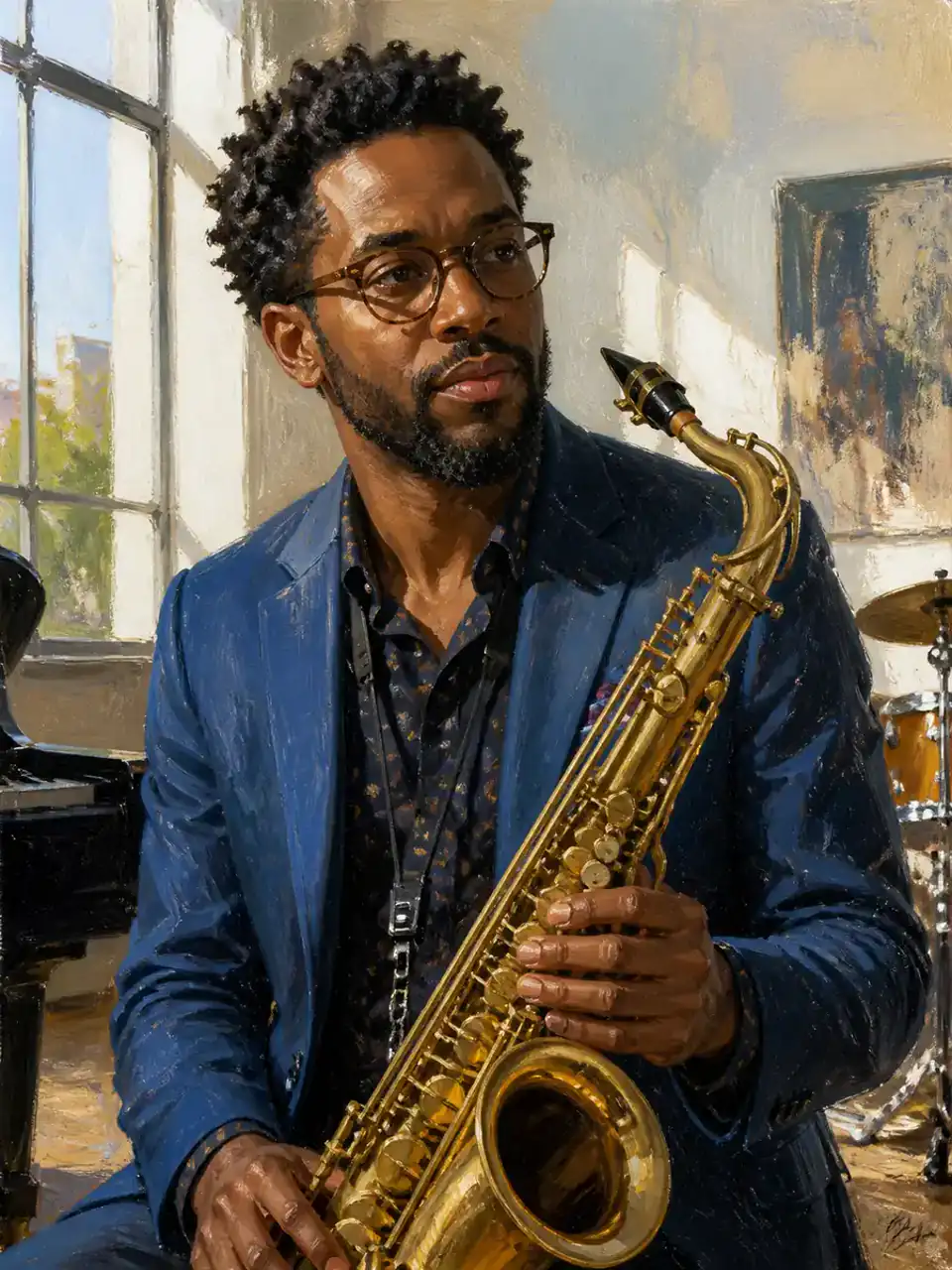 Portraits
A clearly adult jazz musician holding a brass saxophone in a bright rehearsal room, rendered as a sophisticated oil portrait with deep blues, warm brass pigments, visible brushwork, and believable hands.
Try This Prompt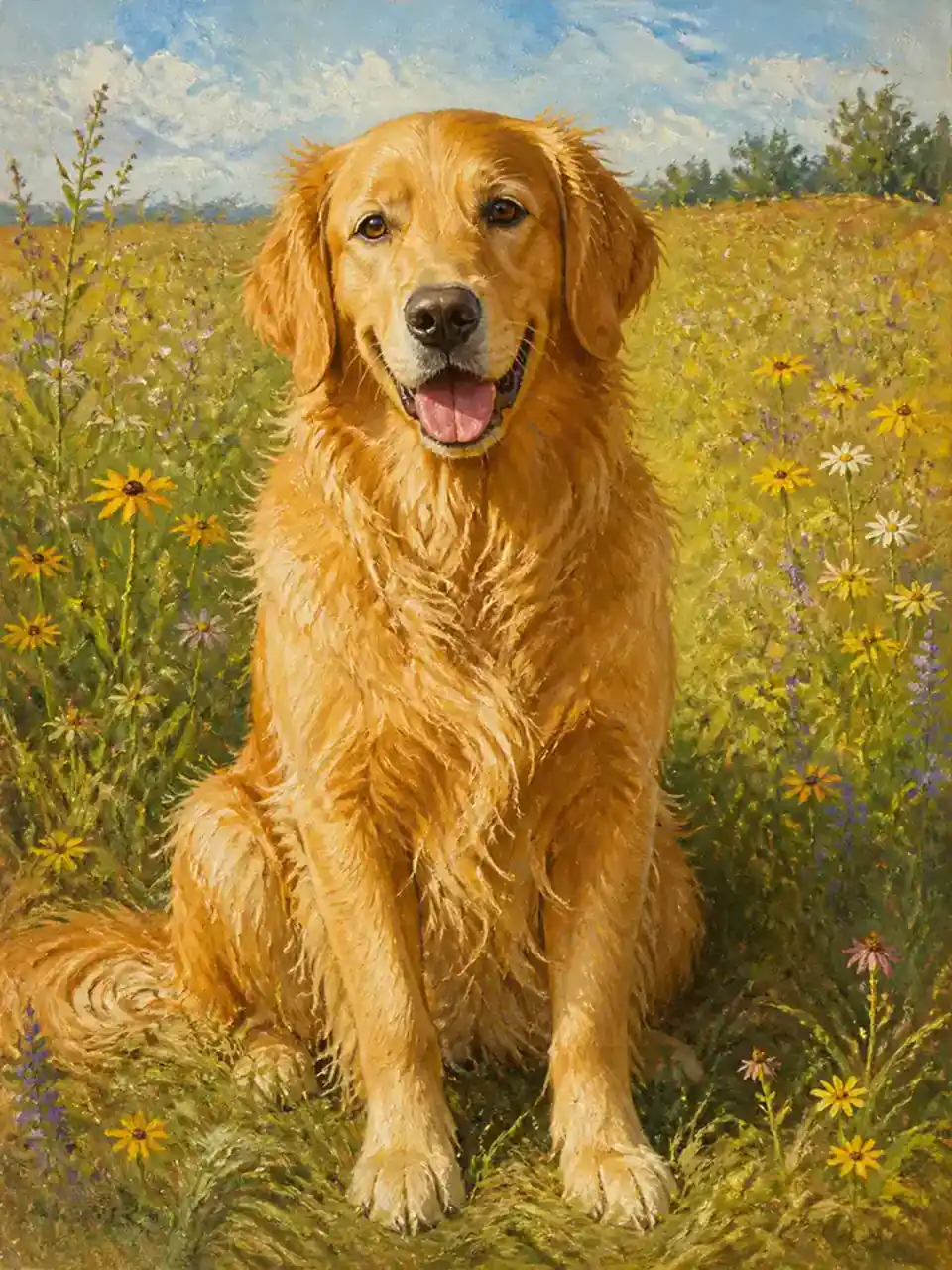 Pets
PetsA golden retriever in a sunlit meadow, preserving warm eyes and fur pattern with directional bristle strokes, ochre pigment, canvas weave, and delicate impasto on highlighted fur.
Try This Prompt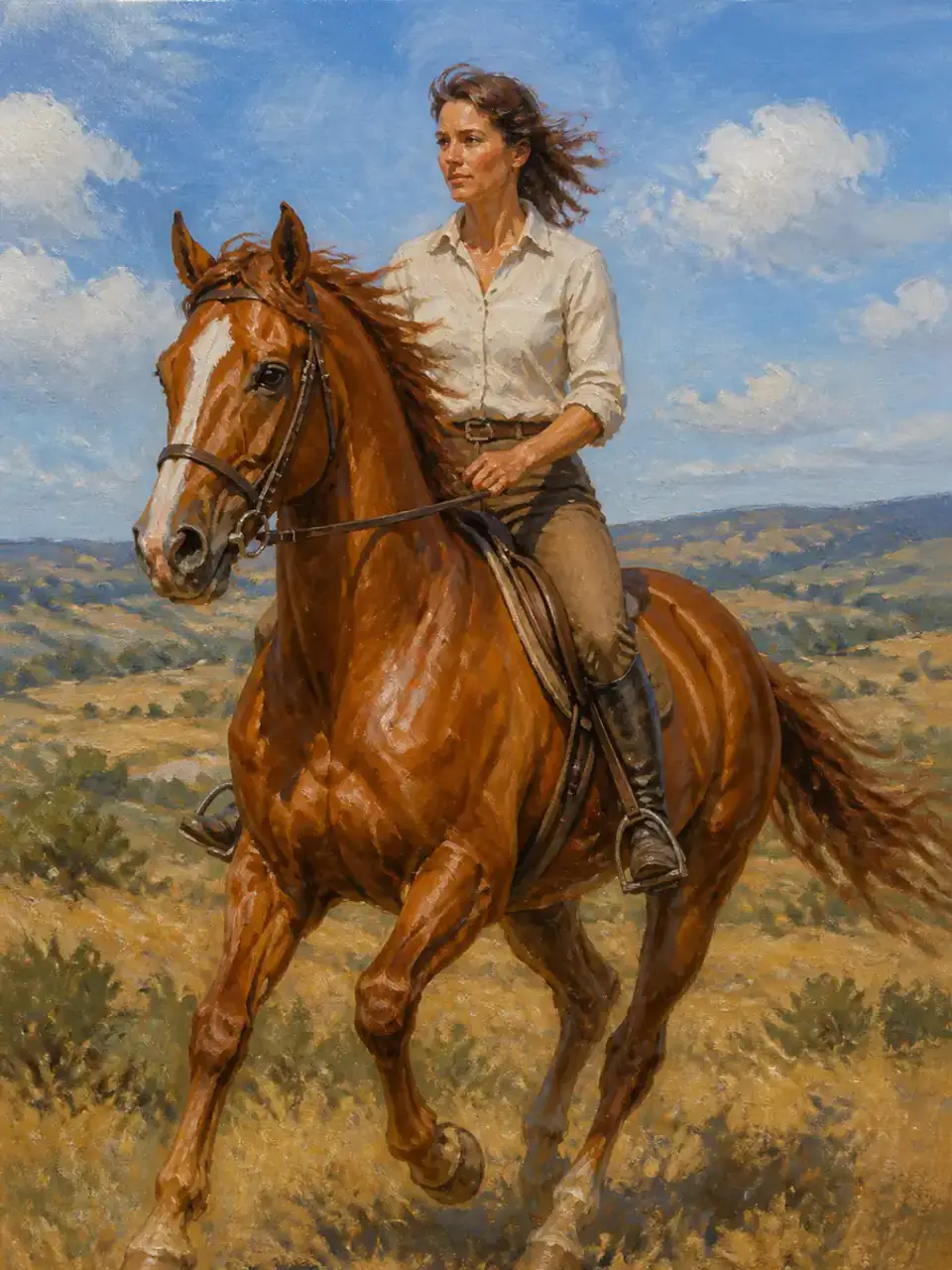 Pets
PetsA chestnut horse and clearly adult rider in bright countryside, painted with accurate anatomy, energetic bristle marks, rich sienna pigment, airy sky, and restrained palette-knife texture.
Try This Prompt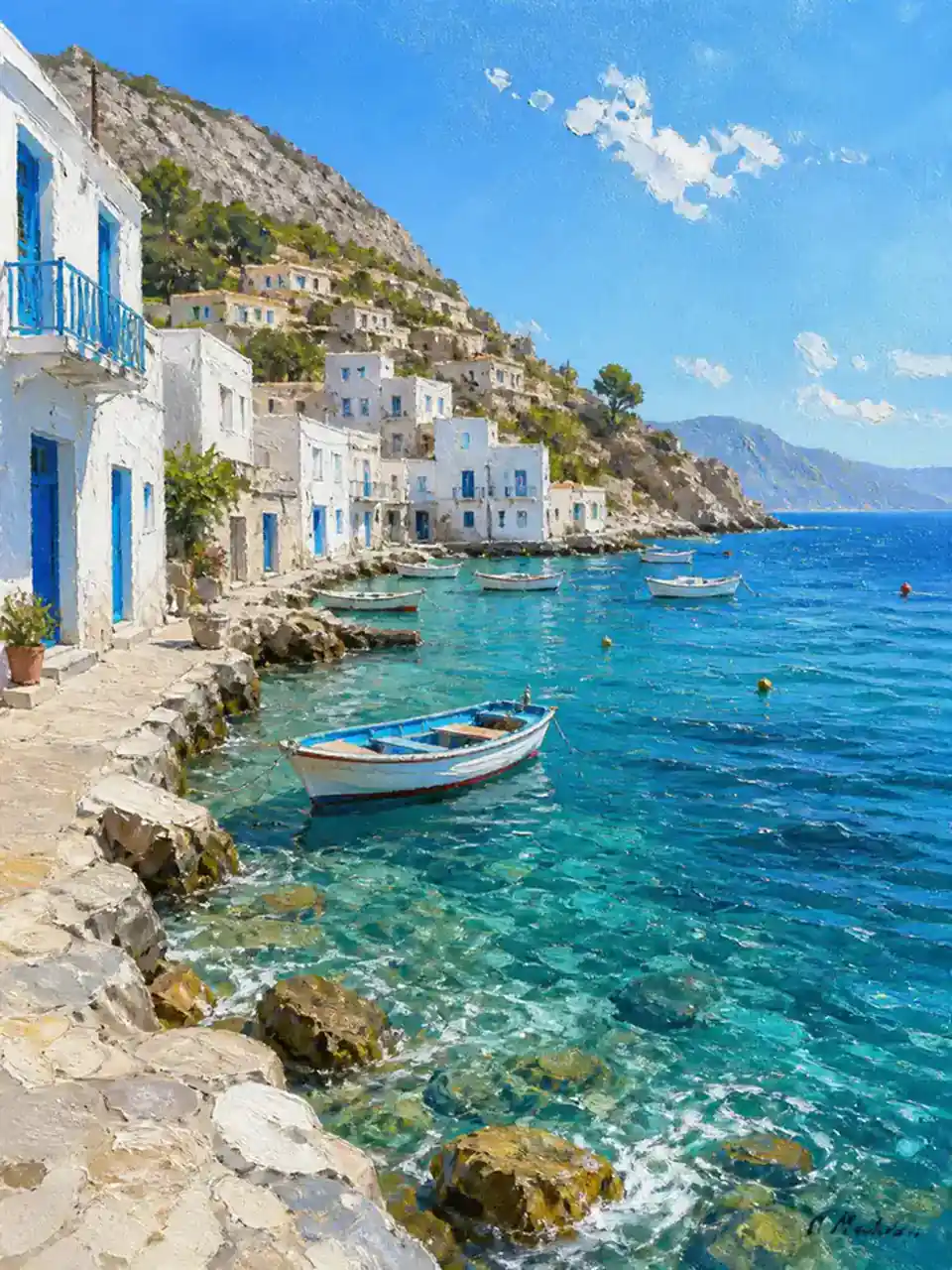 Landscapes
A clear midday coastal village with turquoise water and white houses, transformed into a bright plein-air oil painting with broken color, atmospheric depth, linen texture, and sparkling wave impasto.
Try This Prompt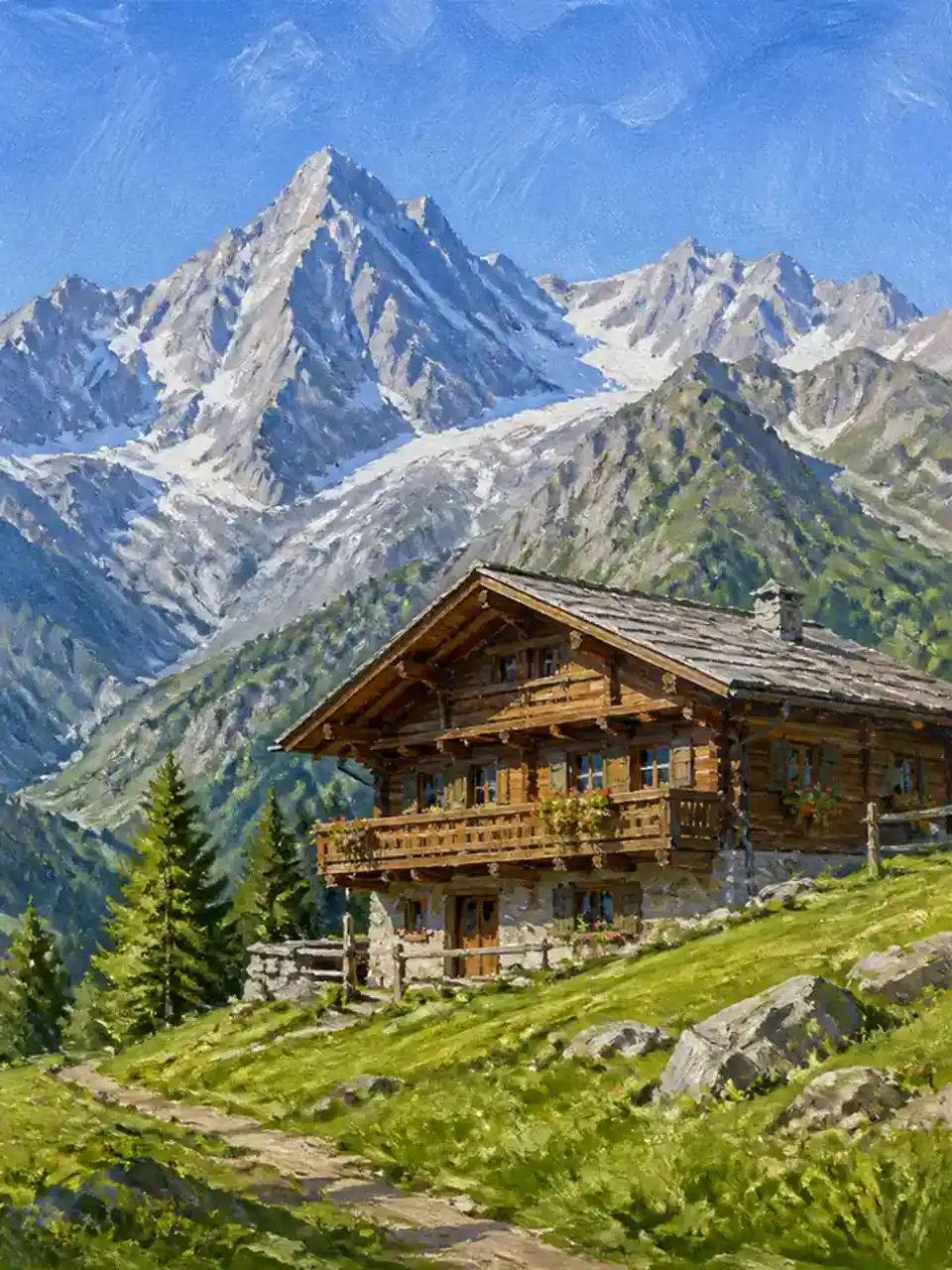 Landscapes
A wooden alpine cabin beneath clear mountains in crisp morning light, rendered with clean perspective, fresh greens and blues, broad bristle strokes, canvas grain, and subtle snow impasto.
Try This Prompt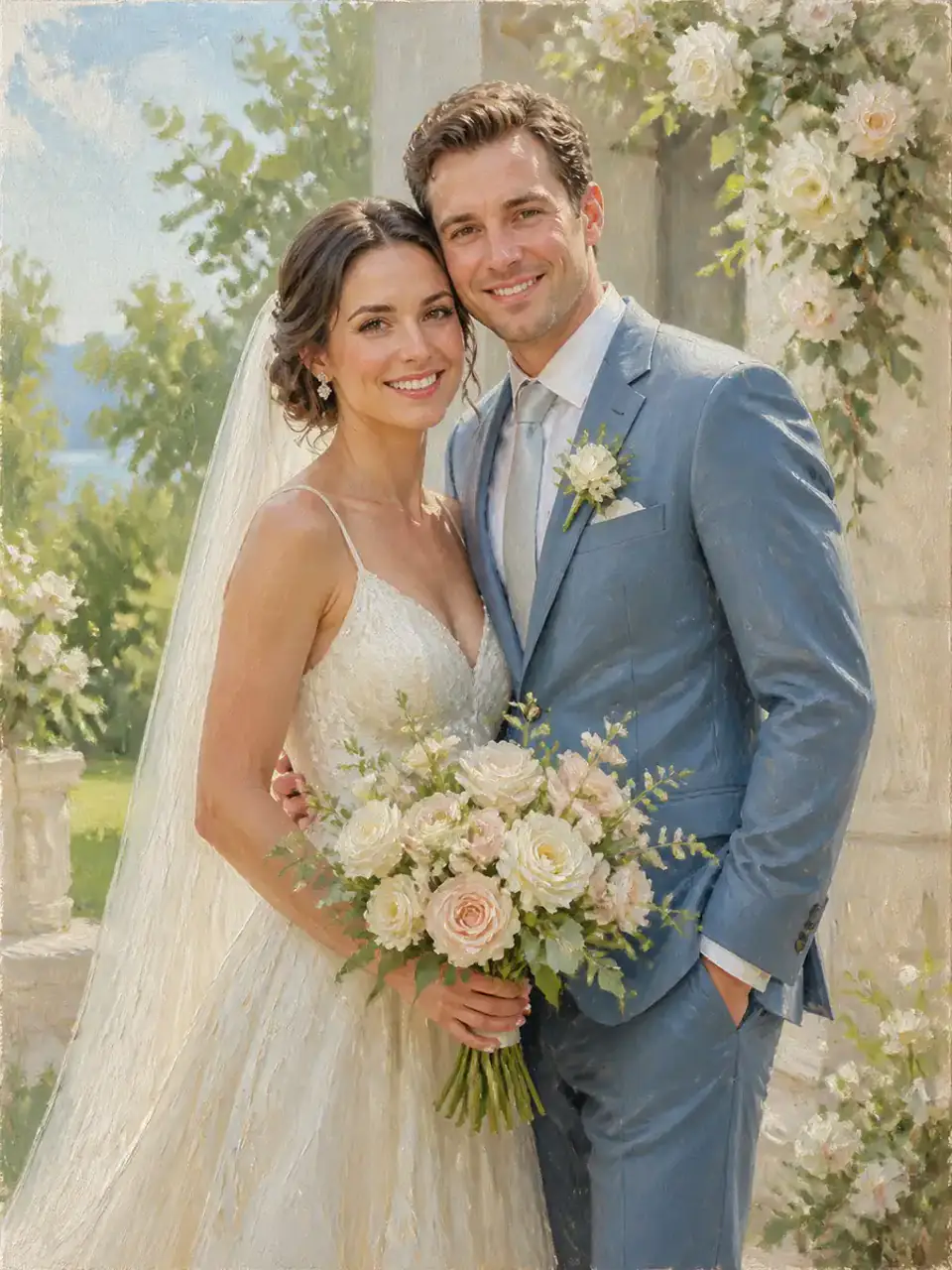 Keepsakes
A clearly adult newlywed couple in a bright garden, preserving both faces, formal clothes, bouquet, hands, and posture with luminous oil glazes, floral impasto, and soft daylight.
Try This Prompt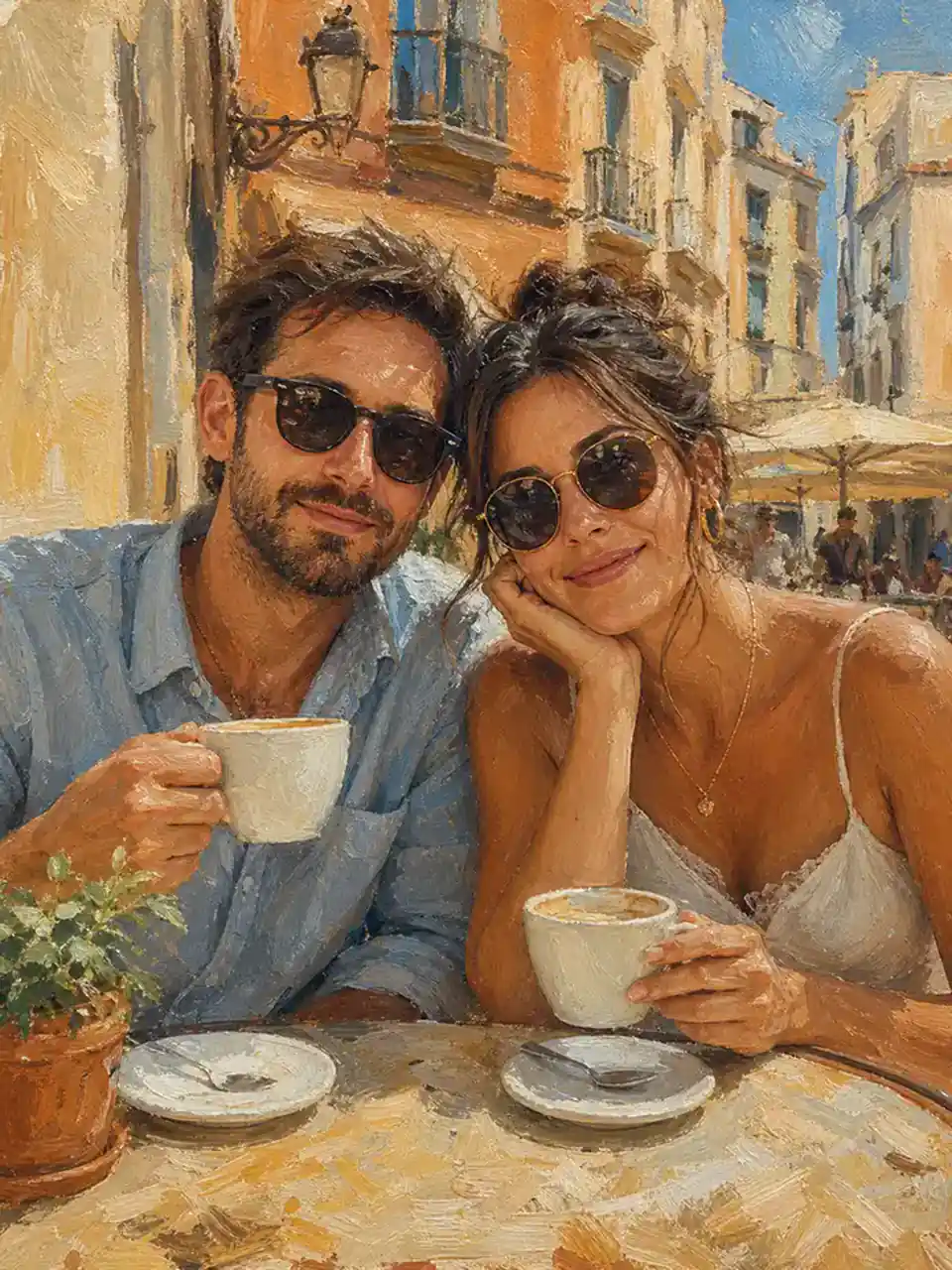 Keepsakes
A clearly adult couple sharing coffee at a sunlit European cafe, painted with recognizable faces, believable hands, warm terracotta pigment, loose background strokes, and refined canvas texture.
Try This Prompt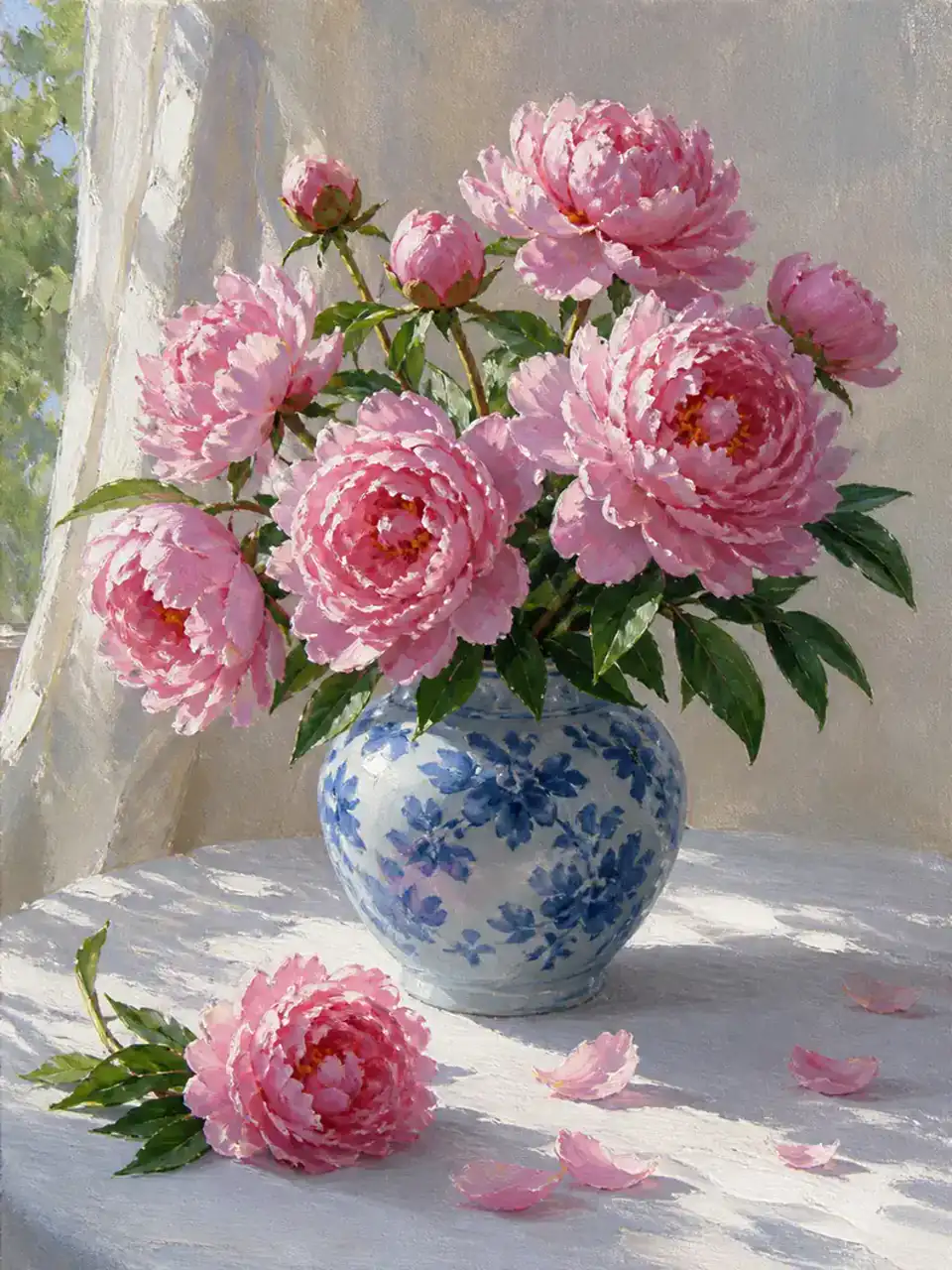 Still Life
Pink peonies in a blue porcelain vase on a bright table, transformed into a fresh still-life oil painting with accurate petals, translucent glaze, visible canvas, and restrained palette-knife highlights.
Try This Prompt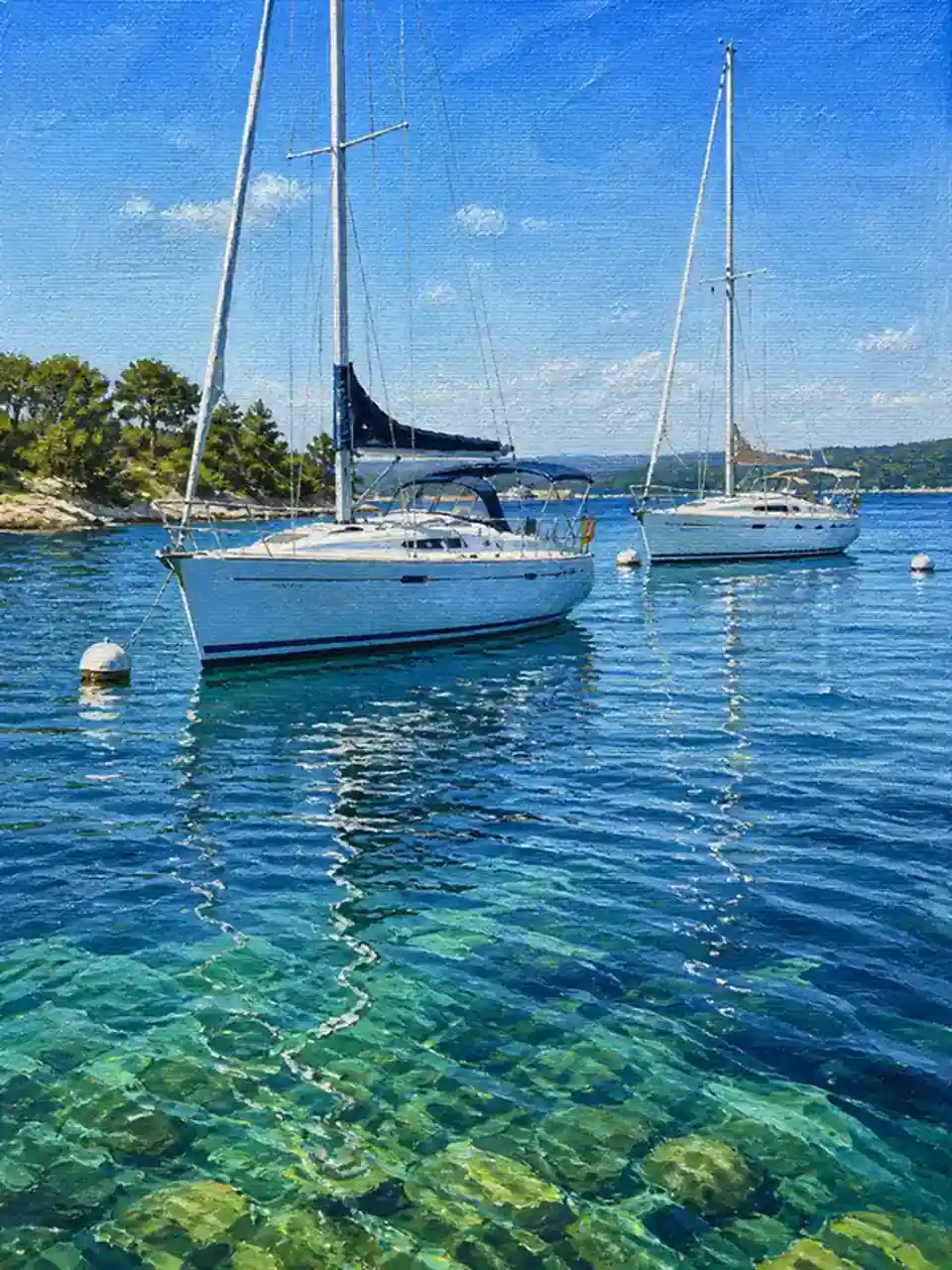 Still Life
White sailboats resting in a clear blue harbor at midday, rendered as a luminous oil study with accurate reflections, crisp masts, broken-color water, linen grain, and bright impasto highlights.
Try This PromptEach recipe controls a different failure point instead of relying on one generic style phrase.
Face, anatomy, posture, fur patterns, and scene geometry stay explicit so the painted result remains recognizable.
Canvas weave, glazing, bristle direction, pigment, and restrained impasto create depth beyond a flat digital filter.
Clear prompt sections make it easy to change palette, light, brush energy, or ratio without rebuilding the whole idea.
Start with the subject, choose the paint treatment, then protect the details that make the photo recognizable.
Pick the portrait, pet, landscape, or keepsake preset closest to the photo you want to transform.
Swap in your subject, setting, palette, and mood while keeping the brushwork, canvas, and preservation instructions.
Choose a ratio, generate the image, then strengthen one variable at a time, such as impasto, color temperature, or facial fidelity.
Scenario-specific feedback shown as fictional/pseudonymous interface copy.
The portrait prompt preserved the face and still gave me visible canvas texture. I could adjust the palette without losing the original expression.
The pet recipe told me exactly how to describe fur direction and highlights. The result felt painted rather than covered by a filter.
I used the landscape structure for a travel photo and changed only the location and colors. It was much faster than inventing art terminology from scratch.
Start with the photographic subject and composition, then specify palette, brushwork, canvas texture, pigment depth, light, and the details that must remain recognizable. The strongest prompts separate those controls clearly.
Yes. Replace the sample subject with your portrait details and explicitly preserve facial structure, skin tone, expression, hair, hands, clothing, and camera composition.
Ask for layered oil pigment, visible linen grain, directional bristle strokes, translucent glazing, and restrained impasto. Also reject plastic skin, flat texture, oversharpening, and generic digital illustration.
Use 3:4 or 4:5 for portraits, 4:3 for classic compositions, 16:9 for landscapes, and 1:1 for social or still-life images. Match the ratio to the source photo whenever possible.
Yes. Swap the palette, edge treatment, brush energy, or period reference while keeping the subject-preservation instructions. Avoid naming a living artist; describe visual traits instead.