

A respectful visual starting point
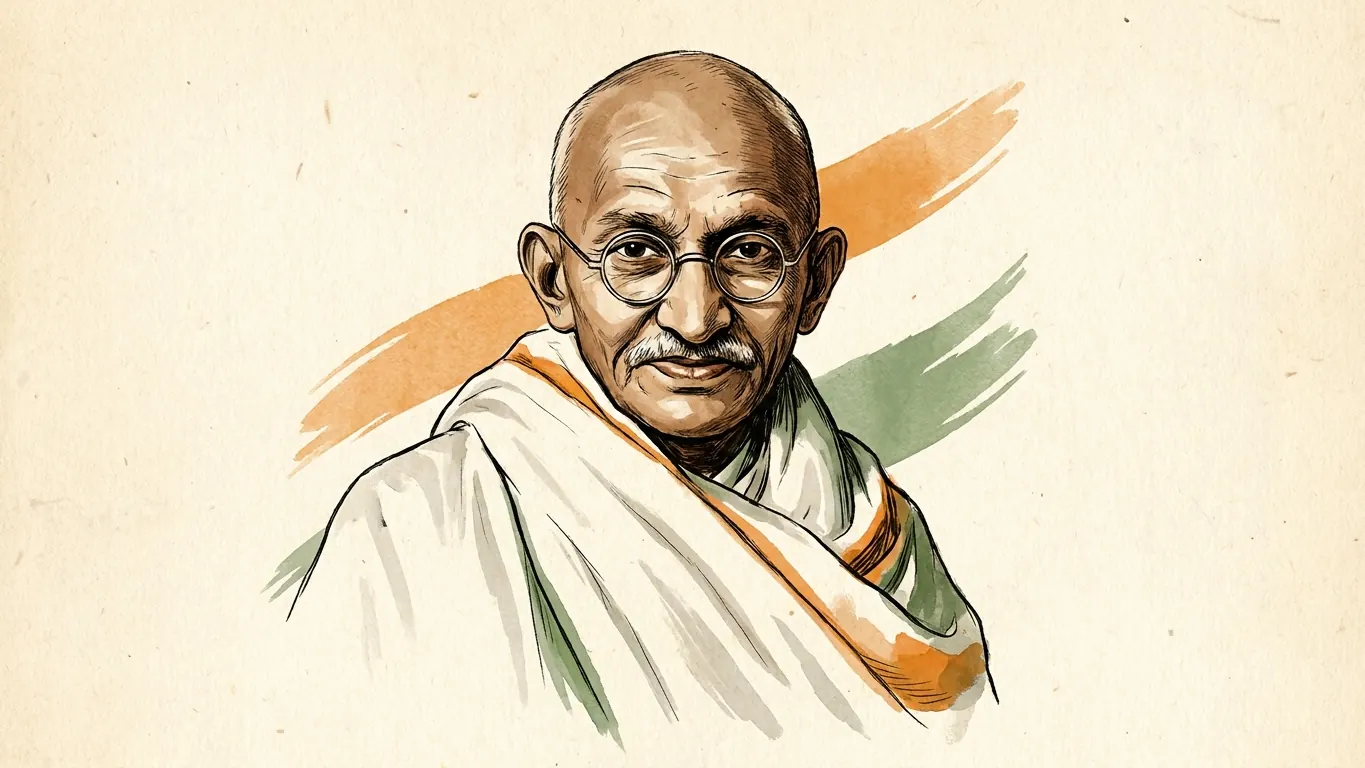
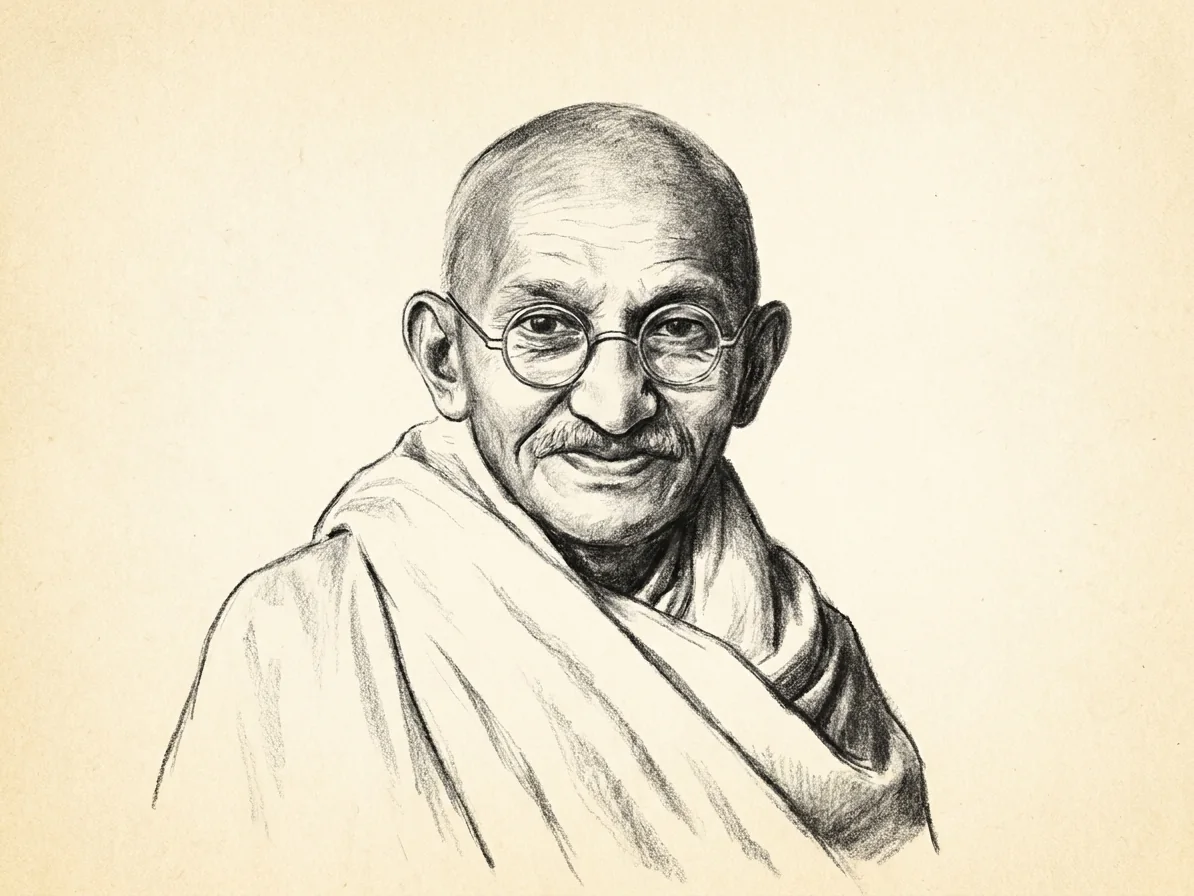
Keep Gandhi’s distinctive features, round spectacles, and simple clothing recognizable. Review the likeness carefully instead of accepting a generic elderly portrait as a historical tribute.
Honor Gandhi Jayanti through clear composition, respectful imagery, and a message of non-violence. Use the Gandhi Jayanti AI poster generator to develop your own commemorative design.
Prompt Guide
Model
Reference Image
Start with a focused direction in the gandhi jayanti ai poster generator, then review the details that matter for your intended use.
Give the Gandhi Jayanti AI poster generator a portrait, charkha, peace motif, or classroom layout. Choose respectful artwork instead of an invented historical event.
Give the Gandhi Jayanti AI poster generator a simple composition and enough blank space for text. Use 2 October where relevant, and verify any attributed quotation before adding it.
Check facial likeness, hands, spectacles, and the charkha’s structure. Proofread all added text and make final layout corrections in an editor before printing or posting the tribute.
Explore independent gandhi jayanti ai poster generator examples across four visual directions. Adapt the composition and colors to your own brief; outputs will vary by model.
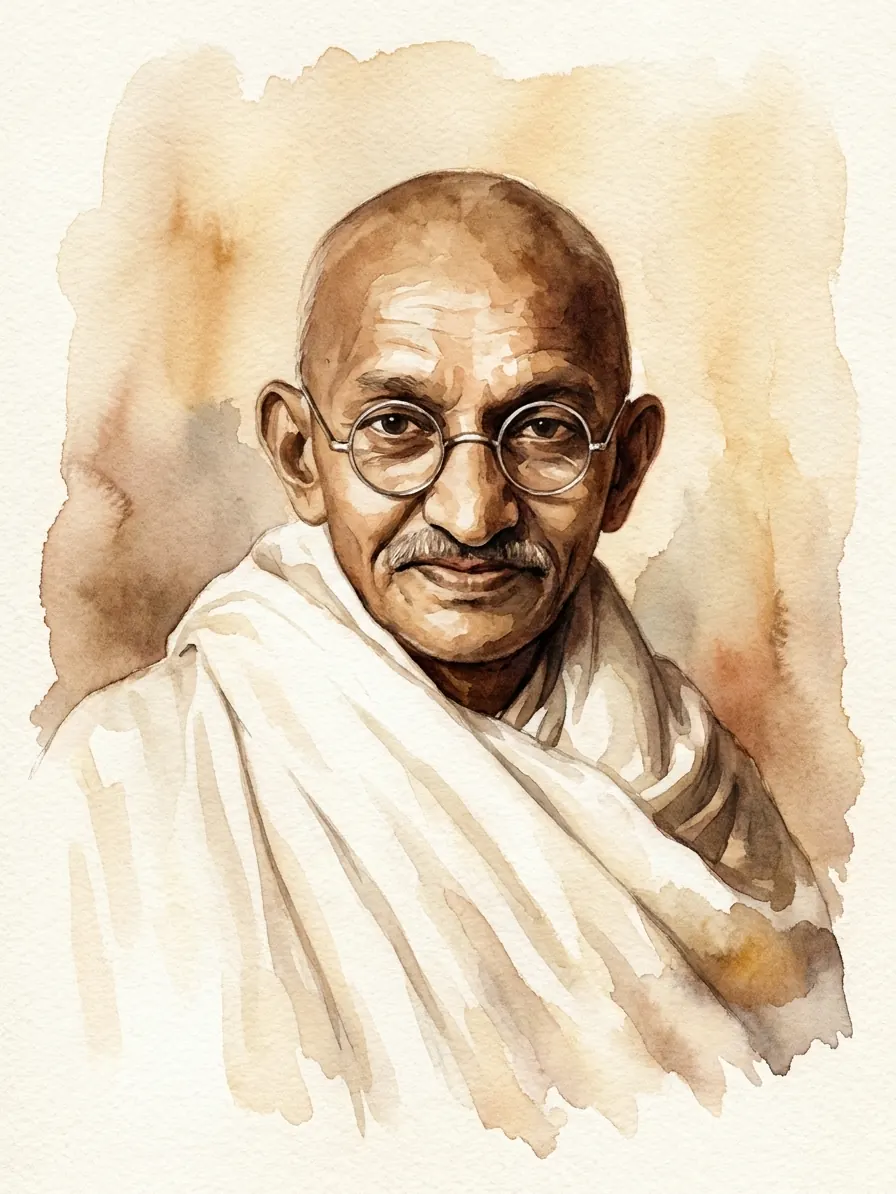 Respectful Portrait
Create a respectful watercolor portrait of Mahatma Gandhi in a simple white shawl and round glasses. Soft edges, warm paper texture, quiet expression, no text.
Try This Direction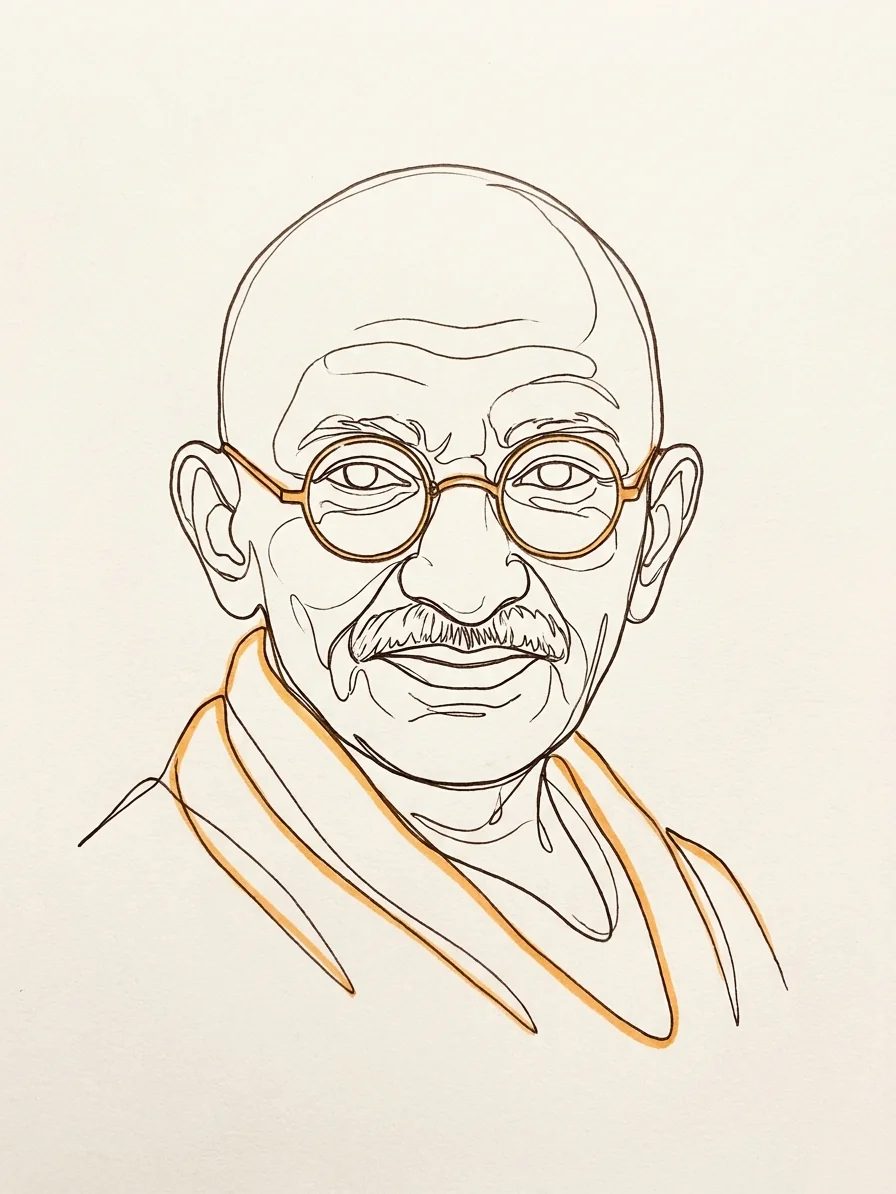 Respectful Portrait
Create a dignified continuous-line illustration of Mahatma Gandhi’s face with round glasses and characteristic features. Warm white background, restrained saffron accent, no text.
Try This Direction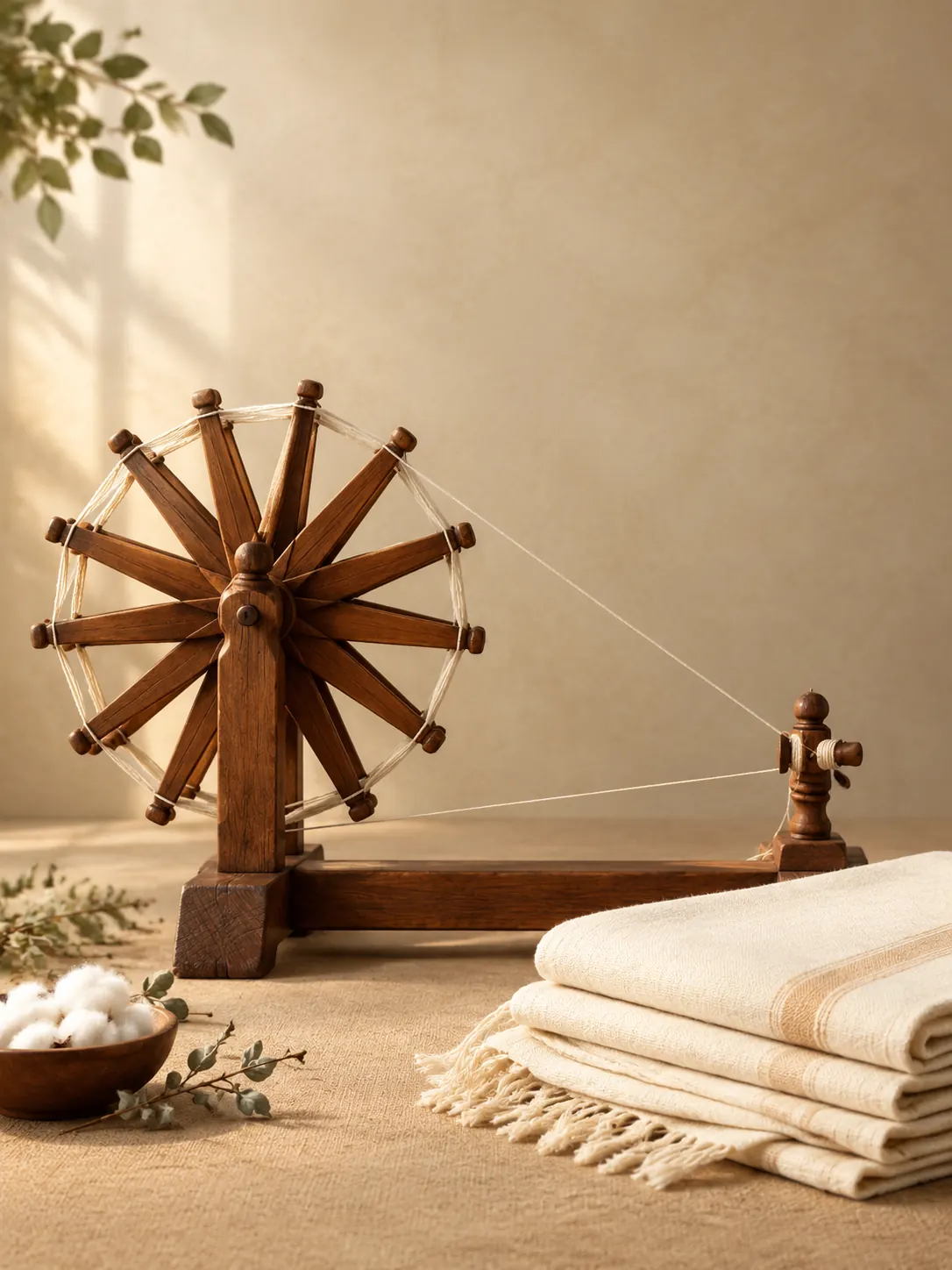 Charkha Heritage
Create a commemorative poster artwork with a detailed wooden charkha and folded khadi cloth. Soft museum-style lighting, earthy neutral palette, generous blank space, no text.
Try This Direction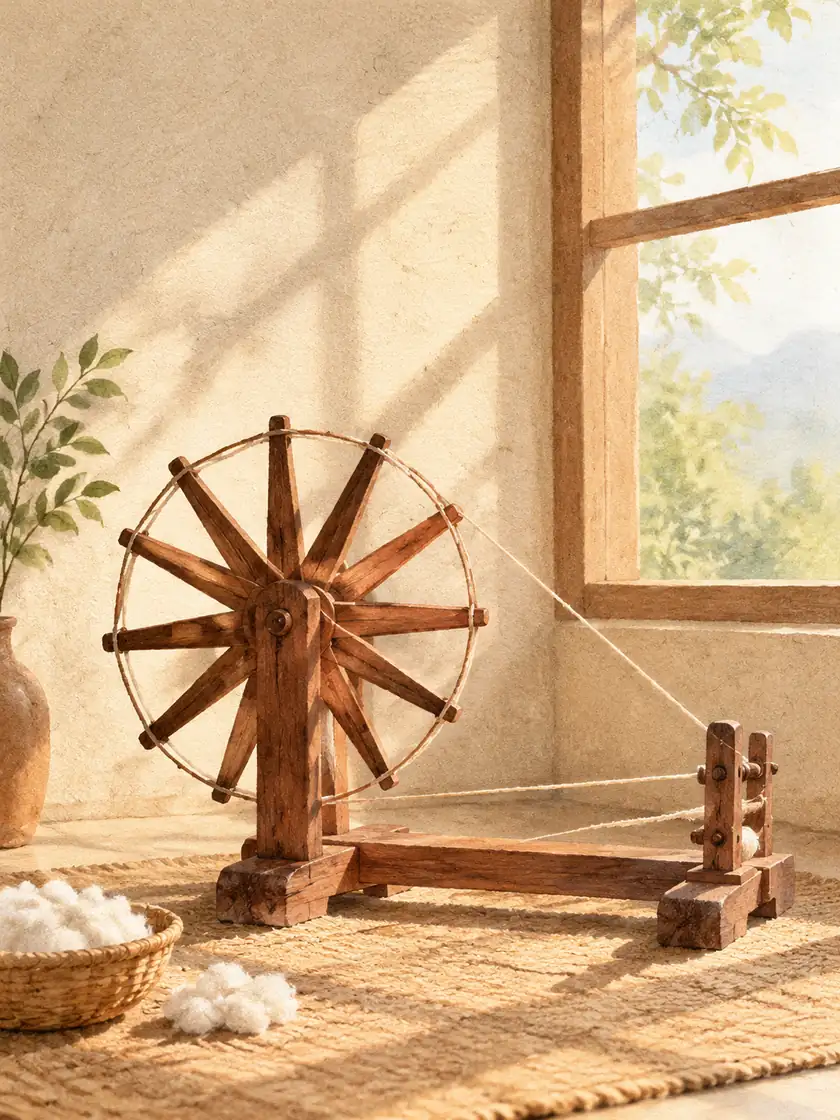 Charkha Heritage
Create a Gandhi Jayanti poster artwork showing a traditional charkha near a sunlit window. Tactile handmade paper aesthetic, quiet atmosphere, uncluttered layout, no lettering.
Try This Direction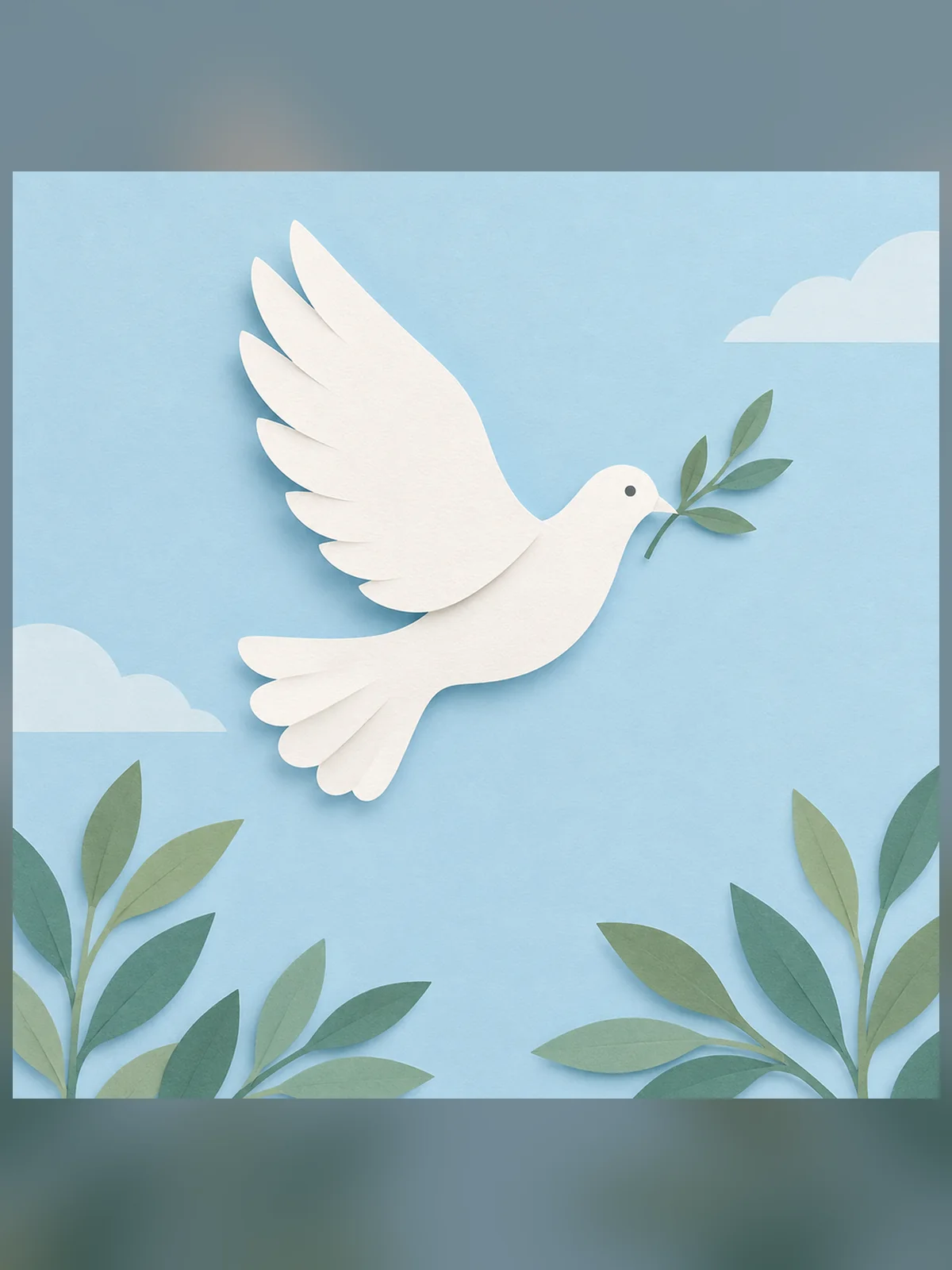 Peace and Ahimsa
Create a Gandhi Jayanti tribute artwork with a white dove crossing a pale blue sky above simple leaves. Refined paper-cut style, airy negative space, no lettering.
Try This Direction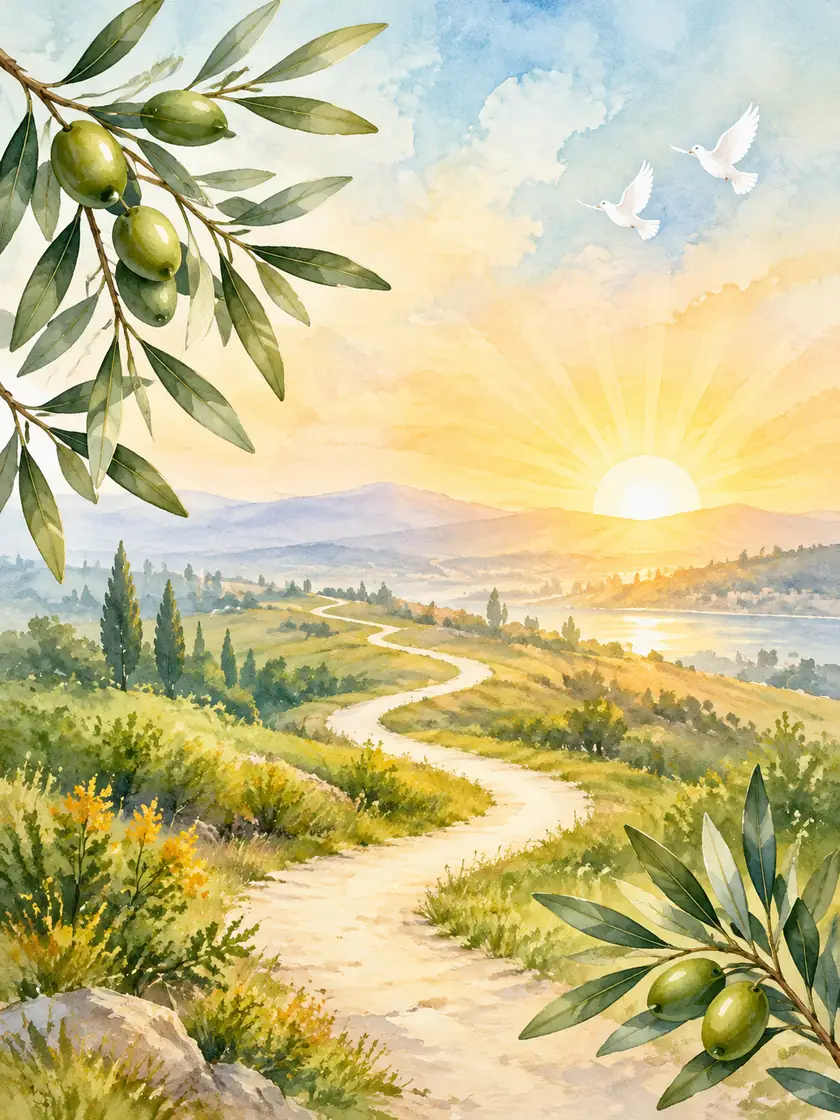 Peace and Ahimsa
Create a commemorative peace poster with a winding path toward sunrise and delicate olive branches. Gentle watercolor, hopeful atmosphere, restrained saffron and green accents, no text.
Try This Direction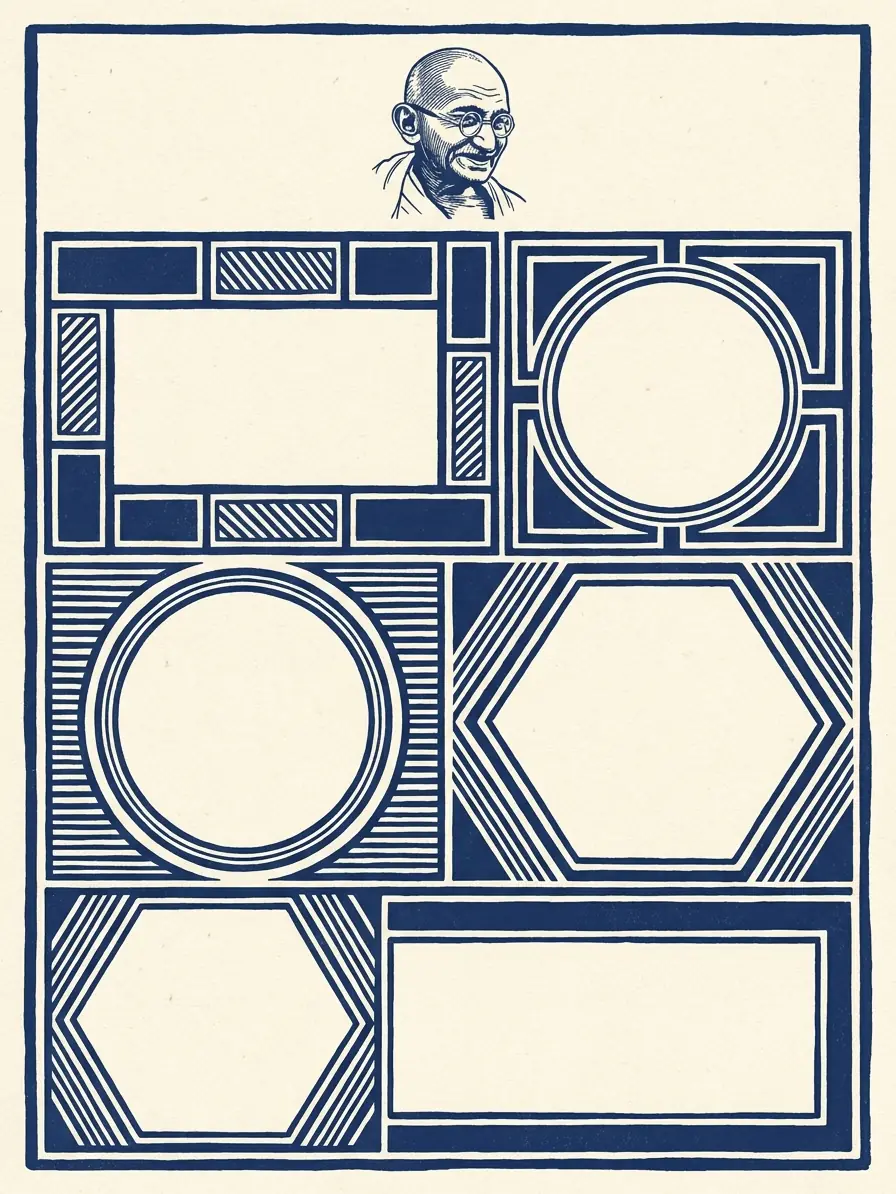 Educational Tribute
Create a Gandhi Jayanti educational poster background with a small respectful Gandhi portrait and structured geometric panels. Indigo and cream palette, empty caption spaces, no text.
Try This Direction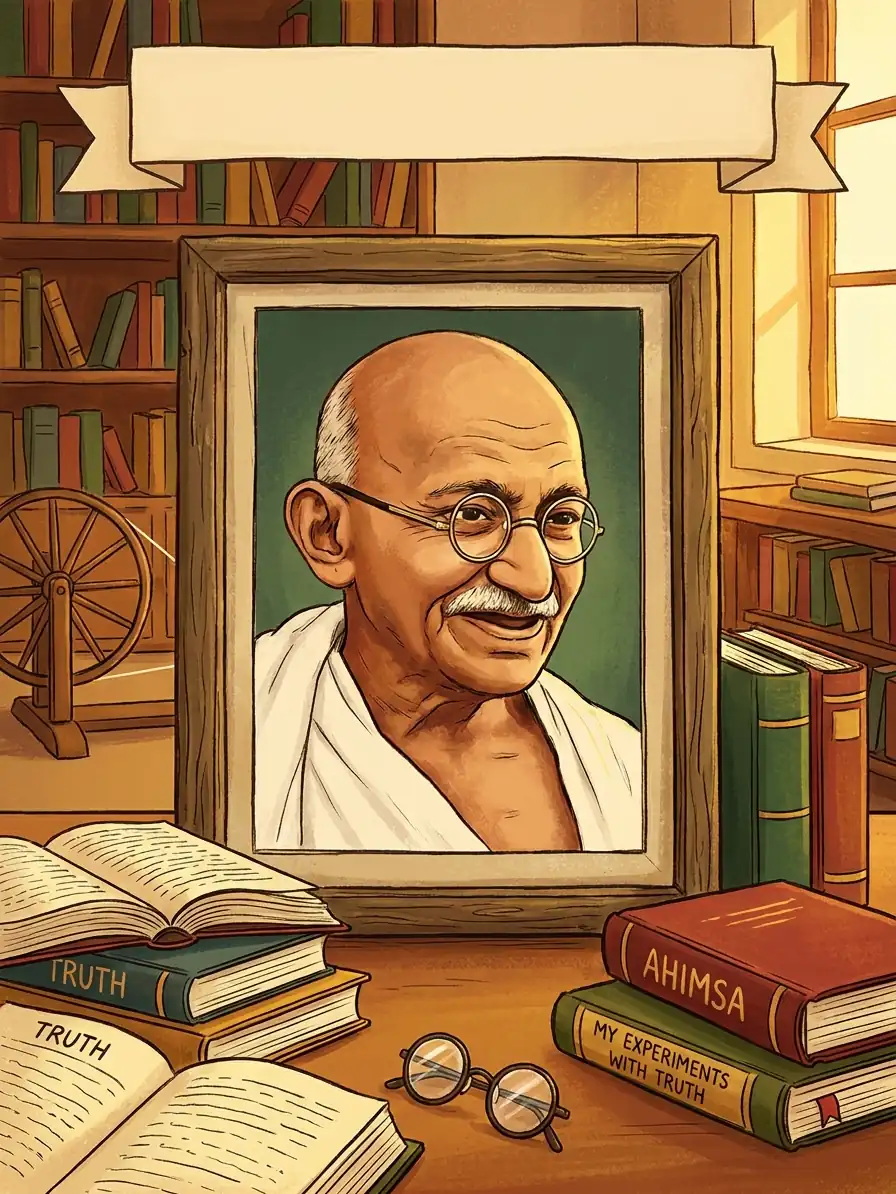 Educational Tribute
Create a Gandhi Jayanti library poster with books, round spectacles, and a framed Gandhi illustration. Warm amber palette, a blank headline banner, and small book-spine labels.
Try This Direction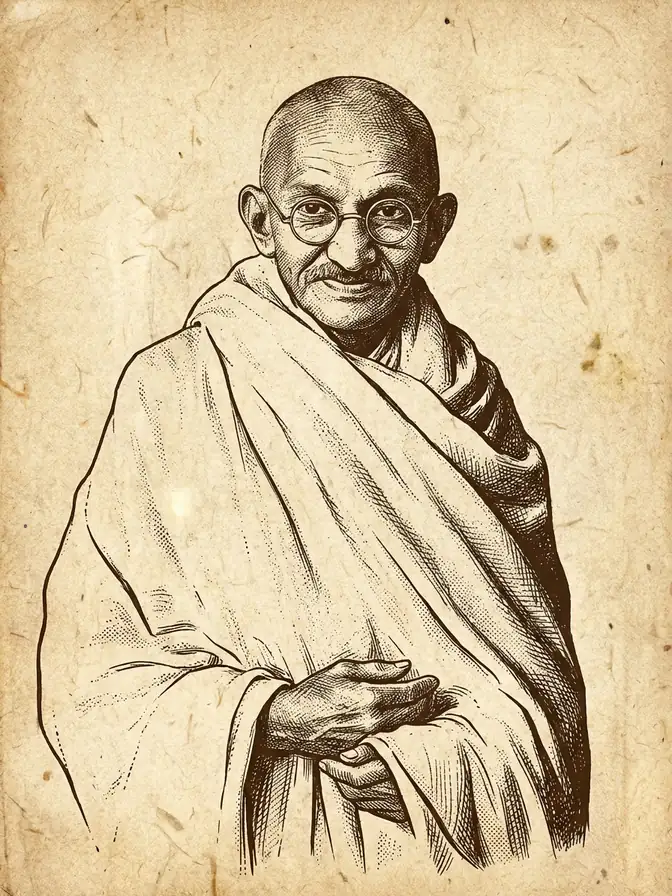 Respectful Portrait
Create a sepia illustrated tribute to Mahatma Gandhi with accurate round spectacles and a simple shawl. Clearly drawn artwork, quiet dignity, textured background, no lettering.
Try This Direction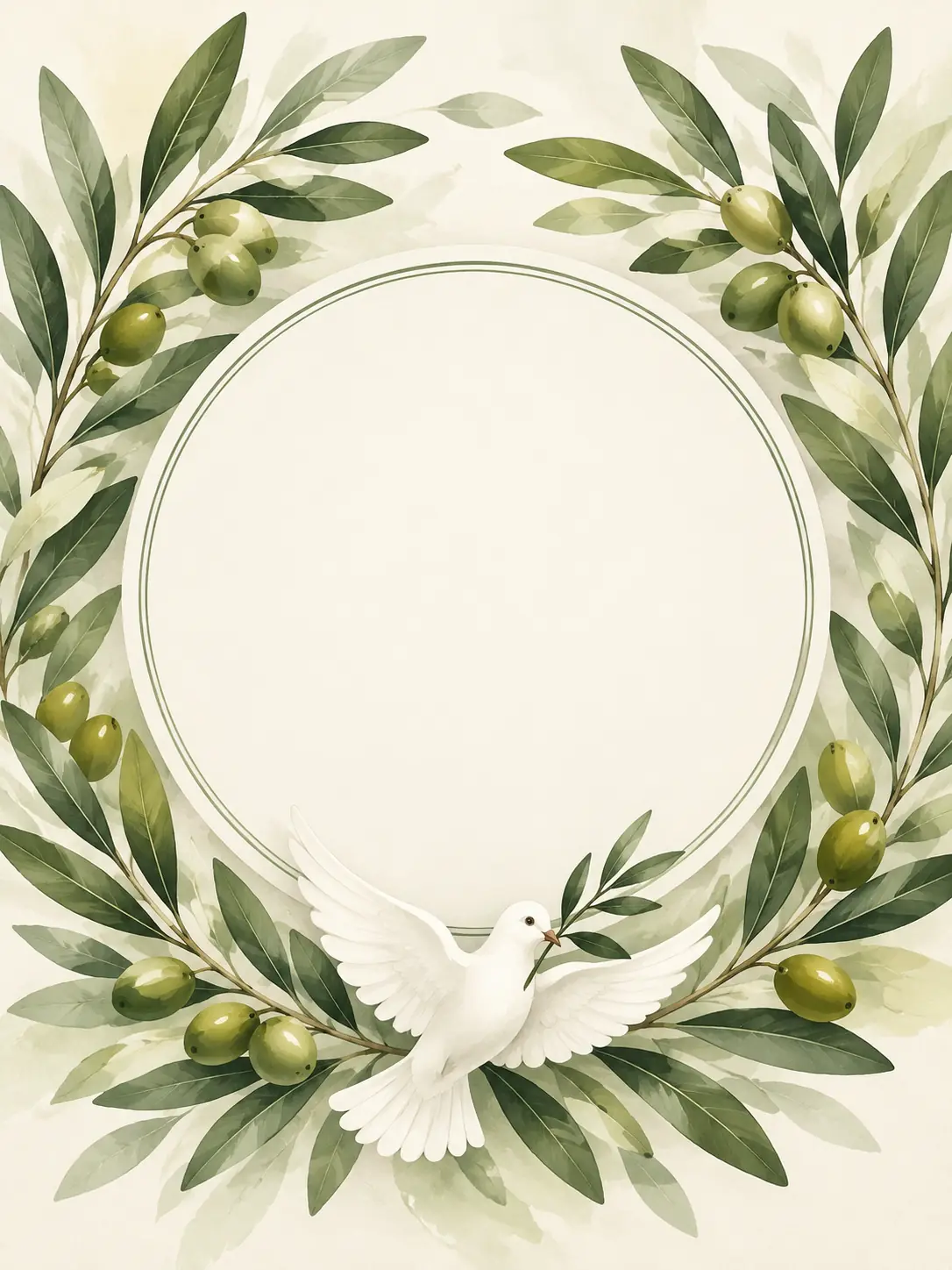 Peace and Ahimsa
Create a Gandhi Jayanti poster concept with olive leaves surrounding a clean circular center. Contemporary botanical illustration, soft green and ivory tones, no words or logos.
Try This DirectionGet more from the gandhi jayanti ai poster generator by connecting your prompt to a real destination, a clear visual style, and a careful final review.
Keep Gandhi’s distinctive features, round spectacles, and simple clothing recognizable. Review the likeness carefully instead of accepting a generic elderly portrait as a historical tribute.
The United Nations observes the International Day of Non-Violence on Gandhi’s birthday, 2 October. Use the Gandhi Jayanti AI poster generator with that verified date in mind.
Choose a portrait, charkha, or peace motif as the main image. Supporting colors and borders should reinforce the idea rather than crowd the poster with unrelated symbolism.
Use your own message or a quotation checked against a reliable source. Do not place an attractive but unverified sentence beneath Gandhi’s name and present it as his words.
Create tribute artwork rather than fabricated historical photographs. Label AI-created imagery appropriately when the audience might mistake it for an archival photograph or authentic historical artifact.
Inspect the portrait, symbolic details, date, and headline at the intended size. Add exact event information separately when the generated image cannot provide dependable typography.
Use this planning comparison with the gandhi jayanti ai poster generator. These are creative tradeoffs, not model rankings or measured performance claims.
| Criteria | Portrait tribute | Symbol-led tribute | Educational layout |
|---|---|---|---|
| Primary focus | Place Gandhi’s recognizable identity at the center. | Communicate the theme through a charkha or peace motif. | Leave room for verified context and event details. |
| Prompt direction | A respectful illustrated portrait and simple clothing. | One primary symbol with restrained supporting detail. | A smaller illustration and clear blank text areas. |
| Review carefully | Check likeness, spectacles, and hand anatomy. | Check object structure and symbolic context. | Check the date, quote sources, and readability. |
| Useful for | Best for commemorative visual identity. | Best for understated event artwork. | Best for school or library displays. |
Fictional use cases for the gandhi jayanti ai poster generator, not customer reviews or endorsements. Use them to plan a realistic creative workflow.
A fictional teacher chooses a gentle illustrated portrait for an educational display. The final caption uses checked dates and a short original message about non-violence, with no invented quotation.
A fictional organizer plans a charkha-led poster with neutral khadi texture. Venue and timing are added separately so the tribute remains visually simple and the practical details stay accurate.
A fictional cultural group chooses a dove and botanical composition. The image supports a message of non-violence without pretending to reproduce an official emblem or historical photograph.
Arena text-to-image snapshot, updated Oct 5, 2026. General image preference scores, not tests of this task, text accuracy, cultural fidelity, or content-policy acceptance; model variants may differ from GlobalGPT.
| Rank | Model | Arena Rating | Votes | Rank Range | Price / Image |
|---|---|---|---|---|---|
| #1 | gpt-image-2 (medium) OpenAI / Proprietary | 1381.71 | 75014 | #1-#1 | 0 |
| #2 | mai-image-2.6-preview Microsoft AI / Proprietary | 1330.7 | 6418 | #2-#3 | - |
| #3 | grok-imagine-image-2.0 (low) SpaceXAI / Proprietary | 1315.6 | 2675 | #2-#4 | - |
| #4 | reve-2.1 Reve / Proprietary | 1301.61 | 7580 | #3-#4 | - |
Source: Arena Leaderboard
It helps you explore respectful visual concepts for commemorative posters, educational displays, community events, and social graphics. The output is AI-created artwork, not an authenticated photograph or official government design.
Gandhi Jayanti is observed on 2 October, Mahatma Gandhi’s birthday. The United Nations also marks the International Day of Non-Violence on that date. Check your event’s year, venue, and schedule separately.
Yes, when you verify the wording and attribution with a dependable source first. AI can invent plausible quotations. For reliable lettering, add the checked text in a separate editor after choosing the artwork.
Accuracy is not guaranteed. Review Gandhi’s characteristic facial features, round glasses, clothing, and the surrounding symbols. Prefer clearly illustrated tributes and avoid depicting invented historical events as documentary evidence.
Yes. A charkha, khadi texture, books, or a restrained peace motif can support a thoughtful tribute. Keep the composition focused, leave room for your headline, and review cultural and factual details before sharing.