

The horn floats
A horn placed above the coat instead of growing out of the skull is the single most common failure. Ask for it emerging from the forehead with a visible base.
Describe the breed, the landscape and the light, and get a photographic unicorn portrait for prints, covers and a fantasy brand.
Prompt Guide
Model
Reference Image
Anatomy, horn, light and ground decide whether the frame reads as an animal or a poster.
Name a breed with its build and coat: Highland pony, Friesian, Arabian. A generic horse gives a generic body, and the horn is then the only specific thing in the frame.
Place it on the forehead between the ears, angled slightly forward. Off-centre horns are the fastest tell that the image is assembled rather than observed.
Ivory, bone or pearl all reflect differently. Say which one and where the light comes from, or the horn turns into a white plastic cone.
Heather, wet basalt, bluebells, frost. A surface with texture tells the eye the animal has weight, and weight is what sells the impossible part.
Long lens, eye level, the animal looking past the camera. Wildlife photographers rarely centre a subject, and that habit reads as truth.
Ten unicorn frames across daylight, weather and studio light, each one a prompt you can retype.
 Landscape
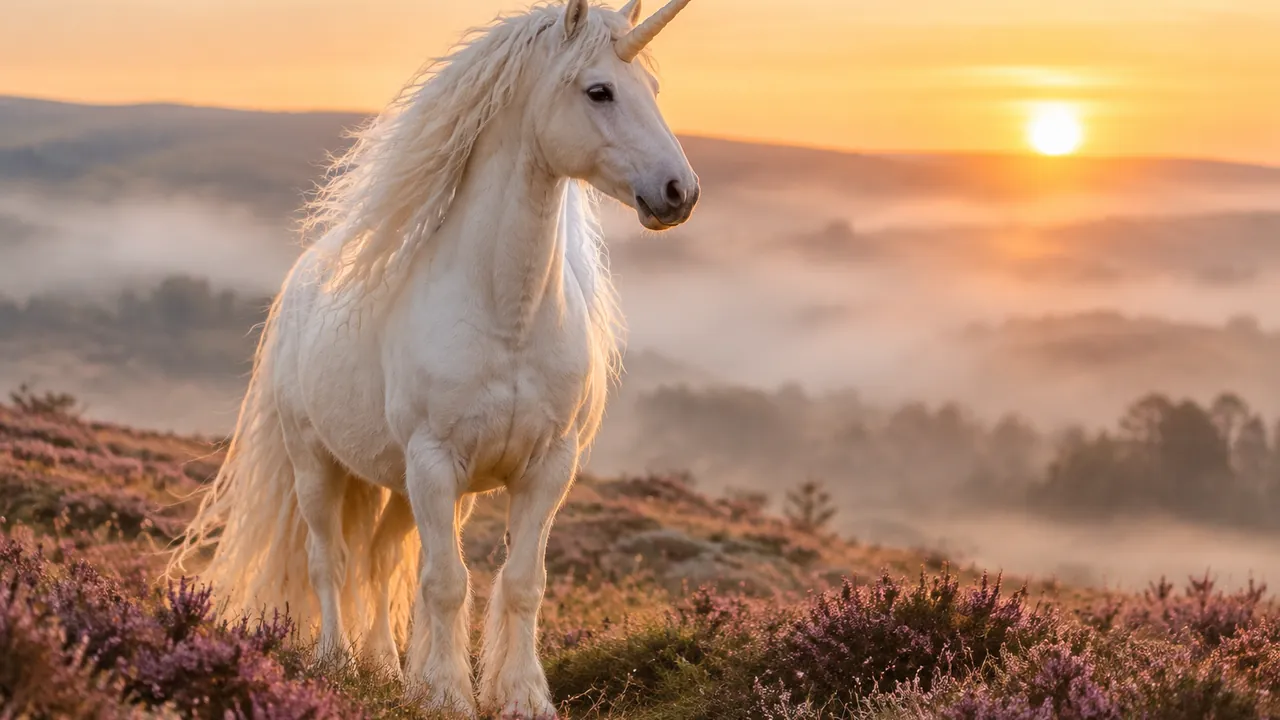
White Highland pony with an ivory horn on a heather moor at sunrise, mist below, warm rim light real photograph, shot on a 50mm lens at f2.8, natural directional light, true skin and material texture, shallow depth of field, no text, no watermark, no illustration, no 3d render
Try This Prompt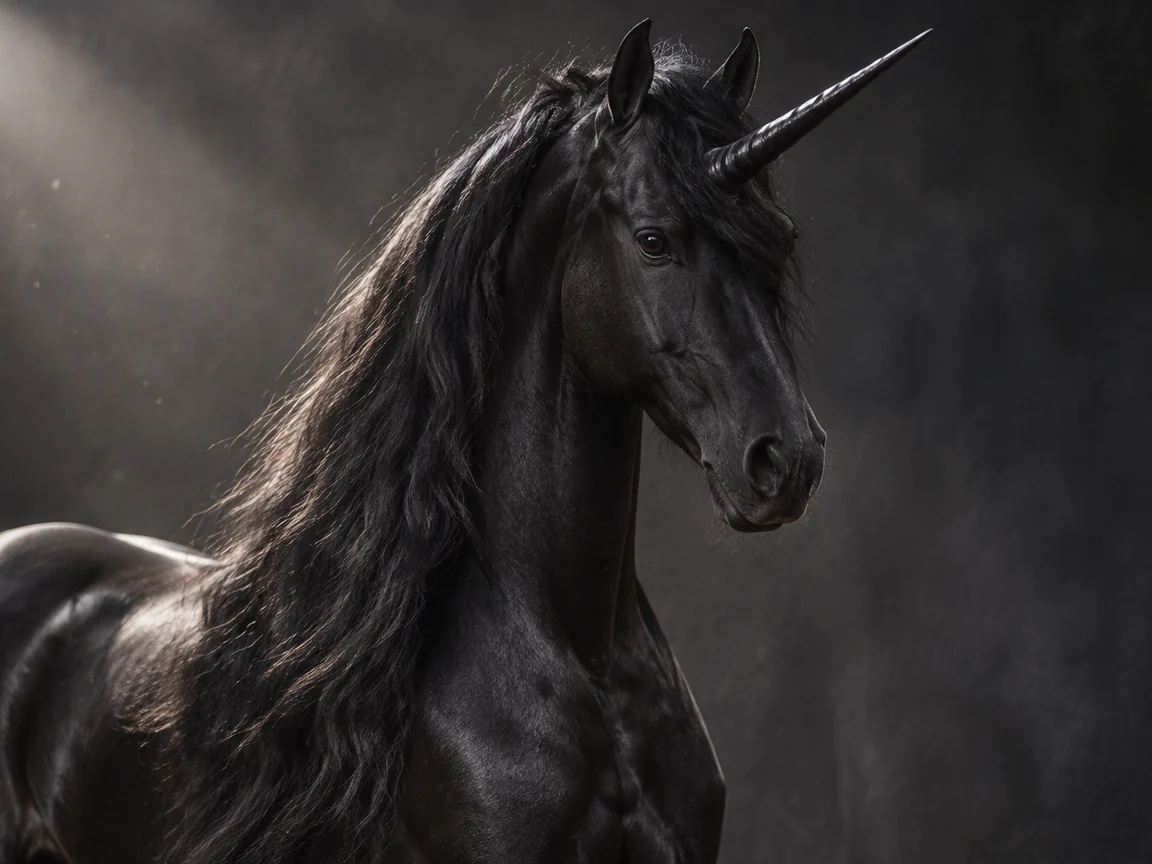 Studio
Black Friesian with a polished horn on a charcoal studio backdrop, one softbox, visible dust real photograph, shot on a 50mm lens at f2.8, natural directional light, true skin and material texture, shallow depth of field, no text, no watermark, no illustration, no 3d render
Try This Prompt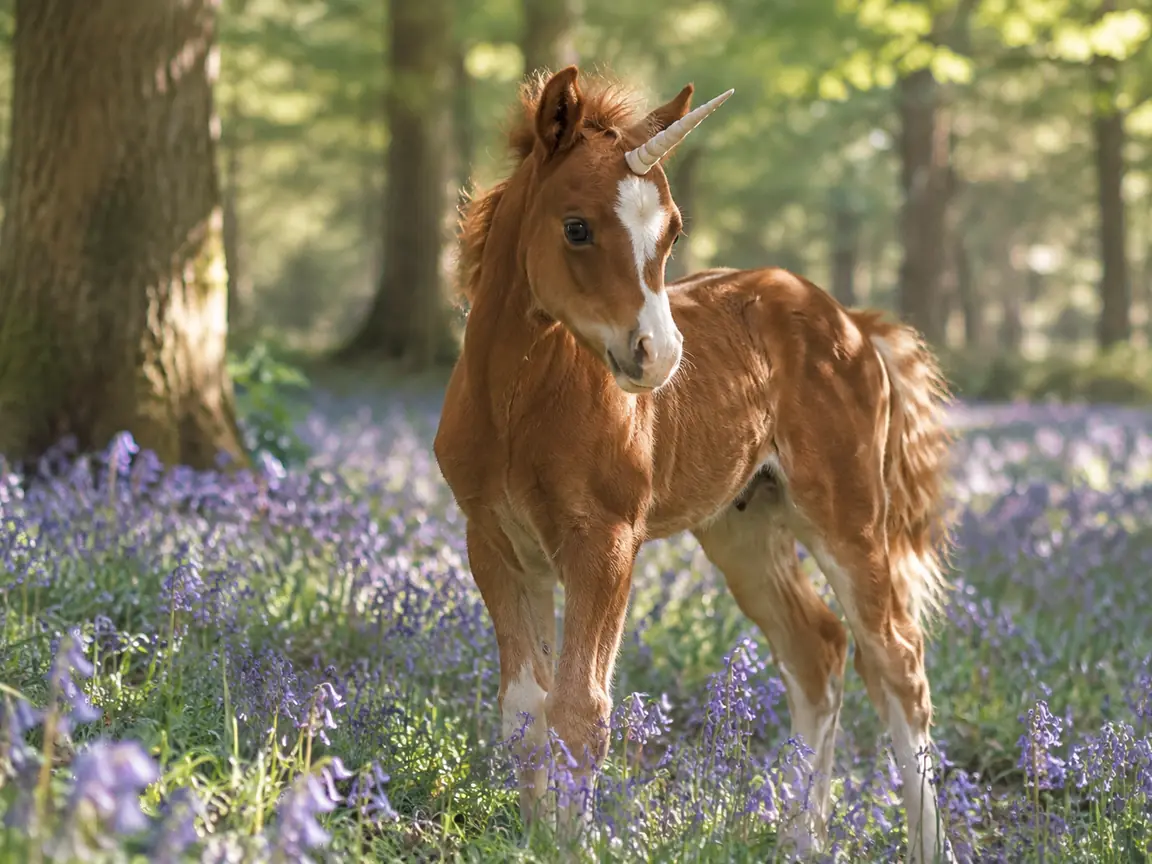 Young
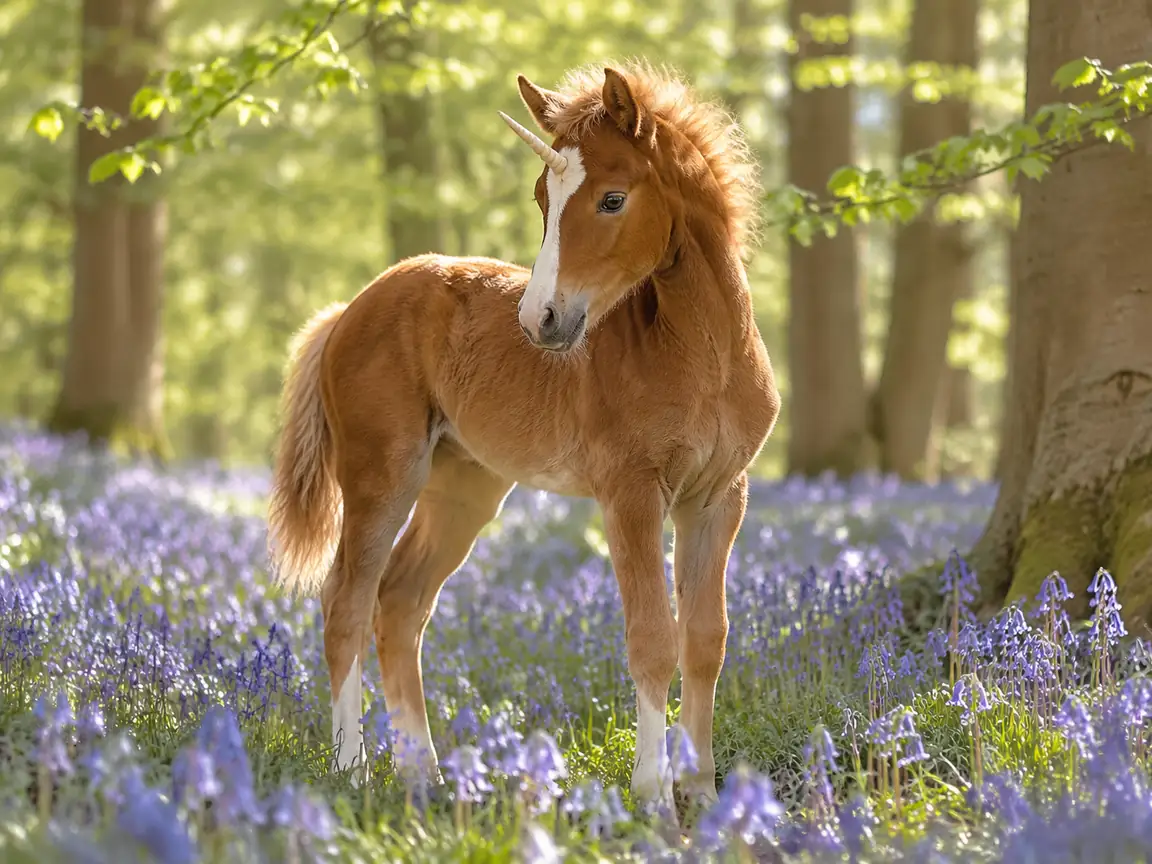
Chestnut foal with a small horn in a bluebell wood, dappled spring light real photograph, shot on a 50mm lens at f2.8, natural directional light, true skin and material texture, shallow depth of field, no text, no watermark, no illustration, no 3d render
Try This Prompt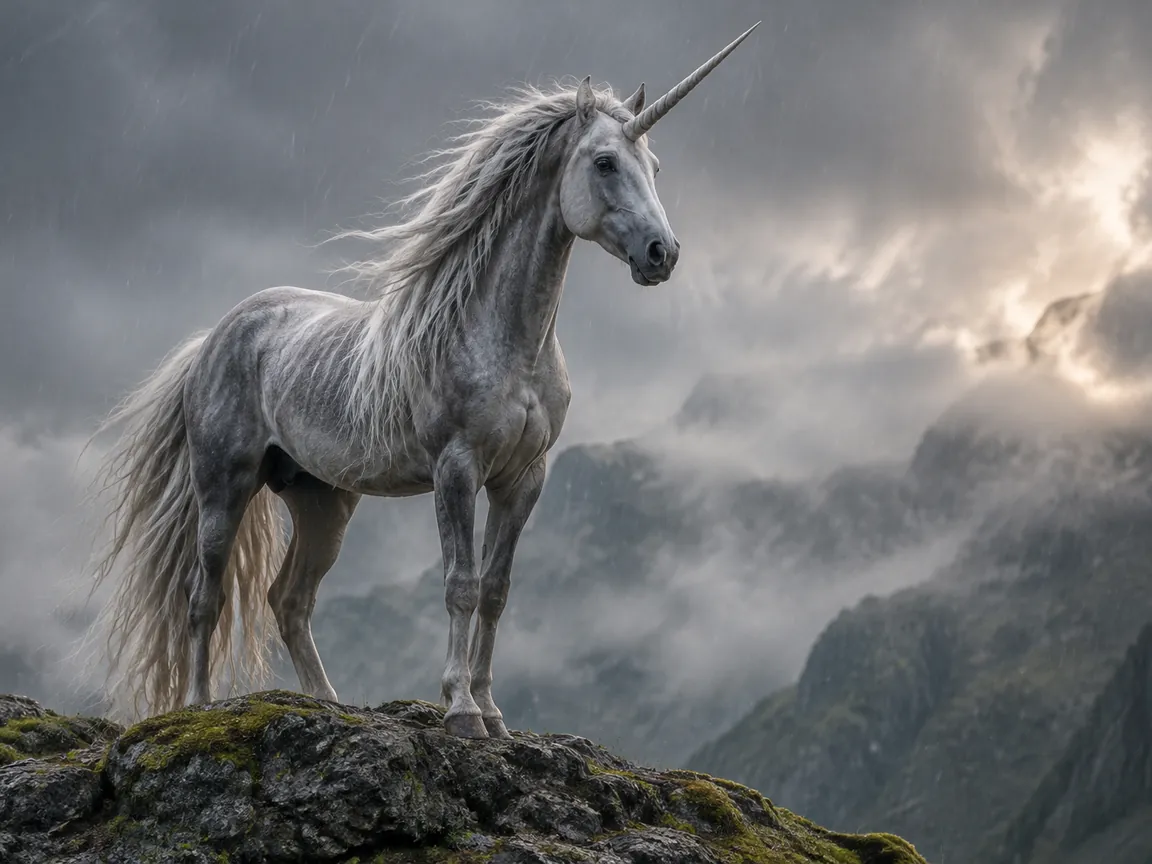 Weather
Grey mare with a long horn on a basalt ridge, storm light, rain haze real photograph, shot on a 50mm lens at f2.8, natural directional light, true skin and material texture, shallow depth of field, no text, no watermark, no illustration, no 3d render
Try This Prompt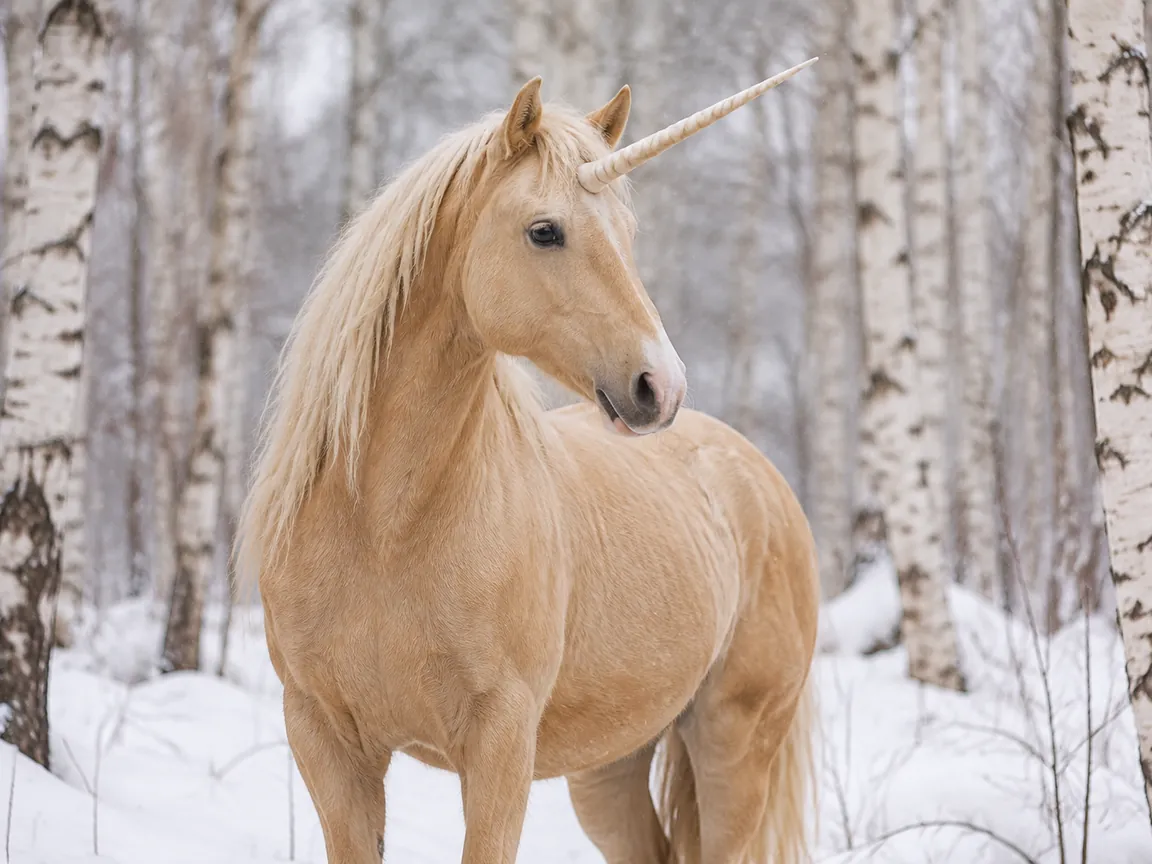 Weather
Palomino with a bone horn among white birches in snow, flat overcast light real photograph, shot on a 50mm lens at f2.8, natural directional light, true skin and material texture, shallow depth of field, no text, no watermark, no illustration, no 3d render
Try This Prompt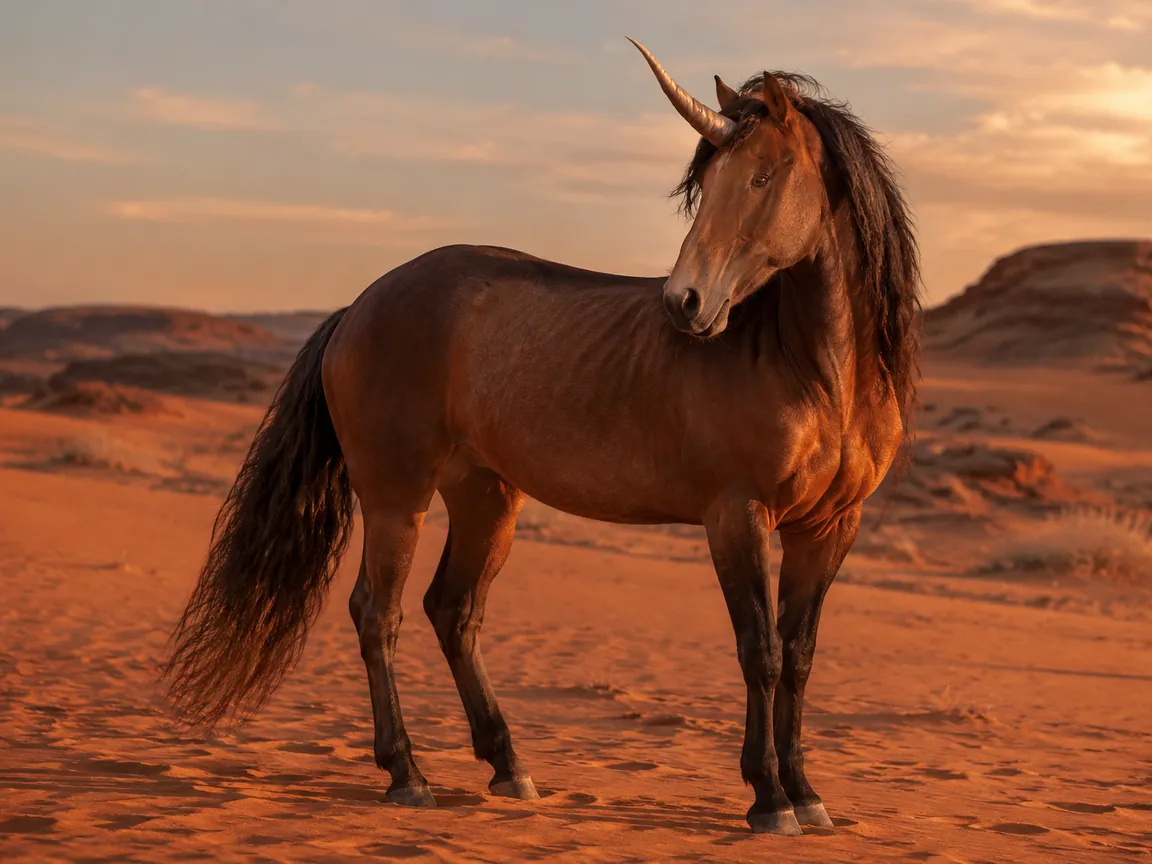 Weather
Bay mare with a curved horn on red desert sand at dusk, long shadows real photograph, shot on a 50mm lens at f2.8, natural directional light, true skin and material texture, shallow depth of field, no text, no watermark, no illustration, no 3d render
Try This Prompt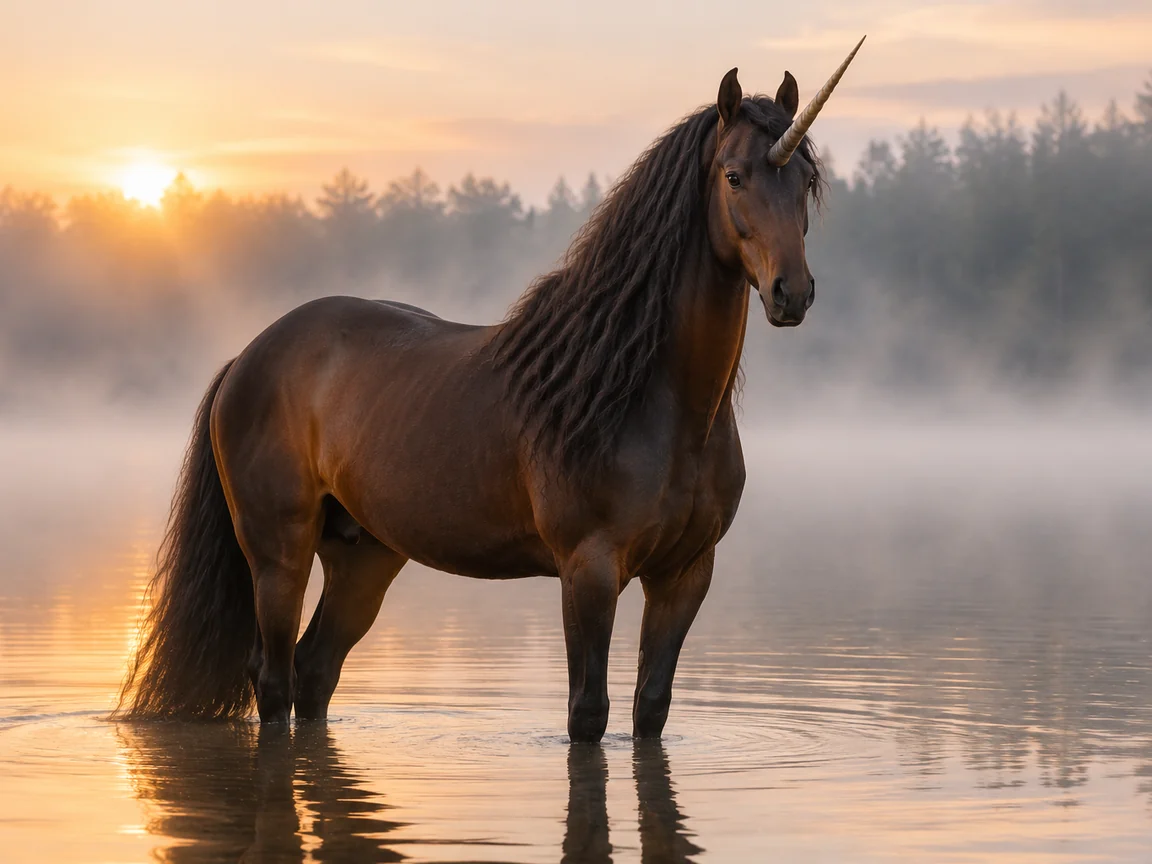 Weather
Dark bay unicorn standing in shallow lake water at dawn, mist, still reflection real photograph, shot on a 50mm lens at f2.8, natural directional light, true skin and material texture, shallow depth of field, no text, no watermark, no illustration, no 3d render
Try This Prompt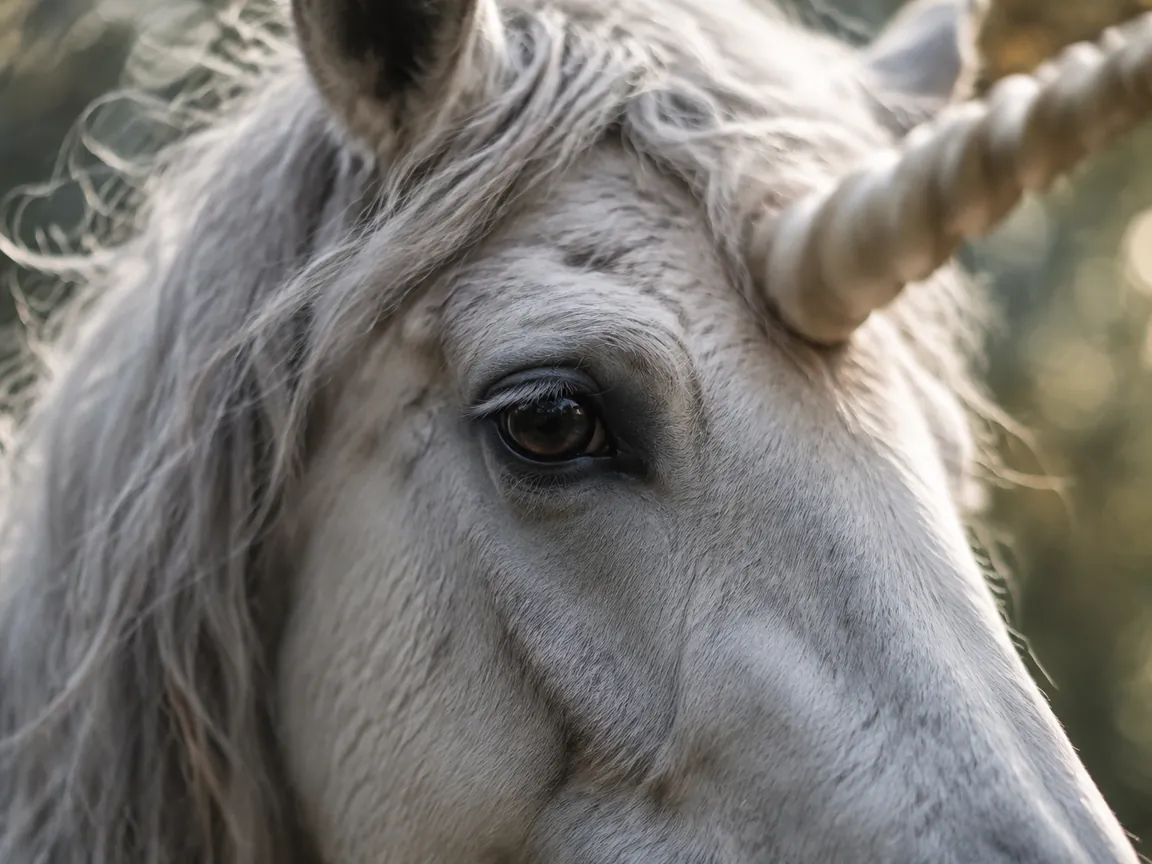 Weather
Close head study of a grey unicorn, eye in sharp focus, horn out of focus behind real photograph, shot on a 50mm lens at f2.8, natural directional light, true skin and material texture, shallow depth of field, no text, no watermark, no illustration, no 3d render
Try This Prompt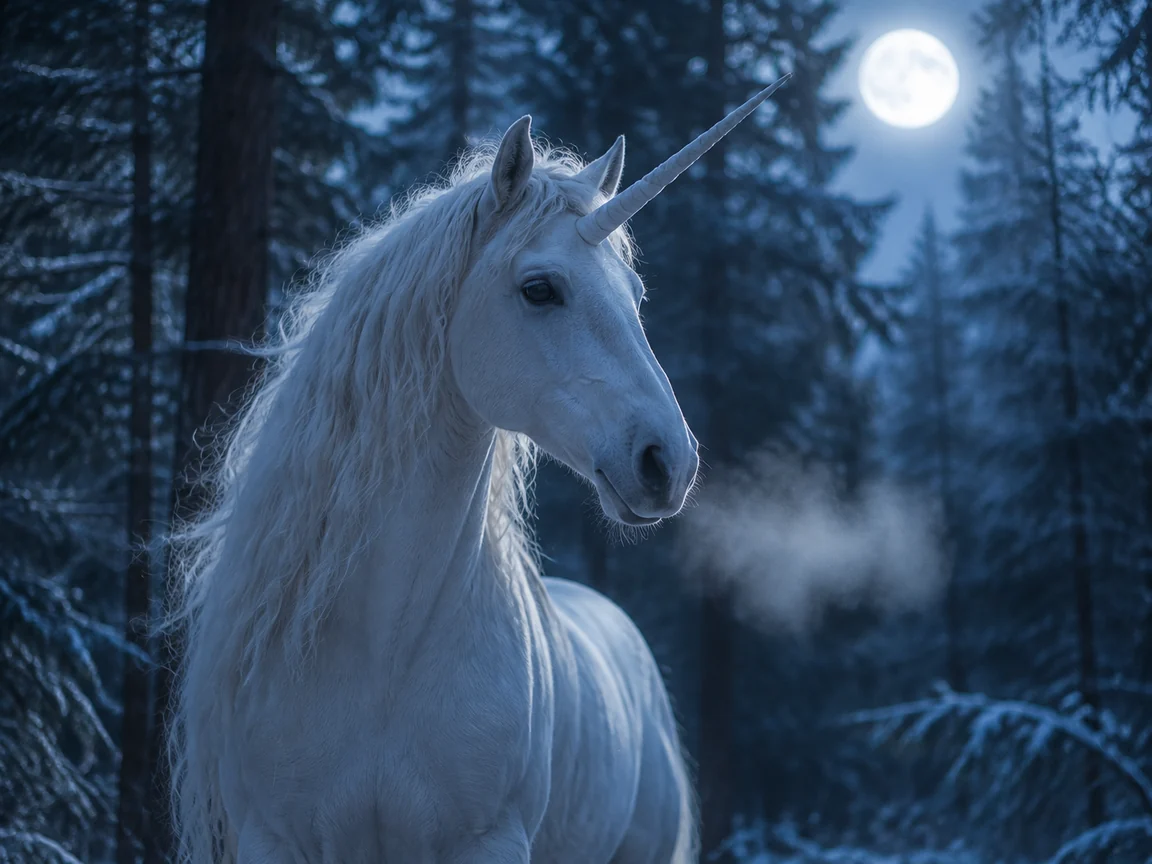 Weather
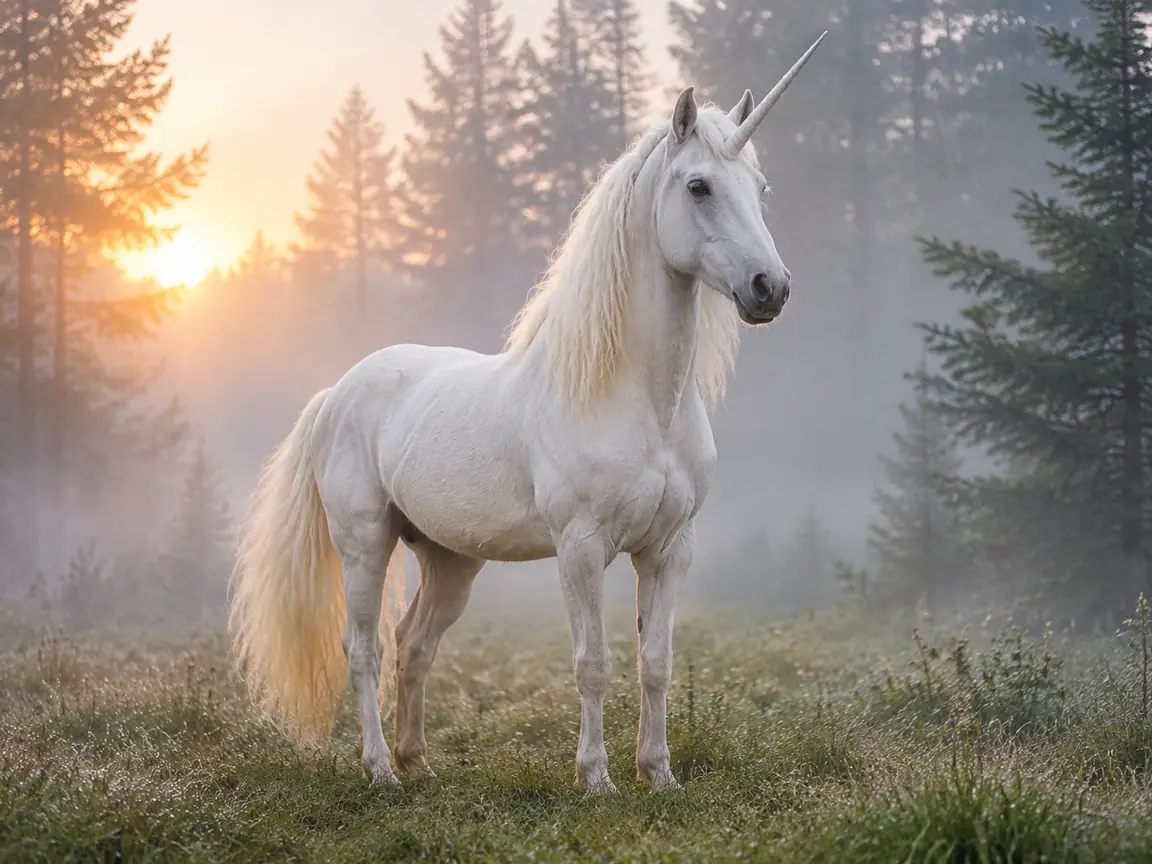
White unicorn in a moonlit pine forest, cold blue light, breath visible real photograph, shot on a 50mm lens at f2.8, natural directional light, true skin and material texture, shallow depth of field, no text, no watermark, no illustration, no 3d render
Try This Prompt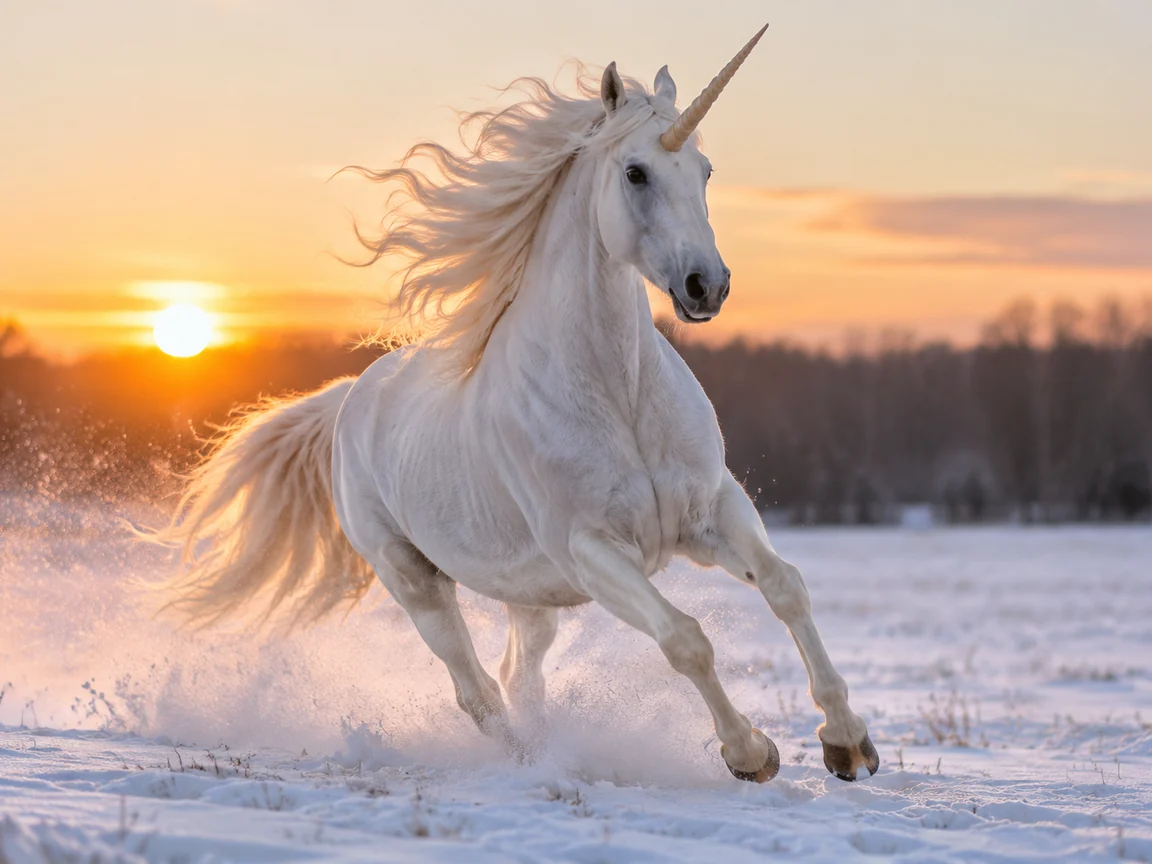 Weather
Unicorn galloping through a snowfield, snow kicked up, low winter sun real photograph, shot on a 50mm lens at f2.8, natural directional light, true skin and material texture, shallow depth of field, no text, no watermark, no illustration, no 3d render
Try This PromptFive habits separate a wildlife photograph from a fantasy poster.
A horn placed above the coat instead of growing out of the skull is the single most common failure. Ask for it emerging from the forehead with a visible base.
Breed names carry proportion, neck shape and coat. Without one, the model reaches for a toy horse silhouette.
One named source, one direction. Two suns flatten the coat and kill the eye highlight that makes an animal look alive.
Hooves need shadow and displaced grass or snow. Floating hooves read as a cut-out at any size.
Wildlife frames isolate the eye. Deep focus everywhere makes a fantasy creature look like a render.
Real coats have dirt, dapple and uneven tone. A perfectly uniform white is the fastest route to plastic.
I needed a cover image for a short story collection by Thursday. I described a Highland pony on a moor, ran it twice, and the second pass with a lower sun became the cover. Nobody has asked whether it was real.
The breed line changed everything. My first attempts were cartoonish until I typed Friesian and put a softbox on the left; then the coat, the dust and the horn all read as one photograph.
I use it for a tabletop game. Ten frames gave me a whole bestiary of unicorns that look photographed in the same world, and the prompts are short enough to retype on a phone.
Yes, if you borrow the anatomy of a real breed and keep the horn the only impossible element. Name the breed, the coat and the light, then describe the horn as ivory or bone growing from the forehead.
Usually uniform colour, no ground shadow and even light from nowhere. Add weather, dirt and one directional source, and give the hooves something to press into.
Generated frames are yours to use on covers, prints and brand work, but keep real breed names out of the ad copy and check the model licence on the picker before you sell a print run.
Upload the photo as a reference and describe only the horn, its material and the light. Keeping the original frame untouched is what stops the edit from smearing the mane.
The free allowance covers the prompt tests shown in the model picker. Longer print-ready renders on the stronger models are paid, and the price per image is shown before you run one.