

Power in the staging
Who is seated, who has the door behind them, who is lit and who is in shadow. Decide this first and the lines arrive with an imbalance already in them.
Stage two people in one frame, decide who stands, who sits and where the light falls, and get a scene still that reads as a real exchange.
Prompt Guide
Model
Reference Image
What to settle before you ask for lines.
One person needs something from the other in this scene, and the other needs something different. Two clear wants turn a description of a chat into an exchange with friction in it.
Decide who speaks in long sentences and who answers in three words, who uses names and who never does. If both people sound like the same writer, nothing later in the prompt will fix it.
Say the lines at speaking speed and cut every sentence you would not actually say. Repeat the ask with the cut version and the rhythm tightens on the second pass.
Each one already has a power balance, an hour and an exit.
 Tense
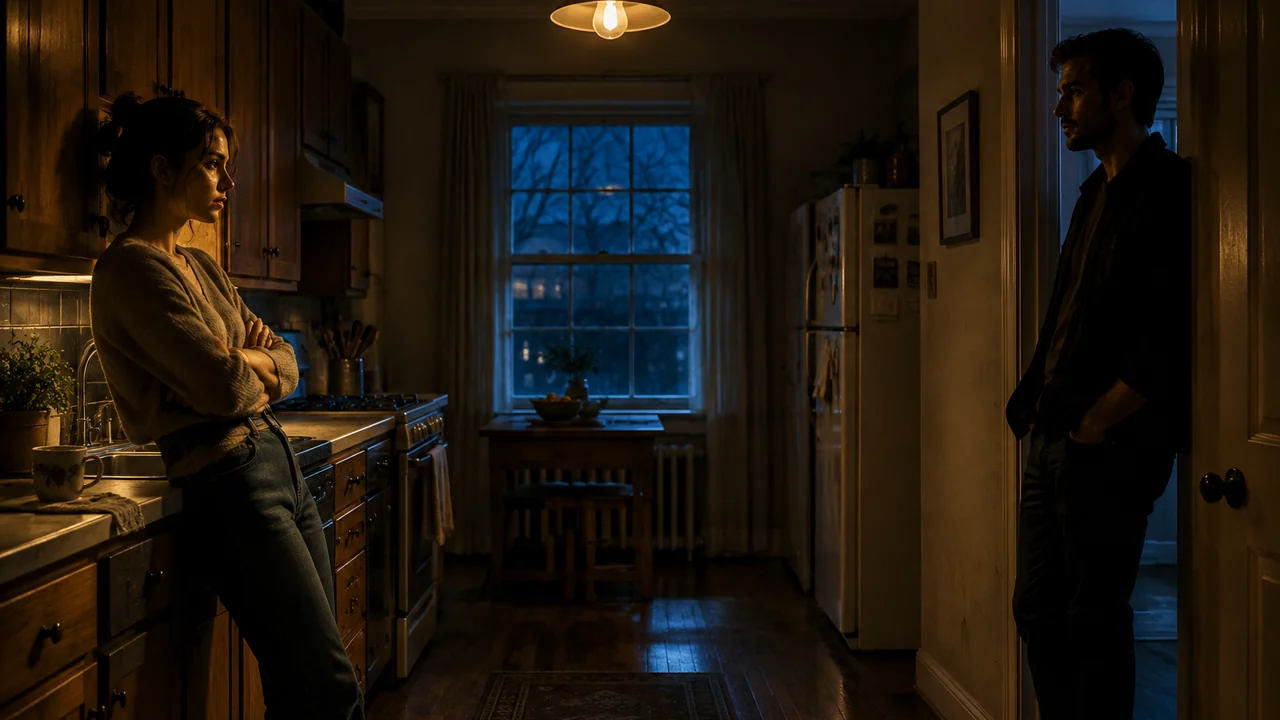
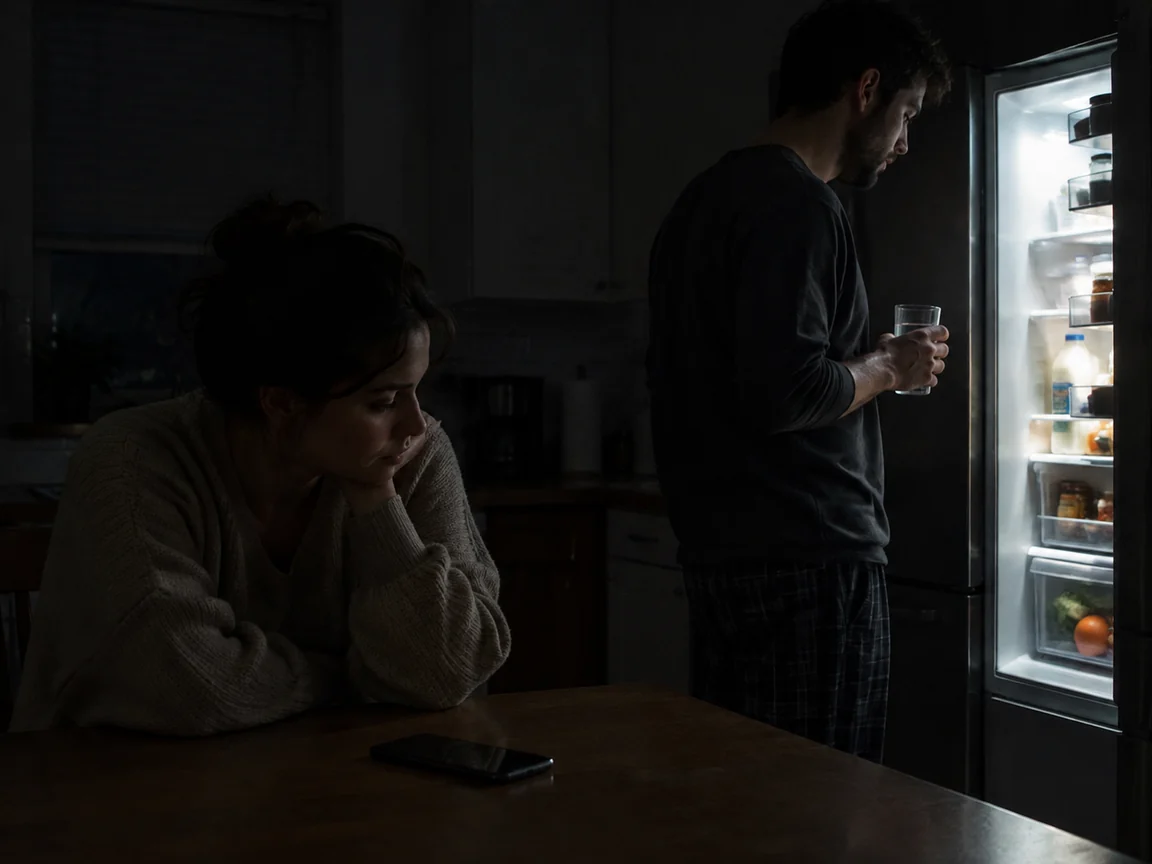
Two adults in a dark kitchen at one in the morning, one standing with a glass of water and one sitting at the table with a phone face down, only the fridge light on, cramped framing, 3:4.
Try This Style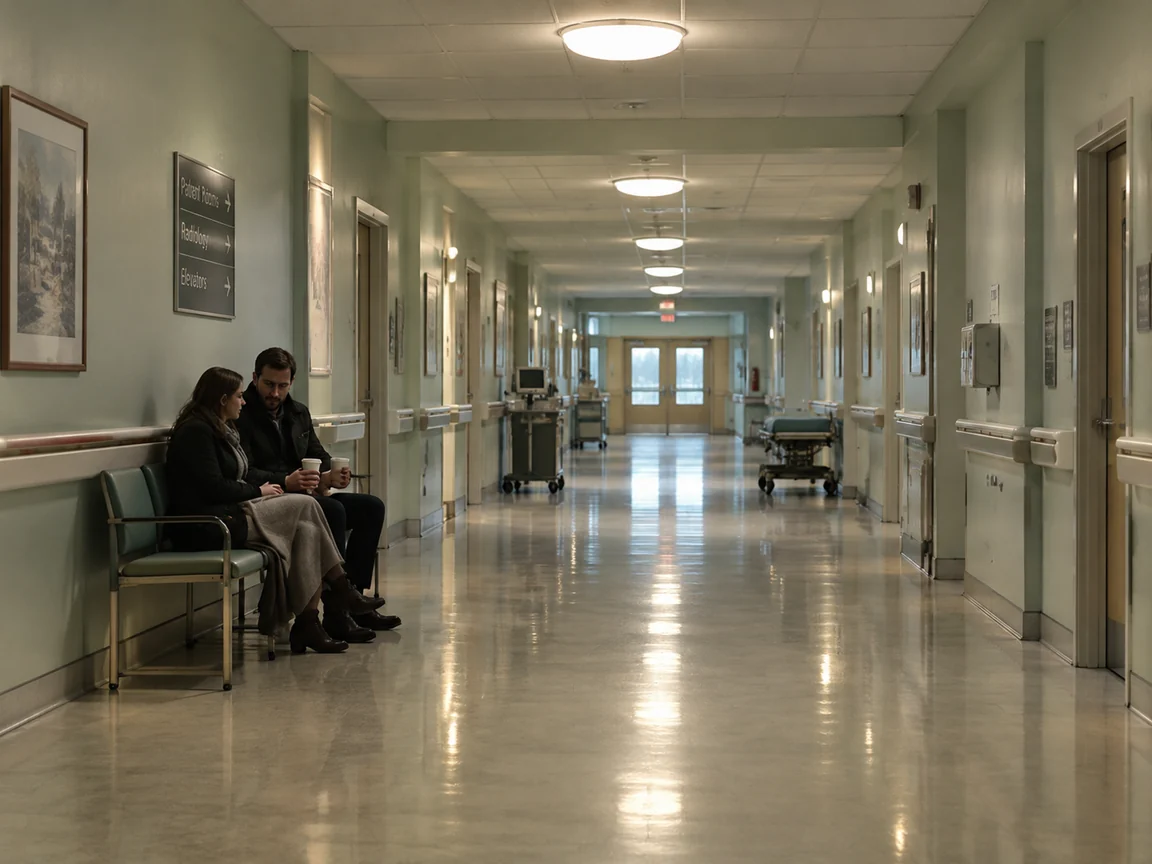 Warm
Two adults on a bench in a hospital corridor, one with a coat over their knees and one holding two paper cups, pale green walls and a soft ceiling light, wide shot down the corridor with the pair small and close together, 3:4.
Try This Style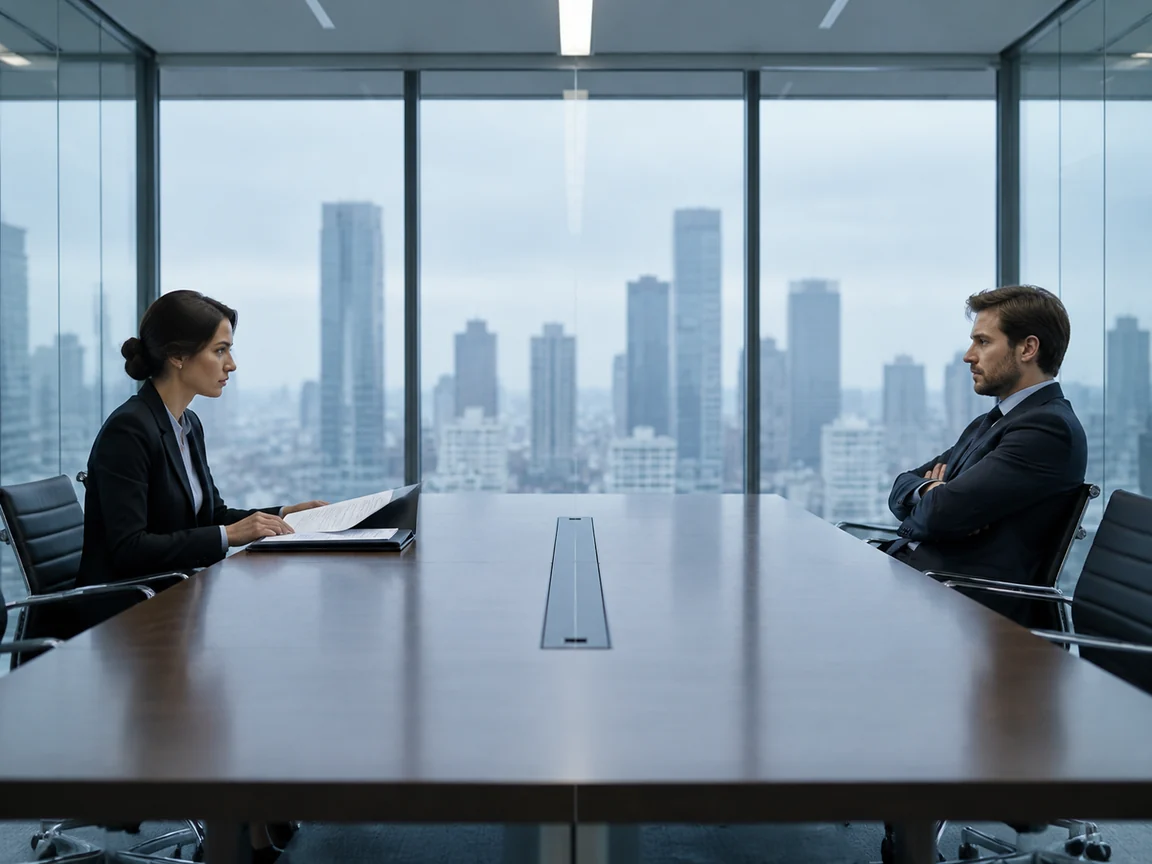 Workplace
Two adults across a long table in a glass meeting room, one with a folder open and one with arms folded, city towers blurred beyond the glass, cold daylight from above, symmetrical wide shot, 3:4.
Try This Style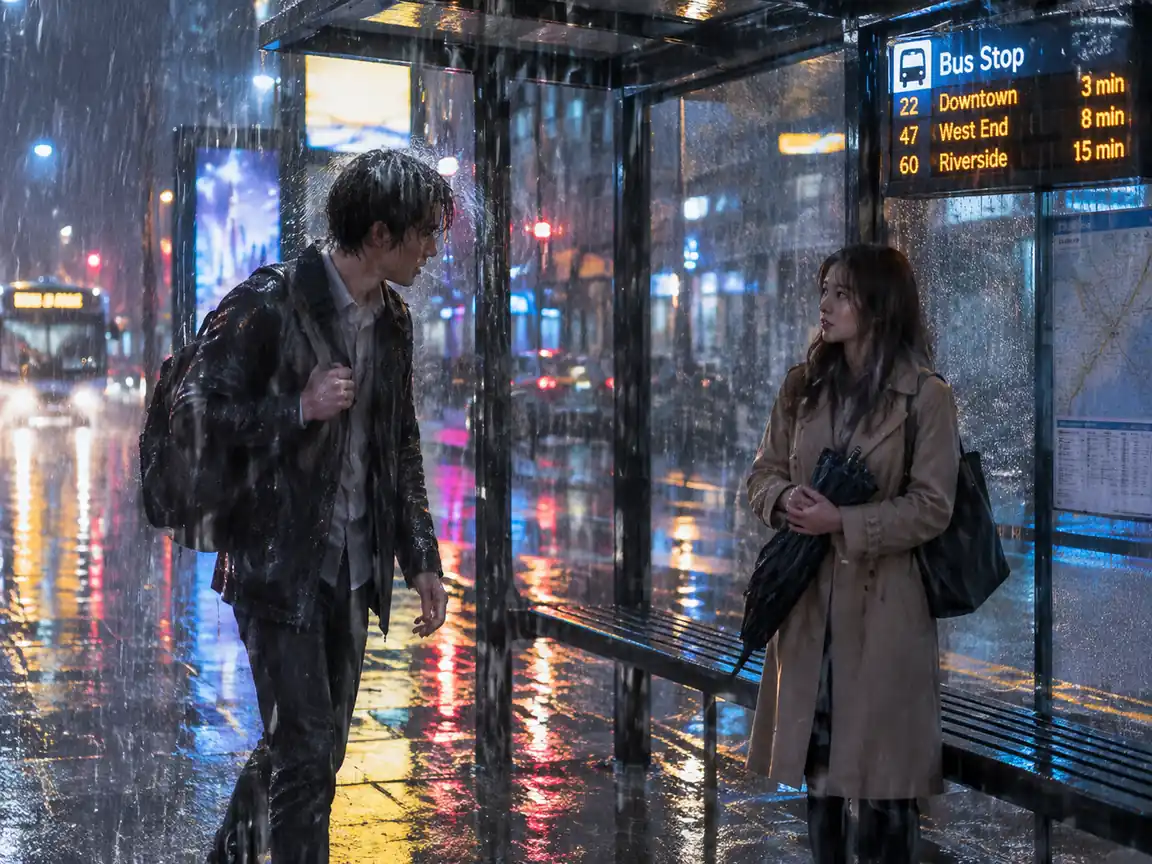 Warm
Two adults under a bus shelter in heavy rain, one arriving wet and one already waiting with a folded umbrella, lit signs reflecting on the pavement, medium two-shot through the rain streaks, 3:4.
Try This Style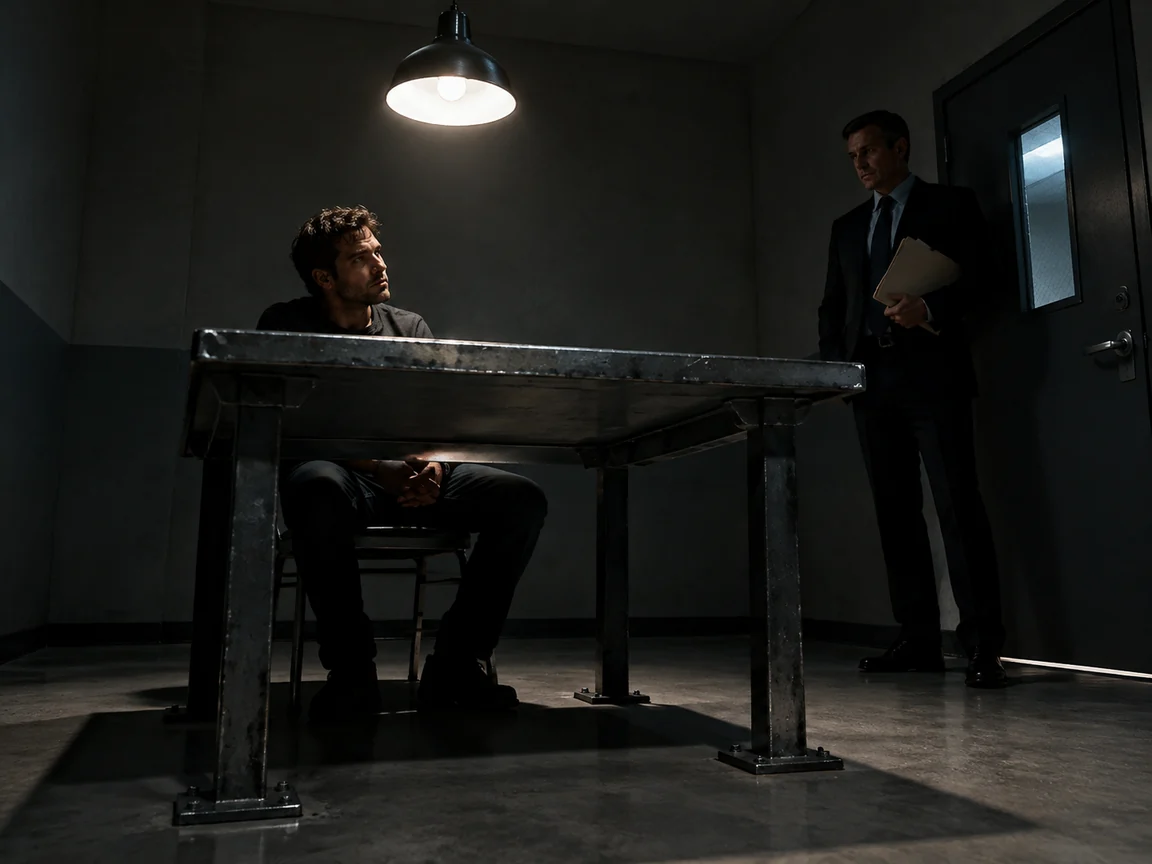 Tense
Two adults in a bare interview room, one seated under a single hanging lamp and one standing by the door with a file, scuffed table bolted to the floor, hard top light and deep shadow, low angle from the table, 3:4.
Try This Style Workplace
Two adults at a small cafe table with a laptop turned toward one of them, one mid-explanation and one taking notes, morning light through a shop window and other tables out of focus, candid three-quarter view, 3:4.
Try This Style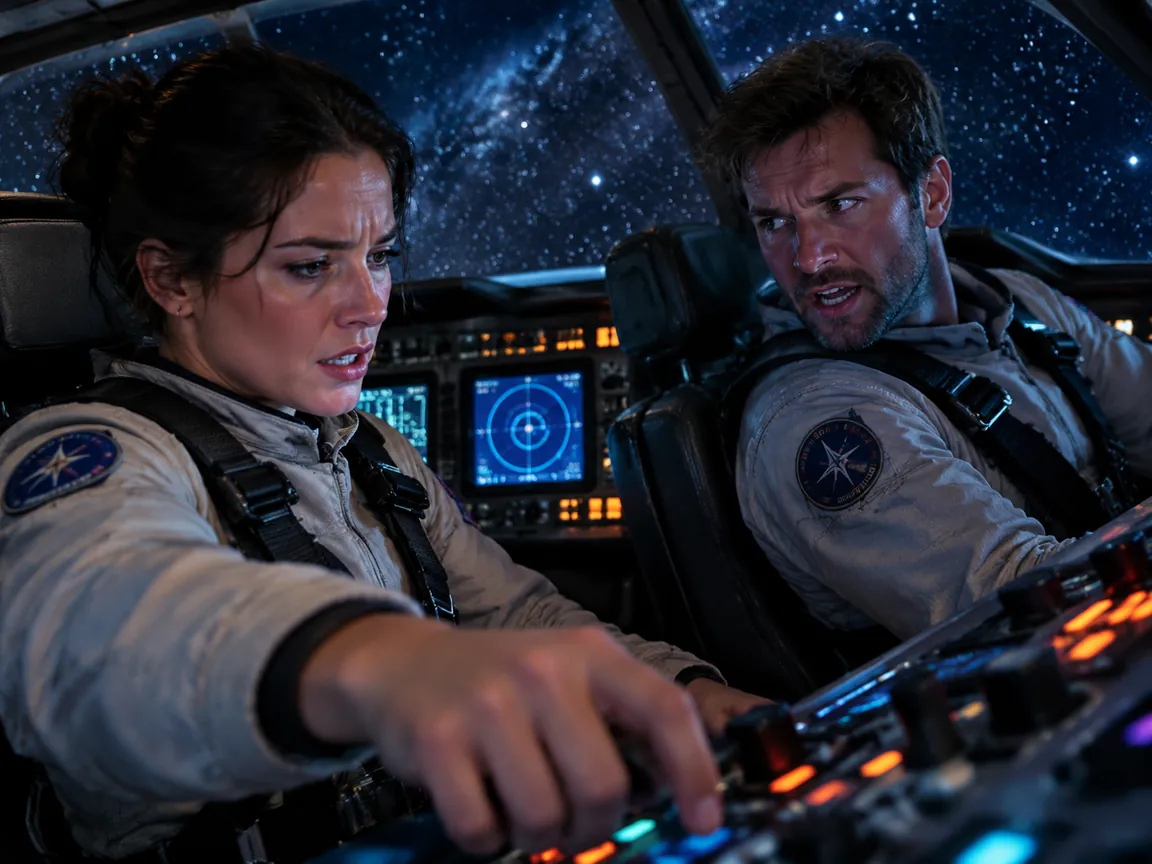 Genre
Two adults strapped into a small spacecraft cockpit, one reaching for a control and one turned in the seat to argue, instrument glow on their faces and a star field through the canopy, tight two-shot, 3:4.
Try This Style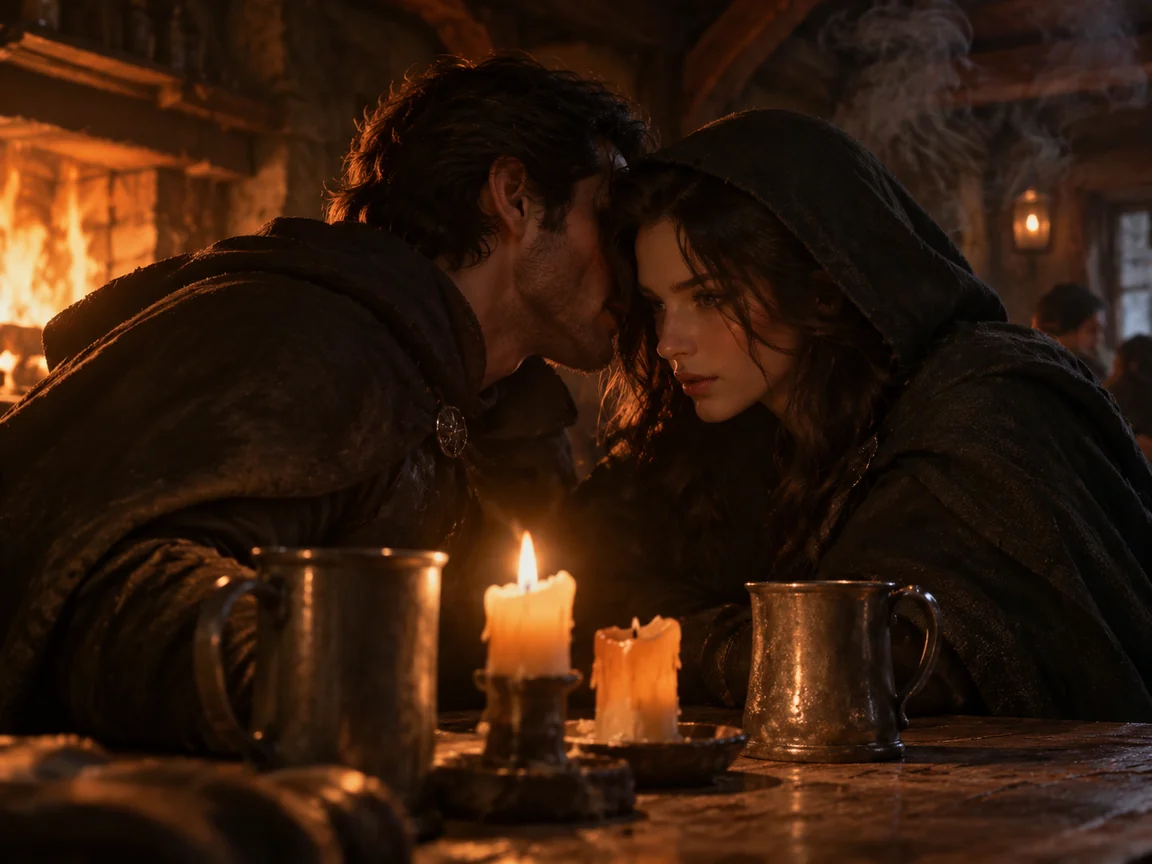 Genre
Two cloaked adults leaning together at a corner table in a timber tavern, one speaking close to the other's ear, candle stubs and pewter mugs between them, firelight from the left and smoke in the air, low intimate angle, 3:4.
Try This Style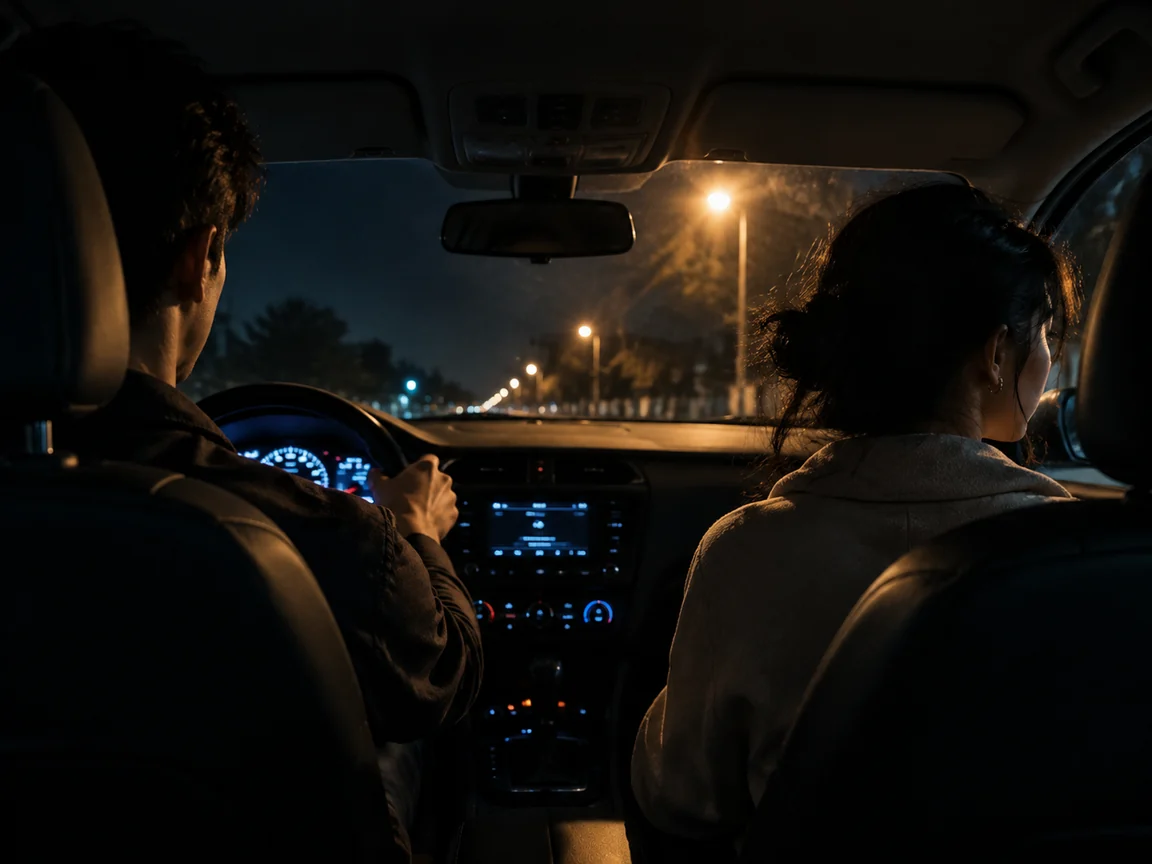 Tense
Two adults in a parked car at night, one gripping the wheel and staring ahead and one turned toward the window, dashboard glow and a street lamp through the windscreen, shot from the back seat between the headrests, 3:4.
Try This Style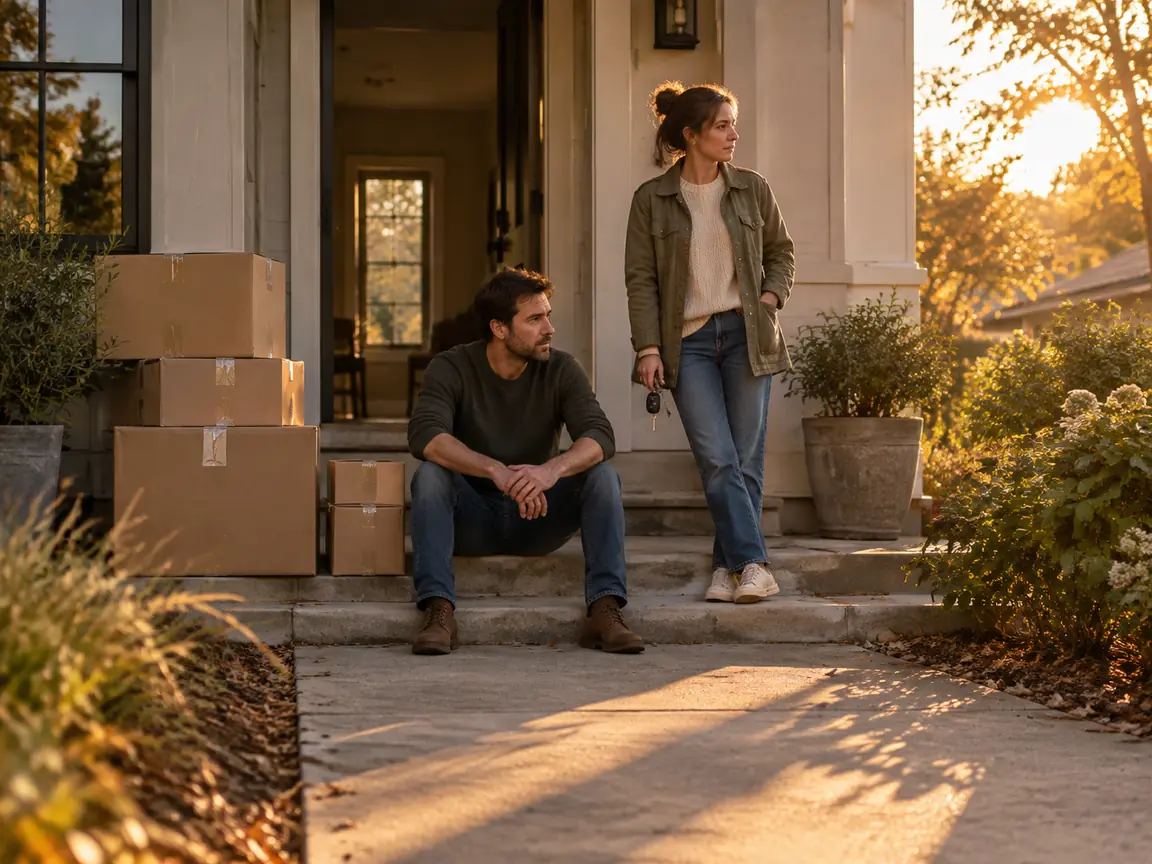 Warm
Two adults on a front step beside a stack of taped boxes, one sitting with elbows on knees and one standing with a van key, late afternoon sun across the path, wide shot with the empty doorway behind them, 3:4.
Try This StyleSix things that decide whether the exchange reads as a scene.
Who is seated, who has the door behind them, who is lit and who is in shadow. Decide this first and the lines arrive with an imbalance already in them.
A single location and a stated time keeps the exchange from drifting into a summary of a relationship. Scenes that wander usually started without a place.
Real conversation overlaps. Ask for one line that gets cut off and one question that is never answered, and the passage stops sounding like two essays taking turns.
People rarely say each other's names twice in a minute. Keep one use at the moment it matters and the line lands harder than a repeated label.
Two people talking about a kettle can be a scene about leaving. Give the pair a small concrete task and let the real subject stay under it.
Generated dialogue tends to explain itself at the end. Deleting the final exchange is the fastest edit available and almost always improves the scene.
I needed a tense concept the same afternoon I found this page. I typed what I wanted for "Kitchen at One A.M.", ran it twice, then changed only the light and the palette on the second pass. The version I kept went straight into a client deck and saved me a stock-photo search.
My first try for "Interview Room Standoff" came back too polished, more advertising than real photograph. I rewrote the sentence to describe the surface and the actual light in the room, and the third attempt looked like something I could have shot myself. That is the one I still use for ai two person conversation generator mockups.
I use it the way I use a sketchbook: one prompt for "Cockpit Argument Scene", one for "Tavern Corner Whisper", then I pick the half that works and iterate from there. Two of those frames ended up in a package for a client who could not decide between the two directions, and seeing them side by side settled it in a minute.
Yes. State who faces whom, who stands and who sits, and where the light comes from. Skip that and the two bodies tend to float, merge at the shoulders, or both end up looking at the camera.
Occlusion is the hardest thing for these models. Keep hands out of frame, rest them on separate objects, or crop at mid-thigh so there are fewer joints to invent. Two sets of overlapping fingers rarely survive.
Ask for a lens and a practical light: 50mm, shallow depth of field, one window or one lamp, and add no text, no subtitles. Cinematic is a lighting decision, not an adjective stack.
Yes, up to the free allowance the picker shows; paid models start around $5.80 a month. Test a few framings on the free model before you spend anything.
Give each person a small action mid-gesture, such as setting down a cup or pausing mid-sentence, plus one emotion word each. Two neutral faces staring straight ahead is what reads as staged.