

Lead with thickness
Real cames have a raised profile and a dark edge. Flat black lines read as ink, and the eye rejects the panel immediately.
Prompt Guide
Model
Reference Image
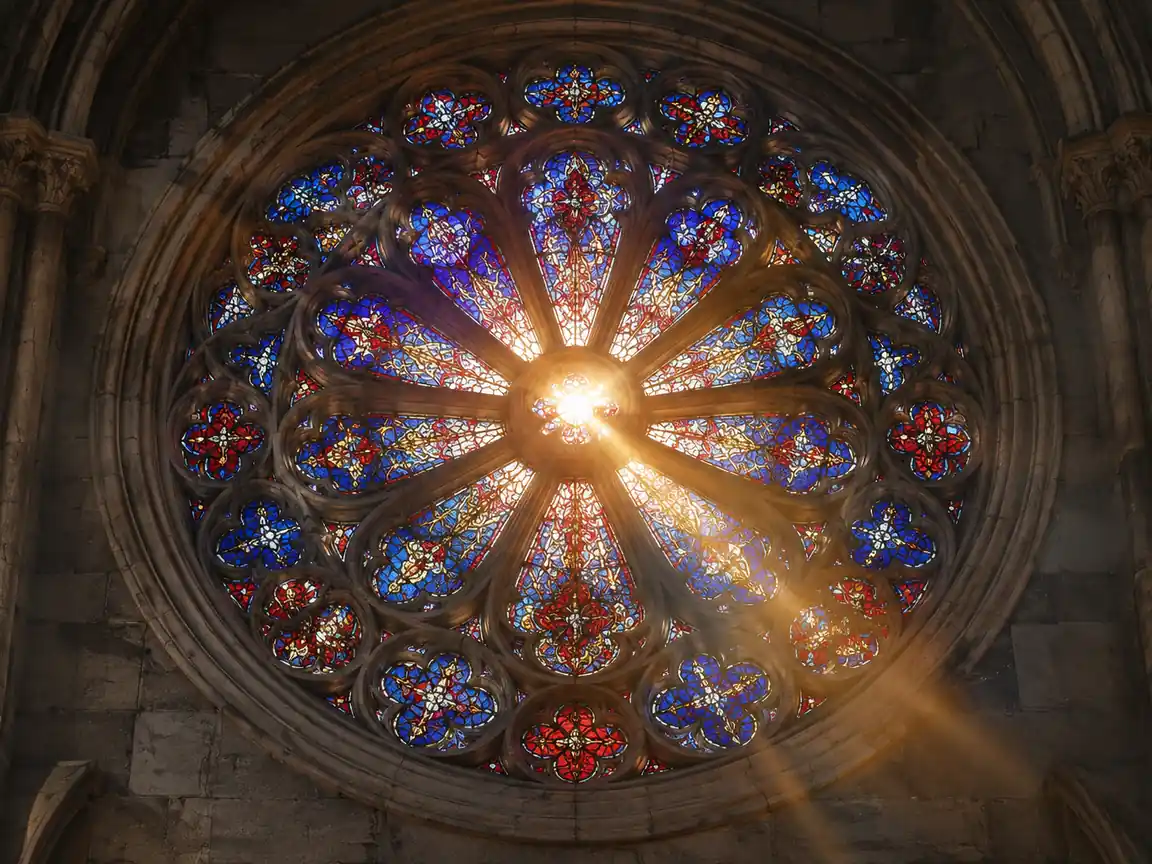
Draw a window in lead and glass, then watch afternoon light throw colour across the floor of a real room.
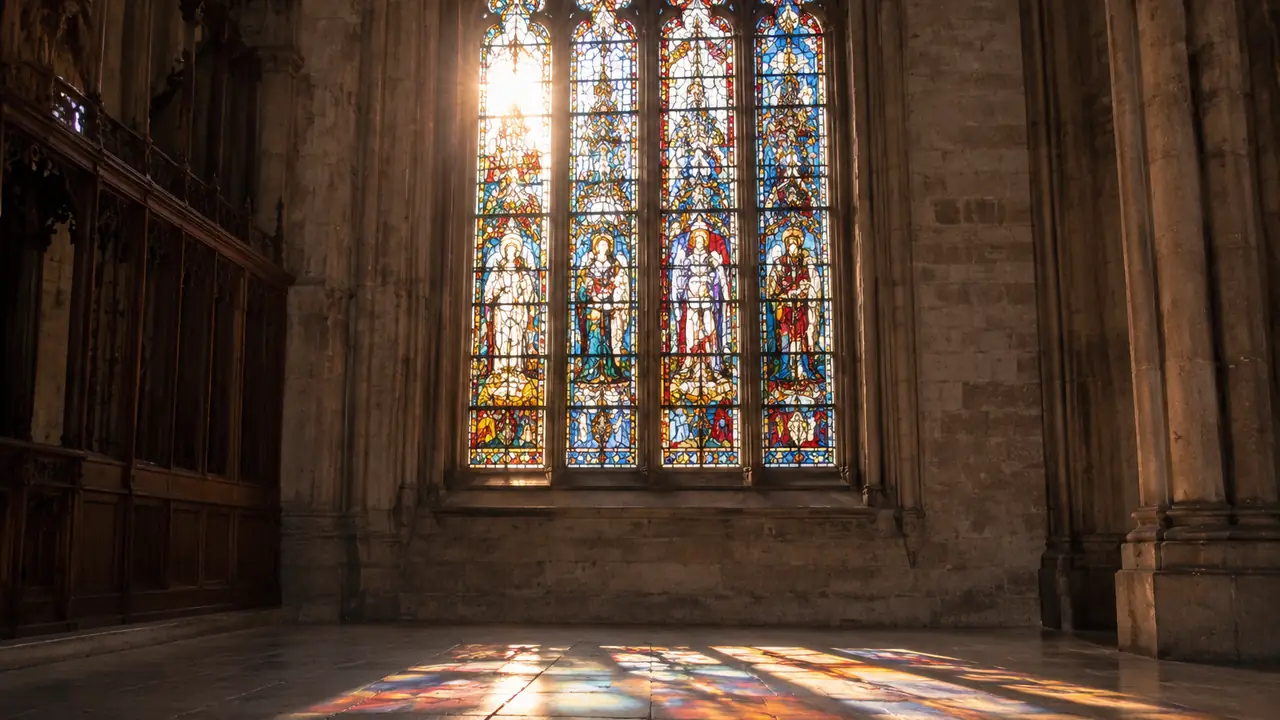
Three steps from a blank page to a finished stained glass design.
Write the subject, the setting and the light in one or two sentences. One subject per frame keeps the result sharp.
Choose one of the built-in presets, then set the aspect ratio and the model that fits your use case.
Generate, compare a few takes, then download the file you want. Free trial credits cover your first runs.
Ten windows across cathedrals, chapels, homes and studios.
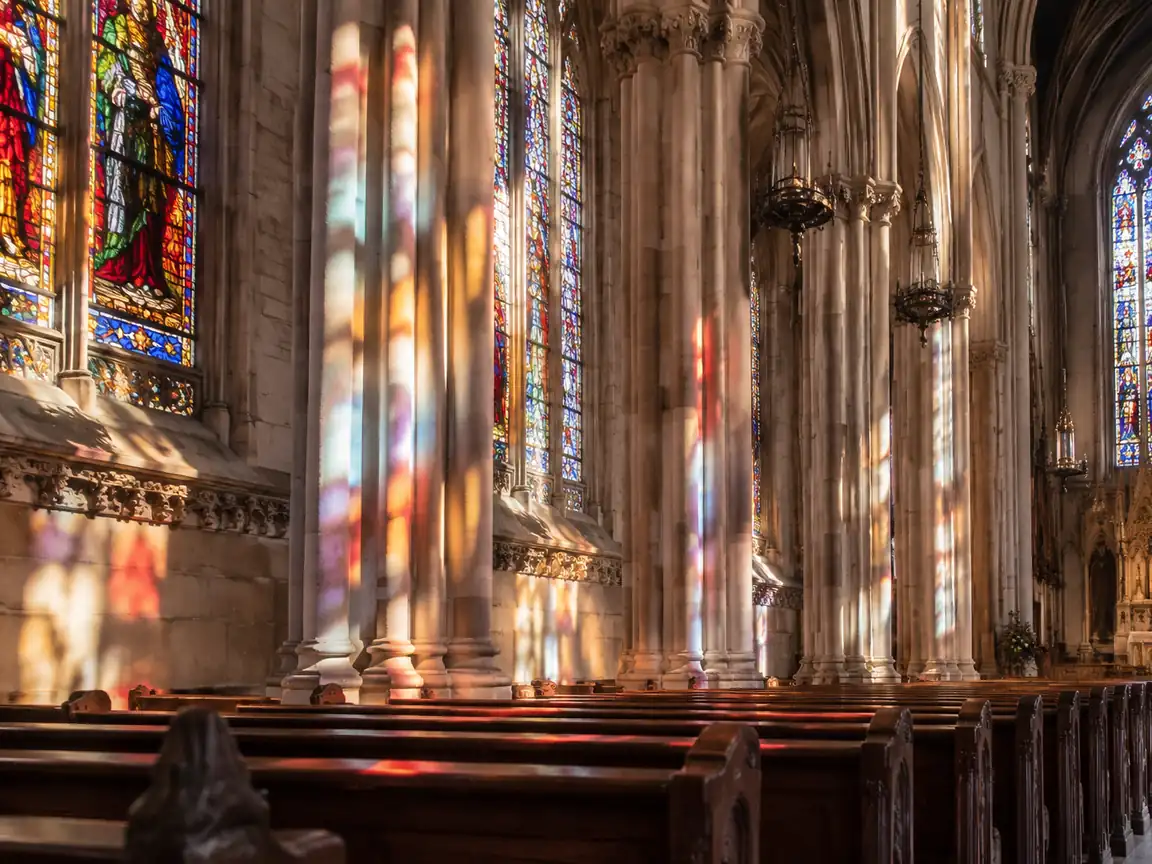 Cathedral
Stained glass windows lining a cathedral nave, colour falling across stone columns and pews, real photograph, shot on a 35mm lens at f2, natural directional light, true skin and material texture, clean detail, no text, no watermark, no logo, no illustration, no 3d render
Try This Prompt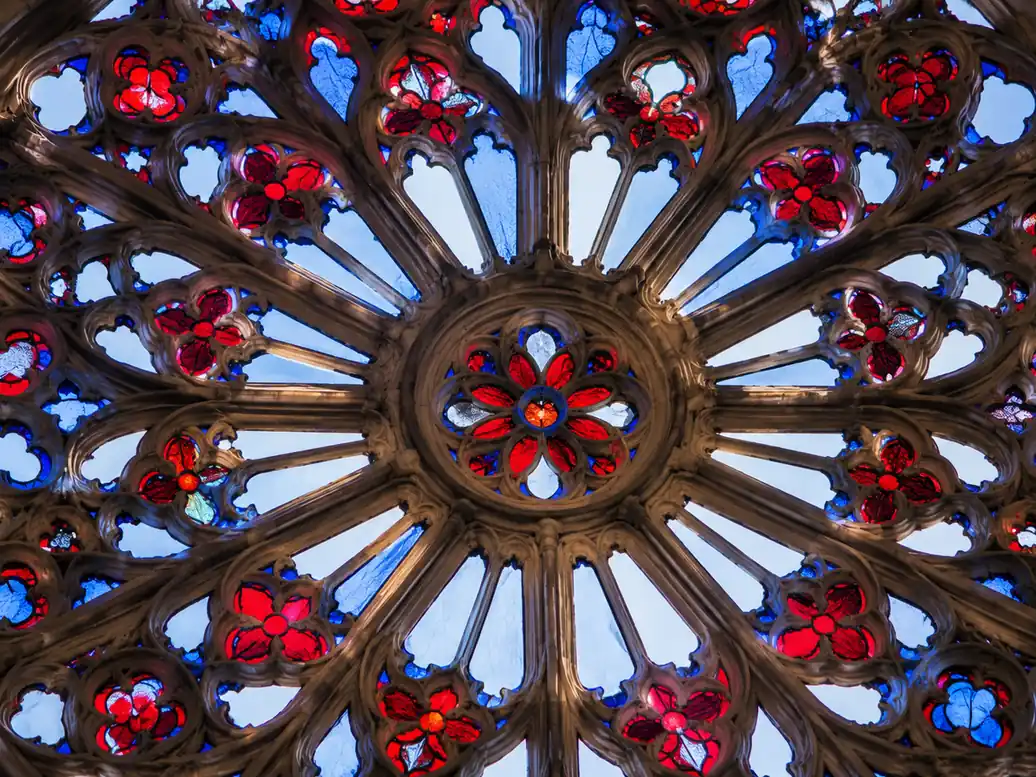 Chapel
Close detail of a rose window, radiating tracery, ruby and cobalt glass, bright sky behind, real photograph, shot on a 85mm lens at f2, natural directional light, true skin and material texture, clean detail, no text, no watermark, no logo, no illustration, no 3d render
Try This Prompt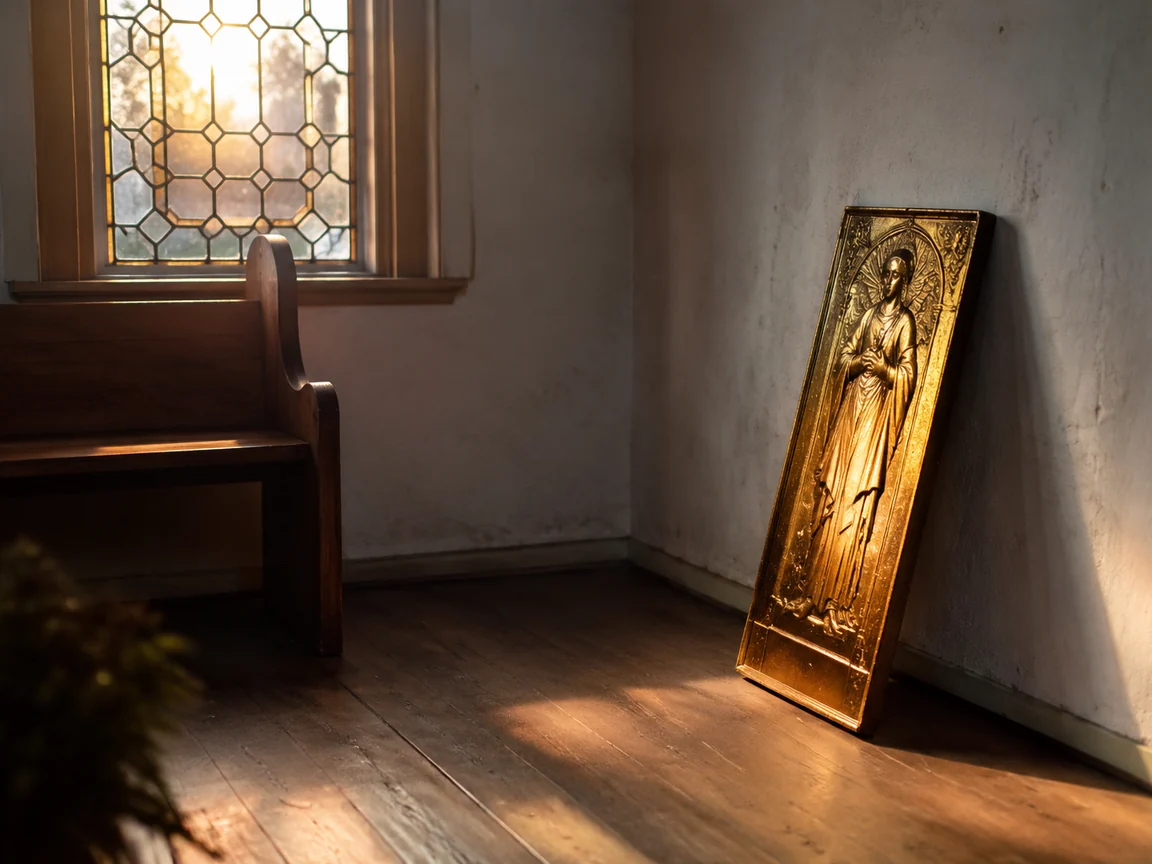 Modern
Small chapel window at dawn, single gold panel, colour on a bare wooden floor, real photograph, shot on a 50mm lens at f2, natural directional light, true skin and material texture, clean detail, no text, no watermark, no logo, no illustration, no 3d render
Try This Prompt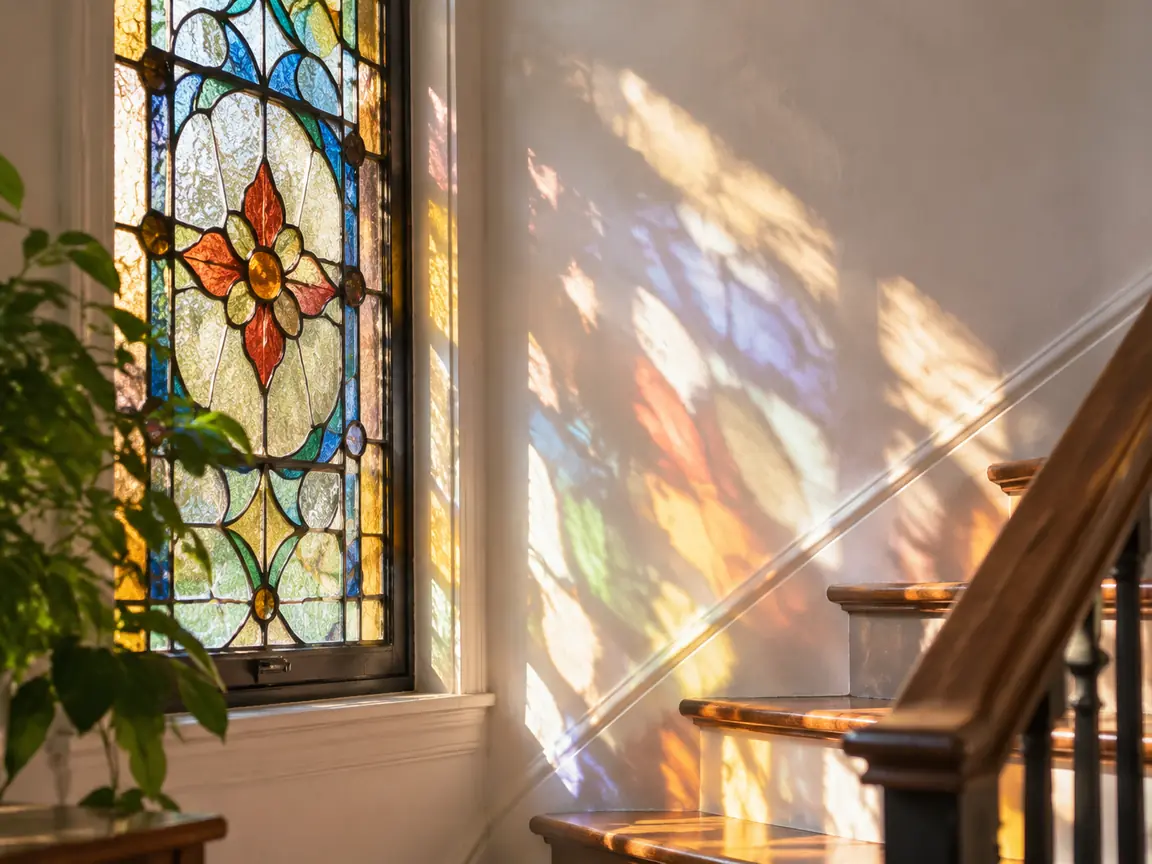 Detail
Stained glass panel beside a residential stairwell, afternoon light, colour across white plaster, real photograph, shot on a 35mm lens at f2, natural directional light, true skin and material texture, clean detail, no text, no watermark, no logo, no illustration, no 3d render
Try This Prompt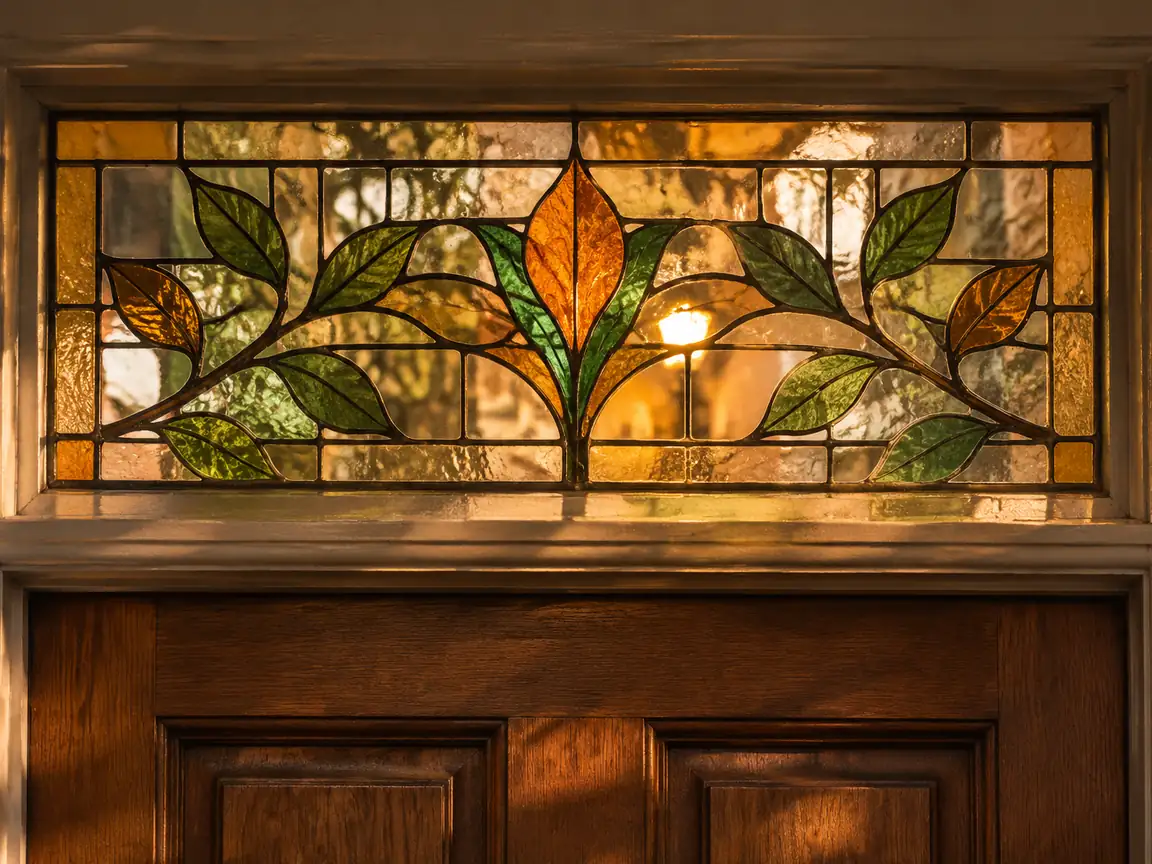 Detail
Stained glass transom above a wooden front door, green and amber leaves, street light behind, real photograph, shot on a 50mm lens at f2, natural directional light, true skin and material texture, clean detail, no text, no watermark, no logo, no illustration, no 3d render
Try This Prompt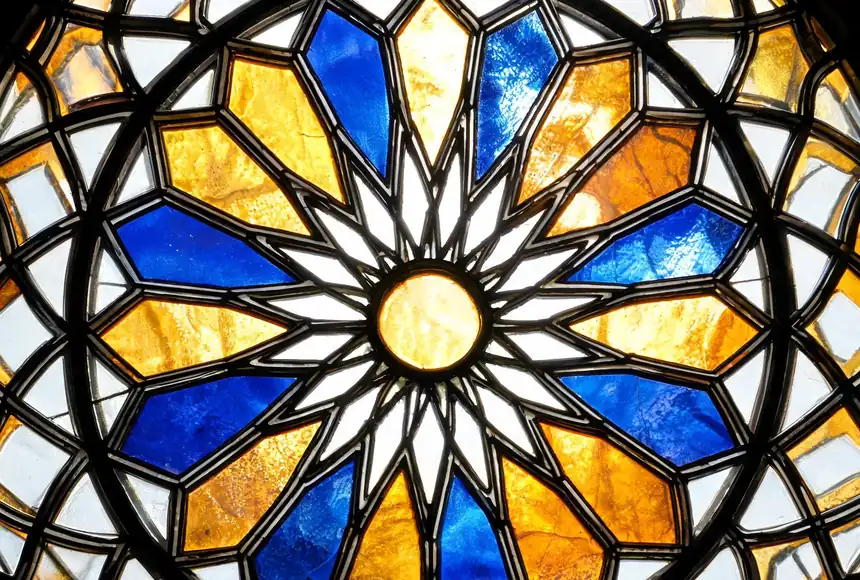 Detail
Stained glass window close-up of a geometric rose pattern in deep blue and amber, crisp lead lines, no people.
Try This Prompt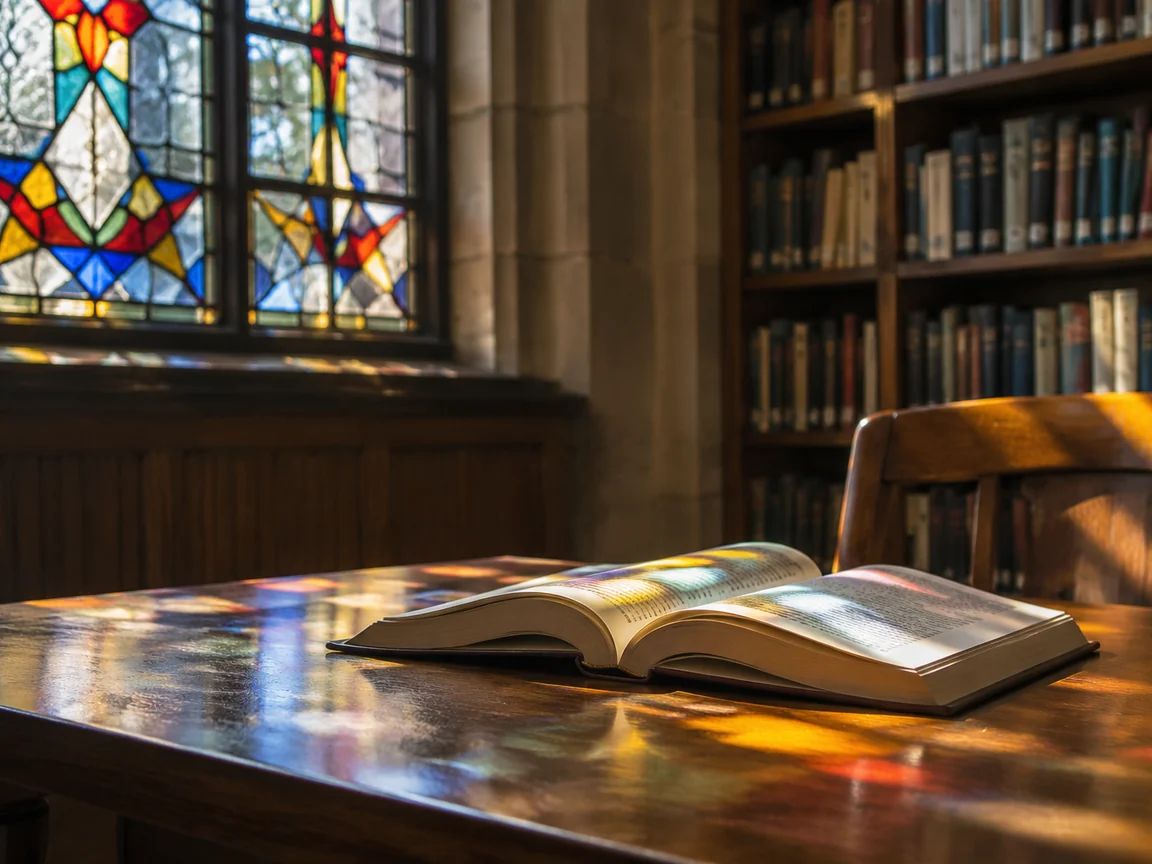 Detail
Stained glass window in a reading room, colour falling on an open book and a wooden table, real photograph, shot on a 50mm lens at f2, natural directional light, true skin and material texture, clean detail, no text, no watermark, no logo, no illustration, no 3d render
Try This Prompt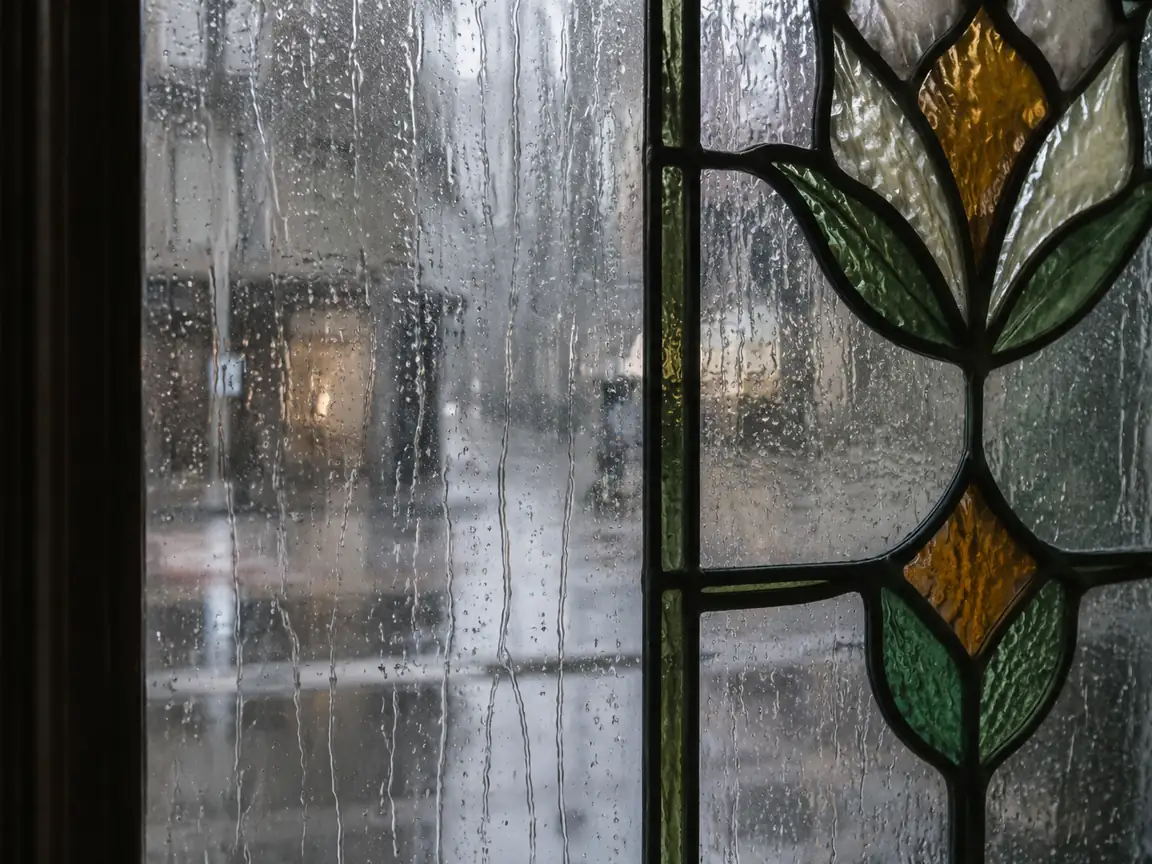 Detail
Stained glass panel on a rainy day, water streaks, muted colour, grey street reflected, real photograph, shot on a 85mm lens at f2, natural directional light, true skin and material texture, clean detail, no text, no watermark, no logo, no illustration, no 3d render
Try This Prompt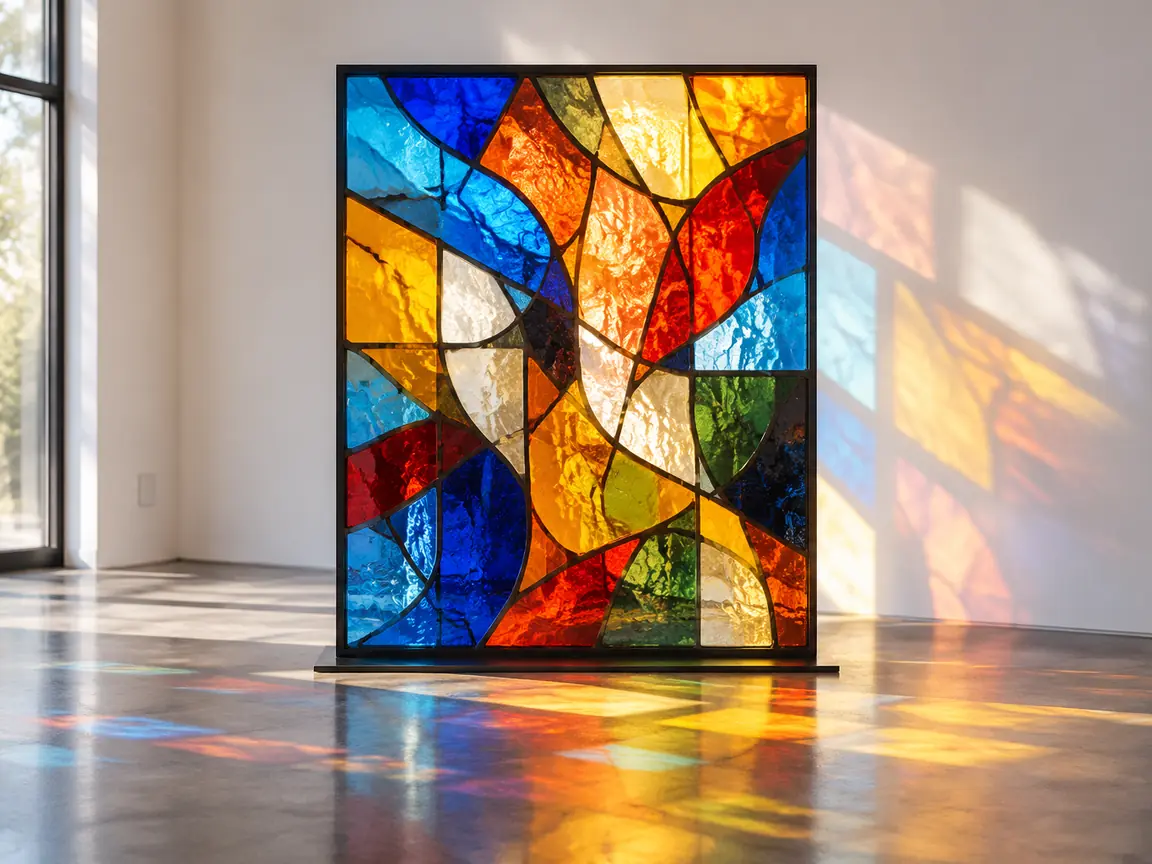 Detail
Abstract stained glass panel lit from behind in a white gallery, sharp colour on the floor, real photograph, shot on a 35mm lens at f2, natural directional light, true skin and material texture, clean detail, no text, no watermark, no logo, no illustration, no 3d render
Try This Prompt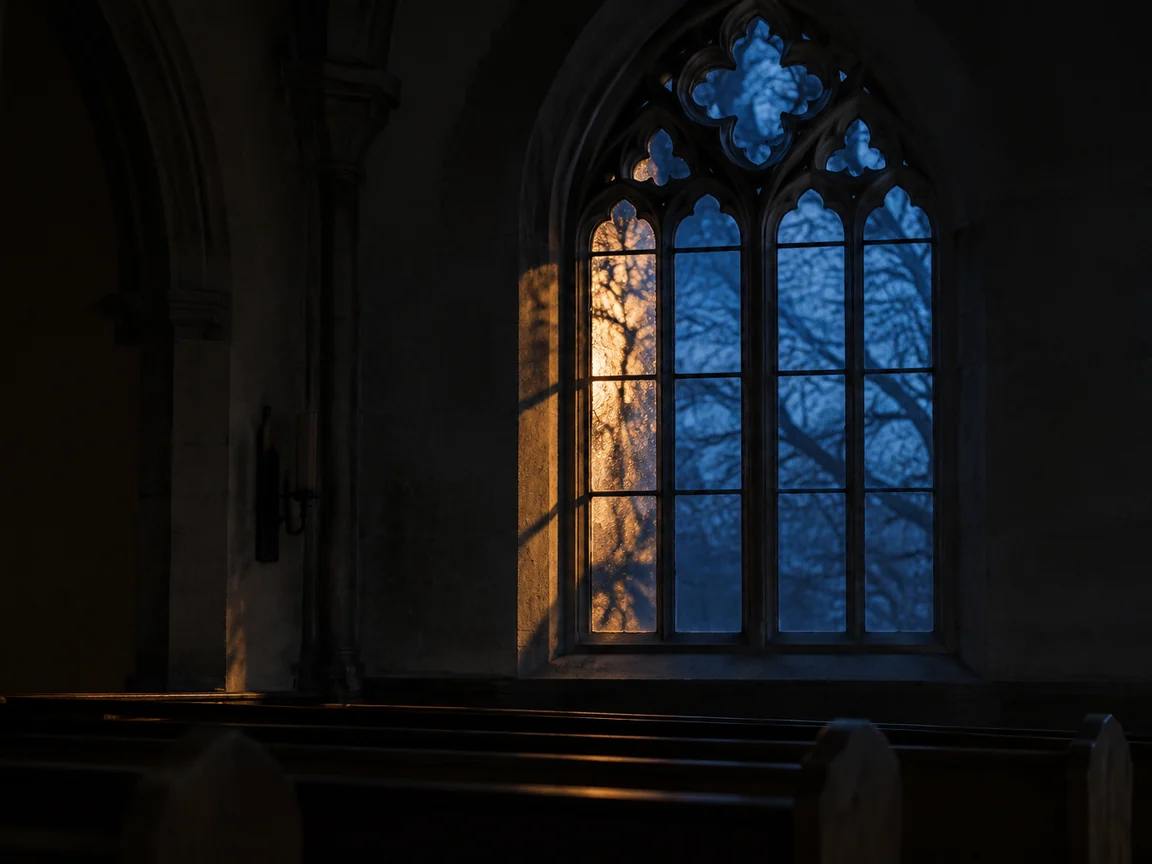 Detail
Chapel window at blue hour, interior almost dark, one panel still glowing from outside, real photograph, shot on a 50mm lens at f2, natural directional light, true skin and material texture, clean detail, no text, no watermark, no logo, no illustration, no 3d render
Try This Prompt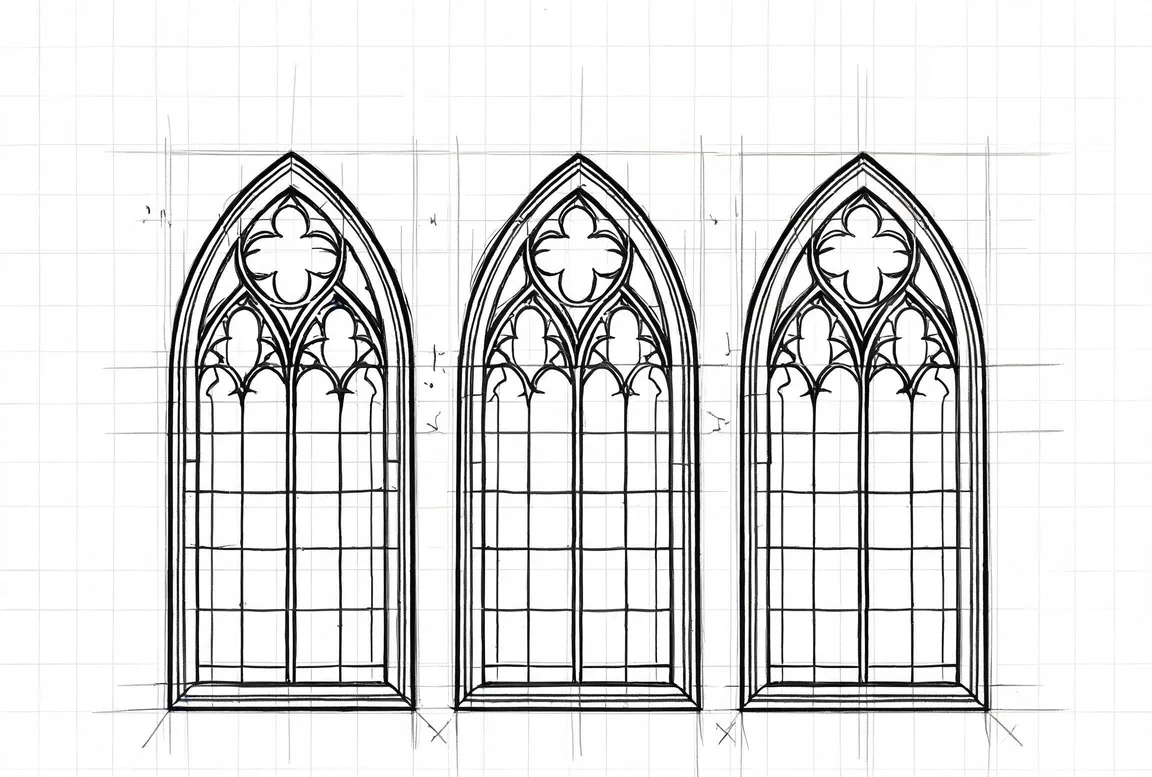 Detail
Pencil and ink design cartoon for a three-panel gothic stained glass window, construction grid, black and white.
Try This Prompt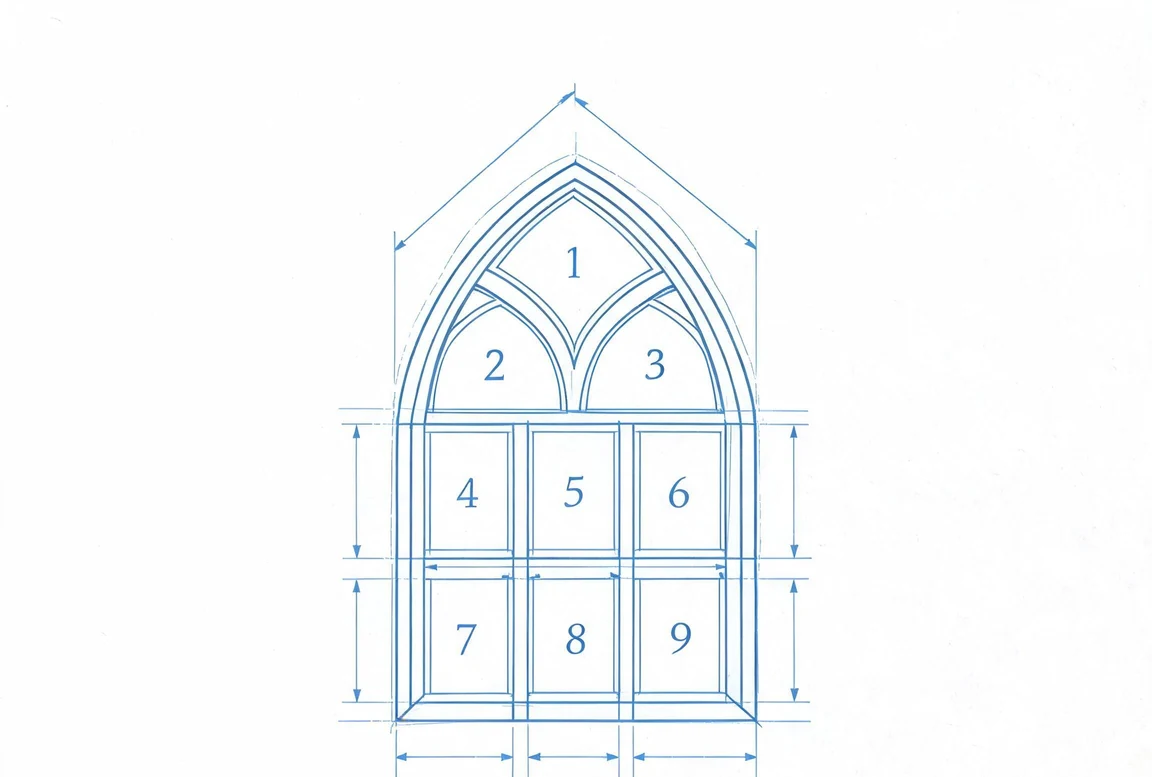 Detail
Technical blueprint of a gothic stained glass window with numbered glass pieces and dimension lines, blue ink on white.
Try This PromptSix checks that separate a window from a picture of one.
Real cames have a raised profile and a dark edge. Flat black lines read as ink, and the eye rejects the panel immediately.
Ask for bubbles, striations and slight colour shifts inside a single piece. Machine-flat colour is the clearest sign of a render.
The cast light must match the glass above it. A ruby panel throwing amber light is the mistake that breaks the illusion fastest.
Mortar lines, soot and worn sills belong in the frame. Cathedral stone is never evenly grey.
Interiors lit only by a window are dark. Keep the room dim and let the glass and its cast colour be the brightest thing.
Tracery and mullions should run true. Wobbly verticals are the tell that shows up first at thumbnail size.
Our church committee needed three concepts before the vestry meeting. I described the palette from the old east window and had usable panels that evening, and the rector picked the amber one.
The cast light is what sold it. Once I asked for the colour to fall across flagstones instead of describing the glass alone, the images stopped looking like flat artwork and started looking like a building.
I run a small glazing studio and use these as client moodboards. The lead thickness note matters most, because a client who sees thin lines expects paint, not glass.
It gives you a strong concept and palette, not a cut list. A glazier still needs a measured cartoon and a lead layout, so treat the image as the design brief you hand over.
The render has flat colour and no light spill. Add thick lead cames, bubbles inside the glass and the surface the colour lands on, and the panel starts reading as a physical window.
Better to keep lettering out of the generated frame. Small text and numerals distort badly in glass, so have the inscription set in the real workshop or added as a clean overlay afterwards.
Prompt tests run on the free allowance in the model picker. Large renders for print or fabrication are paid, and the price per image is shown before you confirm.
Yes, as an original design you commissioned. Avoid copying a known cathedral window or a living artist’s work, since those specific designs carry their own rights.