

Light First
A chapel is recognisable by the shaft of light on the floor, not by the architecture. Describe the beam first and the stone second, and the room becomes specific.
Prompt Guide
Model
Reference Image

Name the setting, the hour and one symbol, and get a quiet image for a service sheet, a card or a print, built around a single source of light.
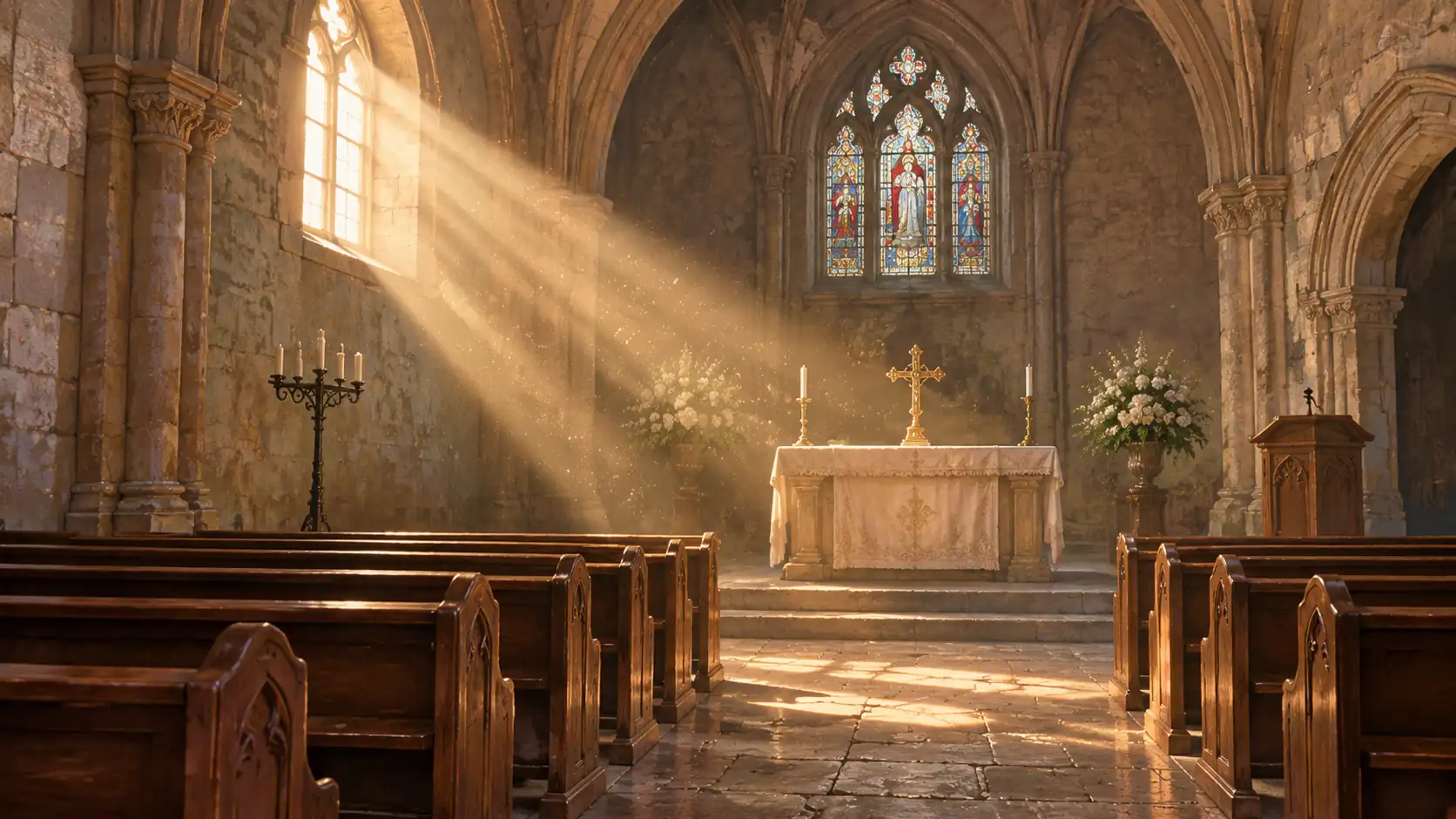
Meditation, celestial, faith interior or sacred geometry. Pick one and keep it, because a candle and a star field in the same frame cancel each other out.
Say where it enters: a high window, a floor candle, low sun through a doorway. A named direction gives shadow, and shadow is what makes a room feel inhabited.
One object, one meaning. A single lamp or a rose window reads as reverence. Five symbols stacked in a frame reads as a poster for a festival.
Keep a third of the frame quiet for a name, a date or a verse. Words set in type afterwards are correct; words generated inside the image are not.
Ten quiet frames across four registers, from candlelit stillness to a rose window in amber glass.
 Studio
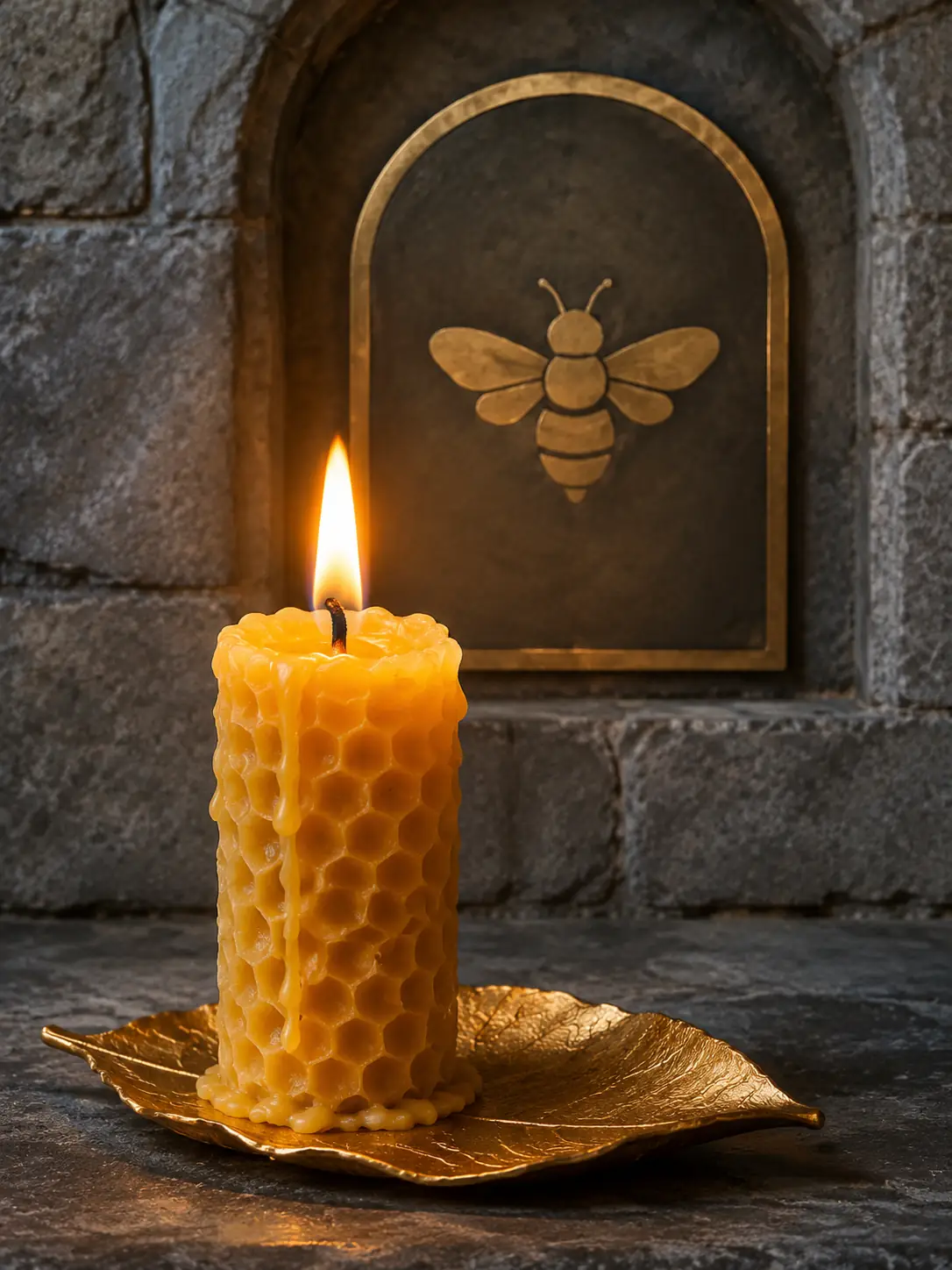
Beeswax candle before a plain icon, warm flame on gold leaf, cold stone room, 3:4
Try This Style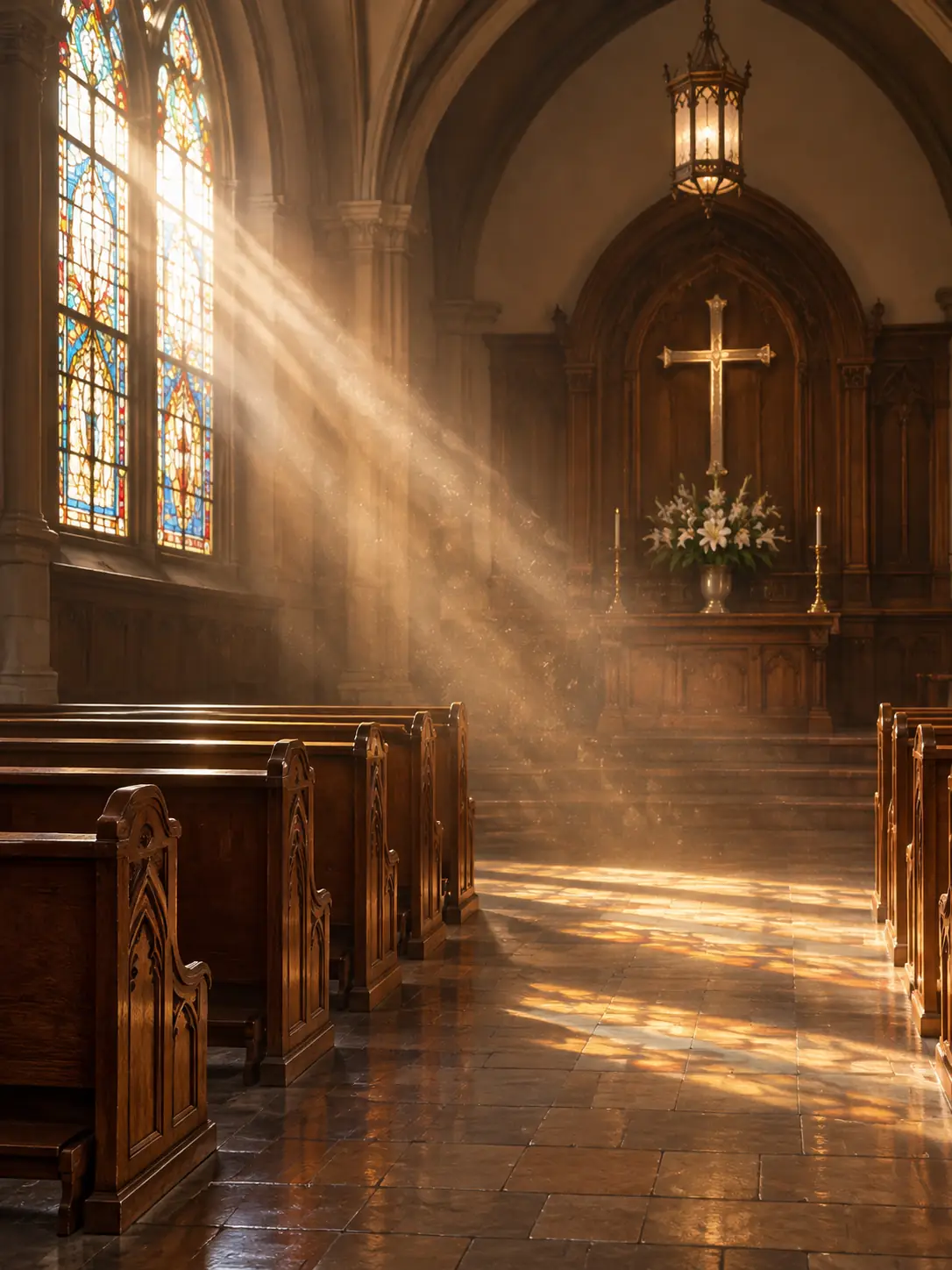 Studio
Dusty light shaft across an empty chapel floor, pews, no people, 3:4
Try This Style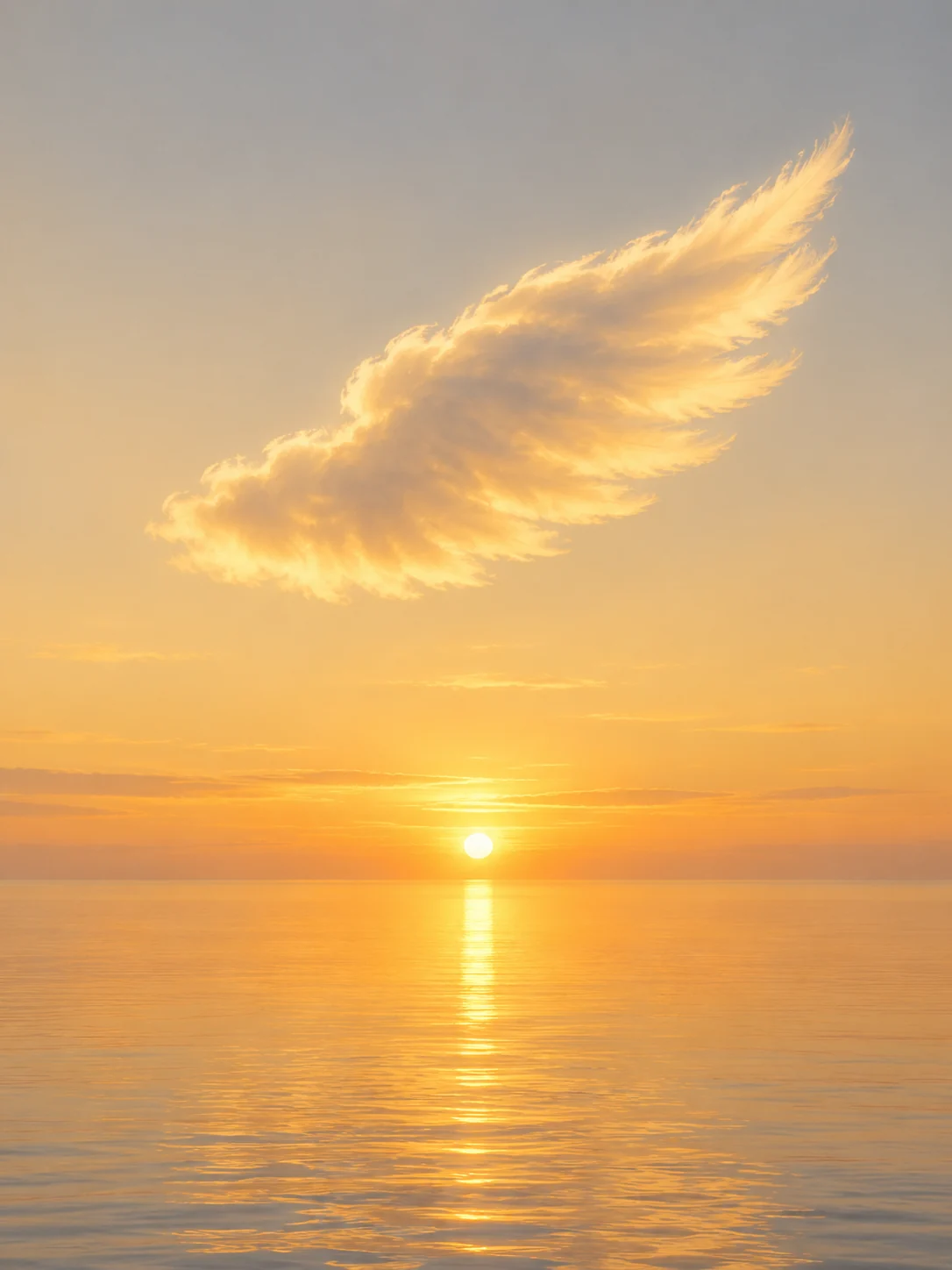 Studio
A single wing-shaped cloud above still water at dawn, pale gold sky, 3:4
Try This Style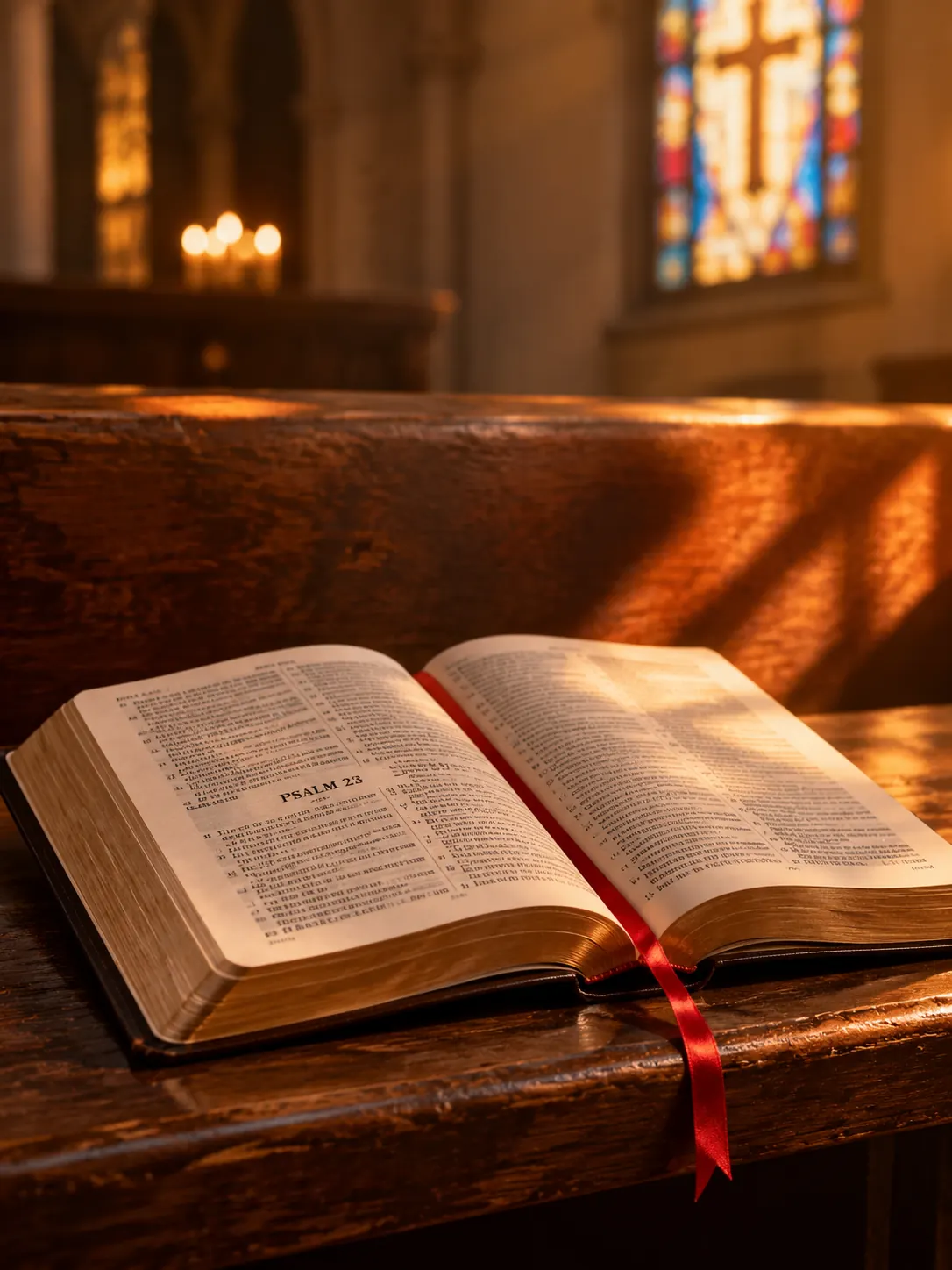 Character
Open prayer book on a wooden bench, ribbon marker, low evening light, 3:4
Try This Style Character
An open hand against a star field, faint constellation lines, deep blue, 3:4
Try This Style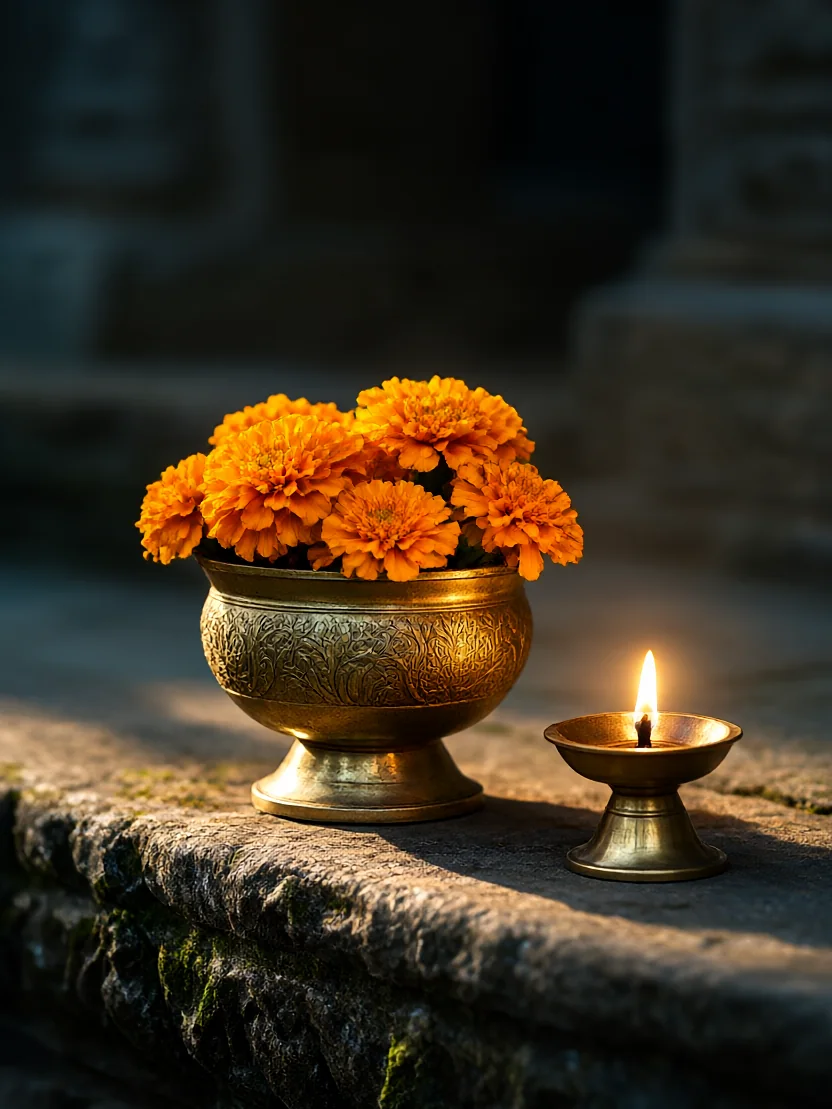 Character
Marigolds in a brass bowl on a temple step, one lamp, warm shadow, 3:4
Try This Style Scene
Small shrine on a lake shore at blue hour, one lamp lit, still reflection, 3:4
Try This Style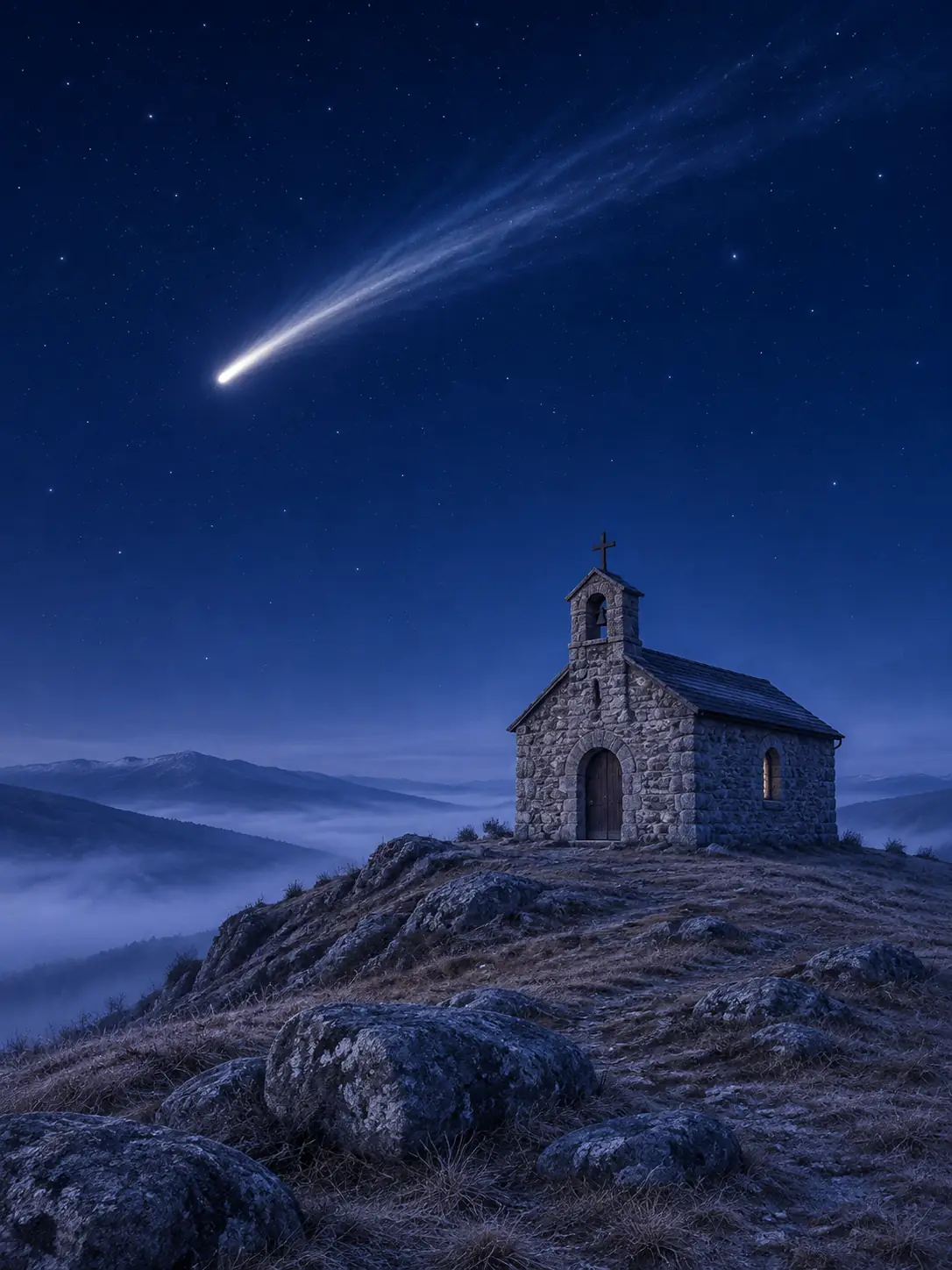 Scene
Glass cruet of olive oil on linen, single window light, deep shadow, 3:4
Try This Style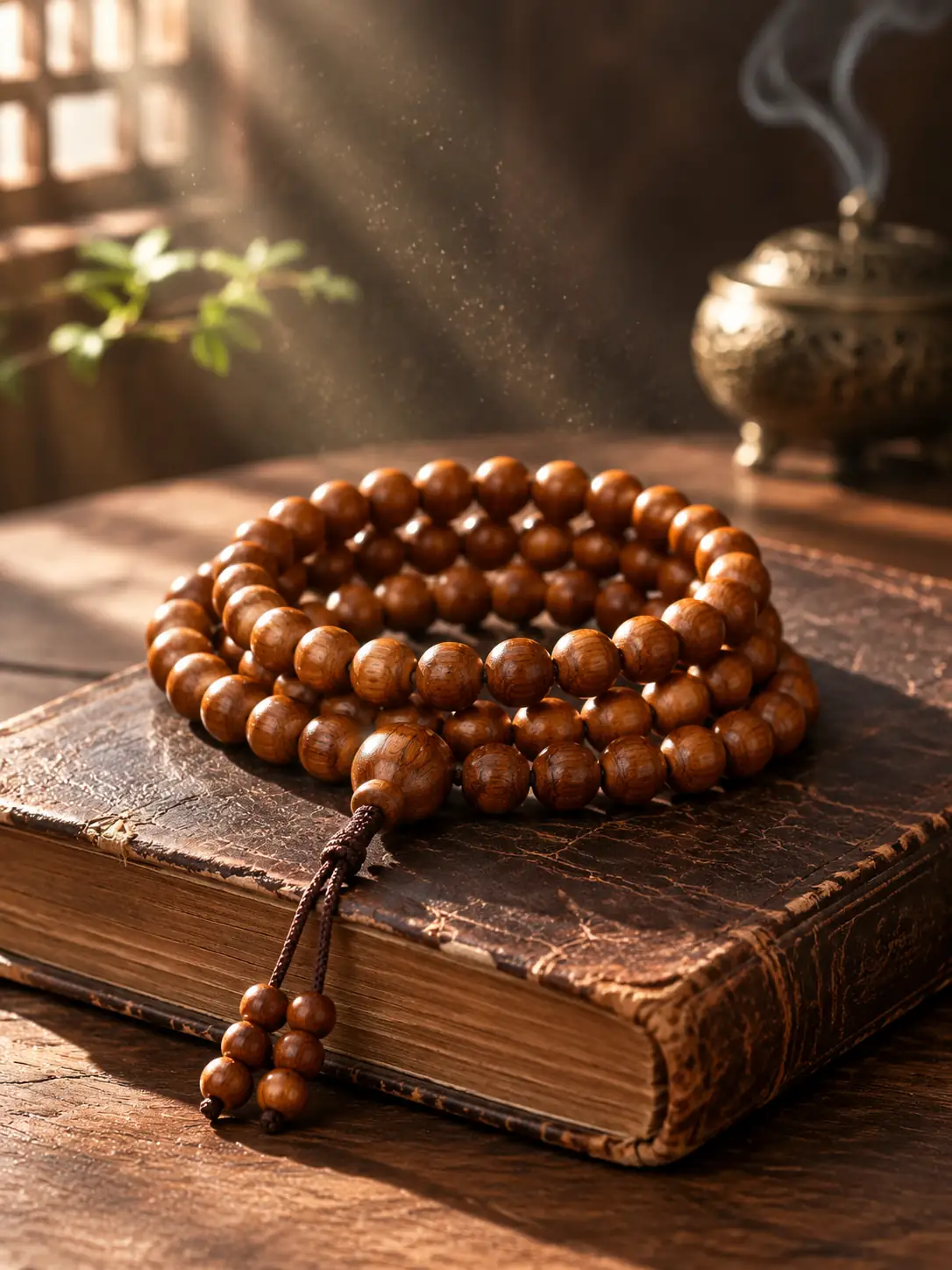 Detail
Wooden rosary coiled on an old bible, raking light, dust motes, 3:4
Try This Style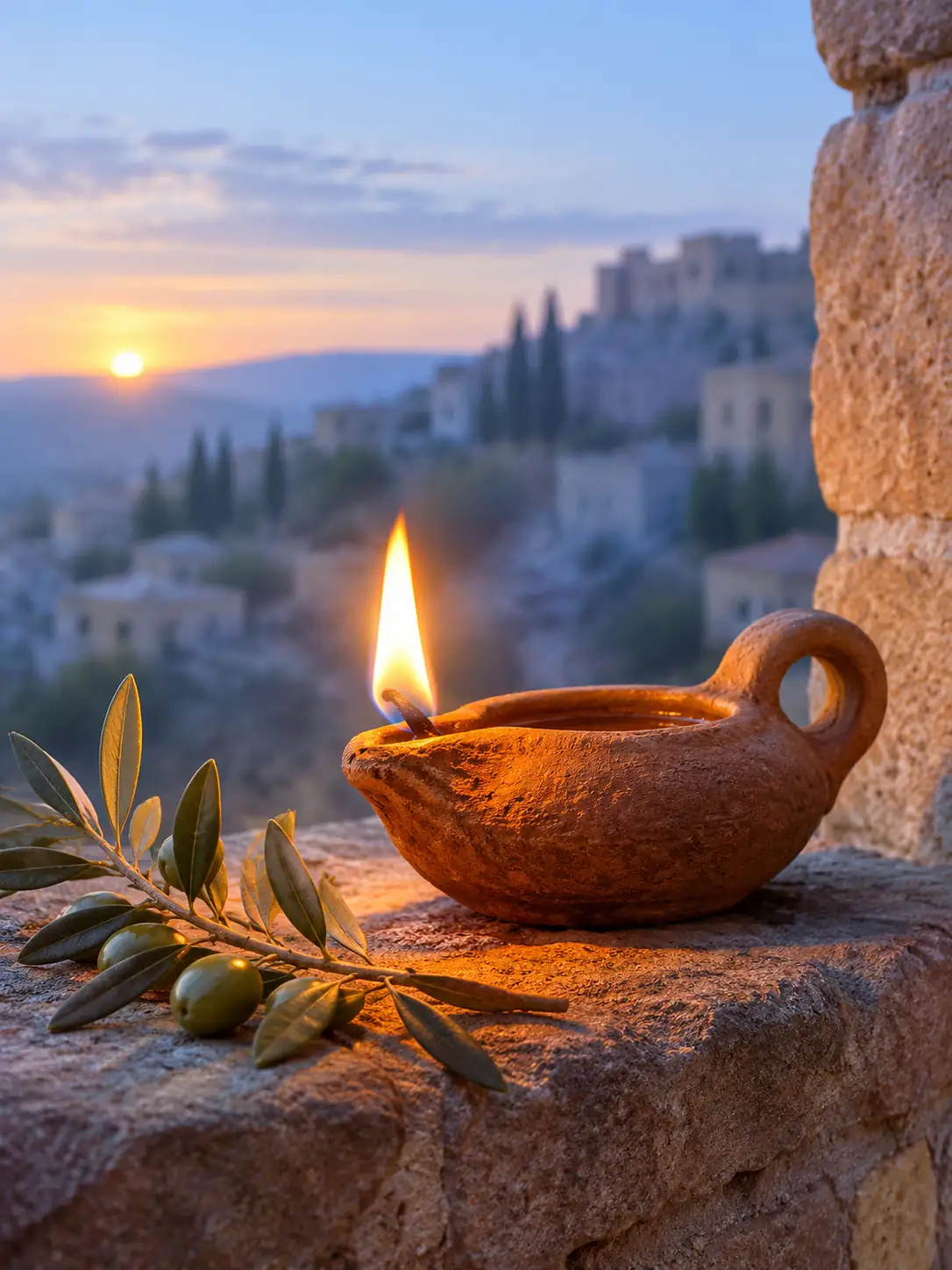 Detail
A plain cross on a desert ridge at sunrise, long shadow, empty land, 3:4
Try This StyleA chapel is recognisable by the shaft of light on the floor, not by the architecture. Describe the beam first and the stone second, and the room becomes specific.
Two lights flatten a scene. A candle plus a window gives even, dead illumination; a candle alone gives a pool of warmth and real darkness at the edges.
Empty rooms, worn stone and steady light read as reverence. Costume, glowing auras and floating figures read as fantasy, which is a different page and a different audience.
3:4 for a folded card, 2:3 for a poster, 1:1 for a square programme cover. Ask for the shape you will print, since a crop after the fact cuts the quiet area you reserved.
The empty third is not wasted. It is where a date, a name or a line of scripture goes, and a frame with none of it forces you to shrink the image later.
Scripture, names and translations come back wrong or invented. Set every word yourself, so the wording is correct and the meaning is checked by a person.
I make bulletins for a small congregation and needed a cover for a memorial service. The chapel group gave me a stone interior with one window and empty pews, which is exactly the tone we wanted. I set the name and the dates in type afterwards.
My first attempts looked like a new age poster, all purple glow and floating light. Cutting to a single candle and letting two thirds of the frame stay dark is what made it feel like a real room instead of a screensaver.
I illustrate cards for a hospice and use the meditation and faith groups. I never ask for faces, because a face makes it about one person and these cards are for anyone. The empty rooms work better for that than anything I could draw.
Yes, as illustration. Name the setting, the light and one symbol, and keep the frame unpopulated. A real church, mosque or shrine is described rather than presented as a photograph of that place.
A single named light source fixes most of it. Say where the light enters, such as a high window or a floor-level candle, and what stays in shadow. Adding a second glow usually flattens the whole scene.
No, and it is better not to. Describe the architecture and the hour instead. That avoids using someone's photograph of a working shrine and keeps the output clearly illustrative.
The first render is free in the workspace. Larger prints, sets and faster models need a paid plan, and the free model is marked in the picker.
Printing for a service or a memorial is common and usually fine under the model licence. Keep scripture and names out of the render and set them in type, so spelling and translation can be checked.