

Express a Specific Kind of Melancholy
Distinguish nostalgia, a quiet farewell or a reflective rainy evening through posture, light and setting rather than using sadness as a single generic look.
Explore melancholy through rain, light, expression and space. The AI sad image generator offers portrait, city-scene and illustration directions, helping you communicate a specific feeling without depending on dramatic tears in every image.
Create an Emotional Image







Prompt Guide
Model
Reference Image

Choose one clear direction, generate a version and inspect the result.
Choose a reflective mood and describe a fictional adult, a place or a symbolic object. State 25+ for any portrait subject.
Describe rain, window light, muted color or watercolor texture. Pick an available model and output shape, then check the trial or credit requirement.
Check adult age, anatomy and whether the image expresses the intended mood. Remove unintended distressing details before sharing or refining it.
Clear visual directions help you decide what to make next.
Distinguish nostalgia, a quiet farewell or a reflective rainy evening through posture, light and setting rather than using sadness as a single generic look.
Use an empty seat, a distant figure or a rain-covered window when the scene can carry the emotion. Keep the main subject easy to read.
Compare a cinematic adult portrait with soft watercolor or atmospheric street photography. Choose a palette and composition that fit your story or artwork.
Generated visual directions for inspiration. Adapt the brief and review each result; exact reproduction is not guaranteed.
 Rainy places
Create the umbrella walk as a coherent image concept. Preserve a clear subject and natural detail; inspect the result before use.
Try This Direction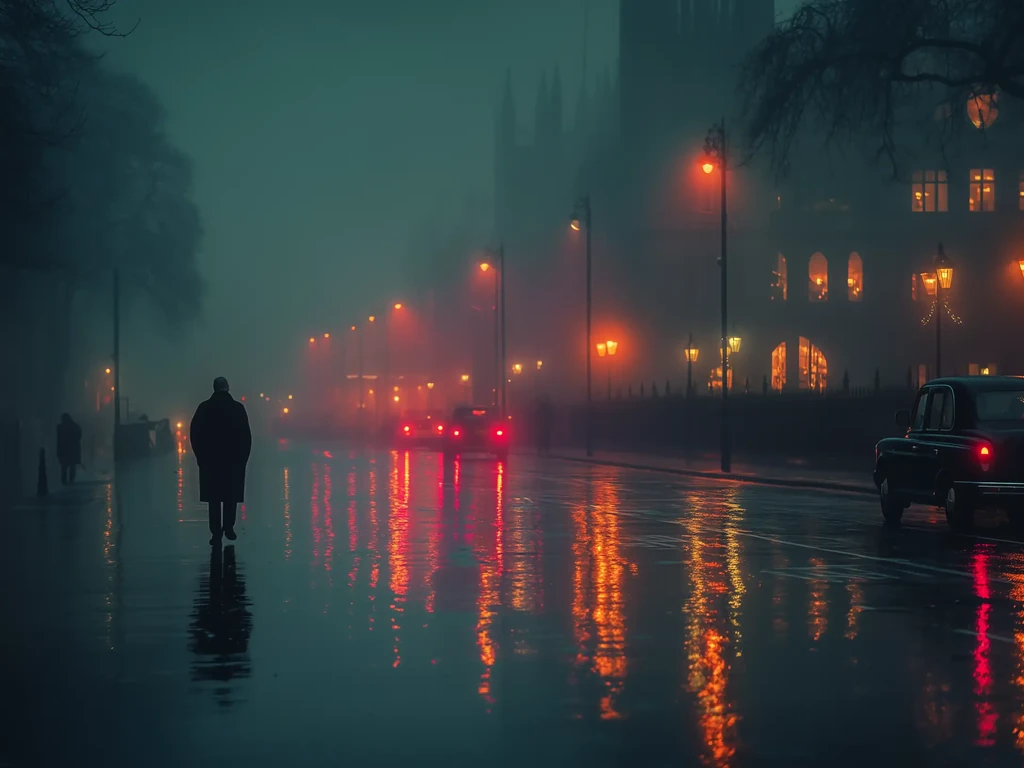 Lonely places
Create empty night street as a coherent image concept. Preserve a clear subject and natural detail; inspect the result before use.
Try This Direction Story portraits
Create waiting at the station as a coherent image concept. Preserve a clear subject and natural detail; inspect the result before use.
Try This Direction Emotional portraits
Create window-light reflection as a coherent image concept. Preserve a clear subject and natural detail; inspect the result before use.
Try This Direction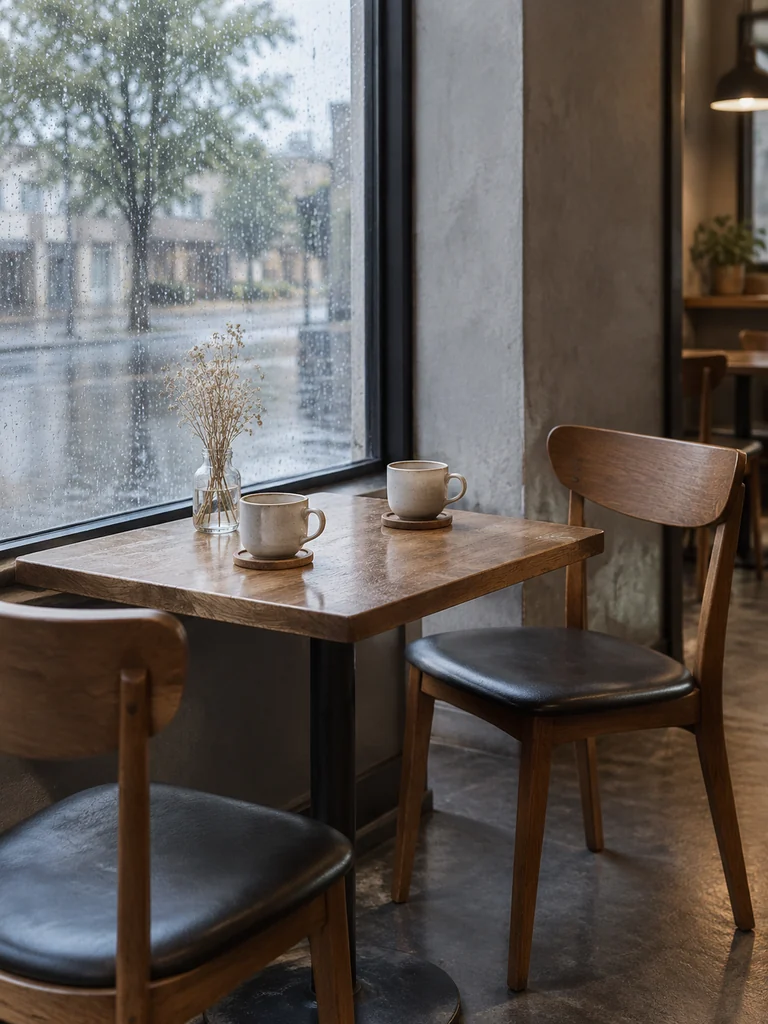 Symbolic sadness
Aspect ratio 3:4. Photoreal quiet emotional still life in an empty daytime cafe: two plain ceramic cups on a small table beside a rain-speckled window, one chair pulled slightly away. Soft cool window light, restrained gray and warm wood palette, readable details, no people, writing, logos or injury imagery.
Try This Direction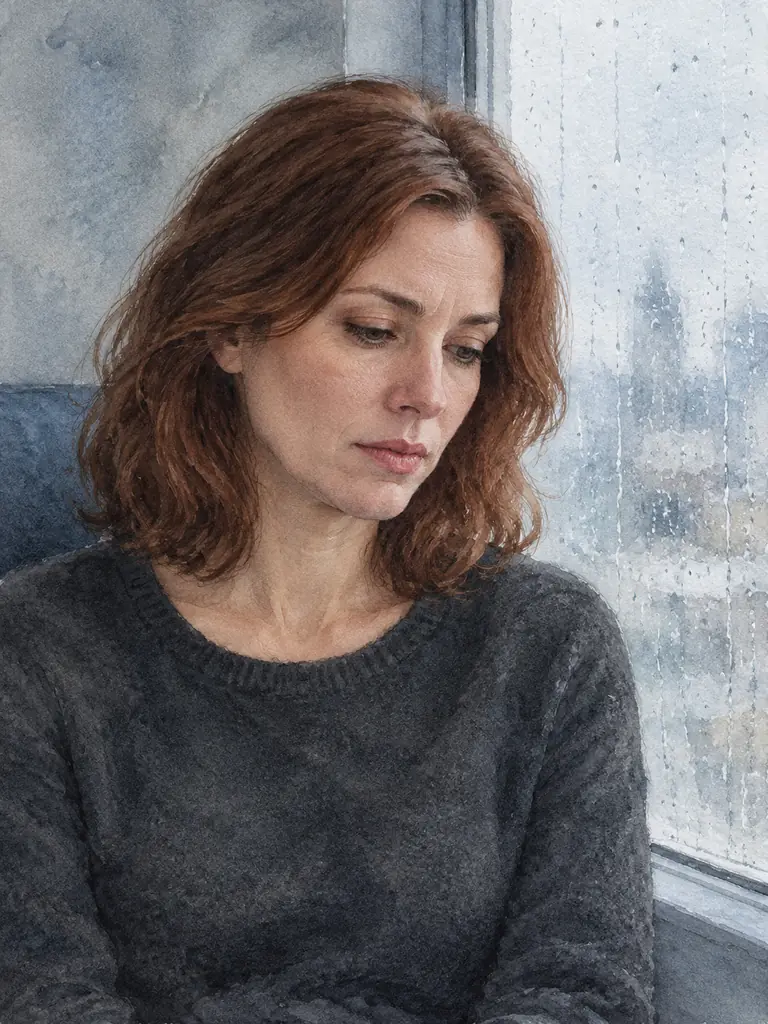 Painted emotion
Aspect ratio 3:4. Fine-art watercolor portrait of a clearly adult woman aged 40 with mature facial structure, shoulder-length auburn hair and a plain charcoal sweater, seated beside a pale rainy window. A calm downcast expression conveys quiet sadness. Face, neck and complete head are readable, refined watercolor edges and paper texture, cool gray-blue palette, gentle even exposure. No writing, logos, injury, distressed gesture or minor.
Try This DirectionIllustrative scenarios with fictional names; these are not verified customer reviews.
Grace would use a rain-covered window and muted city lights for a short-story mood board.
Liam would compare an empty-chair scene with an adult portrait to decide how directly to show a farewell.
Ava would request a clearly adult watercolor character for a reflective illustration, then review age and expression.
It creates emotional visual concepts such as reflective adult portraits, lonely city scenes, rain-covered windows and gentle illustrations. The AI sad image generator is for art and storytelling, not clinical assessment.
No. An empty chair, a quiet street or a person seen from a distance can communicate melancholy. Describe the setting, light and body language that carry your story.
Yes, you can request those directions in the prompt. Specify a medium, palette, lighting and composition, then inspect the output because style and detail may vary between models and runs.
No. It creates artwork and does not diagnose emotions, provide therapy or promise a mental-health benefit. Keep prompts focused on non-graphic emotional expression and avoid self-harm imagery.
A trial may be available for an eligible model and account. Check the displayed allowance and credit cost before creating more versions; paid generation does not guarantee a specific emotional result.