

Ears and markings first
Define upright or lop ears, coat color, and a small number of recognizable markings. These features give a rabbit portrait its identity without an overloaded prompt.
Prompt Guide
Model
Reference Image
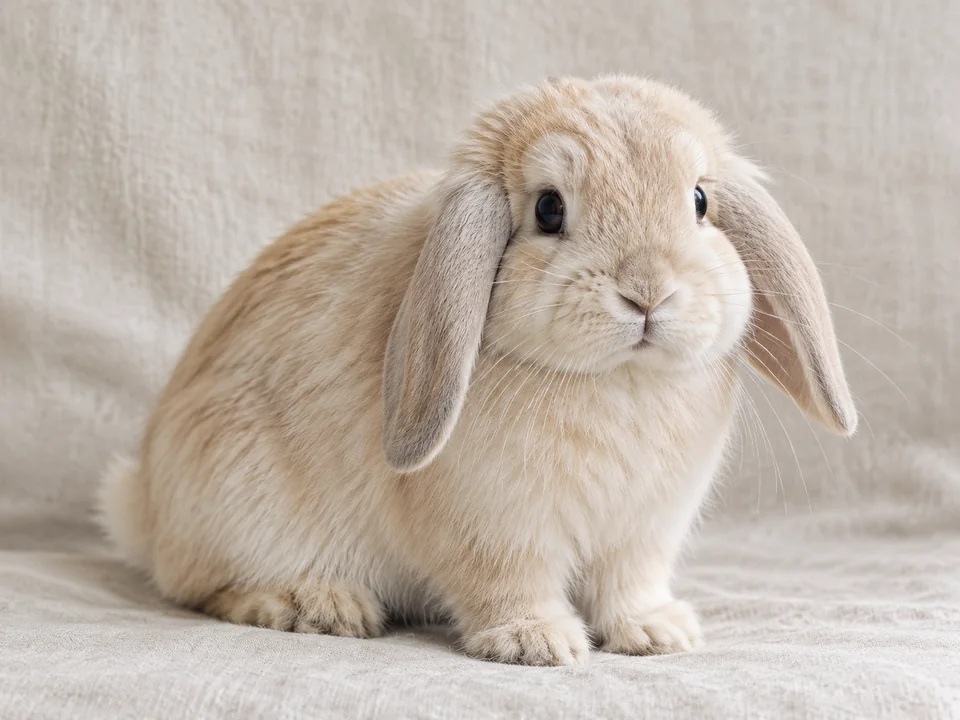
From an upright-eared meadow rabbit to a relaxed lop portrait, small choices change the whole image. Describe the ears, nose, coat markings, and pose before exploring a watercolor, storybook, or studio direction.
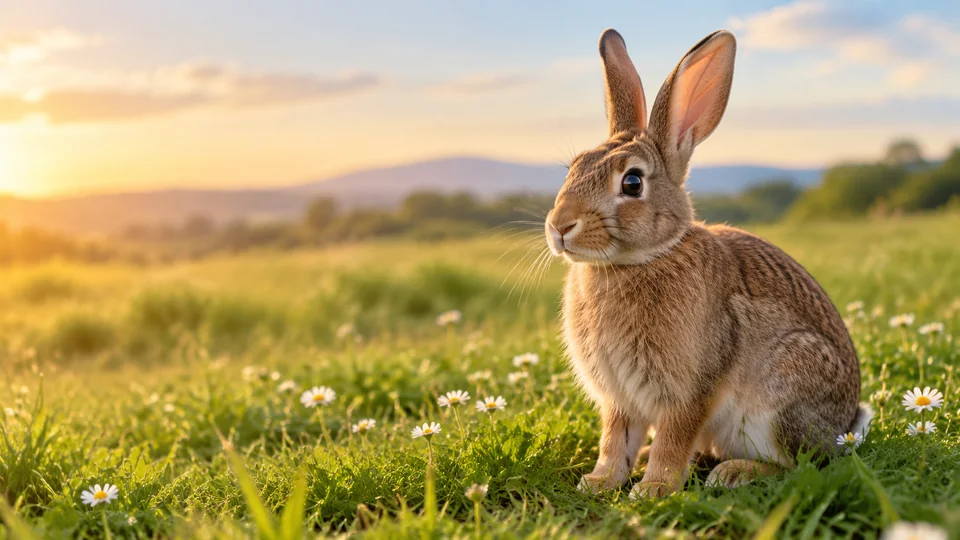
Choose one idea, keep the prompt focused, and inspect the details before using the result.
Pick a starting style in the ai rabbit image generator. Describe the main subject, pose, and intended use before adding background detail. Keep a small number of visual decisions so the result has one clear focus.
Choose the current image model and aspect ratio, then adapt one of the short prompts. Start with a natural portrait, watercolor keepsake, storybook bunny, or graphic illustration. Keep the ear shape and coat pattern clear, then choose a setting that leaves the rabbit easy to read.
Check that the rabbit has two ears, a plausible nose, and clearly placed paws. Lop and upright ears should not blend together, and fur texture should not become a smooth plastic surface. If the result misses the brief, change one detail at a time. Check the current account and model access before generating again.
Browse distinct directions for the ai rabbit image generator, from a focused subject study to a more stylized concept. Each short prompt starts a different composition; sample artwork does not guarantee the same output.
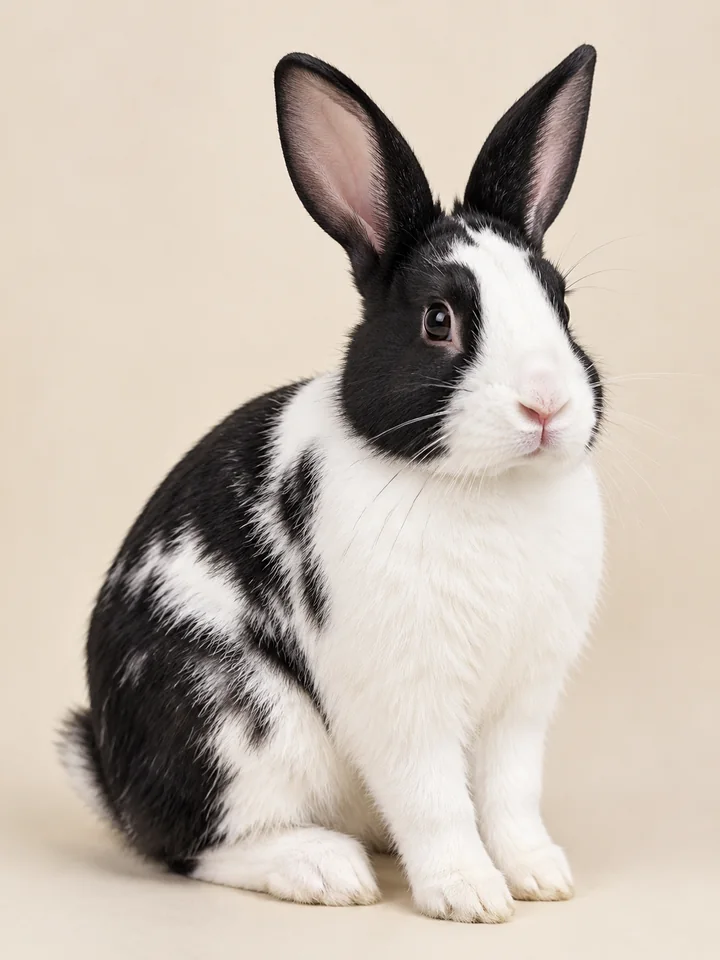 Natural Portraits
A black-and-white rabbit sits in a clear three-quarter pose, two upright ears, natural coat markings, cream studio backdrop and gentle light.
Try This Prompt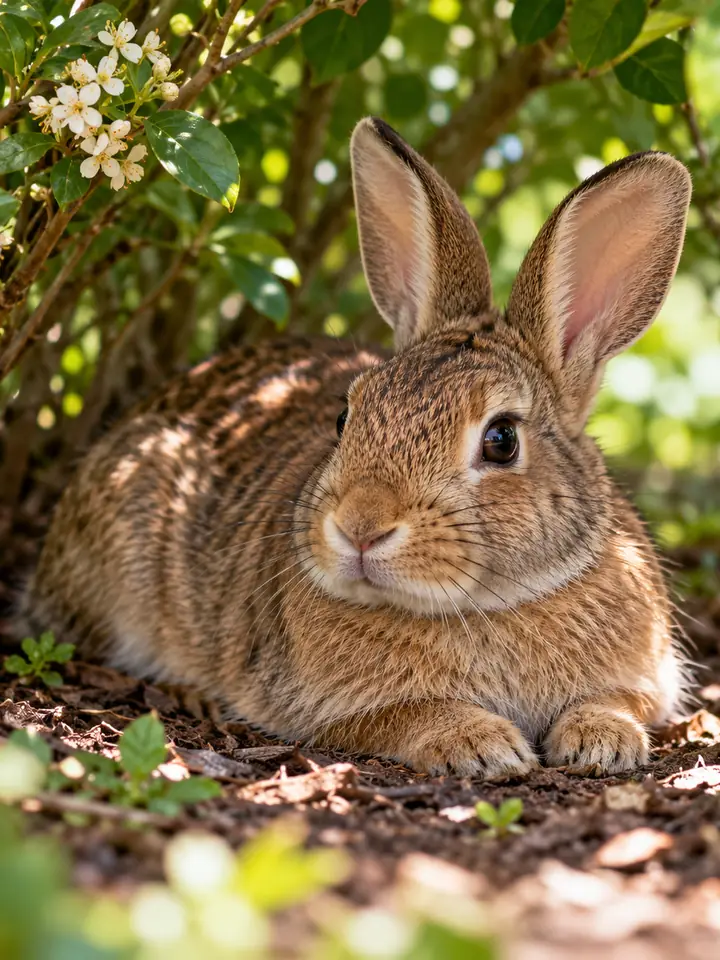 Natural Portraits
Show a tawny rabbit resting beneath a garden shrub, paws naturally placed, calm eyes, dappled shade and realistic fur detail.
Try This Prompt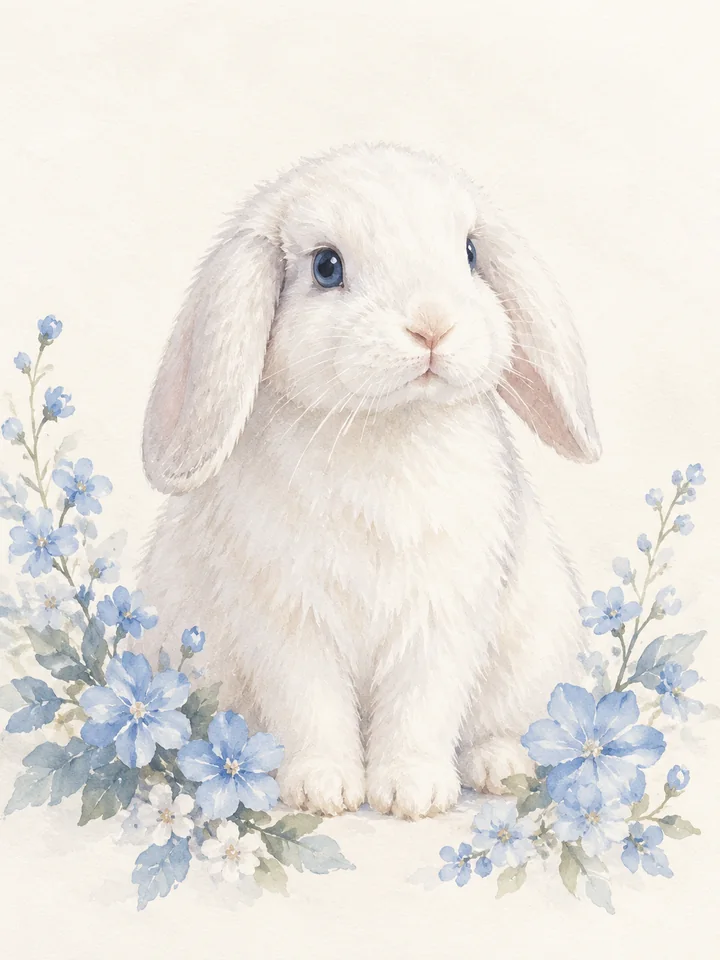 Watercolor
Paint a white lop rabbit with pale blue flowers around the lower edge, delicate watercolor brushwork and a spacious ivory background.
Try This Prompt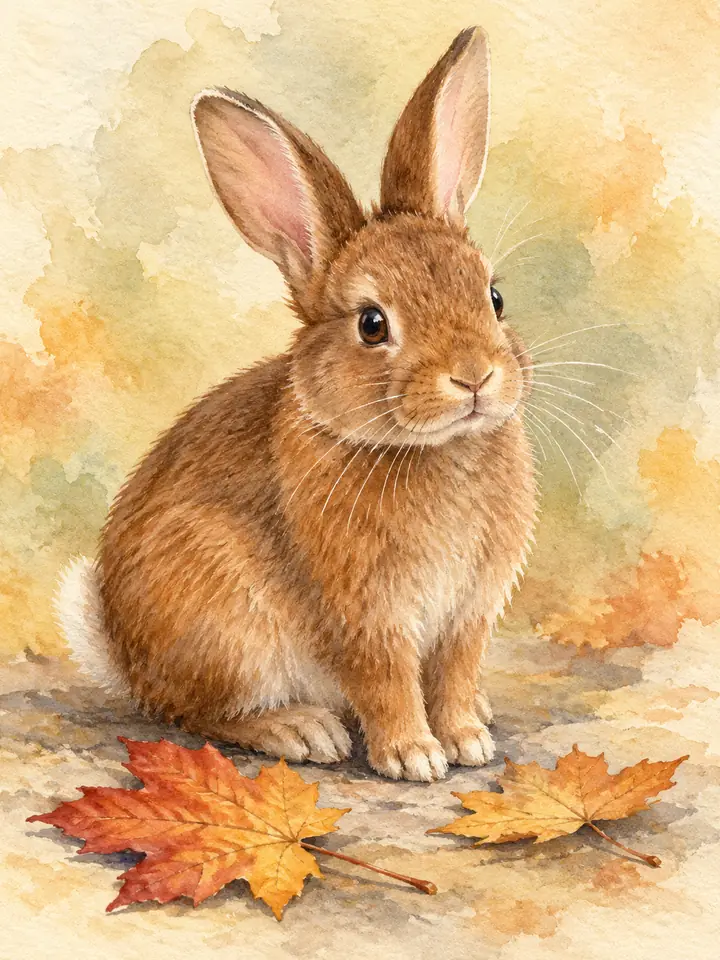 Watercolor
A chestnut rabbit sits beside two fallen maple leaves, warm watercolor washes, clear ears and whiskers, textured paper and soft shadows.
Try This Prompt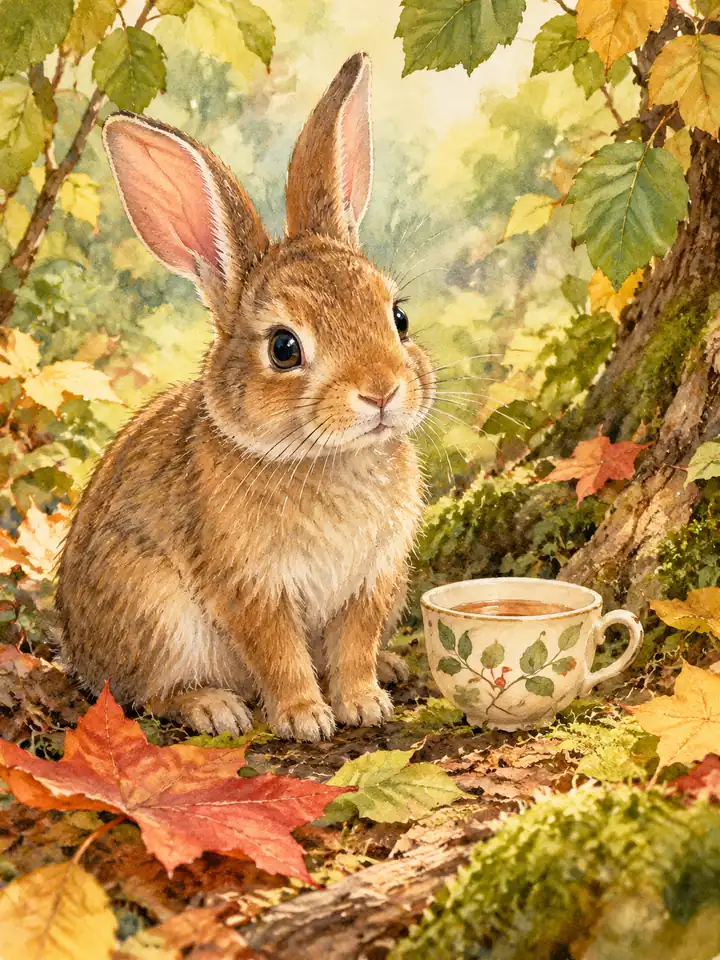 Storybook
Create an original bunny character beside a tiny woodland teacup, soft gouache, two naturally placed ears and a cozy leaf-lined clearing.
Try This Prompt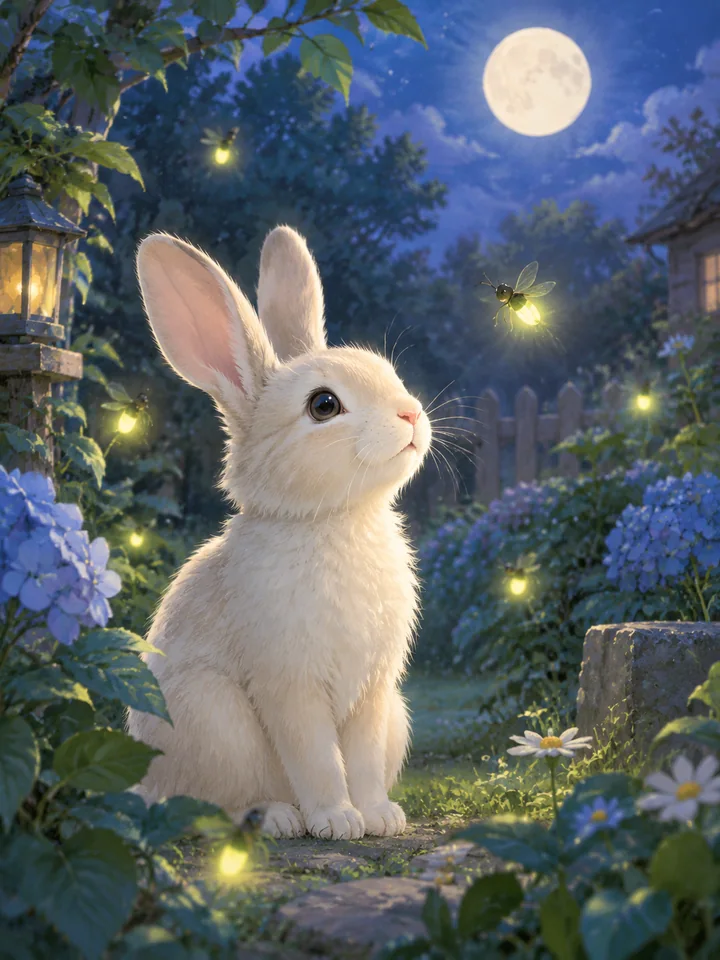 Storybook
Illustrate a gentle rabbit looking at fireflies in a moonlit garden, pastel storybook painting, quiet expression and a clean readable silhouette.
Try This Prompt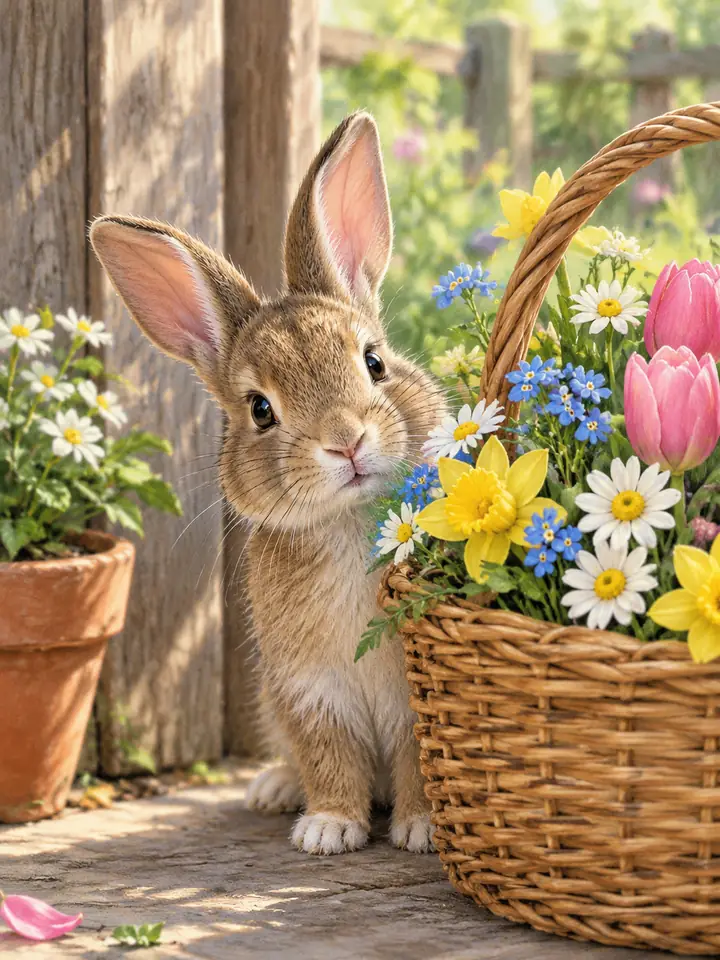 Storybook
A small illustrated rabbit peers beside a woven basket of spring flowers, warm storybook colors, simple props and clearly visible ears.
Try This Prompt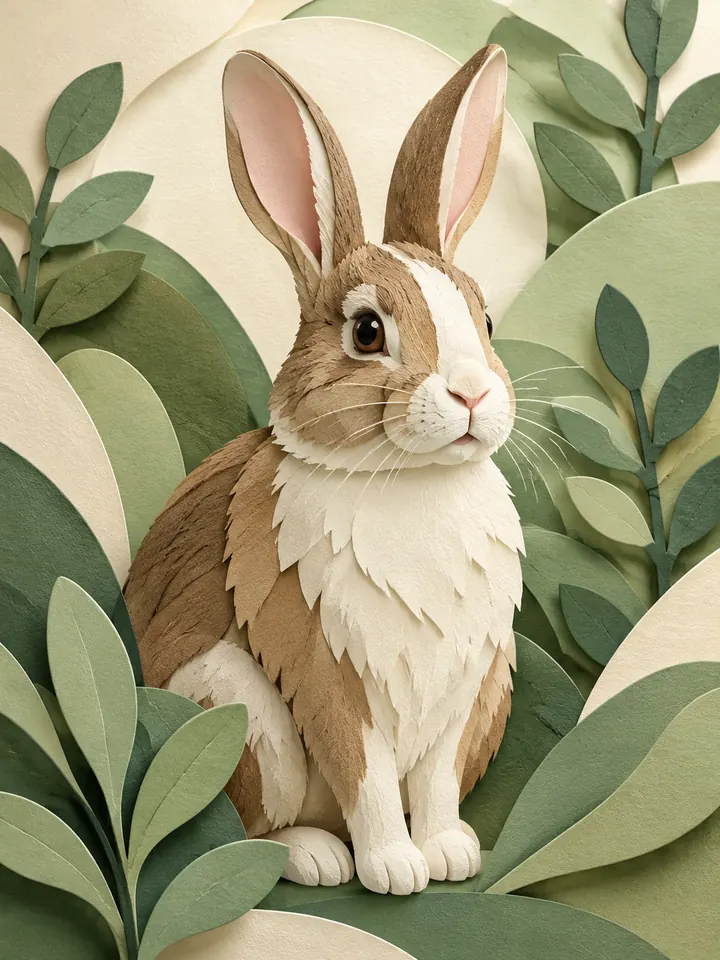 Graphic
Create a layered paper-cut rabbit among rounded leaves, soft cream and sage shapes, two upright ears and clean dimensional shadows.
Try This Prompt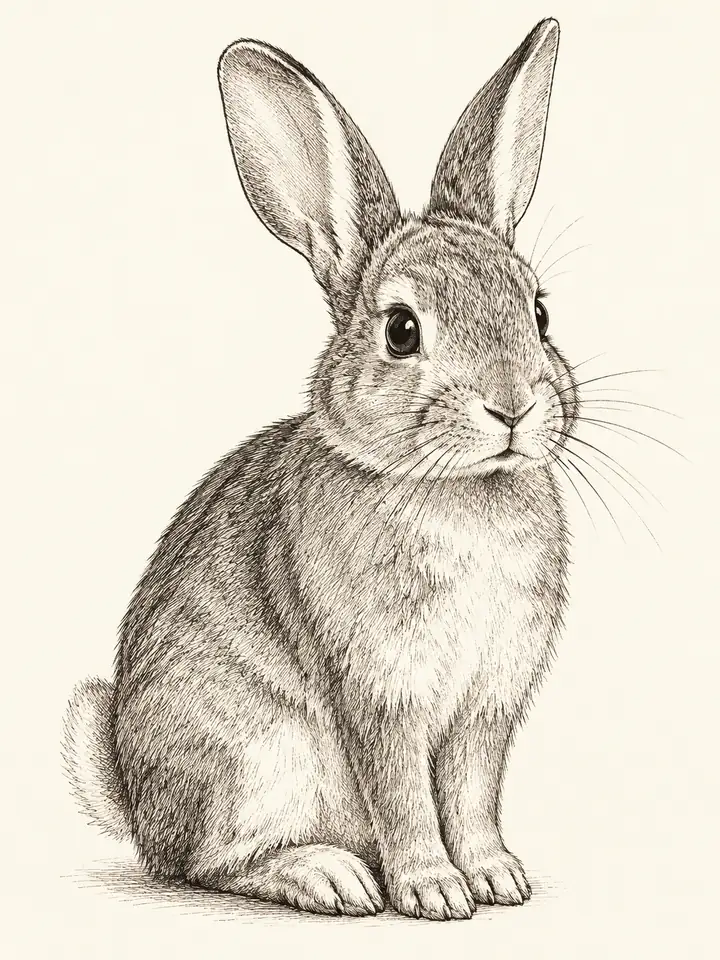 Graphic
Draw a rabbit portrait in fine black ink with sparse crosshatching, natural nose and whiskers, simple ivory background and no lettering.
Try This Prompt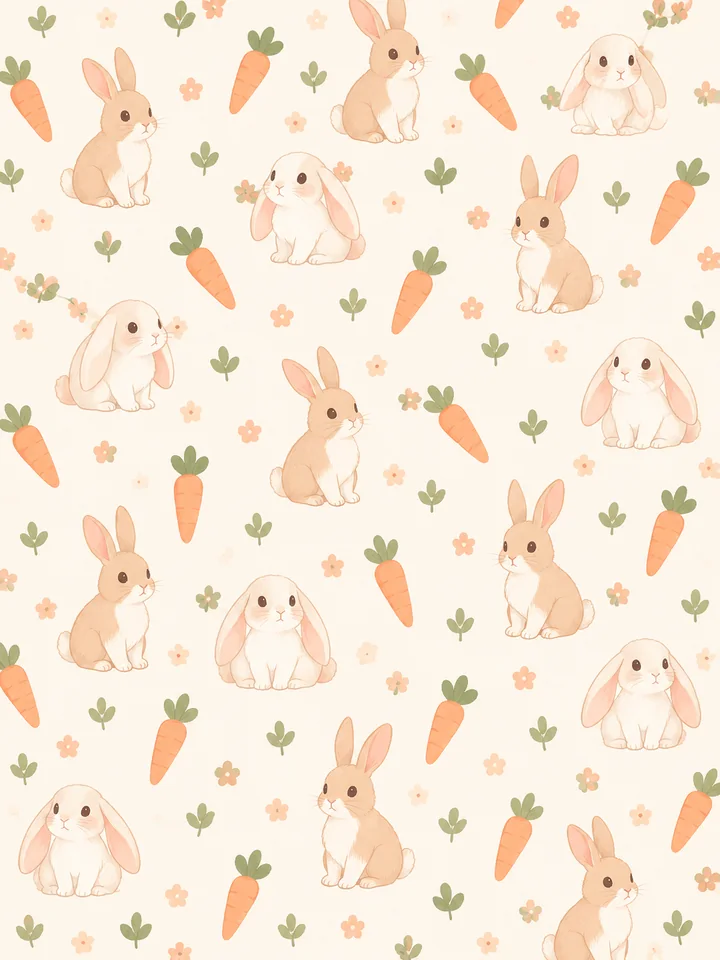 Graphic
Design an evenly spaced pattern of small original rabbits and carrots, peach and cream palette, consistent ear shapes and clean flat illustration.
Try This PromptThe ai rabbit image generator works best when the subject, style, and final use are clear. These choices keep the image focused while leaving room to explore original ideas.
Define upright or lop ears, coat color, and a small number of recognizable markings. These features give a rabbit portrait its identity without an overloaded prompt.
Ask for natural fur flow in realistic scenes or visible brushwork in paintings. Keep a single lighting direction and inspect the nose, eyes, and edges at a closer scale.
Use a portrait crop for a keepsake concept, a wide scene for a story, or a simple silhouette for a graphic idea. Leave room for any text that you plan to add separately.
Compare visual approaches before generating. This is a creative planning guide, not measured model performance or a ranking.
| Criteria | Natural Portraits | Watercolor | Storybook | Graphic |
|---|---|---|---|---|
| Prompt priority | Ear shape, markings, and fur flow | Soft washes and visible paper texture | Gentle character and a clear scene | Clear silhouette and clean edges |
| Review before use | Check small details and fit for your intended project | Check small details and fit for your intended project | Check small details and fit for your intended project | Check small details and fit for your intended project |
Illustrative use cases for the ai rabbit image generator. These are fictional project briefs, not customer reviews, endorsements, or measured outcomes.
Create one clear subject study in the ai rabbit image generator, with a restrained background and enough room to inspect the silhouette.
Explore a painterly rabbit direction with visible brushwork, a limited palette, and a composition that leaves room for separately added text.
Use the ai rabbit image generator to develop a simple original visual concept, then review small details and prepare the final layout in a design editor.
General Arena preference results for a broad model reference. These are not subject-specific tests or a guarantee for GlobalGPT outputs.
| Rank | Model | Arena Rating | Votes | Rank Range | Price / Image |
|---|---|---|---|---|---|
| #1 | gpt-image-2 (medium) OpenAI / Proprietary | 1381.71 | 75014 | #1-#1 | 0 |
| #2 | mai-image-2.6-preview Microsoft AI / Proprietary | 1330.7 | 6418 | #2-#3 | - |
| #3 | grok-imagine-image-2.0 (low) SpaceXAI / Proprietary | 1315.6 | 2675 | #2-#4 | - |
| #4 | reve-2.1 Reve / Proprietary | 1301.61 | 7580 | #3-#4 | - |
Source: Arena Leaderboard
Yes. Describe both ears as naturally drooping beside the head and keep their full shape visible. Inspect each result because AI may lift, shorten, or duplicate the ears.
A detailed coat and ear description can guide the design. If the current workspace supports a reference image, use a clear photo you have permission to edit. Exact pet identity and markings are not guaranteed.
Start with a single rabbit in a simple resting or standing pose. Ask for two ears and natural paws, then inspect the output. Simplify accessories if they obscure the head or body.
Yes. Describe an original seasonal scene with flowers or a small basket, while keeping the rabbit the main subject. Add important lettering separately and review details before using the artwork in a card.
The current model selector shows which model is available for trial and its usage limit. Locked choices remain visible but require the applicable account access; examples do not guarantee identical output.