

Create a Recognizable Pony Silhouette
Choose a mane shape, tail and coat palette that work together. A few distinctive details make the pony easier to recognize.
Create a pony with a distinctive mane, palette and personality. Start with a colorful fantasy character, then explore watercolor, pixel art, paper sculpture or a more natural pony scene.
Create Your Pony







Prompt Guide
Model
Reference Image
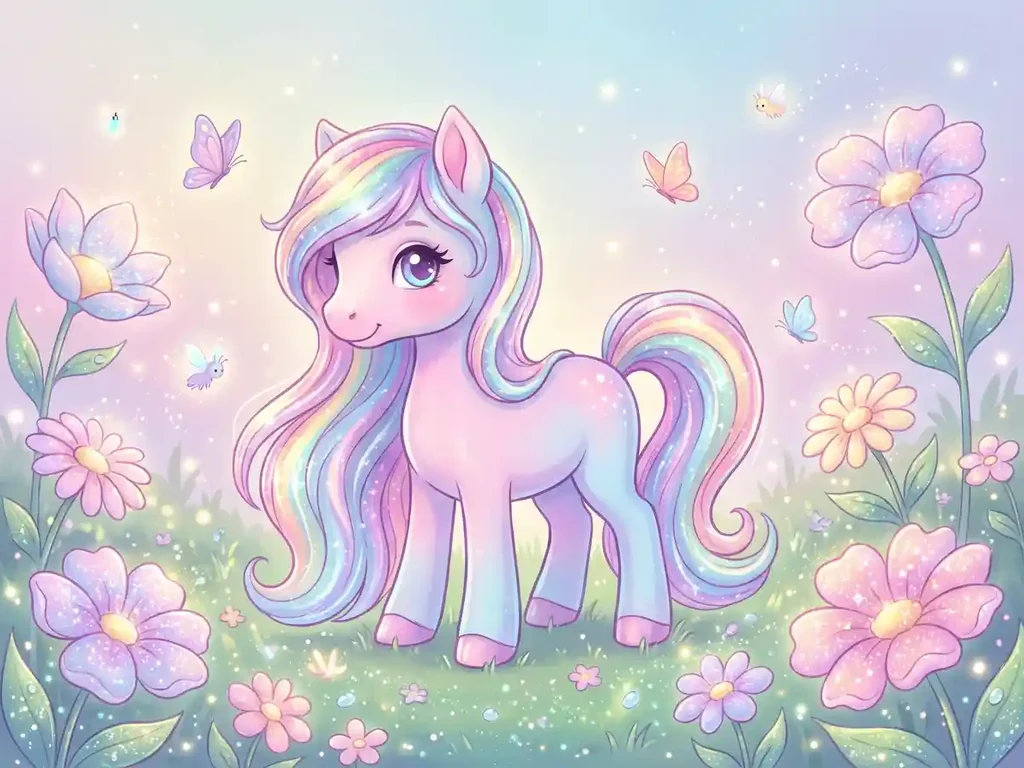
Explore distinct starting directions, adapt a prompt and review your own result. Exact reproduction is not guaranteed.
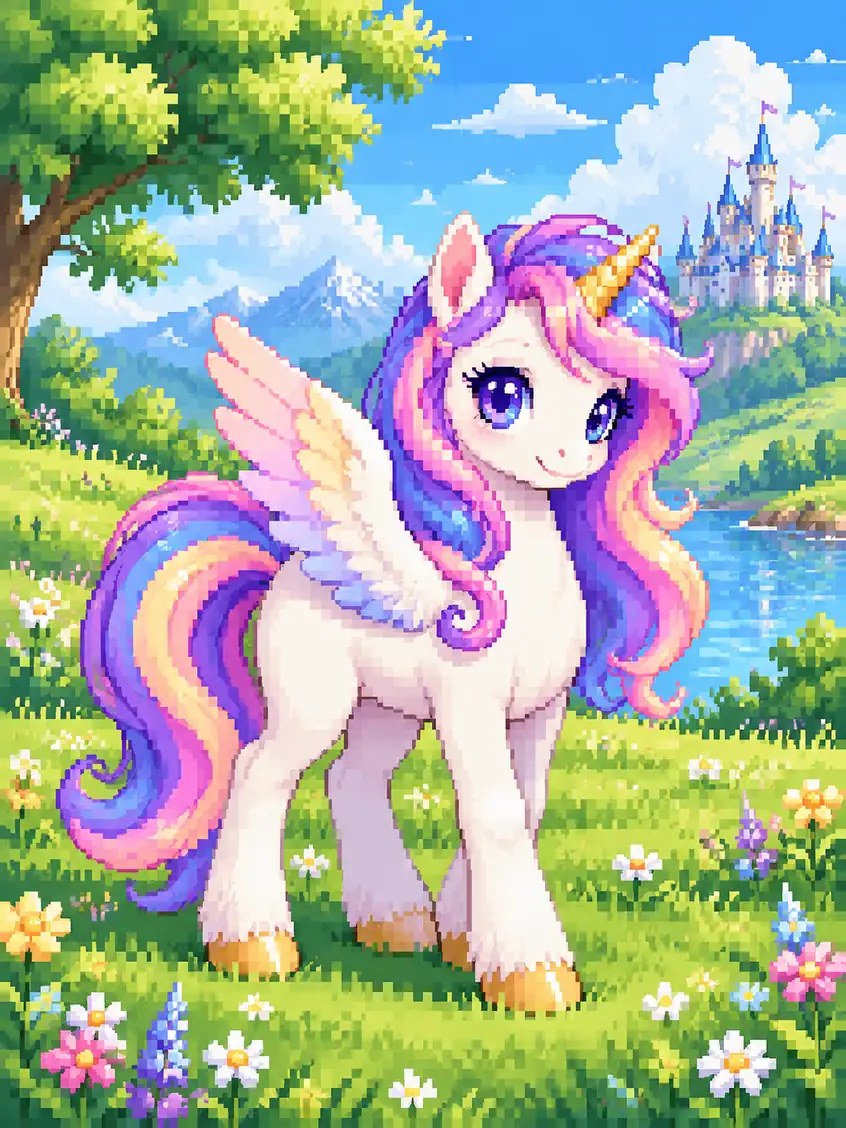 Pixel ponies
An original colorful fantasy pony rendered in crisp 16-bit pixel art in a sunny meadow, four coherent legs. Aspect ratio 3:4. no logos, no readable text, no watermarks. or instruction diagram.
Try This Prompt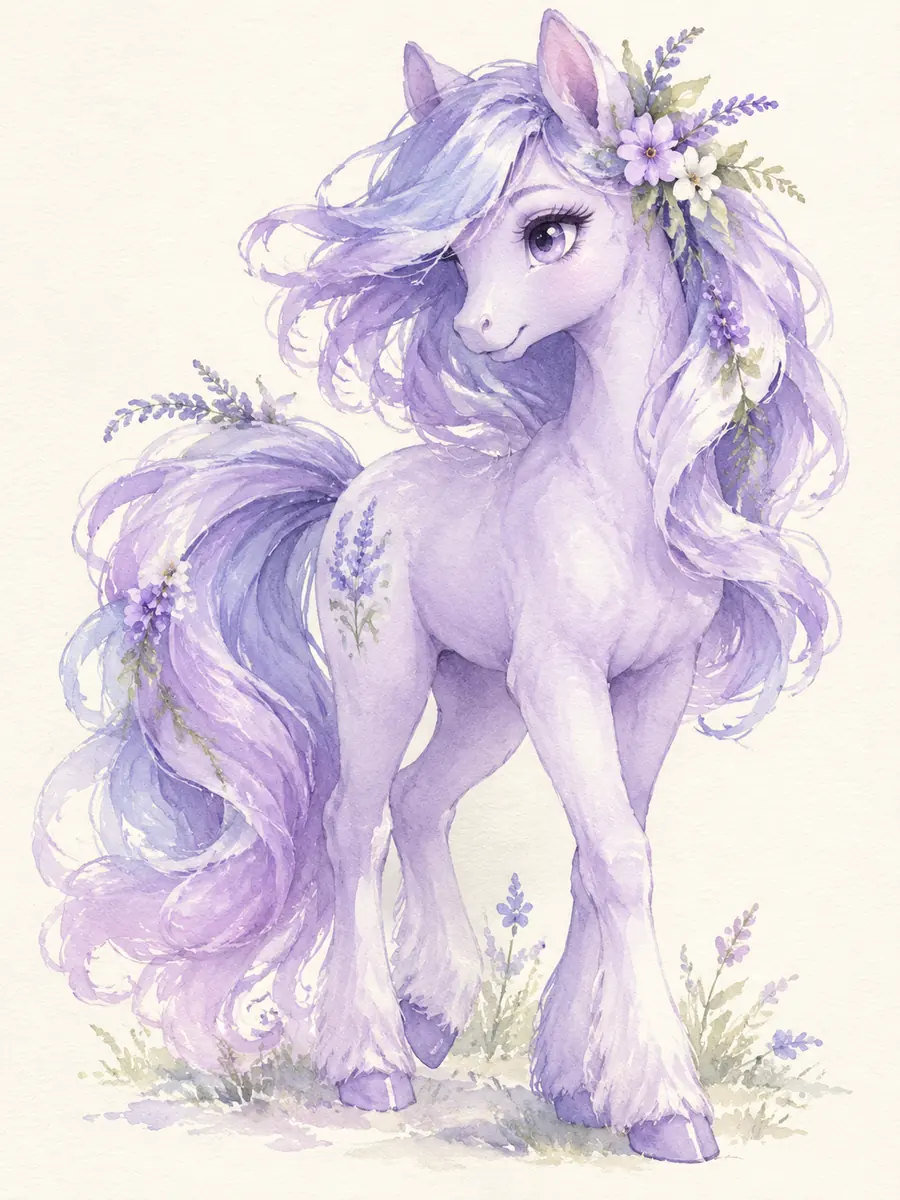 Watercolor ponies
An original lavender fantasy pony with a flowing mane painted in refined watercolor on bright ivory paper. Aspect ratio 3:4. no logos, no readable text, no watermarks. or instruction diagram.
Try This Prompt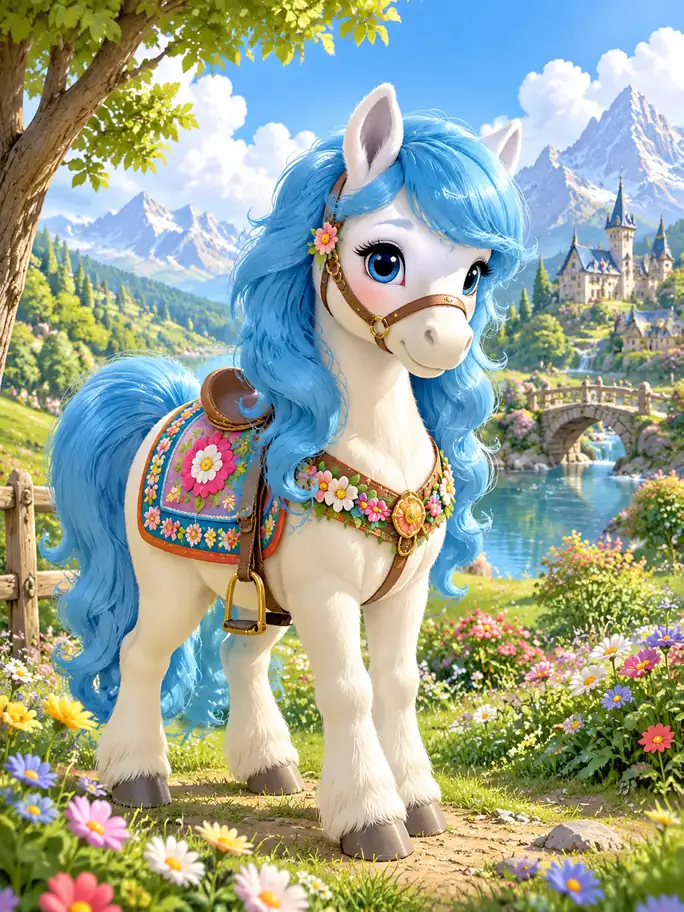 Storybook ponies
An original whimsical storybook pony with a blue mane and colorful floral saddle, bright original landscape, no lettering. Aspect ratio 3:4. no logos, no readable text, no watermarks. or instruction diagram.
Try This Prompt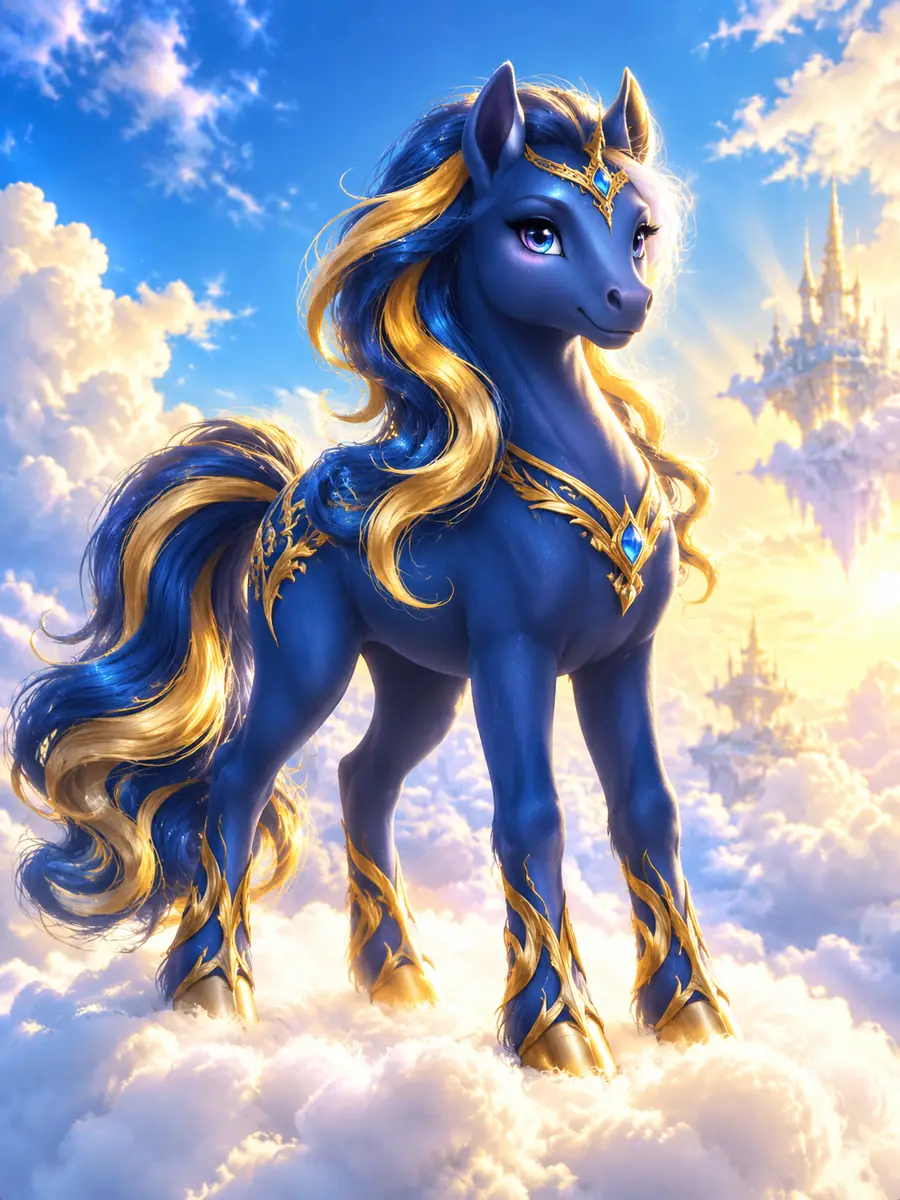 Fantasy ponies
An original deep blue and gold fantasy pony on a bright luminous cloud, coherent body and four legs. Aspect ratio 3:4. no logos, no readable text, no watermarks. or instruction diagram.
Try This Prompt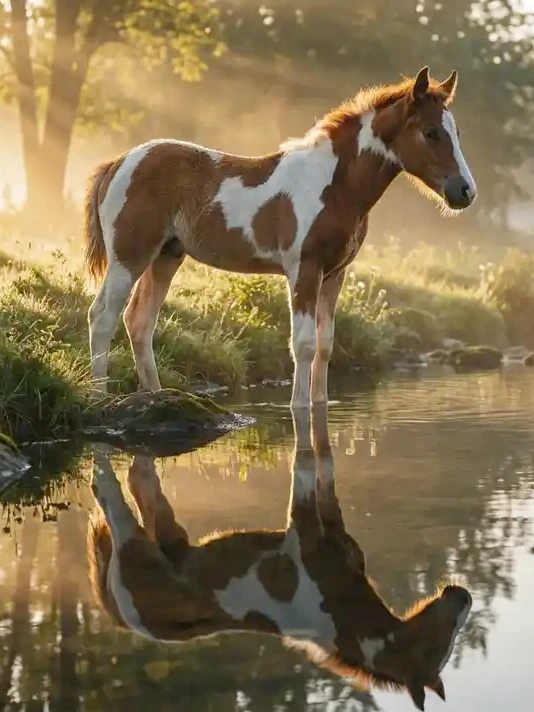 Realistic pony reflection
A realistic brown-and-white pinto foal stands beside calm water with a clear reflection. Natural coat, coherent complete figure and warm sunlit woodland surroundings. Aspect ratio 3:4.
Try This Prompt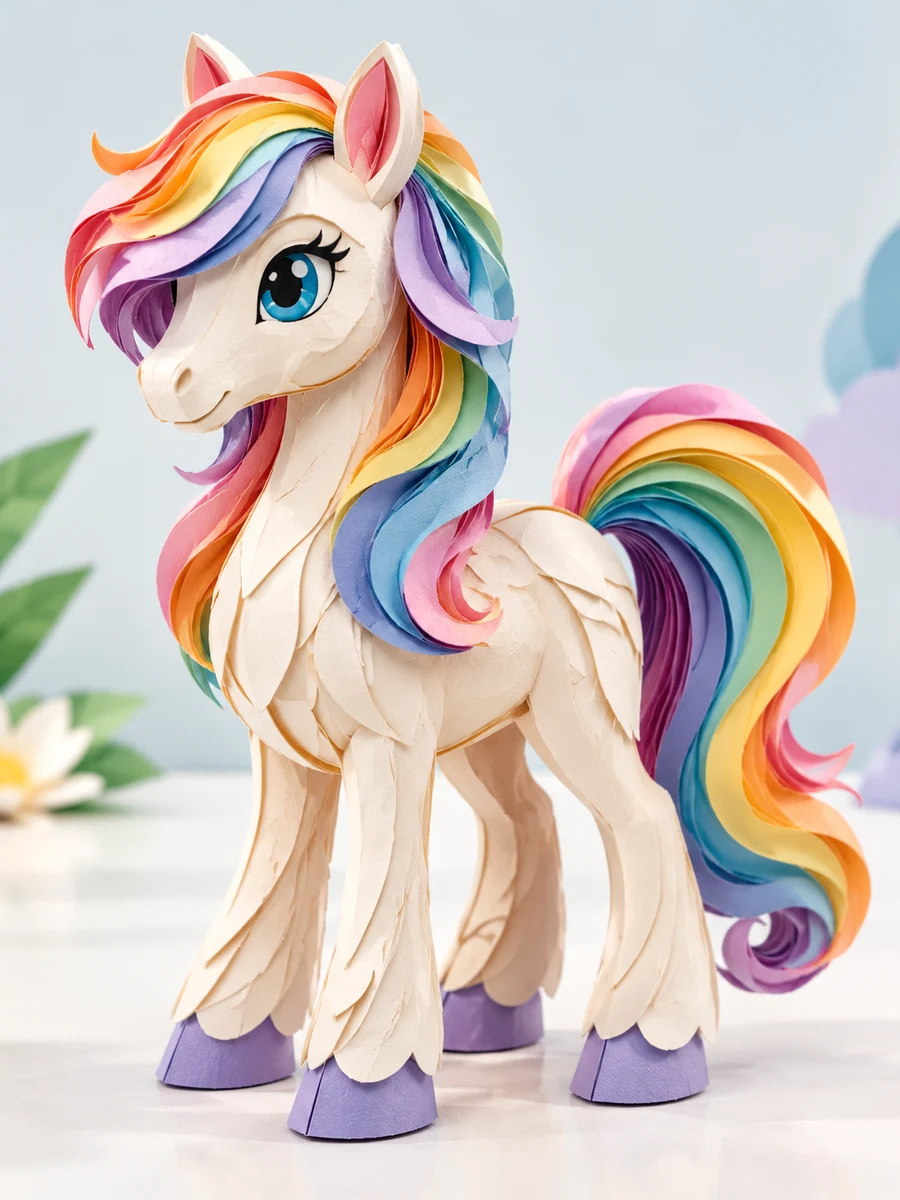 Paper art ponies
An original colorful fantasy pony sculpted from layered paper, complete mane, coherent four legs, bright studio. Aspect ratio 3:4. no logos, no readable text, no watermarks. or instruction diagram.
Try This PromptChoose a clear direction, build a focused brief and refine the details that matter.
Choose a mane shape, tail and coat palette that work together. A few distinctive details make the pony easier to recognize.
Compare watercolor, pixel art, clay and layered paper. The same pony idea can feel very different when its material changes.
Place the pony in a meadow, storybook landscape or fantasy sky. Keep the figure clear and use the background to support its personality.
Start with a case, describe your idea and review the result.
Choose a fantasy, storybook, handmade or realistic case. Decide on the pony's palette and overall personality.
Add the coat, mane, tail, pose and setting. Choose an image model and output shape, then generate a focused concept.
Review ears, eyes, legs, hooves and tail. Refine the details and download the version you want to keep developing.
Illustrative scenarios with fictional names; these are not verified customer reviews.
Watercolor and paper ponies give me two very different ways to present the same colorful idea.
I would define the mane and tail first so my pony has a recognizable silhouette.
The realistic pony option is useful when I want a quieter meadow scene instead of fantasy art.
It creates still pony concepts in colorful cartoon, fantasy, watercolor, pixel, clay, paper-art and more realistic styles. Your prompt controls the starting character and setting.
Yes. Describe your own coat, mane, tail, personality and world details. Use distinct design choices when originality matters, and review the final image before reuse.
Yes. Ask for natural pony proportions, a realistic coat and a clear outdoor setting. The collection includes realistic alternatives alongside the main fantasy and cartoon direction.
This workspace creates a still image. It does not promise a rigged 3D model, animation-ready character sheet or consistent frames. The Hero is a separate motion example.
The first listed model offers one trial use, subject to current eligibility. Other models and further generations may require signing in and credits. Check the displayed requirement before generating; a trial does not mean unlimited free use.