

No seams or paint edges
Real vinyl has mould lines and paint that stops slightly short. Add one seam and the object gains a factory history.
Describe the character and the shelf, and get a product photograph of a vinyl figure with real plastic, box and light.
Prompt Guide
Model
Reference Image
Proportions, seams, plastic sheen and packaging are what make a render look like a product.
Oversized head, short body, stubby limbs. The stylised ratio is the whole silhouette, so state it before the costume.
Matte vinyl, glossy vinyl, soft-touch paint. The way light wraps a small figure is what makes it read as a real object.
A faint line along the arm or the hair parting. Manufactured objects have seams, and one seam sells the whole illusion.
A windowed box with a name plate, or a shelf with dust. Products live somewhere, and the setting carries the scale.
A single softbox close in, with a short shadow. Large set lighting flattens a 10cm object into a graphic.
Ten product shots across boxes, shelves and desks, each a prompt you can retype.
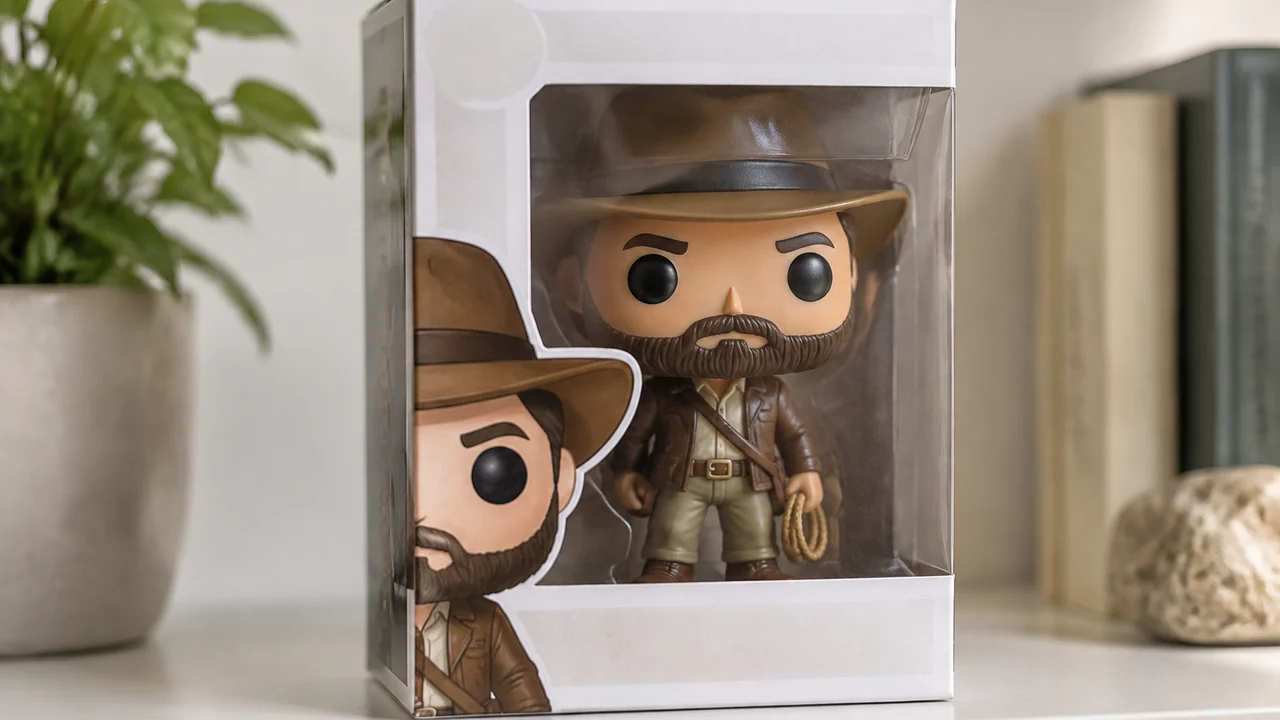
 Boxed
Boxed vinyl figure of a bearded explorer, white shelf, soft studio light real photograph, shot on a 50mm lens at f2.8, natural directional light, true skin and material texture, shallow depth of field, no text, no watermark, no illustration, no 3d render
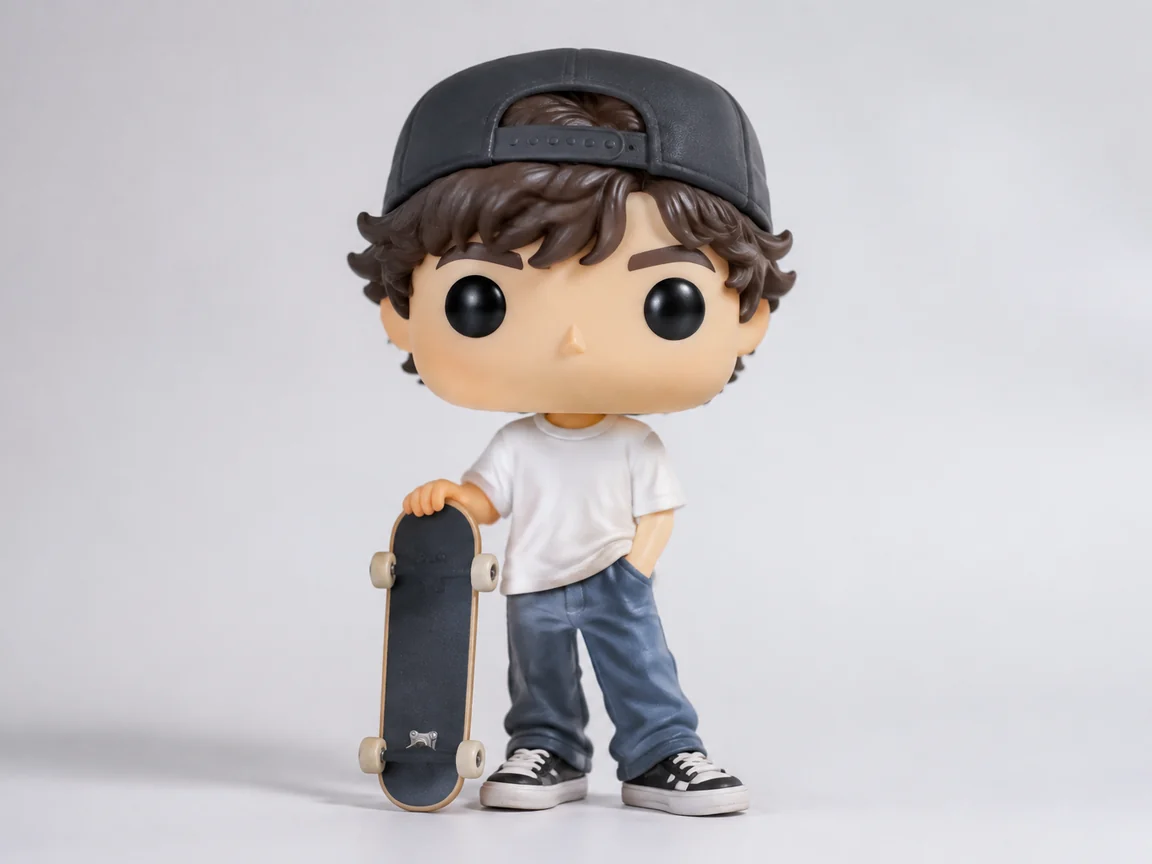
Try This Prompt Loose
Loose vinyl chef figure with a pan on a wooden desk, monitor glow real photograph, shot on a 50mm lens at f2.8, natural directional light, true skin and material texture, shallow depth of field, no text, no watermark, no illustration, no 3d render
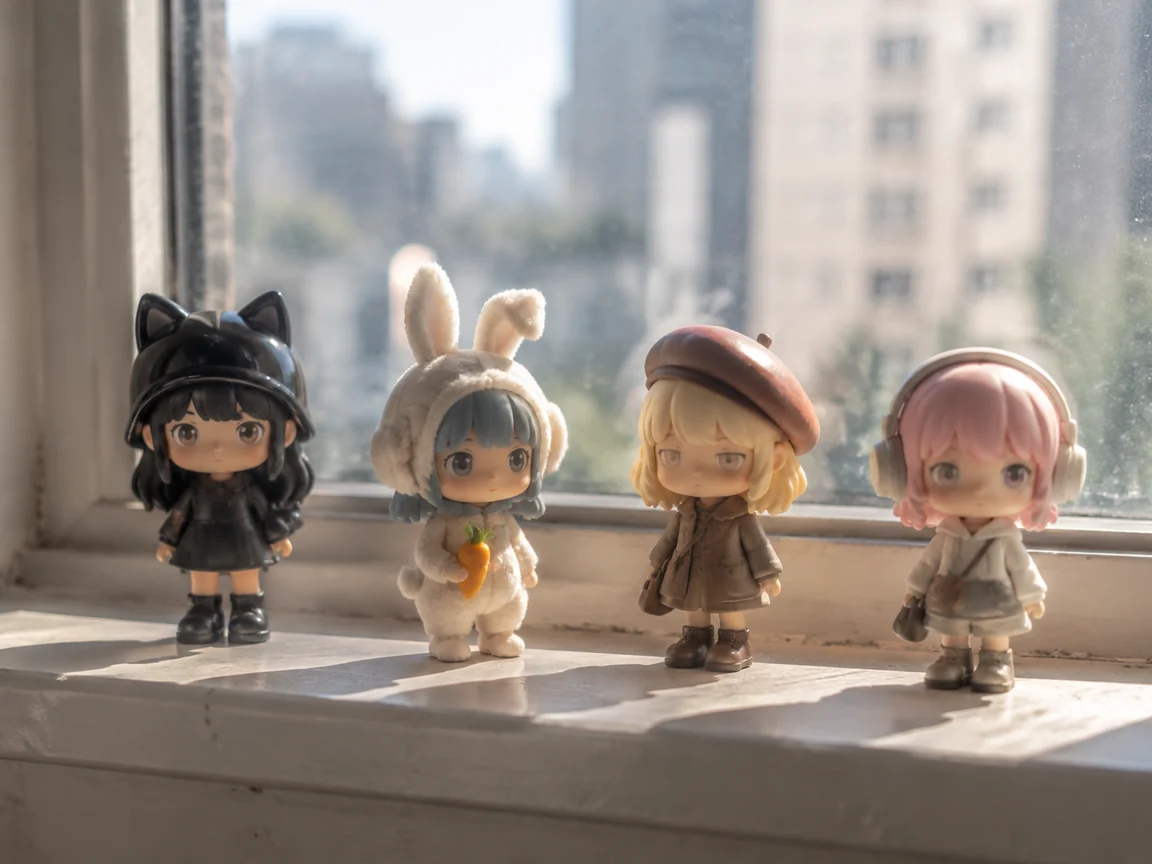
Try This Prompt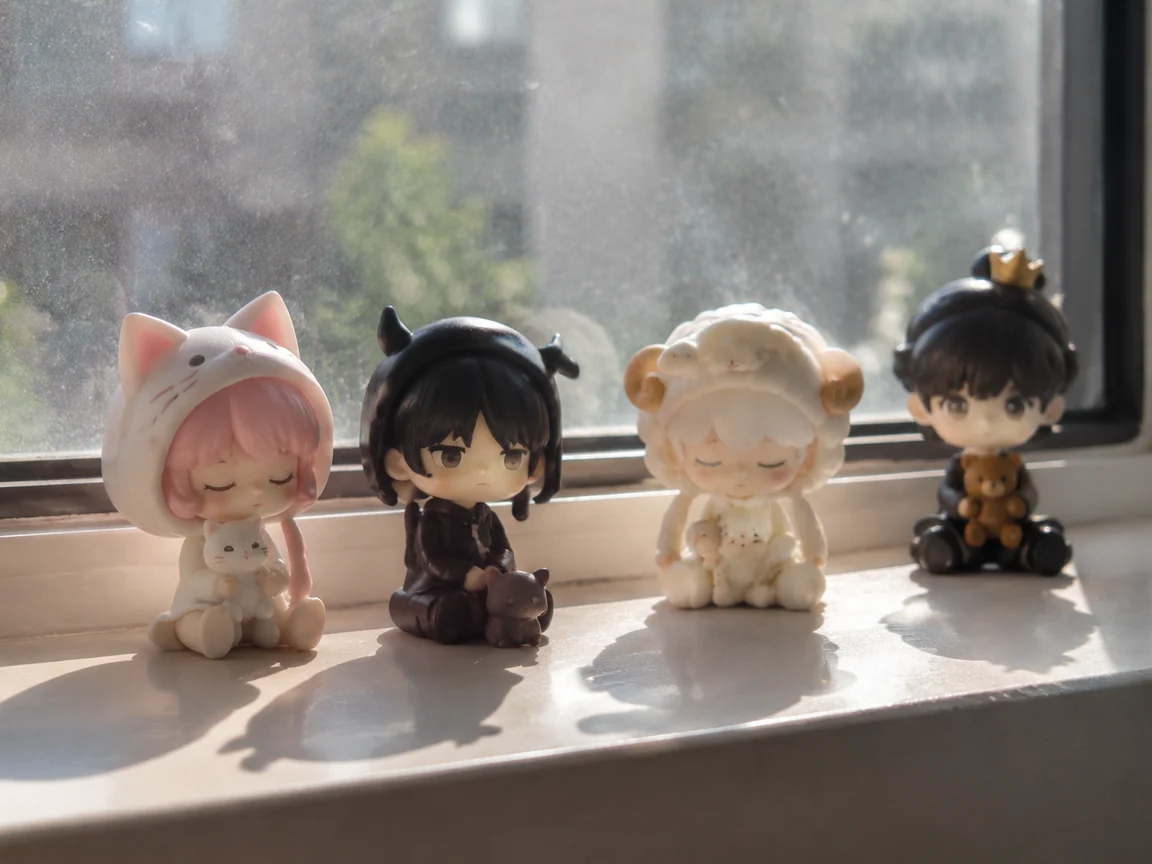 Collections
Four vinyl figures on a windowsill, daylight, dust real photograph, shot on a 50mm lens at f2.8, natural directional light, true skin and material texture, shallow depth of field, no text, no watermark, no illustration, no 3d render
Try This Prompt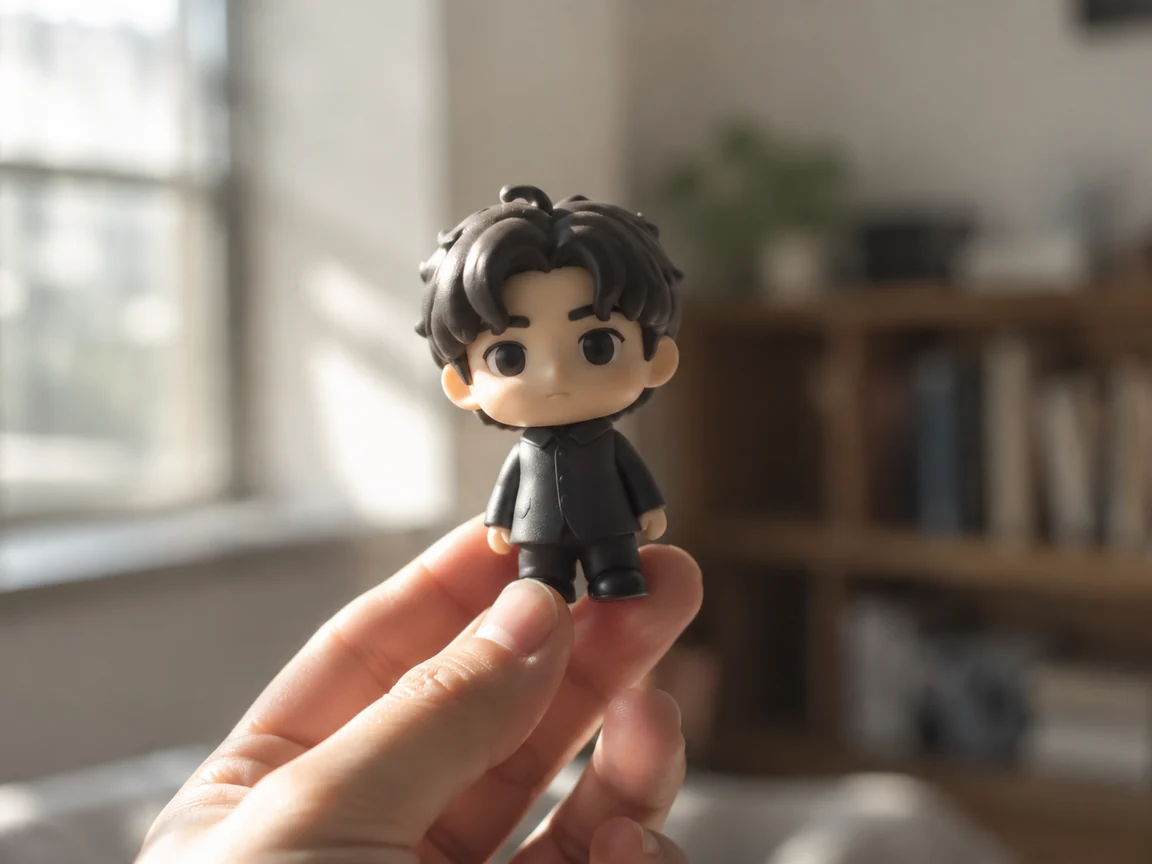 In hand
Hand holding a small vinyl figure, blurred room, window light real photograph, shot on a 50mm lens at f2.8, natural directional light, true skin and material texture, shallow depth of field, no text, no watermark, no illustration, no 3d render
Try This Prompt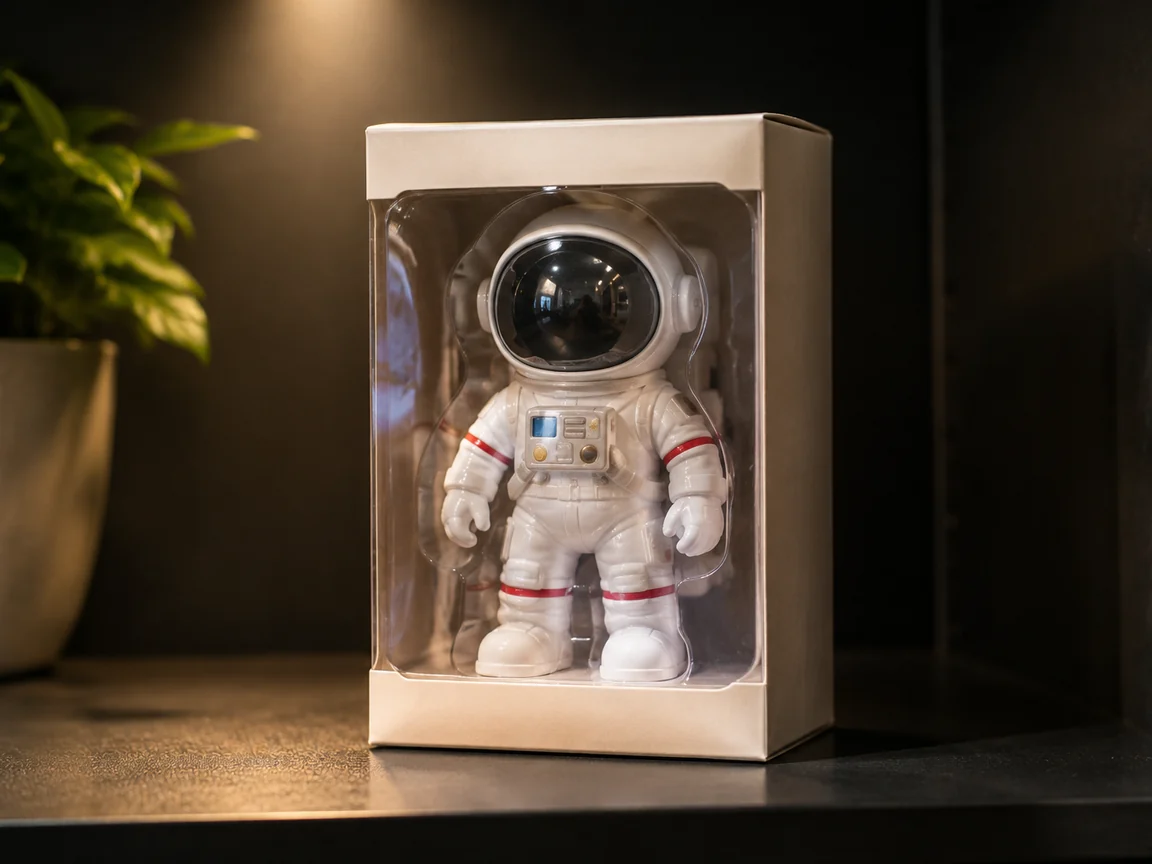 In hand
Boxed vinyl astronaut figure, dark shelf, single spotlight real photograph, shot on a 50mm lens at f2.8, natural directional light, true skin and material texture, shallow depth of field, no text, no watermark, no illustration, no 3d render
Try This Prompt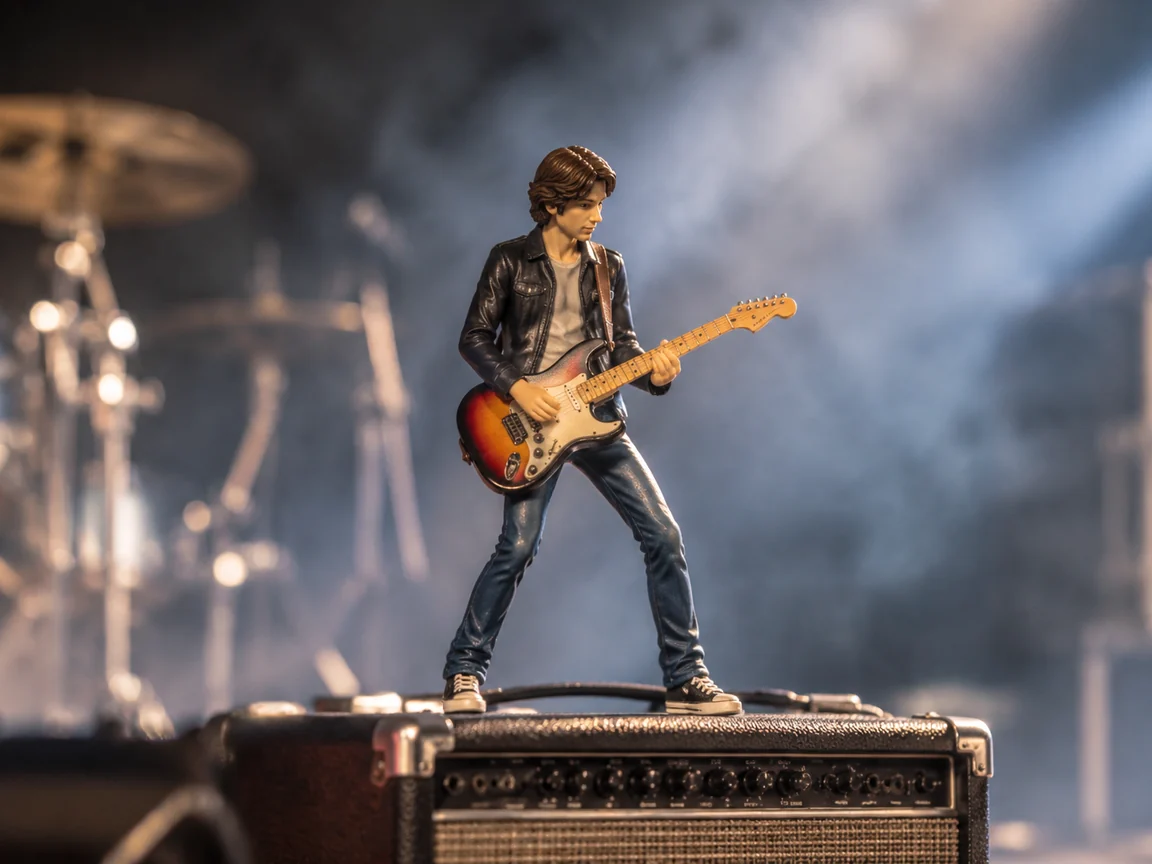 In hand
Loose vinyl guitarist figure on an amp, stage haze behind real photograph, shot on a 50mm lens at f2.8, natural directional light, true skin and material texture, shallow depth of field, no text, no watermark, no illustration, no 3d render
Try This Prompt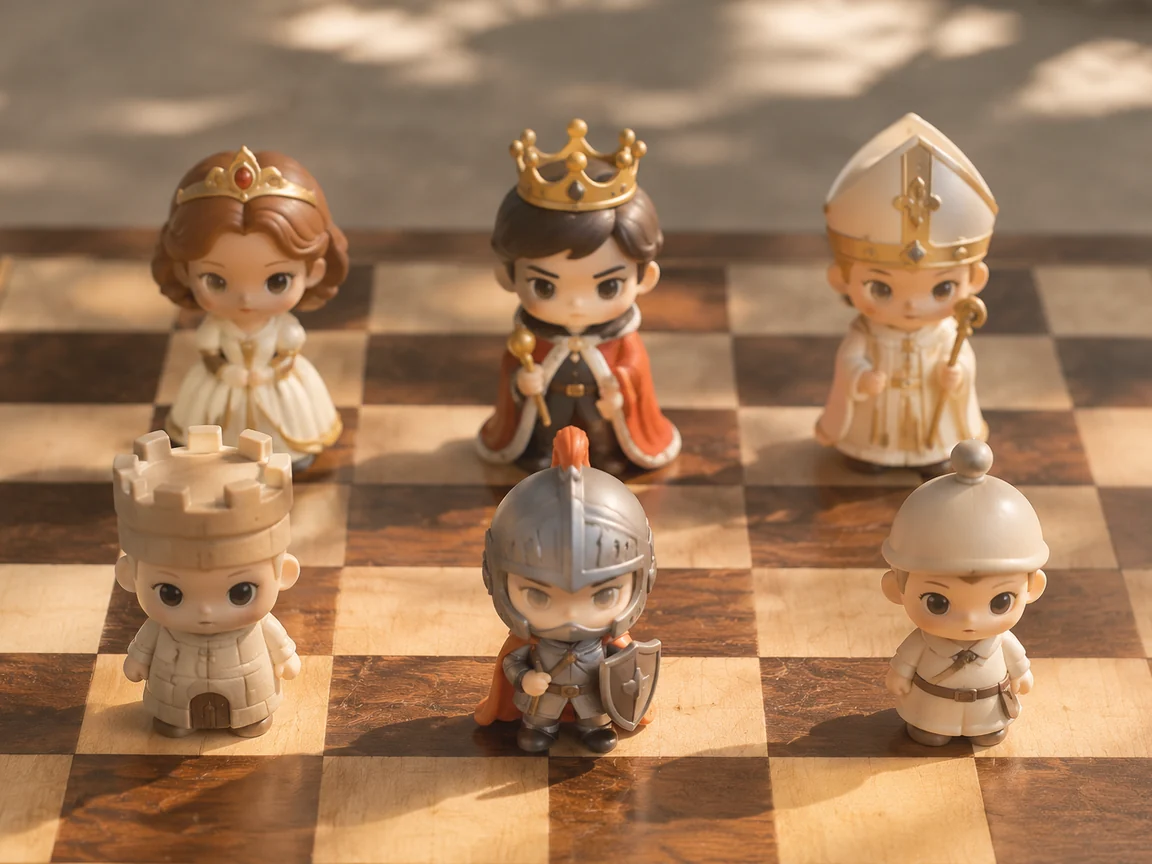 In hand
Six vinyl figures arranged like chess pieces on a board, overhead light real photograph, shot on a 50mm lens at f2.8, natural directional light, true skin and material texture, shallow depth of field, no text, no watermark, no illustration, no 3d render
Try This Prompt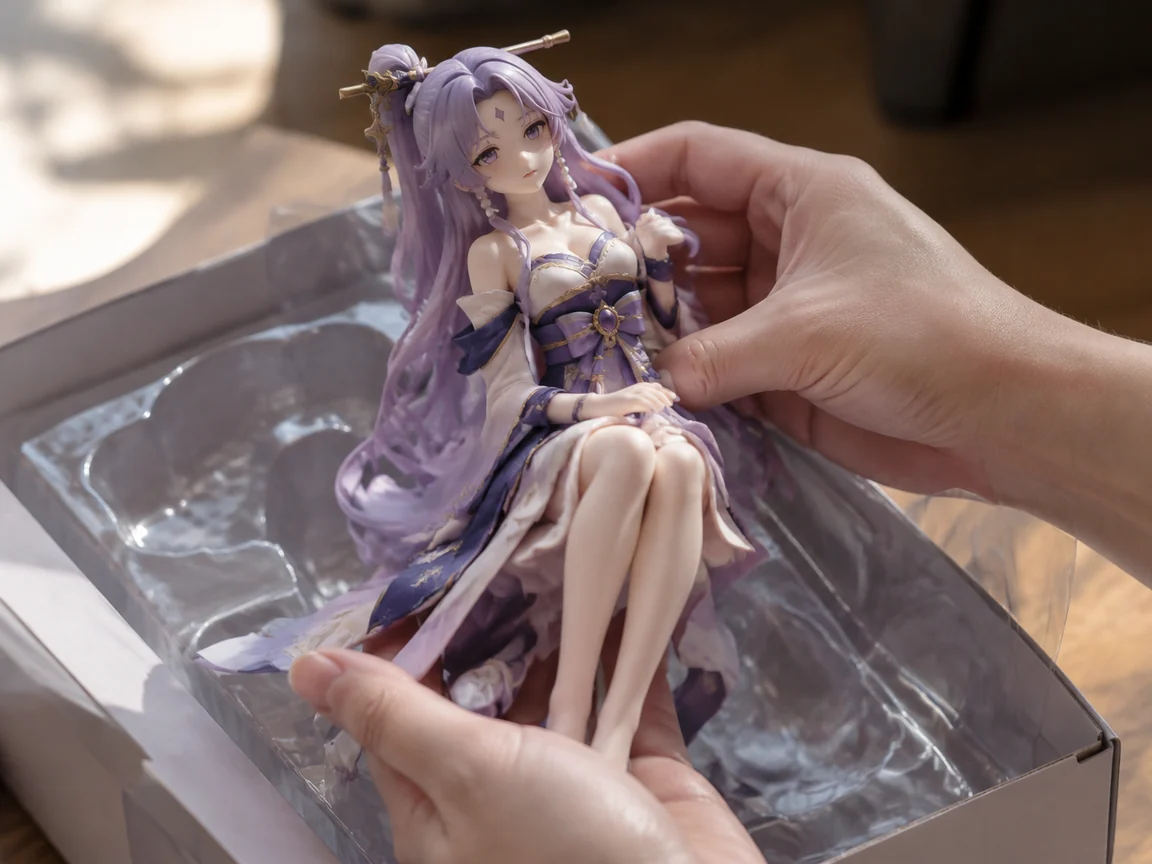 In hand
Hands lifting a vinyl figure from its box, packing insert visible real photograph, shot on a 50mm lens at f2.8, natural directional light, true skin and material texture, shallow depth of field, no text, no watermark, no illustration, no 3d render
Try This Prompt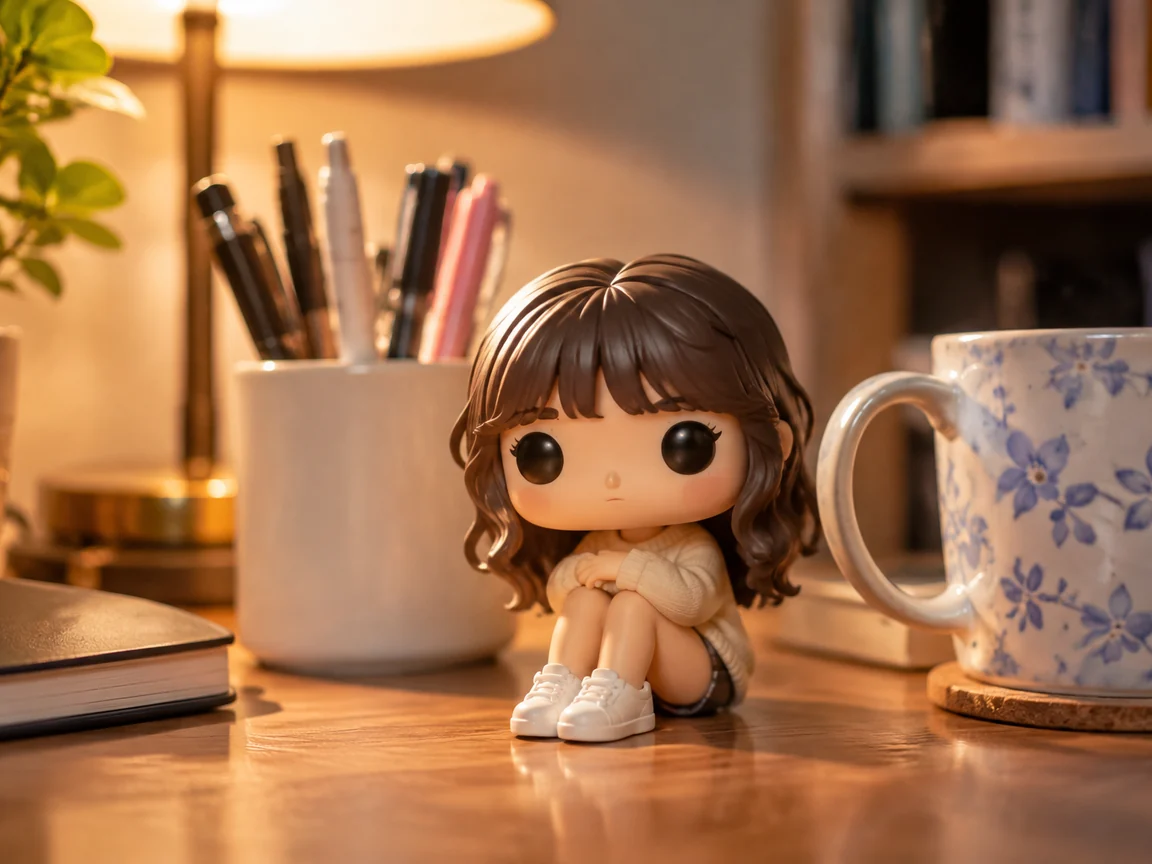 In hand
Vinyl figure among pens and a mug on a desk, warm lamp light real photograph, shot on a 50mm lens at f2.8, natural directional light, true skin and material texture, shallow depth of field, no text, no watermark, no illustration, no 3d render
Try This Prompt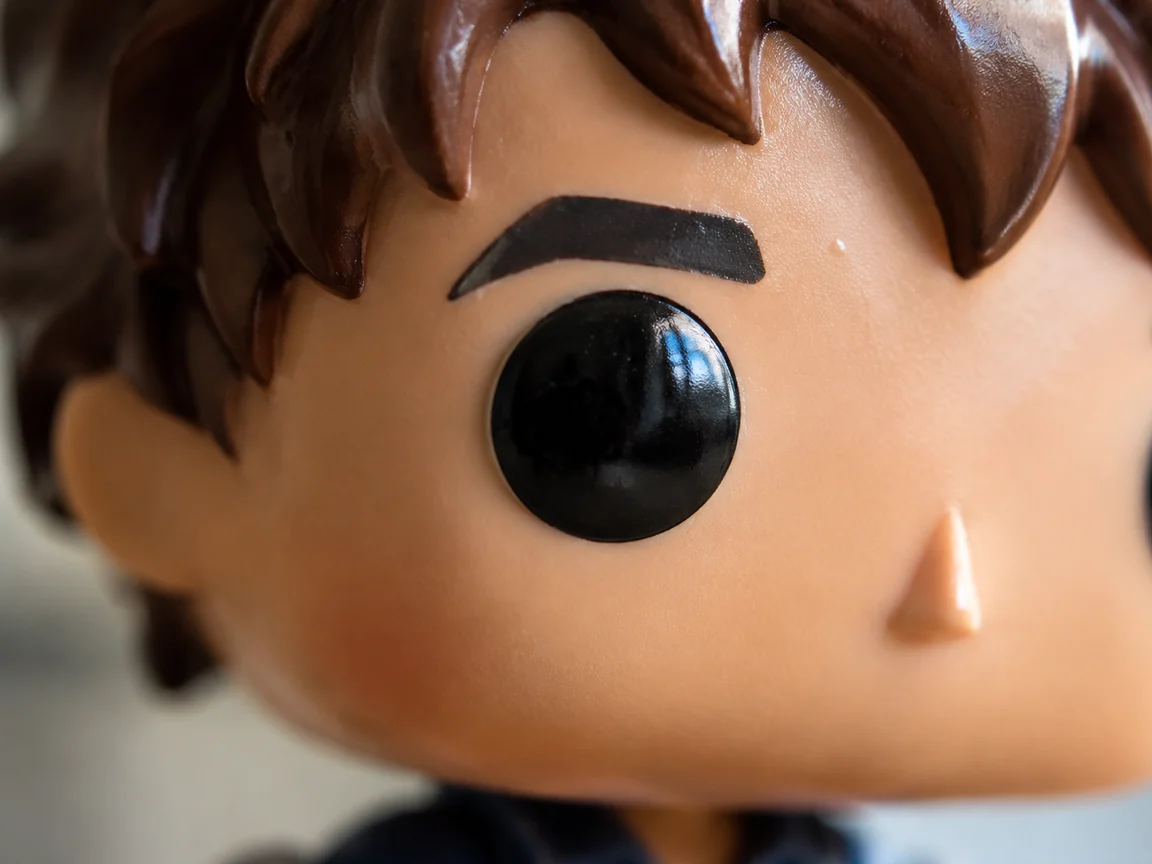 In hand
Macro of a vinyl figure face, paint edges and gloss visible real photograph, shot on a 50mm lens at f2.8, natural directional light, true skin and material texture, shallow depth of field, no text, no watermark, no illustration, no 3d render
Try This PromptFive details that separate a product photo from a 3D sketch.
Real vinyl has mould lines and paint that stops slightly short. Add one seam and the object gains a factory history.
A head that shrinks mid-set breaks the style. Fix the head-to-body ratio in the first sentence and repeat it for every figure.
Matte and gloss are different products. Say soft-touch vinyl or high-gloss paint and let the light do the rest.
No contact shadow means no weight. Put the feet on a shelf and add a short, soft shadow.
Real packaging has a window, a name plate and a barcode. Ask for those three and the box stops looking like a placeholder.
Big soft light makes a small object look huge. One close source and a tight shadow keep the scale honest.
I pitch collectibles to a small manufacturer. Rendering four figures from one ratio sentence gave us a product line to show, and the box detail made the pitch land.
The seam line is absurdly effective. One faint mould line along the arm and everyone who sees the image assumes it is a photo of a real prototype.
I use these as gift mockups. A hand holding the figure next to a card reads instantly, and clients stopped asking whether the item exists yet.
Yes. Describe oversized head, short body and stubby limbs, name the plastic and the outfit, then place it in a windowed box. Keep official names and logos off the packaging in the image.
Usually no seam, no paint edge and no contact shadow. Add a mould line, a slightly short paint edge and a short shadow under the feet, and the object reads as manufactured.
Use it as a concept or a mockup. When the figure is manufactured, photograph the real item for the listing, because marketplaces require the actual product to be shown accurately.
Fix the ratio sentence and the light setup, then change only the character. Four figures generated from the same two sentences will look like one product line.
Prompt tests run on the free allowance in the picker. Higher-resolution product renders are paid, with the price per image shown before you generate.