

Edges that float
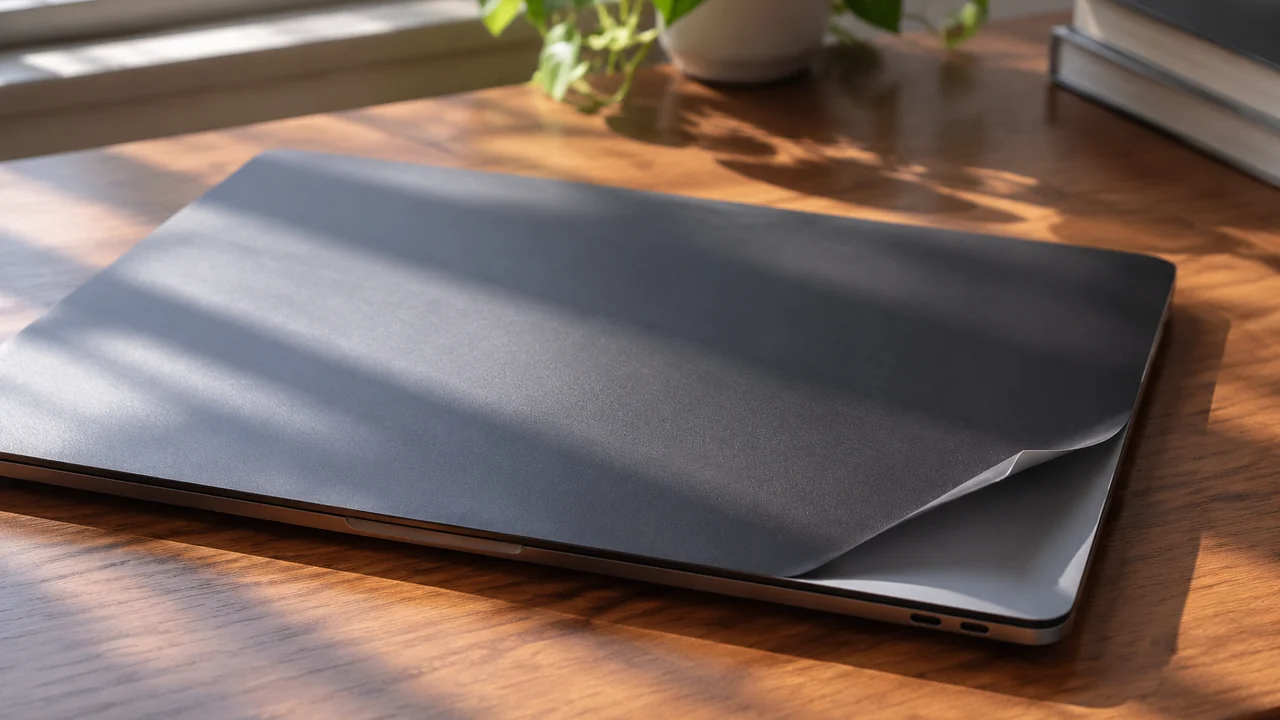
Vinyl has a visible thickness, roughly a hair. Ask for a slight edge shadow and one lifted corner, and the sticker stops hovering.
Design a decal, then see it applied to a laptop, a truck door or a helmet under real daylight.
Prompt Guide
Model
Reference Image
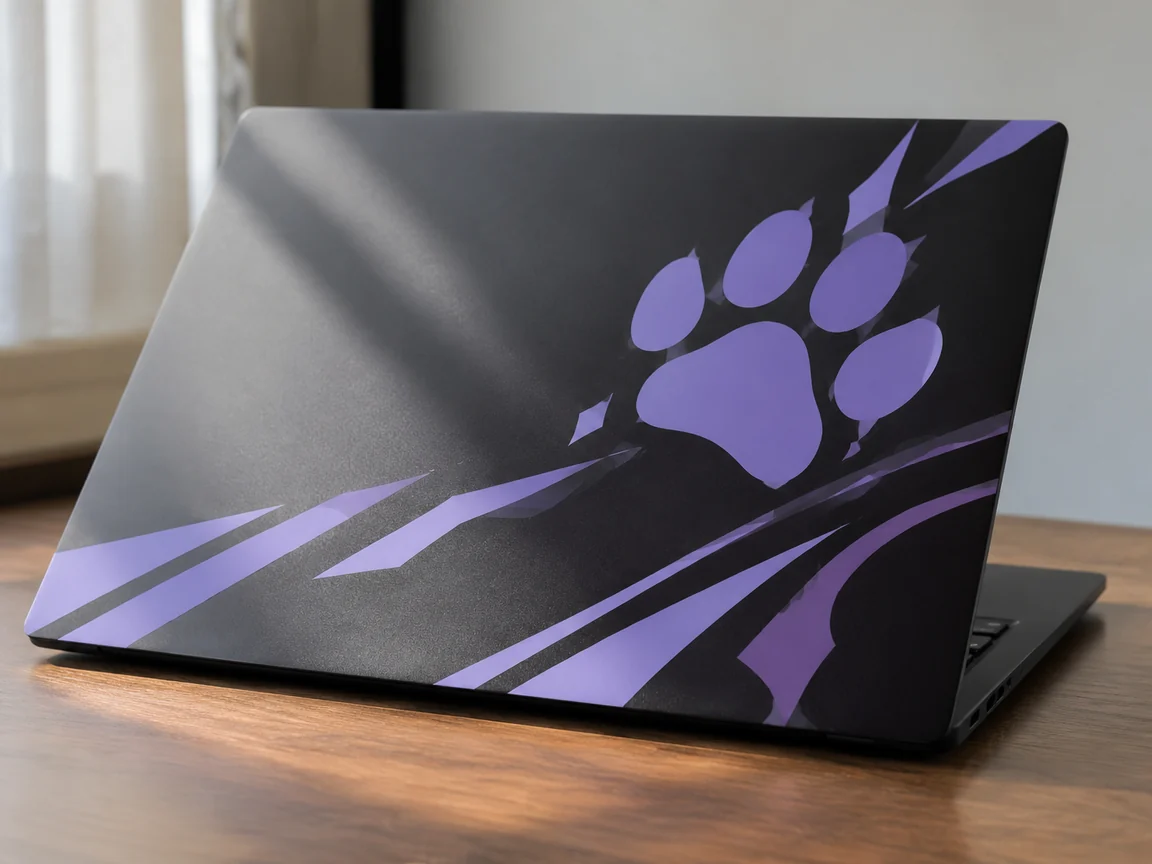
Four stages, and the third one is where most decal renders give themselves away.
Thick outlines, two or three colours and no fine hairlines. Vinyl cannot hold detail below a few millimetres, and the eye knows it.
Matte, gloss or brushed metallic changes the reflections. Say which one, then keep highlights consistent across the whole decal.
Describe the curve it sits on, a slight lift at one corner and dust or fingerprints nearby. A decal with no surface contact reads as an overlay.
A single window or one street lamp, with the decal catching the same angle as the object. Mismatched highlights are the loudest tell.
Ten decals across vehicles, gear, glass and walls.
 Vehicles
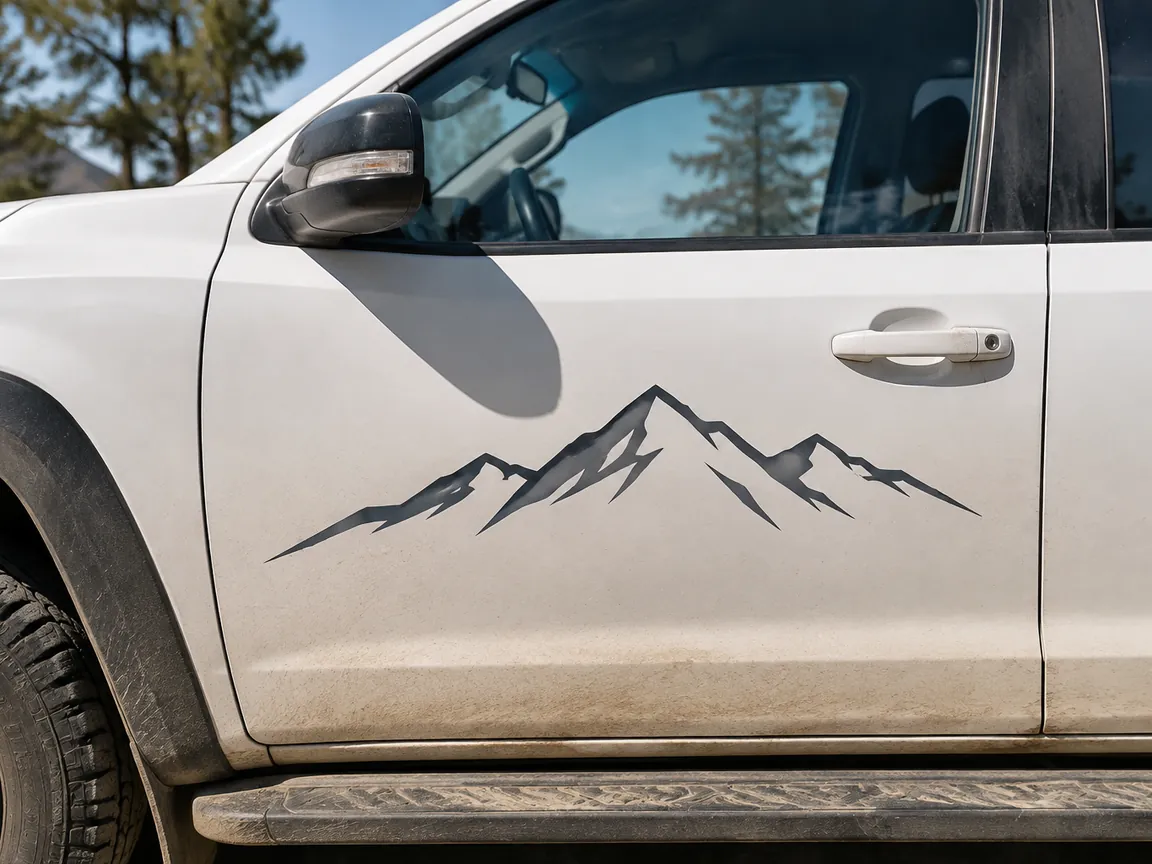
Simple mountain decal on a white pickup door, road dust on the sill, hard sun, real photograph, shot on a 35mm lens at f2, natural directional light, true skin and material texture, clean detail, no text, no watermark, no logo, no illustration, no 3d render
Try This Prompt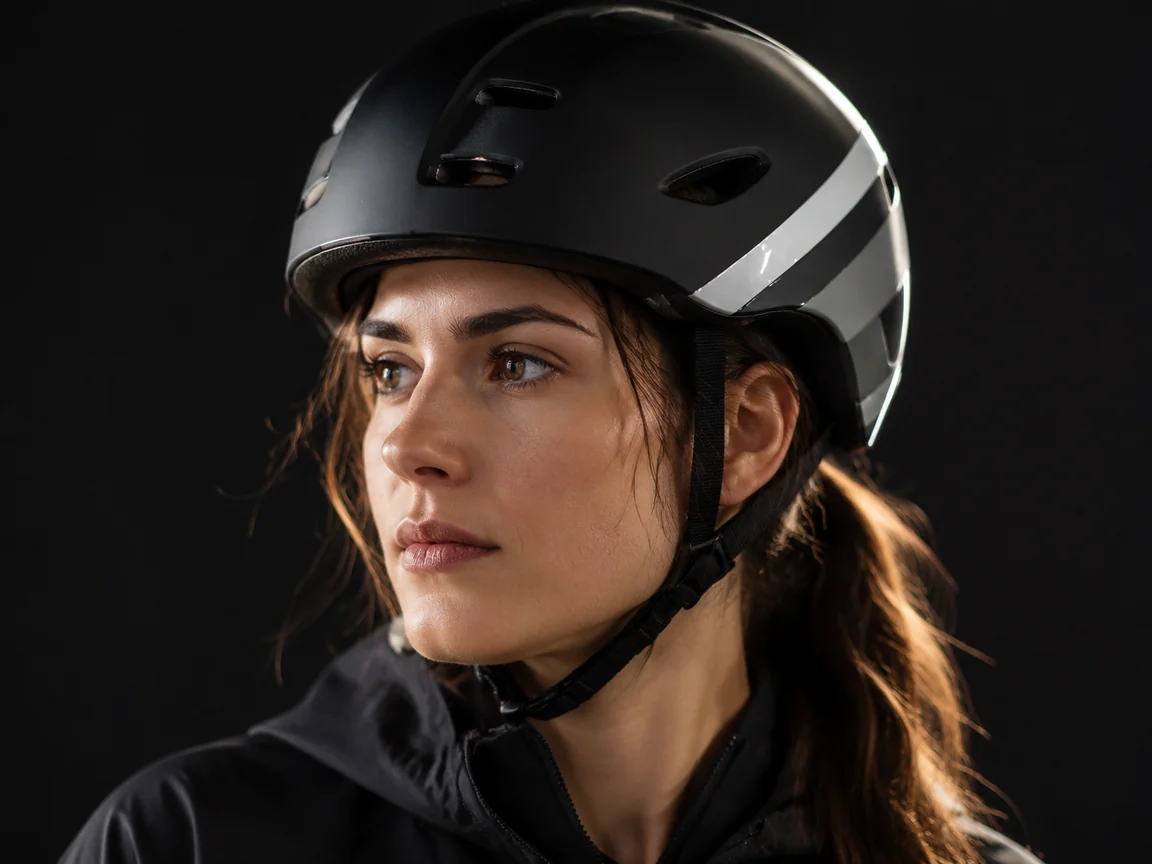 Gear
Reflective stripe decal on a matte helmet, studio rim light, dark background, real photograph, shot on a 85mm lens at f2, natural directional light, true skin and material texture, clean detail, no text, no watermark, no logo, no illustration, no 3d render
Try This Prompt Glass
Line-art cat decal on a grey laptop lid, cafe table, morning window light, real photograph, shot on a 50mm lens at f2, natural directional light, true skin and material texture, clean detail, no text, no watermark, no logo, no illustration, no 3d render
Try This Prompt Walls
Retro coffee decal on a shop window, street reflection and evening light across the glass, real photograph, shot on a 35mm lens at f2, natural directional light, true skin and material texture, clean detail, no text, no watermark, no logo, no illustration, no 3d render
Try This Prompt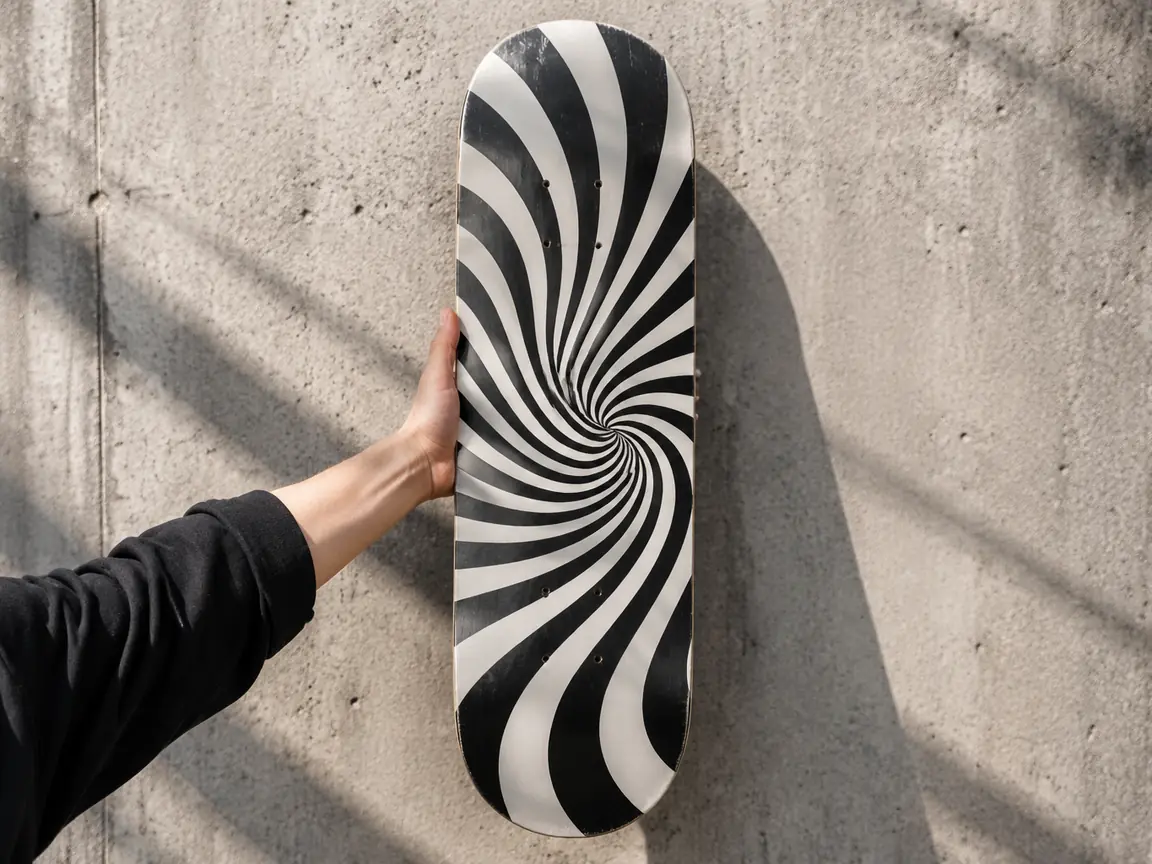 Walls
Bold decal on the underside of a skateboard deck held against a concrete wall, real photograph, shot on a 50mm lens at f2, natural directional light, true skin and material texture, clean detail, no text, no watermark, no logo, no illustration, no 3d render
Try This Prompt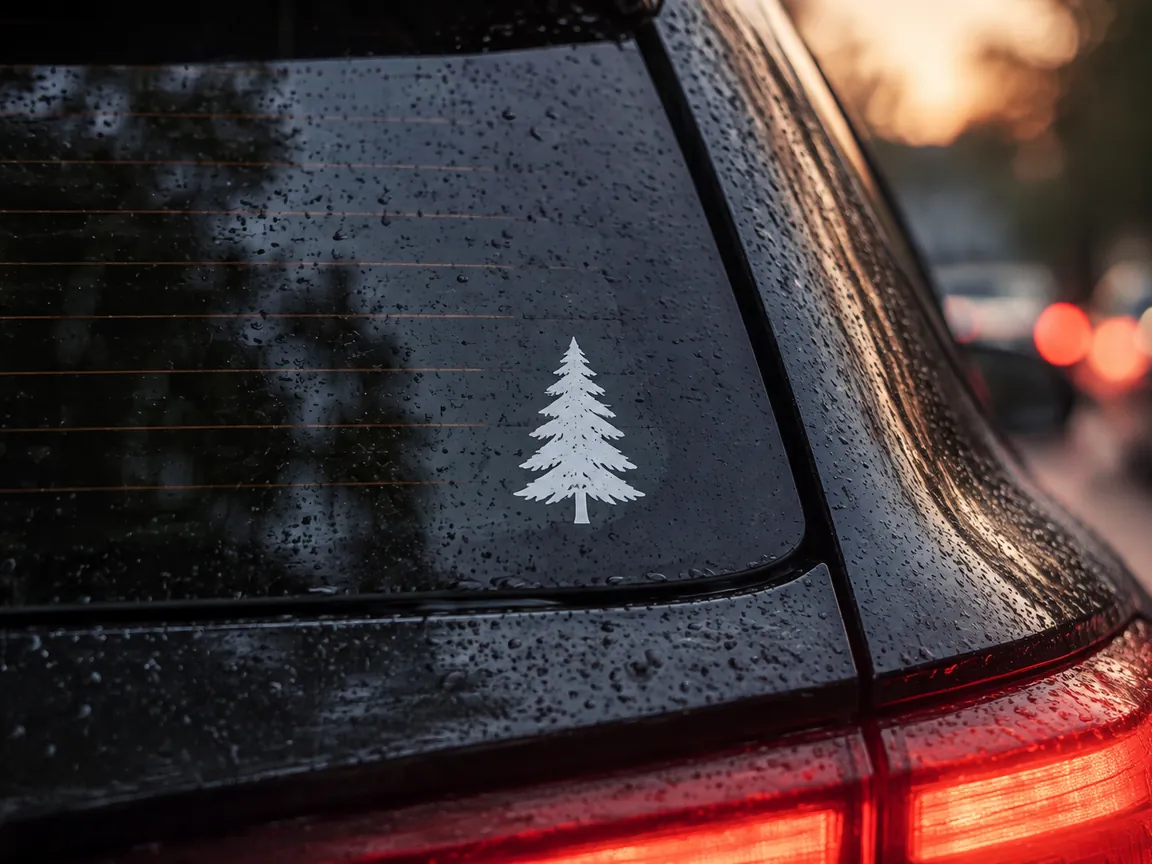 Walls
Small decal on a car rear window, rain beads, brake light glow at dusk, real photograph, shot on a 35mm lens at f2, natural directional light, true skin and material texture, clean detail, no text, no watermark, no logo, no illustration, no 3d render
Try This Prompt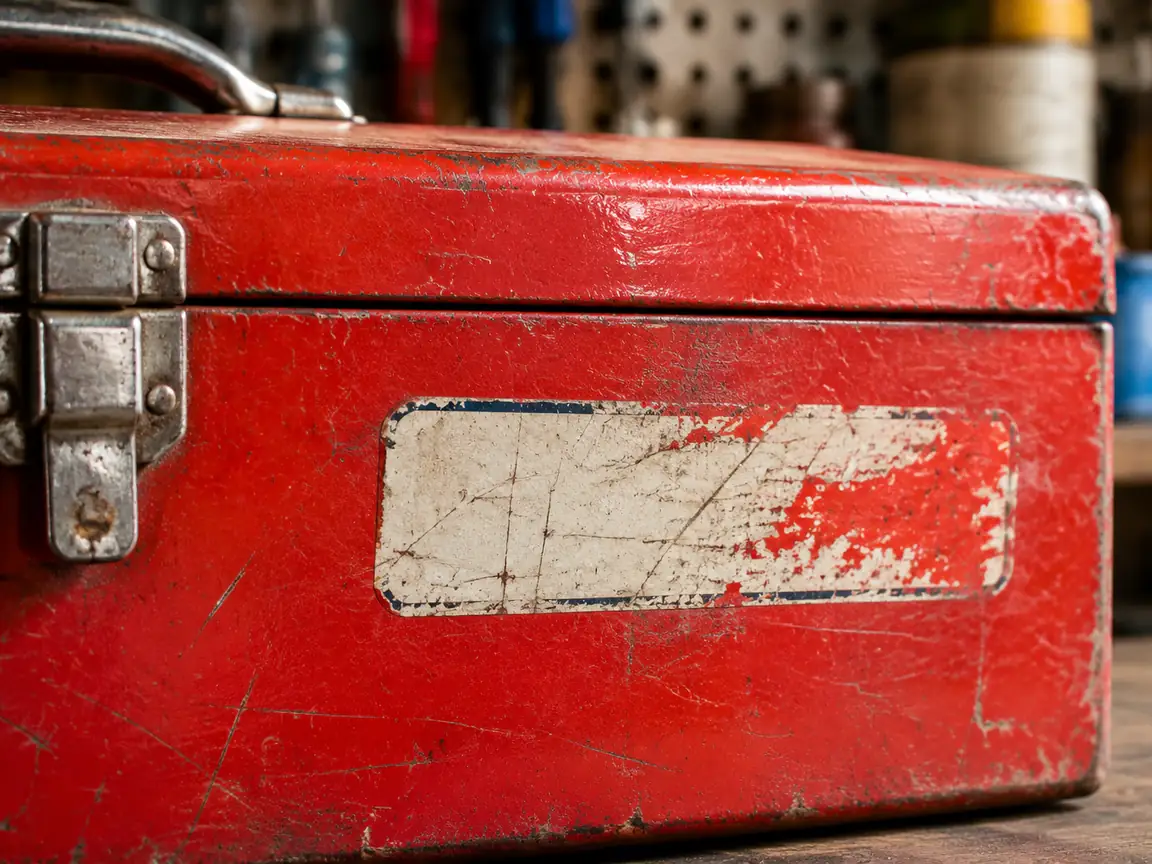 Walls
Worn decal on a red steel toolbox, scratches around the edge, workshop light, real photograph, shot on a 50mm lens at f2, natural directional light, true skin and material texture, clean detail, no text, no watermark, no logo, no illustration, no 3d render
Try This Prompt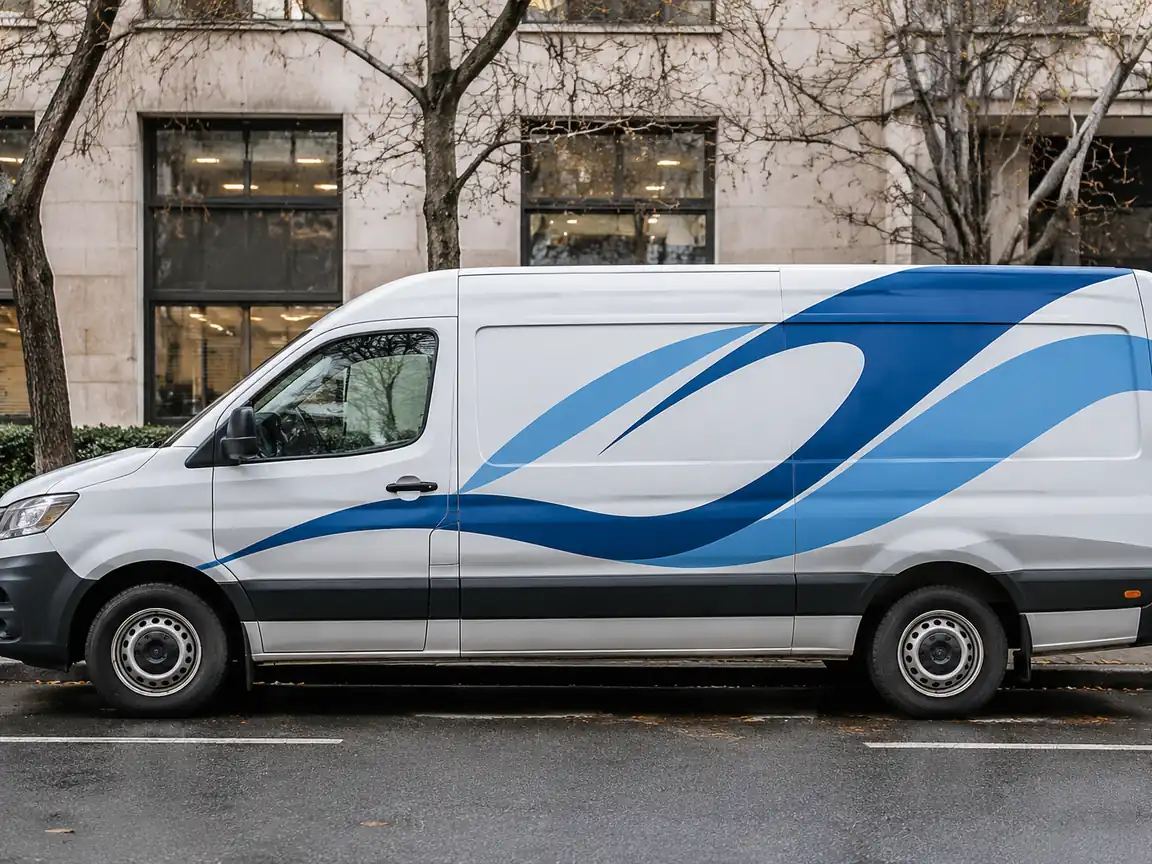 Walls
Large graphic decal across a van side panel, city street, overcast light, real photograph, shot on a 35mm lens at f2, natural directional light, true skin and material texture, clean detail, no text, no watermark, no logo, no illustration, no 3d render
Try This Prompt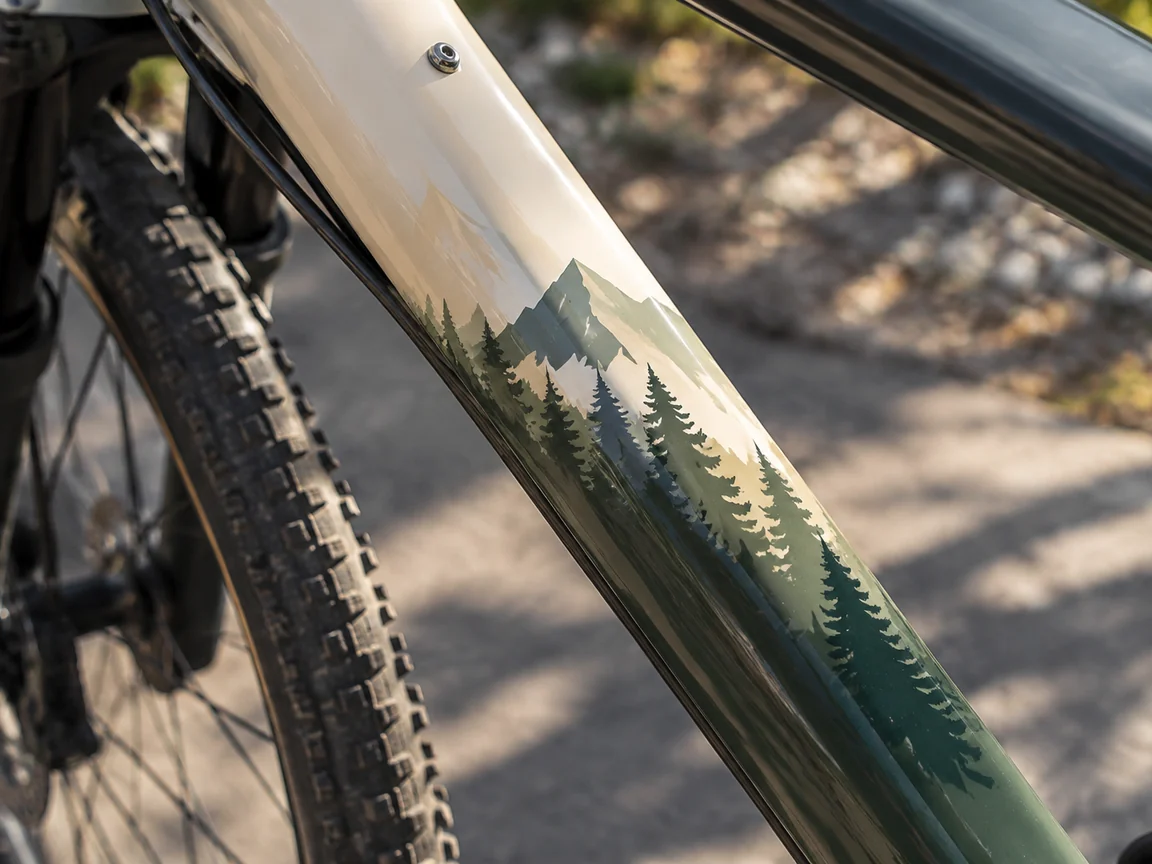 Walls
Decal on a bike down tube, sunlight, pavement and gravel visible below, real photograph, shot on a 85mm lens at f2, natural directional light, true skin and material texture, clean detail, no text, no watermark, no logo, no illustration, no 3d render
Try This Prompt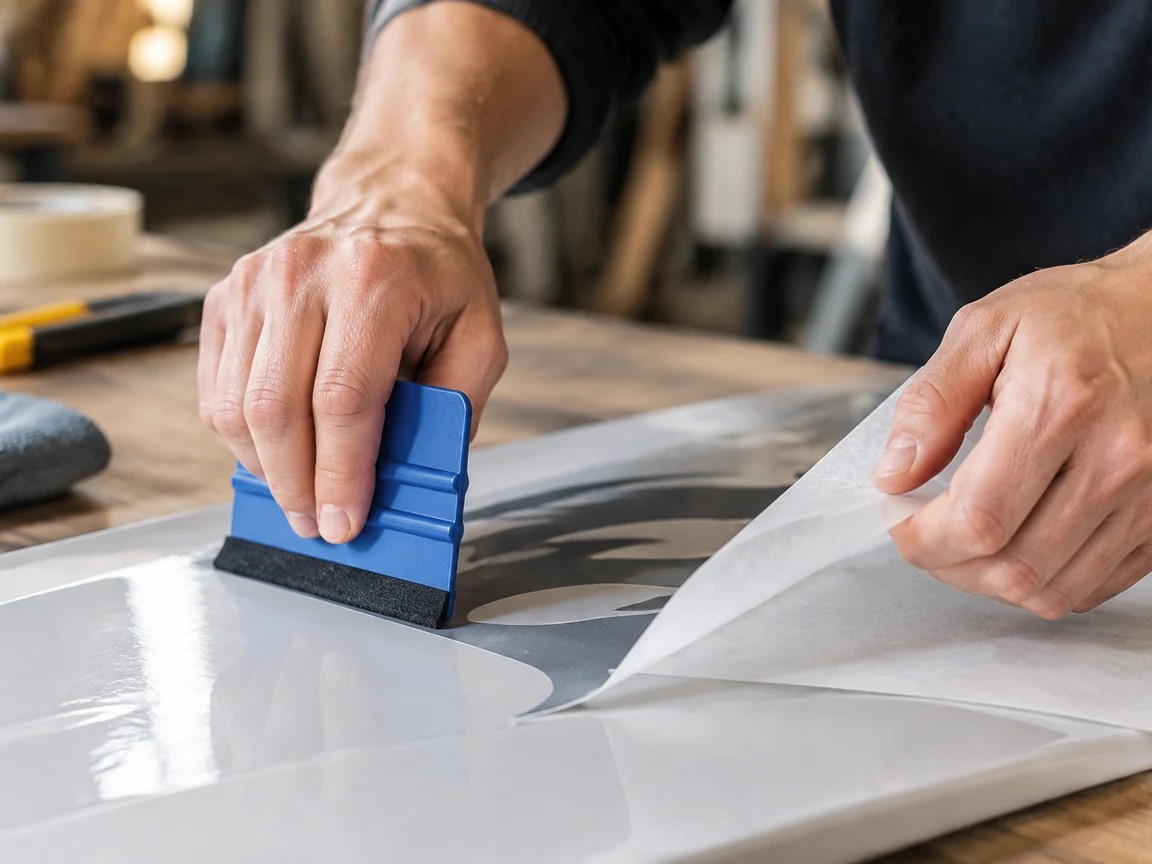 Walls
Hands applying a decal with a squeegee, backing paper peeling, workshop bench, real photograph, shot on a 50mm lens at f2, natural directional light, true skin and material texture, clean detail, no text, no watermark, no logo, no illustration, no 3d render
Try This PromptSix checks before the mock goes to a client.
Vinyl has a visible thickness, roughly a hair. Ask for a slight edge shadow and one lifted corner, and the sticker stops hovering.
The decal must catch light at the same angle as the object. One sun, one reflection line, no exceptions.
A flat sticker on a curved helmet is impossible. Describe the decal following the curve, with slight compression at the edges.
Fine type and thin lines cannot be cut in vinyl. Two or three bold shapes survive at the size a decal is actually seen.
Invented shapes only. Real logos on a generated decal are a rights problem and they render badly anyway.
Dust, fingerprints and a scuffed door frame prove the object is real. A perfect surface looks like a template.
I run a small print shop and use these to show customers a design on their own kind of surface before cutting. The lifted corner detail is what makes them believe it, oddly enough.
We needed a vehicle decal concept by Friday for a landscaping client. The truck-door render had dust on the sill and the sun at the right angle, so nobody asked whether it was a mockup.
My first attempts looked like clip art floating over a photo. Once I asked for edge thickness and a curved surface, the helmet version read as actual vinyl and I sent it straight to the client.
Yes, if the art is vectorised first. Ask for bold shapes and flat colour, trace it in a design tool to get cut paths, then send the file to a cutter.
It is missing contact. Add edge thickness, one lifted corner and the surface curve it follows, then match the highlight angle to the object it sits on.
Generate the shape and leave a clean area, then place your own logo on top in a design tool. Generated lettering distorts, and a real trademark should not be redrawn by a model.
Prompt testing runs on the free allowance shown in the picker. High-resolution mockups and repeat batches are paid, with the price shown before you generate.
Original art generated from your own description is yours to sell. Keep third-party characters, team crests and brand marks out of the prompt, since those would not be yours to license.