

Clouds with a shadow side
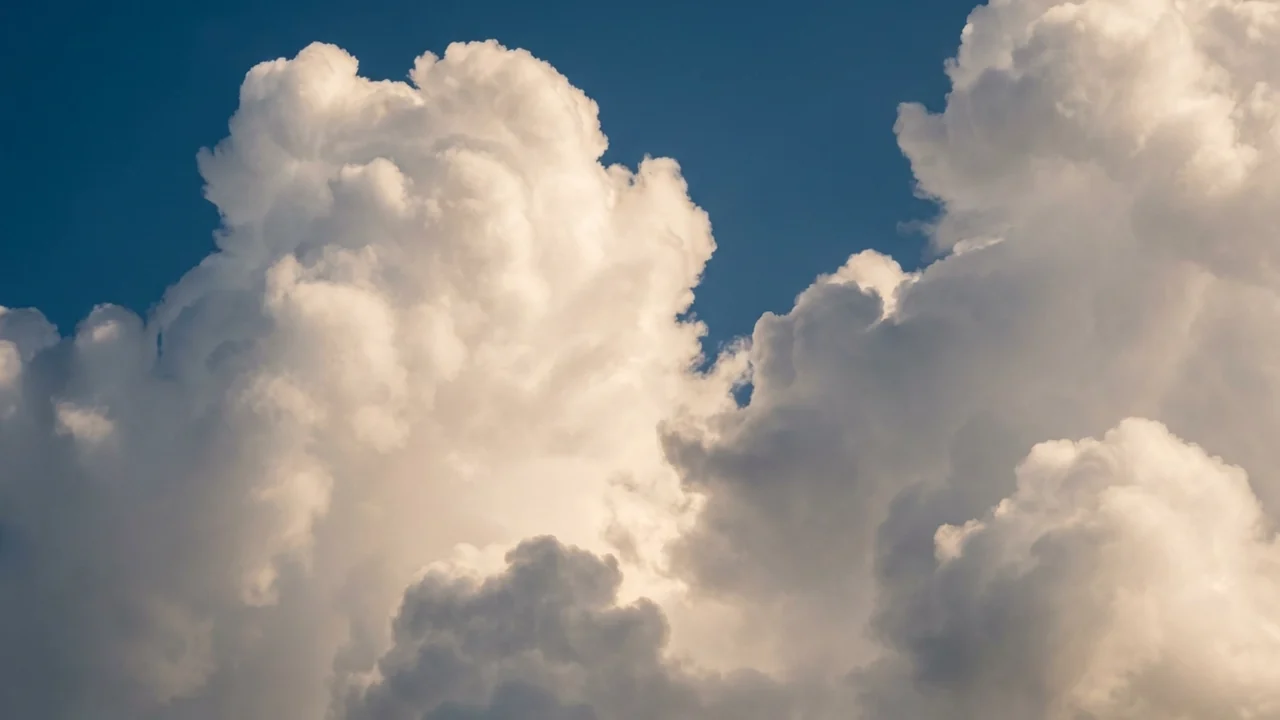
Every cloud that reads as three-dimensional has light on one face and a cooler shadow on the other. If both sides are the same value, the frame looks like cotton wool however detailed it is.
Generate breathtaking, photorealistic skies from a simple description. Perfect for product mockups, editorial headers, and stunning backgrounds.
Prompt Guide
Model
Reference Image
Master these five elements to generate highly realistic and dramatic skies.
Be specific. A dense cumulonimbus anvil, a shelf cloud, or thin cirrus — each creates a distinct silhouette and dramatic scale.
The position of the sun changes everything. Describe whether it is a low sun behind the clouds, a gold rim light, or soft overcast daylight.
Ground elements give the sky a sense of massive scale. Add a sliver of coastline, a distant treeline, or a lighthouse to anchor the view.
Select a specific art style. Whether it is crisp photography, oil impasto, or flat vector, naming the medium sets the final texture.
Decide on your final crop. Use 3:4 for phone wallpapers, wide 16:9 for website headers, or 1:1 for social media posts.
Six skies from photographs, four painted ones, all shot at the hour they describe.
 Weather
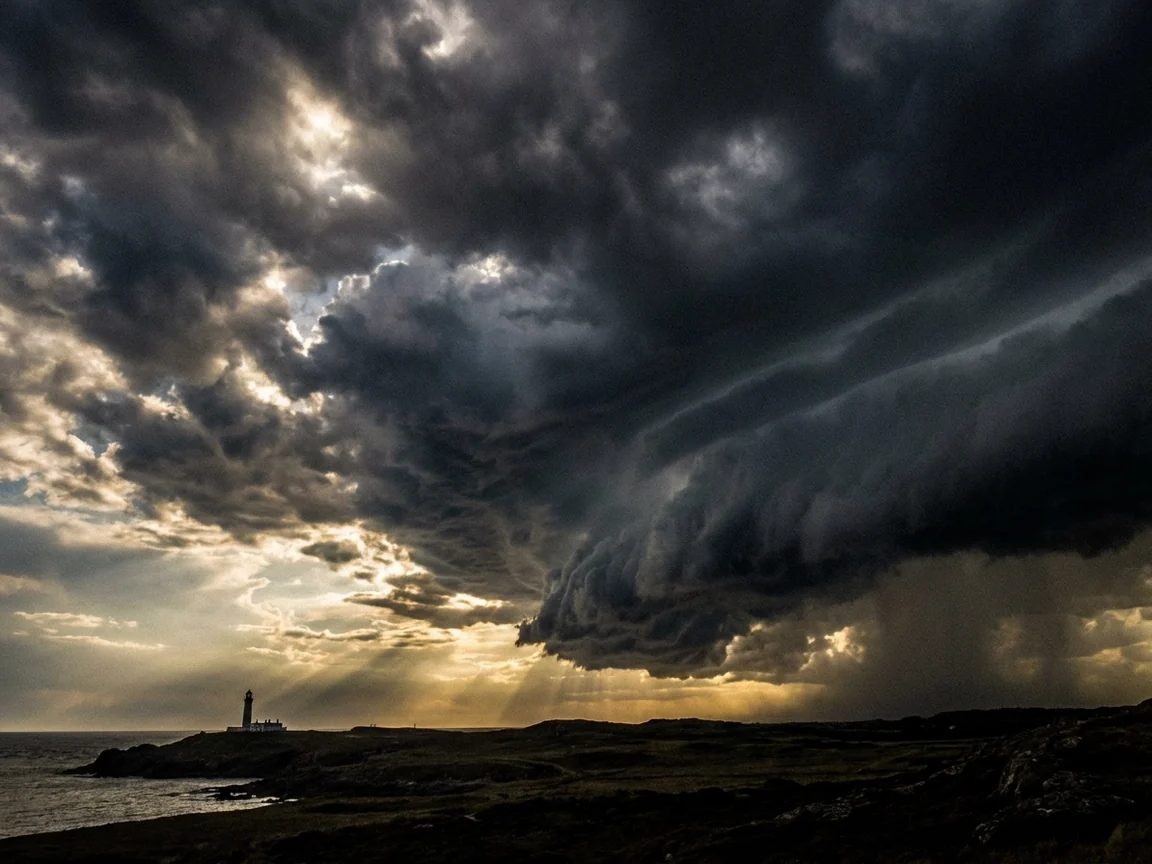
Storm shelf cloud sliding over a lighthouse headland at sunset, dark green grass in the foreground, gold light glowing under the shelf, sea haze, wide documentary weather photograph, 3:4 vertical crop.
Try This Style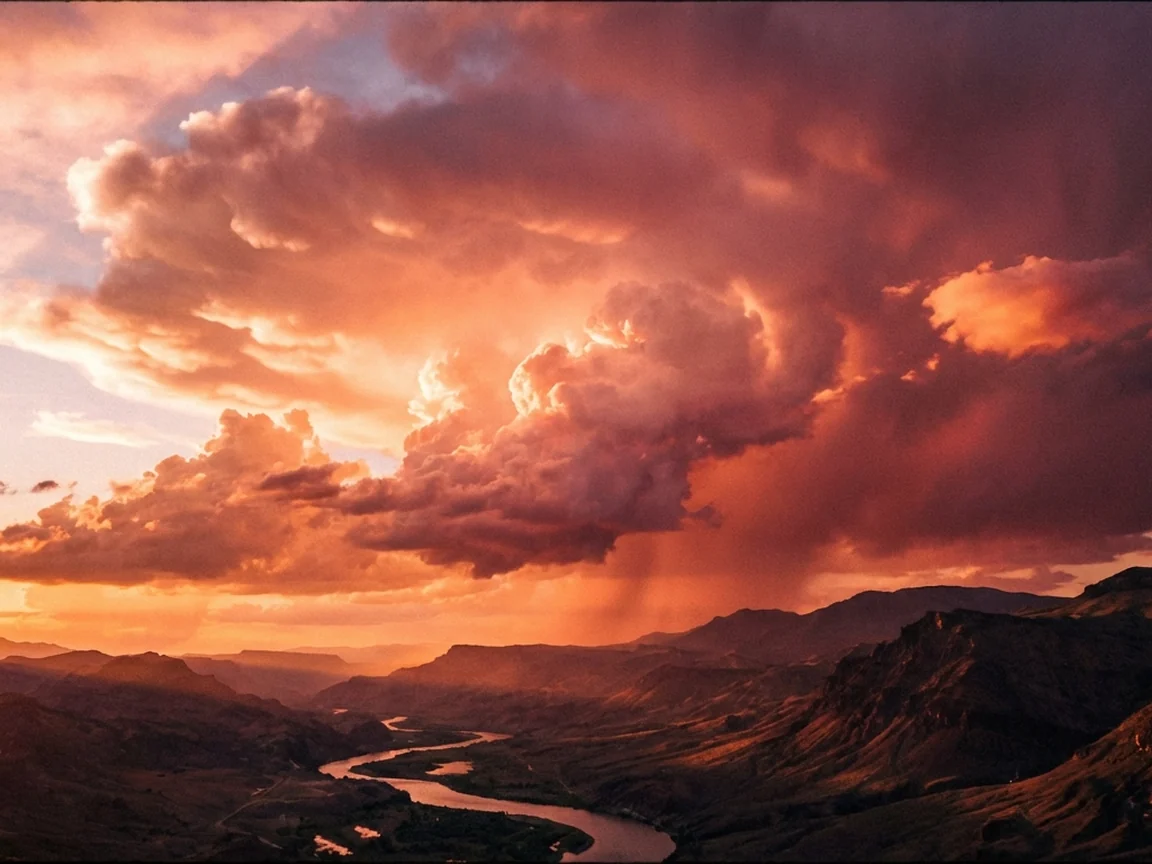 Weather
A towering storm cell over red rock canyon country at sunset, a rain shaft falling into the gorge, orange light on the anvil cloud, river bend far below, telephoto compression, 3:4 vertical crop.
Try This Style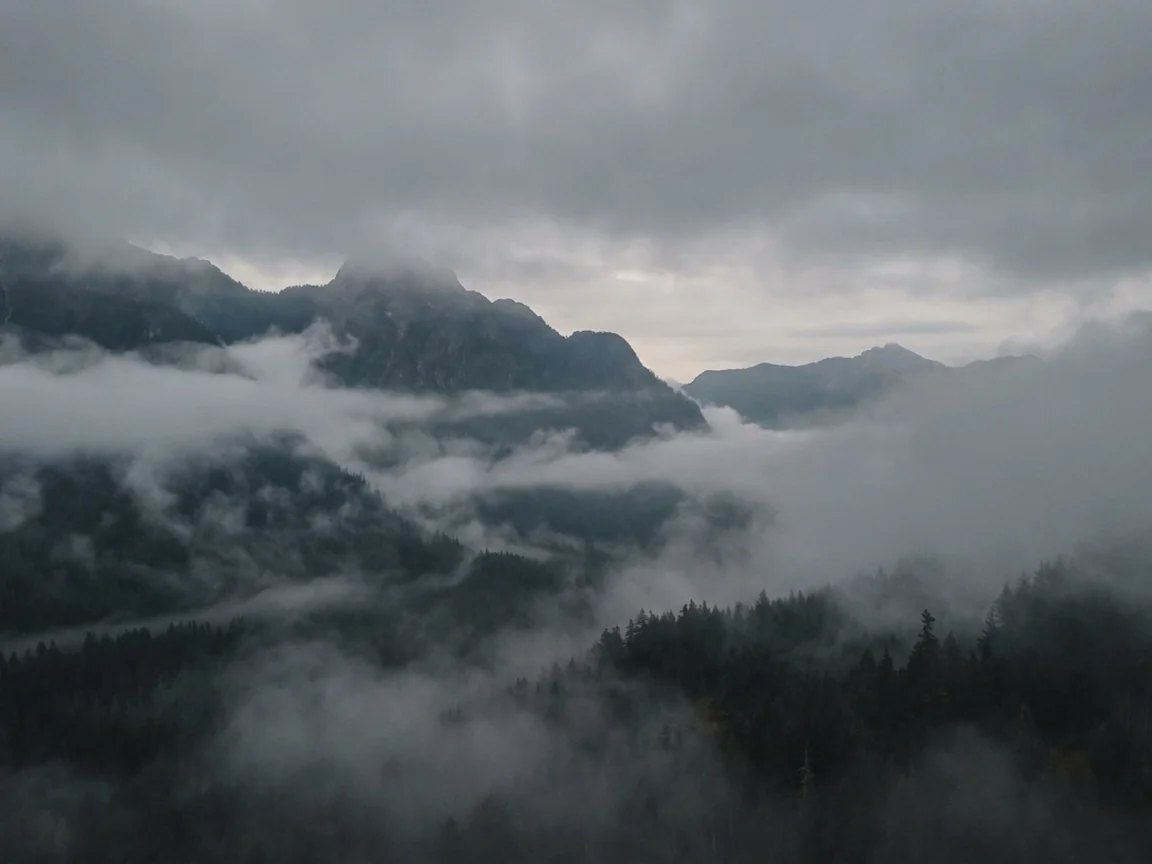 Weather
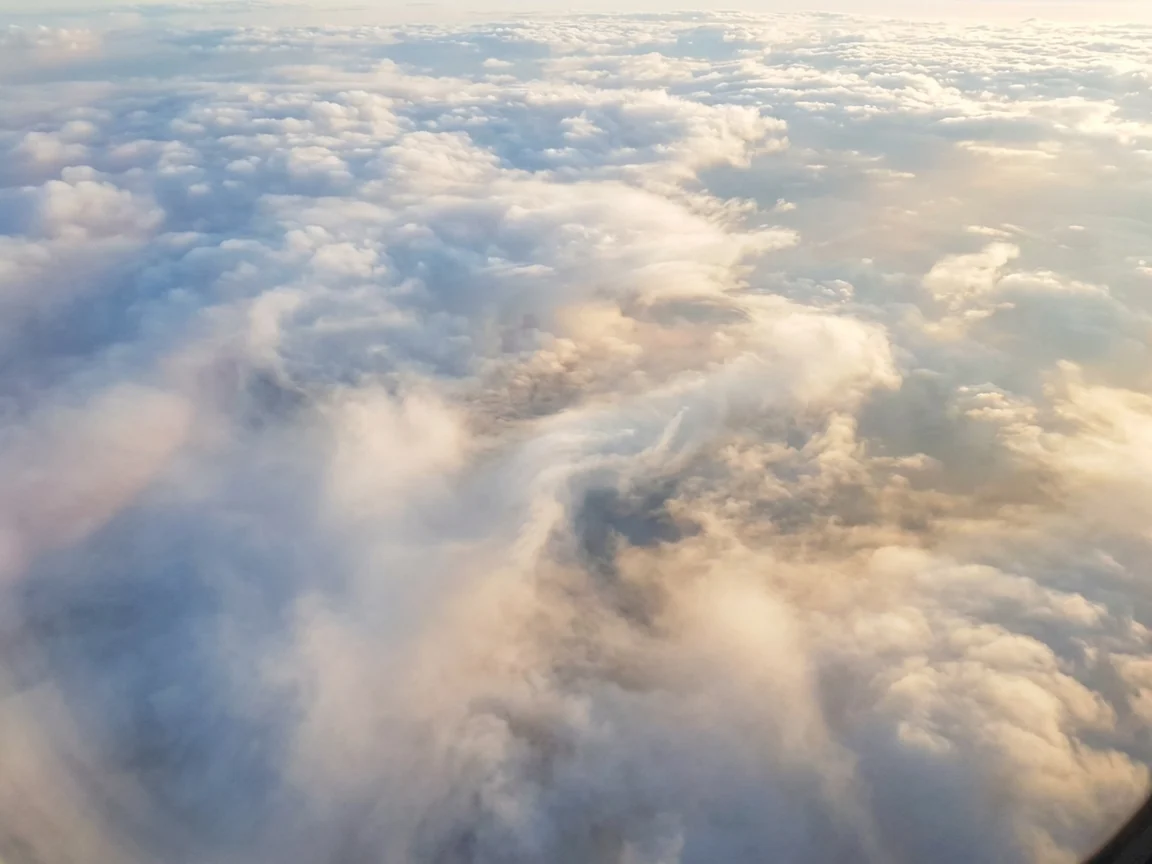
Low cloud filling a forested mountain valley at dawn, layered grey ridges fading into fog, treetops breaking the surface, cool muted palette, quiet aerial view, 3:4 vertical crop.
Try This Style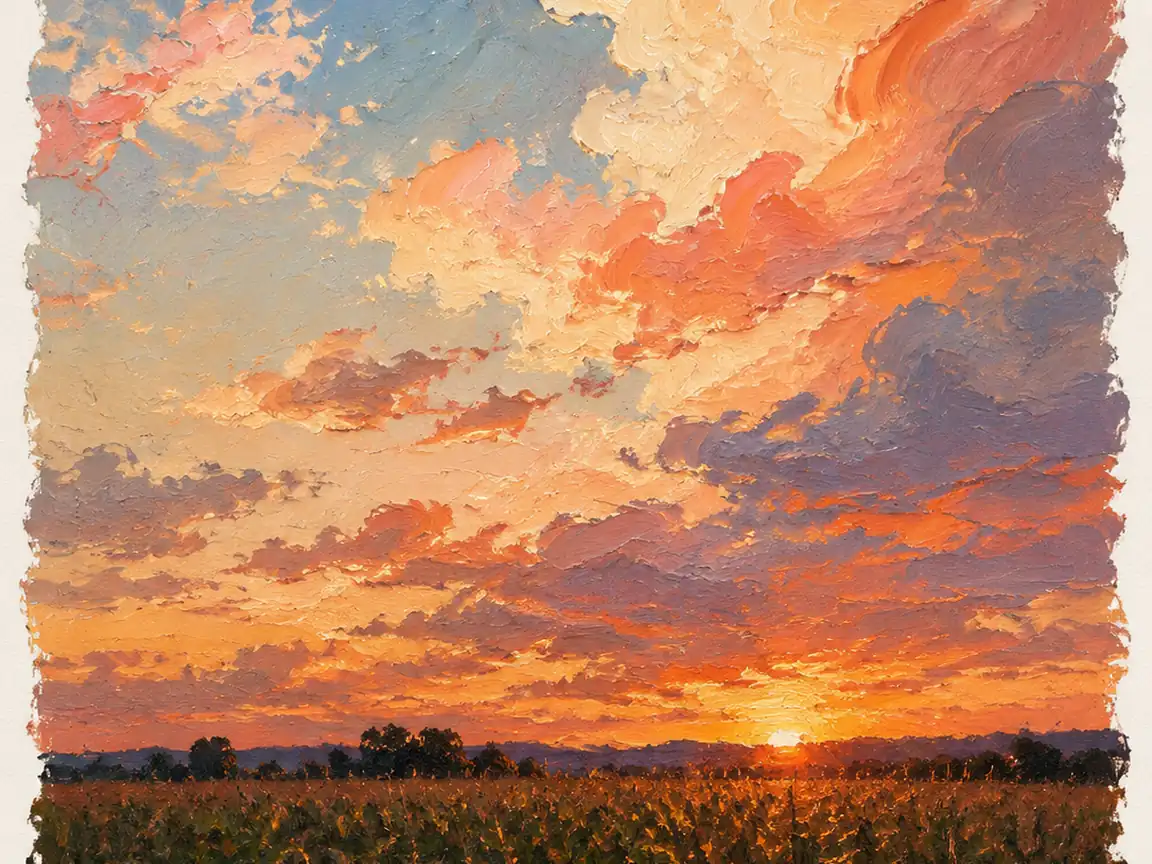 Painting
Loose oil-painted dusk sky, thick impasto cream and coral clouds over a dark cornfield horizon, visible brush marks, painterly torn edges, warm low sun bleeding through the ridge, gallery print feel, 3:4 vertical crop.
Try This Style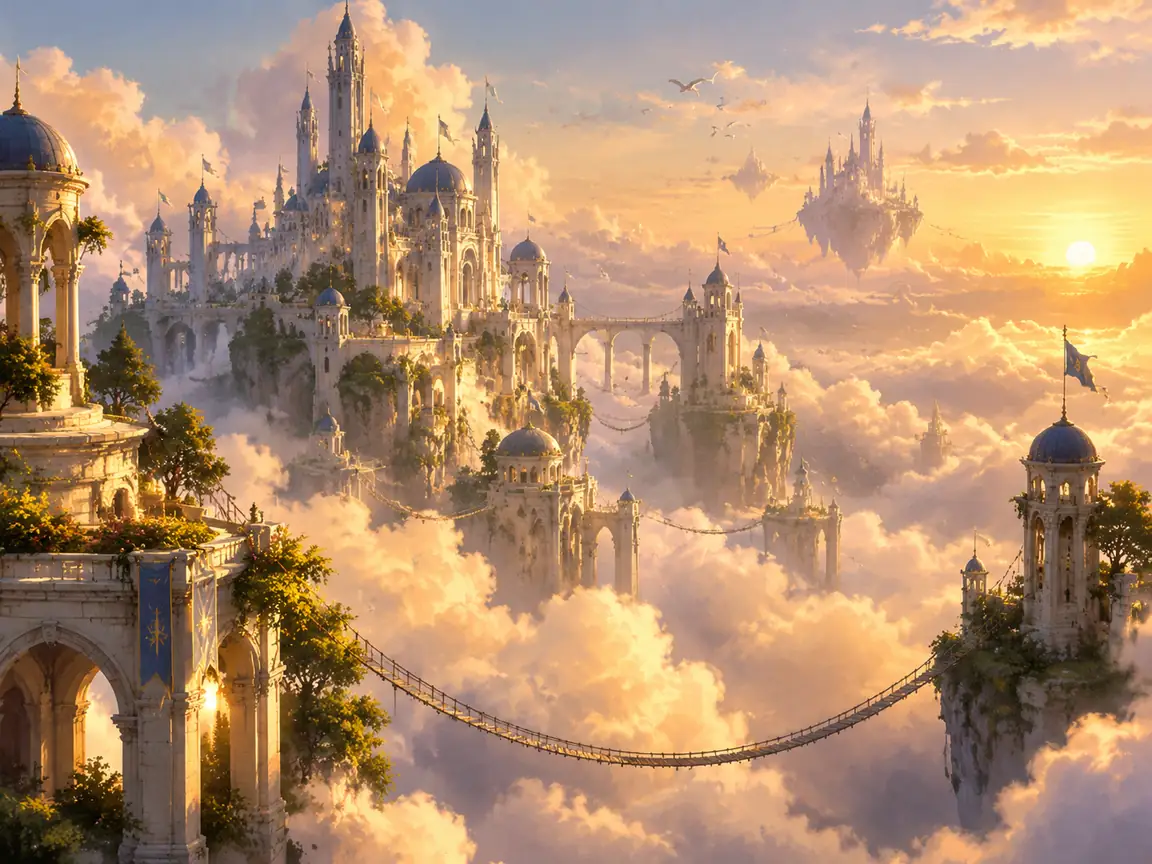 Fantasy
 cloud city at golden hour: pale stone towers and rope bridges rising out of a glowing cumulus bank, warm rim light, distant birds, soft depth haze, painterly concept art, 3:4 vertical crop.
Try This Style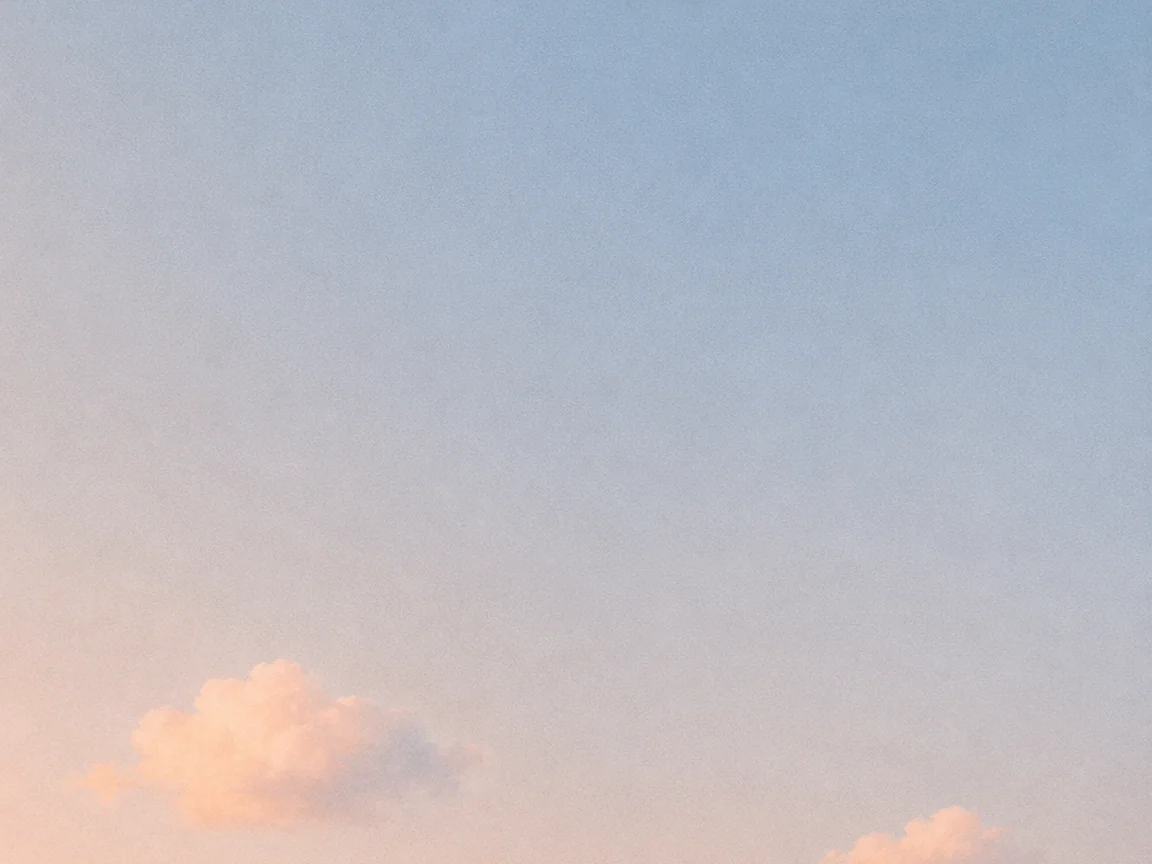 Backgrounds
Minimal pastel sky for a phone wallpaper, pale peach fading to dusty blue, three small soft clouds low in the frame, generous clean negative space across the top, fine film grain, no horizon line, 3:4 vertical crop.
Try This Style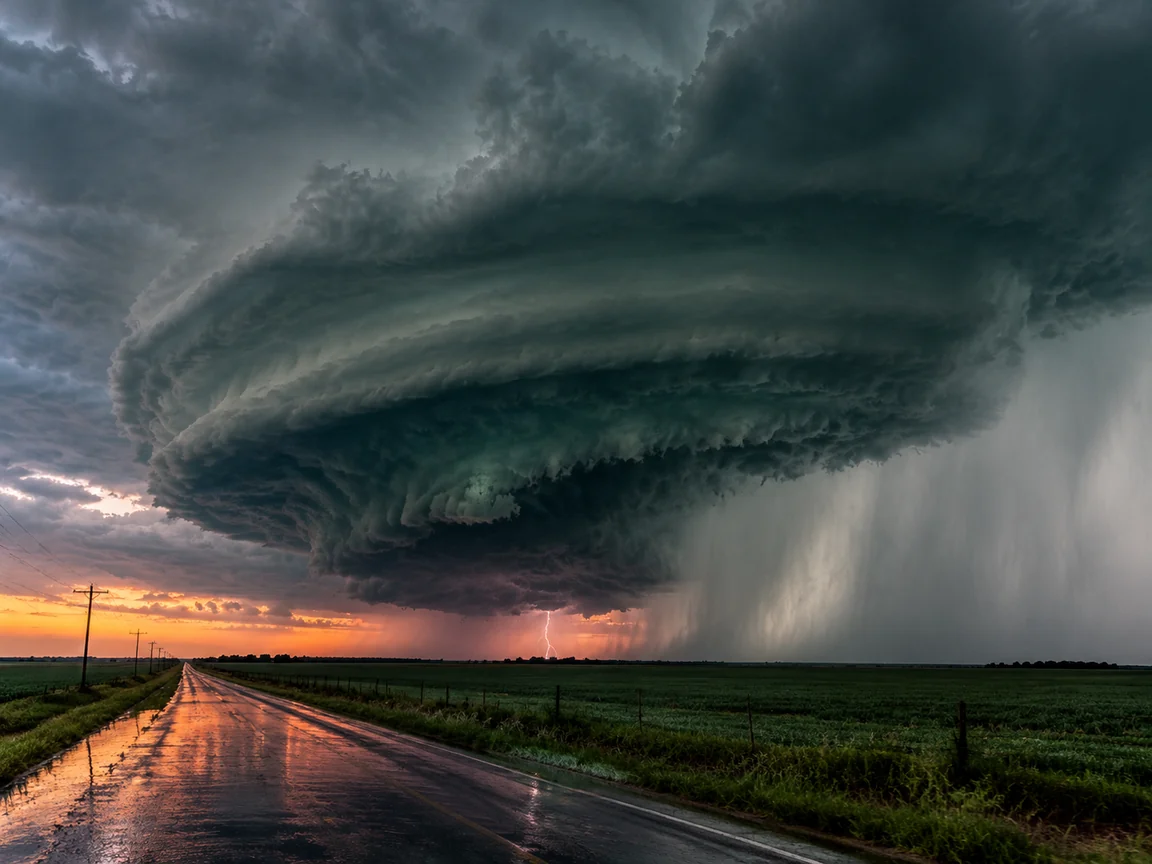 Weather
Supercell storm base over flat farmland at dusk, green-grey whale-mouth cloud, hail shaft on the right, distant lightning under the base, wet road reflecting the sky, documentary weather photography, 3:4 vertical crop.
Try This Style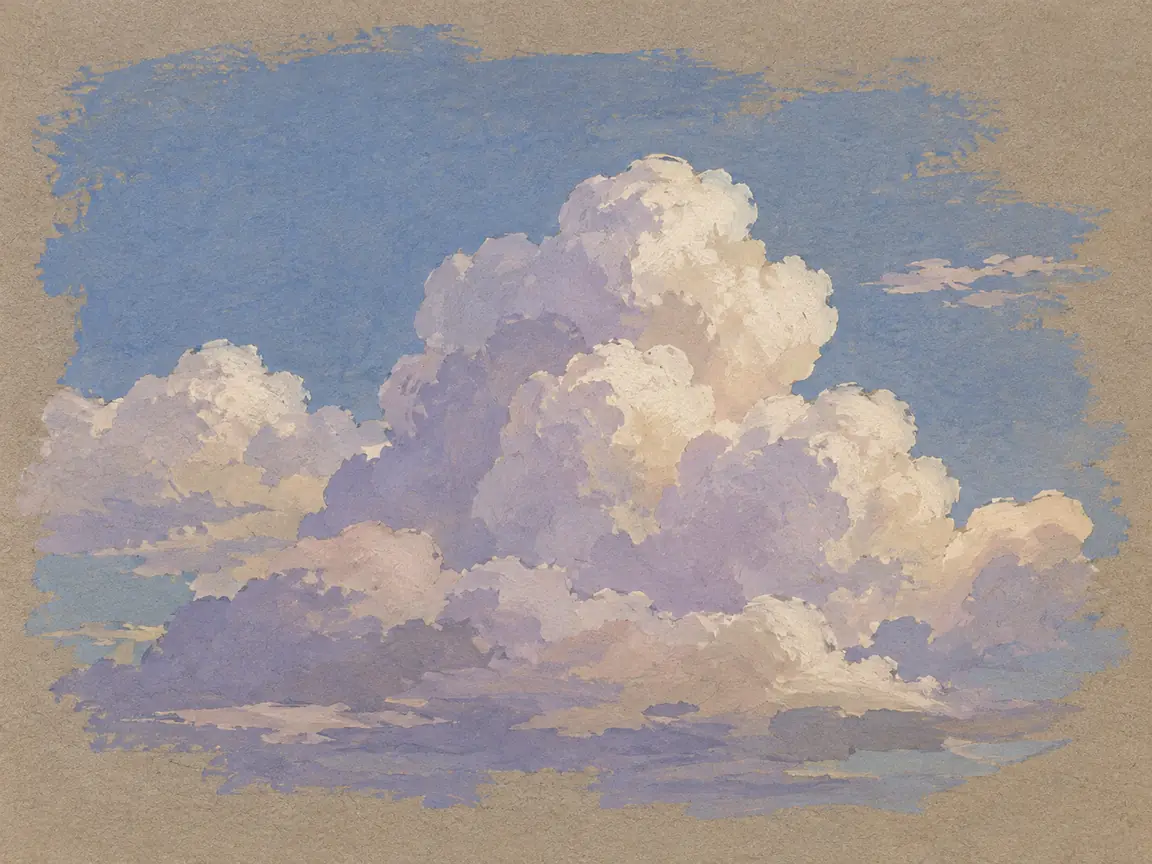 Painting
Soft gouache cloud study on toned paper, stacked lilac and cream cumulus, flat blocked-in shapes, visible paper grain, rough unfinished edges, quiet morning light, sketchbook illustration, 3:4 vertical crop.
Try This Style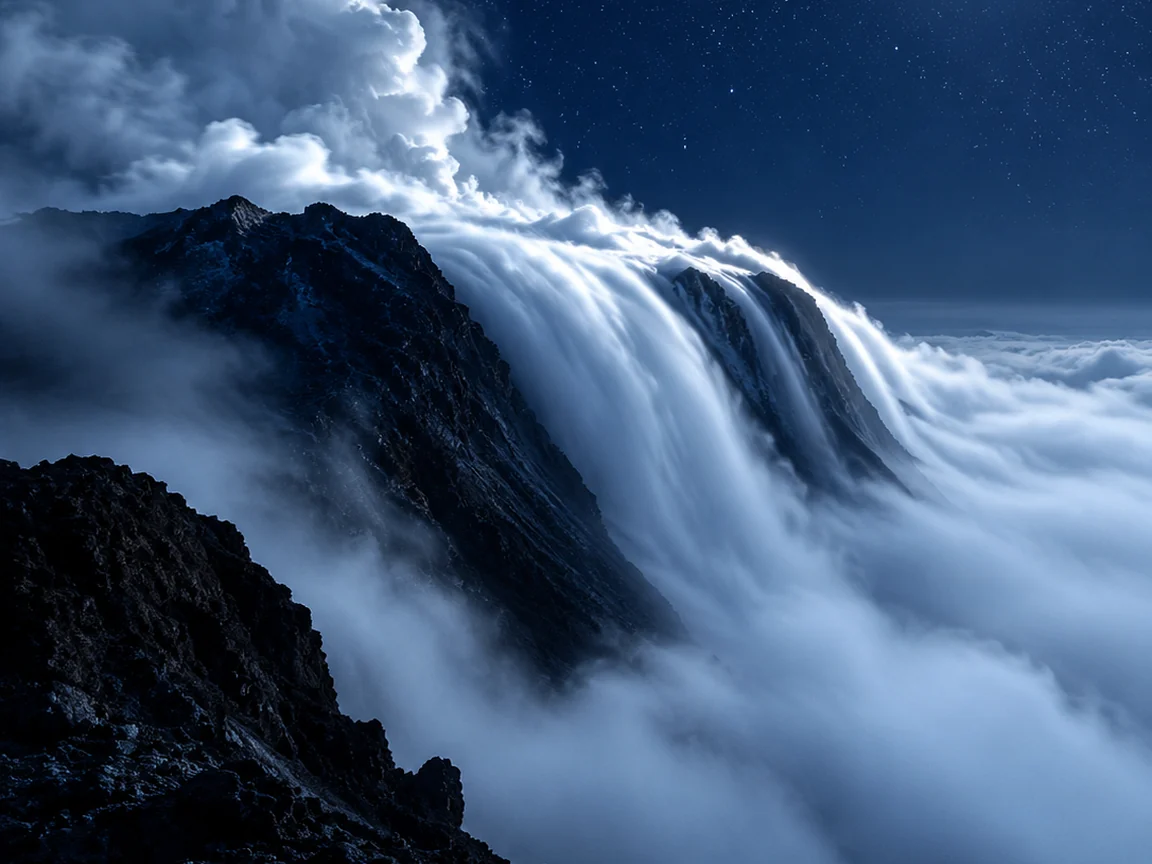 Fantasy
Clouds pouring over a volcanic ridge like a waterfall of vapour, moonlit silver tops, black basalt below, stars above the plume, long-exposure feel, surreal but photographic, cold blue palette, 3:4 vertical crop.
Try This Style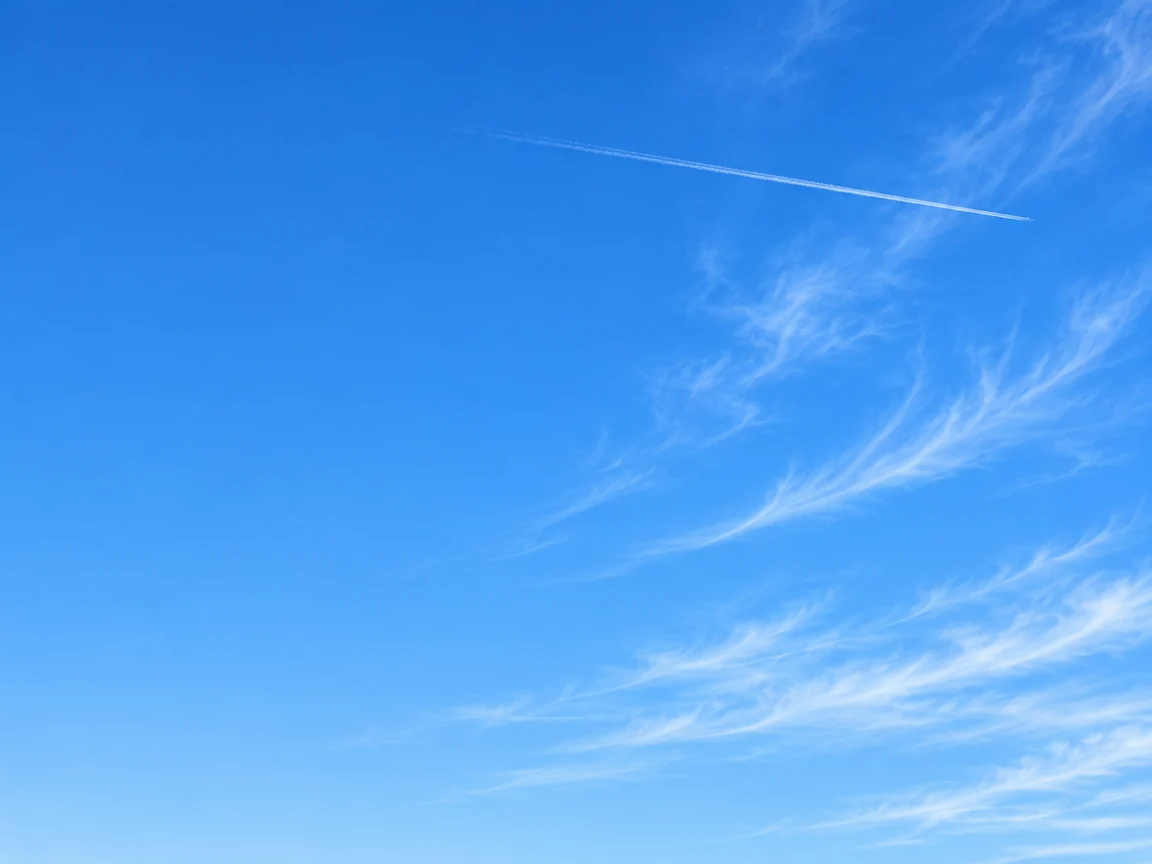 Backgrounds
Clean translucent cirrus streaks on a mid-blue gradient, one thin contrail crossing high, even tone, high key, no lens flare, plenty of empty space left of centre for a headline, 3:4 vertical crop.
Try This StyleThe details that separate a weather photograph from a texture.
Every cloud that reads as three-dimensional has light on one face and a cooler shadow on the other. If both sides are the same value, the frame looks like cotton wool however detailed it is.
Rim light, side light and backlight all describe where the sun sits. Naming it keeps the cloud edges sharp on one side from the first try, instead of a flat even glow you then have to fight.
A headland, a lighthouse, a treeline or a river bend tells the eye how large the sky is. Without one, even an accurate storm cell looks like a texture swatch.
Ask for the horizon line explicitly and check it before you download. A tilting sea line is the most common reason a good sky gets thrown away at layout stage.
Decide the crop first. If a headline or a product sits in the top third, ask for clean gradient there and keep the busy cloud detail low in the frame.
Photography, oil and gouache behave differently at every step. Ask for one by name and drop the others from the prompt, otherwise the result lands halfway between two looks.
I needed a weather concept the same afternoon I found this page. I typed what I wanted for "Shelf cloud over a lighthouse", ran it twice, then changed only the light and the palette on the second pass. The version I kept went straight into a client deck and saved me a stock-photo search.
My first try for "Cloud city at golden hour" came back too polished, more advertising than real photograph. I rewrote the sentence to describe the surface and the actual light in the room, and the third attempt looked like something I could have shot myself. That is the one I still use for AI cloud image generator mockups.
I use it the way I use a sketchbook: one prompt for "Supercell over farmland", one for "Gouache cloud study", then I pick the half that works and iterate from there. Two of those frames ended up in a package for a client who could not decide between the two directions, and seeing them side by side settled it in a minute.
Yes, as a layer. Match the light direction and colour temperature of your original, and add a little haze at the horizon where the two images meet. That seam is what gives a replacement away.
Almost always light, not masking. If the new sky is lit from the right and the subject from the left, no mask will save it. Warm or cool the foreground to match, and re-check the shadows.
Not from ordinary text to image. Skyboxes need 2:1 equirectangular output with no seam, which usually means a specialised panorama tool. Standard generation gives you a flat backdrop, not a sphere.
Generate 16:9 at the largest size the model offers, then upscale. A sky that fills a full-screen hero needs far more pixels than a thumbnail, and clouds hide upscaling better than faces do.
Yes on the free allowance; paid models start around $5.80 a month, downloads without a watermark.