

Camera Height
A knee-level camera puts the viewer under the shoulder. A chest-level camera makes the animal look like livestock in a catalogue, which is a different job.
Prompt Guide
Model
Reference Image
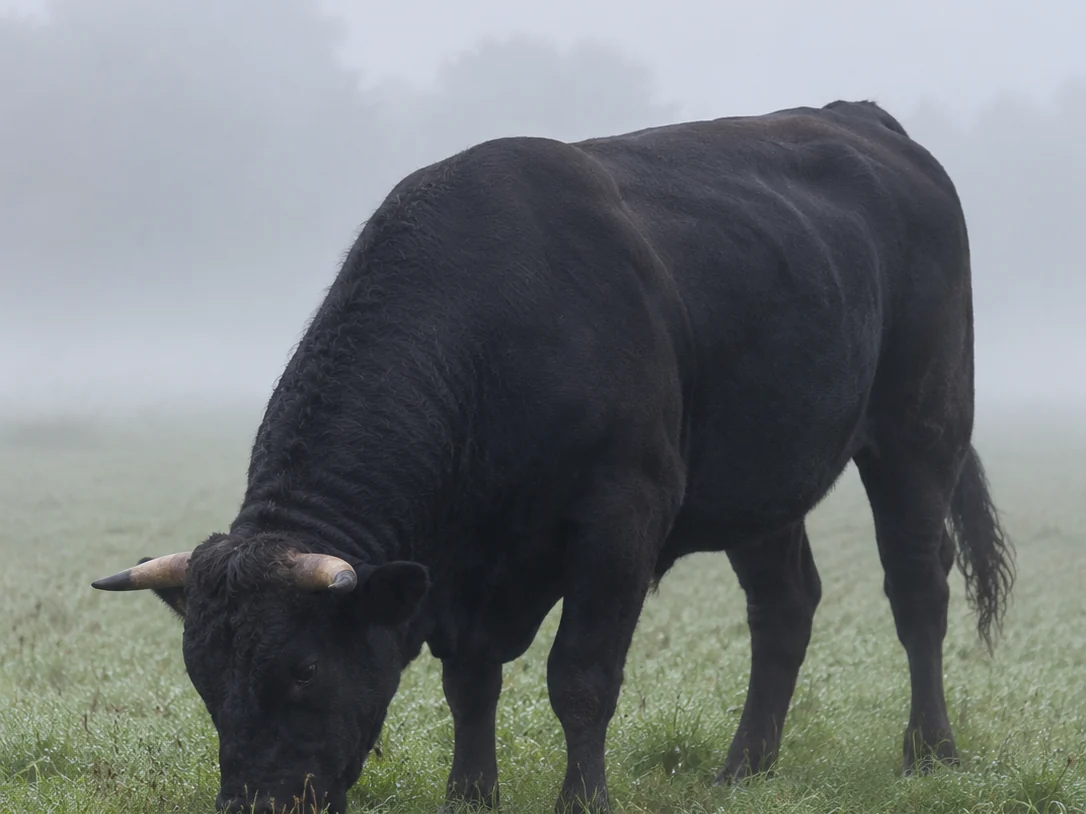
Name the breed, drop the camera below the chest and set one side light, and get a bull image with the weight and the presence that the animal actually carries.
Angle, light, and the shape of the head
Highland, brahman, charolais, fighting bull. Horn shape and coat decide the silhouette, and a breed name gives the model more than a list of body parts.
Knee height or below, with the horizon low in the frame. Looking up at the chest is what makes an animal read as heavy, and a high angle makes any bull look small.
One low sun across the flank shows muscle and coat texture. Flat midday light turns a thousand pounds of animal into a brown shape with legs.
3:4 for a portrait that fills the card, 16:9 for a herd across a field. Wide frames suit movement, tall frames suit mass.
Ten bulls across four settings, from a fog pasture to a carved stone relief.
 Studio
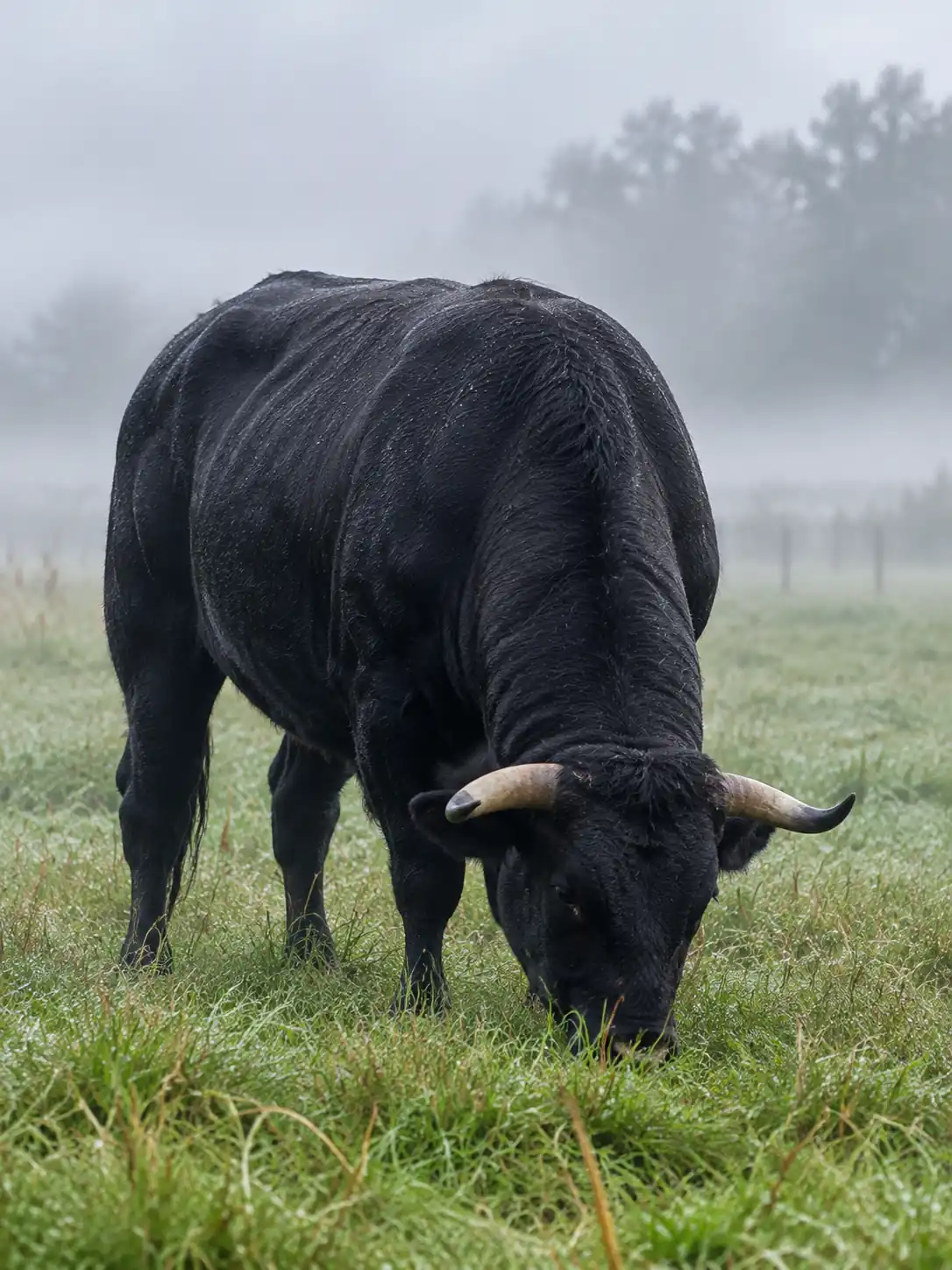
Black bull in low fog on pasture, head down, dew, overcast, 3:4
Try This Style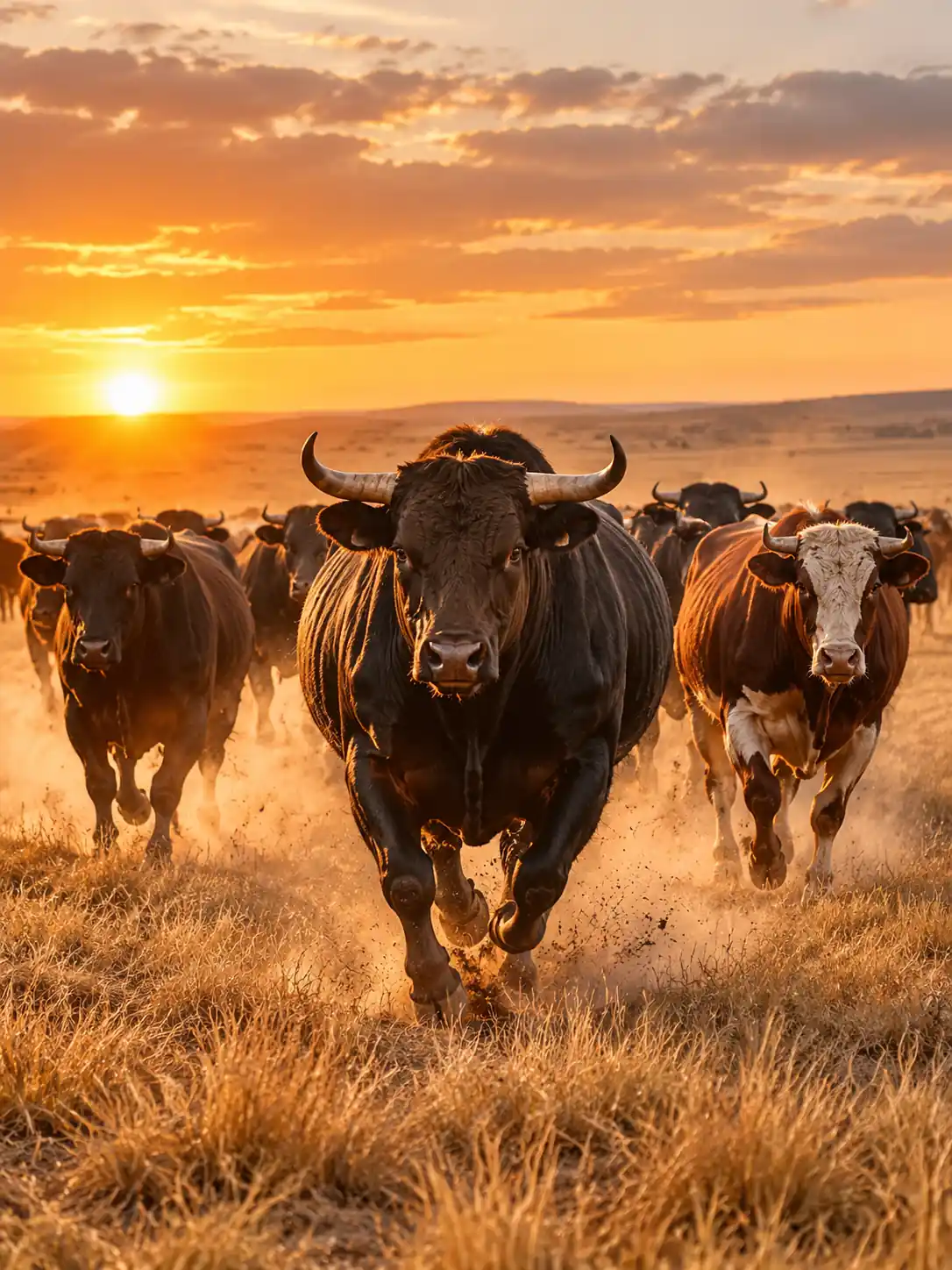 Studio
Herd running across dry grass, dust behind, low sun, 3:4
Try This Style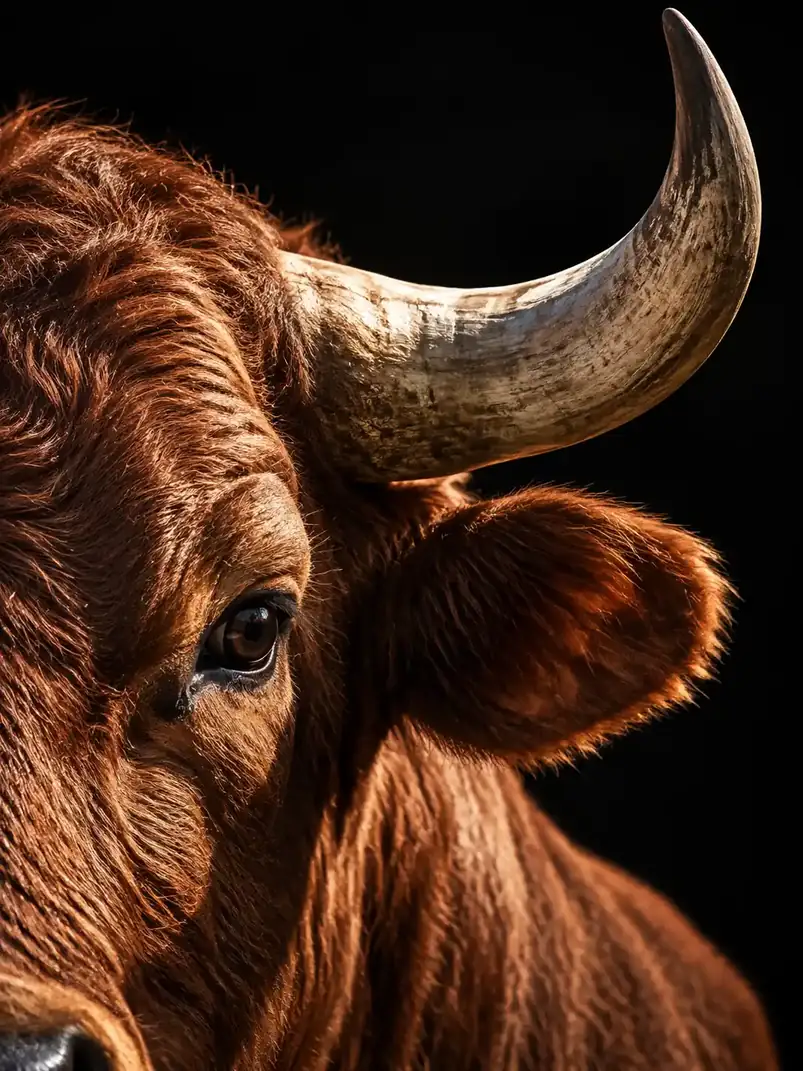 Studio
Close study of a bull's horn and eye, hard side light, 3:4
Try This Style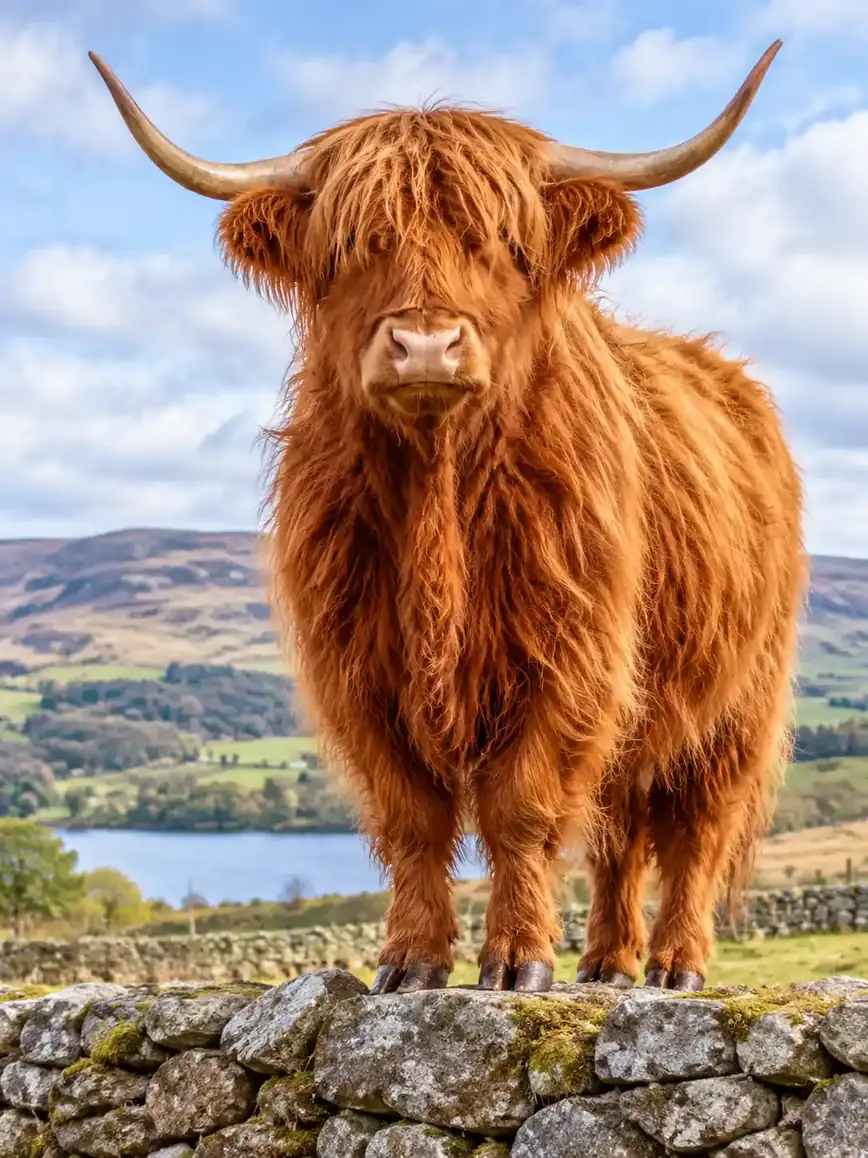 Character
Highland bull with a long red coat on a stone wall, 3:4
Try This Style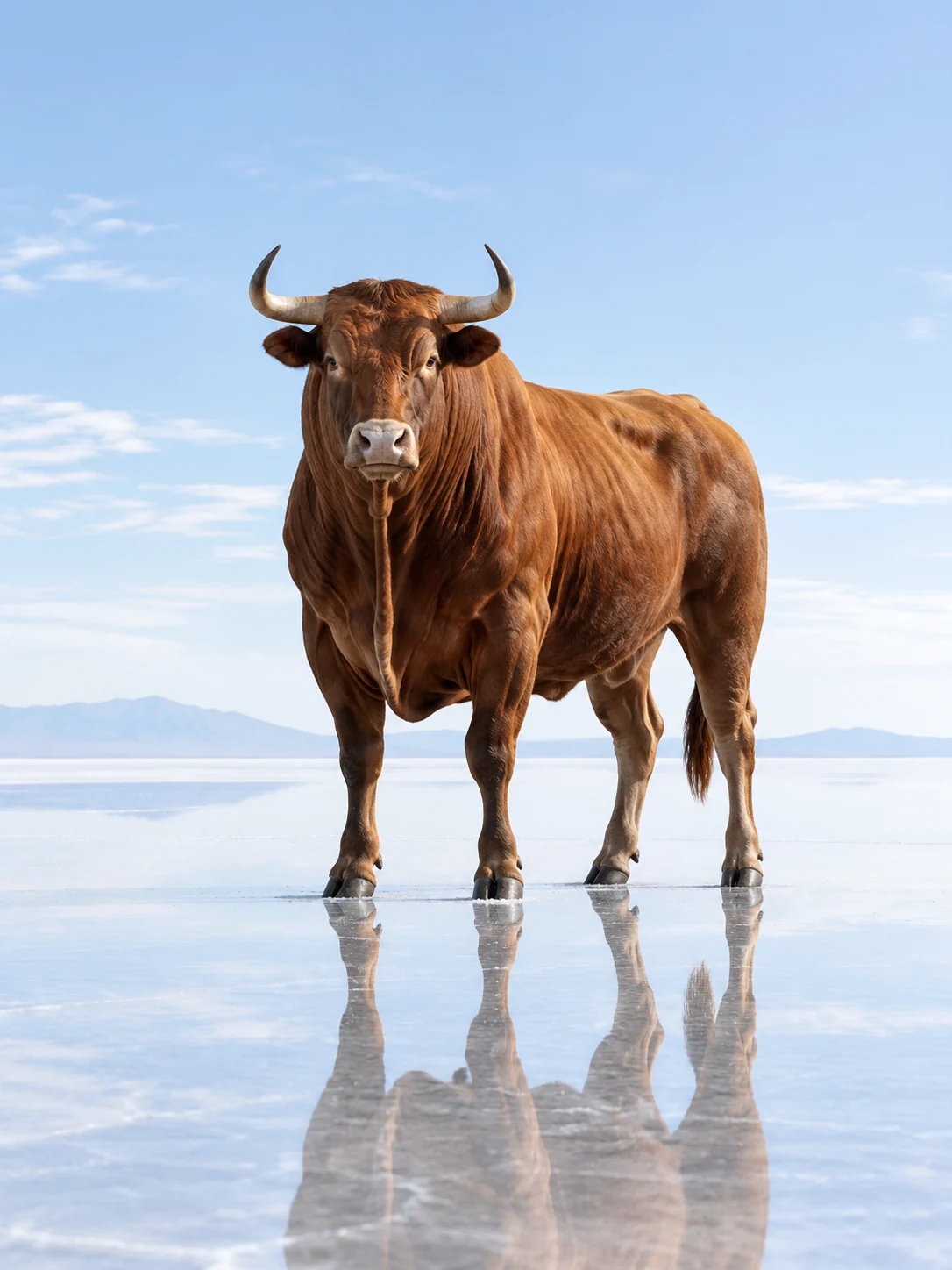 Character
Bull alone on a salt flat, mirror surface, pale sky, 3:4
Try This Style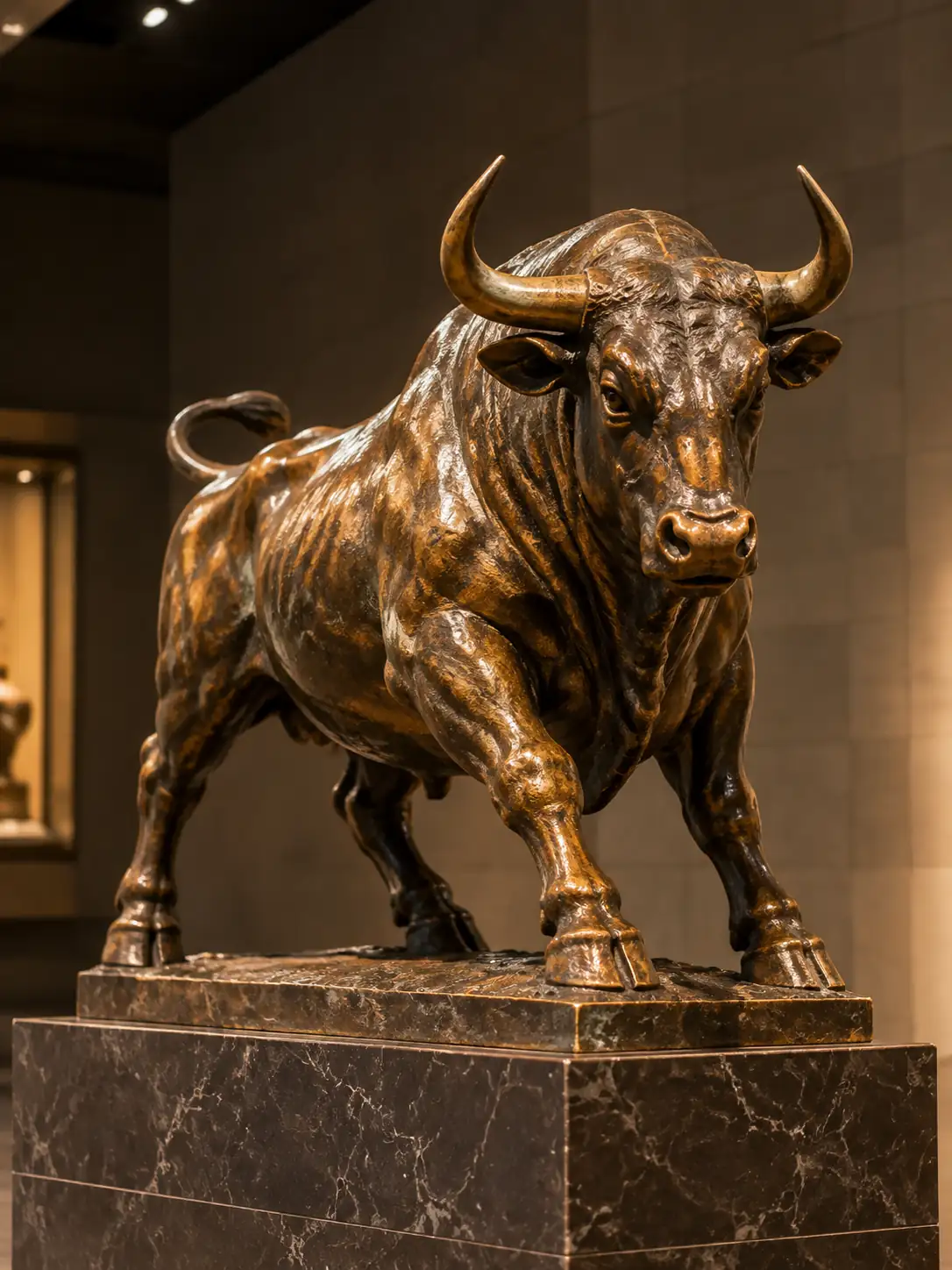 Character
Bronze bull sculpture on a plinth, raking museum light, 3:4
Try This Style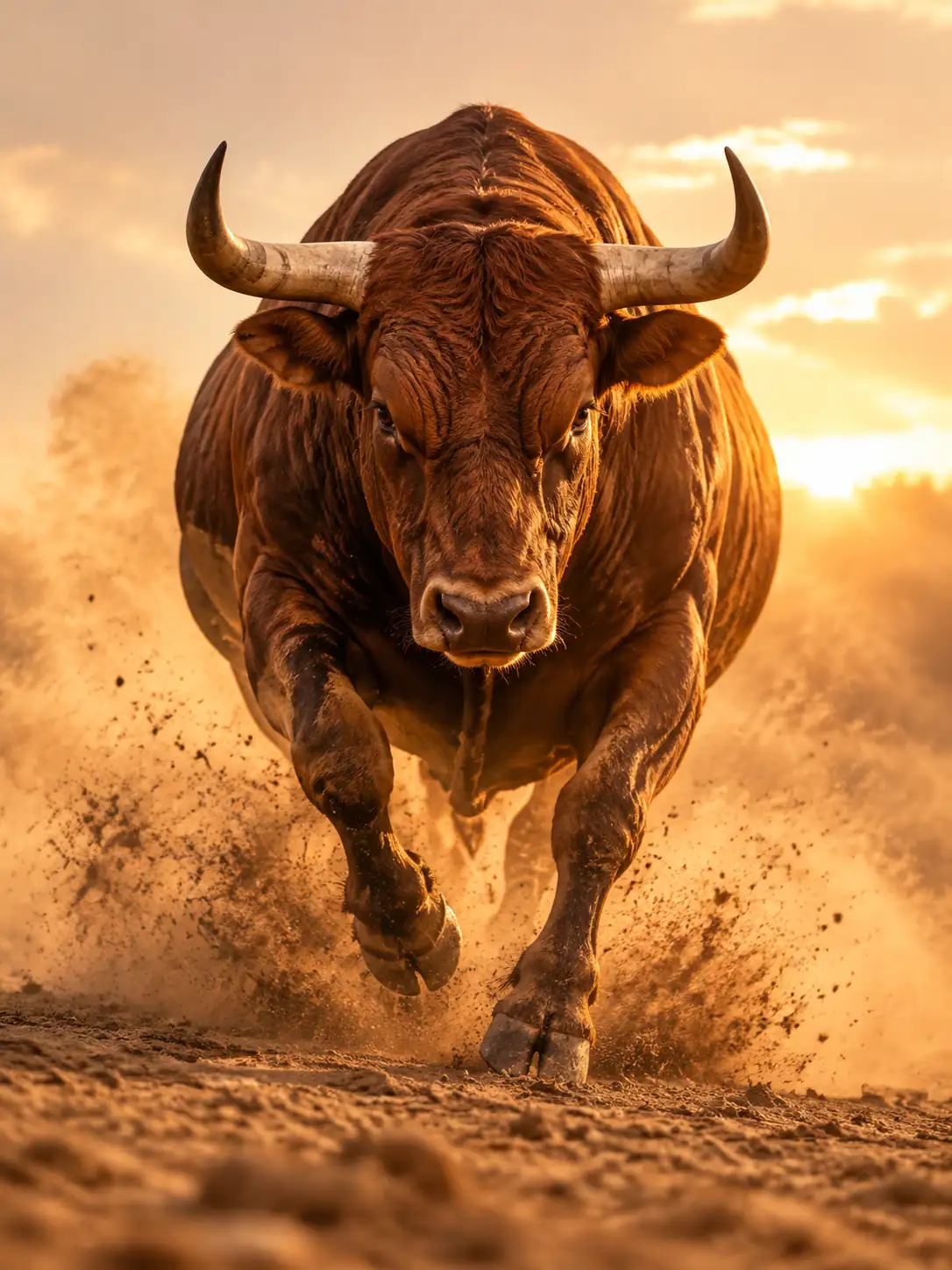 Scene
Bull charging through dust, low camera, backlit rim, 3:4
Try This Style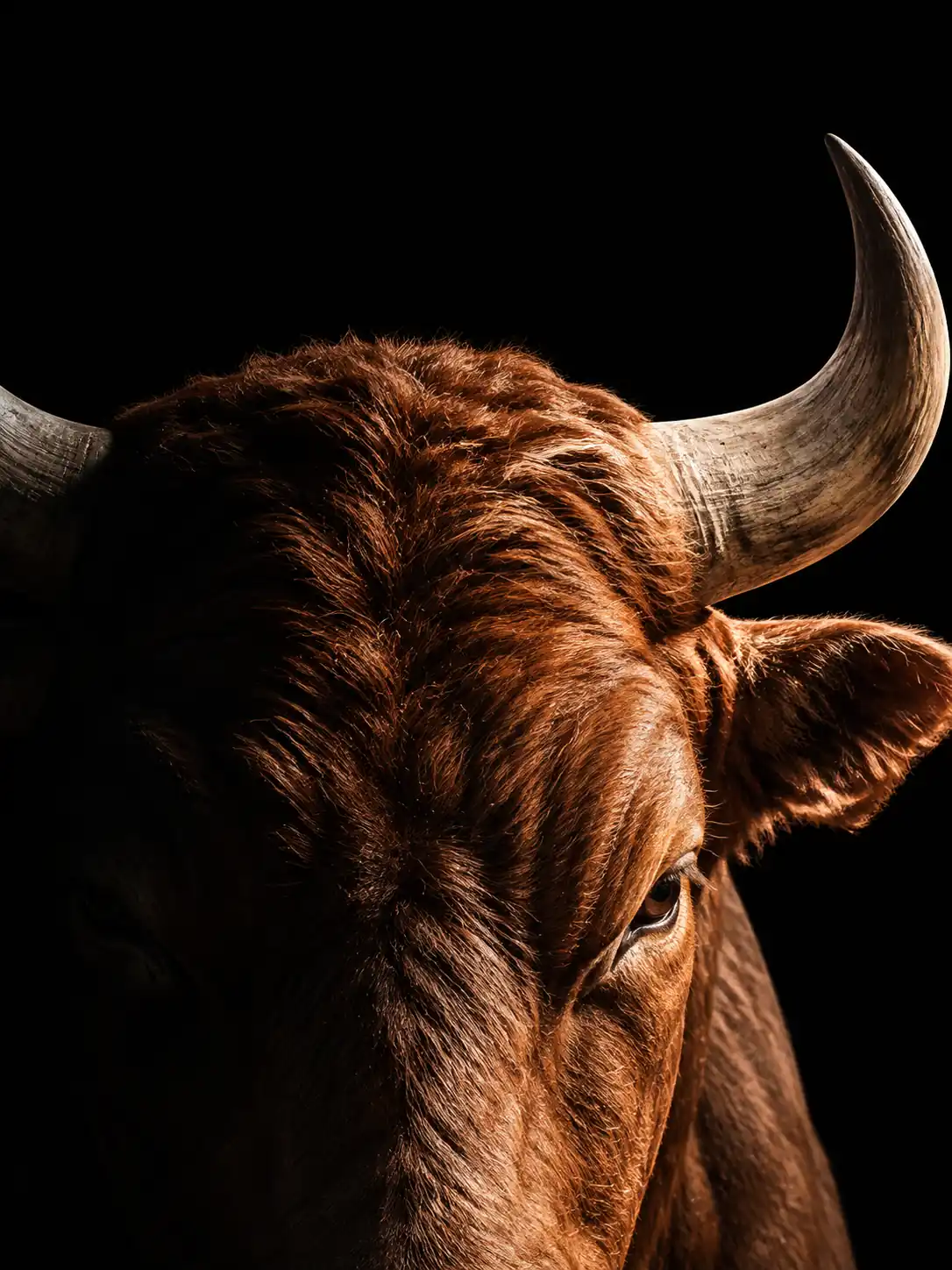 Scene
Bull head in profile against dark sky, horns sharp, 3:4
Try This Style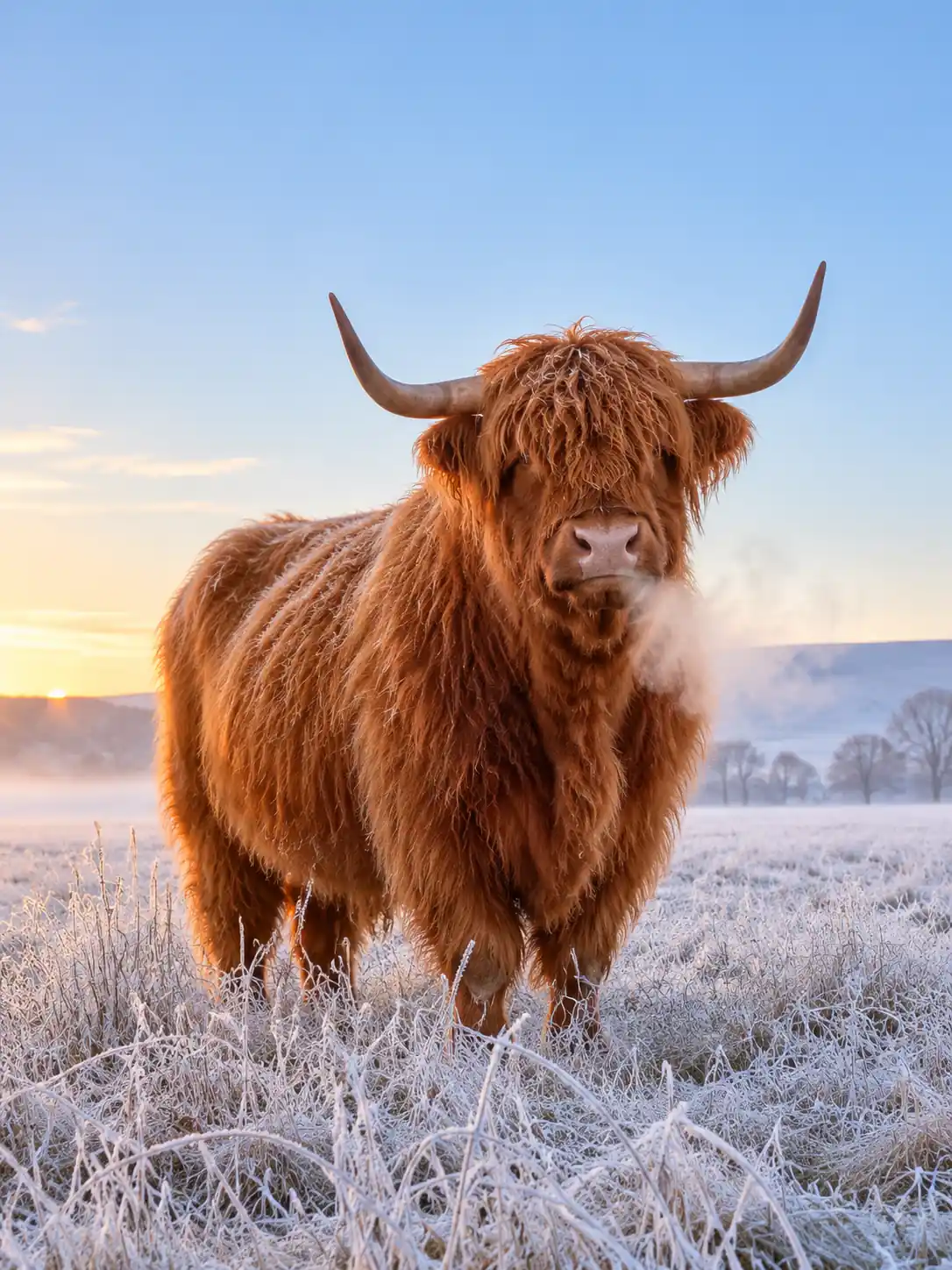 Detail
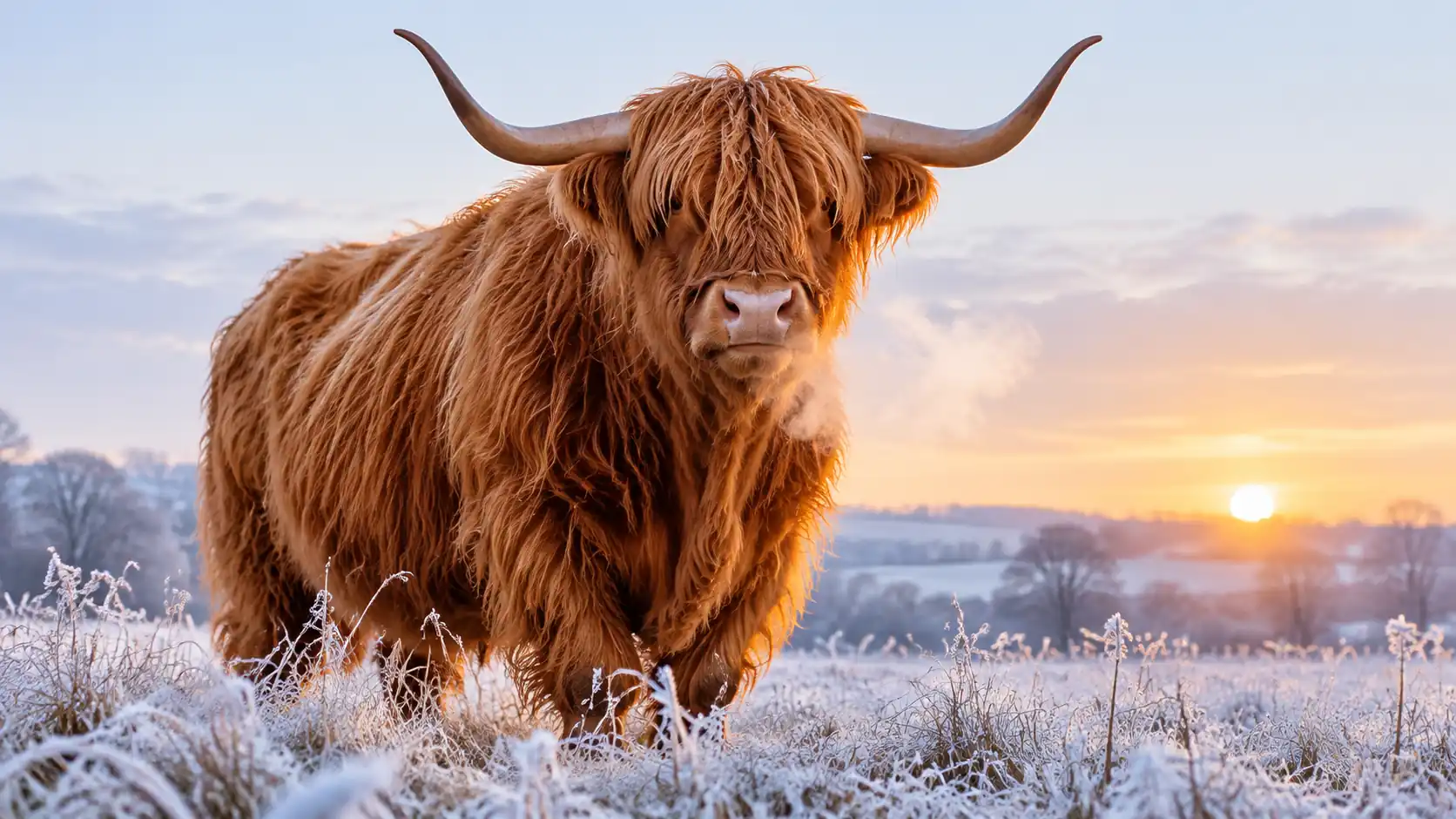
Bull standing in frosted grass at dawn, breath visible, 3:4
Try This Style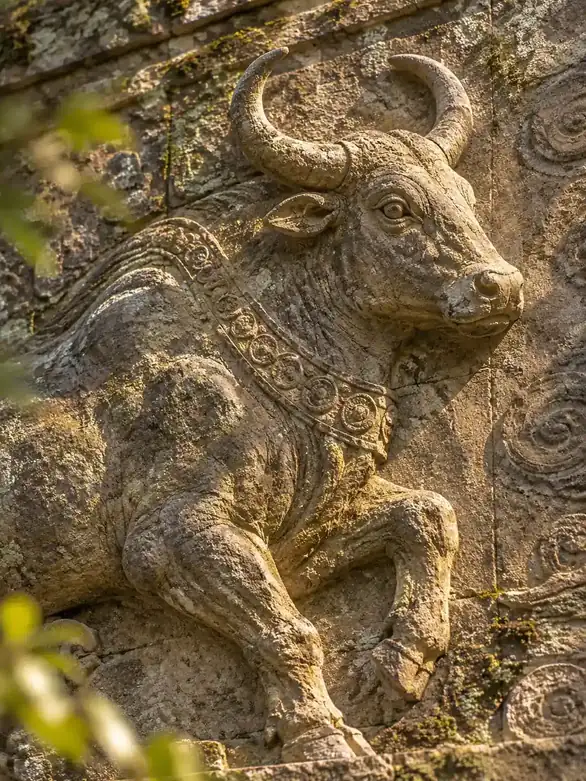 Detail
Ancient stone bull carving on a wall, side light, 3:4
Try This StyleThree things worth specifying
A knee-level camera puts the viewer under the shoulder. A chest-level camera makes the animal look like livestock in a catalogue, which is a different job.
Highland shag, brahman hump, charolais cream. The breed carries horn shape, coat and proportion, and all three survive a rerender better than adjectives do.
Haze behind the animal separates the body from the field. It also hides the point where hooves meet ground, which is where a render usually gives itself away.
A horn study on a plain sweep explains shape and spread. It is also the frame a sculptor or a sign painter can actually work from, unlike a herd shot.
A tall frame sells weight; a wide frame sells movement. Choosing after the render means cropping either the horns or the dust trail.
A bull, a steer and an ox are not the same animal. Naming the sex and the age keeps the proportions right, especially at the neck and the shoulder.
We raise highlands and needed a label image for our beef boxes. The fog pasture shot worked because the camera was low enough to make the animal look like it weighs what it weighs, and the buyer sees that immediately.
My first attempts looked like a cow in a field with the wrong light. Naming the breed and dropping the camera to knee height fixed the scale, and one low sun across the flank gave me the coat texture I could not describe in any other way.
I make trophies and use the horn study as a reference for carving. The plain background is the whole point, since a herd shot tells me nothing about spread, but I would still measure a real skull before cutting anything.
It can make a convincing portrait, not a photograph of a specific animal. Name the breed and the camera height, and say side light. For a stud book or a sale catalogue, a real photograph is still what buyers expect.
The camera is too high. Say knee height or below, and put the horizon low in the frame. Scale comes from looking up at the chest, not from making the animal bigger in the picture.
No. The image comes from a description. If the bull is a real one you own, describe the markings rather than uploading its photo, and treat the result as an illustration for a label or a poster.
The first render is free. Sets, large prints and faster models sit behind a paid plan, and the free model is shown first in the picker.
Check the model licence, and keep the animal generic rather than a copy of a known stud or a registered brand mark. For a product label, a real photograph of your own herd still carries more trust.