

Describe First
The prompt reads as a description of a person, not a list of genres. Age, one garment and one carried object do more work than ten adjectives.
Paste the lines where your character first walks in, add the two details that matter, and get a portrait you can hold against the manuscript.
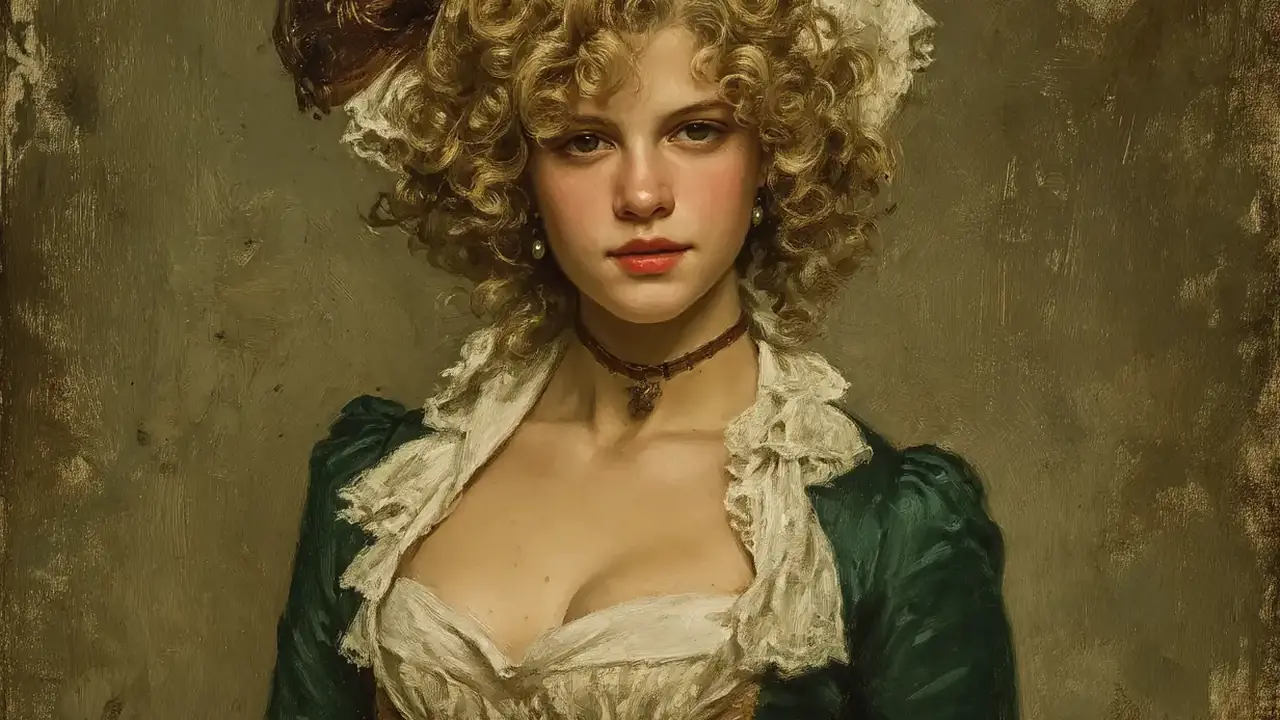
Prompt Guide
Model
Reference Image
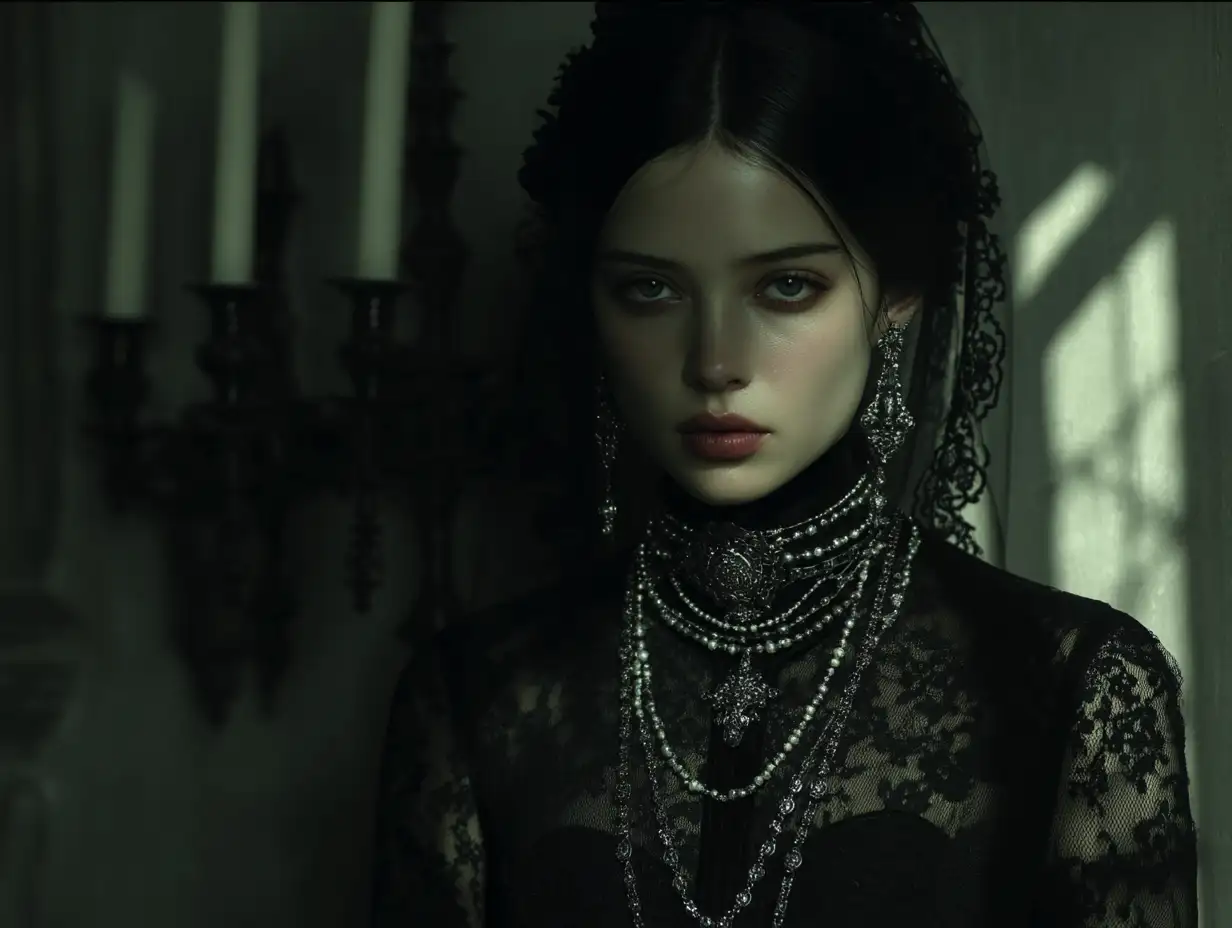
Turn text into visuals with a few refined prompts.
Choose the details a reader would notice first: age, build, one garment, one object they carry. Those four carry more likeness than a full paragraph.
Open the closest archetype and keep its light sentence. Replace the costume and the setting, and leave the camera and lighting words where they are.
If the face drifts between passes, add two fixed features such as a broken nose or a scar over one eyebrow, and repeat them in every prompt for that character.
Have a sketch, a mood board or a costume photo? Upload it and describe only what to change. The pose and palette hold while the rest is rebuilt.
Different books, different shelves, same description-first method.
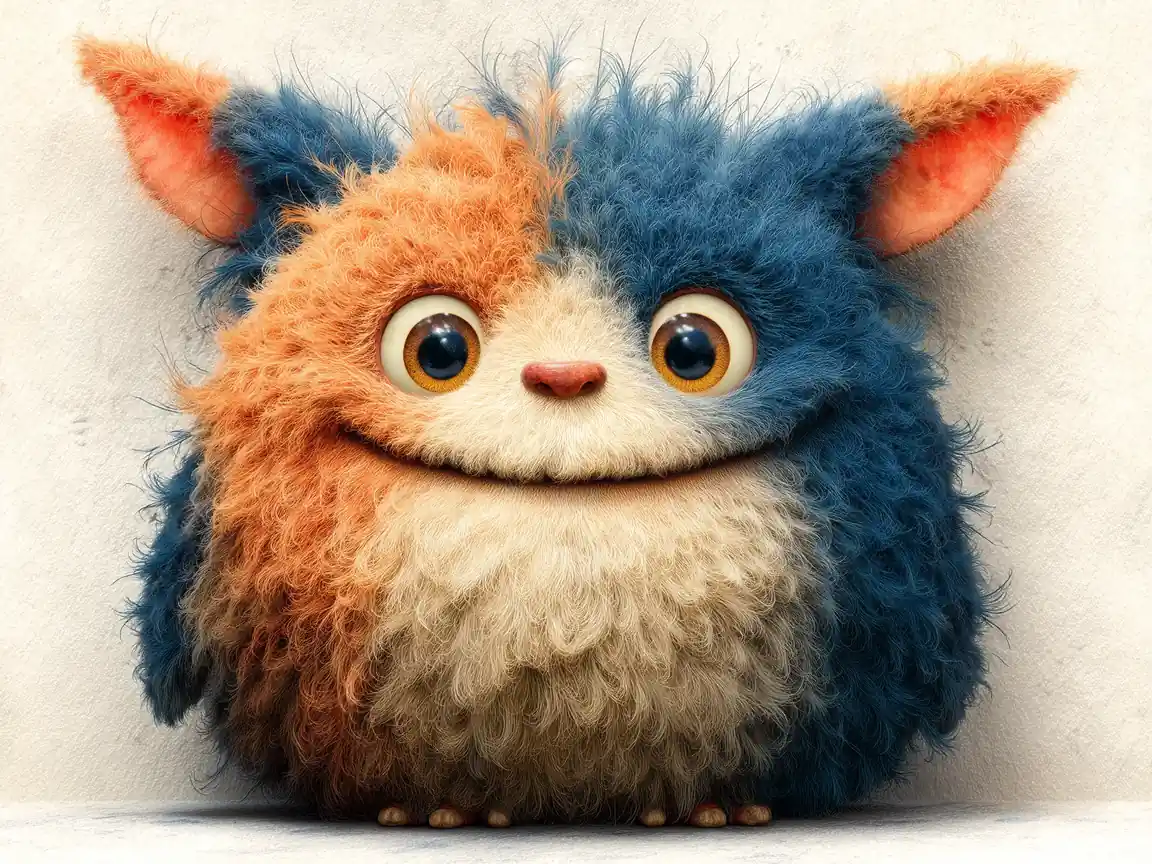 Children's
A round creature covered in apricot and blue fur with huge dark eyes and a cream belly, standing on stubby feet against a plain plaster wall, soft even studio light from above, full body centred with space around it, 3:4
Try This Style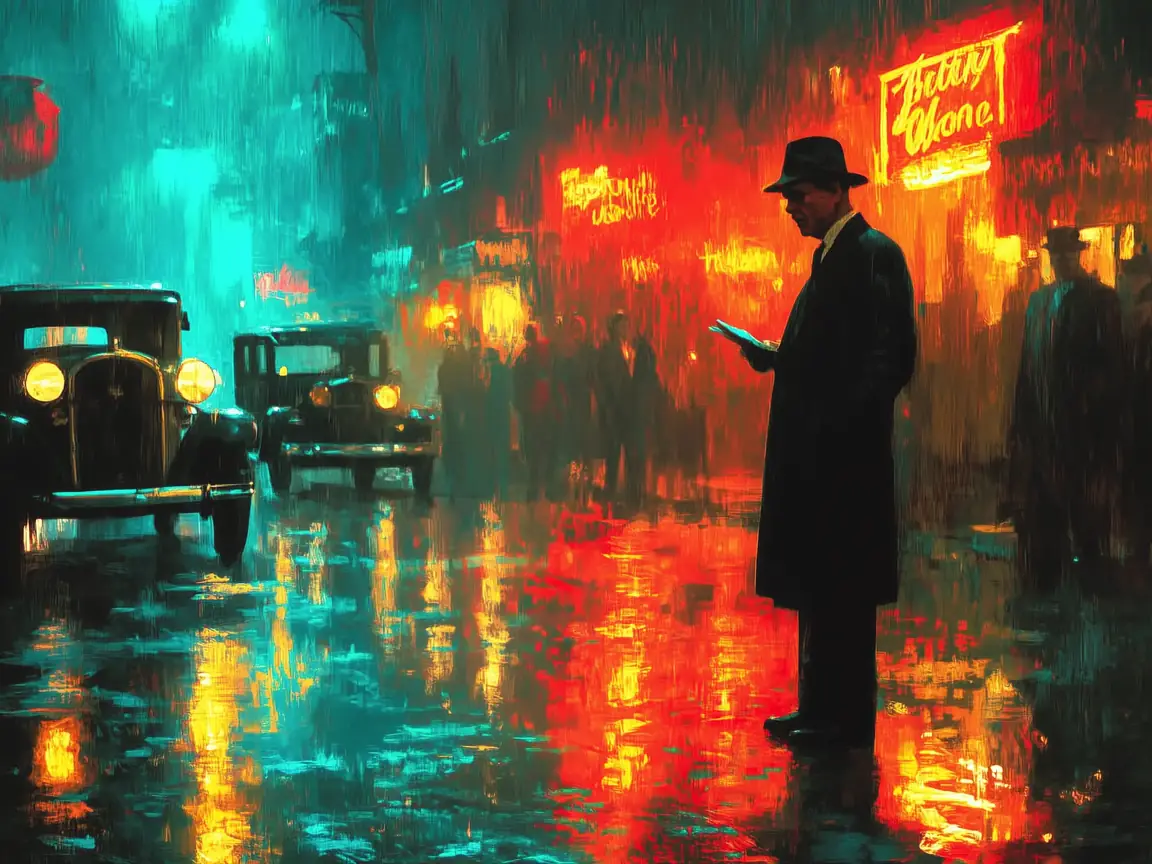 Noir
A figure in a long dark coat and a wide-brimmed hat reading a small notebook under wet neon reflections, rain-slick cobbles, parked cars and brick fronts behind, teal and red palette, oil-painted brushwork, 3:4
Try This Style Fantasy
A lone figure in a tattered cloak with a drawn sword walking away across a cracked frozen marsh toward black mountains under a red ember sky, embers drifting, wide cinematic landscape with the figure small, 3:4
Try This Style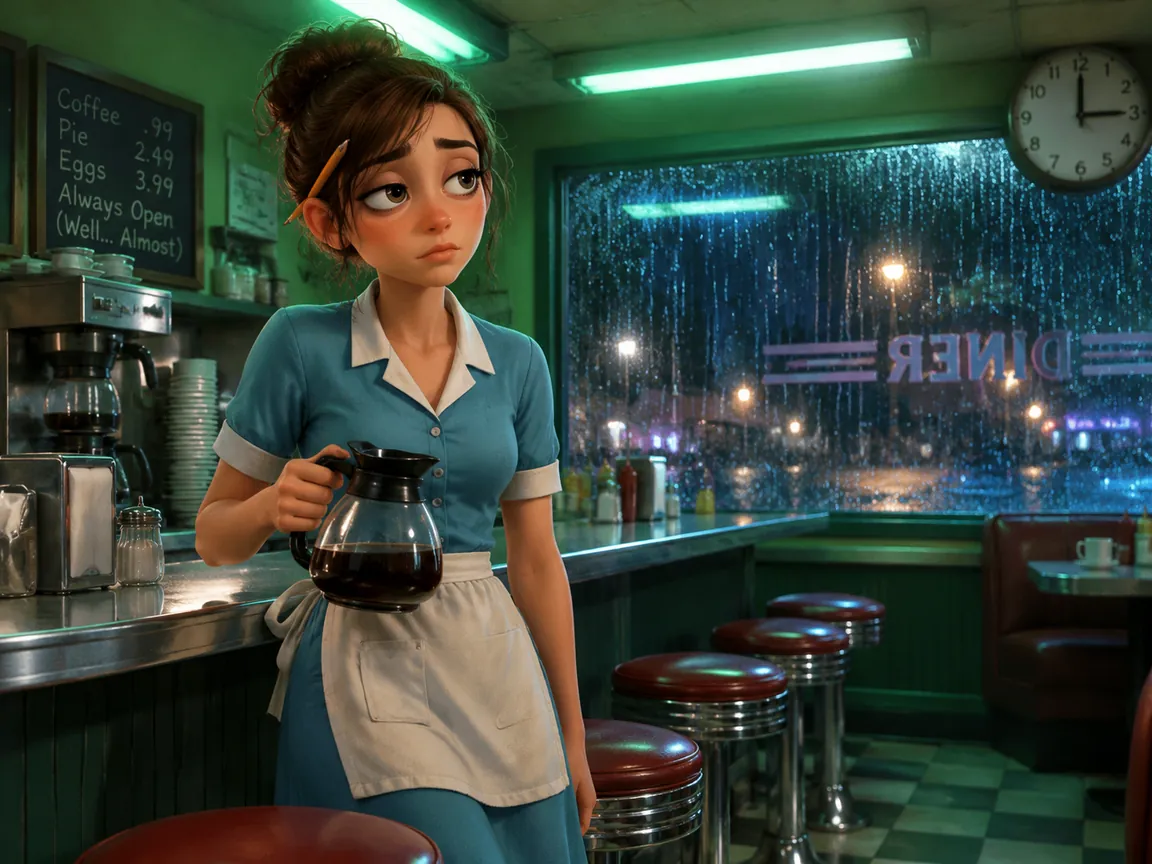 Noir
A tired waitress in a diner at three in the morning, apron tied at the waist and a pencil behind her ear, coffee pot in hand, chrome stools and a rain-streaked window behind, green fluorescent light, 3:4
Try This Style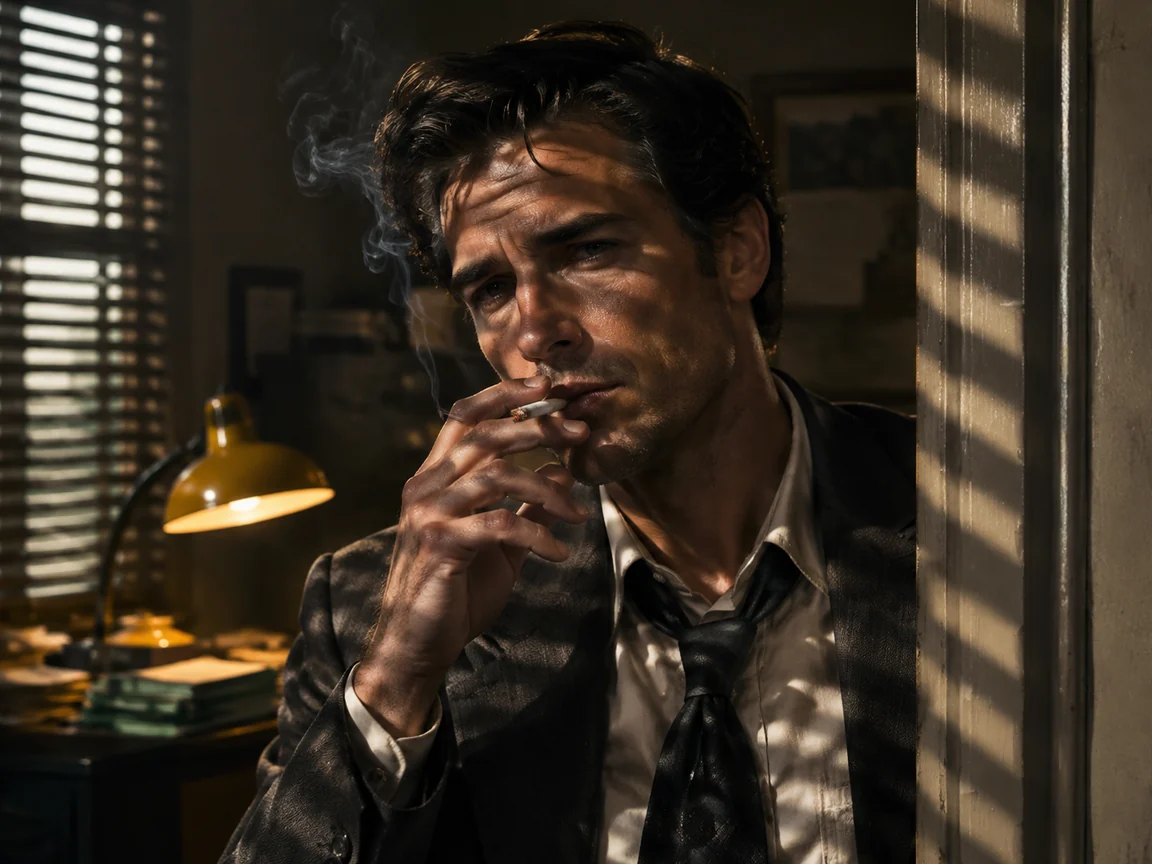 Noir
A rumpled investigator in a creased suit leaning in a doorway with a cigarette, Venetian blind shadows falling across his face, mustard desk lamp behind him, chest-up portrait, 3:4
Try This Style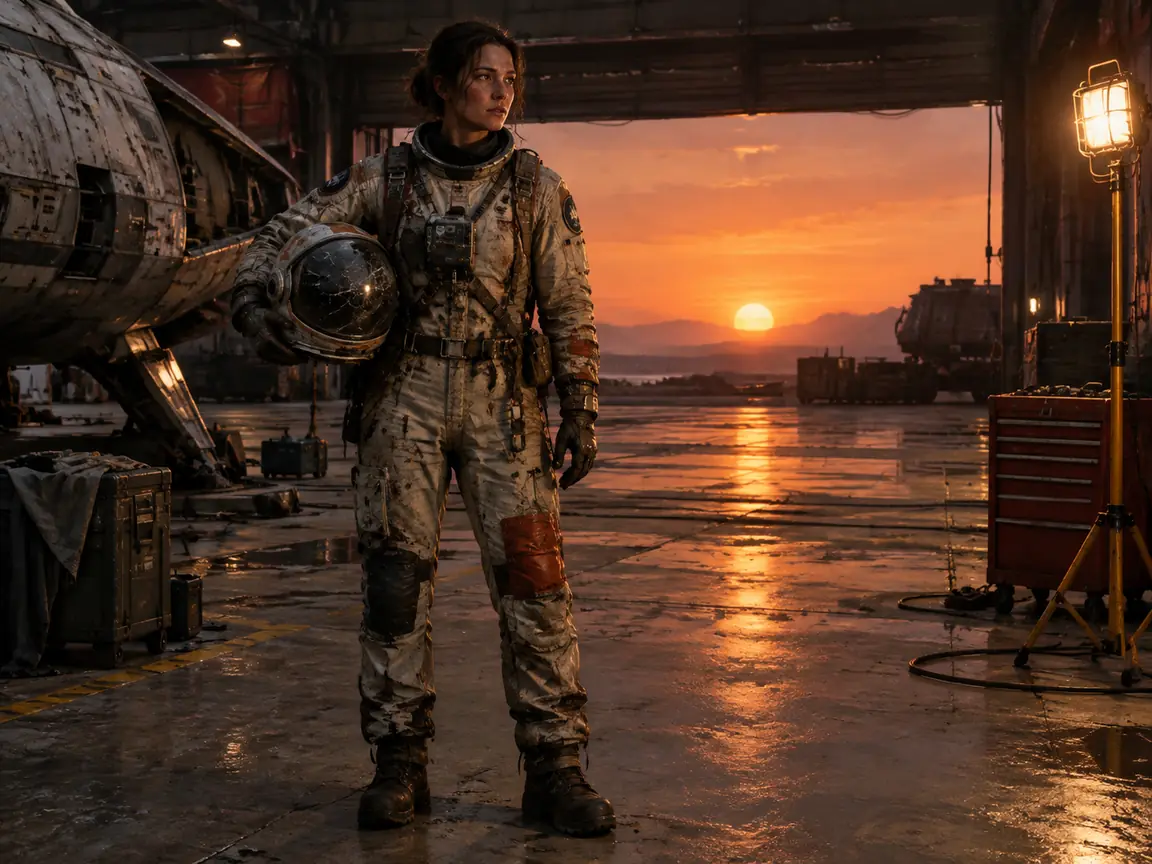 Sci-Fi
A salvage engineer in a patched pressure suit holding a cracked helmet under one arm, dust across the visor, hangar bay with a low orange sun beyond, single practical work light, full body, 3:4
Try This Style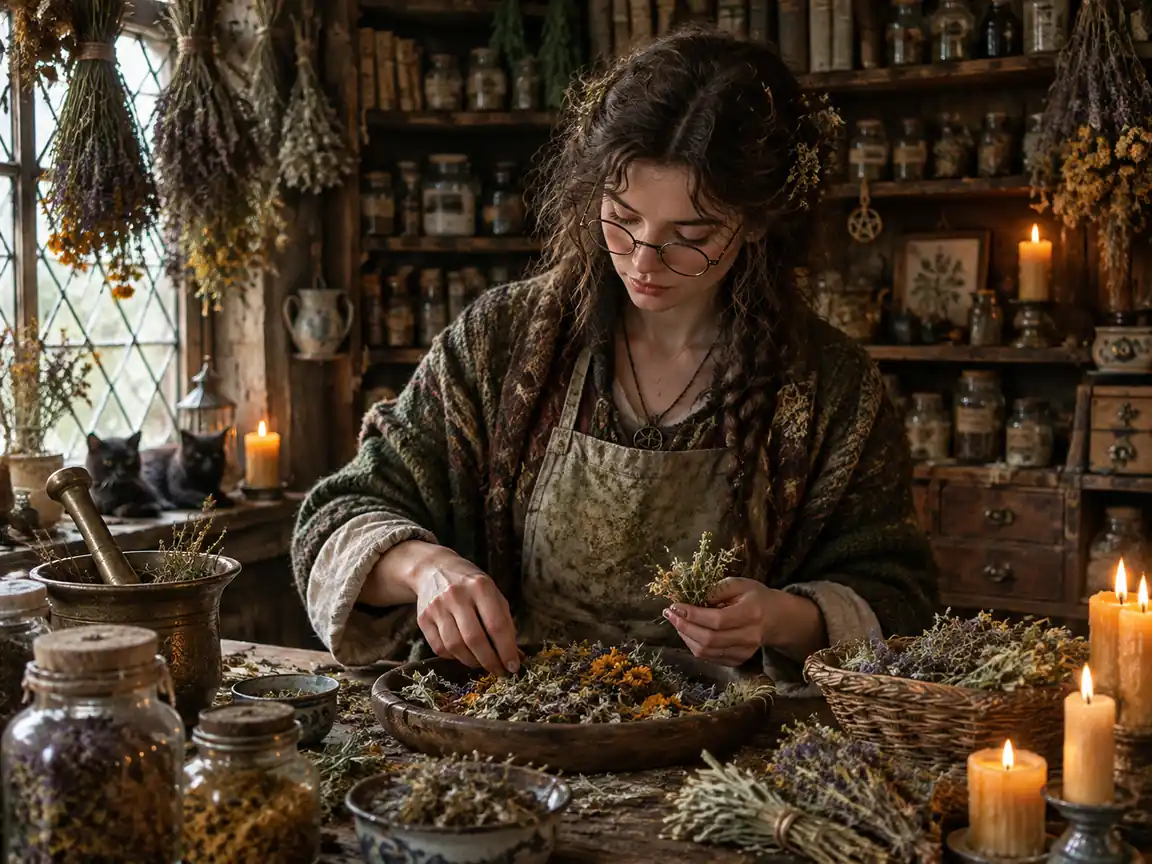 Fantasy
A hedge witch in layered wool and a moss-stained apron sorting dried herbs at a workbench, round spectacles, low cottage window light and beeswax candles, cluttered shelves behind, 3:4
Try This Style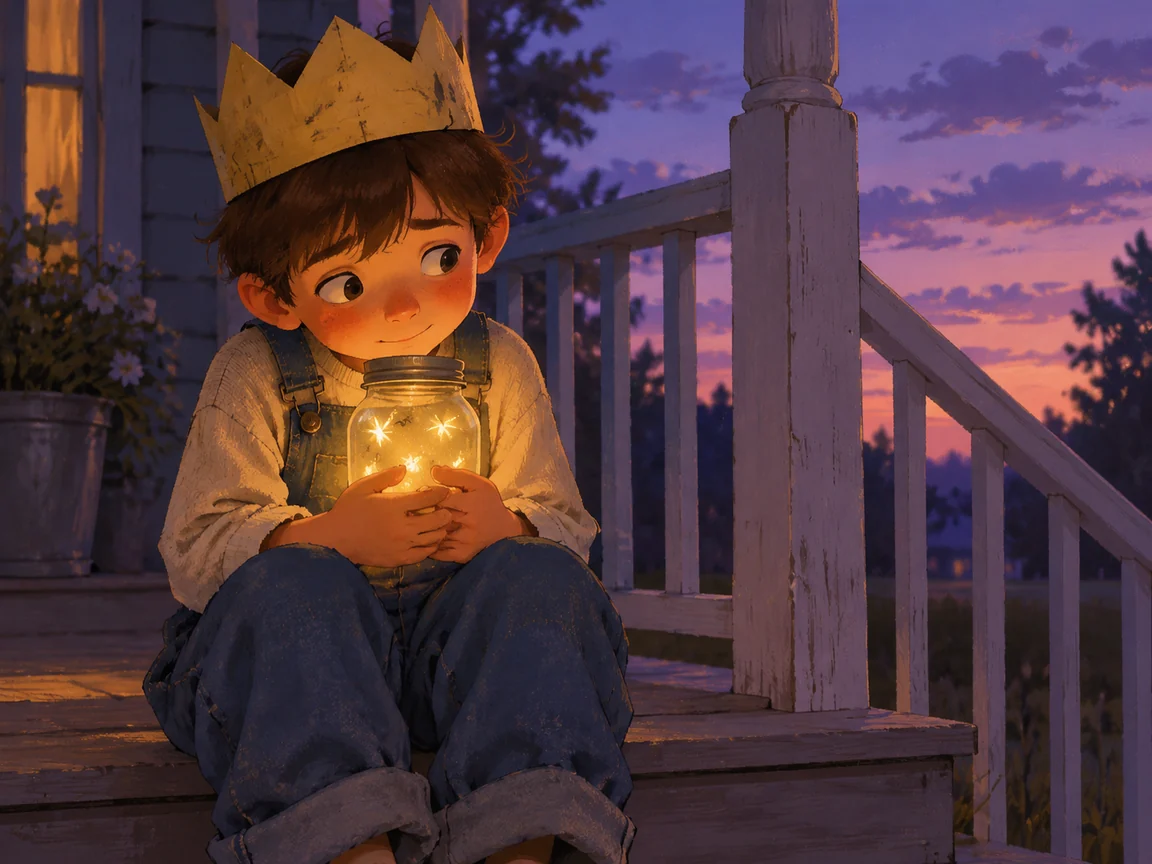 Children's
A shy boy in oversized dungarees and a paper crown clutching a jar of fireflies on a porch at dusk, jar glow under his chin, violet sky and porch railings behind, soft storybook animation style, 3:4
Try This Style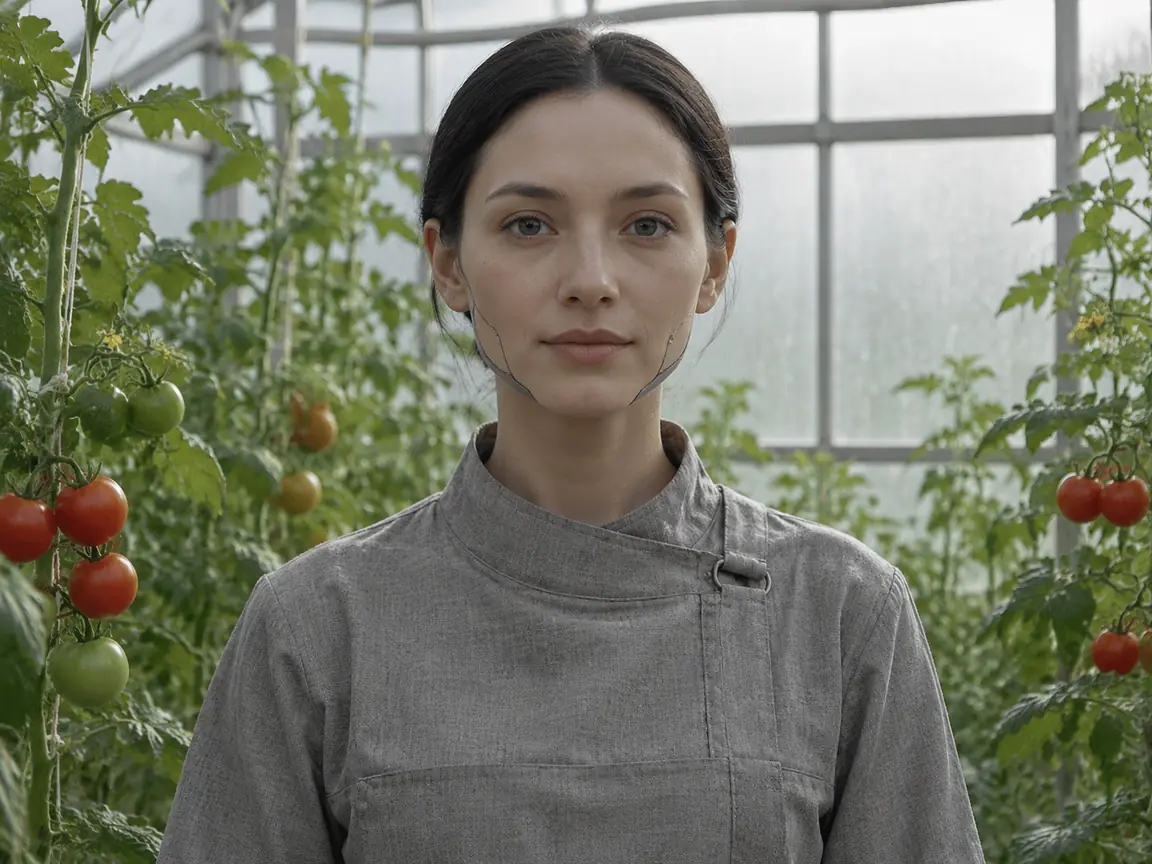 Sci-Fi
An android caretaker with visible seams along the jaw in a grey canvas tunic, standing among tomato vines in a greenhouse, diffused daylight through frosted panels, calm frontal portrait, 3:4
Try This Style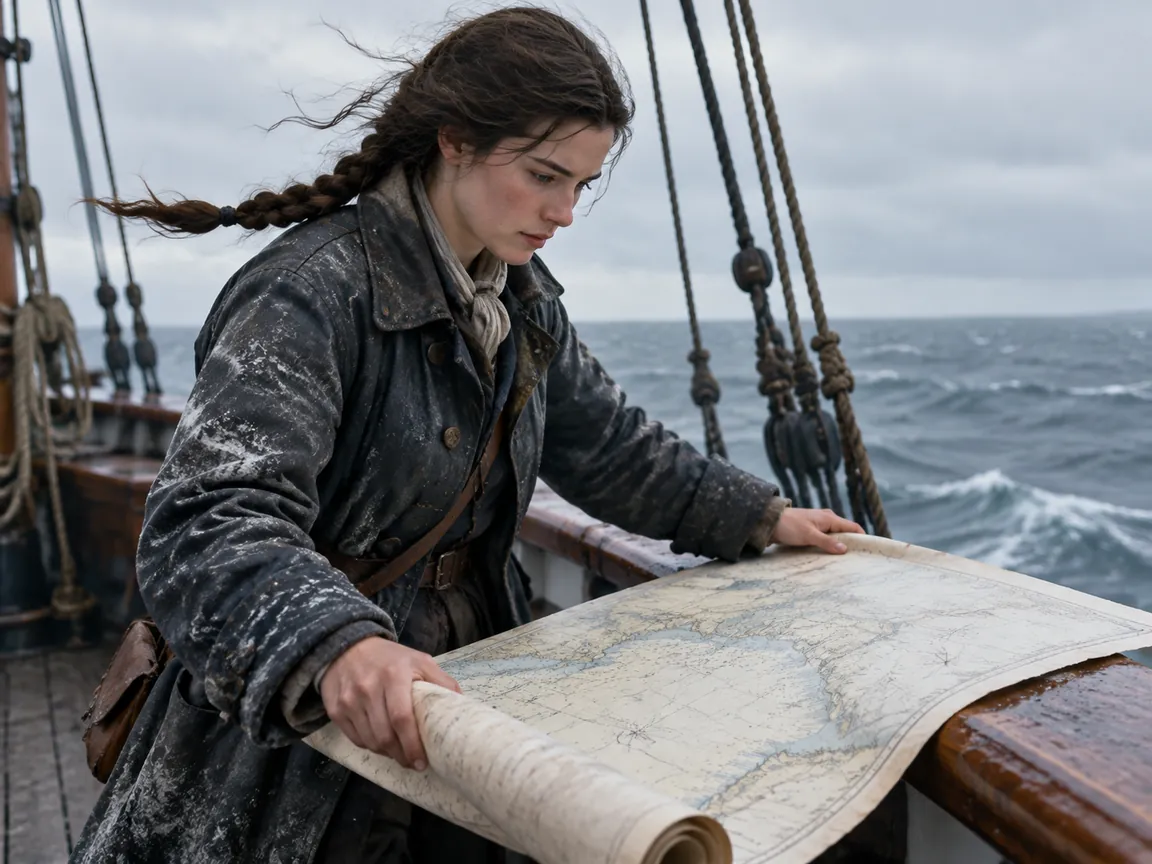 Fantasy
A young mapmaker in a salt-stained coat unrolling a chart on a ship rail, wind pulling at her braid, grey sea and rigging behind, flat overcast sea light, three-quarter shot, 3:4
Try This StyleDecisions that make the second portrait match the first.
The prompt reads as a description of a person, not a list of genres. Age, one garment and one carried object do more work than ten adjectives.
Prompts ask for traits and generic style words instead of naming a published character or a studio, which keeps the portrait legally safe to publish.
Keep the same style and light sentence across a cast so six portraits on a series page look illustrated by one hand.
A silhouette is read from the clothing: collar, coat length, hat. Change those and the reader sees a different character even with the same face.
Repeat two unmistakable features in every prompt for a character. It is the cheapest way to hold a face steady across scenes.
3:4 leaves room for a title block on a cover, 4:3 suits a chapter header, and a square crop is the one that survives most social cards.
I needed a children's concept the same afternoon I found this page. I typed what I wanted for "Pocket Monster Companion", ran it twice, then changed only the light and the palette on the second pass. The version I kept went straight into a client deck and saved me a stock-photo search.
My first try for "Investigator in Doorway" came back too polished, more advertising than real photograph. I rewrote the sentence to describe the surface and the actual light in the room, and the third attempt looked like something I could have shot myself. That is the one I still use for ai book character image generator mockups.
I use it the way I use a sketchbook: one prompt for "Hedge Witch Bench", one for "Jar of Fireflies", then I pick the half that works and iterate from there. Two of those frames ended up in a package for a client who could not decide between the two directions, and seeing them side by side settled it in a minute.
Yes. Paste the paragraph where the character first appears and add the two details your readers notice. The image will follow the paragraph more closely than a list of adjectives.
Keep one reference block: age, build, hair, eye colour, one scar or garment. Paste it unchanged every time, and use a reference image once you have a version you like.
Only if the model licence allows commercial use, and never if the face resembles a real actor or a stock photo you do not own. Keep the prompt record for the cover file.
Every gap is filled by the model. State age, eye colour, clothing and one imperfection, and say plain background if you want the face to do the work.
You can run prompts on the free allowance; paid models start around $5.80 a month, and downloads are watermark free.