

Clean Edges
Fur against a busy background always leaves a fringe. A plain backdrop and soft light give you an edge you can key in one click rather than an hour of masking.
Prompt Guide
Model
Reference Image
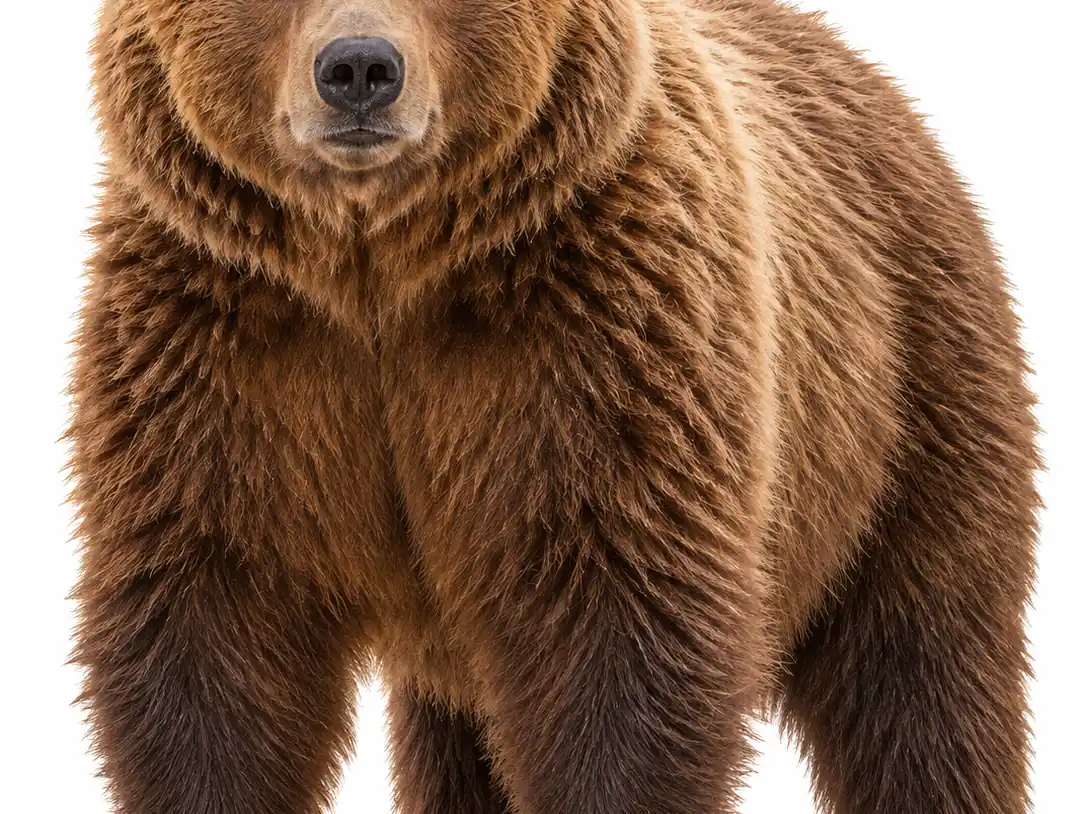
Describe the bear, the pose and the fur, and get a cut-out ready for a sticker sheet, a shop listing or a logo, with an edge you can key out cleanly.
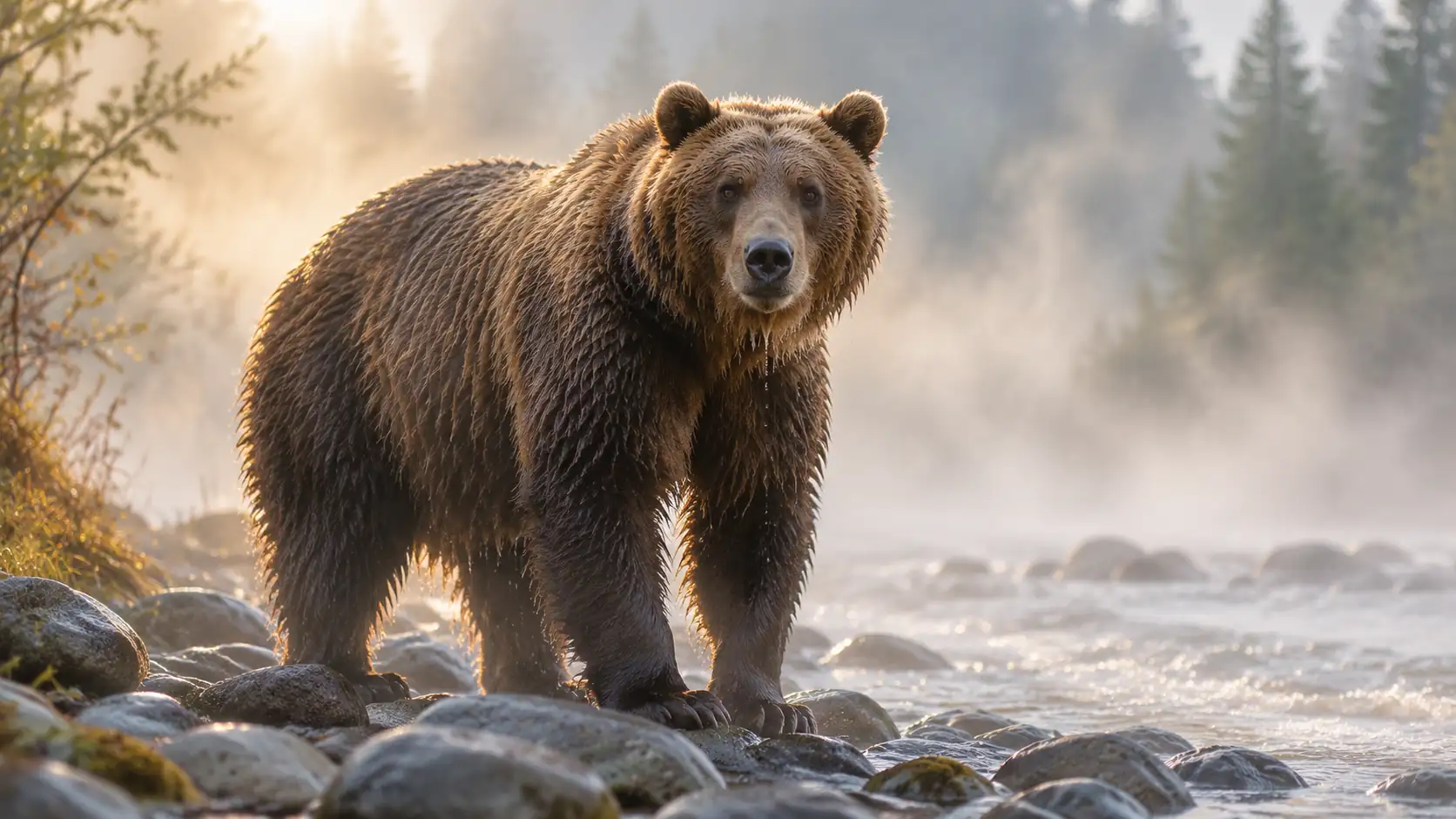
You do not need a long prompt. You need the bear, the surface and the light.
Species or toy, standing or sitting, shaggy or plush. A grizzly and a teddy need opposite fur, and a prompt that does not choose returns something in between.
Arms up, head tilted, one paw raised. A pose with a clear silhouette cuts better than a natural stance, because the outline has fewer ambiguous edges.
Leave margin on all four sides. A bear that touches the frame edge cannot be cut out without losing a paw, and that is the mistake that wastes a render.
Open the file at full size and trace the edge with your eye. Ear tufts, whiskers and fur between the legs are where a cut-out shows its seams and where you reroll.
Ten bears across four jobs, from a sticker cub to a photo-real grizzly on a riverbank.
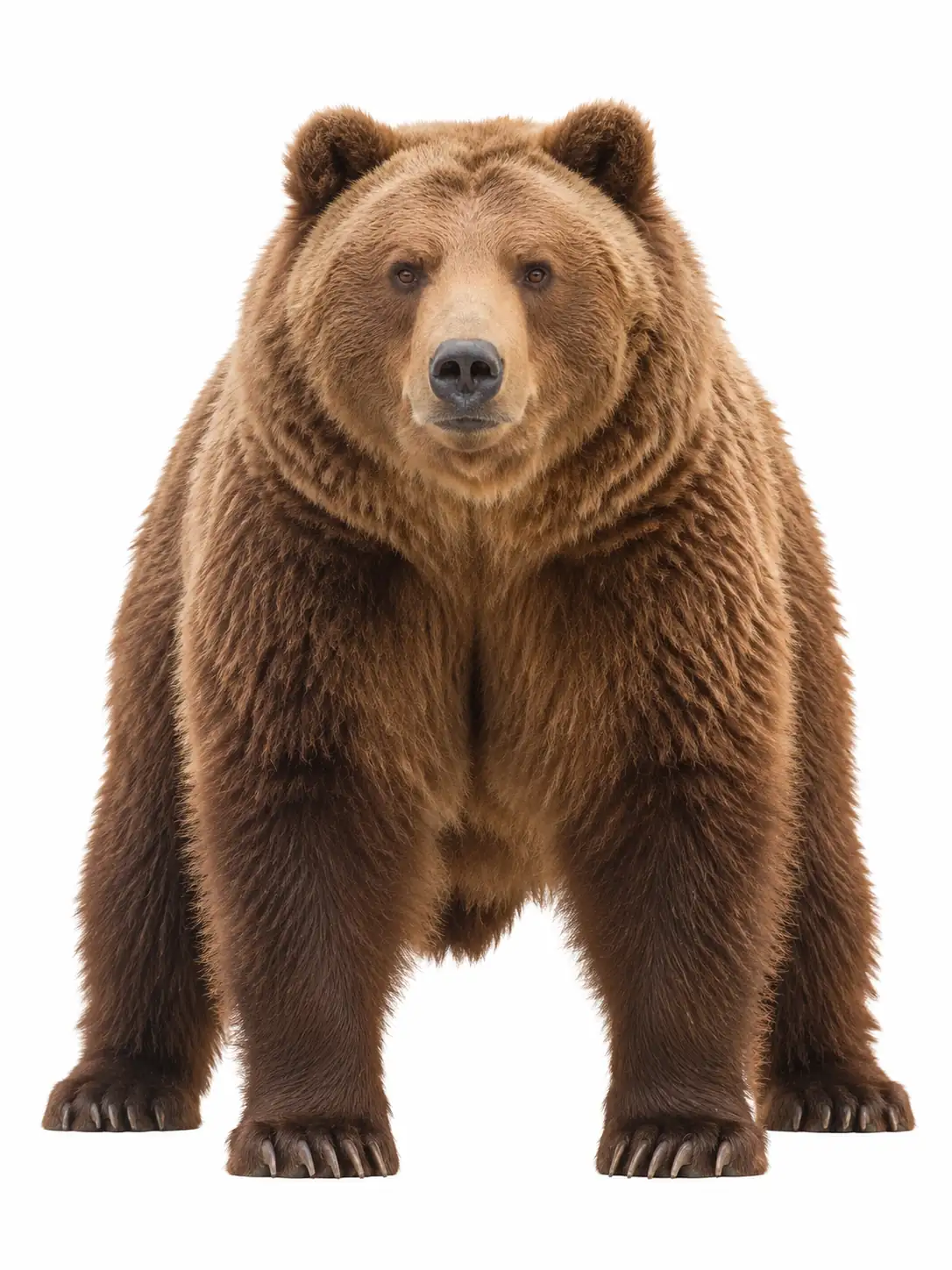 Studio
Brown bear standing four-square on pure white, flat light, clean edge, 3:4
Try This Style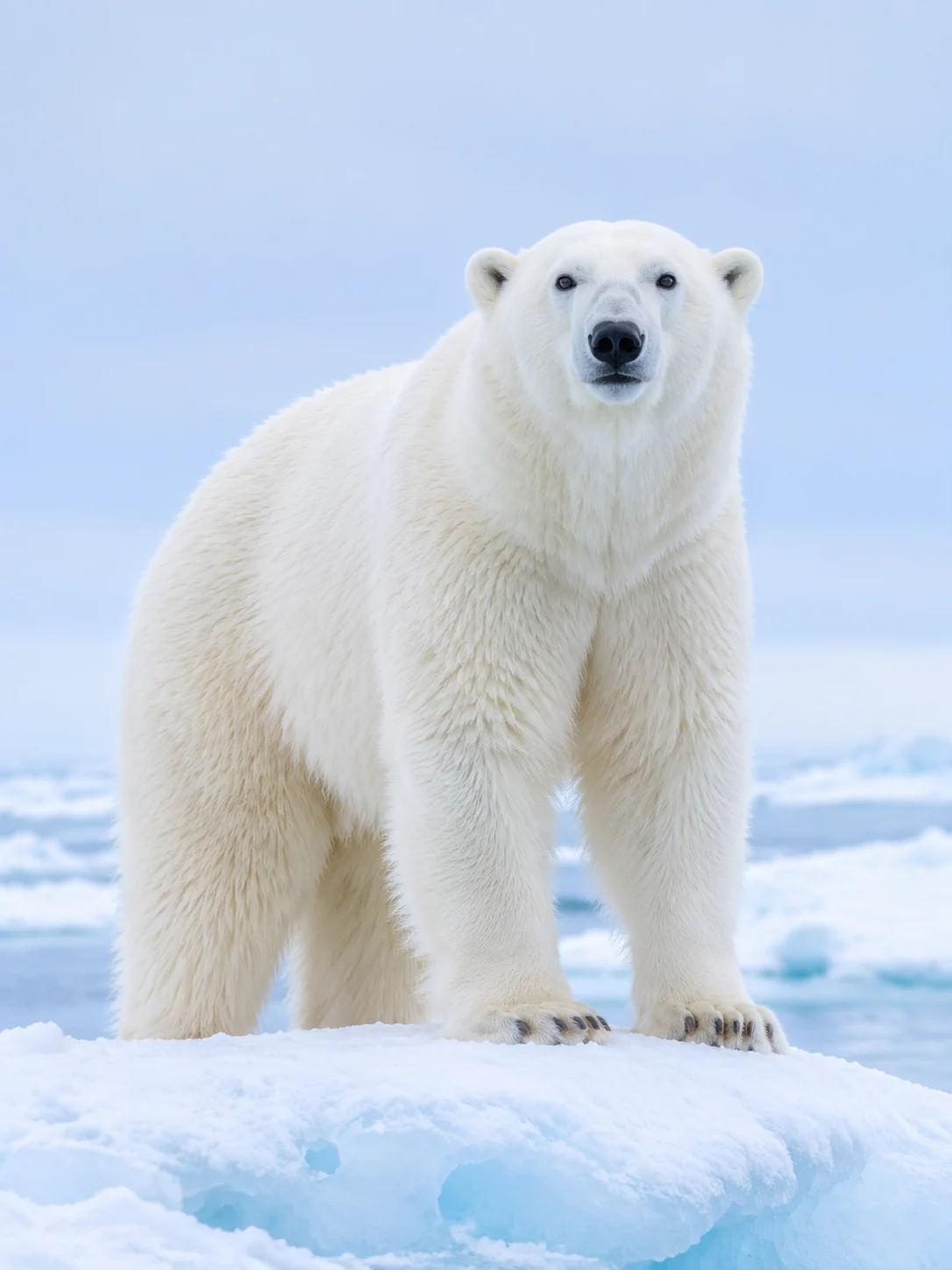 Studio
Polar bear on ice against a pale sky, cold flat light, 3:4
Try This Style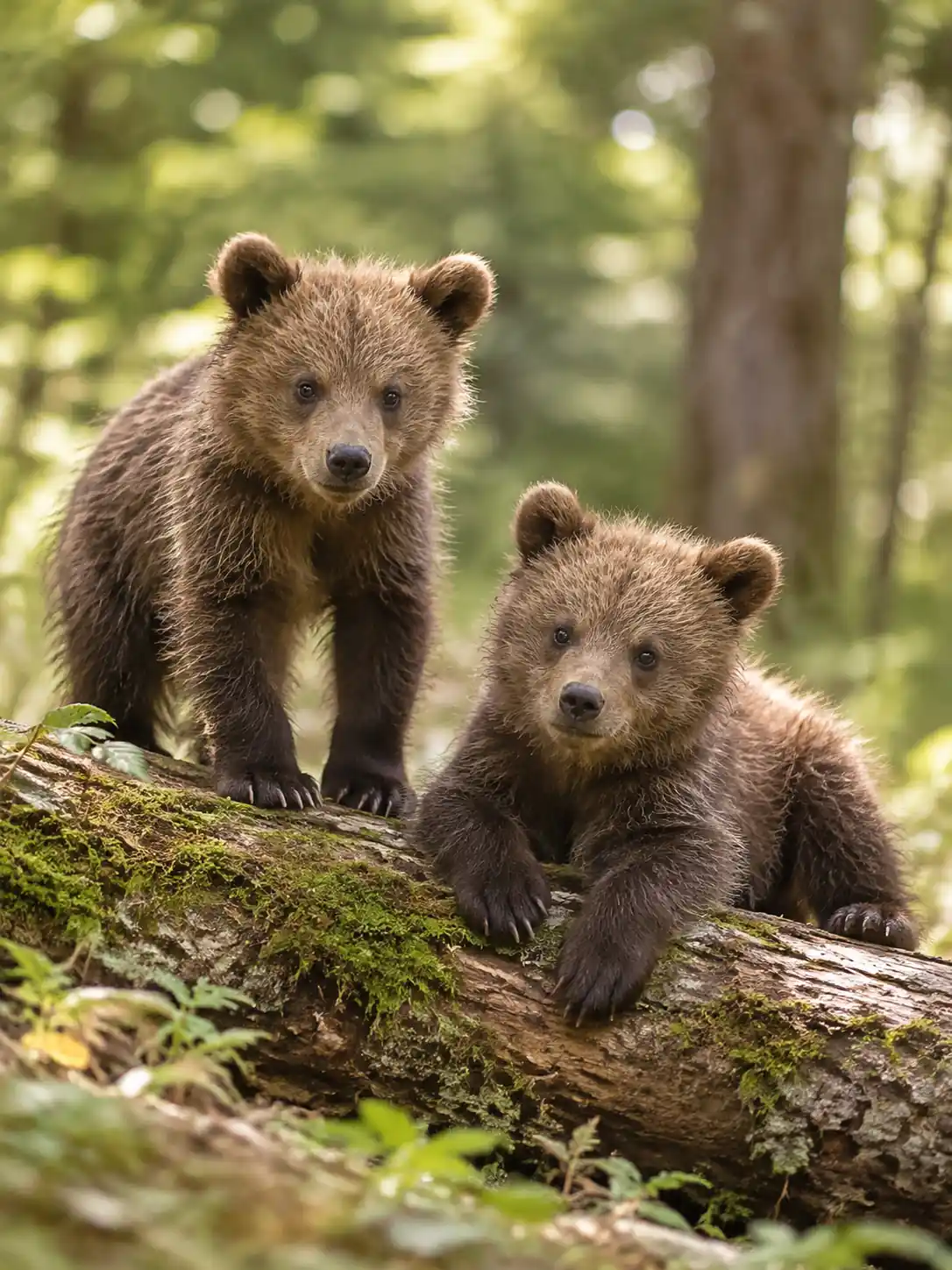 Studio
Two cubs on a fallen log, soft forest light, shallow depth, 3:4
Try This Style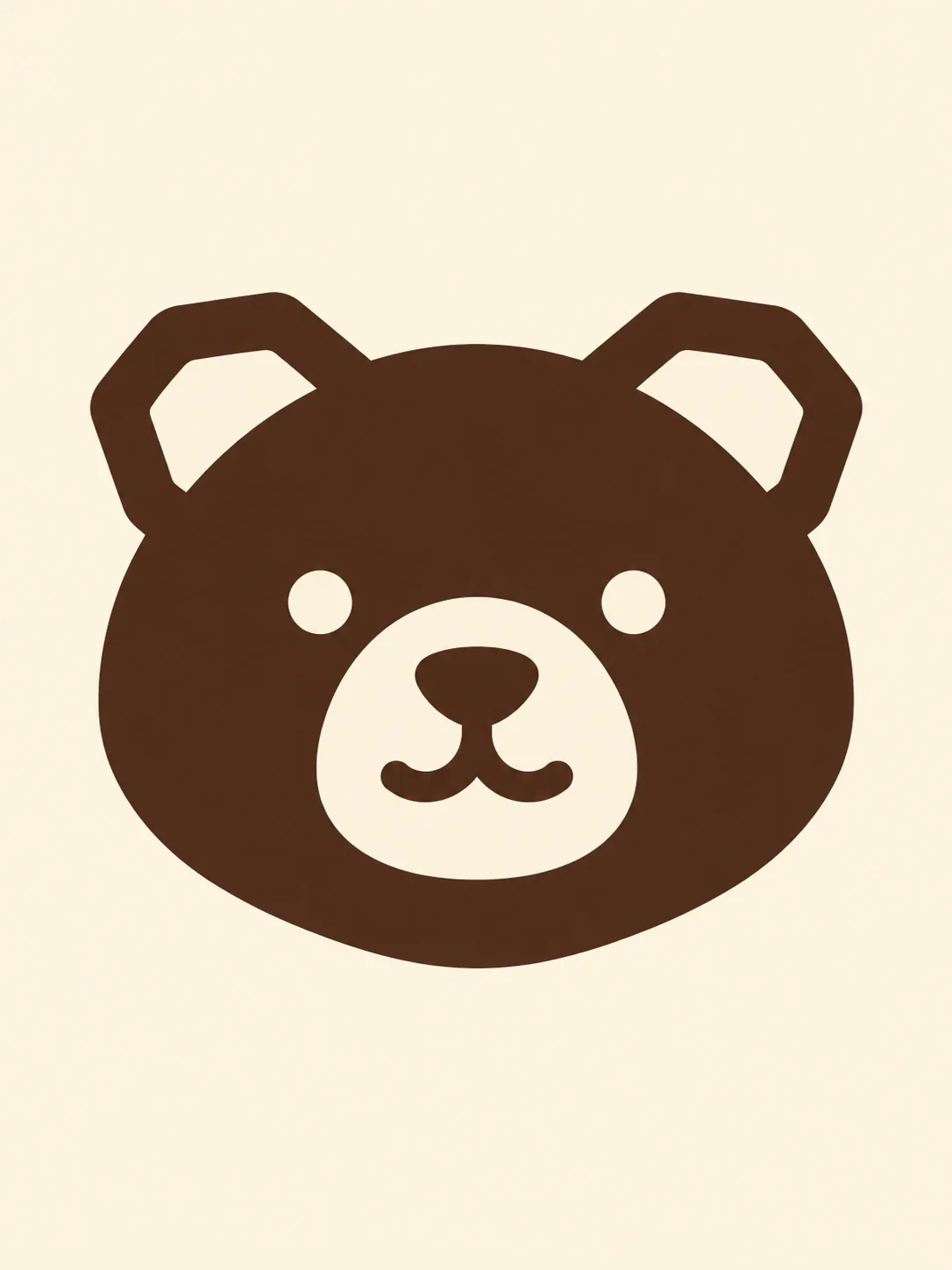 Character
Two colour bear head mark on cream, thick outline, geometric ears, 3:4
Try This Style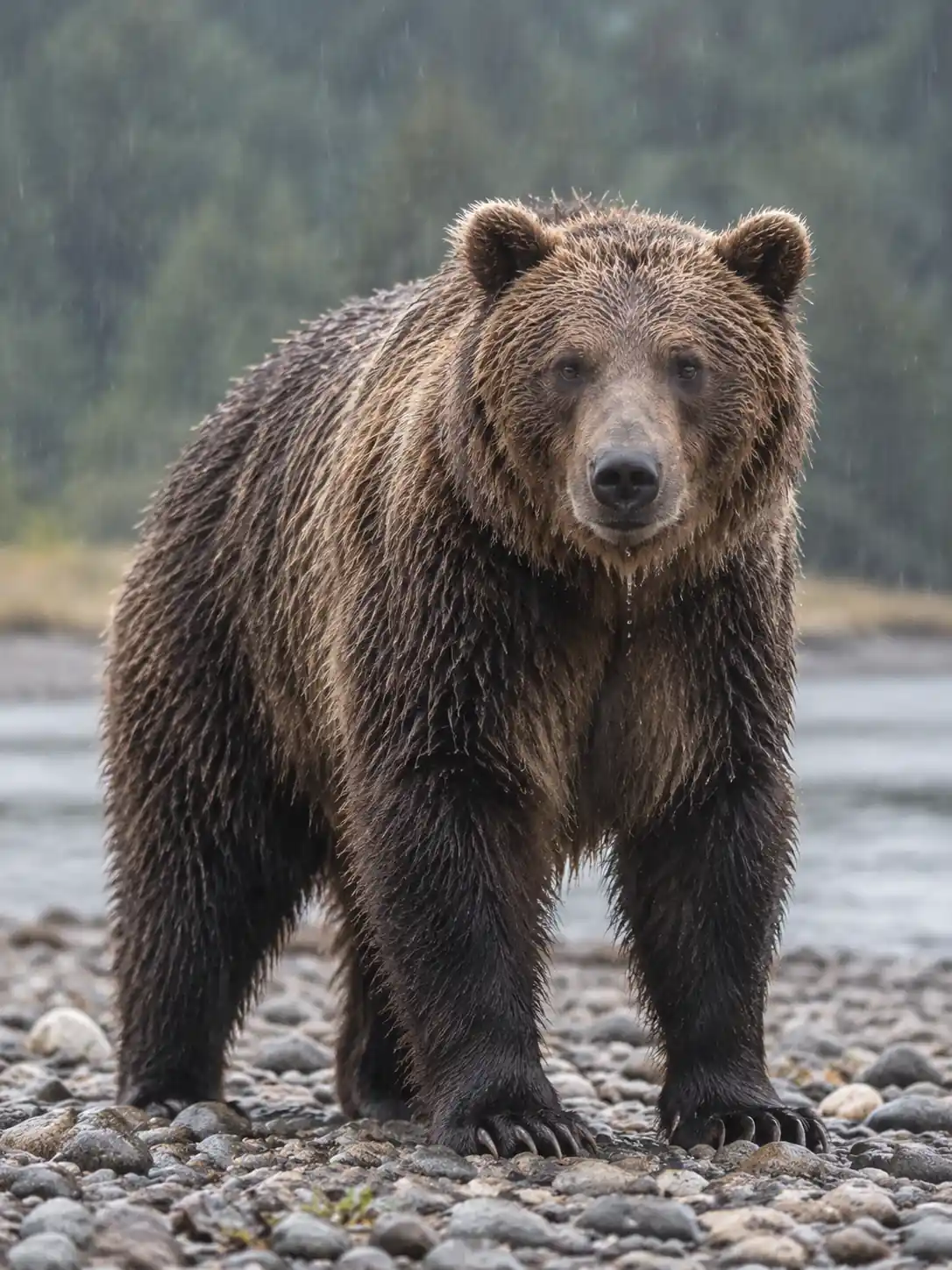 Character
Grizzly in light rain on a gravel bar, wet fur, overcast light, 3:4
Try This Style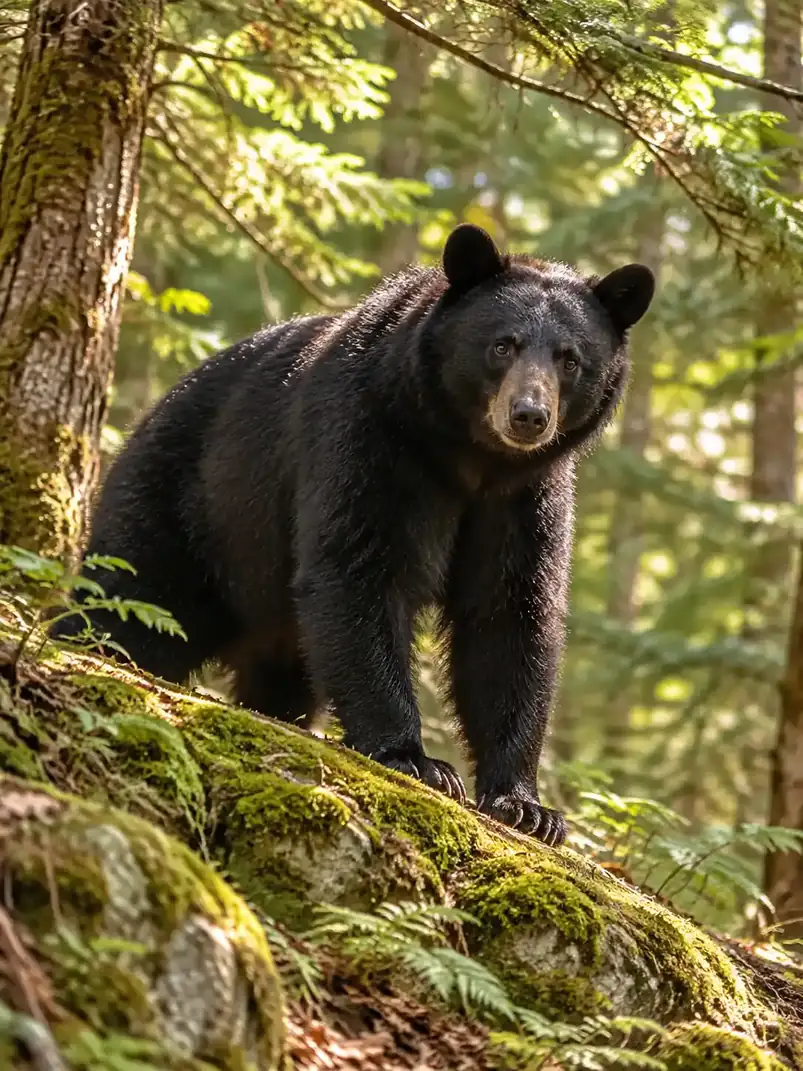 Character
Black bear on a mossy slope, broken light through canopy, 3:4
Try This Style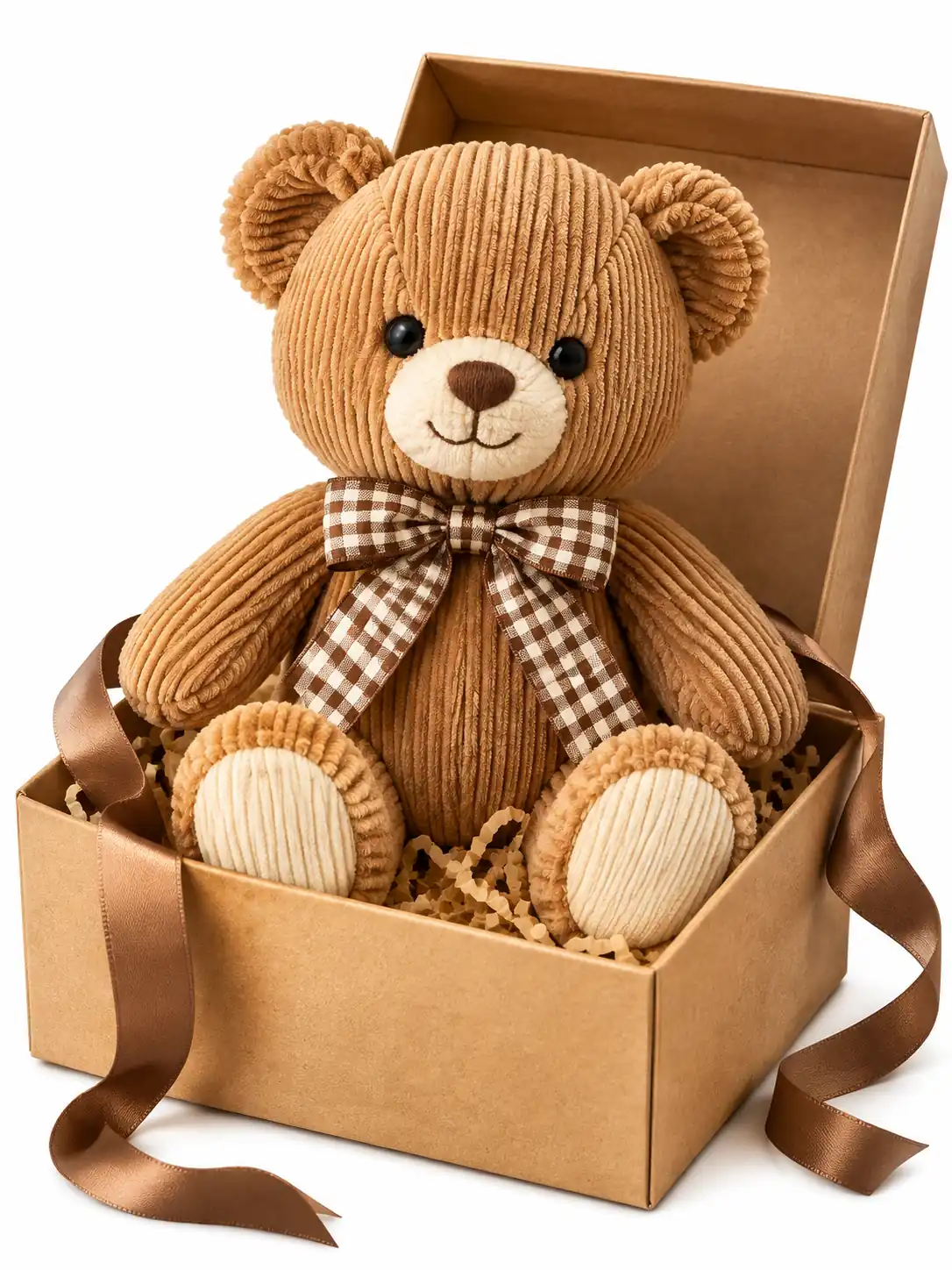 Scene
Bear walking away on a forest track, dust in low sun, 3:4
Try This Style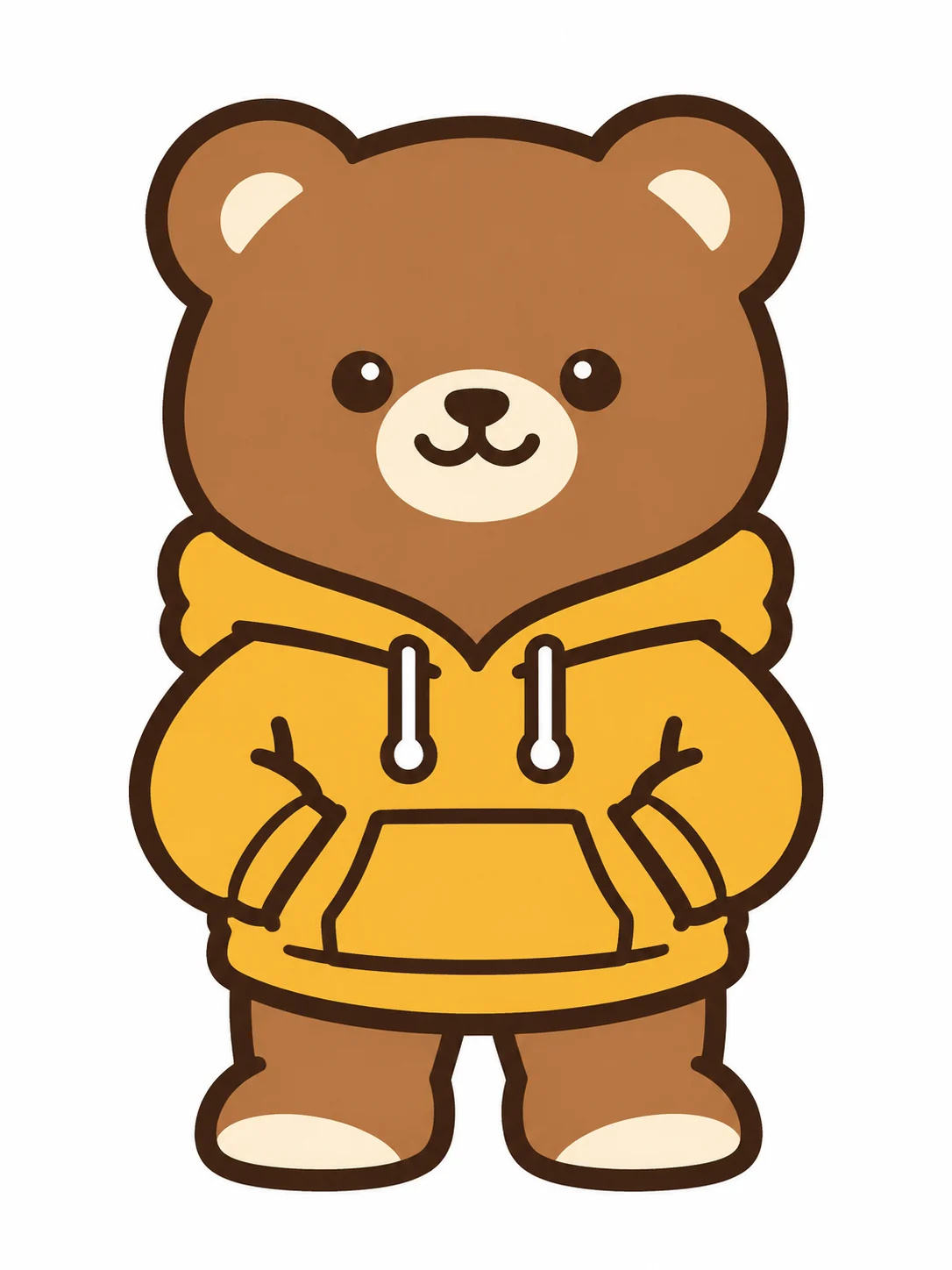 Scene
One cub sitting upright on grass, eye level, soft daylight, 3:4
Try This Style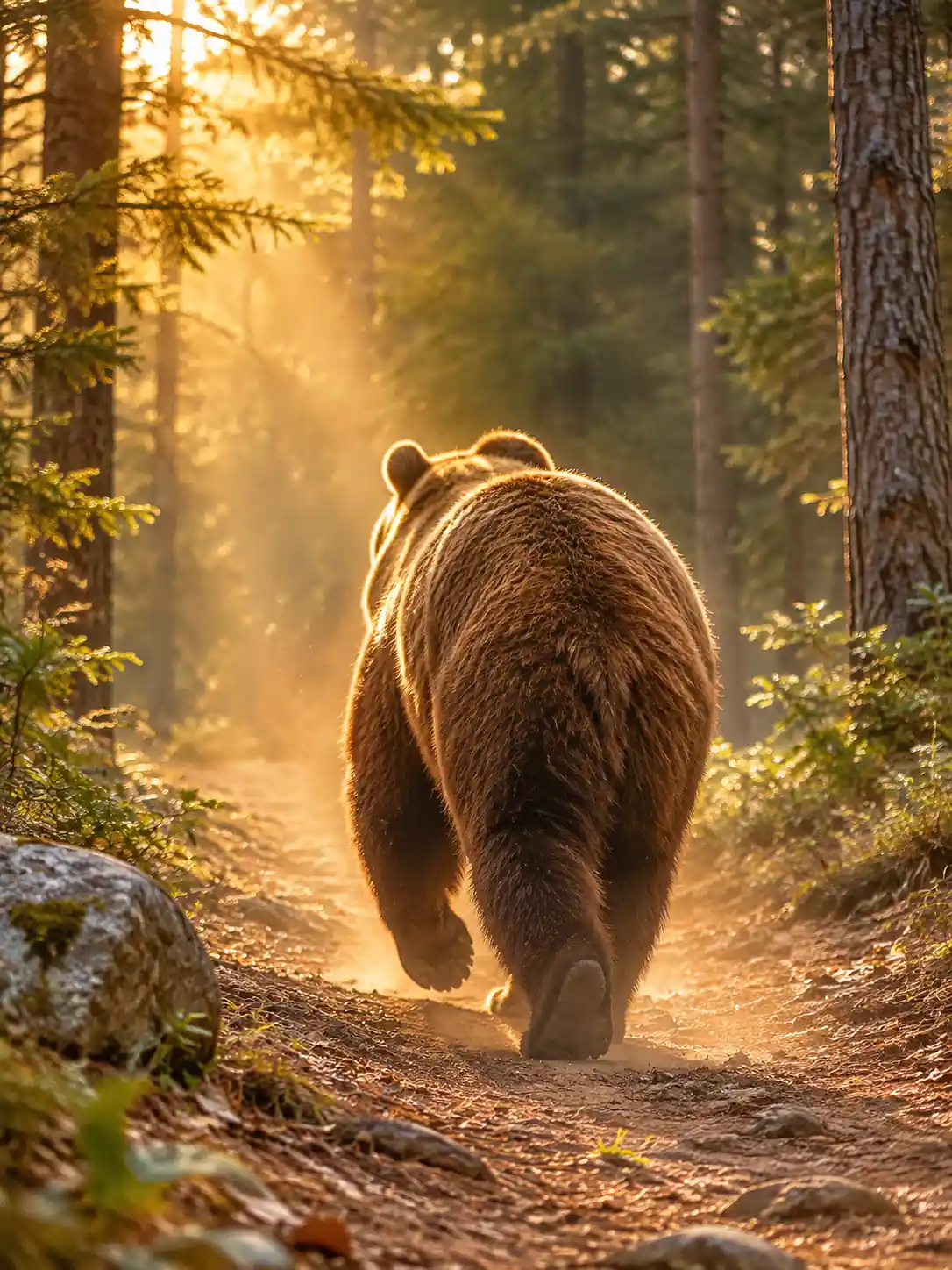 Detail
Bear at a river edge with a salmon, spray, low morning light, 3:4
Try This Style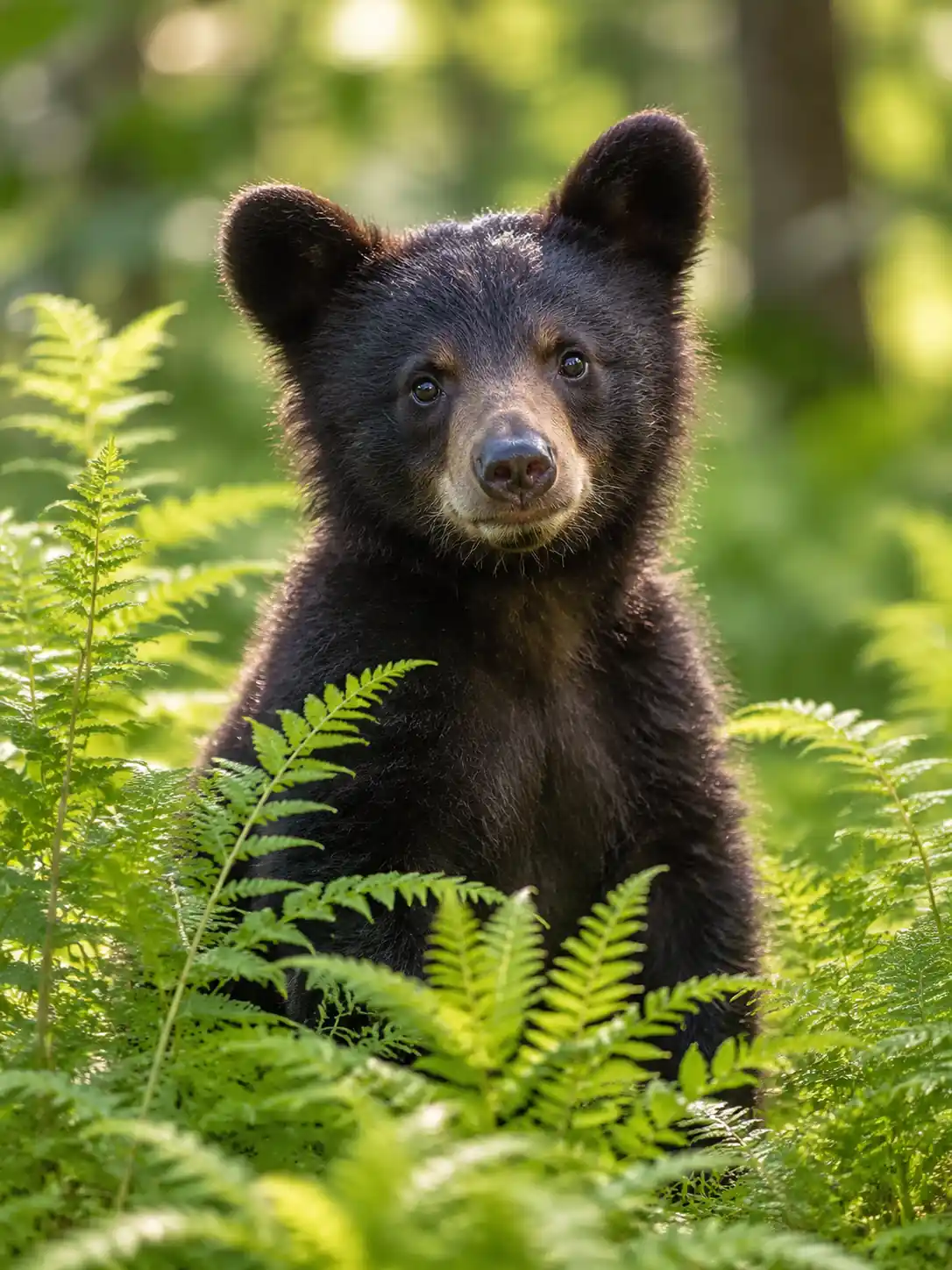 Detail
Minimal bear silhouette in one ink colour on cream, rounded forms, 3:4
Try This StyleA transparent PNG is only useful if the edges hold up where you paste it.
Fur against a busy background always leaves a fringe. A plain backdrop and soft light give you an edge you can key in one click rather than an hour of masking.
A sticker, a plush, a grizzly and a mark are four different animals. Rendering them from one description gives you four versions of the same brown bear.
A silhouette with space between limbs is easier to separate than a compact ball of fur. Ask for arms slightly away from the body and the cut takes seconds.
Keep the description and change only the pose to build a sticker sheet. Matching fur, light and edge treatment matter more than matching expression.
A wildlife bear needs wet fur and a riverbank. A teddy needs seams and stuffing. The two never mix well, and mixing them is the fastest way to a creepy result.
Say the background is a flat colour you will remove yourself. Claiming a transparent PNG from the render is a promise the format cannot keep.
I sell sticker packs on Etsy and needed twelve bears that matched. The trick was keeping the same description and changing only the pose, then keying out the plain backdrop. Twelve bears took one afternoon instead of a week.
My cut-outs kept losing an ear because the bear filled the frame. Leaving a margin on all sides fixed it, and asking for the arms slightly away from the body gave me an edge I could actually trace.
I used it for a nursery print and it looks like a proper illustration. What it will not do is a specific teddy that belonged to my daughter, since the render invents its own toy rather than copying the one in the photo.
It makes the bear on a plain field; the cut-out is a separate step. Ask for a plain white or single colour backdrop, then remove that field in your editor. A guessed transparent edge is less reliable than keying a flat colour.
Fur against a busy background always leaves a fringe. Describe a plain backdrop, keep the light soft and leave margin around paws and ears. Whiskers and ear tufts are where a cut-out shows its seams.
No. Describe the toy, the fabric and the pose in words. If it has to be a specific keepsake, a photo you own helps you write the description, but the render is a new image rather than a copy.
A first image runs on the free trial. Sticker sets, larger files and faster models sit behind a paid plan, and the picker shows the free model at the top.
Check the licence of the model you used. A plain, non-character bear is usually safe to sell; a bear that resembles a known toy or cartoon character is not, and that risk sits with you.